
GLP-1 Diet Supplements for Nutrient Balance
Last updated: July 26, 2026
Quick Answer
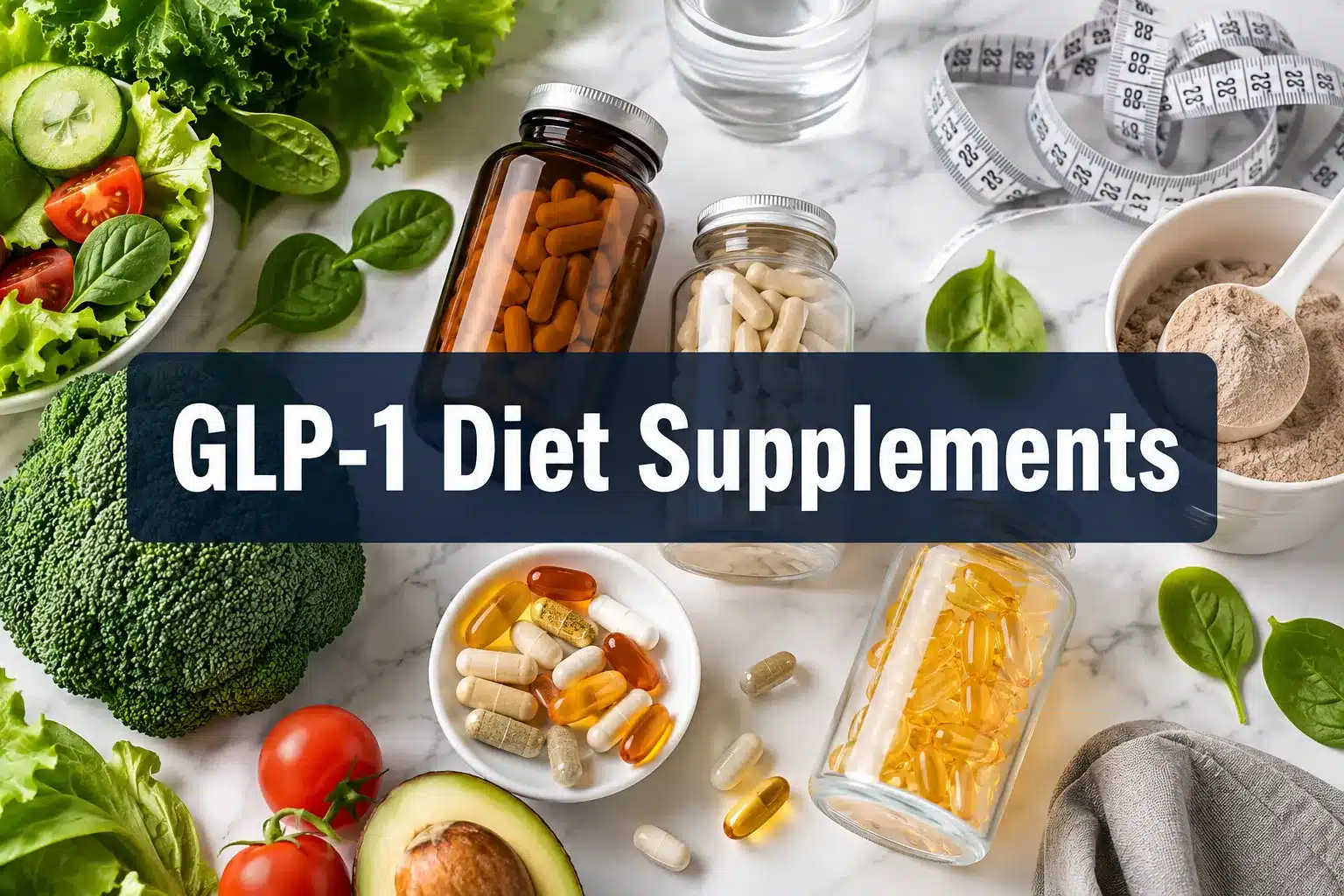
GLP-1 diet supplements are over-the-counter products that claim to mimic or stimulate the glucagon-like peptide-1 hormone to reduce appetite and support blood sugar control. They do not replace prescription GLP-1 medications, and their evidence base is far weaker. For people using GLP-1 therapies, maintaining nutrient balance through targeted supplementation, including protein, fiber, vitamins, and electrolytes, is genuinely important and well-supported by nutrition science.
Key Takeaways
- GLP-1 diet supplements are not FDA-approved drugs. They are dietary supplements that may support GLP-1 activity but cannot replicate the clinical effects of prescription medications like semaglutide or tirzepatide.
- People on GLP-1 therapies often eat significantly less food, which increases the risk of deficiencies in protein, B vitamins, iron, calcium, magnesium, and zinc.
- Protein intake is the most critical nutrient to protect on a GLP-1 diet. Most adults need at least 1.2 to 1.6 grams per kilogram of body weight daily to preserve lean muscle during weight loss.
- Fiber supplements, particularly psyllium husk and partially hydrolyzed guar gum, can ease constipation, a common side effect of GLP-1 therapy.
- Electrolyte imbalances, especially low sodium, potassium, and magnesium, are a real risk when appetite suppression leads to reduced food and fluid intake.
- OTC GLP-1 supplements vary widely in quality. Ingredients like berberine, inositol, and certain plant fibers have some research support, but none match the potency of prescription GLP-1 agonists.
- Vegetarians and vegans on GLP-1 therapy face a higher risk of B12, iron, zinc, and omega-3 deficiencies and should plan supplementation carefully.
- Always consult a healthcare provider before starting any supplement regimen alongside prescription GLP-1 medications.
What Are GLP-1 Diet Supplements and How Do They Work?
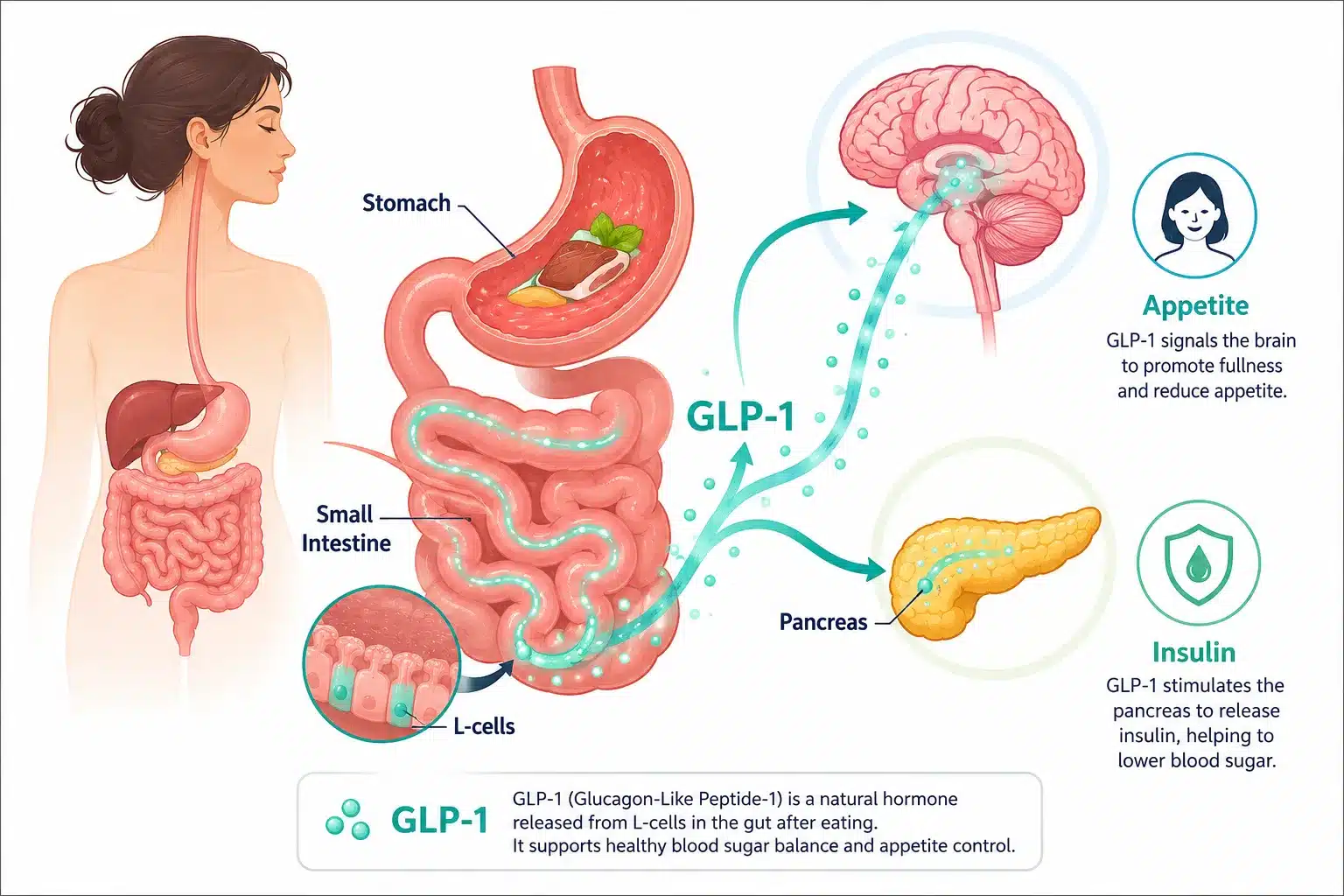
GLP-1 diet supplements are non-prescription products designed to support or stimulate the body’s natural glucagon-like peptide-1 (GLP-1) hormone, which plays a central role in appetite regulation, insulin secretion, and blood sugar control. Unlike prescription GLP-1 receptor agonists such as semaglutide or tirzepatide, these supplements work indirectly by providing nutrients, plant compounds, or fiber that may encourage the gut to release more GLP-1 naturally.
7 Best GLP-1 Providers Ranked: Accreditation, Flexibility & Support Compared (2026 Update)
32,000+ Patients Can't All Be Wrong: See the Top-Rated GLP-1 Providers. We compared the leading online GLP-1 providers based on program features, clinical support, convenience, and overall value.
BMI MD GLP-1 Microdosing Plan
- Specialized microdosing options, including sublingual drops and low-dose injections
- Designed for people interested in maintaining weight or gradually adjusting treatment
- Bundled program structure without a separate monthly platform membership
- Online access makes the process convenient from home

DirectMeds Weight Loss Solutions
- Online weight-loss program with a straightforward patient experience
- Compounded medication options through state-licensed compounding pharmacies
- Includes clinical consultation as part of the process
- Provides shipping updates to help patients track their orders
MEDVi Flat-Rate Telehealth
- Flat-rate telehealth approach designed for easier budgeting
- No dosage-based pricing increases within the advertised program structure
- Offers injectable and oral thin-film delivery options
- Includes medical screening and asynchronous provider consultations
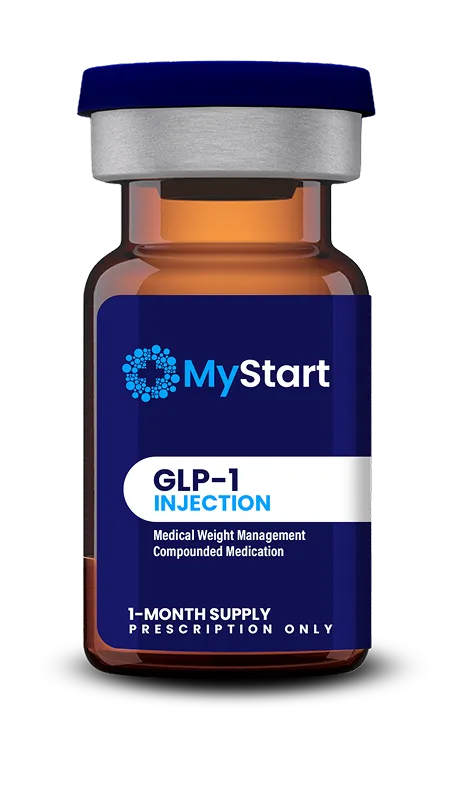
Gala GLP-1 Care Program
- Text-based access to state-licensed clinicians
- Cold-chain medication shipping included in the program
- Month-to-month program structure
- Designed for people who value convenient ongoing support
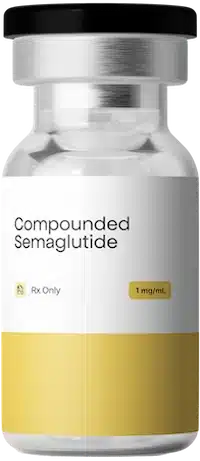
Measured GLP-1 Metabolic Health
- Comprehensive metabolic health screening and intake analysis
- Designed around longer-term metabolic health management
- Responsive dashboard with integrated health tracking tools
- Useful option for patients who value a more data-focused experience
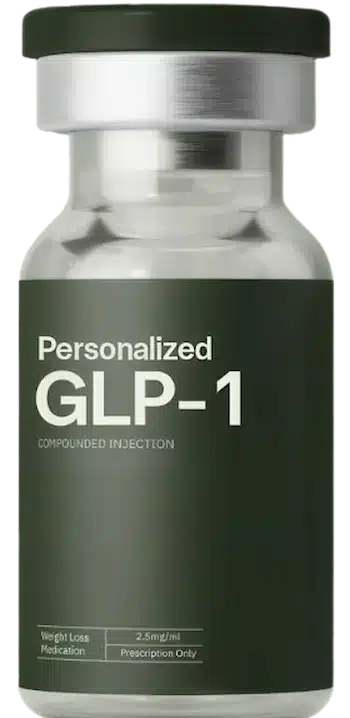
Refills GLP-1 (TryRefills Plan)
- Clinical guidance designed to help patients manage common treatment concerns
- Includes foundational nutritional strategies alongside medication
- Designed around predictable ongoing treatment
- No hidden startup or processing fees according to the program information provided
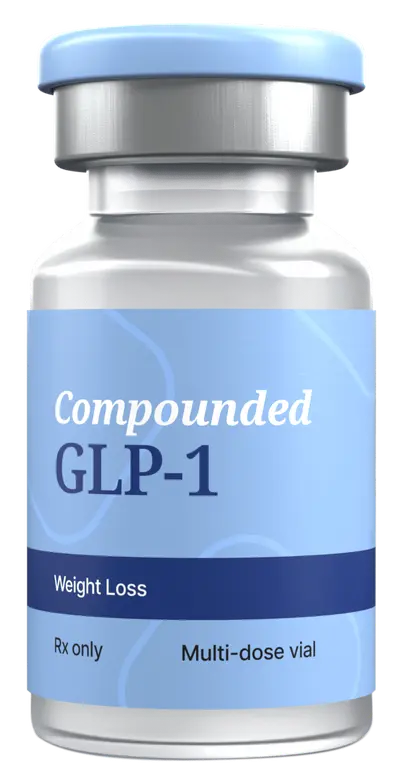
AltRx GLP-1 Transactional Reorders
- Transactional reorder model without recurring auto-billing
- Designed for patients who already understand their treatment routine
- Fast text-to-order process for convenient reorders
- Offers injectable and fast-dissolving tablet variations
How GLP-1 works in the body:
- GLP-1 is a hormone released by L-cells in the small intestine and colon after eating.
- It signals the pancreas to release insulin, slows gastric emptying (so you feel full longer), and sends satiety signals to the brain.
- Higher GLP-1 activity is associated with reduced calorie intake and improved blood sugar regulation.
Common ingredients in GLP-1 diet supplements:
| Ingredient | Proposed Mechanism | Evidence Level |
|---|---|---|
| Berberine | Activates AMPK, may stimulate GLP-1 release | Moderate (human studies) |
| Inositol | Improves insulin sensitivity | Moderate (PCOS, prediabetes studies) |
| Psyllium husk | Slows digestion, may boost GLP-1 | Good (fiber-GLP-1 link established) |
| Bitter melon extract | May mimic incretin activity | Limited (mostly animal data) |
| Chromium picolinate | Supports insulin signaling | Limited |
| Green tea extract (EGCG) | May slow gastric emptying | Limited |
Important distinction: None of these ingredients bind to GLP-1 receptors the way prescription drugs do. They support conditions that may encourage natural GLP-1 release, which is a meaningful but much smaller effect. For a deeper look at how prescription GLP-1 drugs actually work, see our GLP-1 shots explained guide.
Do GLP-1 Supplements Actually Help with Nutrient Balance?
GLP-1 diet supplements for nutrient balance serve a dual purpose: some ingredients may mildly support GLP-1 activity, while others, particularly fiber, protein, and micronutrient blends, directly address the nutritional gaps that arise when appetite is suppressed. The nutrient balance support is the more evidence-backed benefit of the two.
When people eat significantly less, they often fall short on:
- Protein (muscle preservation, immune function)
- B vitamins, especially B12 and folate (energy, nerve health)
- Iron (oxygen transport, fatigue prevention)
- Calcium and vitamin D (bone density)
- Magnesium (muscle function, sleep, blood sugar)
- Zinc (immune function, wound healing)
A well-formulated GLP-1 diet supplement that includes a multivitamin base, fiber, and protein support can meaningfully reduce these risks. However, a supplement marketed purely as a “GLP-1 booster” with no nutritional support ingredients offers far less practical value for nutrient balance.
Decision rule: Choose a GLP-1 diet supplement that includes both appetite-support ingredients (like berberine or fiber) and nutritional insurance components (like a B-complex, magnesium, and zinc) rather than one that focuses only on the GLP-1 stimulation angle.
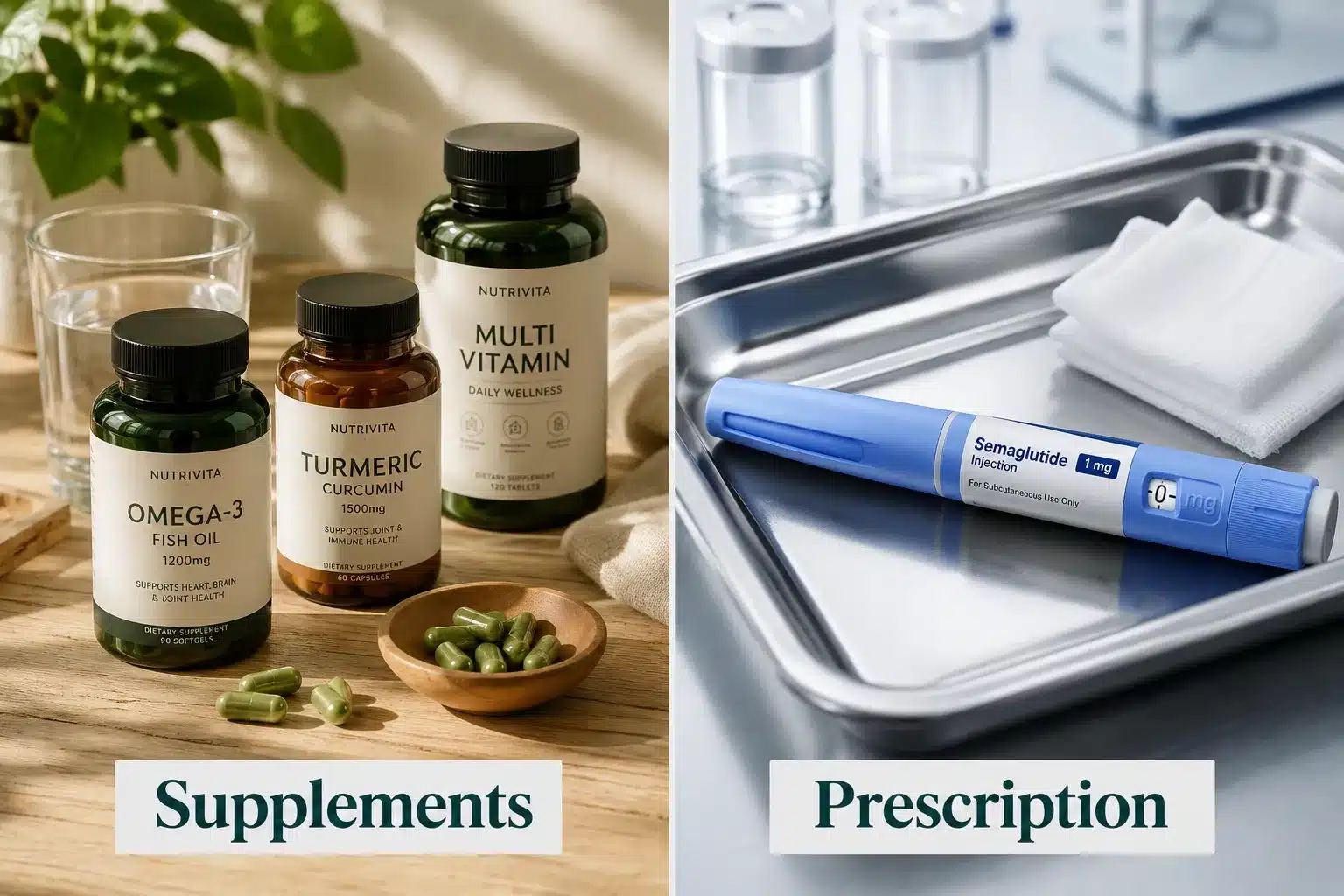
GLP-1 Supplements vs. Prescription GLP-1 Medications: What’s the Difference?
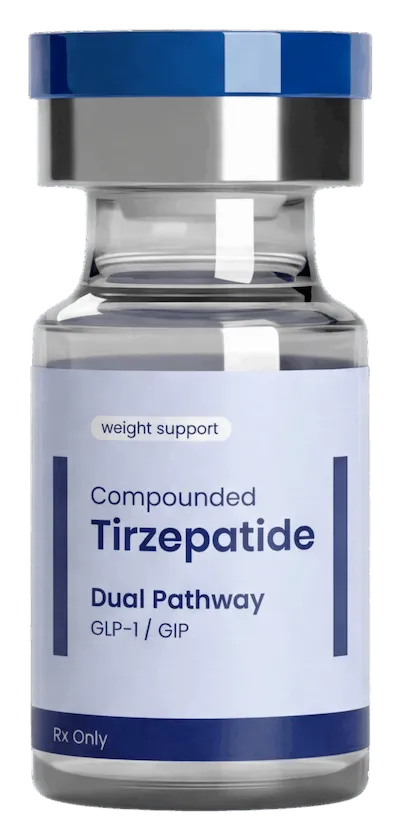
Prescription GLP-1 medications and OTC GLP-1 supplements are fundamentally different products. Prescription drugs like semaglutide (Ozempic, Wegovy) and tirzepatide (Mounjaro, Zepbound) are synthetic peptides that directly activate GLP-1 receptors, producing clinically significant reductions in body weight, often 15 to 22 percent in clinical trials. OTC supplements cannot do this.
Key differences at a glance:
- Mechanism: Prescriptions bind GLP-1 receptors directly. Supplements may nudge natural GLP-1 secretion indirectly.
- Efficacy: Prescription drugs have robust Phase 3 clinical trial data. Supplements have limited, smaller-scale human studies.
- Regulation: Prescription GLP-1 drugs are FDA-approved. OTC GLP-1 supplements are regulated as dietary supplements under DSHEA, meaning they do not require FDA approval before sale.
- Cost: Prescription GLP-1 drugs can cost $900 to $1,400 per month without insurance. OTC supplements typically range from $30 to $80 per month.
- Safety monitoring: Prescription drugs require medical oversight. Supplements do not, though professional guidance is still advisable.
If you are considering prescription options, our guides on affordable semaglutide telehealth programs and compounded vs. brand semaglutide cover the cost and access landscape in detail.
Common mistake: Assuming an OTC supplement labeled “GLP-1 support” will produce weight loss comparable to prescription medications. The clinical gap between the two is large. Supplements are best used as nutritional support tools, not weight-loss drugs.
Best GLP-1 Diet Supplements for Nutrient Deficiency
The best GLP-1 diet supplements for addressing nutrient deficiency are those that combine appetite-modulating ingredients with a solid micronutrient foundation. No single product is universally best, but the following categories are most useful for people on GLP-1 therapy or using GLP-1-style diets.
Top supplement categories to prioritize:
1. High-quality protein supplements
Whey protein isolate or plant-based blends (pea + rice) are the most practical way to hit protein targets when appetite is suppressed. Look for at least 20 to 25 grams of protein per serving with minimal added sugar.
2. Comprehensive multivitamins
A multivitamin formulated for bariatric or low-calorie diet users is ideal. These typically contain higher doses of B12, iron, calcium, and vitamin D than standard formulas. Look for methylcobalamin (active B12) rather than cyanocobalamin for better absorption.
3. Magnesium glycinate or citrate
Magnesium is frequently depleted on low-calorie diets and is poorly absorbed in oxide form. Glycinate and citrate forms are gentler on the stomach and better absorbed.
4. Fiber supplements (psyllium husk or PHGG)
Partially hydrolyzed guar gum (PHGG) is particularly well tolerated and has research support for improving GLP-1 secretion and easing GI symptoms. Psyllium husk is widely available and effective for constipation relief.
5. Omega-3 fatty acids (fish oil or algae-based)
Reduced food intake often means reduced intake of fatty fish. Omega-3s support cardiovascular health, inflammation control, and mood, all relevant on a calorie-restricted GLP-1 diet.
6. Electrolyte blends
Look for products that provide sodium, potassium, and magnesium without excessive sugar. Many commercial electrolyte drinks contain more sugar than is appropriate for GLP-1 users.
For a broader look at blood sugar-supporting supplements that complement GLP-1 nutrition strategies, see our best blood sugar supplements guide.
How Much Do GLP-1 Diet Supplements Cost?
OTC GLP-1 diet supplements typically cost between $25 and $120 per month, depending on the product type and brand. Building a complete nutrient support stack generally runs $60 to $150 per month when purchased individually.
Estimated monthly costs by category (2026):
- Basic multivitamin (bariatric-grade): $20 to $40
- Protein powder (30-serving tub): $30 to $60
- Magnesium supplement: $15 to $25
- Fiber supplement (psyllium or PHGG): $10 to $20
- Omega-3 fish oil: $15 to $30
- Electrolyte blend: $20 to $40
- “GLP-1 booster” proprietary blends: $40 to $100
Cost-saving tips:
- Buy protein powder in bulk (2 to 5 lb tubs).
- Choose generic or store-brand versions of well-studied single ingredients like magnesium glycinate or psyllium husk.
- Avoid proprietary “GLP-1 activator” blends that charge a premium for ingredients available cheaply as standalone products.
- Compare this against the cost of prescription GLP-1 programs. Our guide to the 7 best affordable GLP-1 weight loss programs breaks down what you actually pay across different access routes.
Can You Take GLP-1 Supplements If You’re Not Diabetic?
Yes, non-diabetic adults can take most GLP-1 diet supplements safely, as long as they do not have contraindicated health conditions. GLP-1 supplements are not exclusively for people with diabetes or prediabetes. Many are used by people pursuing weight management, metabolic health, or blood sugar stability without a diabetes diagnosis.
Who may benefit without a diabetes diagnosis:
- Adults with prediabetes or insulin resistance
- People following low-calorie or intermittent fasting diets
- Those with polycystic ovary syndrome (PCOS), where inositol-based GLP-1 supplements have specific research support
- People using prescription GLP-1 medications for weight loss (not diabetes)
Who should be cautious:
- People with hypoglycemia or a tendency toward low blood sugar, since some ingredients like berberine can lower glucose levels
- Those on blood sugar-lowering medications (metformin, insulin), where additive effects are possible
- Pregnant or breastfeeding women (most supplements lack safety data for these groups)
Edge case: Berberine, one of the most popular GLP-1 supplement ingredients, has meaningful blood glucose-lowering effects. Non-diabetic users who take it alongside other glucose-modulating supplements or medications should monitor blood sugar and consult a doctor.
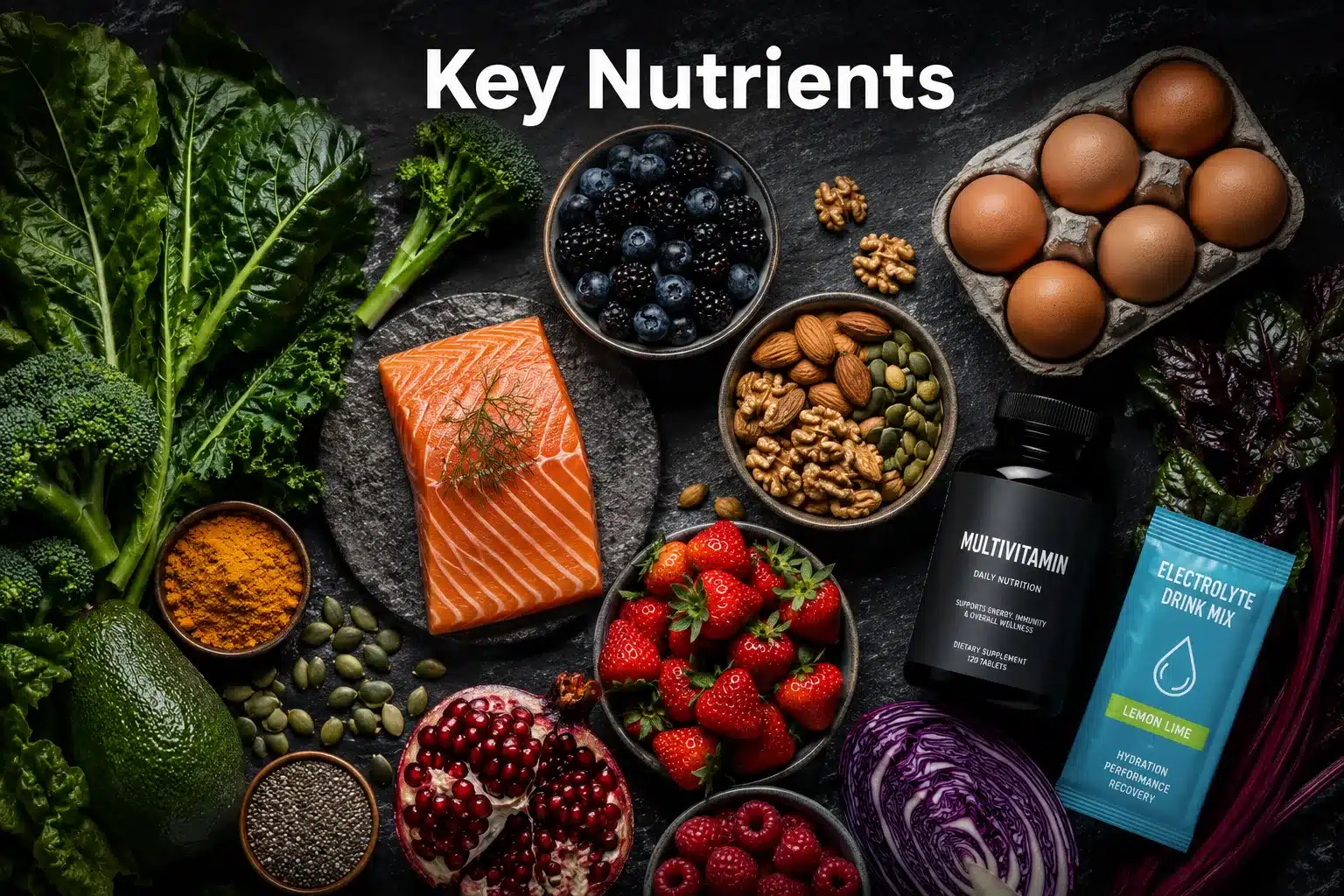
What Nutrients Do You Lose on a GLP-1 Diet and How to Replace Them
People on GLP-1 therapy commonly lose adequate intake of protein, B vitamins, iron, calcium, magnesium, zinc, and omega-3 fatty acids because they simply eat much less food. Replacing these through targeted supplementation and smart food choices is one of the most important aspects of GLP-1 diet management.
Nutrient gaps and replacement strategies:
Protein
- Risk: Muscle loss during rapid weight reduction
- Target: 1.2 to 1.6 g/kg body weight daily (higher end for older adults)
- Replace with: Whey or plant protein shakes, Greek yogurt, eggs, cottage cheese
Vitamin B12
- Risk: Reduced meat and dairy intake; absorption can also be affected by metformin if prescribed alongside
- Replace with: Methylcobalamin supplement (500 to 1,000 mcg daily) or sublingual B12
Iron
- Risk: Reduced red meat intake, especially in premenopausal women
- Replace with: Iron-rich foods (lentils, fortified cereals) or a low-dose iron supplement if blood tests confirm deficiency
Calcium and Vitamin D
- Risk: Bone density loss during weight reduction
- Replace with: Calcium citrate (better absorbed than carbonate) plus vitamin D3 (1,000 to 2,000 IU daily)
Magnesium
- Risk: Depleted by stress, reduced food intake, and GI side effects
- Replace with: Magnesium glycinate 200 to 400 mg daily
Zinc
- Risk: Reduced meat and seafood intake
- Replace with: Zinc picolinate or gluconate 15 to 30 mg daily (avoid long-term high doses without monitoring)
Omega-3 fatty acids
- Risk: Reduced fatty fish consumption
- Replace with: Fish oil (1 to 2 g EPA/DHA daily) or algae-based omega-3 for vegans
For guidance on supporting overall dental and bone health alongside these nutrients, our best supplements for healthy teeth and gums resource covers calcium and vitamin D strategies in more detail.
GLP-1 Supplements Side Effects and Nutrient Absorption Issues
GLP-1 diet supplements are generally well tolerated, but some ingredients can cause GI side effects or interfere with nutrient absorption. These issues are more likely when supplements are taken in high doses or combined with prescription GLP-1 medications that already slow gastric emptying.
Common side effects by ingredient:
- Berberine: Nausea, cramping, diarrhea (especially at doses above 500 mg three times daily). Take with food to reduce GI irritation.
- Psyllium husk: Bloating and gas if fluid intake is insufficient. Always take with at least 8 oz of water.
- High-dose magnesium: Loose stools or diarrhea, particularly with oxide and citrate forms at doses above 400 mg.
- Iron supplements: Constipation, nausea, dark stools. Take with vitamin C to improve absorption; avoid taking with calcium or antacids.
- Fat-soluble vitamins (A, D, E, K): Risk of accumulation if taken in very high doses alongside a low-fat diet that impairs absorption.
Nutrient absorption issues specific to GLP-1 therapy:
Slowed gastric emptying, a hallmark of GLP-1 action, can reduce the absorption rate of some oral medications and supplements. This matters most for:
- Thyroid medications (take at least 4 hours apart from GLP-1 doses)
- Oral contraceptives (discuss timing with your prescriber)
- Fat-soluble vitamins (take with the largest meal of the day to maximize fat-mediated absorption)
Common mistake: Taking all supplements at once in the morning on an empty stomach. Spreading supplements across meals and pairing fat-soluble vitamins with food improves absorption and reduces GI side effects.
Who Shouldn’t Take GLP-1 Diet Supplements
Most healthy adults can use GLP-1 diet supplements safely, but certain groups should avoid them or seek medical clearance first. This applies to both standalone GLP-1 booster products and high-dose individual ingredients like berberine.
Avoid or use with caution if you:
- Are pregnant or breastfeeding (limited safety data for most botanical ingredients)
- Have a history of hypoglycemia or are on insulin or sulfonylureas
- Have chronic kidney disease (some supplements, including high-dose magnesium and potassium, require dose adjustment)
- Have inflammatory bowel disease or active GI conditions (high-fiber supplements can worsen symptoms during flares)
- Take medications with narrow therapeutic windows (warfarin, thyroid hormones, certain antiepileptics), as berberine and some plant extracts can affect drug metabolism via CYP450 pathways
- Are under 18 (most supplement research is conducted in adults)
- Have a personal or family history of medullary thyroid carcinoma (relevant specifically if also considering prescription GLP-1 drugs, not OTC supplements, but worth noting)
Edge case: Berberine is sometimes marketed as a “natural Ozempic.” While it does have blood glucose-lowering properties, it also inhibits CYP3A4 and P-glycoprotein, which can raise blood levels of several common medications. Anyone on a complex medication regimen should review berberine use with a pharmacist or physician.
Are GLP-1 Supplements Actually FDA Approved?
No, over-the-counter GLP-1 diet supplements are not FDA-approved. They are regulated as dietary supplements under the Dietary Supplement Health and Education Act (DSHEA) of 1994, which means manufacturers do not need to prove safety or efficacy before selling them. The FDA can only act after a product is on the market if it is found to be unsafe.
What this means in practice:
- Supplement labels cannot legally claim to treat, cure, or prevent any disease.
- Claims like “supports healthy blood sugar” or “promotes natural GLP-1 activity” are structure/function claims that do not require FDA approval.
- Quality control varies widely. Third-party testing by organizations like USP, NSF International, or Informed Sport provides meaningful quality assurance.
Contrast with prescription GLP-1 drugs:
Semaglutide (Ozempic, Wegovy) and tirzepatide (Mounjaro, Zepbound) are FDA-approved drugs with extensive clinical trial data. They are not available OTC. Our RX medications for weight loss guide covers the full landscape of approved GLP-1 drugs.
Checklist for evaluating supplement quality:
- Look for USP, NSF, or Informed Sport certification seals
- Check that the label lists a full supplement facts panel with doses
- Avoid proprietary blends that hide individual ingredient amounts
- Research the manufacturer’s Good Manufacturing Practice (GMP) certification
- Cross-check ingredients against published human research, not just animal studies
Common Mistakes People Make with GLP-1 Supplements and Nutrition
The most common mistake is treating GLP-1 diet supplements as a substitute for either a balanced diet or prescription medical treatment. Supplements fill gaps; they do not replace whole foods or clinical care.
Eight mistakes to avoid:
Skipping protein. Eating too little protein while appetite is suppressed accelerates muscle loss. This is the most nutritionally consequential error on any GLP-1 diet.
Ignoring fiber. Low fiber intake worsens constipation, a top complaint among GLP-1 users. Aim for at least 25 grams of fiber daily from food and supplements combined.
Neglecting hydration. Reduced appetite often means reduced fluid intake. Dehydration amplifies electrolyte imbalances and worsens fatigue and headaches.
Taking supplements on an empty stomach. Most fat-soluble vitamins, omega-3s, and magnesium are better absorbed with food and less likely to cause nausea.
Buying proprietary “GLP-1 activator” blends without checking doses. Many products underdose active ingredients to fit more items on the label. Berberine, for example, requires at least 500 mg per dose to show meaningful effects in research.
Assuming more is better. High-dose zinc, vitamin A, or iron can be harmful. Stick to evidence-based doses unless a blood test confirms a deficiency requiring therapeutic supplementation.
Ignoring drug-supplement interactions. Berberine, green tea extract, and some B vitamins can interact with medications. Always review your full supplement list with a healthcare provider.
Not monitoring with blood tests. Nutrient deficiencies often develop silently. A basic metabolic panel plus B12, iron, vitamin D, and magnesium levels every 6 to 12 months is reasonable for long-term GLP-1 users.

Do I Need Electrolytes and Vitamins While Taking GLP-1 Supplements?
Yes, most people on GLP-1 therapy or a GLP-1-style low-calorie diet benefit from deliberate electrolyte and vitamin support. Reduced food intake lowers the natural supply of these nutrients, and GI side effects like nausea and diarrhea can accelerate losses further.
Electrolytes to prioritize:
- Sodium: Often reduced on low-processed-food diets. A modest increase in dietary salt or a low-sugar electrolyte drink can prevent headaches and fatigue.
- Potassium: Found in fruits, vegetables, and dairy. If intake drops, muscle cramps and heart rhythm irregularities can occur. Aim for 3,500 to 4,700 mg daily from food and supplements.
- Magnesium: Frequently low in the general population and further depleted by stress and GI losses. 200 to 400 mg of magnesium glycinate daily is a reasonable starting point.
Vitamins to prioritize:
- Vitamin B12 (methylcobalamin, 500 to 1,000 mcg daily)
- Vitamin D3 (1,000 to 2,000 IU daily, or higher if blood levels are low)
- Folate (especially important for women of childbearing age)
- A B-complex for general energy metabolism support
Choose electrolyte products carefully. Many sports drinks and electrolyte powders contain 20 to 30 grams of sugar per serving, which is counterproductive for people managing blood sugar on a GLP-1 diet. Look for products with less than 5 grams of sugar per serving and a meaningful dose of sodium, potassium, and magnesium.
GLP-1 Diet Supplements for Vegetarians and Vegans
Vegetarians and vegans using GLP-1 diet supplements for nutrient balance face a higher baseline risk of deficiency because several nutrients critical to GLP-1 nutrition are predominantly found in animal foods. With careful planning, these gaps are manageable, but they require more deliberate supplementation than omnivores typically need.
Nutrients of highest concern for plant-based GLP-1 users:
- Vitamin B12: Found almost exclusively in animal products. Supplementation is non-negotiable. Use methylcobalamin at 1,000 mcg daily or a high-dose weekly supplement.
- Iron (non-heme): Plant-based iron is less bioavailable. Pair iron-rich foods (lentils, spinach, tofu) with vitamin C to improve absorption. Monitor ferritin levels annually.
- Zinc: Found in lower amounts and with lower bioavailability in plant foods. Zinc picolinate 15 to 25 mg daily is reasonable.
- Omega-3 fatty acids (EPA/DHA): Flaxseed and chia provide ALA, but conversion to EPA and DHA is inefficient. Algae-based omega-3 supplements provide EPA and DHA directly and are fully vegan.
- Calcium: If dairy is excluded, calcium from fortified plant milks and leafy greens needs supplementation. Calcium citrate 500 mg twice daily is well absorbed.
- Protein: Plant-based protein sources are generally lower in leucine, the amino acid most critical for muscle protein synthesis. A pea and rice protein blend with at least 2.7 g of leucine per serving helps close this gap.
Vegan-friendly GLP-1 supplement ingredients to look for:
- Berberine (plant-derived)
- Psyllium husk or PHGG fiber
- Inositol (plant-derived)
- Algae-based omega-3
- Fermented or whole-food-based multivitamins
For plant-based eaters interested in whole-food nutrient density alongside supplementation, our review of grass-fed beef liver supplements offers context on why organ-based nutrition is valued by omnivores, which can help vegans understand what they are specifically replacing.
Key Takeaway
GLP-1 diet supplements for nutrient balance are most valuable when they address the real nutritional gaps created by reduced appetite, rather than when they are marketed as a shortcut to the effects of prescription GLP-1 drugs. Protein, fiber, magnesium, B12, vitamin D, and electrolytes are the highest-priority nutrients to protect. Use third-party tested products, spread supplements across meals, and monitor nutrient levels with periodic blood work for the best outcomes.
7 Best GLP-1 Providers Ranked: Accreditation, Flexibility & Support Compared (2026 Update)
32,000+ Patients Can't All Be Wrong: See the Top-Rated GLP-1 Providers: Compared on accreditation, plan flexibility, and patient support — updated for 2026.
BMI MD GLP-1 Microdosing Plan
- Specialized microdosing options (sublingual drops or low-dose injections)
- Ideal for maintaining weight or tapering off higher doses safely
- Fully bundled plan with no hidden monthly platform memberships
DirectMeds Weight Loss Solutions
- Sourced from accredited, state-licensed 503A compounding pharmacies
- No-frills high-volume savings passed directly to the patient
- Includes clinical consultation and cold-chain shipping updates
MEDVi Flat-Rate Telehealth
- Flat monthly rate holds steady even at maximum maintenance doses
- No dosage upcharges or graduation fee penalties
- Offers both injectable and advanced oral thin-film delivery options
Gala GLP-1 Care Program
- All-inclusive plan with no standalone membership costs
- Continuous text-based messaging access with state-licensed clinicians
- Temperature-controlled, cold-chain medication shipping included
Measured GLP-1 Metabolic Health
- Comprehensive metabolic health screening and expert intake analysis
- Predictable long-term budgeting with stable plan pricing
- High-end responsive dashboard with integrated diagnostic support
Refills GLP-1 (TryRefills Plan)
- Flat rate holds steady as titration scales up
- Includes clinical guides for active side-effect management
- Bundles in foundational nutritional strategies alongside medication
AltRx GLP-1 Transactional Reorders
- Zero recurring auto-billing — pay entirely on a transactional basis
- Rapid text-to-order format saves time for experienced patients
- Provides both injectable forms and fast-dissolving tablet variations
Conclusion
GLP-1 diet supplements for nutrient balance occupy a specific and genuinely useful niche, but only when used with clear expectations. They are not prescription medications. They will not produce the 15 to 20 percent weight loss seen in clinical GLP-1 drug trials. What they can do, when chosen carefully, is meaningfully reduce the risk of nutritional deficiencies that arise when appetite suppression leads to significantly lower food intake.
Actionable next steps:
- Audit your current diet. Before buying supplements, track your food intake for 3 to 5 days using a free app like Cronometer to identify actual gaps.
- Prioritize protein first. If you can only add one supplement, make it a high-quality protein powder. Muscle preservation during weight loss is the most clinically important nutritional goal.
- Add a bariatric-grade multivitamin. These are formulated for people eating less than 1,200 to 1,500 calories daily and provide more of the nutrients most likely to be depleted.
- Support your gut with fiber. Psyllium husk or PHGG taken with adequate water reduces constipation and may modestly support natural GLP-1 secretion.
- Get baseline blood work. Ask your doctor for B12, vitamin D, ferritin, magnesium, and a basic metabolic panel before starting a GLP-1 diet. Repeat every 6 to 12 months.
- Consider prescription options if appropriate. If you are managing significant weight or metabolic health concerns, OTC supplements are unlikely to be sufficient on their own. Our guide to GLP-1 medications for weight loss and diabetes explains the full range of options available in 2026.
The goal is not to find a supplement that does everything. It is to build a simple, evidence-based nutritional safety net that keeps you healthy while your body adapts to a lower calorie intake.
Frequently Asked Questions
Q: Can GLP-1 diet supplements replace prescription semaglutide or tirzepatide?
No. OTC GLP-1 supplements do not bind GLP-1 receptors and cannot replicate the clinical effects of prescription drugs. They may support natural GLP-1 activity modestly, but the weight loss outcomes are not comparable.
Q: What is the best protein powder for someone on a GLP-1 diet?
Whey protein isolate is the gold standard for absorption and leucine content. For plant-based users, a pea and rice protein blend providing at least 20 to 25 grams of protein and 2.5 to 3 grams of leucine per serving is a good choice.
Q: How quickly do nutrient deficiencies develop on a GLP-1 diet?
It varies by nutrient and individual. B12 and iron stores can take months to deplete, while magnesium and electrolyte imbalances can develop within days to weeks of significantly reduced intake. Early supplementation is preferable to waiting for symptoms.
Q: Is berberine safe to take with metformin?
Both berberine and metformin lower blood sugar. Taking them together increases the risk of hypoglycemia. This combination should only be used under medical supervision with regular blood glucose monitoring.
Q: Do GLP-1 supplements work for weight loss without dieting?
No supplement, OTC or prescription, produces meaningful weight loss without dietary changes. GLP-1 supplements may modestly reduce appetite, but the effect is small compared to prescription drugs and requires a calorie deficit to translate into weight loss.
Q: How do I know if a GLP-1 supplement is high quality?
Look for third-party certification from USP, NSF International, or Informed Sport. Avoid products with proprietary blends that hide individual ingredient doses. Check that active ingredients like berberine are dosed at clinically studied levels (at least 500 mg per dose for berberine).
Q: Can GLP-1 supplements help with blood sugar even if I’m not diabetic?
Yes, ingredients like berberine and inositol have shown blood sugar-stabilizing effects in people with prediabetes and insulin resistance, not just diagnosed diabetes. However, anyone with blood sugar concerns should work with a healthcare provider.
Q: What fiber supplement is best for GLP-1-related constipation?
Partially hydrolyzed guar gum (PHGG) is well tolerated and has research support for GI symptom relief. Psyllium husk is widely available and effective. Both should be taken with plenty of water.
Q: Are there GLP-1 supplements specifically formulated for women?
Some products are marketed toward women, often including inositol (relevant for PCOS), iron, and folate. These can be appropriate, but the core nutrient needs on a GLP-1 diet are largely the same across sexes, with women having higher iron needs and men potentially needing more zinc and magnesium.
Q: How long should I take GLP-1 diet supplements?
For as long as your diet remains significantly calorie-restricted or nutritionally limited. If you are on long-term prescription GLP-1 therapy, ongoing supplementation with a multivitamin, protein, and magnesium is reasonable indefinitely, with periodic blood work to guide adjustments.
References
- Drucker, D.J. (2018). Mechanisms of Action and Therapeutic Application of Glucagon-like Peptide-1. Cell Metabolism, 27(4), 740-756. https://doi.org/10.1016/j.cmet.2018.03.001
- Yin, J., Xing, H., & Ye, J. (2008). Efficacy of berberine in patients with type 2 diabetes mellitus. Metabolism, 57(5), 712-717. https://doi.org/10.1016/j.metabol.2008.01.013
- Reimer, R.A., et al. (2010). A physiological level of rhubarb fiber increases proglucagon gene expression and modulates intestinal microbiota in rats. Journal of Nutrition, 140(8), 1495-1501.
- Paoli, A., et al. (2019). The Influence of Meal Frequency and Timing on Health in Humans: The Role of Fasting. Nutrients, 11(4), 719. https://doi.org/10.3390/nu11040719
- Wilding, J.P.H., et al. (2021). Once-Weekly Semaglutide in Adults with Overweight or Obesity. New England Journal of Medicine, 384, 989-1002. https://doi.org/10.1056/NEJMoa2032183
- Mechanick, J.I., et al. (2020). Clinical Practice Guidelines for the Perioperative Nutrition, Metabolic, and Nonsurgical Support of Patients Undergoing Bariatric Procedures. Surgery for Obesity and Related Diseases, 16(2), 175-247.
- U.S. Food and Drug Administration. (2022). Dietary Supplements: What You Need to Know. https://www.fda.gov/food/dietary-supplements/dietary-supplements-what-you-need-to-know
Tags: GLP-1 diet supplements, nutrient balance, GLP-1 nutrition, berberine supplements, protein intake GLP-1, vitamins for GLP-1 users, fiber supplements, electrolytes GLP-1, semaglutide nutrition, weight loss supplements, magnesium deficiency, GLP-1 side effects

With over 13 years of experience in holistic health blogging, I aim to help you navigate your wellness journey with honest insights, expert-backed advice, and a sprinkle of real-world practicality.
Certified Wellness Writer | Herbal Nutrition Advocate | Wellness Research Enthusiast


