
glp-1 mean

Last updated: October 3, 2026
Quick Answer: GLP-1 stands for glucagon-like peptide-1, a hormone your gut naturally produces after eating. When people ask what does GLP-1 mean in a medical context, they are usually referring to a class of medications called GLP-1 receptor agonists, which mimic this hormone to reduce appetite, lower blood sugar, and support significant weight loss. These drugs include well-known names like Ozempic, Wegovy, and Zepbound.
Key Takeaways
- GLP-1 is a natural gut hormone that signals fullness, stimulates insulin release, and slows digestion after meals.
- GLP-1 receptor agonists are medications that mimic this hormone, approved for type 2 diabetes and obesity treatment.
- The most widely used GLP-1 drugs include semaglutide (Ozempic, Wegovy) and tirzepatide (Mounjaro, Zepbound).
- Clinical trials show GLP-1 medications can produce 10-20% body weight loss in eligible patients, according to Stanford Medicine [4].
- Common side effects include nausea, vomiting, and constipation, especially during dose escalation.
- Brand-name GLP-1 drugs are expensive without insurance, but compounded and generic options are expanding access in 2026.
- Stopping GLP-1 medications abruptly raises cardiovascular risks and typically causes weight regain [1].
- Oral GLP-1 pills (including the newly approved Wegovy pill) are now available as alternatives to injections.
- Non-diabetic adults with obesity or weight-related health conditions are eligible candidates for GLP-1 therapy.
- Natural lifestyle strategies can modestly boost GLP-1 levels but do not replicate the effects of pharmaceutical doses.
What Does GLP-1 Stand For and What Does It Mean Biologically?
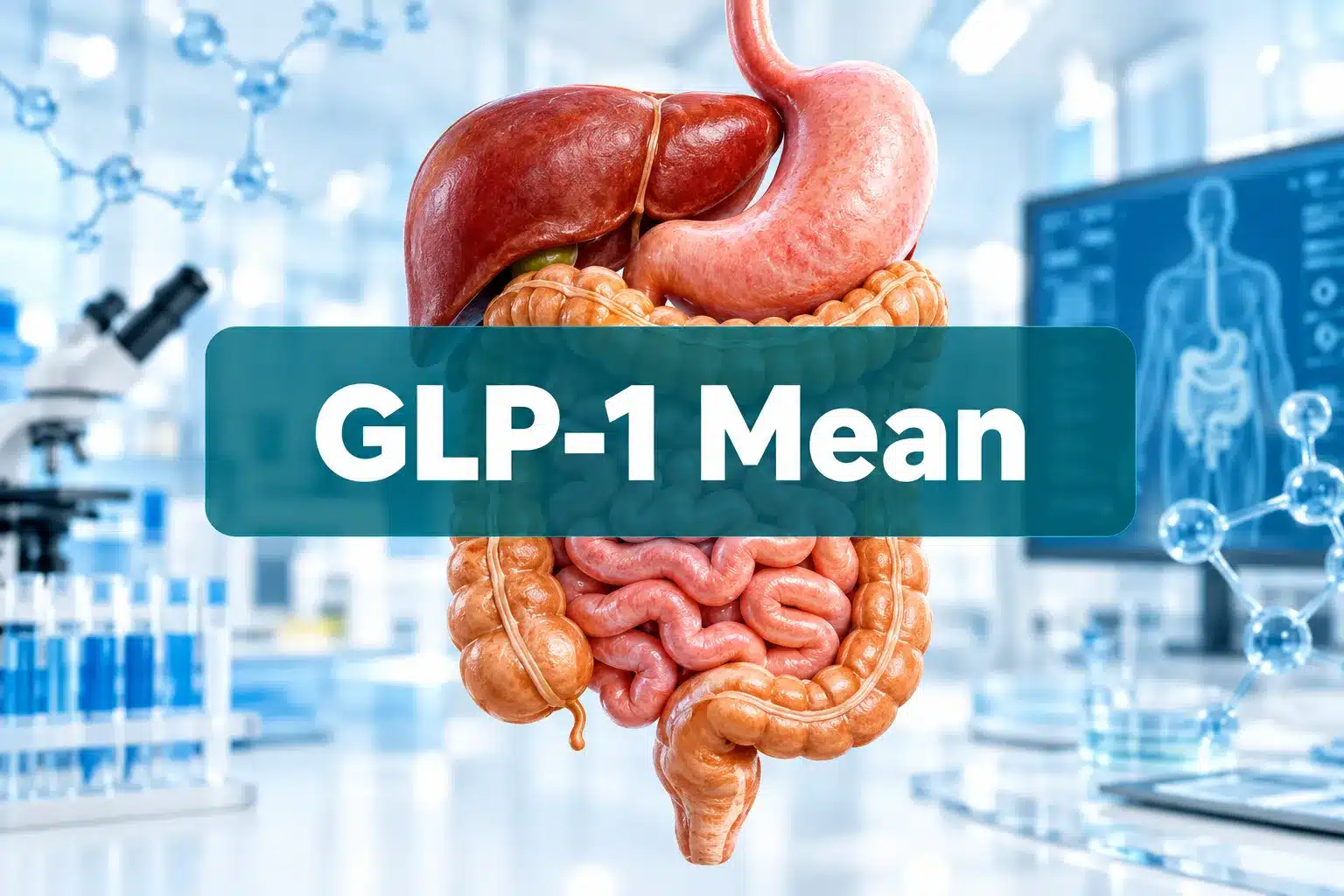
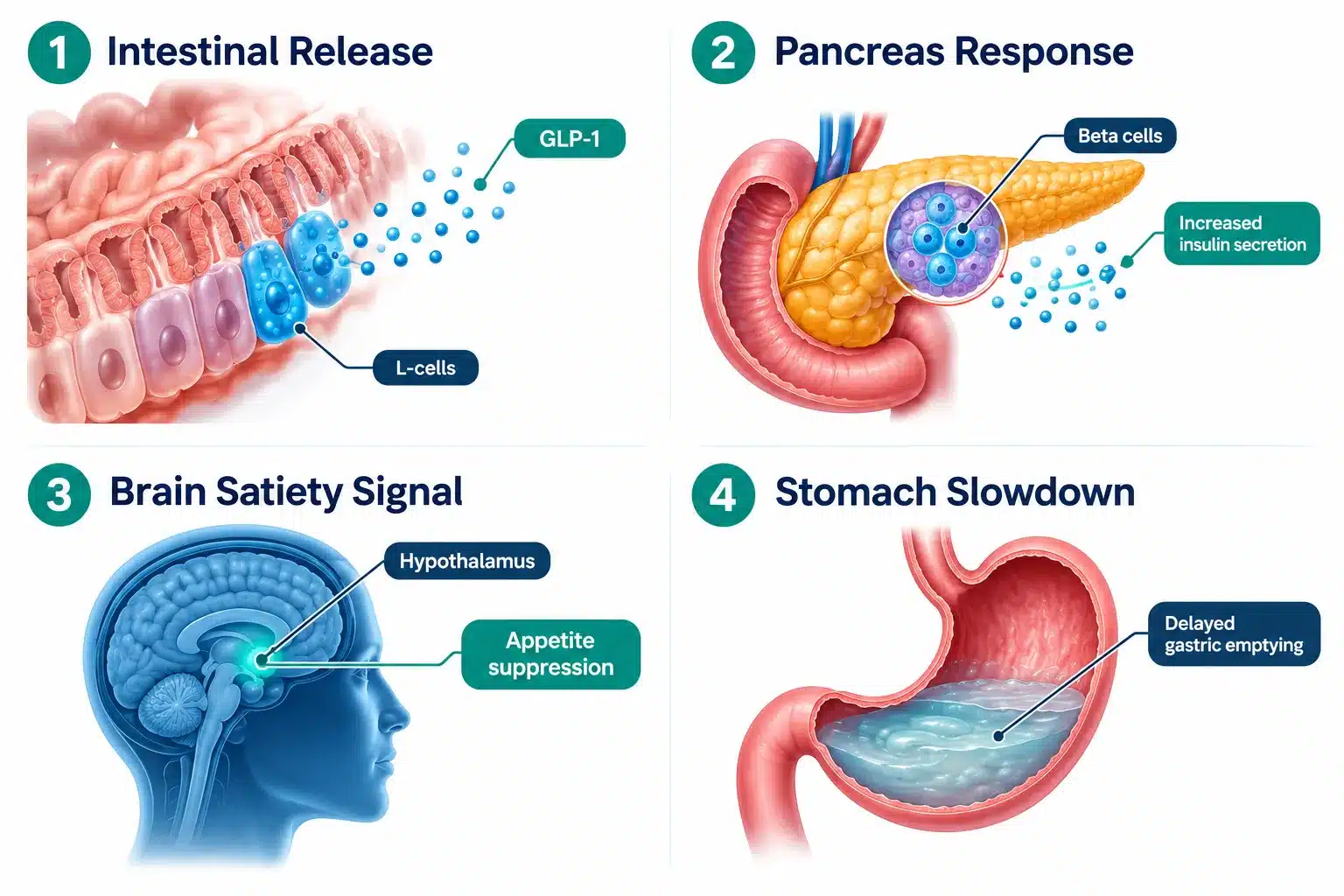
GLP-1 stands for glucagon-like peptide-1, a hormone produced primarily by L-cells in the small intestine and colon [2]. It is released in response to food intake and plays a central role in regulating blood sugar, appetite, and digestion.
7 Best GLP-1 Providers Ranked: Accreditation, Flexibility & Support Compared (2026 Update)
32,000+ Patients Can't All Be Wrong: See the Top-Rated GLP-1 Providers. We compared the leading online GLP-1 providers based on program features, clinical support, convenience, and overall value.
BMI MD GLP-1 Microdosing Plan
- Specialized microdosing options, including sublingual drops and low-dose injections
- Designed for people interested in maintaining weight or gradually adjusting treatment
- Bundled program structure without a separate monthly platform membership
- Online access makes the process convenient from home

DirectMeds Weight Loss Solutions
- Online weight-loss program with a straightforward patient experience
- Compounded medication options through state-licensed compounding pharmacies
- Includes clinical consultation as part of the process
- Provides shipping updates to help patients track their orders
MEDVi Flat-Rate Telehealth
- Flat-rate telehealth approach designed for easier budgeting
- No dosage-based pricing increases within the advertised program structure
- Offers injectable and oral thin-film delivery options
- Includes medical screening and asynchronous provider consultations
Gala GLP-1 Care Program
- Text-based access to state-licensed clinicians
- Cold-chain medication shipping included in the program
- Month-to-month program structure
- Designed for people who value convenient ongoing support
Measured GLP-1 Metabolic Health
- Comprehensive metabolic health screening and intake analysis
- Designed around longer-term metabolic health management
- Responsive dashboard with integrated health tracking tools
- Useful option for patients who value a more data-focused experience
Refills GLP-1 (TryRefills Plan)
- Clinical guidance designed to help patients manage common treatment concerns
- Includes foundational nutritional strategies alongside medication
- Designed around predictable ongoing treatment
- No hidden startup or processing fees according to the program information provided
AltRx GLP-1 Transactional Reorders
- Transactional reorder model without recurring auto-billing
- Designed for patients who already understand their treatment routine
- Fast text-to-order process for convenient reorders
- Offers injectable and fast-dissolving tablet variations
Here is what GLP-1 does inside the body once it is released:
- Stimulates insulin secretion from the pancreas in a glucose-dependent manner, meaning it only triggers insulin when blood sugar is elevated.
- Suppresses glucagon, the hormone that raises blood sugar, helping prevent post-meal glucose spikes.
- Slows gastric emptying, so food moves more slowly from the stomach to the small intestine, which extends the feeling of fullness.
- Signals the brain (specifically the hypothalamus) to reduce appetite and food intake [8].
- Supports beta-cell health in the pancreas, which produces insulin.
The natural form of GLP-1 breaks down very quickly in the bloodstream, within two minutes, which is why pharmaceutical versions were engineered to last much longer [2]. This biological short half-life is exactly why scientists developed GLP-1 receptor agonists: drugs that bind to the same receptors but resist rapid breakdown.
GLP-1 vs. GLP-1 Receptor Agonist: What Is the Difference?
GLP-1 is the natural hormone your body makes. A GLP-1 receptor agonist is a synthetic drug that activates the same receptors that GLP-1 activates, but with a much longer duration of action.
Think of it this way: GLP-1 is the key your body produces naturally. A GLP-1 receptor agonist is an engineered copy of that key, designed to fit the same lock but stay in the door far longer. The practical result is sustained appetite suppression and blood sugar control that lasts days or even a week from a single dose.
Common GLP-1 receptor agonists include:
| Drug Name | Brand Name | Approved Use | Dosing Frequency |
|---|---|---|---|
| Semaglutide | Ozempic, Wegovy | Diabetes, Obesity | Weekly (injection) or Daily (oral) |
| Tirzepatide | Mounjaro, Zepbound | Diabetes, Obesity | Weekly |
| Liraglutide | Victoza, Saxenda | Diabetes, Obesity | Daily |
| Dulaglutide | Trulicity | Diabetes | Weekly |
Tirzepatide is technically a dual agonist, targeting both GLP-1 and GIP receptors, which is why some researchers categorize it separately. However, it is widely grouped under the GLP-1 drug umbrella in clinical practice [4].
For a deeper look at how these medications are formulated and compounded, see our guide on how pharmaceutical compounding works for GLP-1 drugs.
How Does GLP-1 Work in the Body for Weight Loss?
GLP-1 medications produce weight loss through three main pathways: appetite suppression, slowed gastric emptying, and changes in food reward signaling in the brain [8]. The result is that people eat less, feel full sooner, and have fewer cravings.
Stanford Medicine’s 2026 GLP-1 explainer describes this as a “multi-front attack” on obesity, noting that these drugs address both the physiological and neurological drivers of overeating [4]. That is a key reason they outperform diet and exercise alone for many patients.
The weight loss mechanism in plain terms:
- You inject or take an oral GLP-1 medication.
- The drug activates GLP-1 receptors in the gut, pancreas, and brain.
- Your stomach empties more slowly, so you feel full longer after smaller meals.
- Your brain receives reduced hunger signals, lowering overall calorie intake.
- Blood sugar stays more stable, reducing energy crashes and carb cravings.
- Over weeks and months, a consistent calorie deficit produces meaningful weight loss.
Clinical trial data for semaglutide (Wegovy) showed average weight loss of approximately 15% of body weight over 68 weeks in adults with obesity [4]. Tirzepatide trials showed even higher averages, closer to 20% in some studies.
Who Should Take GLP-1 Medications?
GLP-1 medications are approved for adults with type 2 diabetes and for adults with obesity (BMI of 30 or higher) or overweight adults (BMI of 27 or higher) with at least one weight-related condition such as high blood pressure, high cholesterol, or sleep apnea [3].
You may be a good candidate if:
- Your BMI is 30 or above.
- Your BMI is 27 or above and you have a related health condition.
- You have type 2 diabetes and need better blood sugar control.
- You have tried diet and exercise without achieving sustainable results.
GLP-1 medications are generally not recommended if:
- You have a personal or family history of medullary thyroid carcinoma.
- You have a history of pancreatitis.
- You are pregnant or planning to become pregnant.
- You have severe gastrointestinal conditions.
A prescribing physician should always evaluate individual health history before starting any GLP-1 therapy. Platforms like Mochi Health and Hims semaglutide offer online consultations that can help determine eligibility quickly.
GLP-1 Drugs for Weight Loss: How Much Do They Cost?
Brand-name GLP-1 medications are among the most expensive drugs on the market. Without insurance, Wegovy and Ozempic can cost between $900 and $1,400 per month at retail pharmacies in the United States. Zepbound (tirzepatide) runs in a similar range.
Ways to reduce costs in 2026:
- Manufacturer savings programs: Novo Nordisk and Eli Lilly offer savings cards that can reduce out-of-pocket costs significantly for eligible commercially insured patients.
- Compounded semaglutide: Compounding pharmacies have offered lower-cost versions, though the FDA’s position on compounded GLP-1 drugs has evolved. See compounding pharmacy semaglutide cost for current pricing breakdowns.
- Telehealth programs: Some platforms bundle consultations and medication at reduced overall cost.
- Insurance coverage: Coverage varies widely. Medicare now covers some GLP-1 drugs for obesity following recent policy updates.
For people managing costs without insurance, our guide on semaglutide without insurance costs and savings strategies covers the most current options.
“The cost barrier is real, but it is not insurmountable. Compounded versions, manufacturer programs, and telehealth platforms have collectively made GLP-1 access more realistic for millions of Americans who were previously priced out.”
GLP-1 Side Effects: Nausea, Vomiting, and What to Expect
The most common GLP-1 side effects are gastrointestinal: nausea, vomiting, diarrhea, and constipation [4]. These occur most often during dose escalation and tend to improve as the body adjusts.
Side effect breakdown by frequency:
- Very common (more than 1 in 10 users): Nausea, diarrhea, constipation, vomiting.
- Common (1 in 10 to 1 in 100 users): Headache, fatigue, dizziness, abdominal pain, burping.
- Less common but serious: Pancreatitis, gallbladder disease, increased heart rate, rare thyroid concerns.
Practical strategies to manage nausea:
- Start at the lowest prescribed dose and increase slowly.
- Eat smaller, more frequent meals.
- Avoid high-fat or very spicy foods, especially in the first weeks.
- Stay well hydrated.
- Take the injection at night so peak nausea occurs during sleep.
Stanford Medicine notes that most patients who experience nausea find it manageable and temporary, and that discontinuation rates due to side effects in clinical trials were relatively low [4].
GLP-1 Injection vs. Oral: Which Is Better?
Both injection and oral GLP-1 options are now available, and neither is universally better. The right choice depends on your lifestyle, tolerance for needles, and which specific drug your doctor recommends.
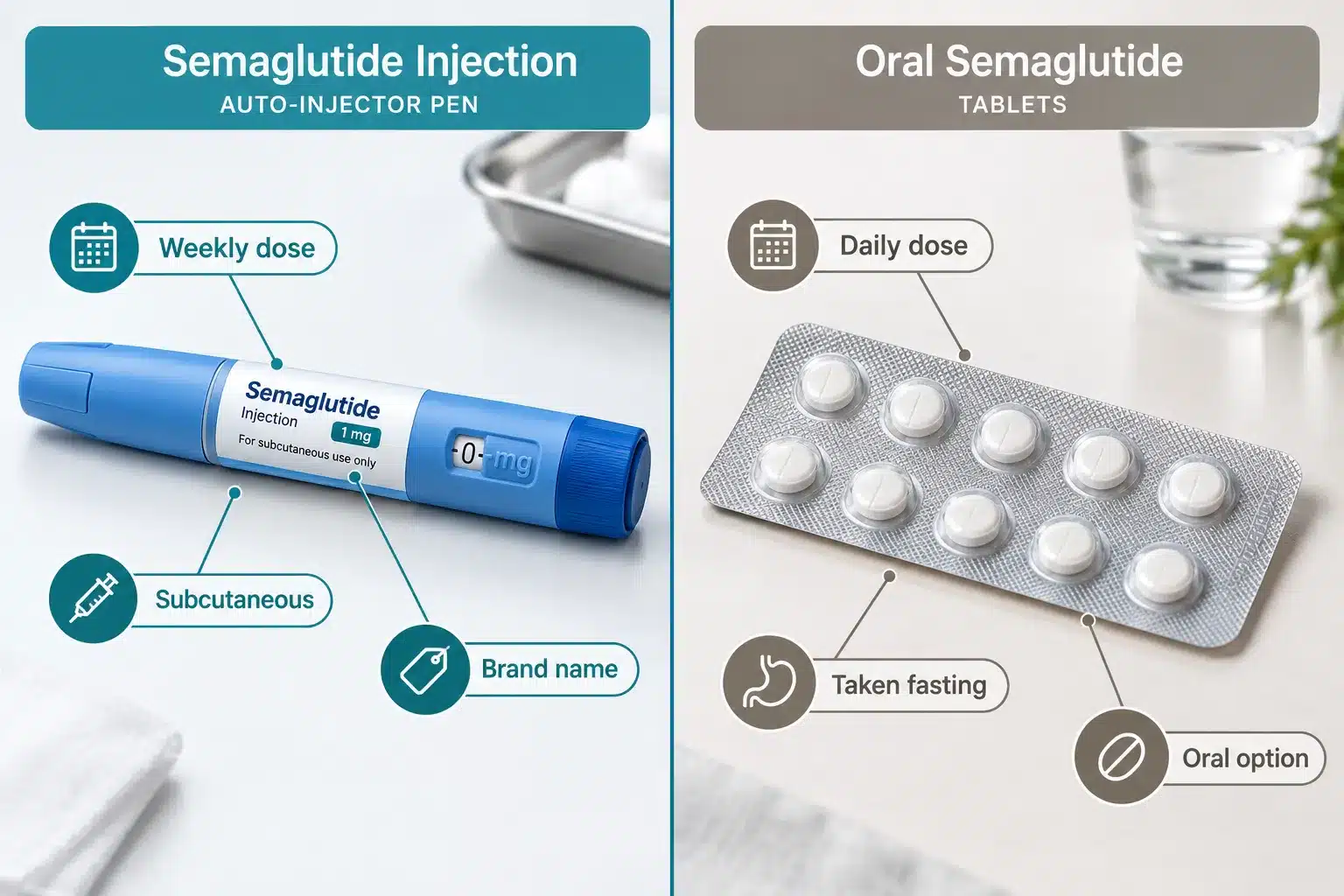
Injections (weekly): Semaglutide (Ozempic/Wegovy) and tirzepatide (Mounjaro/Zepbound) are administered as subcutaneous injections once per week. Most patients find the auto-injector pens simple to use.
Oral options: Rybelsus (oral semaglutide) is a daily tablet approved for type 2 diabetes. In 2026, the oral Wegovy pill received attention as a potentially strong option for people with recent weight gain, based on new data presented by Novo Nordisk [6]. Oral semaglutide requires specific administration: taken on an empty stomach with a small amount of water, 30 minutes before eating.
For a detailed breakdown of the oral tablet option, see our review of semaglutide oral tablets (Rybelsus).
Choose injections if: You want the highest-efficacy, most-studied option and are comfortable with weekly self-injection.
Choose oral if: Needles are a barrier, you are managing recent or moderate weight gain, or your doctor recommends it for your specific profile.
GLP-1 for Non-Diabetics: Does It Work for Weight Loss Alone?
Yes, GLP-1 medications work for weight loss in people without diabetes. Wegovy (semaglutide 2.4 mg) and Zepbound (tirzepatide) are both specifically FDA-approved for chronic weight management in non-diabetic adults with obesity or overweight with a related health condition [3].
The weight loss mechanism does not depend on having diabetes. GLP-1 receptor agonists reduce appetite and slow gastric emptying regardless of baseline blood sugar status. In fact, some of the largest weight loss results in clinical trials came from non-diabetic participants.
One thing to note: non-diabetic users do not typically experience hypoglycemia (low blood sugar) on GLP-1 medications because the insulin-stimulating effect is glucose-dependent. This makes the safety profile relatively favorable for this population [8].
For a broader look at GLP-1 agonists specifically for weight loss, see our resource on GLP-1 agonists for weight loss.
How Long Does It Take GLP-1 to Work?
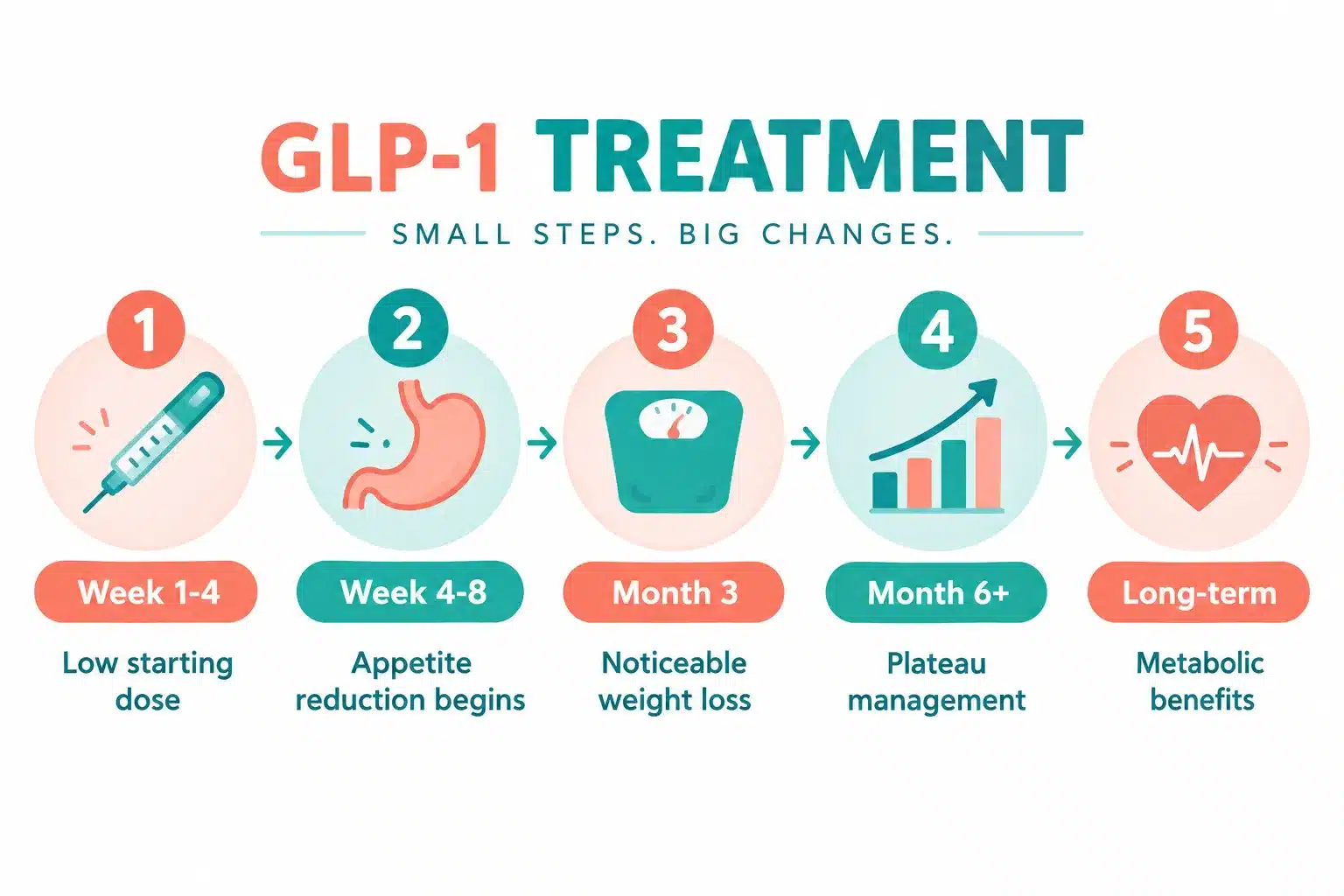
Most people notice reduced appetite within the first one to two weeks of starting a GLP-1 medication. Measurable weight loss typically begins within four to eight weeks, with the most significant changes occurring between months three and six as the dose is titrated upward [9].
Typical GLP-1 timeline:
- Weeks 1-4: Appetite begins to decrease; some nausea is common.
- Weeks 4-8: Most people report eating noticeably less; early weight loss of 2-5 lbs is typical.
- Months 3-6: Dose reaches therapeutic level; weight loss accelerates.
- Month 6 and beyond: Continued loss with potential plateau; lifestyle habits become increasingly important.
The fastest-working GLP-1 medications guide covers which drugs tend to show the earliest effects and what to realistically expect in the first 90 days.
GLP-1 Alternatives to Ozempic and Wegovy
Several alternatives exist if Ozempic or Wegovy are not accessible or suitable for you.
Pharmaceutical alternatives:
- Zepbound / Mounjaro (tirzepatide): Dual GLP-1/GIP agonist with strong efficacy data, often showing higher weight loss percentages.
- Saxenda (liraglutide): Older daily injection with a well-established safety record.
- Rybelsus: Oral daily semaglutide, lower dose than Wegovy but needle-free.
- Compounded semaglutide: Lower-cost option from licensed compounding pharmacies; see compounded semaglutide reviews and real patient stories for firsthand accounts.
Pipeline options gaining attention in 2026: Retatrutide, a triple agonist targeting GLP-1, GIP, and glucagon receptors, is advancing through late-stage trials and showing remarkable efficacy data [5]. Novo Nordisk also launched Foundayo and a higher-dose Wegovy HD formulation this year [5].
Is compounded GLP-1 as effective as brand name? The active ingredient in compounded semaglutide is the same molecule, but formulation quality varies by pharmacy. Our deep dive on whether compounded GLP-1 is as effective as brand name addresses this directly.
Can You Stop Taking GLP-1 Without Gaining Weight Back?
Stopping GLP-1 medications typically leads to weight regain, and new research suggests it also raises cardiovascular risk. A 2026 study highlighted by CNBC found that discontinuing GLP-1 therapy was associated with increased cardiovascular risk markers, underscoring that these drugs may need to be treated as long-term therapy rather than short-term interventions [1].
What happens when you stop:
- Appetite returns to pre-treatment levels, often within weeks.
- Most patients regain a significant portion of lost weight within 12 months.
- Blood sugar and metabolic markers may worsen, particularly in diabetic patients.
Strategies to minimize regain if stopping is necessary:
- Taper the dose gradually under medical supervision rather than stopping abruptly.
- Intensify diet and exercise habits before and during discontinuation.
- Consider transitioning to a lower-dose maintenance protocol if cost is the driver.
- Work with a dietitian to build sustainable eating habits that can partially compensate.
The honest answer is that for most people, GLP-1 medications work best as a long-term tool, not a short-term fix.
Is GLP-1 Safe Long Term?
Based on available data through 2026, GLP-1 receptor agonists have a reasonably well-established long-term safety profile, particularly for semaglutide and liraglutide, which have been in clinical use for over a decade [4]. The SELECT trial for semaglutide demonstrated a 20% reduction in major cardiovascular events in adults with obesity and established cardiovascular disease.
Known long-term considerations:
- Thyroid: Rodent studies showed thyroid C-cell tumors at high doses, but this has not been confirmed in humans. Still, the drugs carry a black-box warning for patients with a history of medullary thyroid carcinoma.
- Gallbladder: Rapid weight loss of any kind increases gallstone risk; GLP-1 users should be aware of this.
- Muscle mass: Weight loss from GLP-1 drugs includes some lean muscle loss, which is why protein intake and resistance training are strongly recommended alongside treatment.
- Bone density: Under active investigation; currently not considered a major concern at standard doses.
Stanford Medicine’s 2026 GLP-1 guide emphasizes that the benefits for most eligible patients significantly outweigh the risks, but ongoing monitoring with a physician is important [4].
Common Mistakes People Make with GLP-1
The most common mistake is expecting GLP-1 medications to do all the work without any lifestyle changes. These drugs reduce appetite powerfully, but they do not guarantee optimal outcomes if diet quality, protein intake, and physical activity are ignored.
Other frequent mistakes:
- Skipping dose escalation: Jumping to a high dose too quickly dramatically increases nausea and dropout rates.
- Not eating enough protein: Muscle loss during rapid weight loss is real. Aim for at least 1.2 grams of protein per kilogram of body weight daily.
- Stopping abruptly: As noted above, abrupt discontinuation raises both regain risk and cardiovascular risk [1].
- Using unverified compounding pharmacies: Not all compounding pharmacies meet the same quality standards. Use our guide on how to verify a legitimate compounding pharmacy before ordering.
- Ignoring hydration: GLP-1 users who eat and drink less are at risk of dehydration, which worsens side effects.
- Expecting linear progress: Weight loss on GLP-1 drugs often plateaus before resuming. This is normal and not a sign the medication has stopped working.
GLP-1 Natural Alternatives: Diet and Exercise
No food or supplement produces effects equivalent to pharmaceutical GLP-1 receptor agonists. However, certain dietary and lifestyle choices do stimulate natural GLP-1 secretion modestly, and they support overall metabolic health.
Foods and habits that support natural GLP-1 release:
- High-fiber foods: Vegetables, legumes, oats, and whole grains stimulate L-cell GLP-1 release in the gut [3].
- Protein-rich meals: Dietary protein is one of the strongest natural triggers of GLP-1 secretion.
- Fermented foods: Some research suggests gut microbiome health influences GLP-1 production.
- Olive oil and healthy fats: Monounsaturated fats appear to support incretin hormone responses.
- Exercise: Aerobic exercise has been shown to increase GLP-1 levels acutely, though the magnitude is far smaller than pharmaceutical doses [9].
The honest bottom line: Natural strategies are valuable for general health and can complement GLP-1 therapy, but they cannot replace it for people with significant obesity or metabolic disease. If you are considering whether supplements like berberine can substitute for GLP-1 drugs, our review of Purisaki berberine patches offers a realistic assessment.
FAQ
What does GLP-1 mean in simple terms?
GLP-1 stands for glucagon-like peptide-1. It is a hormone your gut releases after eating that tells your brain you are full, triggers insulin release, and slows digestion. GLP-1 drugs mimic this hormone to help with weight loss and blood sugar control.
Is Ozempic a GLP-1 medication?
Yes. Ozempic contains semaglutide, a GLP-1 receptor agonist. It was originally approved for type 2 diabetes but is widely prescribed off-label for weight loss. Wegovy is the same molecule at a higher dose, specifically approved for obesity.
How is GLP-1 different from insulin?
Insulin directly lowers blood sugar by moving glucose into cells. GLP-1 works upstream by stimulating insulin release only when blood sugar is elevated, suppressing glucagon, and reducing appetite. GLP-1 drugs carry a much lower risk of hypoglycemia than insulin.
Can you get GLP-1 medications without a prescription?
No. GLP-1 receptor agonists are prescription-only medications in the United States. You need a licensed prescriber to obtain them, whether through a traditional clinic or a telehealth platform.
How quickly do GLP-1 drugs reduce appetite?
Most people notice reduced appetite within one to two weeks of starting treatment. The effect becomes more pronounced as the dose increases over the first one to three months.
What is the difference between Wegovy and Ozempic?
Both contain semaglutide. Ozempic is approved for type 2 diabetes at doses up to 2 mg weekly. Wegovy is approved for chronic weight management at a higher dose of 2.4 mg weekly. The mechanism is identical; the approved indication and dose differ.
Do GLP-1 drugs cause muscle loss?
Some lean muscle loss occurs during rapid weight loss on GLP-1 medications, as it does with any significant calorie deficit. Adequate protein intake (1.2-1.6 g per kg of body weight) and resistance training are the best countermeasures.
What happens if I miss a GLP-1 injection?
For weekly injections like semaglutide, if you miss a dose, take it as soon as possible within five days. If more than five days have passed, skip the missed dose and resume your regular schedule. Do not double dose.
Are there new GLP-1 drugs approved in 2026?
Yes. In 2026, Novo Nordisk launched Foundayo and Wegovy HD, a higher-dose formulation of semaglutide. Oral Wegovy also received significant attention as a new delivery option [5][6]. The pipeline includes retatrutide, a triple agonist in late-stage trials [5].
Is GLP-1 covered by insurance?
Coverage varies significantly. Many commercial plans cover GLP-1 drugs for type 2 diabetes but have historically been more restrictive for obesity. This is changing, but checking your specific plan is essential.
Can GLP-1 drugs help with conditions other than weight and diabetes?
Emerging research suggests GLP-1 receptor agonists may benefit cardiovascular health, kidney function, liver disease (NASH/MASH), and possibly neurodegenerative conditions. The cardiovascular benefits of semaglutide are now supported by large trial data [4].
What is the newest GLP-1 drug available in 2026?
As of 2026, Foundayo, Wegovy HD, and the oral Wegovy pill are among the newest entries. Retatrutide is expected to be the next major approval if ongoing trial results hold [5].
7 Best GLP-1 Providers Ranked: Accreditation, Flexibility & Support Compared (2026 Update)
32,000+ Patients Can't All Be Wrong: See the Top-Rated GLP-1 Providers: Compared on accreditation, plan flexibility, and patient support — updated for 2026.
BMI MD GLP-1 Microdosing Plan
- Specialized microdosing options (sublingual drops or low-dose injections)
- Ideal for maintaining weight or tapering off higher doses safely
- Fully bundled plan with no hidden monthly platform memberships
DirectMeds Weight Loss Solutions
- Sourced from accredited, state-licensed 503A compounding pharmacies
- No-frills high-volume savings passed directly to the patient
- Includes clinical consultation and cold-chain shipping updates
MEDVi Flat-Rate Telehealth
- Flat monthly rate holds steady even at maximum maintenance doses
- No dosage upcharges or graduation fee penalties
- Offers both injectable and advanced oral thin-film delivery options
Gala GLP-1 Care Program
- All-inclusive plan with no standalone membership costs
- Continuous text-based messaging access with state-licensed clinicians
- Temperature-controlled, cold-chain medication shipping included
Measured GLP-1 Metabolic Health
- Comprehensive metabolic health screening and expert intake analysis
- Predictable long-term budgeting with stable plan pricing
- High-end responsive dashboard with integrated diagnostic support
Refills GLP-1 (TryRefills Plan)
- Flat rate holds steady as titration scales up
- Includes clinical guides for active side-effect management
- Bundles in foundational nutritional strategies alongside medication
AltRx GLP-1 Transactional Reorders
- Zero recurring auto-billing — pay entirely on a transactional basis
- Rapid text-to-order format saves time for experienced patients
- Provides both injectable forms and fast-dissolving tablet variations
Conclusion
Understanding what GLP-1 means, both as a natural hormone and as a class of medications, is the foundation for making informed decisions about weight loss and metabolic health. GLP-1 receptor agonists work through well-understood biological pathways, have strong clinical evidence behind them, and are now available in more forms and at more price points than ever before in 2026.
Actionable next steps:
- Confirm your eligibility. If your BMI is 27 or above with a related health condition, or 30 or above without one, you likely qualify for a GLP-1 prescription. Speak with your doctor or use a telehealth platform for a fast consultation.
- Compare your options. Weekly injections, daily oral tablets, and compounded versions each have trade-offs. Use the comparisons in this guide to start the conversation with your prescriber.
- Plan for the long term. GLP-1 therapy works best as an ongoing tool, not a short-term fix. Build the dietary and exercise habits now that will support your results whether you stay on the medication or eventually taper off.
- Verify your pharmacy. If cost is a concern and you are considering compounded semaglutide, always verify the pharmacy’s credentials before ordering.
- Monitor and adjust. Track your weight, energy, and side effects in the first 90 days. Most issues are manageable with dose adjustments and simple dietary changes.
GLP-1 medications are not magic, but they are among the most effective tools for weight management that medicine has produced. Used correctly, with realistic expectations and proper medical oversight, they can be genuinely life-changing.
References
[1] Stopping GLP-1s Raises Cardiovascular Risks Study – https://www.cnbc.com/2026/03/18/stopping-glp-1s-raises-cardiovascular-risks-study.html
[2] Glucagon Like Peptide 1 GLP-1 – https://www.bachem.com/knowledge-center/glucagon-like-peptide-1-glp-1/
[3] What Is GLP-1 – https://www.cvs.com/learn/health/weight-management/what-is-glp-1
[4] GLP-1s 101: Weight Loss, Wegovy, Ozempic, Zepbound, Side Effects, Safe Use – https://med.stanford.edu/news/insights/2026/06/glp1s-101-weight-loss-wegovy-ozempic-zepbound-side-effects-safe-use.html
[5] Weight Loss Drug Makers Unveil New Data and Deals – https://cen.acs.org/pharmaceuticals/weight-loss-drug-makers-unveil-new-data-deals/104/web/2026/09
[6] Wegovy Pill May Be Best GLP-1 Option to Tackle Recent Weight Gain – https://www.reuters.com/business/healthcare-pharmaceuticals/wegovy-pill-may-be-best-glp-1-option-tackle-recent-weight-gain-2026-09-23/
[7] China’s Hengrui Inks Up $26 Billion Deal With Novo Nordisk Obesity Drug – https://www.reuters.com/legal/litigation/chinas-hengrui-inks-up-26-billion-deal-with-novo-nordisk-obesity-drug-2026-09-29/
[8] What Is GLP-1? The Science Behind GLP-1 Drugs – https://www.the-scientist.com/what-is-glp-1-the-science-behind-glp-1-drugs-73573
[9] GLP-1s Explained – https://ro.co/weight-loss/glp-1s-explained/
[10] GLP-1 Lifestyle Drug Marketing – https://www.statnews.com/pharmalot/2026/09/28/glp1-lifestyle-drug-marketing-merck-daiichi-lung-cancer-setback/


