
how we review glp-1 clinics: Best Online Weight Loss Clinics Compared
Last updated: July 20, 2026
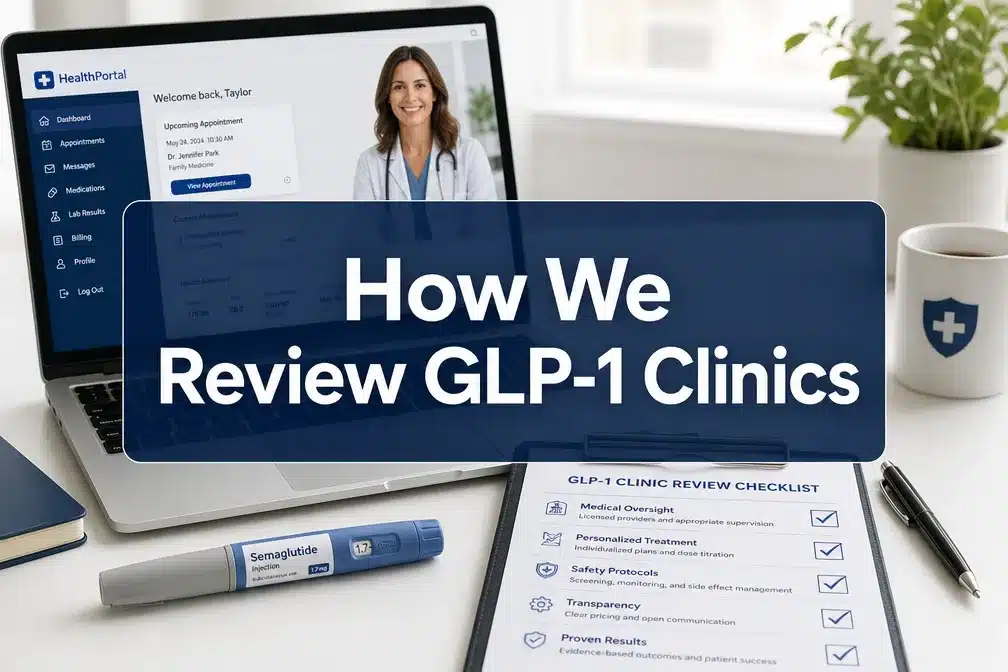
Quick Answer: We review GLP-1 clinics by evaluating seven core criteria: medical licensing, pricing transparency, medication options, prescriber qualifications, follow-up care, patient safety protocols, and real user feedback. Every clinic we assess goes through the same structured process so you can compare providers on facts, not marketing copy.
Key Takeaways
- Our GLP-1 clinic reviews use a consistent, seven-point evaluation framework applied to every provider we assess.
- We verify state medical board licensing and pharmacy accreditation before recommending any clinic.
- Pricing transparency is a hard requirement, clinics that hide costs until after sign-up score poorly.
- Telehealth GLP-1 clinics can be fully legitimate, but they vary widely in prescriber quality and follow-up care.
- Red flags include unlicensed compounding pharmacies, no real physician oversight, and vague refund policies.
- We check for both brand-name and compounded GLP-1 options, since cost differences can exceed $800/month.
- Patient outcome data and verified user reviews carry significant weight in our final scores.
- No clinic pays for a positive review, affiliate relationships are disclosed and do not affect ratings.
What Criteria Do We Use to Evaluate GLP-1 Clinics
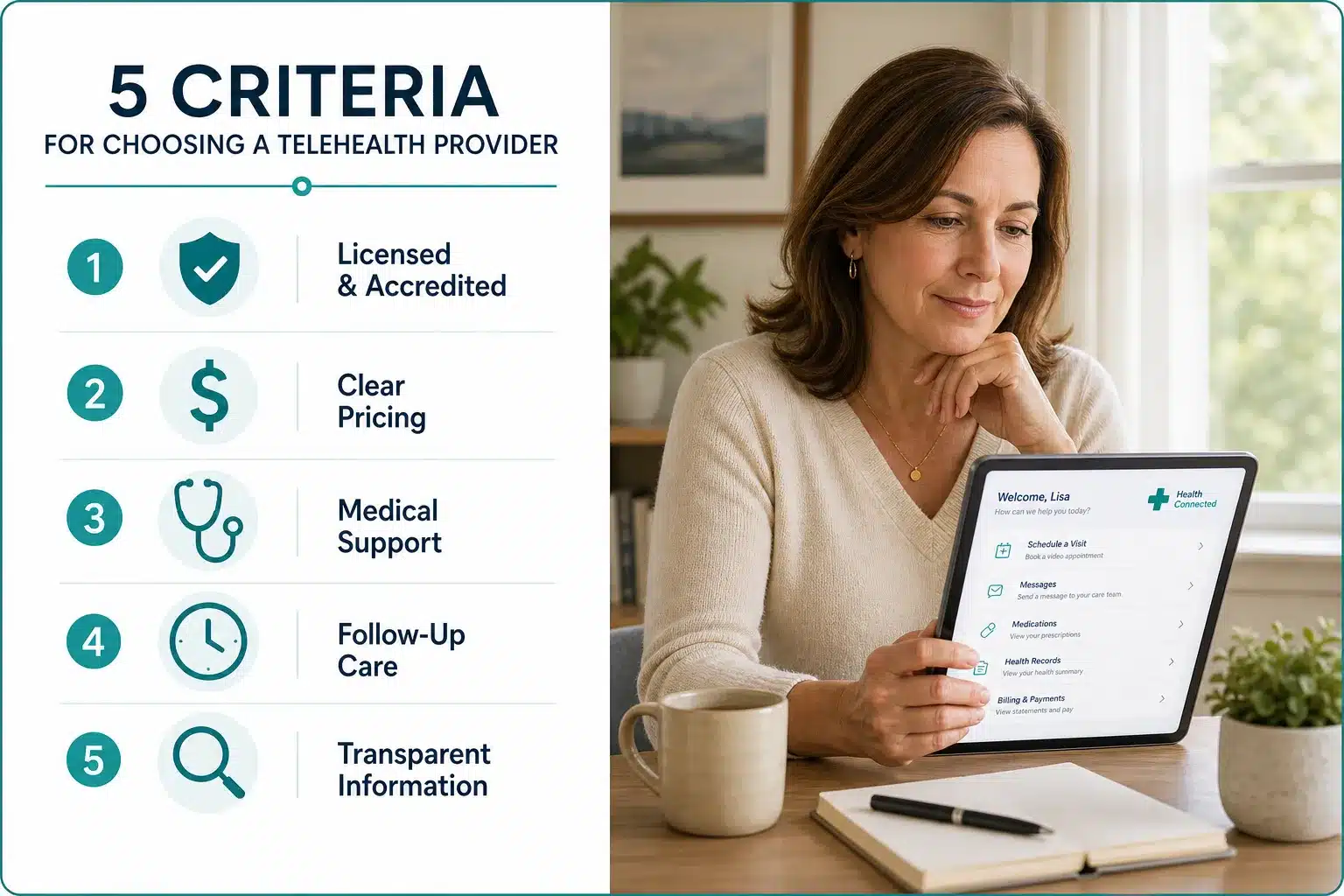
We score every GLP-1 clinic across seven weighted criteria: licensing and regulatory compliance, prescriber qualifications, medication options and sourcing, pricing transparency, follow-up care quality, patient safety protocols, and verified patient feedback. Each criterion is assessed independently before we calculate a composite score.
7 Best GLP-1 Providers Ranked: Accreditation, Flexibility & Support Compared (2026 Update)
32,000+ Patients Can't All Be Wrong: See the Top-Rated GLP-1 Providers. We compared the leading online GLP-1 providers based on program features, clinical support, convenience, and overall value.
BMI MD GLP-1 Microdosing Plan
- Specialized microdosing options, including sublingual drops and low-dose injections
- Designed for people interested in maintaining weight or gradually adjusting treatment
- Bundled program structure without a separate monthly platform membership
- Online access makes the process convenient from home

DirectMeds Weight Loss Solutions
- Online weight-loss program with a straightforward patient experience
- Compounded medication options through state-licensed compounding pharmacies
- Includes clinical consultation as part of the process
- Provides shipping updates to help patients track their orders
MEDVi Flat-Rate Telehealth
- Flat-rate telehealth approach designed for easier budgeting
- No dosage-based pricing increases within the advertised program structure
- Offers injectable and oral thin-film delivery options
- Includes medical screening and asynchronous provider consultations
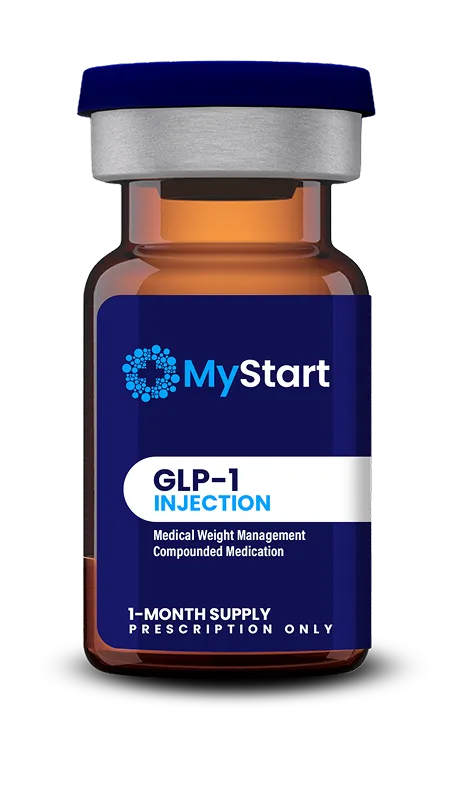
Gala GLP-1 Care Program
- Text-based access to state-licensed clinicians
- Cold-chain medication shipping included in the program
- Month-to-month program structure
- Designed for people who value convenient ongoing support
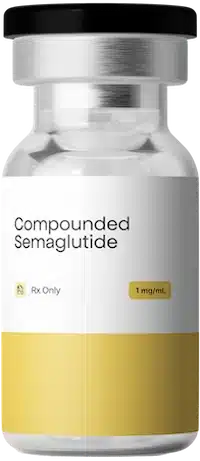
Measured GLP-1 Metabolic Health
- Comprehensive metabolic health screening and intake analysis
- Designed around longer-term metabolic health management
- Responsive dashboard with integrated health tracking tools
- Useful option for patients who value a more data-focused experience
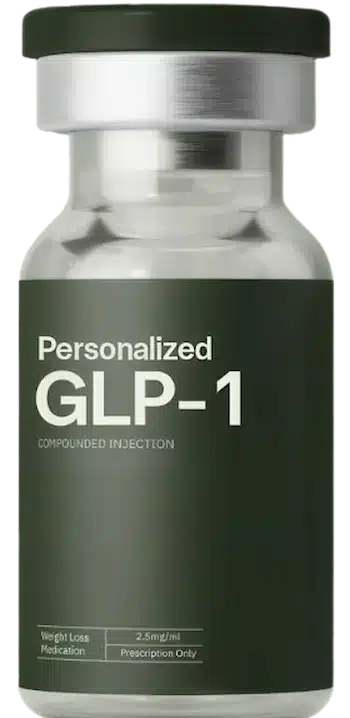
Refills GLP-1 (TryRefills Plan)
- Clinical guidance designed to help patients manage common treatment concerns
- Includes foundational nutritional strategies alongside medication
- Designed around predictable ongoing treatment
- No hidden startup or processing fees according to the program information provided
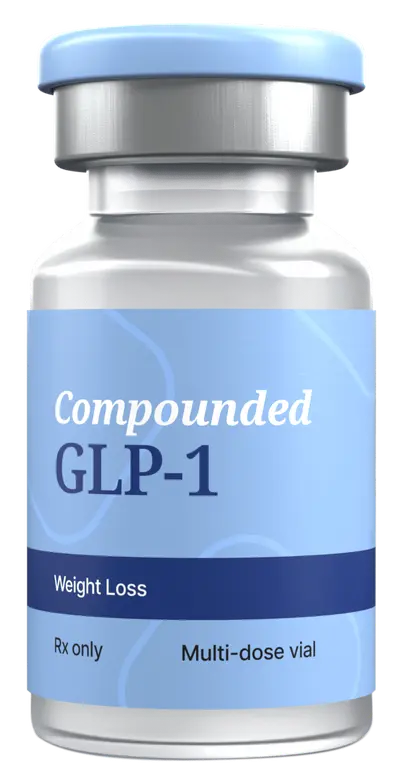
AltRx GLP-1 Transactional Reorders
- Transactional reorder model without recurring auto-billing
- Designed for patients who already understand their treatment routine
- Fast text-to-order process for convenient reorders
- Offers injectable and fast-dissolving tablet variations
Here is how each criterion breaks down in practice:
1. Licensing and Regulatory Compliance
The clinic must hold active state-level telehealth licenses in the states it serves, and any compounding pharmacy it uses must be registered with the FDA under Section 503A or 503B of the Federal Food, Drug, and Cosmetic Act. We cross-check this against state medical board databases and the FDA’s registered outsourcing facility list.
2. Prescriber Qualifications
We look for board-certified physicians or nurse practitioners with documented experience in obesity medicine or endocrinology. A clinic staffed entirely by unlicensed “health coaches” who route prescriptions through a distant physician fails this criterion.
3. Medication Options and Sourcing
We document whether the clinic offers FDA-approved brand-name medications (Wegovy, Ozempic, Mounjaro, Zepbound), compounded semaglutide or tirzepatide, or both. Sourcing matters, we verify that compounded products come from PCAB-accredited or FDA-registered pharmacies. For more on this topic, see our guide on compounded semaglutide safety and legality.
4. Pricing Transparency
The full monthly cost, including consultation fees, medication, and shipping, must be visible before you enter payment information. Hidden fees discovered only at checkout are a scoring penalty.
5. Follow-Up Care Quality
Does the clinic include regular check-ins, dose adjustment support, and access to a real clinician between appointments? Clinics that disappear after the first prescription score poorly here.
6. Patient Safety Protocols
We look for documented intake screening for contraindications (personal or family history of medullary thyroid carcinoma, pancreatitis history, etc.), lab work requirements, and clear escalation paths if a patient has a serious adverse event.
7. Verified Patient Feedback
We aggregate reviews from Trustpilot, Google, and the Better Business Bureau, weighting verified purchase reviews more heavily than anonymous submissions.
How Do We Check If a GLP-1 Clinic Is Legitimate
A legitimate GLP-1 clinic will have verifiable state medical licenses, a real physician or NP on staff who reviews your intake form, and a pharmacy partner that is either FDA-registered or PCAB-accredited. If any of these three elements is missing or unverifiable, we do not recommend the clinic.
Our legitimacy checklist:
- State medical board license searchable by clinic name or supervising physician
- Pharmacy partner listed on the FDA’s 503B outsourcing facility database or holds PCAB accreditation
- Real synchronous or asynchronous consultation (not just an automated questionnaire)
- Physical mailing address and a working customer support phone number or live chat
- Clear refund and cancellation policy in writing
A clinic that passes all five points is almost always operating within legal and ethical boundaries. One that fails two or more is a serious concern. We also verify how to identify a legitimate compounding pharmacy as part of every review.
How Do We Verify GLP-1 Clinic Credentials and Licensing
We verify credentials through three independent sources: the state medical board website for the clinic’s primary operating state, the FDA’s registered outsourcing facility list for any compounding pharmacy used, and the National Provider Identifier (NPI) registry for the prescribing clinicians. This takes roughly 20-30 minutes per clinic but is non-negotiable in our process.
Step-by-step verification process we use:
- Search the clinic’s supervising physician name on the relevant state medical board site, confirm the license is active and in good standing.
- Cross-reference the compounding pharmacy name against the FDA’s 503B outsourcing facility list at fda.gov.
- Look up the prescribing NP or MD in the NPI registry (nppes.cms.hhs.gov) to confirm active enrollment.
- Check the BBB for complaint history and response rate.
- Search Trustpilot and Google Reviews, filtering for reviews mentioning specific medications or dosing experiences (these tend to be genuine).
Common mistake: Many reviewers stop at step one and assume a licensed physician means the whole operation is above board. The pharmacy sourcing step is where many sketchy operations fall apart, an unlicensed or non-FDA-registered compounder is a serious safety risk regardless of who signs the prescription.
What Is the Difference Between In-Person and Telehealth GLP-1 Clinics
Telehealth GLP-1 clinics handle everything, intake, consultation, prescription, and medication delivery, online or by phone, while in-person clinics require at least one physical visit, often with lab work done on-site. For most healthy adults seeking GLP-1 medications, telehealth is equally safe and significantly more convenient, but in-person care is better for patients with complex medical histories or those who want hands-on monitoring.
Side-by-side comparison:
| Factor | Telehealth Clinic | In-Person Clinic |
|---|---|---|
| Consultation type | Async questionnaire or video call | Face-to-face with physician |
| Wait time | Often same day to 48 hours | Days to weeks |
| Monthly cost | $99,$399/month (varies widely) | $150,$500+ per visit |
| Lab work | Usually self-directed or waived | Often done in-office |
| Follow-up | App-based or messaging | Scheduled appointments |
| Best for | Straightforward cases, busy schedules | Complex medical history, prefer in-person |
For most of the patients we hear from, adults who are otherwise healthy and simply want access to a GLP-1, telehealth is the practical choice. The key is choosing a telehealth provider with real clinical oversight, not just an automated prescription mill.
Are Online GLP-1 Clinics Safe and Regulated
Yes, online GLP-1 clinics are subject to the same federal and state regulations as brick-and-mortar medical practices, provided they hold the appropriate licenses. The Ryan Haight Online Pharmacy Consumer Protection Act and state telehealth laws govern how prescriptions can be issued remotely. The FDA also regulates the medications themselves, including compounded versions.
That said, the regulatory framework has gaps. Enforcement varies by state, and the boom in GLP-1 demand has attracted providers that operate in gray areas, particularly around compounded semaglutide and tirzepatide. The FDA issued guidance in 2023 and updated it through 2024 clarifying conditions under which compounded GLP-1s are permissible during drug shortage periods.
What “regulated” actually means in practice:
- The prescribing clinician must be licensed in the patient’s state of residence.
- The pharmacy must comply with USP Chapter 797 sterile compounding standards.
- The medication must be dispensed with a valid prescription from a licensed provider.
- Marketing claims cannot promise specific weight-loss outcomes (this is an FDA rule, and violations are a red flag).
If you’re comparing compounded options, our breakdown of whether compounded GLP-1 is as effective as brand-name covers the clinical evidence in detail.

How Do We Compare GLP-1 Clinic Pricing and Insurance Coverage
We compare pricing by calculating the true all-in monthly cost: consultation fee plus medication cost plus shipping, at the starting dose. We do not use promotional first-month pricing as the baseline because that number is rarely what you’ll pay in month three. Insurance coverage is noted but not assumed, since most commercial plans still exclude GLP-1s for weight loss specifically (as distinct from diabetes management).
Typical price ranges as of mid-2026 (estimates based on publicly listed provider pricing):
| Medication Type | Monthly Cost Range | Insurance Likelihood |
|---|---|---|
| Brand-name Wegovy | $1,300,$1,700 | Low (weight loss indication) |
| Brand-name Ozempic (off-label) | $900,$1,200 | Moderate (diabetes indication) |
| Compounded semaglutide | $99,$350 | Very low |
| Compounded tirzepatide | $150,$450 | Very low |
For a full breakdown of how to get GLP-1 medications at the lowest verified cost, see our guide on the cheapest GLP-1 options without insurance and our best cheap GLP-1 programs comparison.
What affects the price:
- Dose level (higher doses cost more, especially for tirzepatide)
- Whether the clinic uses brand-name vs. compounded medication
- Membership model vs. pay-per-visit
- Whether lab work is bundled or billed separately
Decision rule: If a clinic advertises a price under $100/month for compounded semaglutide, verify what is actually included. Some providers charge separately for the consultation, the medication, and the syringes, the “starting price” can be misleading.
For patient-level cost data on tirzepatide specifically, our tirzepatide cost breakdown is the most detailed resource we’ve published.
What Are Common Red Flags in GLP-1 Clinic Reviews
The biggest red flags are: no verifiable physician on staff, a compounding pharmacy that cannot be found in the FDA’s database, pricing that only appears after you’ve submitted payment info, and reviews that are suspiciously uniform in language (a sign of incentivized or fabricated feedback).
Full red flag list:
- “Guaranteed weight loss” language in marketing, the FDA prohibits this
- No physical address or only a P.O. box
- Prescriptions issued within minutes of an automated questionnaire, with no clinical review
- Compounding pharmacy not listed in FDA or PCAB databases
- No clear cancellation policy or a policy buried in fine print
- Customer service that only responds via email, with 5+ day response times
- Prices that change between the landing page and checkout
- Reviews that all use identical phrasing or were posted in a single week
We’ve also seen a pattern where clinics use aggressive upsells, adding “metabolic support supplements” or “coaching packages” to the cart without clear consent. This is a trust signal in the wrong direction.
For a real-world example of how we apply these criteria, see our MEDVi GLP-1 review and our Shed GLP-1 review.
What Should I Look for in a GLP-1 Clinic Review
A trustworthy GLP-1 clinic review should include verified pricing (with a source date), a clear statement of how the reviewer evaluated the clinic, disclosure of any affiliate relationship, and specific information about the prescribing process and follow-up care, not just a feature list copied from the clinic’s own website.
Checklist for evaluating any GLP-1 clinic review you read:
- Does the reviewer state how they gathered their information (real sign-up, pricing verification, licensing check)?
- Is there an affiliate disclosure if the review contains links to the provider?
- Are prices cited with a date and source?
- Does the review mention both pros and cons, or is it entirely positive?
- Are the “cons” specific and actionable, or vague (“some users reported issues”)?
- Does the review address follow-up care and what happens if you have a side effect?
Reviews that skip the follow-up care question are often written by people who never actually used the service. That question, “what happens after you get your first prescription?”, is one of the most important differentiators between a good clinic and a dangerous one.
What Questions Should I Ask Before Choosing a GLP-1 Clinic
Before committing to any GLP-1 clinic, ask these seven questions directly, either via their website, chat, or intake form. A clinic that cannot answer all seven clearly is not ready for your business.
- Who will review my intake form? (Name and credentials of the prescribing clinician)
- Which pharmacy fills the prescription, and is it FDA-registered or PCAB-accredited?
- What is the all-in monthly cost at the starting dose, including shipping?
- What is your cancellation and refund policy?
- How do I reach a clinician if I have a side effect between appointments?
- Do you offer dose adjustments, and is there an additional fee?
- What happens if the medication is out of stock?
If a clinic’s chat bot cannot answer questions 2, 3, and 4 within a few minutes, that is a process problem that will follow you into your treatment.
What Happens If a GLP-1 Clinic Doesn’t Provide Proper Follow-Up Care
Without follow-up care, patients risk unmanaged side effects (nausea, vomiting, and in rare cases more serious GI complications), incorrect dose escalation, and no safety net if a contraindicated condition emerges after starting treatment. The clinical standard for GLP-1 prescribing includes regular check-ins, typically monthly for the first three to six months.
A clinic that issues a prescription and then goes silent is not just a poor customer experience. It is a clinical risk. GLP-1 medications require dose titration, and that titration should be guided by a clinician who knows your history, not a self-service app toggle.
What adequate follow-up looks like:
- Monthly check-in messages or video calls during the dose escalation phase
- A clear protocol for reporting adverse events (not just a generic “contact us” form)
- Dose adjustment support without additional fees
- Access to a clinician (not just a support agent) for clinical questions
If you’re evaluating a specific provider, our Altrx GLP-1 review and Refills GLP-1 review both include detailed assessments of each clinic’s follow-up care model.
How Do GLP-1 Clinics Differ from Traditional Weight Loss Programs
GLP-1 clinics prescribe FDA-regulated medications that work through a specific biological mechanism (glucagon-like peptide-1 receptor agonism), while traditional weight loss programs rely on behavioral coaching, meal plans, and calorie restriction without pharmaceutical support. The two approaches are not mutually exclusive, but they operate in fundamentally different categories.
Traditional programs (meal-kit services, group coaching, calorie-counting apps) do not require a prescription and carry no clinical risk. GLP-1 clinics are medical providers operating under healthcare law. The accountability structure, cost model, and outcomes profile are all different.
Key differences:
| Factor | GLP-1 Clinic | Traditional Weight Loss Program |
|---|---|---|
| Requires prescription | Yes | No |
| Average monthly cost | $99,$450+ | $10,$150 |
| Mechanism | Pharmaceutical | Behavioral |
| Clinical oversight | Required | None |
| Average weight loss (12 months) | 10-20% body weight (per clinical trial data) | 3-8% body weight (behavioral programs) |
The clinical trial data for semaglutide and tirzepatide are well-documented in peer-reviewed literature, including the SURMOUNT-1 trial for tirzepatide (Jastreboff et al., 2022) and the STEP 1 trial for semaglutide (Wilding et al., 2021). We cite these not to oversell GLP-1s, but to give you a factual baseline for comparison. For real patient experiences with tirzepatide, see our tirzepatide patient reviews.

Which GLP-1 Clinics Have the Best Patient Outcomes
Based on our reviews and aggregated patient feedback, clinics with the best reported outcomes share three traits: they use clinician-reviewed intake (not fully automated), they include structured dose escalation support, and they source medications from verifiable, accredited pharmacies. No clinic we’ve reviewed guarantees outcomes, and we’re skeptical of any that do.
We do not rank clinics by “best outcomes” in isolation because outcomes depend heavily on patient adherence, starting weight, comorbidities, and dose. What we can rank, and do, is the quality of the clinical infrastructure that supports good outcomes.
The clinics that score highest in our reviews consistently:
- Employ board-certified physicians or obesity medicine specialists
- Include at least monthly clinical check-ins during the first six months
- Have a documented adverse event reporting and response protocol
- Source from FDA-registered or PCAB-accredited pharmacies
For a side-by-side look at specific providers, our best compounding pharmacy for semaglutide guide covers pharmacy-level quality in detail.
FAQ
How do you review GLP-1 clinics without being paid by them?
We use a structured methodology applied independently of any commercial relationship. Where affiliate links exist, they are disclosed at the top of the article. Affiliate status does not change the scoring, clinics are evaluated on the same seven criteria regardless of whether they have a commercial relationship with us.
Can I trust telehealth GLP-1 clinics as much as an in-person doctor?
For straightforward cases in otherwise healthy adults, yes, provided the telehealth clinic has a licensed prescriber reviewing your intake, uses an accredited pharmacy, and offers follow-up care. Complex cases (thyroid history, pancreatitis, multiple medications) are better handled in person.
What is the cheapest legitimate GLP-1 option available in 2026?
Compounded semaglutide from an FDA-registered pharmacy, prescribed through a licensed telehealth clinic, typically runs $99,$250/month at starting doses. This is significantly cheaper than brand-name Wegovy ($1,300+/month). Verify the pharmacy’s credentials before ordering.
How do I know if a compounding pharmacy is legitimate?
Search the pharmacy name on the FDA’s 503B outsourcing facility list (fda.gov) or verify PCAB accreditation at pcab.pharmacy. If the pharmacy does not appear in either database, do not use it regardless of how the clinic markets itself.
What is the difference between semaglutide and tirzepatide clinics?
Both medications are GLP-1 receptor agonists, but tirzepatide (Mounjaro/Zepbound) also acts on GIP receptors, which may produce greater average weight loss in clinical trials. Clinics offering tirzepatide typically charge slightly more for compounded versions. The prescribing and review criteria we apply are identical for both.
Do GLP-1 clinics accept insurance?
Most telehealth GLP-1 clinics do not bill insurance directly, though some will provide a superbill for reimbursement. Brand-name GLP-1s for diabetes (Ozempic, Mounjaro) are more likely to be covered than the weight-loss-indicated versions (Wegovy, Zepbound). Compounded versions are almost never covered.
What happens if I have a bad reaction to a GLP-1 medication from a telehealth clinic?
Contact the clinic’s clinical support line immediately, not just customer service. A legitimate clinic will have a protocol for adverse events, including escalation to an emergency contact or instruction to seek in-person care. If the clinic has no clinical support pathway, that is a red flag you should have caught before signing up.
How often do you update your GLP-1 clinic reviews?
We update pricing data at minimum every 90 days, since clinic pricing changes frequently. Licensing and pharmacy sourcing information is re-verified whenever a clinic announces a pharmacy partner change or when we receive credible user reports of a change in their operations.
7 Best GLP-1 Providers Ranked: Accreditation, Flexibility & Support Compared (2026 Update)
32,000+ Patients Can't All Be Wrong: See the Top-Rated GLP-1 Providers: Compared on accreditation, plan flexibility, and patient support — updated for 2026.
BMI MD GLP-1 Microdosing Plan
- Specialized microdosing options (sublingual drops or low-dose injections)
- Ideal for maintaining weight or tapering off higher doses safely
- Fully bundled plan with no hidden monthly platform memberships
DirectMeds Weight Loss Solutions
- Sourced from accredited, state-licensed 503A compounding pharmacies
- No-frills high-volume savings passed directly to the patient
- Includes clinical consultation and cold-chain shipping updates
MEDVi Flat-Rate Telehealth
- Flat monthly rate holds steady even at maximum maintenance doses
- No dosage upcharges or graduation fee penalties
- Offers both injectable and advanced oral thin-film delivery options
Gala GLP-1 Care Program
- All-inclusive plan with no standalone membership costs
- Continuous text-based messaging access with state-licensed clinicians
- Temperature-controlled, cold-chain medication shipping included
Measured GLP-1 Metabolic Health
- Comprehensive metabolic health screening and expert intake analysis
- Predictable long-term budgeting with stable plan pricing
- High-end responsive dashboard with integrated diagnostic support
Refills GLP-1 (TryRefills Plan)
- Flat rate holds steady as titration scales up
- Includes clinical guides for active side-effect management
- Bundles in foundational nutritional strategies alongside medication
AltRx GLP-1 Transactional Reorders
- Zero recurring auto-billing — pay entirely on a transactional basis
- Rapid text-to-order format saves time for experienced patients
- Provides both injectable forms and fast-dissolving tablet variations
Conclusion
Understanding how we review GLP-1 clinics gives you a reusable framework for evaluating any provider you encounter, not just the ones we’ve covered. The core questions are always the same: Is the prescriber licensed? Is the pharmacy verified? Is the pricing transparent? Is there real follow-up care?
If a clinic answers all four questions clearly and passes a basic licensing check, it is worth a closer look. If it deflects, hides costs, or cannot name its pharmacy partner, move on.
Your next step: use the checklist in this article against any clinic you’re considering, then cross-reference with our individual provider reviews for pricing and patient feedback. Start with our MEDVi GLP-1 review or our cheapest GLP-1 without insurance guide if cost is your primary concern.
References
- Wilding, J.P.H., et al. (2021). “Once-Weekly Semaglutide in Adults with Overweight or Obesity.” New England Journal of Medicine, 384(11), 989-1002. https://www.nejm.org/doi/full/10.1056/NEJMoa2032183
- Jastreboff, A.M., et al. (2022). “Tirzepatide Once Weekly for the Treatment of Obesity.” New England Journal of Medicine, 387(3), 205-216. https://www.nejm.org/doi/full/10.1056/NEJMoa2206038
- U.S. Food and Drug Administration. (2024). “Compounding and the FDA: Questions and Answers.” https://www.fda.gov/drugs/human-drug-compounding/compounding-and-fda-questions-and-answers
- PCAB (Pharmacy Compounding Accreditation Board). (2024). “Find an Accredited Pharmacy.” https://pcab.pharmacy
Tags: GLP-1 clinics, how we review GLP-1 clinics, telehealth weight loss, semaglutide clinics, tirzepatide providers, compounded GLP-1, GLP-1 clinic legitimacy, GLP-1 pricing, online weight loss clinics, GLP-1 clinic red flags, GLP-1 clinic comparison, weight loss medication review

With over 13 years of experience in holistic health blogging, I aim to help you navigate your wellness journey with honest insights, expert-backed advice, and a sprinkle of real-world practicality.
Certified Wellness Writer | Herbal Nutrition Advocate | Wellness Research Enthusiast


