
micro dose glp1

Last updated: October 3, 2026
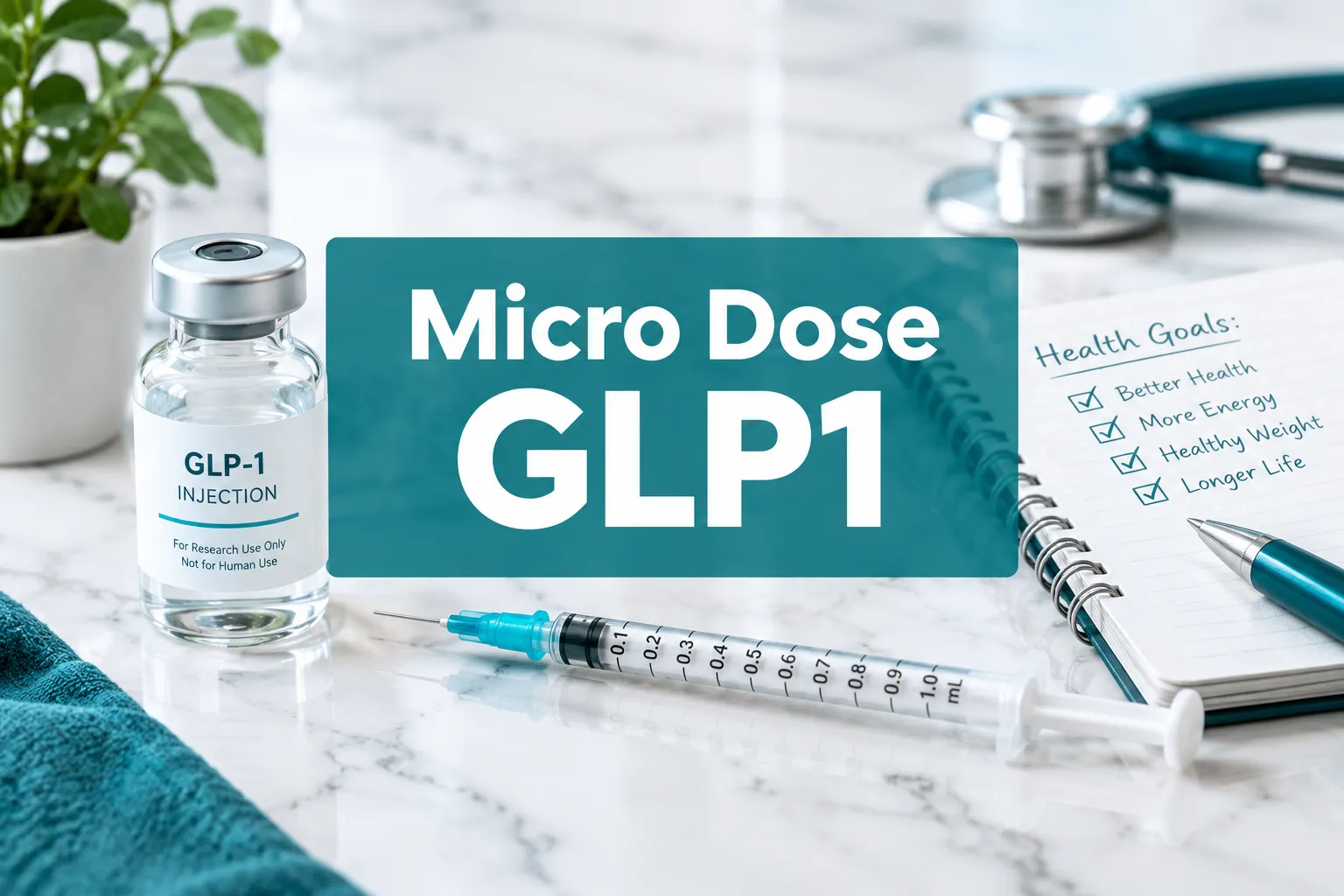
Quick Answer: Micro dose GLP1 refers to taking a fraction of the standard FDA-approved dose of a GLP-1 receptor agonist medication, such as semaglutide or tirzepatide, often at a lower frequency than prescribed guidelines recommend. It is not an FDA-approved strategy, has no formal clinical guidelines behind it, and the available evidence suggests it produces meaningfully less weight loss than full titrated doses. Some people use it to reduce side effects or manage costs, but it should only be done under medical supervision.
Key Takeaways
- Micro dose GLP1 means using a smaller-than-approved dose of a GLP-1 medication, often below even the lowest labeled starter dose.
- It is an off-label practice with no formal clinical guidelines from the FDA, American Diabetes Association, or other major medical bodies.
- Low-dose semaglutide has been associated with roughly 2.2% body weight loss at one year versus approximately 12% at full titrated doses, based on a 2026 observational study.
- Some people try micro dosing to reduce nausea, vomiting, and other GI side effects that come with standard doses.
- Compounded GLP-1 formulations are the most common vehicle for micro dosing, since branded products come in fixed-dose pens.
- Cost can be lower with micro dosing because less medication is used per period, but this varies by program and provider.
- Medical supervision is essential: unsupervised micro dosing carries risks including inadequate blood sugar control and unknown long-term safety outcomes.
- If micro dosing is not producing results after 12 weeks, a dosing adjustment or different approach is likely needed.
What Is Micro Dosing GLP1?
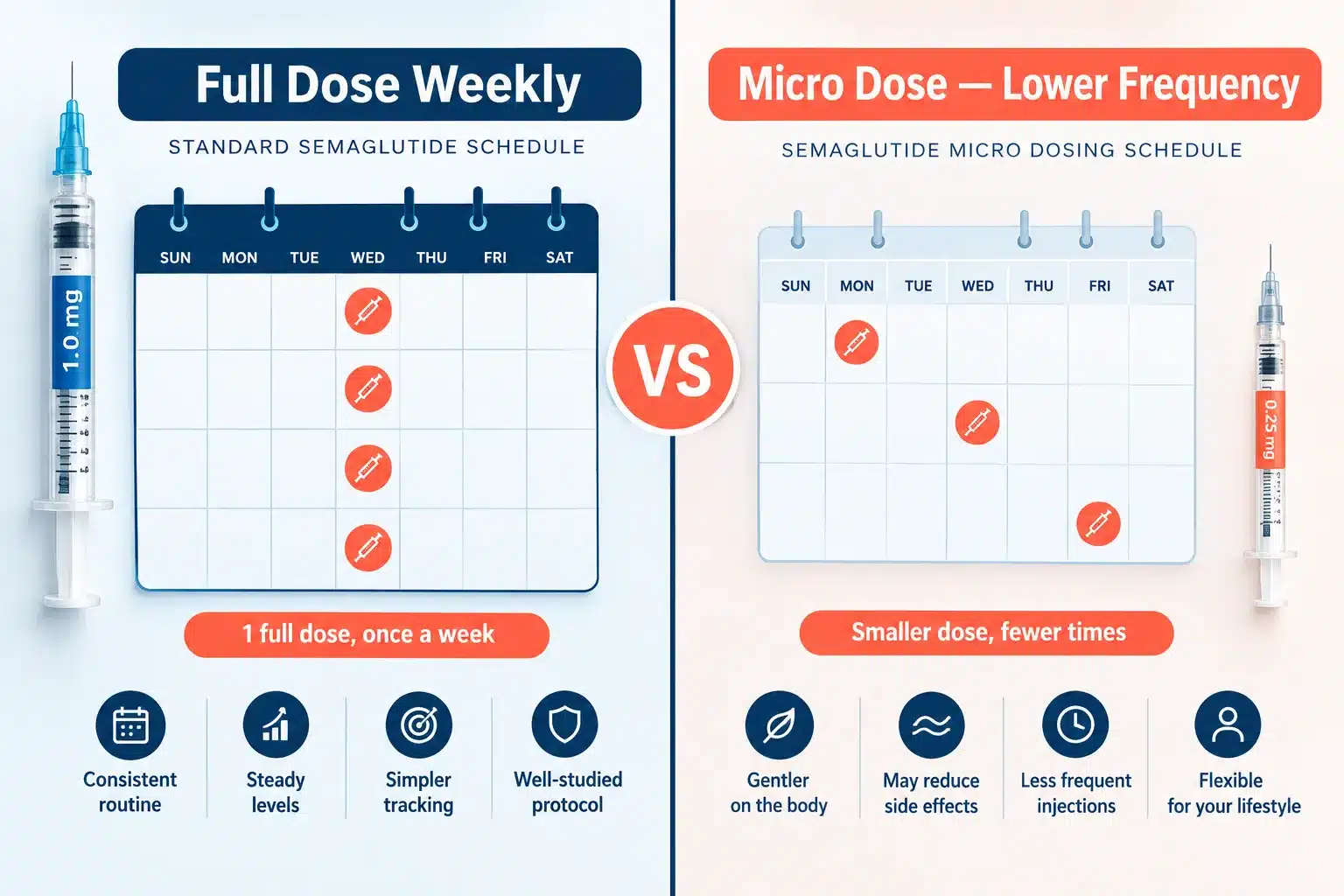
Micro dosing GLP1 means taking a dose of a GLP-1 receptor agonist that is significantly lower than the FDA-approved starting or maintenance dose, or taking doses less frequently than the standard weekly schedule. In practice, this often means injecting a fraction of the 0.25 mg semaglutide starter dose, or spacing injections out to every 10 to 14 days instead of every 7 days [1].
7 Best GLP-1 Providers Ranked: Accreditation, Flexibility & Support Compared (2026 Update)
32,000+ Patients Can't All Be Wrong: See the Top-Rated GLP-1 Providers. We compared the leading online GLP-1 providers based on program features, clinical support, convenience, and overall value.
BMI MD GLP-1 Microdosing Plan
- Specialized microdosing options, including sublingual drops and low-dose injections
- Designed for people interested in maintaining weight or gradually adjusting treatment
- Bundled program structure without a separate monthly platform membership
- Online access makes the process convenient from home

DirectMeds Weight Loss Solutions
- Online weight-loss program with a straightforward patient experience
- Compounded medication options through state-licensed compounding pharmacies
- Includes clinical consultation as part of the process
- Provides shipping updates to help patients track their orders
MEDVi Flat-Rate Telehealth
- Flat-rate telehealth approach designed for easier budgeting
- No dosage-based pricing increases within the advertised program structure
- Offers injectable and oral thin-film delivery options
- Includes medical screening and asynchronous provider consultations
Gala GLP-1 Care Program
- Text-based access to state-licensed clinicians
- Cold-chain medication shipping included in the program
- Month-to-month program structure
- Designed for people who value convenient ongoing support
Measured GLP-1 Metabolic Health
- Comprehensive metabolic health screening and intake analysis
- Designed around longer-term metabolic health management
- Responsive dashboard with integrated health tracking tools
- Useful option for patients who value a more data-focused experience
Refills GLP-1 (TryRefills Plan)
- Clinical guidance designed to help patients manage common treatment concerns
- Includes foundational nutritional strategies alongside medication
- Designed around predictable ongoing treatment
- No hidden startup or processing fees according to the program information provided
AltRx GLP-1 Transactional Reorders
- Transactional reorder model without recurring auto-billing
- Designed for patients who already understand their treatment routine
- Fast text-to-order process for convenient reorders
- Offers injectable and fast-dissolving tablet variations
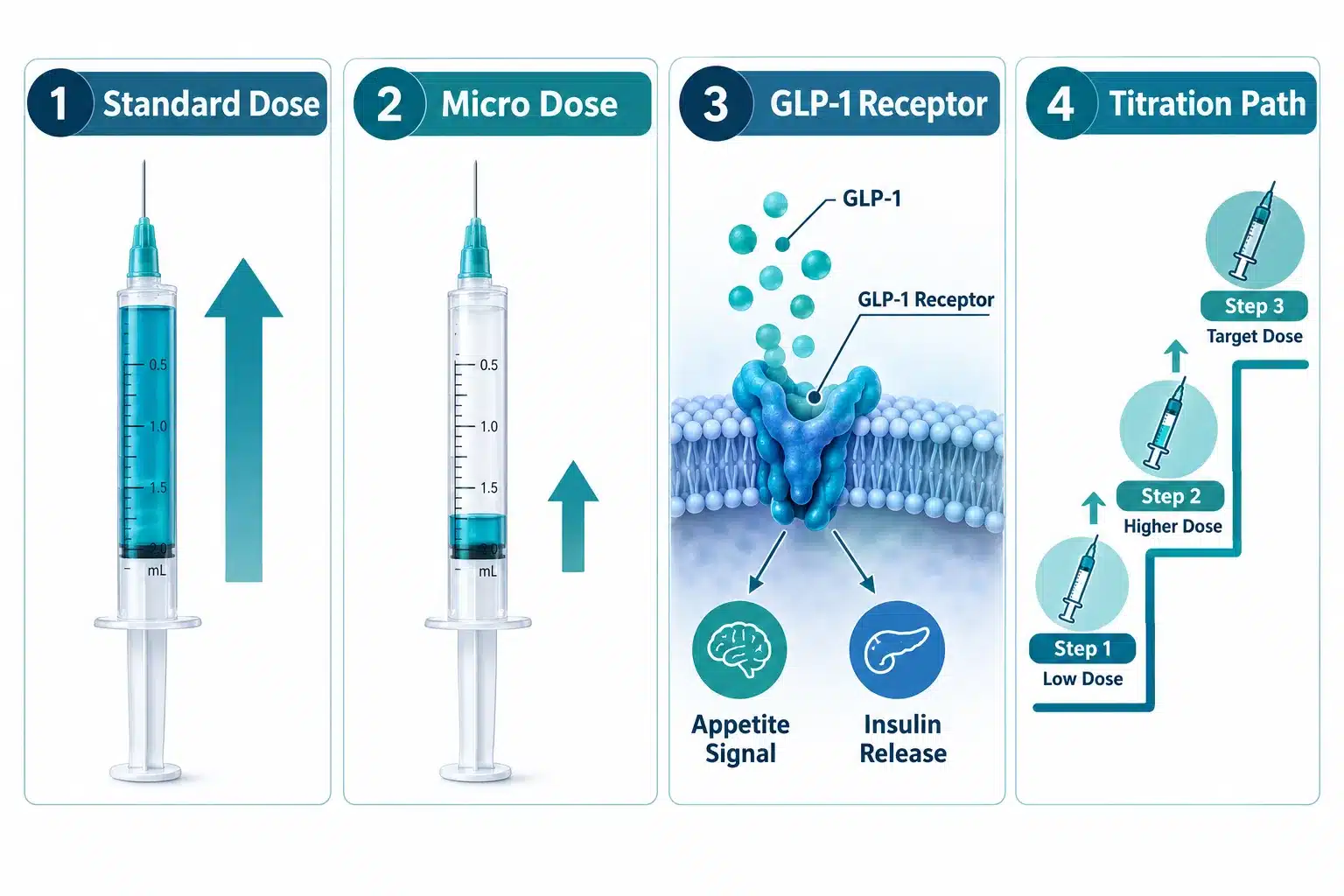
GLP-1 (glucagon-like peptide-1) receptor agonists work by mimicking a natural gut hormone that signals fullness, slows stomach emptying, and stimulates insulin release in response to food. Medications in this class include semaglutide (sold as Ozempic and Wegovy) and tirzepatide (sold as Mounjaro and Zepbound). At approved doses, they produce significant weight loss and blood sugar improvements. At micro doses, those effects are blunted but may still be present to a lesser degree [4].
The term “micro dosing” itself is not a formal medical term. Cedars-Sinai notes that there are no established clinical guidelines defining what a micro dose is or how it should be administered [6]. What most people mean when they use the phrase is a self-directed or provider-guided reduction in dose, typically arranged through telehealth platforms or compounding pharmacies rather than through standard branded prescriptions.
How Is Micro Dosing GLP1 Different From Regular Dosing?
Standard GLP-1 dosing follows a titration protocol: patients start at the lowest approved dose and increase gradually over weeks or months to reach a therapeutic maintenance dose. Micro dosing departs from this protocol by either staying permanently below the starting dose or reducing the injection frequency [8].
Here is a side-by-side comparison of the two approaches:
| Feature | Standard GLP-1 Dosing | Micro Dose GLP1 |
|---|---|---|
| Dose level | Starts at 0.25 mg (semaglutide), titrates up | Below 0.25 mg, or stays at starter dose long-term |
| Frequency | Weekly injection | Every 10-14 days, or less frequent |
| FDA approval status | Approved | Off-label |
| Clinical guidelines | Yes (ADA, FDA) | None |
| Expected weight loss | Up to 15-20% body weight (tirzepatide) | Significantly less |
| Side effect profile | Moderate GI effects during titration | Potentially reduced GI effects |
| Typical access method | Branded pen devices | Compounded formulations |
The key practical difference is that standard dosing uses a fixed-dose pen that cannot be adjusted below the manufacturer’s lowest setting. Micro dosing almost always requires a compounded semaglutide or tirzepatide formulation drawn into a syringe, which allows precise sub-threshold dosing [1][3].
Does Micro Dose GLP1 Actually Work for Weight Loss?
Micro dose GLP1 can produce some weight loss, but the evidence consistently shows it produces far less than full titrated doses. An August 2026 observational study reported that patients who stayed on the lowest approved starter doses of semaglutide for a full year lost an average of about 2.2% of body weight, compared to approximately 12% among patients who titrated to higher recommended doses [5][9][10].
That gap is significant. For a 220-pound person, 2.2% is roughly 4.8 pounds. At 12%, the same person would lose about 26 pounds. The difference is not trivial.
That said, some weight loss is better than none, and for people who cannot tolerate higher doses due to severe nausea or other GI side effects, staying at a lower dose may be the only realistic option. The Cleveland Clinic notes that while microdosing may reduce side effects, the trade-off is reduced efficacy, and patients should have clear expectations going in [4].
Bottom line: Micro dose GLP1 works, but modestly. It is not a shortcut to the results seen in clinical trials. If cost or side effects are the reason for considering micro dosing, there may be better alternatives worth exploring, including affordable GLP-1 agonist programs for weight loss that provide proper titration support.
Micro Dose GLP1 vs Semaglutide Micro Dosing: Is There a Difference?
Micro dose GLP1 is the broader category; semaglutide micro dosing is a specific version of it. Semaglutide is the most commonly micro-dosed GLP-1 because it is the most widely prescribed and the most accessible through compounding pharmacies [1][3].
Tirzepatide micro dosing follows the same logic but is less common in practice, partly because tirzepatide is newer and compounded versions have had more regulatory scrutiny. The 2026 observational study found that patients on low-dose tirzepatide lost about 5.5% of body weight at one year, which is better than low-dose semaglutide’s 2.2% but still well below the 20%+ seen at full tirzepatide doses [5][9].
If you are comparing options, tirzepatide at low doses appears to outperform semaglutide at low doses, though neither matches the results of a fully titrated protocol. For real patient perspectives on tirzepatide, see these tirzepatide reviews by patients.
Can You Micro Dose Ozempic or Wegovy?
You cannot micro dose branded Ozempic or Wegovy pens in the traditional sense because these are pre-filled, fixed-dose devices. The Ozempic pen delivers set doses (0.25 mg, 0.5 mg, 1 mg, or 2 mg), and there is no mechanism to inject a smaller fraction [8].
Micro dosing in practice almost always means using a compounded semaglutide formulation, which comes as a multi-dose vial. A provider prescribes a specific volume to be drawn into an insulin syringe, allowing doses as small as 0.05 mg or 0.1 mg. This is why compounding pharmacies are central to the micro dosing conversation [3].
If you are looking for a compounding pharmacy or want to understand your options, this guide on finding a compounding pharmacy for semaglutide is a useful starting point.
Who Should Use Micro Dose GLP1?
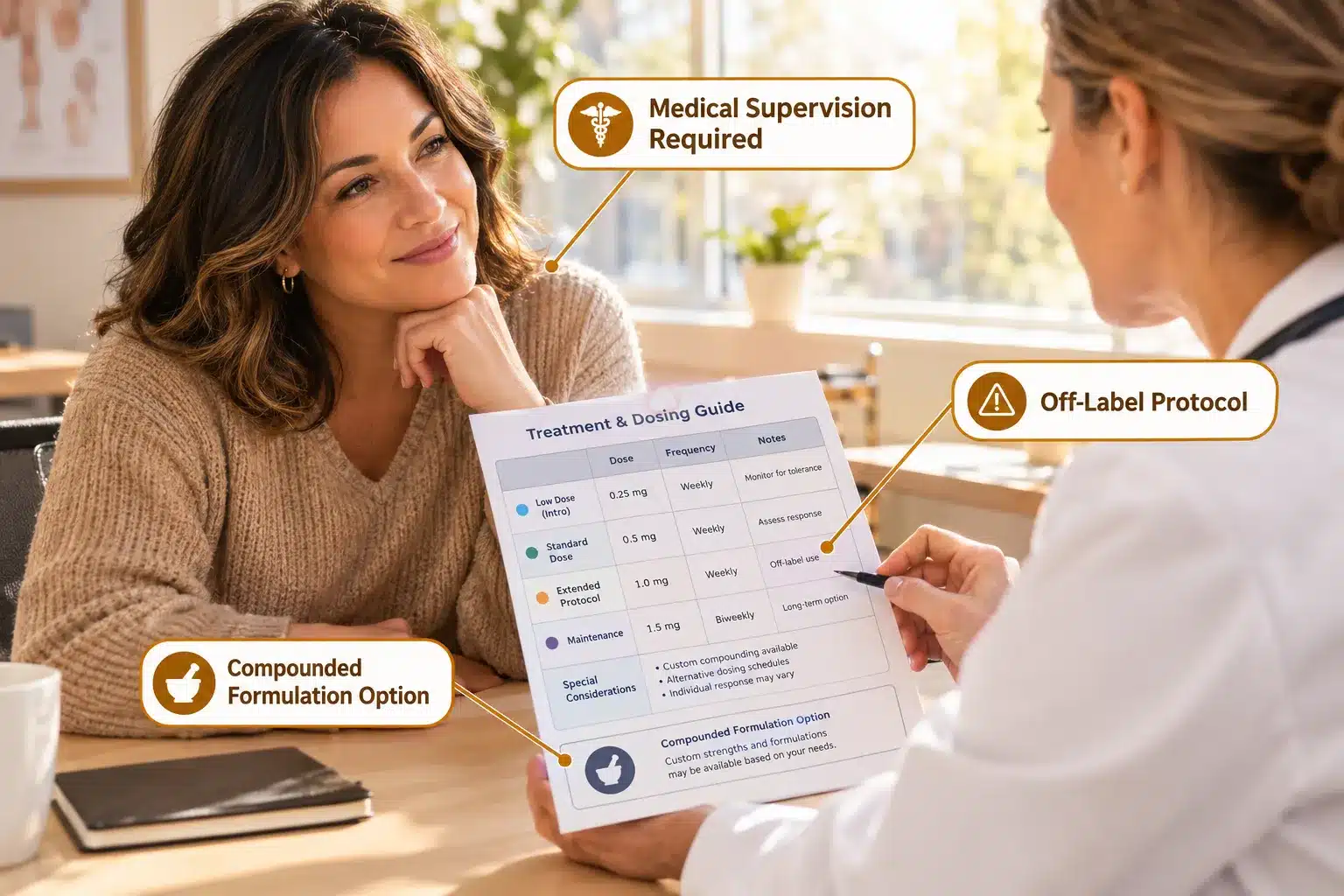
Micro dose GLP1 is most appropriate for a narrow set of situations. It is not a general recommendation and is not suitable for everyone considering GLP-1 therapy [4][6][8].
Micro dosing may be worth discussing with a doctor if:
- You have experienced severe nausea, vomiting, or GI distress at even the lowest approved starter dose and need a gentler entry point.
- You are using GLP-1 therapy primarily for metabolic health maintenance rather than significant weight loss.
- You are in a medically supervised program and your provider has determined that a lower dose is appropriate for your specific health profile.
- You are transitioning off a full dose and your provider wants to taper gradually.
Micro dosing is generally not appropriate if:
- You have type 2 diabetes and need meaningful blood sugar control, since sub-therapeutic doses may not provide adequate glycemic management.
- Your primary goal is significant weight loss (more than 5-10% of body weight).
- You are self-prescribing without medical oversight.
- You are using it primarily as a cost-cutting measure without discussing alternatives with a provider.
NewYork-Presbyterian endocrinologist Dr. Judy Korner has stated that GLP-1 microdosing is “not an officially recognized standard of care” and emphasizes that it should not be pursued without proper medical supervision [8].
Micro Dose GLP1 for Diabetes vs Weight Loss
The answer here is straightforward: micro dose GLP1 is a riskier approach for diabetes management than for weight loss, because inadequate dosing can leave blood sugar poorly controlled.
For weight loss, a modest 2-5% reduction in body weight, while less than ideal, is not dangerous on its own. For type 2 diabetes, however, insufficient GLP-1 receptor activation may fail to lower HbA1c meaningfully, leaving a patient exposed to the long-term complications of uncontrolled blood sugar [2][4].
The American Diabetes Association does not endorse micro dosing as a diabetes management strategy, and most endocrinologists recommend against it for patients whose primary concern is glycemic control [2]. If blood sugar management is your goal and cost is a barrier, exploring GLP-1 without insurance options may be a more appropriate path than reducing the dose to a potentially ineffective level.
Micro Dose GLP1 Cost and Pricing
Micro dosing can reduce the per-month cost of GLP-1 therapy because less medication is consumed per period. However, the actual cost depends heavily on the provider, the compounding pharmacy, and whether any telehealth fees apply.
Compounded semaglutide through telehealth platforms typically runs between $150 and $400 per month at standard doses. At micro doses, some patients report costs in the $75 to $150 per month range, though this varies considerably [3].
A few cost-related points worth knowing:
- Branded Ozempic and Wegovy are not available for micro dosing (fixed-dose pens), so cost savings only apply to compounded formulations.
- Some telehealth programs offer tiered dosing plans that effectively function as micro dosing entry points.
- Insurance rarely covers compounded GLP-1 formulations regardless of dose.
For a broader look at affordable options, see our guides on GLP-1 payment plans and the best cheap GLP-1 programs available in 2026. If you want to compare specific providers by cost, the cheapest online GLP-1 providers compared guide breaks down current pricing across major platforms.
Where Can I Get Micro Dose GLP1?
Micro dose GLP1 is available through telehealth platforms that prescribe compounded semaglutide or tirzepatide. These platforms connect patients with licensed prescribers who can write off-label dosing instructions for compounding pharmacies [1][3].
Common access routes:
- Telehealth weight loss programs such as Hims, Measured, or similar platforms that offer compounded GLP-1 with flexible dosing.
- Direct-pay compounding pharmacies that work with independent prescribers.
- Functional medicine or integrative health clinics that are comfortable with off-label protocols.
What you will not find is micro dose GLP1 available over the counter or without a prescription. A licensed provider must be involved. For a detailed look at one specific program, the Measured GLP-1 review covers how a structured telehealth GLP-1 program works in practice.
Micro Dose GLP1 Side Effects
One of the main reasons people pursue micro dose GLP1 is to reduce side effects. At full doses, GLP-1 medications commonly cause nausea, vomiting, diarrhea, constipation, and fatigue, especially during the titration phase [4][6].
At lower doses, these side effects are generally less severe. However, micro dosing does not eliminate side effects entirely, and a few points deserve attention:
- GI effects are reduced but not absent at sub-therapeutic doses.
- Injection site reactions occur regardless of dose.
- Hypoglycemia is rare with GLP-1 monotherapy but possible in patients also taking insulin or sulfonylureas.
- Unknown long-term effects of sustained very low-dose GLP-1 exposure have not been studied in controlled trials.
The honest answer is that the side effect profile of long-term micro dosing is not well characterized because no clinical trials have specifically studied this approach [6][8]. Patients should report any new or worsening symptoms to their prescriber promptly.
How Long Does It Take to See Results From Micro Dose GLP1?
At micro doses, results come more slowly and are less pronounced than at standard doses. Based on available observational data, patients on low-dose semaglutide can expect to see modest changes in appetite and weight within 4 to 8 weeks, with the 2026 study showing an average of 2.2% body weight loss at one year [5][9].
For context, most people notice appetite suppression within the first two to four weeks at any dose. The difference with micro dosing is that this effect is milder and may plateau earlier.
A reasonable expectation framework:
- Weeks 1-4: Mild appetite reduction, possible minor weight change.
- Weeks 4-12: Gradual weight loss, typically 1-3 pounds per month at micro doses.
- Month 3-6: Plateau becomes visible if dose is not adjusted.
- Month 6-12: Total loss of 2-5% body weight is a realistic estimate at sustained low doses.
If you are not seeing any results after 12 weeks, it is time to reassess with your provider. For comparison, here is a look at which GLP-1 medication acts quickest at standard doses.
Micro Dose GLP1 Not Working: What to Do
If micro dose GLP1 is not producing results, the most likely explanation is that the dose is simply too low to activate GLP-1 receptors sufficiently for meaningful appetite suppression or metabolic effect [4][9].
Steps to take if micro dosing is not working:
- Review your current dose with your prescriber. Confirm the exact dose and frequency you are using.
- Consider titrating up. Moving to the standard 0.25 mg starter dose and then titrating normally is the evidence-based path.
- Assess lifestyle factors. GLP-1 medications work best alongside dietary changes and physical activity. Micro dosing alone without behavioral support is unlikely to produce significant results.
- Evaluate the formulation. Compounded products vary in quality. If you are using a compounded product, confirm it is from an accredited pharmacy.
- Consider switching medications. If semaglutide at low doses is not working, tirzepatide at low doses has shown better outcomes in observational data [5].
Common Mistakes With Micro Dosing GLP1
Several patterns consistently undermine results for people trying micro dose GLP1 [1][4][6]:
- Self-prescribing without medical oversight. Adjusting doses without a provider’s guidance is the most common and most dangerous mistake.
- Expecting full-dose results at micro doses. The evidence is clear that lower doses produce lower weight loss. Going in with unrealistic expectations leads to early abandonment.
- Using branded pens for micro dosing. This is not possible. Branded pens do not allow sub-threshold dosing.
- Skipping lifestyle changes. Micro dosing provides a smaller metabolic nudge than standard dosing. Without dietary adjustments, the effect may be imperceptible.
- Not tracking results. Without consistent weight and symptom tracking, it is impossible to know whether the approach is working.
- Stopping abruptly. Some patients stop micro dosing suddenly when they feel it is not working, without discussing alternatives with their provider first.
Micro Dose GLP1 Alternatives and Other Options
If micro dosing does not seem like the right fit, or if you have tried it without success, several alternatives are worth considering:
- Standard titrated GLP-1 therapy with a slow titration schedule to minimize side effects while still reaching therapeutic doses. This is the most evidence-backed approach.
- Oral GLP-1 options such as oral semaglutide (Rybelsus) or newer oral tirzepatide formulations, which may have a different tolerability profile for some patients. See Medvi oral tirzepatide reviews for one patient-reported perspective.
- GLP-1 direct-pay programs that make standard dosing more affordable without requiring insurance. The GLP-1 direct pay programs guide covers current options.
- Lifestyle-focused metabolic programs that combine dietary intervention with metabolic support, appropriate for people who are not candidates for GLP-1 therapy at any dose.
Frequently Asked Questions
What is the smallest dose of semaglutide you can take?
The FDA-approved starting dose of semaglutide (Ozempic/Wegovy) is 0.25 mg weekly. Micro dosing typically refers to doses below this threshold, such as 0.05 mg to 0.1 mg, which require compounded formulations drawn into a syringe. There is no FDA-approved dose below 0.25 mg.
Is micro dose GLP1 safe?
It is not known to be acutely dangerous for most healthy adults, but it has not been studied in controlled clinical trials. The main risks are inadequate efficacy, unknown long-term effects, and the possibility of inadequate blood sugar control in people with diabetes [4][6].
Can I micro dose GLP1 without a prescription?
No. GLP-1 medications, including compounded versions, require a valid prescription from a licensed provider in the United States. Obtaining them without a prescription is illegal and unsafe.
Does micro dosing GLP1 prevent muscle loss?
There is no specific evidence that micro dosing prevents muscle loss compared to standard dosing. Muscle preservation during GLP-1 therapy is an active area of research, with a 2026 Phase 2 trial (COURAGE) exploring adjunct treatments to prevent lean mass loss during GLP-1-induced weight loss [7].
How often should I inject at a micro dose?
Common informal protocols use every 10 to 14 days instead of the standard weekly schedule, but there is no clinical guideline defining the correct frequency. Your prescriber should determine the interval based on your individual response [1].
Is micro dosing GLP1 the same as the titration phase?
Not exactly. The titration phase uses the FDA-approved 0.25 mg starter dose for a defined period before increasing. Micro dosing means staying below that threshold indefinitely or using a non-standard schedule, which is a different and less supported approach [8].
Will insurance cover micro dose GLP1?
Almost certainly not. Insurance coverage for GLP-1 medications is already limited, and compounded formulations used for micro dosing are almost universally excluded from coverage.
What happens when I stop micro dosing GLP1?
Appetite and weight typically return toward baseline after stopping, similar to what happens when stopping any GLP-1 medication. The effect is not permanent and requires ongoing use to maintain.
7 Best GLP-1 Providers Ranked: Accreditation, Flexibility & Support Compared (2026 Update)
32,000+ Patients Can't All Be Wrong: See the Top-Rated GLP-1 Providers: Compared on accreditation, plan flexibility, and patient support — updated for 2026.
BMI MD GLP-1 Microdosing Plan
- Specialized microdosing options (sublingual drops or low-dose injections)
- Ideal for maintaining weight or tapering off higher doses safely
- Fully bundled plan with no hidden monthly platform memberships
DirectMeds Weight Loss Solutions
- Sourced from accredited, state-licensed 503A compounding pharmacies
- No-frills high-volume savings passed directly to the patient
- Includes clinical consultation and cold-chain shipping updates
MEDVi Flat-Rate Telehealth
- Flat monthly rate holds steady even at maximum maintenance doses
- No dosage upcharges or graduation fee penalties
- Offers both injectable and advanced oral thin-film delivery options
Gala GLP-1 Care Program
- All-inclusive plan with no standalone membership costs
- Continuous text-based messaging access with state-licensed clinicians
- Temperature-controlled, cold-chain medication shipping included
Measured GLP-1 Metabolic Health
- Comprehensive metabolic health screening and expert intake analysis
- Predictable long-term budgeting with stable plan pricing
- High-end responsive dashboard with integrated diagnostic support
Refills GLP-1 (TryRefills Plan)
- Flat rate holds steady as titration scales up
- Includes clinical guides for active side-effect management
- Bundles in foundational nutritional strategies alongside medication
AltRx GLP-1 Transactional Reorders
- Zero recurring auto-billing — pay entirely on a transactional basis
- Rapid text-to-order format saves time for experienced patients
- Provides both injectable forms and fast-dissolving tablet variations
Conclusion
Micro dose GLP1 is a real practice that some people use to manage side effects, reduce costs, or ease into GLP-1 therapy. But the evidence is clear: it produces significantly less weight loss than standard titrated dosing, it has no formal clinical guidelines behind it, and it carries unknowns that standard dosing does not [4][6][8][9].
That does not mean it is never appropriate. For people who genuinely cannot tolerate standard doses, a lower starting point under medical supervision may be a reasonable bridge. For people whose goal is meaningful weight loss, however, micro dosing is unlikely to deliver the results they are hoping for.
Actionable next steps:
- Talk to a licensed provider before adjusting any GLP-1 dose. Off-label does not mean unsupervised.
- If cost is your main concern, explore GLP-1 payment plans and direct-pay programs before reducing your dose.
- If side effects are your concern, ask your provider about a slower titration schedule rather than a permanent dose reduction.
- Set realistic expectations: 2-5% body weight loss at micro doses versus 12-20% at full doses.
- Track your results consistently and reassess with your provider at 12 weeks.
The goal is not the smallest possible dose. The goal is the dose that works for your body, your health, and your life.
References
[1] Thinking About Microdosing GLP-1? 5 Myths Debunked – https://livehealthy.muhealth.org/stories/thinking-about-microdosing-glp-1-5-myths-debunked
[2] Microdosing GLP-1 Drugs – https://www.healthywomen.org/condition/microdosing-glp-1-drugs
[3] Microdosing Treatment Plans For Metabolic Health – https://news.hims.com/newsroom/microdosing-treatment-plans-for-metabolic-health
[4] Microdosing GLP-1 – https://health.clevelandclinic.org/microdosing-glp-1
[5] GLP-1 Weight Loss Drugs Effective Even at Low Starter Doses – https://www.reuters.com/business/healthcare-pharmaceuticals/glp-1-weight-loss-drugs-effective-even-low-starter-doses-2026-08-31/
[6] Can Microdosing GLP-1s Promote Health and Weight Loss? – https://www.cedars-sinai.org/stories-and-insights/expert-advice/can-microdosing-glp-1s-promote-health-and-weight-loss
[7] Phase 2 COURAGE Trial Confirms Trevogrumab Prevents Lean Mass and Muscle Loss During GLP-1 Receptor Agonist-Induced Weight Loss – https://www.globenewswire.com/news-release/2026/10/01/3373155/0/en/phase-2-courage-trial-confirms-trevogrumab-prevents-lean-mass-and-muscle-loss-during-glp-1-receptor-agonist-induced-weight-loss.html
[8] What Is GLP-1 Microdosing? – https://www.nyp.org/healthmatters/what-is-glp-1-microdosing
[9] Microdosing GLP1: Wegovy, Zepbound, and Weight Loss – https://www.healthline.com/health-news/microdosing-glp1-wegovy-zepbound-weight-loss
[10] Microdosing GLP-1: Wegovy, Zepbound Side Effects – https://www.usatoday.com/story/money/personal-finance/healthcare/2026/09/02/microdosing-glp-1-wegovy-zepbound-side-effects/91564457007/


