What is Microdosing? Understanding Low-Dose Treatments and Protocols

Last updated: October 3, 2026
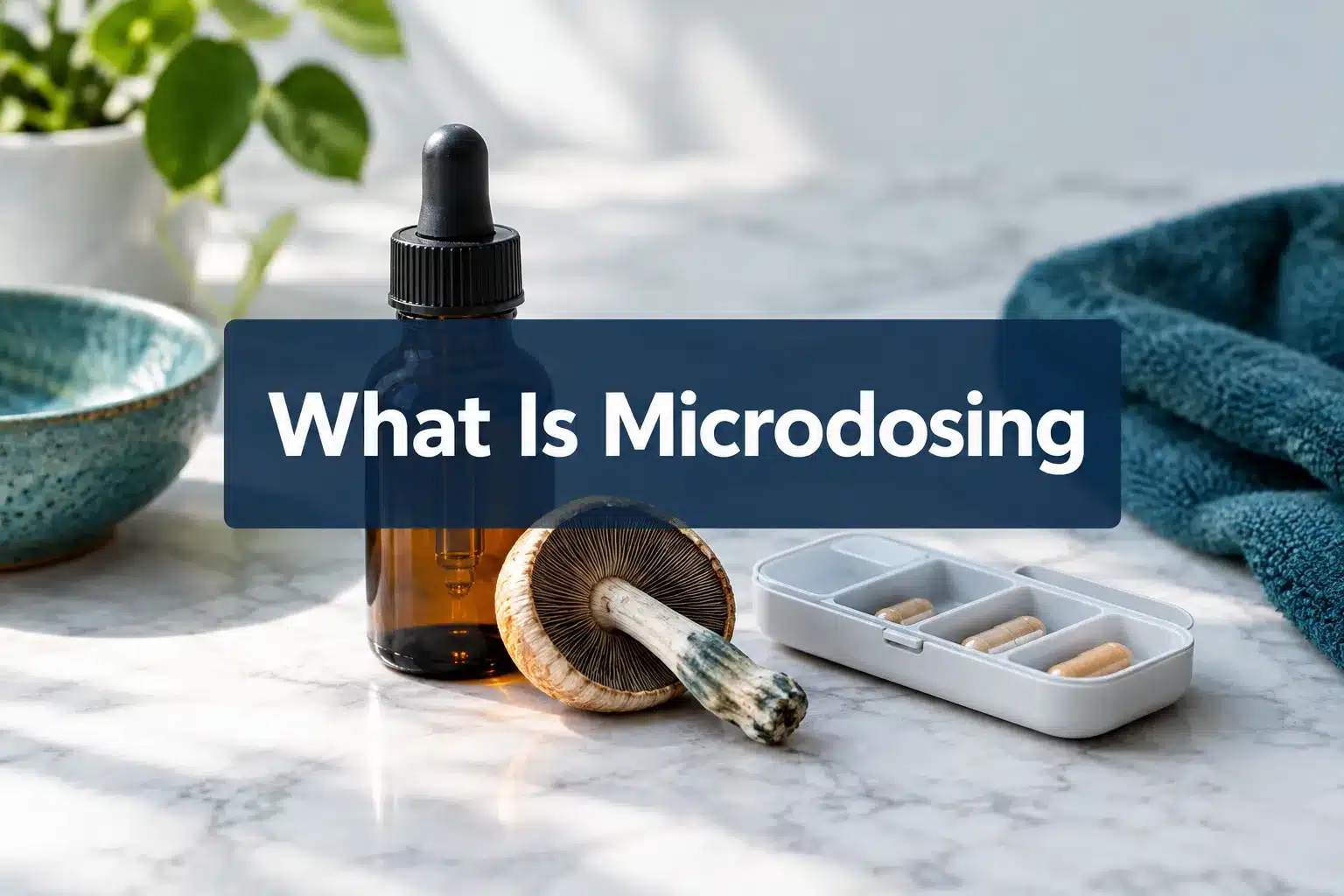
Quick Answer: Microdosing means taking a very small, sub-perceptual dose of a substance, most often a psychedelic like psilocybin or LSD, that is too low to cause noticeable intoxication but may still produce subtle changes in mood, focus, or perception. The practice exists in two separate worlds: pharmaceutical drug development (where it refers to Phase 0 clinical trials) and the growing consumer wellness space (where it refers to self-administered psychedelic protocols). As of early 2026, millions of Americans report microdosing psychedelics, yet rigorous clinical evidence for most claimed benefits remains limited. [7]
Key Takeaways
- Microdosing means taking roughly 1/10th to 1/20th of a standard psychedelic dose, enough to avoid a “trip” but potentially enough to shift mood or cognition.
- In pharmaceutical research, microdosing has a separate, precise meaning: administering less than 1% of a pharmacologically active dose to study how a drug moves through the body. [1]
- Psilocybin and LSD are the most commonly microdosed psychedelics; typical psilocybin microdoses range from 0.1 g to 0.3 g of dried mushroom. [4]
- A 2026 survey found that millions of U.S. adults are currently microdosing psychedelics, making it a mainstream wellness conversation. [7]
- Randomized controlled trial evidence as of 2026 is mixed; many reported benefits may be partly explained by placebo effects. [8]
- Psychedelic microdosing is federally illegal in the United States under the Controlled Substances Act, though some states and cities have decriminalized psilocybin.
- People with a personal or family history of psychosis, bipolar I disorder, or certain heart conditions should not microdose without medical supervision.
- Microdosing is not the same as GLP-1 medication titration, though the concept of starting at a very low dose applies to weight-loss medications as well.
What Is Microdosing? A Clear Definition
Microdosing is the practice of consuming a very small fraction of a substance’s standard dose, specifically small enough that it does not produce full psychoactive effects. The term covers two distinct contexts that are often confused: pharmacokinetic microdosing in drug development and psychedelic microdosing in the wellness and mental health space. [4]
7 Best GLP-1 Providers Ranked: Accreditation, Flexibility & Support Compared (2026 Update)
32,000+ Patients Can't All Be Wrong: See the Top-Rated GLP-1 Providers. We compared the leading online GLP-1 providers based on program features, clinical support, convenience, and overall value.
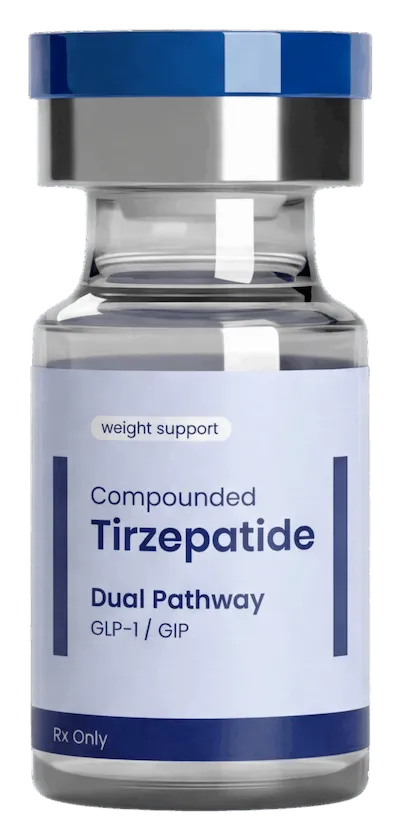
BMI MD GLP-1 Microdosing Plan
- Specialized microdosing options, including sublingual drops and low-dose injections
- Designed for people interested in maintaining weight or gradually adjusting treatment
- Bundled program structure without a separate monthly platform membership
- Online access makes the process convenient from home

DirectMeds Weight Loss Solutions
- Online weight-loss program with a straightforward patient experience
- Compounded medication options through state-licensed compounding pharmacies
- Includes clinical consultation as part of the process
- Provides shipping updates to help patients track their orders
MEDVi Flat-Rate Telehealth
- Flat-rate telehealth approach designed for easier budgeting
- No dosage-based pricing increases within the advertised program structure
- Offers injectable and oral thin-film delivery options
- Includes medical screening and asynchronous provider consultations
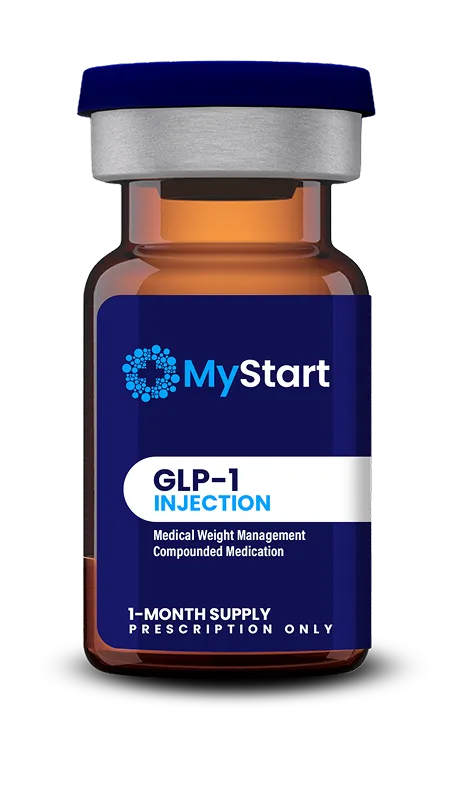
Gala GLP-1 Care Program
- Text-based access to state-licensed clinicians
- Cold-chain medication shipping included in the program
- Month-to-month program structure
- Designed for people who value convenient ongoing support
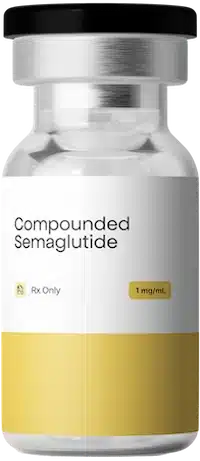
Measured GLP-1 Metabolic Health
- Comprehensive metabolic health screening and intake analysis
- Designed around longer-term metabolic health management
- Responsive dashboard with integrated health tracking tools
- Useful option for patients who value a more data-focused experience
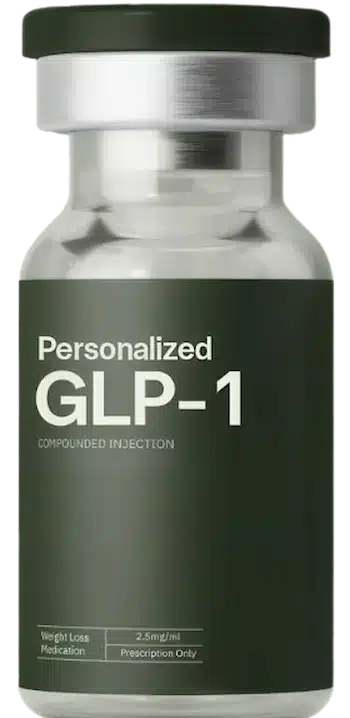
Refills GLP-1 (TryRefills Plan)
- Clinical guidance designed to help patients manage common treatment concerns
- Includes foundational nutritional strategies alongside medication
- Designed around predictable ongoing treatment
- No hidden startup or processing fees according to the program information provided
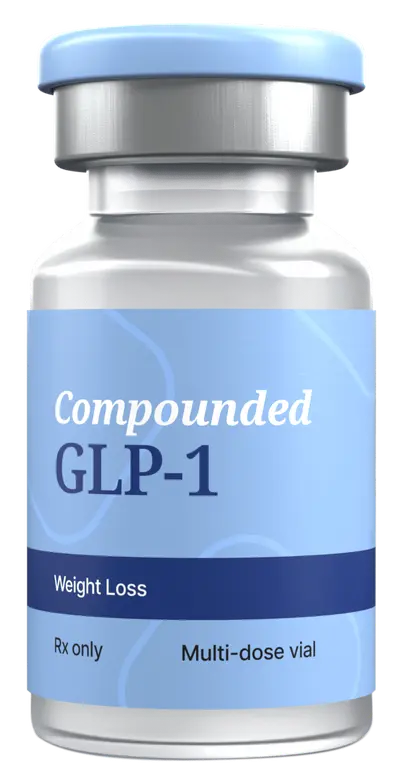
AltRx GLP-1 Transactional Reorders
- Transactional reorder model without recurring auto-billing
- Designed for patients who already understand their treatment routine
- Fast text-to-order process for convenient reorders
- Offers injectable and fast-dissolving tablet variations
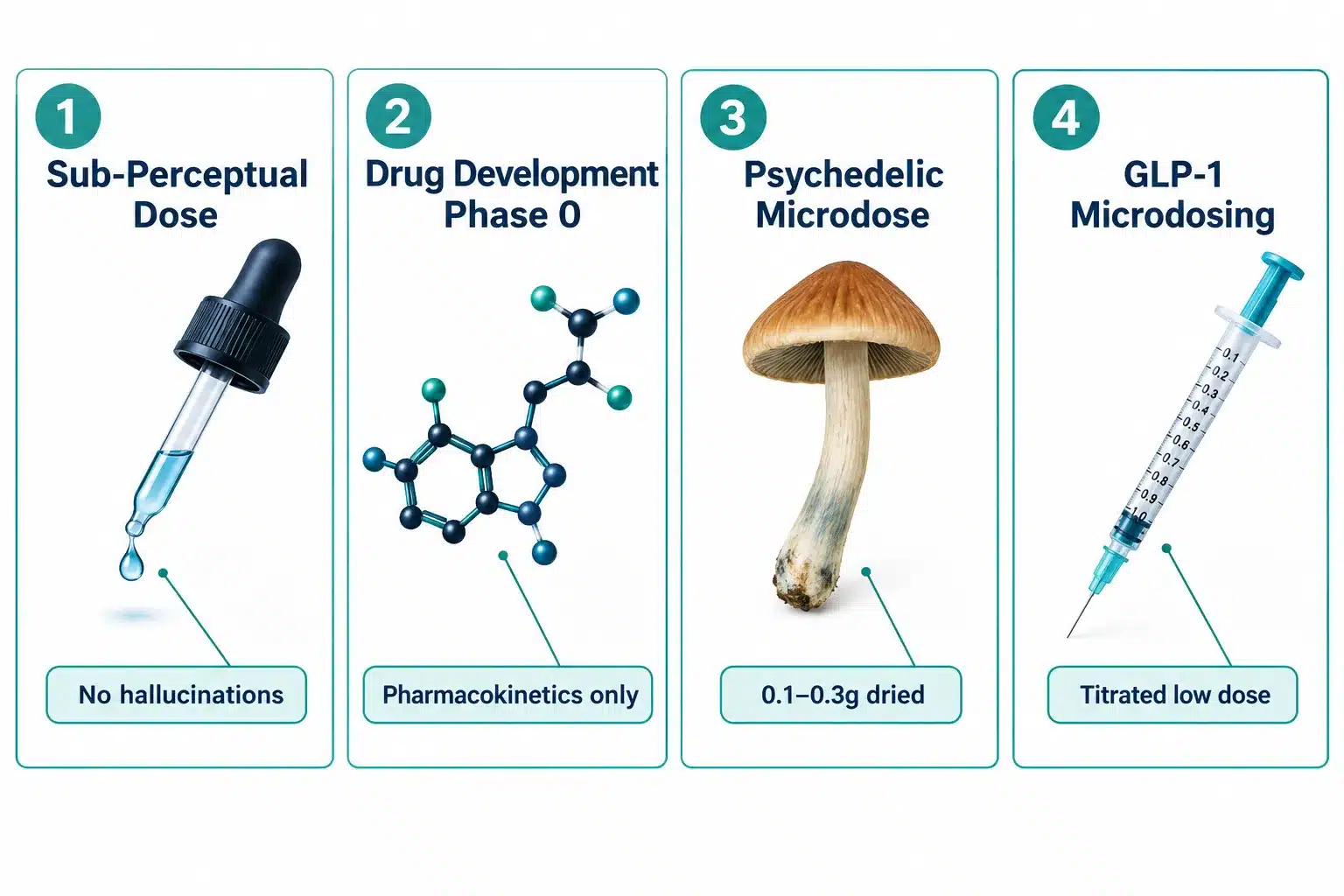
In pharmaceutical research, a microdose is defined as less than 1/100th of the dose calculated to produce a pharmacological effect, and no more than 100 micrograms of a chemical compound. This is used in Phase 0 clinical trials to study how a drug is absorbed and metabolized in humans before committing to full-scale trials. [1] [3]
In the psychedelic wellness context, which is what most people mean when they ask what is microdosing, it refers to taking approximately 1/10th to 1/20th of a recreational or therapeutic dose of a psychedelic substance. The goal is to stay below the threshold of perceptual distortion while potentially gaining subtle benefits in mood, creativity, or focus. [4] [5]
The two definitions share a name but serve completely different purposes. This guide focuses primarily on psychedelic microdosing, which is what drives most public interest in 2026.
How Much Is a Microdose?
A microdose is typically defined as 5-10% of a standard psychedelic dose. For the most commonly used substances, that translates to specific weight ranges that researchers and practitioners generally agree on. [4]
| Substance | Standard Dose | Typical Microdose | Form |
|---|---|---|---|
| Psilocybin mushrooms | 2-3.5 g dried | 0.1-0.3 g dried | Capsule or raw |
| LSD | 75-150 mcg | 5-20 mcg | Blotter or solution |
| Mescaline | 200-400 mg | 10-30 mg | Capsule |
| DMT (vaporized) | 20-60 mg | 2-5 mg | Vaporizer |
The defining criterion is sub-perceptual: a proper microdose should not cause you to feel “high.” If you notice visual changes, feel significantly altered, or cannot function normally at work or in conversation, the dose is too high. [4]
Common mistake: Many beginners take too much on their first attempt because they assume they need to feel something for it to work. Starting at 0.05-0.1 g of dried psilocybin and adjusting slowly is the safer approach.
Microdosing vs. Regular Dosing: What Is the Difference?
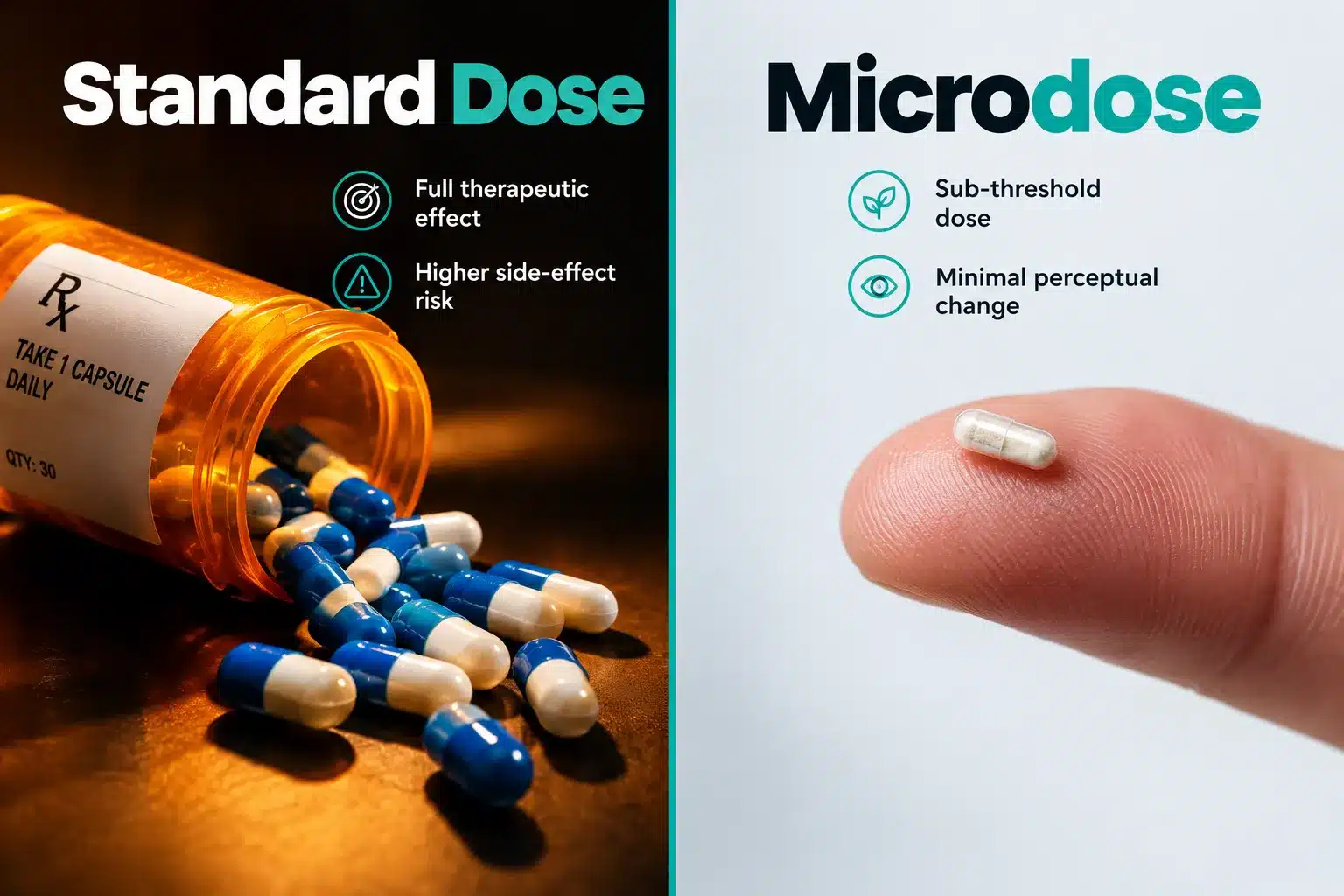
The core difference between microdosing and regular dosing is whether the dose crosses the perceptual threshold. A standard psychedelic dose produces noticeable alterations in perception, thought, and emotion. A microdose, by definition, does not. [4] [5]
Beyond the perceptual distinction, there are practical differences in how each is used:
- Regular (full) doses are used in supervised clinical settings for conditions like treatment-resistant depression and PTSD, typically administered 1-3 times over a course of therapy with professional support.
- Microdoses are self-administered on a recurring schedule (often several times per week) with the intent of improving daily functioning rather than producing a transformative experience.
- Risk profile also differs: full doses carry higher risks of acute psychological distress, while microdosing carries lower acute risks but unknown long-term risks from repeated sub-threshold exposure. [10]
“The distinction matters clinically. A full therapeutic psilocybin session is a controlled, supervised event. Microdosing is an uncontrolled, self-directed practice, and the evidence base for each is very different.”, summarized from expert commentary, early 2026 [8]
Microdosing Benefits and Effects: What Does the Evidence Actually Show?
Reported benefits of microdosing include improved mood, reduced anxiety, sharper focus, and greater creativity. However, as of 2026, the clinical evidence is mixed and the field is still maturing. [6] [8]
What observational studies report:
- Reduced symptoms of depression and anxiety
- Improved emotional regulation
- Greater sense of well-being and mindfulness
- Enhanced problem-solving and creative thinking
- Reduced reliance on alcohol or other substances [5] [10]
What controlled trials show:
A 2026 critical review of 57 human psychedelic microdosing studies found that many reported benefits are present but that placebo effects account for a meaningful portion of outcomes. [8] An open-label LSD microdosing trial in adults with major depressive disorder, published in 2026, showed mood improvements, but without a placebo-controlled arm, it is difficult to separate drug effects from expectation. [2]
A key limitation across the research: most studies are observational, rely on self-report, and involve people who already believe microdosing will help them. This introduces significant expectation bias. [8]
Bottom line: There is enough early signal to justify continued research, but not enough evidence to recommend microdosing as a first-line treatment for any condition. Anyone considering it should weigh this honestly.
Is Microdosing Legal?
Psychedelic microdosing is federally illegal in the United States for most substances. Psilocybin and LSD are both Schedule I controlled substances under the Controlled Substances Act, meaning they are classified as having no accepted medical use and a high potential for abuse. Possessing, manufacturing, or distributing them, even in microdose quantities, is a federal crime. [4]
State and local exceptions:
- Oregon and Colorado have legalized supervised psilocybin therapy for adults (not home microdosing).
- Several cities, including Denver, Oakland, and Seattle, have decriminalized psilocybin possession, meaning local law enforcement deprioritizes prosecution.
- Decriminalization is not the same as legalization. You can still face federal charges.
International context: The legal landscape varies widely. The Netherlands allows psilocybin truffles (not mushrooms). Jamaica and the Netherlands have become destinations for legal psychedelic retreats.
Choose this path only if: You live in a jurisdiction where possession is decriminalized and you understand that federal law still applies. Legal risk is real and should not be minimized.
Does Microdosing Work for Anxiety?
Microdosing may reduce anxiety symptoms in some people, but the evidence is not strong enough to call it a reliable treatment. Observational surveys consistently show that people who microdose report lower anxiety, but these are self-selected groups who expected the practice to help. [5] [10]
A 2017 analysis of self-reported microdosing outcomes found anxiety reduction among the most commonly cited benefits, alongside improved mood and focus. [5] However, controlled trials with placebo comparisons have not consistently replicated this at the level needed to draw firm conclusions.
Important caveat: For some individuals, psychedelic substances, even at low doses, can increase anxiety, particularly in those with a history of anxiety disorders or trauma. The response is highly individual and dose-dependent.
If you are managing anxiety and considering alternatives, it is worth reviewing evidence-based options alongside emerging approaches. For those whose anxiety is tied to metabolic health or weight concerns, understanding how GLP-1 medications affect the body and metabolism may also be relevant, since metabolic and mental health are closely linked.
Microdosing Psilocybin: How Often Should You Dose?
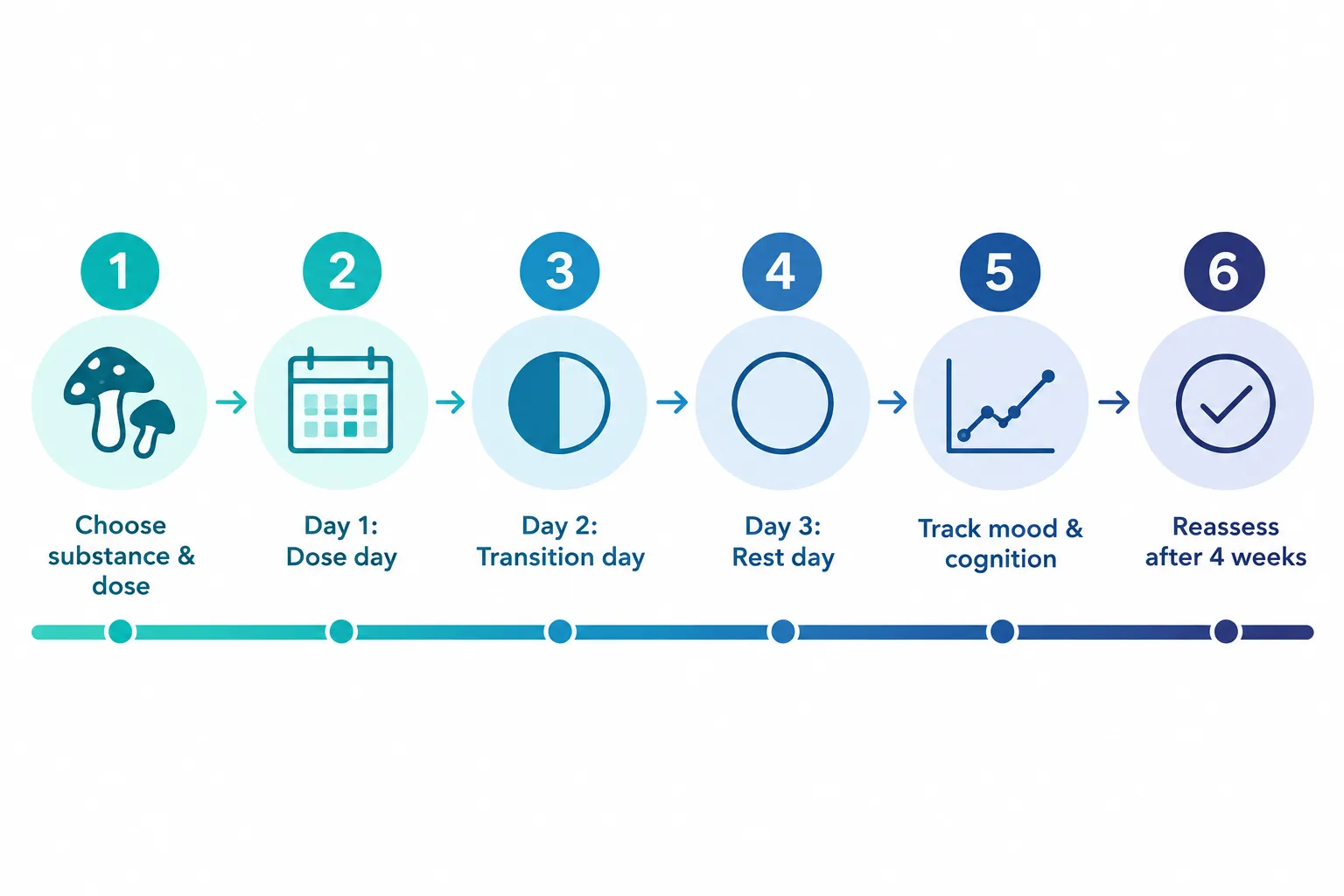
The most widely used psilocybin microdosing schedule is the Fadiman Protocol, named after researcher James Fadiman. It involves dosing one day on, two days off, repeated over four to eight weeks. [6]
Common protocols:
- Fadiman Protocol: Dose on Day 1, rest on Days 2 and 3, repeat. This is the most studied self-reported schedule.
- Stamets Protocol: Dose for five consecutive days, rest for two. Sometimes combined with lion’s mane mushroom and niacin.
- Every other day: Some practitioners prefer alternating dose and rest days for simplicity.
Why rest days matter: Psilocybin builds tolerance quickly. Dosing every day leads to diminishing effects within a few days. Rest days help maintain sensitivity to the compound. [4]
Typical course length: Most structured protocols run four to twelve weeks, followed by a break of equal or greater length to assess baseline functioning.
Microdosing LSD: Schedule and Protocol
LSD microdosing follows a similar schedule to psilocybin but with some key differences in timing and duration. Because LSD has a longer half-life (roughly 8-12 hours compared to psilocybin’s 4-6 hours), dose days can affect sleep if taken too late in the morning. [4]
Recommended LSD microdosing approach:
- Take the microdose (5-15 mcg) early in the morning, before 9 a.m.
- Follow a one-day-on, two-days-off schedule (Fadiman Protocol).
- Track mood, sleep, and focus in a journal each day, including rest days.
- After four weeks, take a two-week break and review your notes.
Practical challenge: Accurately measuring 5-15 mcg of LSD from a blotter tab (typically 75-150 mcg) requires volumetric dosing, dissolving the tab in distilled water and measuring the liquid. This introduces significant dosing imprecision for most users, which is a meaningful safety and consistency concern.
Microdosing Side Effects and Risks
Microdosing is not risk-free. Even sub-perceptual doses carry potential side effects, and repeated use introduces risks that are not yet fully characterized in long-term studies. [9] [10]
Common reported side effects:
- Mild anxiety or restlessness on dose days
- Difficulty sleeping (especially with LSD if dosed too late)
- Headaches
- Emotional sensitivity or irritability
- Increased heart rate
Less common but serious risks:
- Cardiac concerns: Psilocybin and LSD both act on serotonin receptors, including 5-HT2B receptors found in heart tissue. Long-term, repeated stimulation of these receptors has been associated with cardiac valvulopathy in other contexts (such as with certain appetite suppressants). Whether microdosing frequency is sufficient to pose this risk is not yet established, but it warrants caution. [9]
- Psychological destabilization: People with latent or active psychotic disorders may experience worsening symptoms even at low doses.
- Legal consequences: Possession and use remain federally illegal in the U.S.
- Unknown long-term effects: No study has tracked microdosers for more than a few years.
Who Should Microdose and Who Shouldn’t
Microdosing may be appropriate for curious, healthy adults in jurisdictions where it is decriminalized, who are not on contraindicated medications and have no personal or family history of psychosis. It is not appropriate for everyone.
Who should avoid microdosing:
- Anyone with a personal or family history of schizophrenia, bipolar I disorder, or psychosis
- People taking SSRIs, SNRIs, or MAOIs (potential serotonin syndrome risk and reduced efficacy)
- Pregnant or breastfeeding individuals
- People with a history of severe anxiety disorders or panic disorder
- Those under 25 (developing brain)
- Anyone in a high-stakes job requiring full cognitive clarity (operating heavy machinery, air traffic control, etc.)
Who may be reasonable candidates:
- Healthy adults with no contraindicated psychiatric history
- Those in jurisdictions with decriminalization
- People who have tried conventional treatments and are seeking alternatives under medical guidance
- Individuals willing to track effects rigorously and stop if adverse effects emerge
Common Microdosing Mistakes to Avoid
Most problems with microdosing come from a handful of predictable errors. Knowing them in advance saves time and reduces risk.
- Dosing too high: The most common mistake. If you feel anything perceptual, the dose is too high. Start lower than you think you need to.
- Dosing too frequently: Daily dosing builds tolerance fast and increases side-effect risk. Follow a structured protocol with rest days.
- No tracking: Without a mood and symptom journal, you cannot tell whether the practice is helping or hurting. Track every day, not just dose days.
- Ignoring contraindications: Combining psychedelics with SSRIs or MAOIs is dangerous. Check all medications with a pharmacist or physician first.
- Expecting immediate results: Most practitioners report that meaningful effects, if any, emerge after two to four weeks of consistent practice.
- Sourcing from unreliable suppliers: Unregulated substances may be mislabeled, contaminated, or incorrect. This is a serious safety risk with no easy solution in an illegal market.
How Long Does Microdosing Take to Work?
Most people who report benefits from microdosing notice changes within two to four weeks of starting a consistent protocol. Acute effects on dose days (mild mood lift, slightly sharper focus) may be noticeable within the first few sessions, but these can be placebo responses. [6]
Realistic timeline:
- Days 1-7: Adjustment period; some people feel nothing, others feel mild stimulation or anxiety.
- Weeks 2-4: If benefits are present, they typically become more consistent during this window.
- Week 4+: A structured break and honest self-assessment should follow the first cycle.
If no benefit is apparent after four to six weeks of a properly structured protocol, continuing is unlikely to produce different results. This is also the point at which the absence of benefit should prompt a conversation with a mental health professional about evidence-based alternatives.
Microdosing vs. Therapy: How Do They Compare?
Microdosing and psychotherapy address mental health through fundamentally different mechanisms, and they are not interchangeable. Therapy, particularly cognitive behavioral therapy (CBT) and evidence-based modalities like EMDR, has decades of randomized controlled trial support. Microdosing does not yet have that evidence base. [8]
| Factor | Microdosing | Psychotherapy (CBT/EMDR) |
|---|---|---|
| Evidence base | Emerging, mixed | Strong, decades of RCTs |
| Legal status (U.S.) | Federally illegal | Legal, widely available |
| Cost | Low (substance cost) | Moderate to high (session fees) |
| Supervision | None (self-directed) | Licensed professional |
| Risk of adverse events | Low to moderate | Very low |
| Mechanism | Neurochemical (serotonin) | Cognitive and behavioral |
The practical recommendation: Therapy should be the first-line approach for anxiety and depression. Microdosing, if pursued, should not replace professional mental health care. Some practitioners use both in combination, though this should only happen with a clinician’s knowledge.
Microdosing Alternatives for Mental Health
If microdosing feels too risky, legally uncertain, or simply not right for you, several evidence-based and emerging alternatives address similar mental health goals.
- Ketamine therapy: Legal, clinician-administered, and FDA-cleared for treatment-resistant depression. Available through licensed clinics and some telehealth providers.
- CBT and EMDR: Strong evidence for depression, anxiety, and PTSD. Accessible through in-person and online therapists.
- Mindfulness-based stress reduction (MBSR): Eight-week structured program with solid evidence for anxiety and mood.
- Exercise: Consistent aerobic exercise has effect sizes comparable to antidepressants in mild-to-moderate depression, per multiple meta-analyses.
- GLP-1 medications: For individuals whose mental health struggles are intertwined with weight, metabolic dysfunction, and poor appetite regulation, GLP-1 receptor agonists have shown meaningful improvements in well-being alongside weight loss. If you are exploring this path, our guides on what GLP-1 medications are and how they work and RX medications for weight loss provide a thorough overview.
- Sleep optimization: Chronic sleep deprivation worsens anxiety and depression significantly. If sleep is a factor, see our resource on what to do when you can’t sleep.
For those specifically interested in the GLP-1 route, compounded options have made these medications more accessible. Our compounded tirzepatide guide and semaglutide B12 compounding overview explain how these work and who they are for.
FAQ: What Is Microdosing?
Q: What is microdosing in simple terms?
Microdosing means taking a very small amount of a substance, usually a psychedelic like psilocybin or LSD, that is too small to cause a noticeable “high” but may subtly affect mood, focus, or creativity.
Q: Is microdosing the same as getting high?
No. A proper microdose is specifically calibrated to stay below the threshold of perceptual effects. If you feel intoxicated, the dose is too high to be called a microdose.
Q: How is microdosing used in medicine?
In pharmaceutical research, microdosing means giving less than 1% of a pharmacologically active dose to study how a drug moves through the body, without triggering therapeutic or toxic effects. This is called a Phase 0 trial. [1] [3]
Q: Can microdosing help with weight loss?
There is no strong clinical evidence that psychedelic microdosing directly causes weight loss. Some users report reduced appetite for alcohol or junk food, but this is anecdotal. For medically supported weight loss, GLP-1 medications have a far stronger evidence base.
Q: How long should I microdose before deciding if it works?
Most practitioners recommend a structured four-to-eight-week protocol before evaluating results. If no benefit is apparent by week six, continuing is unlikely to help.
Q: What is the safest substance to microdose?
Psilocybin is generally considered to have a lower physiological toxicity profile than LSD among researchers, but neither is “safe” in an absolute sense, particularly for people with psychiatric risk factors. [9]
Q: Can I microdose while taking antidepressants?
This is not recommended without medical supervision. SSRIs may blunt the effects of psychedelics, and combining them with MAOIs poses a risk of serotonin syndrome. Always consult a physician.
Q: Is microdosing addictive?
Classic psychedelics like psilocybin and LSD are not considered physically addictive and do not produce the withdrawal syndromes seen with opioids or alcohol. However, psychological dependence on any substance is possible. [4]
Q: What does microdosing feel like?
Most people who microdose correctly report feeling slightly more focused, emotionally even, or creative, similar to a good night’s sleep rather than any drug effect. Some feel nothing at all.
Q: Where is microdosing legal?
Psilocybin is legal for supervised therapeutic use in Oregon and Colorado. Several U.S. cities have decriminalized possession. Internationally, Jamaica and the Netherlands are notable jurisdictions with more permissive frameworks. Recreational or self-directed use remains federally illegal in the U.S.
Q: Does microdosing work for ADHD?
Some users report improved focus and reduced impulsivity, but there are no controlled clinical trials specifically in ADHD populations as of 2026. This remains an area of anecdotal interest rather than established practice.
Q: What is the difference between microdosing psilocybin and taking an SSRI?
SSRIs work by increasing serotonin availability continuously over weeks. Psilocybin acts directly on serotonin receptors in a more acute, intermittent pattern. The mechanisms, timelines, and evidence bases are different. SSRIs have decades of clinical trial data; psilocybin microdosing does not yet.
7 Best GLP-1 Providers Ranked: Accreditation, Flexibility & Support Compared (2026 Update)
32,000+ Patients Can't All Be Wrong: See the Top-Rated GLP-1 Providers: Compared on accreditation, plan flexibility, and patient support — updated for 2026.
BMI MD GLP-1 Microdosing Plan
- Specialized microdosing options (sublingual drops or low-dose injections)
- Ideal for maintaining weight or tapering off higher doses safely
- Fully bundled plan with no hidden monthly platform memberships
DirectMeds Weight Loss Solutions
- Sourced from accredited, state-licensed 503A compounding pharmacies
- No-frills high-volume savings passed directly to the patient
- Includes clinical consultation and cold-chain shipping updates
MEDVi Flat-Rate Telehealth
- Flat monthly rate holds steady even at maximum maintenance doses
- No dosage upcharges or graduation fee penalties
- Offers both injectable and advanced oral thin-film delivery options
Gala GLP-1 Care Program
- All-inclusive plan with no standalone membership costs
- Continuous text-based messaging access with state-licensed clinicians
- Temperature-controlled, cold-chain medication shipping included
Measured GLP-1 Metabolic Health
- Comprehensive metabolic health screening and expert intake analysis
- Predictable long-term budgeting with stable plan pricing
- High-end responsive dashboard with integrated diagnostic support
Refills GLP-1 (TryRefills Plan)
- Flat rate holds steady as titration scales up
- Includes clinical guides for active side-effect management
- Bundles in foundational nutritional strategies alongside medication
AltRx GLP-1 Transactional Reorders
- Zero recurring auto-billing — pay entirely on a transactional basis
- Rapid text-to-order format saves time for experienced patients
- Provides both injectable forms and fast-dissolving tablet variations
Conclusion
Understanding what is microdosing requires separating two distinct concepts that share a name: a precise pharmacological tool used in drug development, and a self-directed wellness practice involving sub-threshold psychedelic doses. In 2026, the latter has entered mainstream conversation, with millions of Americans reporting personal experience with the practice. [7]
The honest summary is this: the potential is real enough to warrant serious scientific attention, but the evidence is not yet strong enough to recommend microdosing as a reliable treatment for anxiety, depression, or any other condition. Placebo effects are significant, legal risks are real, and long-term safety data simply does not exist yet. [8]
Actionable next steps:
- If you are managing anxiety, depression, or mood issues, start with evidence-based options: therapy, exercise, sleep, and, where appropriate, medical consultation.
- If you are curious about microdosing, research the legal status in your specific jurisdiction before taking any action.
- If your mental health struggles are tied to weight or metabolic health, explore whether a GLP-1 medication might address both issues simultaneously. Our guide to what GLP-1 injectables are and how they work is a practical starting point, and the Measured GLP-1 review covers one of the more accessible telehealth options available in 2026.
- If you do decide to microdose, use a structured protocol, track your results honestly, and do not combine with psychiatric medications without medical guidance.
- Revisit the evidence every six months. This field is moving quickly, and the recommendations that apply today may change as more controlled trials report results.
References
[1] PMC3148612 – https://pmc.ncbi.nlm.nih.gov/articles/PMC3148612/
[2] PMC13308765 – https://pmc.ncbi.nlm.nih.gov/articles/PMC13308765/
[3] PMC3025138 – https://pmc.ncbi.nlm.nih.gov/articles/PMC3025138/
[4] Microdosing – https://en.wikipedia.org/wiki/Microdosing
[5] PMC5351314 – https://pmc.ncbi.nlm.nih.gov/articles/PMC5351314/
[6] Research Publications – https://microdosinginstitute.com/category/research-publications/
[7] Millions Of Americans Are Microdosing Psychedelics Survey Finds – https://www.powershealth.org/about-us/newsroom/health-library/2026/01/26/millions-of-americans-are-microdosing-psychedelics-survey-finds
[8] Microdosing Psilocybin Psychedelics Depression – https://www.washingtonpost.com/opinions/2026/02/05/microdosing-psilocybin-psychedelics-depression/
[9] PMC4532546 – https://pmc.ncbi.nlm.nih.gov/articles/PMC4532546/
[10] PMC5593170 – https://pmc.ncbi.nlm.nih.gov/articles/PMC5593170/

With over 13 years of experience in holistic health blogging, I aim to help you navigate your wellness journey with honest insights, expert-backed advice, and a sprinkle of real-world practicality.
Certified Wellness Writer | Herbal Nutrition Advocate | Wellness Research Enthusiast


