
Microdosing Tirzepatide: Results, Benefits, and Low-Dose Protocols

Last updated: October 3, 2026
Quick Answer
Microdosing tirzepatide means taking smaller-than-standard doses of the medication, typically below the FDA-approved starting dose of 2.5 mg per week, as a strategy to manage side effects, reduce costs, or maintain weight loss results. This approach is not FDA-approved, not endorsed by Eli Lilly (the manufacturer), and lacks robust clinical trial data. However, some clinicians and compounding pharmacies offer microdose protocols, and a growing number of patients are using them under medical supervision.
Key Takeaways
- Microdosing tirzepatide involves using doses lower than the FDA-approved minimum, often ranging from 0.5 mg to 2.5 mg per week
- No clinical trials have specifically tested microdosing protocols for safety or effectiveness in humans
- Compounded tirzepatide has faced significant regulatory crackdowns in 2026, directly affecting the availability of microdose products
- Eli Lilly issued an open letter in 2026 warning patients about personalized and compounded tirzepatide formulations [8]
- Some patients report meaningful appetite suppression and weight loss at lower doses, but results vary widely
- Microdosing may reduce common side effects like nausea and vomiting compared to standard doses
- Cost can be lower with compounded microdose products, but legal access has narrowed considerably in 2026
- Anyone considering microdosing tirzepatide should work with a licensed healthcare provider, not self-administer
- Semaglutide remains the main alternative for patients who cannot access or tolerate tirzepatide at any dose
What Is Microdosing Tirzepatide and How Does It Work?
Microdosing tirzepatide refers to using doses significantly below the FDA-approved therapeutic range, which starts at 2.5 mg weekly and escalates up to 15 mg. Proponents argue that lower doses can still activate the drug’s dual GIP and GLP-1 receptor pathways enough to reduce appetite and support metabolic changes, without triggering the intensity of side effects seen at higher doses. [6]
7 Best GLP-1 Providers Ranked: Accreditation, Flexibility & Support Compared (2026 Update)
32,000+ Patients Can't All Be Wrong: See the Top-Rated GLP-1 Providers. We compared the leading online GLP-1 providers based on program features, clinical support, convenience, and overall value.
BMI MD GLP-1 Microdosing Plan
- Specialized microdosing options, including sublingual drops and low-dose injections
- Designed for people interested in maintaining weight or gradually adjusting treatment
- Bundled program structure without a separate monthly platform membership
- Online access makes the process convenient from home

DirectMeds Weight Loss Solutions
- Online weight-loss program with a straightforward patient experience
- Compounded medication options through state-licensed compounding pharmacies
- Includes clinical consultation as part of the process
- Provides shipping updates to help patients track their orders
MEDVi Flat-Rate Telehealth
- Flat-rate telehealth approach designed for easier budgeting
- No dosage-based pricing increases within the advertised program structure
- Offers injectable and oral thin-film delivery options
- Includes medical screening and asynchronous provider consultations
Gala GLP-1 Care Program
- Text-based access to state-licensed clinicians
- Cold-chain medication shipping included in the program
- Month-to-month program structure
- Designed for people who value convenient ongoing support
Measured GLP-1 Metabolic Health
- Comprehensive metabolic health screening and intake analysis
- Designed around longer-term metabolic health management
- Responsive dashboard with integrated health tracking tools
- Useful option for patients who value a more data-focused experience
Refills GLP-1 (TryRefills Plan)
- Clinical guidance designed to help patients manage common treatment concerns
- Includes foundational nutritional strategies alongside medication
- Designed around predictable ongoing treatment
- No hidden startup or processing fees according to the program information provided
AltRx GLP-1 Transactional Reorders
- Transactional reorder model without recurring auto-billing
- Designed for patients who already understand their treatment routine
- Fast text-to-order process for convenient reorders
- Offers injectable and fast-dissolving tablet variations
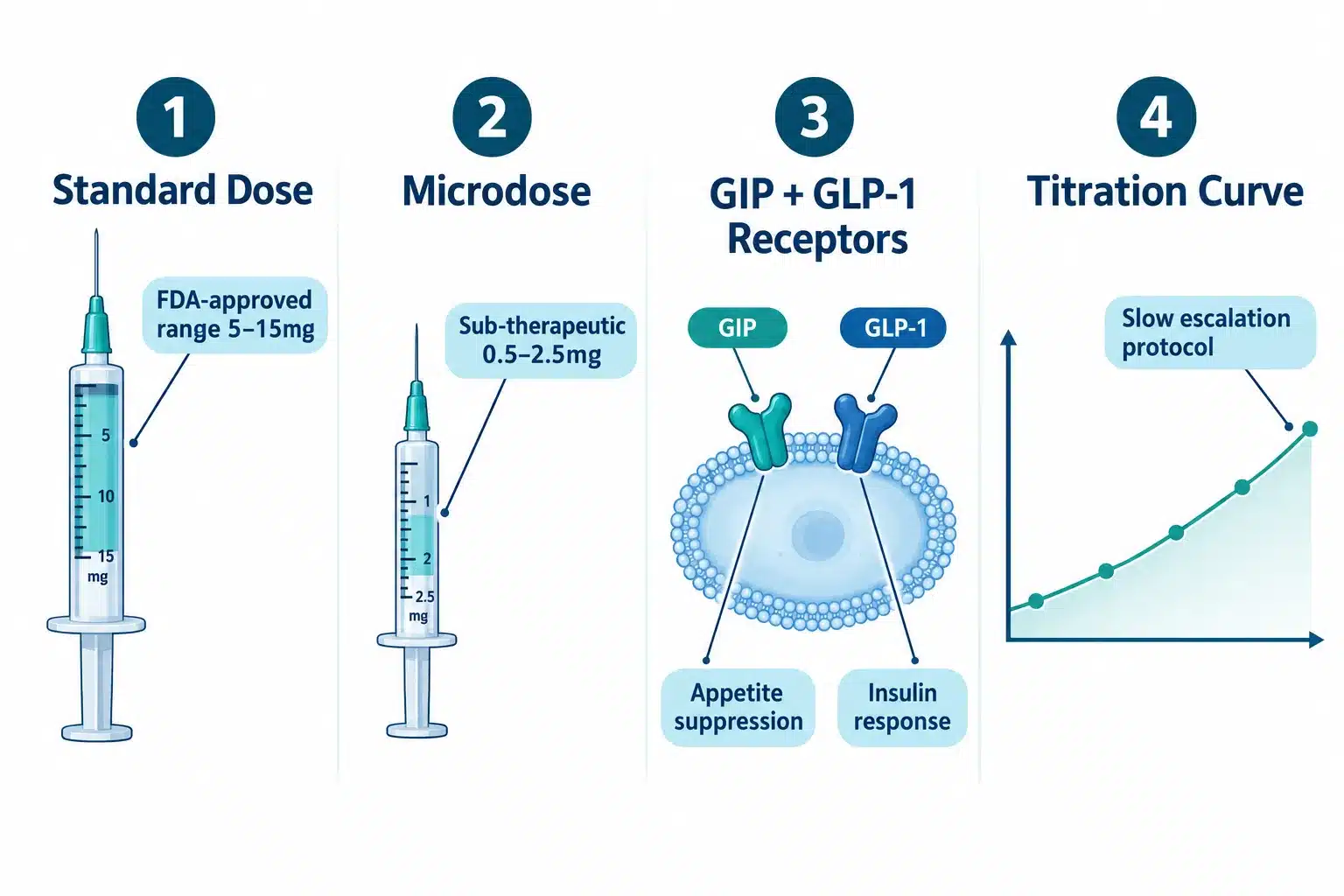
Tirzepatide works by mimicking two gut hormones: glucagon-like peptide-1 (GLP-1) and glucose-dependent insulinotropic polypeptide (GIP). Together, these hormones slow gastric emptying, reduce appetite signals in the brain, and improve insulin sensitivity. [7] The theory behind microdosing is that even a fraction of the standard dose may produce enough receptor activation to provide benefit, especially for patients who are highly sensitive to the medication or who are trying to maintain rather than accelerate weight loss.
What the evidence actually shows:
- No large-scale randomized controlled trials have tested sub-therapeutic tirzepatide doses specifically as a “microdosing” protocol [3]
- Anecdotal reports and small clinical observations suggest some patients experience appetite reduction at doses as low as 0.5 mg to 1 mg weekly [6]
- Clinicians who use microdosing describe it as an off-label, individualized strategy, not a standardized treatment [10]
- The FDA-approved dosing schedule (2.5 mg, 5 mg, 7.5 mg, 10 mg, 12.5 mg, 15 mg) was established through clinical trials; anything outside this range is extrapolation [7]
Microdosing Tirzepatide vs Regular Dose: What’s the Difference?
The core difference is the amount of drug delivered and the expected clinical outcome. Standard tirzepatide dosing follows a structured escalation designed to maximize weight loss and glycemic control while allowing the body to adapt. Microdosing skips or compresses this escalation, staying at doses that were never tested as endpoints in clinical trials. [6]
| Feature | Standard Dosing | Microdosing |
|---|---|---|
| Dose range | 2.5 mg to 15 mg/week | 0.5 mg to 2.5 mg/week (estimated) |
| FDA approval status | Approved (Mounjaro, Zepbound) | Not approved |
| Clinical trial data | Extensive (SURMOUNT trials) | None specific to microdosing |
| Side effect profile | Higher nausea/GI risk at escalation | Potentially lower GI burden |
| Weight loss speed | Faster, more pronounced | Slower, less predictable |
| Source | Brand-name or compounded pharmacy | Almost exclusively compounded |
Choose standard dosing if you need meaningful, measurable weight loss and have no history of severe GI sensitivity. Consider microdosing only if a licensed provider has assessed your situation and determined a lower starting point is medically appropriate for you.
Microdosing Tirzepatide for Weight Loss: Does It Actually Work?
Some patients do report weight loss and appetite suppression at sub-standard doses, but the evidence is largely anecdotal. A 2026 review of emerging slow-titration strategies noted that individual variation in drug sensitivity is significant enough that some patients respond to doses well below the standard therapeutic range. [3] However, experts at Cleveland Clinic caution that without controlled data, it is impossible to predict who will benefit and who will not. [6]
Real-world microdosing clinics report patients losing between 5% and 10% of body weight at lower doses, compared to the 15% to 20% average seen in SURMOUNT clinical trials at full doses. That gap matters if your goal is significant weight reduction. For patients who simply want to maintain a modest loss or manage appetite without aggressive intervention, lower doses may be a reasonable middle ground, provided a physician is involved.
Bottom line: Microdosing tirzepatide can produce real results for some people, but the outcomes are less predictable and generally less dramatic than standard dosing. It is not a proven weight loss strategy in the clinical sense.
Microdosing Tirzepatide Side Effects: What Should You Expect?
The most commonly reported side effects of tirzepatide at standard doses are nausea, vomiting, diarrhea, and constipation. [7] One of the main reasons patients and clinicians explore microdosing is to reduce these GI effects, and there is some logic to that approach. Lower doses mean less receptor stimulation, which may translate to milder gastric slowing and less nausea. [1]
What patients and clinicians commonly report at microdoses:
- Milder nausea compared to starting at 2.5 mg
- Less fatigue during the first few weeks
- Reduced appetite, though less intense than at full doses
- Occasional injection site reactions (relevant for compounded injectable forms)
- Some patients report no noticeable effect at very low doses, requiring upward adjustment
Important safety note: Compounded tirzepatide products used for microdosing often come in multidose vials that require self-measurement. Stanford Medicine researchers flagged in July 2026 that self-measured doses from multidose vials carry real risks of dosing errors, contamination, and inconsistent potency. [4] This is a meaningful safety concern that goes beyond the drug itself.
Who Should Microdose Tirzepatide and Who Shouldn’t?
Microdosing tirzepatide may be worth discussing with a provider if you are highly sensitive to GLP-1 medications, have experienced severe side effects at standard doses, or are in a weight maintenance phase rather than active weight loss. [2] It may also suit patients who cannot afford full-dose brand-name tirzepatide and are working with a compounding pharmacy under physician supervision.
Microdosing may be appropriate for:
- Adults who tolerated standard tirzepatide poorly at 2.5 mg
- Patients in maintenance mode who want minimal ongoing appetite suppression
- Those with a physician willing to supervise a slow-titration protocol
- People with mild metabolic concerns who do not need aggressive intervention
Microdosing is likely not appropriate for:
- People with type 2 diabetes who need glycemic control (standard dosing is required for clinical effect)
- Anyone self-administering without medical oversight
- Patients who need significant weight loss quickly for health reasons
- Those relying on unverified online sources or wellness clinics without licensed prescribers
Can You Microdose Tirzepatide If You Have Diabetes?
Tirzepatide is FDA-approved for type 2 diabetes management under the brand name Mounjaro. For diabetic patients, the therapeutic dose range was established specifically to achieve meaningful HbA1c reduction. Sub-therapeutic microdoses are unlikely to deliver the glycemic control needed for diabetes management and have not been tested for this purpose. [7]
If you have type 2 diabetes and are considering any modification to your tirzepatide dose, that decision must involve your prescribing physician. Reducing your dose without guidance could result in inadequate blood sugar control, which carries serious health risks.
How to Microdose Tirzepatide Safely: Protocol and Guidelines
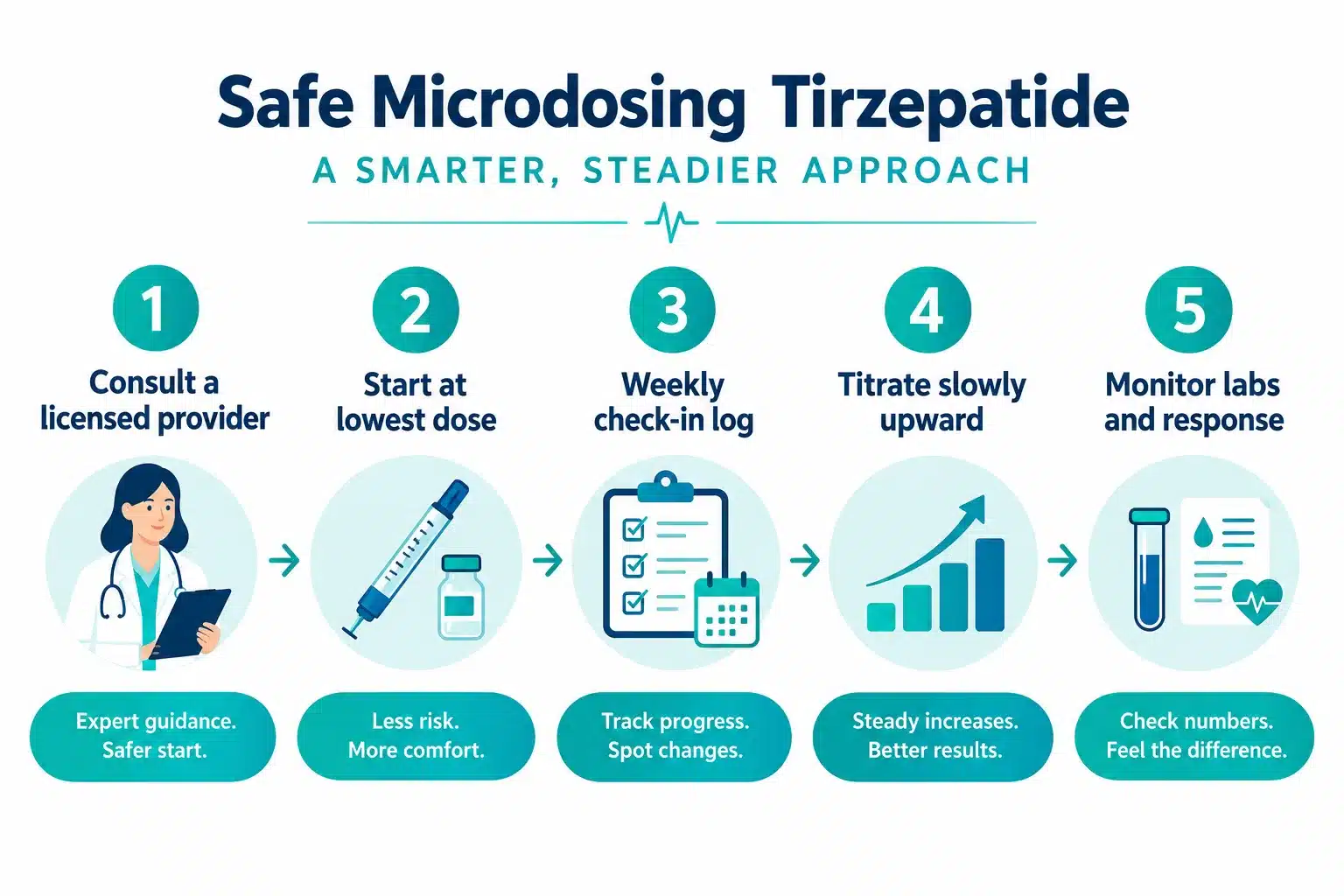
There is no universally agreed-upon microdosing protocol because none has been formally validated. What exists are clinician-developed slow-titration approaches used at some weight loss practices. [5] If a licensed provider decides microdosing is appropriate for you, a typical protocol might look like this:
A general framework used by some clinicians (not an FDA-approved protocol):
- Start at 0.5 mg to 1 mg weekly using a compounded injectable formulation, under physician supervision
- Hold for 4 weeks and assess tolerance, appetite changes, and any side effects
- Increase by 0.5 mg increments every 4 weeks if well tolerated and results are insufficient
- Log symptoms weekly and report any nausea, dizziness, or injection site issues to your provider
- Set a target dose with your physician based on your goals, not a fixed escalation schedule
- Schedule regular lab work to monitor metabolic markers, especially if you have diabetes or pre-diabetes
Common mistakes in this process (see the dedicated section below): Skipping the physician step, using unverified compounded products, and self-adjusting doses based on online forums rather than clinical guidance.
For information on sourcing compounded tirzepatide through a reputable provider, see this compounded tirzepatide guide before making any decisions.
How Much Does Microdosing Tirzepatide Cost?
Microdosing tirzepatide is almost exclusively accessed through compounding pharmacies, since brand-name Mounjaro and Zepbound are only available in the FDA-approved dose pens. Compounded versions have historically been cheaper, but costs have shifted significantly following 2026 regulatory changes. For a detailed breakdown, see this tirzepatide monthly cost guide and the tirzepatide compounding pharmacy cost guide.
As a general estimate based on 2026 market data, compounded tirzepatide at microdose quantities has ranged from roughly $100 to $250 per month, compared to $1,000 or more per month for brand-name versions without insurance. However, access to compounded products has narrowed considerably following FDA enforcement actions, so pricing and availability vary by provider and state. For a broader view of GLP-1 medication costs, this cost comparison of semaglutide and compounded tirzepatide is worth reviewing.
Is Microdosing Tirzepatide Safe Long Term?
The honest answer is: we do not know. Long-term safety data for sub-therapeutic tirzepatide doses simply does not exist in the published literature. [3] The safety profile established in clinical trials applies to the approved dose range, and extrapolating that data to microdoses, in either direction, is not scientifically sound.
What we do know from the broader tirzepatide safety record:
- At standard doses, tirzepatide has a well-characterized safety profile with GI side effects being the most common concern [7]
- Pancreatitis, gallbladder disease, and thyroid concerns are rare but documented risks at standard doses
- Whether these risks are lower, higher, or absent at microdoses is unknown
- Stanford Medicine experts noted in 2026 that compounded GLP-1 products, including those used for microdosing, carry additional risks related to formulation consistency and sterility [4]
The regulatory picture in 2026: Eli Lilly issued a formal open letter warning patients about compounded and “personalized” tirzepatide formulations, stating these products are not equivalent to their approved medications and may pose patient safety risks. [8] The FDA also took enforcement action against compounding pharmacies producing tirzepatide between April and July 2026, significantly reducing the legal supply of compounded microdose products.
Microdosing Tirzepatide vs Semaglutide: Which Is Better?
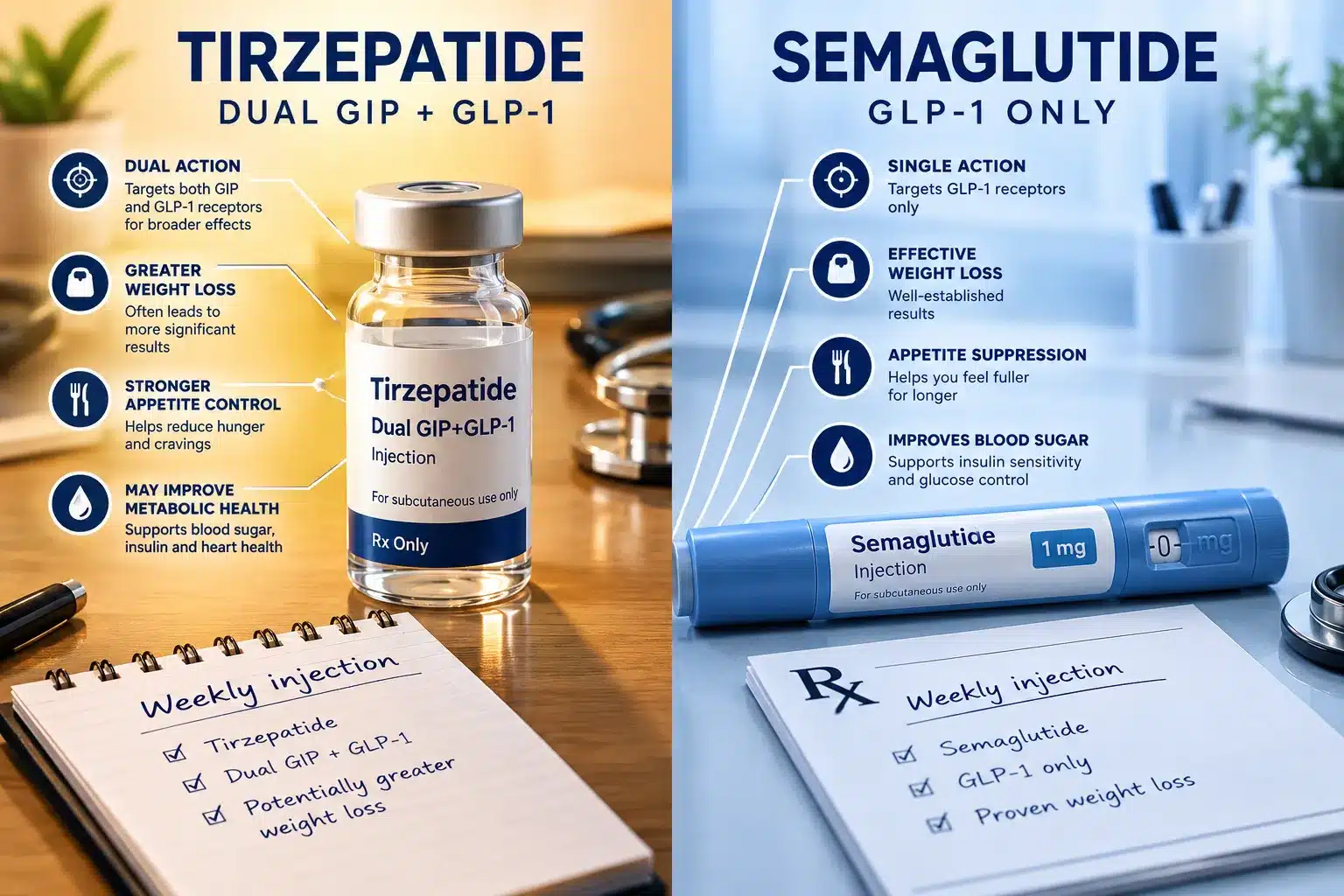
Microdosing tirzepatide and microdosing semaglutide (the active ingredient in Ozempic and Wegovy) share the same fundamental logic: use less than the standard dose to reduce side effects or costs. The key difference is the mechanism. Tirzepatide activates both GIP and GLP-1 receptors, while semaglutide targets only GLP-1. [7]
Choose microdosing tirzepatide over semaglutide if:
- You have previously tried semaglutide and found it less effective
- Your provider believes the dual-receptor mechanism may better suit your metabolic profile
- You are comfortable with the current compounded tirzepatide access landscape
Choose semaglutide if:
- Compounded tirzepatide is not accessible or legal in your state
- Your provider has more experience managing semaglutide protocols
- Cost is the primary driver and semaglutide compounded options are more available in your area
Neither approach has a head-to-head microdosing trial. The choice should be made with a physician based on your history, tolerance, and goals. For patient perspectives on tirzepatide specifically, this collection of tirzepatide patient reviews offers real-world context.
Where to Get Microdosing Tirzepatide Legally
As of 2026, the legal pathway for compounded tirzepatide has narrowed significantly. Following FDA enforcement actions and Eli Lilly’s public warnings, many compounding pharmacies have stopped producing tirzepatide. [8] Legal access now depends on your state’s pharmacy regulations and whether a licensed provider can justify compounded tirzepatide under a valid patient-specific prescription.
Legal pathways that still exist in some cases:
- A licensed prescriber writes a patient-specific compounded prescription through an FDA-registered 503A compounding pharmacy
- The prescription must be based on a documented clinical need that brand-name products cannot meet
- Some telehealth platforms still facilitate this process, though availability varies by state
What to avoid:
- Online sources selling tirzepatide without a prescription
- Wellness clinics offering “microdose kits” without a licensed prescriber on staff
- Overseas pharmacies or gray-market suppliers
For guidance on finding a reputable source, see this review of the best compounding pharmacies for tirzepatide and options for finding the cheapest tirzepatide online through legitimate channels.
How Long Does It Take to See Results from Microdosing Tirzepatide?
At standard doses, most patients notice appetite suppression within the first one to two weeks and measurable weight loss within four to eight weeks. At microdoses, the timeline is generally longer and less predictable. [1] Some patients report appetite changes within two to three weeks at doses as low as 1 mg, while others notice nothing until they reach 2 mg or higher.
A reasonable expectation for microdosing tirzepatide:
- Weeks 1 to 4: Possible mild appetite reduction; minimal weight change
- Weeks 4 to 8: Some patients see 1 to 3 pounds of loss if dietary habits support a deficit
- Months 2 to 4: More consistent results if the dose has been titrated upward appropriately
- Month 6 and beyond: Clearer picture of whether the approach is working for your specific physiology
Patience and consistent provider follow-up are essential. If you see no effect after 8 to 12 weeks at a given microdose, that is a signal to discuss dose adjustment with your physician rather than continuing indefinitely at a non-therapeutic level.
Common Mistakes People Make When Microdosing Tirzepatide
The biggest mistake is treating microdosing as a DIY project. Because compounded tirzepatide often comes in multidose vials requiring self-measurement, dosing errors are a real and documented risk. [4] Other frequent mistakes include:
- Self-prescribing based on online forums without involving a licensed provider
- Using unverified compounded products from sources that cannot confirm sterility or potency
- Expecting standard-dose results at microdose levels and abandoning the approach too early
- Not tracking symptoms or weight systematically, making it impossible to evaluate effectiveness
- Skipping lab work that would catch metabolic changes or early warning signs
- Mixing microdosing with other GLP-1 medications without physician oversight
- Assuming lower dose means zero risk and skipping safety monitoring entirely
Microdosing Tirzepatide Alternatives: Other Weight Loss Options
If microdosing tirzepatide is not accessible, affordable, or appropriate for you, several alternatives exist. Standard-dose tirzepatide through brand-name products remains the most evidence-backed option for meaningful weight loss. Semaglutide (Wegovy, Ozempic) is a well-studied alternative with a similar mechanism. [2]
Other options worth discussing with a provider:
- Standard compounded semaglutide (where legally available)
- Oral GLP-1 formulations such as oral semaglutide (Rybelsus) or emerging oral tirzepatide options like Medvi tirzepatide tablets
- Behavioral interventions combined with lower-intensity pharmacotherapy
- Other approved weight loss medications such as phentermine-topiramate or naltrexone-bupropion for patients who cannot access GLP-1 drugs
For a cost comparison of oral tirzepatide options, the Medvi tirzepatide monthly cost breakdown is a useful reference.
Frequently Asked Questions
What dose counts as microdosing tirzepatide?
There is no official definition. In clinical practice, microdosing generally refers to doses below the FDA-approved starting dose of 2.5 mg per week, typically ranging from 0.5 mg to 2 mg weekly. [6]
Is microdosing tirzepatide FDA-approved?
No. The FDA has approved tirzepatide only at doses of 2.5 mg to 15 mg weekly for specific indications. Any dose outside this range is off-label and not endorsed by the FDA or Eli Lilly. [8]
Can I microdose tirzepatide at home without a prescription?
No. Tirzepatide requires a prescription regardless of dose. Self-administering any form of tirzepatide without medical supervision is unsafe and illegal in the United States.
Will microdosing tirzepatide still suppress my appetite?
Some patients report appetite suppression at sub-standard doses, but this is not guaranteed and varies significantly by individual. [1] There is no clinical threshold below which appetite suppression is reliably predicted.
Is compounded tirzepatide for microdosing still legal in 2026?
Access has narrowed significantly. Following FDA enforcement actions and Eli Lilly’s 2026 warnings, many compounding pharmacies have stopped producing tirzepatide. Some 503A pharmacies may still fill patient-specific prescriptions where clinically justified. [8]
How does microdosing tirzepatide compare to just stopping the medication?
Microdosing is sometimes used as a step-down strategy rather than abrupt discontinuation. Some clinicians believe a gradual reduction may help patients maintain results longer than stopping cold turkey, though this has not been formally studied. [10]
What are the risks of buying microdose tirzepatide online?
Products sold online without a prescription may be counterfeit, contaminated, or incorrectly dosed. Stanford Medicine researchers flagged these risks specifically in the context of compounded GLP-1 products in 2026. [4]
Does insurance cover microdosing tirzepatide?
No. Because microdosing uses compounded products and is off-label, insurance coverage is essentially nonexistent. Patients pay out of pocket.
Can microdosing tirzepatide help with pre-diabetes?
Possibly, but this has not been studied at sub-therapeutic doses. If you have pre-diabetes, discuss standard-dose options with your physician rather than relying on an unvalidated microdose protocol.
How do I find a doctor who will prescribe microdose tirzepatide?
Look for obesity medicine specialists, endocrinologists, or telehealth platforms that specialize in GLP-1 medications. Be transparent about your goals and ask specifically whether a slow-titration or lower-dose protocol is appropriate for your case.
7 Best GLP-1 Providers Ranked: Accreditation, Flexibility & Support Compared (2026 Update)
32,000+ Patients Can't All Be Wrong: See the Top-Rated GLP-1 Providers: Compared on accreditation, plan flexibility, and patient support — updated for 2026.
BMI MD GLP-1 Microdosing Plan
- Specialized microdosing options (sublingual drops or low-dose injections)
- Ideal for maintaining weight or tapering off higher doses safely
- Fully bundled plan with no hidden monthly platform memberships
DirectMeds Weight Loss Solutions
- Sourced from accredited, state-licensed 503A compounding pharmacies
- No-frills high-volume savings passed directly to the patient
- Includes clinical consultation and cold-chain shipping updates
MEDVi Flat-Rate Telehealth
- Flat monthly rate holds steady even at maximum maintenance doses
- No dosage upcharges or graduation fee penalties
- Offers both injectable and advanced oral thin-film delivery options
Gala GLP-1 Care Program
- All-inclusive plan with no standalone membership costs
- Continuous text-based messaging access with state-licensed clinicians
- Temperature-controlled, cold-chain medication shipping included
Measured GLP-1 Metabolic Health
- Comprehensive metabolic health screening and expert intake analysis
- Predictable long-term budgeting with stable plan pricing
- High-end responsive dashboard with integrated diagnostic support
Refills GLP-1 (TryRefills Plan)
- Flat rate holds steady as titration scales up
- Includes clinical guides for active side-effect management
- Bundles in foundational nutritional strategies alongside medication
AltRx GLP-1 Transactional Reorders
- Zero recurring auto-billing — pay entirely on a transactional basis
- Rapid text-to-order format saves time for experienced patients
- Provides both injectable forms and fast-dissolving tablet variations
Conclusion
Microdosing tirzepatide sits at the intersection of patient-driven innovation and regulatory caution. For some adults, especially those who have struggled with side effects at standard doses or who are in a weight maintenance phase, a lower-dose approach under physician supervision may offer a practical middle ground. But the absence of clinical trial data, the 2026 crackdown on compounded tirzepatide, and Eli Lilly’s formal warnings all point to one clear conclusion: this is not a strategy to pursue on your own.
Actionable next steps:
- Talk to a licensed provider, ideally one with obesity medicine or endocrinology experience, before adjusting any tirzepatide dose
- If cost is your primary barrier, review the tirzepatide cost review to understand all available options
- Ask your provider specifically whether a slow-titration protocol makes sense for your health history
- If you pursue compounded tirzepatide, verify that the pharmacy is FDA-registered and that your prescription is patient-specific
- Track your results systematically and schedule follow-up appointments to assess whether the approach is working
The goal is not to find the smallest possible dose. The goal is to find the right dose for your body, with the right support behind it.
References
[1] Microdosing GLP-1s – https://www.get-carrot.com/blog/microdosing-glp-1s
[2] Microdosing GLP-1 – https://www.joinmidi.com/post/microdosing-glp1
[3] PMC13511409 – https://pmc.ncbi.nlm.nih.gov/articles/PMC13511409/
[4] GLP-1s Compounded: Why Doctors Worry About Safety – https://med.stanford.edu/news/insights/2026/07/glp1s-compounded-why-doctors-worry-about-safety.html
[5] Microdosing Compounded Tirzepatide – https://www.alanmeds.com/instructions/microdosing-compounded-tirzepatide
[6] Microdosing GLP-1 – https://health.clevelandclinic.org/microdosing-glp-1
[7] Tirzepatide – https://www.drugs.com/tirzepatide.html
[8] Open Letter: Eli Lilly and Company Warning to Potential Patients – https://investor.lilly.com/news-releases/news-release-details/open-letter-eli-lilly-and-company-warning-potential-patient
[10] Some Patients and Doctors Turn to Microdosing GLP-1s – https://www.medscape.com/viewarticle/some-patients-and-doctors-turn-microdosing-glp-1s-2025a10002y1

With over 13 years of experience in holistic health blogging, I aim to help you navigate your wellness journey with honest insights, expert-backed advice, and a sprinkle of real-world practicality.
Certified Wellness Writer | Herbal Nutrition Advocate | Wellness Research Enthusiast


