
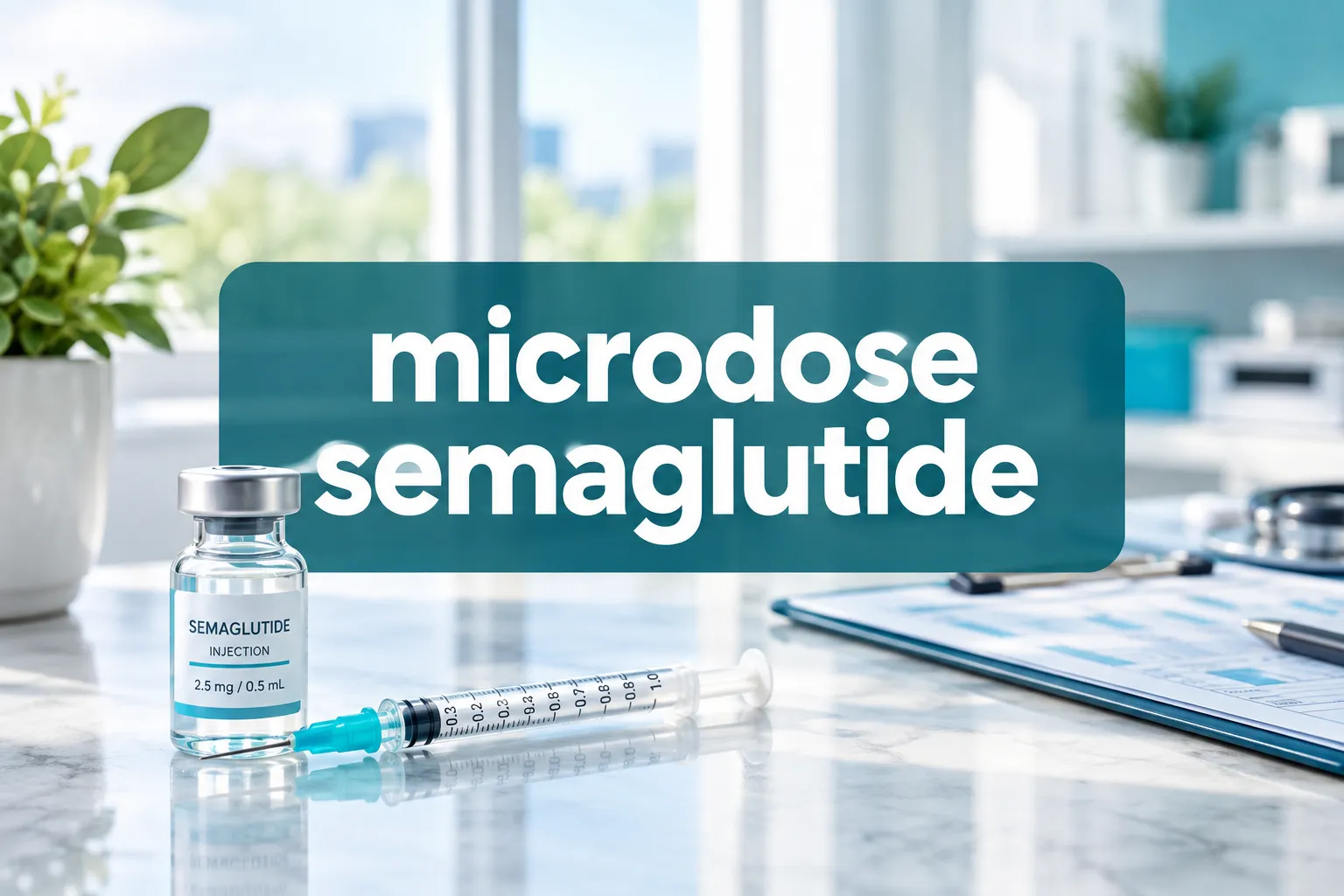
microdose semaglutide

Last updated: October 3, 2026
Quick Answer: Microdose semaglutide refers to taking semaglutide at doses significantly lower than the standard FDA-approved amounts, typically ranging from 0.1 mg to 0.5 mg per week, rather than the 0.5 mg to 2.4 mg doses used in clinical trials. Some people use this approach to reduce side effects or lower costs. However, no clinical trials have specifically validated microdosing protocols, and most evidence for weight loss comes from standard dosing regimens.
Key Takeaways
- Microdose semaglutide is not an FDA-approved protocol; it is an off-label, patient- or provider-driven approach using fractional doses of the GLP-1 medication semaglutide.
- Standard clinical trial doses range from 0.5 mg to 2.4 mg weekly; microdoses are generally defined as anything below 0.5 mg per week.
- Some people report meaningful appetite suppression and modest weight loss at lower doses, but large-scale clinical evidence for this specific approach does not yet exist.
- Compounded semaglutide from telehealth providers is the most common source for microdose protocols in 2026.
- Side effects such as nausea and vomiting are often the primary reason people choose to microdose rather than use standard doses.
- Microdosing is not appropriate for everyone; people with certain medical histories should not use semaglutide at any dose without physician oversight.
- The approach carries regulatory uncertainty: compounded semaglutide availability has shifted following FDA rulings in 2025-2026.
- Results at microdoses are likely slower and more modest than at standard doses, based on the dose-response relationship established in clinical trials.
What Is Microdose Semaglutide and How Does It Work
Microdose semaglutide means taking a much smaller-than-standard amount of semaglutide, a GLP-1 receptor agonist, to stimulate appetite suppression and metabolic effects with potentially fewer side effects. The drug works by mimicking the hormone GLP-1, which signals the brain to reduce hunger, slows stomach emptying, and helps regulate blood sugar [1].
7 Best GLP-1 Providers Ranked: Accreditation, Flexibility & Support Compared (2026 Update)
32,000+ Patients Can't All Be Wrong: See the Top-Rated GLP-1 Providers. We compared the leading online GLP-1 providers based on program features, clinical support, convenience, and overall value.
BMI MD GLP-1 Microdosing Plan
- Specialized microdosing options, including sublingual drops and low-dose injections
- Designed for people interested in maintaining weight or gradually adjusting treatment
- Bundled program structure without a separate monthly platform membership
- Online access makes the process convenient from home

DirectMeds Weight Loss Solutions
- Online weight-loss program with a straightforward patient experience
- Compounded medication options through state-licensed compounding pharmacies
- Includes clinical consultation as part of the process
- Provides shipping updates to help patients track their orders
MEDVi Flat-Rate Telehealth
- Flat-rate telehealth approach designed for easier budgeting
- No dosage-based pricing increases within the advertised program structure
- Offers injectable and oral thin-film delivery options
- Includes medical screening and asynchronous provider consultations
Gala GLP-1 Care Program
- Text-based access to state-licensed clinicians
- Cold-chain medication shipping included in the program
- Month-to-month program structure
- Designed for people who value convenient ongoing support
Measured GLP-1 Metabolic Health
- Comprehensive metabolic health screening and intake analysis
- Designed around longer-term metabolic health management
- Responsive dashboard with integrated health tracking tools
- Useful option for patients who value a more data-focused experience
Refills GLP-1 (TryRefills Plan)
- Clinical guidance designed to help patients manage common treatment concerns
- Includes foundational nutritional strategies alongside medication
- Designed around predictable ongoing treatment
- No hidden startup or processing fees according to the program information provided
AltRx GLP-1 Transactional Reorders
- Transactional reorder model without recurring auto-billing
- Designed for patients who already understand their treatment routine
- Fast text-to-order process for convenient reorders
- Offers injectable and fast-dissolving tablet variations
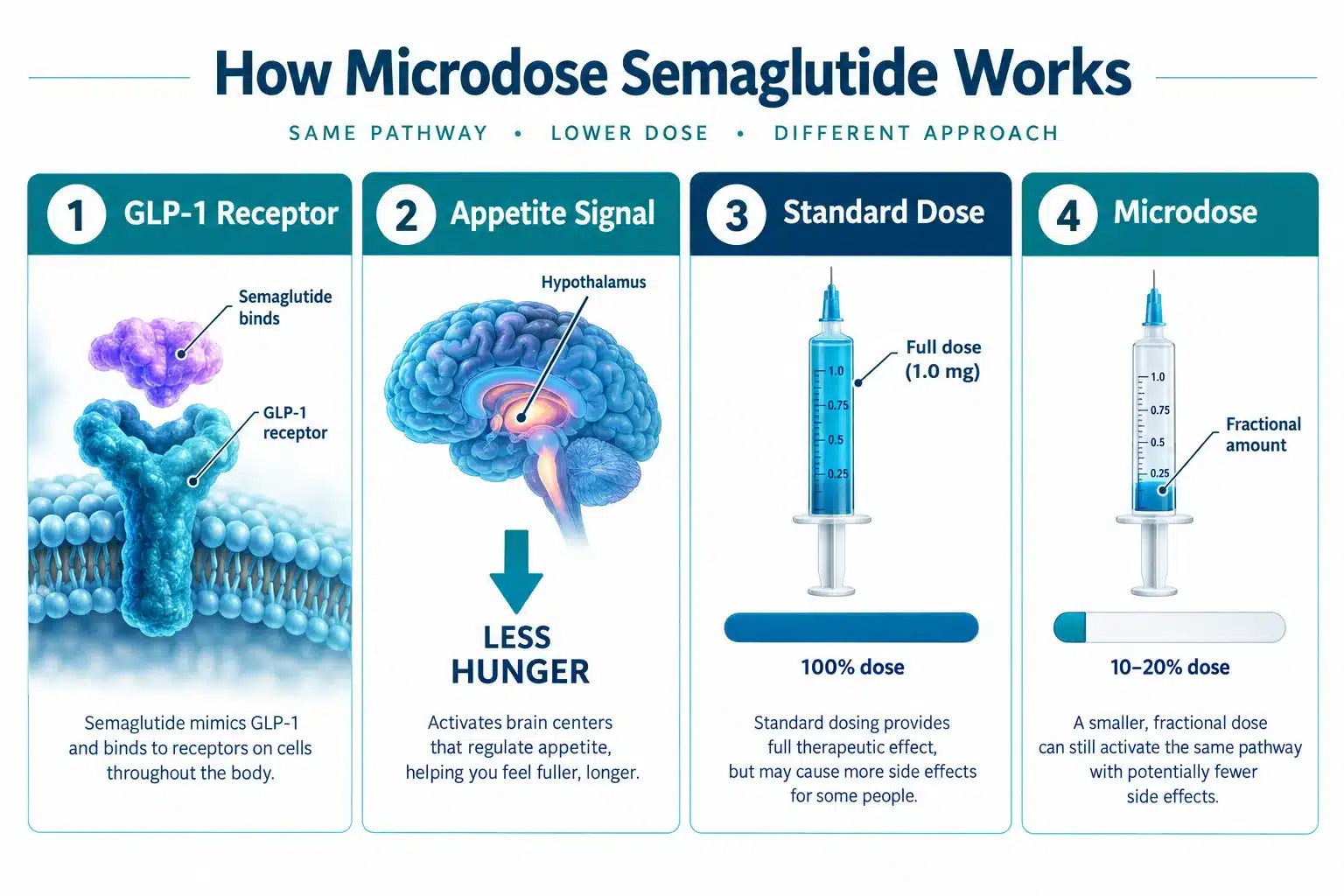
At any dose, semaglutide binds to GLP-1 receptors in the brain and gut. The core mechanism does not change with a smaller dose; what changes is the intensity and duration of that signal. Lower doses produce a weaker but still measurable effect on appetite and blood glucose. This is why some users report that even a fraction of the standard dose takes the edge off hunger without causing the nausea that often accompanies full doses [2].
The term “microdosing” comes from the psychedelic research community, where sub-perceptual doses of substances are used to achieve mild effects. Applied to GLP-1 drugs, the concept is similar: use just enough to get a benefit without the full pharmacological load [6].
Key mechanism points:
- Semaglutide activates GLP-1 receptors in the hypothalamus, reducing appetite signals
- It slows gastric emptying, which increases feelings of fullness after smaller meals
- It improves insulin sensitivity and reduces post-meal blood sugar spikes
- All of these effects exist on a dose-response curve, meaning lower doses produce milder versions of the same effects
Microdose Semaglutide vs Regular Semaglutide Dosing
Standard semaglutide dosing for weight loss (Wegovy) starts at 0.25 mg weekly and escalates to a maintenance dose of 2.4 mg weekly over 16 to 20 weeks. For type 2 diabetes (Ozempic), the maintenance dose is typically 1 mg or 2 mg weekly. Microdose protocols, by contrast, often stay in the 0.1 mg to 0.5 mg range indefinitely. For a full breakdown of approved dosing schedules, see this semaglutide dosage guide for weight loss.
| Parameter | Standard Dosing | Microdose Approach |
|---|---|---|
| Typical weekly dose | 0.5 mg to 2.4 mg | 0.1 mg to 0.5 mg |
| FDA approval status | Approved (Wegovy, Ozempic) | Off-label / no approval |
| Clinical trial evidence | Extensive (STEP trials) | Limited / emerging |
| Common side effects | Nausea, vomiting, diarrhea | Milder GI symptoms reported |
| Expected weight loss | 10-15%+ body weight | Modest; not well-established |
| Primary source | Brand-name pen injectors | Compounded vials via telehealth |
One important distinction: standard dosing protocols use pre-filled pens with fixed dose increments. Microdosing typically requires a compounded vial and a separate syringe, which allows for more precise, smaller measurements [10].
How Much Weight Can You Lose With Microdosing Semaglutide
Honest answer: less than with standard doses, and the exact amount is not well-documented in clinical research. The STEP trials that established semaglutide’s weight loss reputation used doses of 2.4 mg weekly, producing an average body weight reduction of roughly 15% over 68 weeks in people without diabetes [7]. No equivalent large-scale trial exists for microdose protocols.
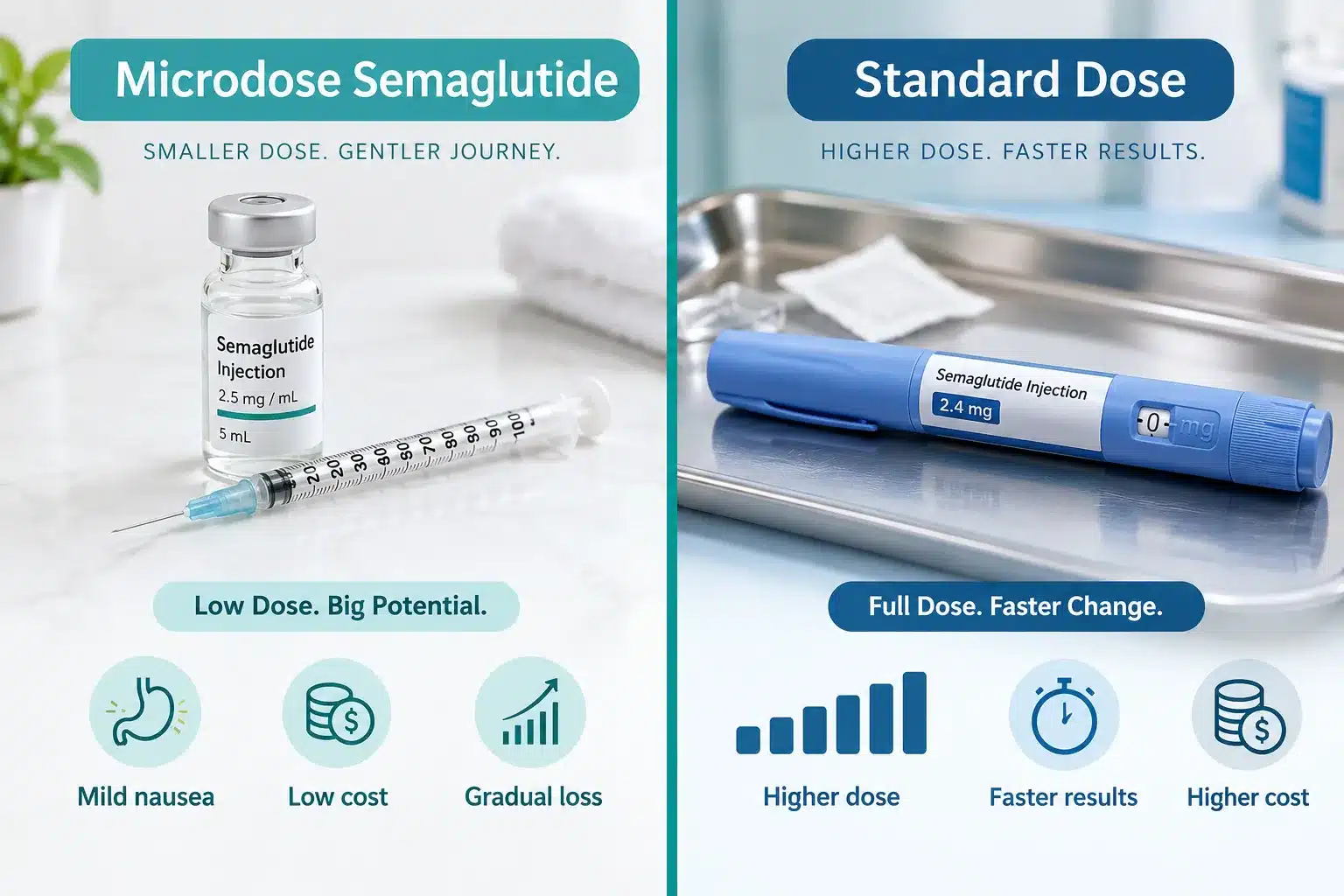
What we do know from basic pharmacology is that GLP-1 receptor agonists follow a dose-response curve. A lower dose produces a weaker effect. Some people report losing 5 to 10 pounds over several months on microdoses, primarily through reduced appetite and fewer impulsive food choices [8]. Others report little to no change in weight.
Realistic expectations for microdose semaglutide:
- Appetite reduction is the most commonly reported benefit, even at low doses
- Weight loss, if it occurs, tends to be gradual (1 to 2 pounds per month is a reasonable estimate)
- People who also change their diet and exercise habits tend to see better results
- Those with significant insulin resistance or metabolic dysfunction may need higher doses to see meaningful change
“The evidence for weight loss at standard doses is strong. At microdoses, we’re largely working from anecdote and mechanism, not controlled trials.”, A framing consistent with expert commentary from Cleveland Clinic [2]
Microdose Semaglutide Cost and Where to Buy
Microdose semaglutide is almost exclusively available through compounding pharmacies, often accessed via telehealth platforms. Brand-name Wegovy or Ozempic cannot be practically microdosed because the pens deliver fixed increments. For a detailed cost breakdown, see this compounding pharmacy semaglutide cost breakdown for 2026.
Compounded semaglutide for a microdose protocol typically costs between $100 and $250 per month, depending on the provider and dose concentration. This compares favorably to brand-name Wegovy, which can exceed $1,300 per month without insurance. For more on navigating costs, the guide on semaglutide without insurance costs and savings strategies is worth reading.
Where to access microdose semaglutide in 2026:
- Telehealth platforms (prescription required; a licensed provider evaluates you online)
- Compounding pharmacies that work with prescribing physicians
- Some weight loss clinics that offer individualized dosing protocols
Important regulatory note: The FDA took action in 2025 to restrict mass-market compounded semaglutide following the resolution of the Ozempic/Wegovy shortage. Some compounders still operate legally under specific conditions. Always verify a pharmacy’s accreditation (look for PCAB accreditation or state board registration) before ordering. See FDA rules on compounded semaglutide in 2026 for the current regulatory picture.
Is Microdose Semaglutide Safe and What Are the Side Effects
For most healthy adults without contraindications, low-dose semaglutide is generally considered lower-risk than standard doses, primarily because the pharmacological burden on the body is smaller. However, “lower risk” is not the same as “risk-free,” and the long-term safety of sustained microdosing has not been studied [3].
Known side effects that can occur even at low doses:
- Mild nausea, especially in the first few weeks
- Reduced appetite (this is the intended effect, but can become problematic if caloric intake drops too low)
- Constipation or loose stools
- Fatigue in some users
- Injection site reactions
Side effects less likely at microdoses (but not impossible):
- Severe vomiting or gastroparesis
- Pancreatitis (rare but serious; reported with standard doses)
- Hypoglycemia (mainly a concern in people also taking insulin or sulfonylureas)
The main safety concern with DIY microdosing, particularly protocols driven by social media rather than a physician, is the absence of medical supervision [4]. Without monitoring, it is easy to miss early warning signs or to inadvertently combine semaglutide with other medications that interact with it.
Microdose Semaglutide for Weight Loss vs Diabetes
Semaglutide was originally developed for type 2 diabetes management and later approved at higher doses for chronic weight management. Microdosing is primarily discussed in the weight loss context, but some people with prediabetes or metabolic syndrome use it for blood sugar regulation as well. For a deeper look at the diabetes application, see semaglutide for type 2 diabetes.
For weight loss, microdosing is used as a way to access the appetite-suppressing benefits of GLP-1 drugs at a lower cost and with fewer side effects. For diabetes, the blood sugar-lowering effect requires reaching a therapeutic dose, and microdosing is unlikely to provide adequate glycemic control on its own [7].
Choose standard dosing if:
- You have type 2 diabetes and need meaningful HbA1c reduction
- Your BMI is above 35 and you need significant weight loss
- Your physician has recommended a full escalation protocol
Microdosing may be worth discussing with your doctor if:
- You have struggled with nausea or GI side effects at standard doses
- You want appetite control without aggressive weight loss
- You are in a maintenance phase after losing weight on a higher dose
Who Should Not Take Microdose Semaglutide
Semaglutide at any dose is contraindicated for certain people. These exclusions apply regardless of dose size.
Do not use semaglutide (including microdoses) if you have:
- A personal or family history of medullary thyroid carcinoma (MTC)
- Multiple Endocrine Neoplasia syndrome type 2 (MEN 2)
- A history of pancreatitis
- Severe kidney or liver disease (use with caution; discuss with a physician)
- Pregnancy or plans to become pregnant
Use with caution and only under medical supervision if you:
- Take insulin or other diabetes medications (hypoglycemia risk)
- Have a history of eating disorders
- Are under 18 years old (not approved for this age group for weight loss)
- Have a history of gastroparesis or severe GI motility disorders [9]
Anyone sourcing microdose semaglutide without a valid prescription or physician oversight is taking on significant personal risk, both medically and legally.
How to Microdose Semaglutide at Home
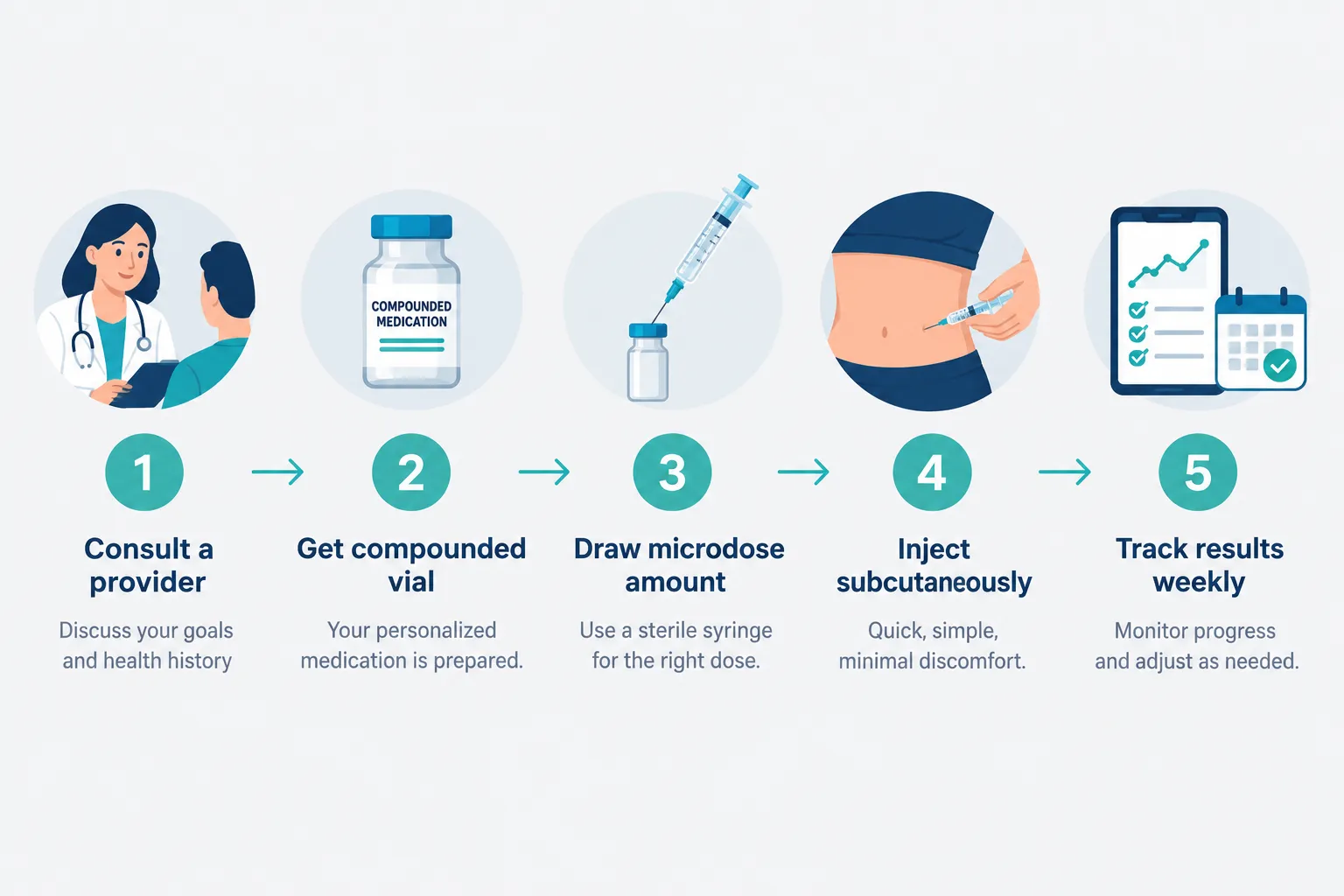
Microdosing semaglutide at home requires a compounded vial (not a pre-filled pen), insulin syringes, and a clear protocol from a prescribing provider. This is not a DIY project to undertake based on social media advice alone.
General steps for home microdosing (under physician guidance):
- Get a prescription. A licensed provider, often through a telehealth platform, evaluates your health history and prescribes a specific dose and concentration.
- Receive a compounded vial. The pharmacy ships a multi-dose vial with a known concentration (for example, 2.5 mg/mL).
- Calculate your dose volume. If your prescribed dose is 0.25 mg and your vial is 2.5 mg/mL, you draw 0.1 mL into an insulin syringe.
- Choose an injection site. The abdomen, outer thigh, or upper arm are standard subcutaneous injection sites. Rotate sites weekly.
- Inject subcutaneously. Pinch the skin, insert the needle at a 45-degree angle, and inject slowly.
- Track your response. Note appetite changes, side effects, weight, and any unusual symptoms. Report these to your provider.
- Follow up with your provider. Dose adjustments should be made by a professional, not self-directed.
For guidance on injection technique and dosing schedules, the semaglutide injections dosage guide provides additional detail.
Common mistake: Drawing the wrong volume because of a concentration mismatch. Always double-check the vial concentration against your prescribed dose before every injection.
Microdose Semaglutide Results Timeline
Most people who respond to microdose semaglutide notice appetite changes within the first one to two weeks. Weight changes, if they occur, typically become visible after four to eight weeks of consistent use combined with dietary adjustments [6].
General timeline:
- Week 1-2: Mild appetite reduction; some users notice fewer food cravings
- Week 3-4: More consistent appetite suppression; some early weight changes
- Month 2-3: Gradual weight loss if caloric intake is reduced; plateau possible
- Month 4+: Results stabilize; some providers adjust dose upward if progress stalls
Results vary significantly based on starting weight, diet quality, physical activity, and individual metabolic response. People who do not change their eating habits tend to see minimal weight loss even at standard doses, a point addressed in the next section.
Does Microdose Semaglutide Work If You Don’t Diet and Exercise
Probably not meaningfully. Even at standard doses, semaglutide works best as part of a broader lifestyle program. The STEP trials paired the medication with a reduced-calorie diet and increased physical activity. Without those changes, the appetite suppression from a microdose is unlikely to produce significant weight loss on its own [7].
That said, some people find that even a small reduction in appetite makes it easier to eat less without feeling deprived, which creates a natural caloric deficit over time. The medication can act as a behavioral nudge rather than a standalone solution.
Bottom line: Microdose semaglutide is a tool, not a replacement for lifestyle change. If you are not willing to make any dietary adjustments, the expected benefit is minimal.
Common Mistakes People Make With Microdose Semaglutide
Several patterns consistently lead to poor outcomes or unnecessary risk.
- Self-prescribing without medical oversight. Ordering compounded semaglutide without a valid prescription and physician monitoring is both legally risky and medically unsafe [4].
- Using unverified online sources. Not all compounding pharmacies are accredited. Counterfeit or improperly compounded products have been reported. Always verify pharmacy credentials.
- Expecting rapid weight loss. Microdoses produce modest effects. Expecting the same results as clinical trial doses leads to frustration and early discontinuation.
- Ignoring injection technique. Poor technique leads to inconsistent absorption and wasted medication.
- Stopping abruptly after months of use. Appetite tends to return when semaglutide is discontinued. A tapering plan with your provider reduces rebound hunger.
- Not tracking symptoms. Without a log, it is hard to identify side effects early or to communicate meaningfully with your provider.
Microdose Semaglutide Alternatives for Weight Loss
If microdose semaglutide is not accessible, too expensive, or not appropriate for you, several alternatives exist.
- Standard-dose semaglutide (Wegovy/Ozempic): More evidence, more predictable results, but higher cost and more side effects. Read real patient experiences with semaglutide to understand what standard dosing feels like in practice.
- Tirzepatide (Mounjaro/Zepbound): A dual GIP/GLP-1 agonist with strong clinical evidence for weight loss. Some people tolerate it better than semaglutide. See the cost comparison of compounded GLP-1 and tirzepatide.
- Oral semaglutide (Rybelsus): A daily pill form of semaglutide approved for type 2 diabetes. Lower bioavailability than injections but an option for needle-averse patients. More details at semaglutide oral tablets Rybelsus.
- Liraglutide (Saxenda): An older GLP-1 agonist with less dramatic weight loss results but a longer track record.
- Lifestyle-only programs: For people with mild weight concerns, structured dietary intervention and behavioral support remain effective and carry no medication risks.
Microdose Semaglutide vs Ozempic vs Wegovy: What’s the Difference
These are not competing products; they are the same molecule at different doses and for different indications. Ozempic (semaglutide 0.5 mg, 1 mg, or 2 mg weekly) is approved for type 2 diabetes. Wegovy (semaglutide up to 2.4 mg weekly) is approved for chronic weight management. Microdose semaglutide typically refers to compounded semaglutide used at sub-0.5 mg doses, outside the approved range of either brand. For a full comparison, see semaglutide brand names Ozempic, Wegovy, and Rybelsus.
The practical difference for a patient considering microdosing: you cannot reliably microdose with a brand-name pen because the minimum dose increment is fixed. Compounded vials are the only practical vehicle for sub-0.5 mg weekly dosing.
How Long Can You Safely Stay on Microdose Semaglutide
There is no established safety ceiling for long-term microdose use because the research simply does not exist yet. Standard-dose semaglutide has been studied for up to two years in clinical trials with an acceptable safety profile [7]. By extension, lower doses are unlikely to carry greater risk, but this is an inference, not a proven fact [3].
Most physicians who prescribe microdose protocols treat it as either a long-term maintenance strategy (for people who have lost weight and want to maintain appetite control) or a short-term bridge while tolerating a dose escalation. Staying on any dose of semaglutide indefinitely requires periodic reassessment of benefits, risks, and goals with a qualified provider.
Practical guidance:
- Reassess with your provider every three to six months
- If you have been on a microdose for six or more months without meaningful benefit, discuss whether escalation or discontinuation makes more sense
- Do not stay on the medication indefinitely without a clear clinical rationale
7 Best GLP-1 Providers Ranked: Accreditation, Flexibility & Support Compared (2026 Update)
32,000+ Patients Can't All Be Wrong: See the Top-Rated GLP-1 Providers: Compared on accreditation, plan flexibility, and patient support — updated for 2026.
BMI MD GLP-1 Microdosing Plan
- Specialized microdosing options (sublingual drops or low-dose injections)
- Ideal for maintaining weight or tapering off higher doses safely
- Fully bundled plan with no hidden monthly platform memberships
DirectMeds Weight Loss Solutions
- Sourced from accredited, state-licensed 503A compounding pharmacies
- No-frills high-volume savings passed directly to the patient
- Includes clinical consultation and cold-chain shipping updates
MEDVi Flat-Rate Telehealth
- Flat monthly rate holds steady even at maximum maintenance doses
- No dosage upcharges or graduation fee penalties
- Offers both injectable and advanced oral thin-film delivery options
Gala GLP-1 Care Program
- All-inclusive plan with no standalone membership costs
- Continuous text-based messaging access with state-licensed clinicians
- Temperature-controlled, cold-chain medication shipping included
Measured GLP-1 Metabolic Health
- Comprehensive metabolic health screening and expert intake analysis
- Predictable long-term budgeting with stable plan pricing
- High-end responsive dashboard with integrated diagnostic support
Refills GLP-1 (TryRefills Plan)
- Flat rate holds steady as titration scales up
- Includes clinical guides for active side-effect management
- Bundles in foundational nutritional strategies alongside medication
AltRx GLP-1 Transactional Reorders
- Zero recurring auto-billing — pay entirely on a transactional basis
- Rapid text-to-order format saves time for experienced patients
- Provides both injectable forms and fast-dissolving tablet variations
Conclusion
Microdose semaglutide sits at an interesting intersection of patient-driven innovation and incomplete evidence. The pharmacology is sound: GLP-1 receptor agonists do produce appetite suppression and metabolic effects across a range of doses, and lower doses do tend to produce fewer side effects. What is missing is the clinical trial data that would let us say with confidence exactly how much weight someone can expect to lose, how long they can safely continue, and which patients benefit most.
Actionable next steps:
- Talk to a licensed provider before starting. Telehealth platforms make this more accessible than ever. A physician can assess whether you are a candidate and prescribe an appropriate starting dose.
- Use only accredited compounding pharmacies. Verify credentials before ordering. Unverified sources carry real risks.
- Set realistic expectations. Microdosing is not a shortcut to dramatic weight loss. It is a lower-intensity tool that works best alongside dietary changes.
- Track everything. Keep a simple log of dose, weight, appetite, and any side effects. This makes your follow-up appointments far more useful.
- Stay informed on regulations. The compounded semaglutide landscape is evolving in 2026. Check current FDA guidance before starting or continuing a protocol.
For people who have struggled with the side effects of standard GLP-1 doses, or who need a more affordable entry point into GLP-1 therapy, microdose semaglutide is a legitimate conversation to have with a knowledgeable provider. It is not a replacement for evidence-based medicine, but it is a reasonable option worth exploring under proper medical supervision.
Frequently Asked Questions
What exactly counts as a “microdose” of semaglutide?
There is no official definition, but most practitioners and researchers use the term to describe doses below 0.5 mg per week, which is the lowest standard approved dose for diabetes management. Some protocols use as little as 0.1 mg weekly.
Can I microdose semaglutide with an Ozempic or Wegovy pen?
Not reliably. Brand-name pens deliver fixed dose increments (e.g., 0.25 mg minimum for Wegovy). To microdose accurately, you need a compounded vial and a separate syringe.
Is microdose semaglutide FDA-approved?
No. The FDA has approved semaglutide only at specific doses for specific indications. Microdosing is an off-label use.
Will microdose semaglutide show up on a drug test?
Standard workplace drug tests do not screen for semaglutide. However, if you are tested for specific medical purposes, it may be detectable.
How do I find a provider who will prescribe microdose semaglutide?
Many telehealth platforms now offer individualized GLP-1 dosing protocols. Look for platforms that require a full medical intake form and a licensed prescriber review, not just an automated questionnaire.
Can I microdose semaglutide if I am not obese?
Some people with a BMI in the overweight range (25-29.9) use microdose protocols for appetite control. This is off-label and should be discussed with a physician who can weigh the risks and benefits for your specific situation.
What happens when I stop microdosing semaglutide?
Appetite typically returns to baseline within a few weeks of stopping, as the drug clears your system. Some people regain weight; others maintain their results if they have built sustainable eating habits.
Is compounded semaglutide the same as Ozempic or Wegovy?
The active molecule is the same, but compounded versions are not manufactured under the same FDA oversight as brand-name products. Quality can vary by pharmacy. Use only PCAB-accredited or state-licensed compounders.
Does microdose semaglutide require a prescription?
Yes. Semaglutide is a prescription medication in the United States regardless of dose. Any source offering it without a prescription is operating outside the law.
Can microdose semaglutide help with food noise?
Many users report that even low doses reduce “food noise,” the persistent mental preoccupation with eating and food. This is one of the most commonly cited benefits at sub-standard doses [8].
References
[1] Can Microdosing GLP-1s Promote Health and Weight Loss – https://www.cedars-sinai.org/stories-and-insights/expert-advice/can-microdosing-glp-1s-promote-health-and-weight-loss
[2] Microdosing GLP-1 – https://health.clevelandclinic.org/microdosing-glp-1
[3] PMC12964163 – https://pmc.ncbi.nlm.nih.gov/articles/PMC12964163/
[4] People Are Microdosing Weight Loss Drugs: A GP Explains What to Watch Out For – https://www.sbs.com.au/news/article/people-are-microdosing-weight-loss-drugs-a-gp-explains-what-to-watch-out-for/bczlioijl
[5] PMC13525501 – https://pmc.ncbi.nlm.nih.gov/articles/PMC13525501/
[6] GLP-1 Microdosing Weight Loss – https://www.today.com/health/diet-fitness/glp-1-microdosing-weight-loss-rcna237337
[7] NBK603723 – https://www.ncbi.nlm.nih.gov/books/NBK603723/
[8] Microdosing GLP-1s Weight Loss – https://www.oprahdaily.com/life/health/a73931064/microdosing-glp-1s-weight-loss/
[9] Microdosing Ozempic – https://www.verywellhealth.com/microdosing-ozempic-11700678
[10] Microdosing Ozempic Weight Loss Drugs DIY Dosage – https://www.latimes.com/lifestyle/story/2024-11-05/microdosing-ozempic-weight-loss-drugs-diy-dosage


