
NAD+ Injections Benefits for Energy, Focus and Aging

Last updated: November 24, 2026
Quick Answer
NAD+ injections deliver a coenzyme your cells use to make energy and repair DNA, and some people report better energy and mental clarity after a few weeks of regular use. The human evidence is still thin, mostly small trials and anecdotal clinic reports, so treat NAD+ injections as a supportive option rather than a proven anti-aging treatment. Cost typically runs [VERIFY] $25 to $150 per injection depending on dose and clinic, usually paid out of pocket.
Key Takeaways
- NAD+ is a coenzyme, not a true peptide, though it’s often marketed and searched that way.
- Injections and IV drips raise blood NAD+ levels faster than oral supplements like NMN or NR.
- Most clinics start with 1-3 sessions per week, then taper to weekly or biweekly maintenance.
- Reported benefits center on energy, mental clarity, and recovery, not disease treatment or reversal of aging.
- Side effects are usually mild: injection site soreness, nausea, or flushing during IV infusion.
- People with certain conditions, including pregnancy or active cancer treatment, should avoid NAD+ therapy without medical clearance.
- Prices are rarely covered by insurance since NAD+ therapy is considered elective wellness care.
- Oral precursors (NMN, NR) are cheaper and more convenient but less direct than injections.
What is NAD+ and how does it actually work in your body
NAD+ (nicotinamide adenine dinucleotide) is a coenzyme found in every living cell, and it’s required for turning food into usable energy. It’s not a peptide at all, peptides are short chains of amino acids, while NAD+ is built from a vitamin B3 derivative and a sugar-phosphate backbone.
7 Best GLP-1 Providers Ranked: Accreditation, Flexibility & Support Compared (2026 Update)
32,000+ Patients Can't All Be Wrong: See the Top-Rated GLP-1 Providers. We compared the leading online GLP-1 providers based on program features, clinical support, convenience, and overall value.
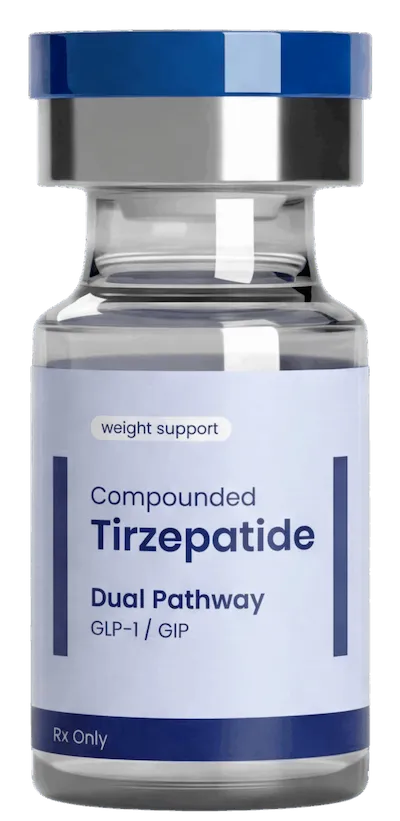
BMI MD GLP-1 Microdosing Plan
- Specialized microdosing options, including sublingual drops and low-dose injections
- Designed for people interested in maintaining weight or gradually adjusting treatment
- Bundled program structure without a separate monthly platform membership
- Online access makes the process convenient from home

DirectMeds Weight Loss Solutions
- Online weight-loss program with a straightforward patient experience
- Compounded medication options through state-licensed compounding pharmacies
- Includes clinical consultation as part of the process
- Provides shipping updates to help patients track their orders
MEDVi Flat-Rate Telehealth
- Flat-rate telehealth approach designed for easier budgeting
- No dosage-based pricing increases within the advertised program structure
- Offers injectable and oral thin-film delivery options
- Includes medical screening and asynchronous provider consultations
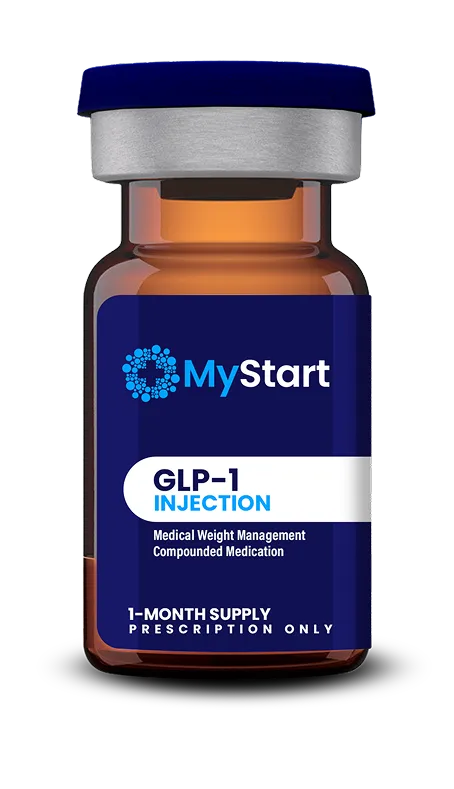
Gala GLP-1 Care Program
- Text-based access to state-licensed clinicians
- Cold-chain medication shipping included in the program
- Month-to-month program structure
- Designed for people who value convenient ongoing support
Measured GLP-1 Metabolic Health
- Comprehensive metabolic health screening and intake analysis
- Designed around longer-term metabolic health management
- Responsive dashboard with integrated health tracking tools
- Useful option for patients who value a more data-focused experience
Refills GLP-1 (TryRefills Plan)
- Clinical guidance designed to help patients manage common treatment concerns
- Includes foundational nutritional strategies alongside medication
- Designed around predictable ongoing treatment
- No hidden startup or processing fees according to the program information provided
AltRx GLP-1 Transactional Reorders
- Transactional reorder model without recurring auto-billing
- Designed for patients who already understand their treatment routine
- Fast text-to-order process for convenient reorders
- Offers injectable and fast-dissolving tablet variations
Your cells use NAD+ in two main ways:
- Energy production: NAD+ shuttles electrons inside mitochondria to help generate ATP, the molecule that powers nearly every cell function.
- Cell repair and signaling: NAD+ feeds enzymes called sirtuins and PARPs, which help repair damaged DNA and regulate how cells age and respond to stress.
NAD+ levels decline with age. Research from the Mayo Clinic and other labs has shown NAD+ concentrations drop measurably by middle age, which is part of why supplement and injection marketing leans so heavily on “anti-aging” language. The decline is real; what NAD+ supplementation does about it in humans is far less settled than the marketing suggests.
If you came here searching “NAD+ peptide,” this is the clarification worth remembering: it’s a coenzyme, sold and discussed as if it were a peptide because it’s often injected alongside actual peptides at the same clinics.
How much do NAD+ injections cost and is insurance coverage available
NAD+ injections generally cost [VERIFY] $25 to $150 per shot, while IV infusions run higher, often [VERIFY] $150 to $600 per session depending on dose and add-ons. Insurance almost never covers NAD+ therapy because it’s classified as elective wellness care, not a treatment for a diagnosed medical condition.
Typical pricing patterns you’ll see:
Many clinics sell monthly packages that lower the per-session price if you commit to 4 or more visits. If you’re comparing this to other injectable wellness treatments, the pricing structure resembles what you’d see with compounded semaglutide injections, pay per dose or buy a bundle.
Common mistake: buying a single trial session expecting dramatic results, then concluding it “doesn’t work.” Clinics that are upfront about cost will also tell you one session rarely shows a lasting effect.
Are NAD+ injections safe and what are the side effects
NAD+ injections are generally considered low-risk when given by a licensed provider using a properly sourced product, but side effects do happen and vary by delivery method. The most common complaints are mild and short-lived.
- Injection site reactions: redness, soreness, or a small welt that fades within a day or two.
- Flushing or warmth: more common with IV infusion, especially if the infusion runs fast.
- Nausea or cramping: can occur during IV sessions, often improves if the drip is slowed.
- Headache or fatigue: reported occasionally in the hours after a session.
- Rare allergic reactions: possible with any injectable, which is why a provider should screen you first.
Fast IV infusion causes the most complaints. If a clinic rushes your drip to save time, ask them to slow it down, this single adjustment resolves most of the nausea and chest-tightness reports tied to NAD+ IV therapy.
NAD+ injections vs oral supplements vs IV therapy which works best
Injections and IV infusions raise blood NAD+ levels faster and more directly than oral supplements, but oral precursors like NMN and NR are cheaper, easier to maintain, and avoid needles altogether. Which one “works best” depends on your goal and your tolerance for cost and inconvenience.
Choose injections if: you want a faster, more direct effect than pills but don’t want to sit through an IV session.
Choose oral precursors if: you’re budget-conscious and comfortable waiting weeks to notice anything.
Choose IV therapy if: you’re specifically targeting acute fatigue, hangover recovery, or addiction-recovery support under medical supervision, this is the group most often pointed toward IV over injection.
How often do you need NAD+ injections to see energy benefits
Most clinics start patients on 1 to 3 injections per week for the first 2 to 4 weeks, then move to a maintenance schedule of once weekly or every other week. There’s no standardized protocol backed by large clinical trials, so schedules vary by provider.
A typical pattern looks like this:
- Week 1-2: 2-3 injections per week to build blood levels.
- Week 3-4: taper to 1-2 injections per week.
- Maintenance: 1 injection every 1-2 weeks, adjusted based on how you feel.
If you stop entirely, any subjective benefit tends to fade within a couple of weeks, since NAD+ turns over quickly in the body. This isn’t a one-and-done treatment, it’s closer to a recurring maintenance routine, similar in structure to how people approach Mic B12 Rx injections for energy support.
Does NAD+ really help with aging or is it just hype
NAD+ decline is a real, measured part of aging, but there’s no strong human clinical evidence that injecting NAD+ reverses aging or extends lifespan. Early research, much of it in animals or small human pilot studies, suggests NAD+ precursors may support mitochondrial function and some markers of cellular health, that’s a different claim than “anti-aging.”
What the evidence actually supports:
- Animal studies show NAD+ precursors can improve markers of mitochondrial function and some aging-related metrics.
- Small human trials on NMN and NR show modest increases in blood NAD+ levels, with mixed results on functional outcomes like muscle strength or insulin sensitivity.
- No large, long-term human trial has confirmed that NAD+ injections slow visible aging, extend lifespan, or treat age-related disease.
If a provider or ad claims NAD+ injections will “reverse aging” or “add years to your life,” that’s overstating the current science. The honest version: NAD+ supports processes that decline with age, and restoring some of it may help certain cellular functions, but that’s a supportive claim, not a cure.
Where can I get NAD+ injections and what doctors prescribe them
NAD+ injections are offered by medical spas, IV therapy clinics, telehealth platforms, longevity clinics, and some integrative medicine or functional medicine doctors. A licensed provider, a nurse practitioner, physician assistant, or physician, should evaluate you and oversee dosing, even though NAD+ itself isn’t a controlled substance.
What to look for in a provider:
- They ask about your medical history, medications, and allergies before your first dose.
- They can tell you exactly where their NAD+ comes from (compounding pharmacy name, ideally).
- They don’t promise disease cures or guaranteed results.
- They offer a clear plan for frequency and a realistic timeline for noticing anything.
Avoid buying NAD+ vials labeled “research use only” from online retailers and injecting it yourself. These products aren’t verified for human use, dosing isn’t standardized, and there’s no clinical oversight if something goes wrong.
Natural ways to boost NAD+ without injections
You can raise NAD+ levels somewhat through diet, exercise, and sleep, though the effect is gradual compared to injections or IV therapy. These approaches work by supporting your body’s own NAD+ production pathways rather than delivering it directly.
- Exercise: Regular aerobic exercise is linked to higher NAD+ levels in skeletal muscle, based on research from groups studying mitochondrial biogenesis.
- Caloric balance: Avoiding chronic overeating helps preserve NAD+-dependent sirtuin activity.
- Niacin-rich foods: Foods like chicken, tuna, and peanuts supply vitamin B3, a building block for NAD+.
- Sleep: NAD+ follows a circadian rhythm, and poor sleep disrupts that cycle.
- Oral precursors: NMN and NR supplements raise blood NAD+ more directly than diet alone, though slower than injections.
Edge case: if you’re already eating a balanced diet and exercising regularly, additional dietary tweaks probably won’t move your NAD+ levels much further. That’s when people turn to precursors or injections instead.
How long before you feel results from NAD+ injections
Some people report noticing subtle energy or mental clarity changes within a few days, but most providers suggest giving it 2 to 4 weeks of consistent dosing before judging whether it’s working. Individual response varies widely, and part of the reported effect may be placebo, especially in self-reported energy and focus studies.
A realistic timeline:
- Days 1-3: Some people notice mild alertness; many notice nothing yet.
- Week 1-2: Subjective energy or focus changes, if any, usually start showing up here.
- Week 3-4: This is when most clinics recommend evaluating whether to continue or adjust dosing.
If you feel zero difference after a full month of consistent sessions, it’s reasonable to stop and reconsider the approach rather than keep paying for something that isn’t working for you.
Who shouldn’t get NAD+ injections and are there contraindications
Certain groups should avoid NAD+ injections or get medical clearance first, because the safety data in these populations is limited or the risk profile changes. Talk to your doctor first if any of the following apply to you.
- You’re pregnant or breastfeeding, NAD+ therapy hasn’t been studied for safety in this group.
- You have active cancer or a history of certain cancers, NAD+’s role in cell proliferation pathways means caution is warranted.
- You have a bleeding disorder or are on blood thinners, injections carry a higher bruising risk.
- You have a known allergy to NAD+ formulations or preservatives used in the injectable solution.
- You’re undergoing chemotherapy or another treatment where cellular effects of NAD+ aren’t well characterized.
If none of these apply and you’re otherwise healthy, NAD+ injections carry a relatively low risk profile, but “low risk” still means “ask a licensed provider first,” not “safe to self-administer.”
NAD+ vs NMN vs nicotinamide riboside what’s the difference
NAD+ is the final molecule your cells use; NMN (nicotinamide mononucleotide) and NR (nicotinamide riboside) are precursor compounds your body converts into NAD+ after you take them orally. Injecting NAD+ directly skips that conversion step, which is the main argument providers make for injections over pills.
Decision rule: choose NAD+ injections if you want a faster, more direct boost and don’t mind the cost and needle. Choose NMN or NR if you prefer a daily pill routine and lower long-term spending, and you’re comfortable with a slower buildup.
Biohackers who already take NMN or NR sometimes add occasional NAD+ injections around high-demand periods, travel, intense training blocks, recovery from illness, rather than switching entirely.
Do NAD+ injections actually improve focus and mental clarity
Many users report sharper focus and less brain fog after NAD+ sessions, but this is based largely on self-reported clinic experience rather than controlled trials measuring cognitive performance. The biological rationale is plausible, NAD+ supports neuronal energy metabolism, but plausible isn’t the same as proven.
What’s known and not known:
- NAD+ is essential for neuron energy production, so a deficit could theoretically contribute to fatigue-related brain fog.
- Small studies on NAD+ precursors in older adults show mixed cognitive results, with some measures improving and others showing no change.
- No large trial has confirmed NAD+ injections specifically improve measurable focus or memory in healthy adults.
If mental clarity is your main goal, it may help to compare NAD+ against other focus-targeted options, including supplement stacks like NeuroQ for memory and focus or nootropic blends such as FocusMax, since the evidence quality across these categories is similarly early-stage.
Can you take NAD+ injections long term is it safe
Long-term human safety data on NAD+ injections is limited, since most clinical use has been short-term or in small studies. Many clinics run ongoing weekly maintenance programs for months or years without reported serious issues, but that’s observational clinic experience, not controlled long-term research.
Practical guidance if you’re considering long-term use:
- Get baseline bloodwork before starting, and periodic check-ins with your provider.
- Watch for any new symptoms, persistent nausea, unusual fatigue, or skin reactions, and report them.
- Take planned breaks every few months rather than continuous indefinite dosing, which some clinics build into their protocols.
- Reassess every 3-6 months whether you’re still noticing a benefit worth the cost.
Common mistakes people make with NAD+ therapy
The biggest mistake is expecting a single session to produce dramatic, lasting change, when most reported benefits build gradually over weeks of consistent dosing. A few other recurring errors:
- Buying unregulated vials online labeled “research use only” and self-injecting without medical oversight.
- Skipping the medical history screen at a clinic that offers it, assuming NAD+ is risk-free because it’s “natural.”
- Rushing IV infusions to save time, which increases nausea and flushing.
- Stacking too many new supplements at once, making it impossible to tell what’s actually helping.
- Ignoring cost sustainability, starting an expensive weekly protocol without a plan for whether you can keep paying for it long-term.
If you’re also exploring other injectable treatments for energy or metabolism, it helps to read how dosing and cost structures compare across categories, such as GLP-1 weight loss injections or compounded tirzepatide injections, since pricing models and provider screening tend to follow similar patterns across the wellness-injection industry.
Frequently Asked Questions
Is NAD+ actually a peptide?
No. NAD+ is a coenzyme made from a vitamin B3 derivative, not a chain of amino acids like a true peptide. It’s often marketed alongside peptides at the same clinics, which causes the confusion.
Do I need a prescription for NAD+ injections?
In most states, a licensed provider needs to evaluate you and oversee dosing, even though NAD+ isn’t a controlled substance. Requirements vary by state and by whether the product is compounded.
How fast do NAD+ IV drips work compared to injections?
IV drips typically raise blood NAD+ levels within the same session, faster than subcutaneous injections, because the full dose enters the bloodstream directly rather than absorbing gradually from tissue.
Can NAD+ injections help with long-COVID fatigue?
Some clinics market NAD+ for long-COVID fatigue, but there’s no large clinical trial confirming this use. If you’re dealing with persistent fatigue, talk to your doctor about a full evaluation before relying on NAD+ alone.
Will NAD+ injections show up on a drug test?
No. NAD+ is a naturally occurring coenzyme and isn’t a substance screened for on standard drug tests.
Is NAD+ used in addiction recovery programs legitimate?
Some addiction recovery clinics offer NAD+ IV therapy alongside counseling and medical detox, but NAD+ itself isn’t an approved addiction treatment. It should be viewed as a possible supportive therapy, not a standalone treatment.
How do I know if an NAD+ clinic is trustworthy?
Look for a clinic that discloses where their NAD+ is sourced, requires a health screening before your first dose, and avoids promising cures or dramatic anti-aging results.
7 Best GLP-1 Providers Ranked: Accreditation, Flexibility & Support Compared (2026 Update)
32,000+ Patients Can't All Be Wrong: See the Top-Rated GLP-1 Providers: Compared on accreditation, plan flexibility, and patient support — updated for 2026.
BMI MD GLP-1 Microdosing Plan
- Specialized microdosing options (sublingual drops or low-dose injections)
- Ideal for maintaining weight or tapering off higher doses safely
- Fully bundled plan with no hidden monthly platform memberships
DirectMeds Weight Loss Solutions
- Sourced from accredited, state-licensed 503A compounding pharmacies
- No-frills high-volume savings passed directly to the patient
- Includes clinical consultation and cold-chain shipping updates
MEDVi Flat-Rate Telehealth
- Flat monthly rate holds steady even at maximum maintenance doses
- No dosage upcharges or graduation fee penalties
- Offers both injectable and advanced oral thin-film delivery options
Gala GLP-1 Care Program
- All-inclusive plan with no standalone membership costs
- Continuous text-based messaging access with state-licensed clinicians
- Temperature-controlled, cold-chain medication shipping included
Measured GLP-1 Metabolic Health
- Comprehensive metabolic health screening and expert intake analysis
- Predictable long-term budgeting with stable plan pricing
- High-end responsive dashboard with integrated diagnostic support
Refills GLP-1 (TryRefills Plan)
- Flat rate holds steady as titration scales up
- Includes clinical guides for active side-effect management
- Bundles in foundational nutritional strategies alongside medication
AltRx GLP-1 Transactional Reorders
- Zero recurring auto-billing — pay entirely on a transactional basis
- Rapid text-to-order format saves time for experienced patients
- Provides both injectable forms and fast-dissolving tablet variations
Conclusion
NAD+ injections deliver a real, well-studied molecule your cells depend on for energy and repair, and some people genuinely notice better energy or focus with regular use. The honest limitation is that human trials haven’t confirmed the bigger anti-aging claims you’ll see in marketing, so go in expecting modest, possible benefits rather than a fix for fatigue or aging itself.
If you’re considering it: start by getting a health screening from a licensed provider, ask where their product is sourced, commit to a 3-4 week trial before judging results, and track your cost against whatever benefit you actually notice. If injections feel like too much commitment, test oral NMN or NR first since the cost and risk are lower. Talk to your doctor before starting if you’re pregnant, on blood thinners, or managing an active medical condition.
Medically reviewed by [Name, MD/NP, credentials to be added by editor].
This article is for informational purposes only and does not replace personalized medical advice. Talk to a licensed healthcare provider before starting NAD+ therapy, especially if you have an existing health condition or take prescription medication.
Sources
- National Institute on Aging, “NAD+ and Aging” research summaries, NIH.gov (2023)
- Mayo Clinic Proceedings, studies on NAD+ precursor supplementation (2022)
- Yoshino, J. et al., “NAD+ Intermediates: The Biology and Therapeutic Potential of NMN and NR,” Cell Metabolism (2018)