NAD+ Injections Side Effects: Common Reactions, Risks & Safety Considerations

Last updated: November 12, 2026
A wellness clinic fatality tied to an NAD+ IV drip made national headlines in 2026, and it forced a hard question many people were avoiding: is this trendy anti-aging treatment actually safe? [1] If you’re weighing an NAD+ injection for energy, recovery, or longevity, you deserve a straight answer about what can go wrong, not just what the marketing promises.
Quick Answer
NAD+ injections most commonly cause nausea, headache, flushing, fatigue, and injection-site irritation, and symptoms usually fade within a few hours to a day [2][3]. Serious risks include allergic reactions, infection from IV lines, and in rare documented cases, death at wellness centers with inadequate medical oversight [1][4]. NAD+ is not FDA-approved for anti-aging or longevity use, and long-term safety data in humans remains limited [3][5].
7 Best GLP-1 Providers Ranked: Accreditation, Flexibility & Support Compared (2026 Update)
32,000+ Patients Can't All Be Wrong: See the Top-Rated GLP-1 Providers. We compared the leading online GLP-1 providers based on program features, clinical support, convenience, and overall value.

BMI MD GLP-1 Microdosing Plan
- Specialized microdosing options, including sublingual drops and low-dose injections
- Designed for people interested in maintaining weight or gradually adjusting treatment
- Bundled program structure without a separate monthly platform membership
- Online access makes the process convenient from home

DirectMeds Weight Loss Solutions
- Online weight-loss program with a straightforward patient experience
- Compounded medication options through state-licensed compounding pharmacies
- Includes clinical consultation as part of the process
- Provides shipping updates to help patients track their orders

MEDVi Flat-Rate Telehealth
- Flat-rate telehealth approach designed for easier budgeting
- No dosage-based pricing increases within the advertised program structure
- Offers injectable and oral thin-film delivery options
- Includes medical screening and asynchronous provider consultations

Gala GLP-1 Care Program
- Text-based access to state-licensed clinicians
- Cold-chain medication shipping included in the program
- Month-to-month program structure
- Designed for people who value convenient ongoing support

Measured GLP-1 Metabolic Health
- Comprehensive metabolic health screening and intake analysis
- Designed around longer-term metabolic health management
- Responsive dashboard with integrated health tracking tools
- Useful option for patients who value a more data-focused experience

Refills GLP-1 (TryRefills Plan)
- Clinical guidance designed to help patients manage common treatment concerns
- Includes foundational nutritional strategies alongside medication
- Designed around predictable ongoing treatment
- No hidden startup or processing fees according to the program information provided

AltRx GLP-1 Transactional Reorders
- Transactional reorder model without recurring auto-billing
- Designed for patients who already understand their treatment routine
- Fast text-to-order process for convenient reorders
- Offers injectable and fast-dissolving tablet variations
Key Takeaways
- Common NAD+ injection side effects include nausea, cramping, headache, flushing, and fatigue, especially with fast IV infusion rates [2][6].
- A 2026 pilot human study found moderate-to-severe short-term symptoms but reassuring lab safety markers [4][6].
- NAD+ injections are not FDA-approved for anti-aging, and compounded formulations carry sterility and quality concerns [3][7].
- Injection-site reactions and allergic responses are usually mild, but severe reactions can happen [2].
- A documented death linked to an NAD+ IV at a wellness center underscores real procedural risk [1].
- Oral NAD+ supplements avoid IV-related infection risk but may offer less direct absorption [3][5].
- There’s no established medical guideline on safe NAD+ injection frequency, so providers vary widely [8].
- People with certain health conditions, including pregnancy, active infections, or bleeding disorders, should avoid NAD+ injections without medical clearance [2][3].
What exactly is NAD and why are people getting injections
NAD+ (nicotinamide adenine dinucleotide) is a molecule every cell needs to produce energy and repair DNA, and levels naturally decline with age [3][5]. People seek NAD+ injections hoping to boost energy, sharpen mental focus, support recovery from substance use, or slow visible aging, though most of these claims outpace the science [3][7].
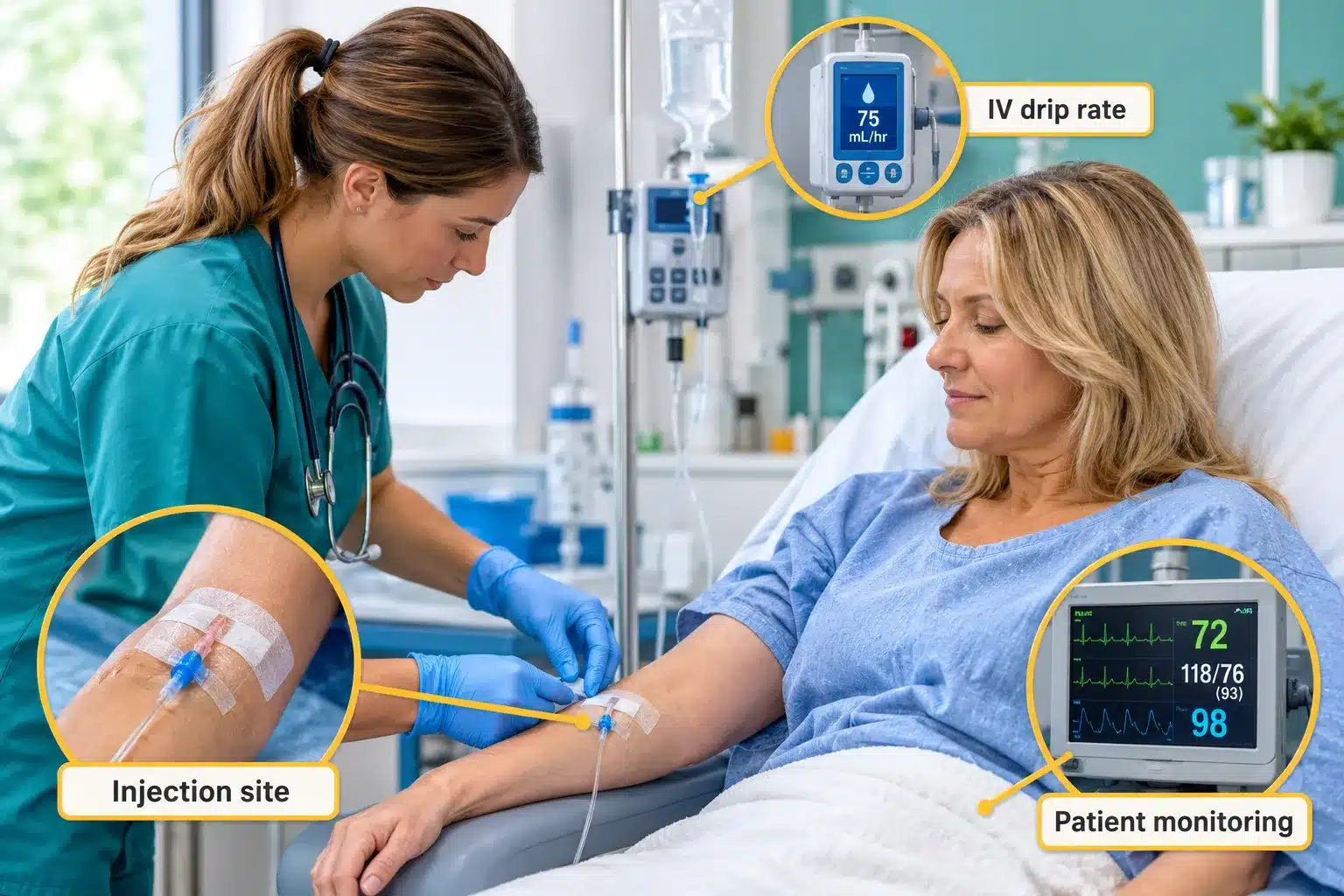
NAD+ is delivered a few ways: slow IV infusion over one to several hours, intramuscular injection, oral capsules, and transdermal patches [5][8]. Clinics market it for jet lag, hangover recovery, chronic fatigue, and “cellular anti-aging,” but NAD.com and independent reviewers note human trials remain small and short-term [6][7].
Choose IV or injection NAD+ if: a licensed provider has evaluated your health history and you understand the treatment is not FDA-approved or guaranteed to work. Skip it if: you’re mainly chasing anti-aging hype without medical guidance.
What are the most common side effects from NAD injections
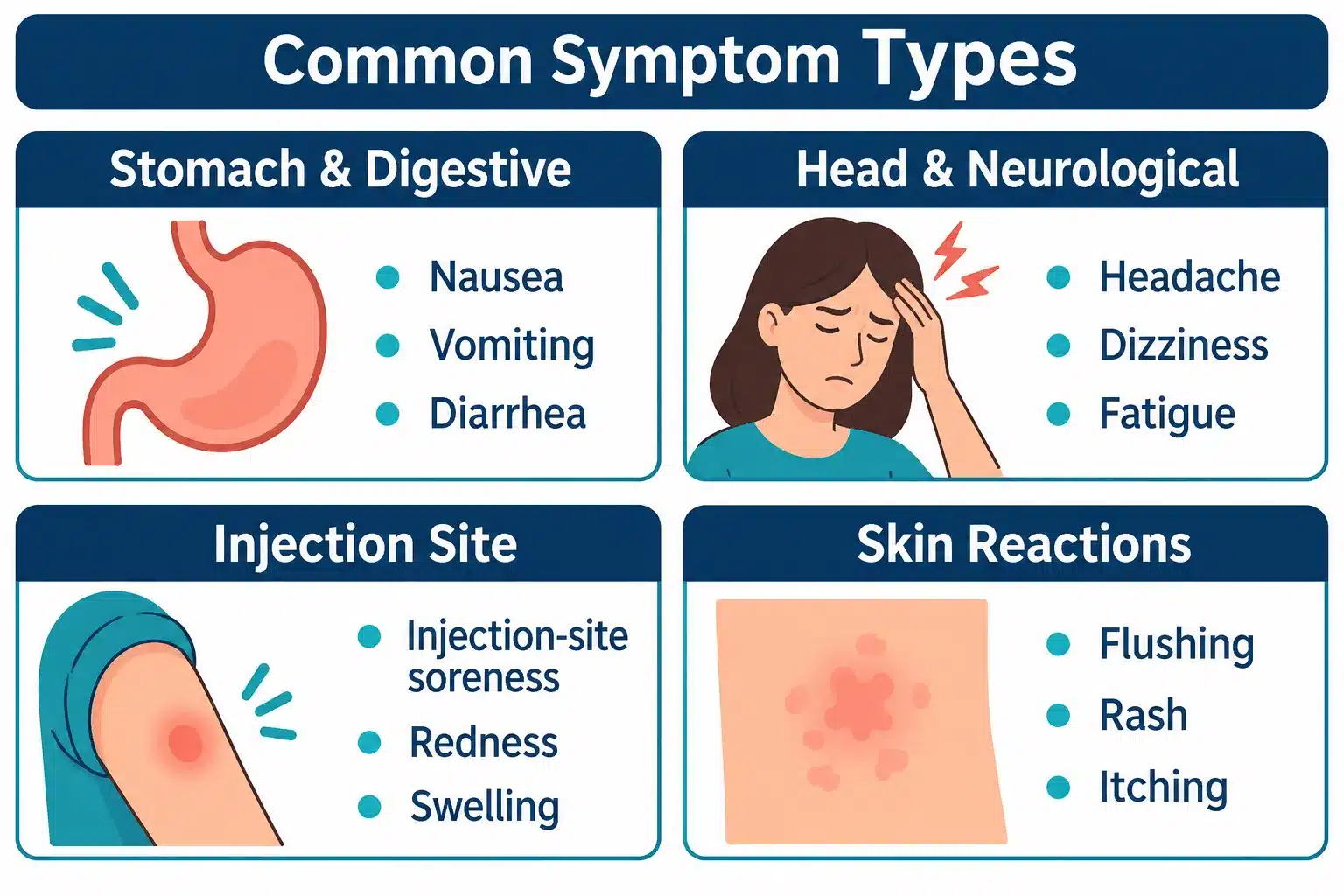
The most frequent NAD+ injection side effects are nausea, stomach cramping, headache, facial flushing, and fatigue, and these are usually mild and temporary [2][3]. Injection-site soreness, redness, or swelling is also common with intramuscular or IV administration [2].
A 2026 narrative review of short-term IV side effects found that gastrointestinal discomfort and headache were reported most often, particularly when NAD+ was infused too quickly [9]. Other reported reactions include:
- Dizziness or lightheadedness
- Chest tightness or rapid heartbeat (less common)
- Anxiety-like symptoms during infusion
- Low back or flank discomfort during fast infusions [2][6]
Common mistake: assuming faster infusion means faster results. In reality, infusion speed is one of the biggest drivers of symptom severity [6]. Slower drips generally cause fewer and milder reactions.
How long do NAD injection side effects usually last
Most NAD+ injection side effects resolve within a few hours of the infusion ending, though some people report mild fatigue or headache lingering into the next day [2][3]. Injection-site tenderness from intramuscular shots can last one to two days.
A 2026 human pilot study on NAD+ and NR (a related compound) IV infusions reported that even moderate-to-severe symptoms during the infusion itself typically subsided once the drip was slowed or completed, and blood safety markers stayed within normal ranges afterward [6]. This is reassuring for short-term tolerability, but researchers were careful to note this doesn’t confirm long-term safety [4][6].
Edge case: if symptoms like chest pain, difficulty breathing, or severe swelling persist beyond the infusion session, this is not a typical side effect and needs prompt medical attention.
Can NAD injections interact with other medications I’m taking
NAD+ injections may interact with certain medications, particularly blood thinners, diabetes medications, and drugs affecting blood pressure, though formal drug-interaction research is limited [3][8]. Anyone taking prescription medications, including GLP-1 drugs like semaglutide or compounded tirzepatide, should disclose their full medication list before an NAD+ session.
Because comprehensive interaction studies haven’t been done, providers often rely on general caution rather than specific evidence [3]. If you’re also managing blood sugar with metformin, tell your provider, since combined effects on energy metabolism aren’t well studied.
Decision rule: disclose every supplement and prescription before your appointment. If a provider doesn’t ask, that’s a red flag about how thorough their intake process is.
Is NAD injection safer than taking NAD supplements orally
Oral NAD+ supplements avoid the infection and IV-line risks associated with injections, but they generally have lower absorption and milder effects, while injections deliver NAD+ directly into the bloodstream with stronger, faster, but more variable reactions [3][5]. Neither route has robust long-term human safety data [3][4].
| Factor | Oral NAD+ Supplements | NAD+ Injections/IV |
|---|---|---|
| Absorption | Lower, variable | Direct, immediate |
| Common side effects | Mild GI upset | Nausea, headache, flushing, site reactions [2] |
| Infection risk | None | Present, from needle/IV line [1][4] |
| Medical supervision needed | Usually not | Recommended [8] |
| Cost per session | Lower ongoing cost | Higher per visit |
Choose oral supplements if you want a lower-risk, lower-cost starting point. Choose injections if you want more direct effects and are working with a licensed, well-reviewed provider.
How often is it safe to get NAD injections
There is no established medical guideline on how often NAD+ injections can be safely repeated, and frequency recommendations vary widely by clinic rather than by clinical evidence [8]. Some wellness centers suggest weekly sessions, others monthly, with no standardized dosing protocol backed by regulatory bodies.
Because NAD+ is not FDA-approved for these uses, there’s no official dosing schedule to point to [3][7]. More frequent sessions mean more cumulative exposure to injection-site and IV-related risks, including infection [4][9].
Decision rule: if a provider pushes an aggressive repeat schedule without explaining the rationale, ask for the evidence behind it. A provider who says “we don’t fully know the optimal frequency” is being more honest than one with a rigid upsell schedule.
Who shouldn’t get NAD injections due to health conditions
People who are pregnant or breastfeeding, have active infections, bleeding disorders, significant heart conditions, or severe allergies to injection components should avoid NAD+ injections unless specifically cleared by a physician [2][3]. Anyone with a compromised immune system also faces higher infection risk from IV lines [4].
Additional caution applies to people with:
- Kidney or liver disease (NAD+ metabolism isn’t well studied in these groups)
- History of severe reactions to IV therapies
- Uncontrolled diabetes or blood pressure issues [3][8]
Common mistake: assuming “natural” or “cellular” treatments carry no risk. NAD+ is a compound with real physiological effects, and skipping a health screening before treatment is how preventable complications happen [1][4].
What should I do if I have a bad reaction to a NAD injection
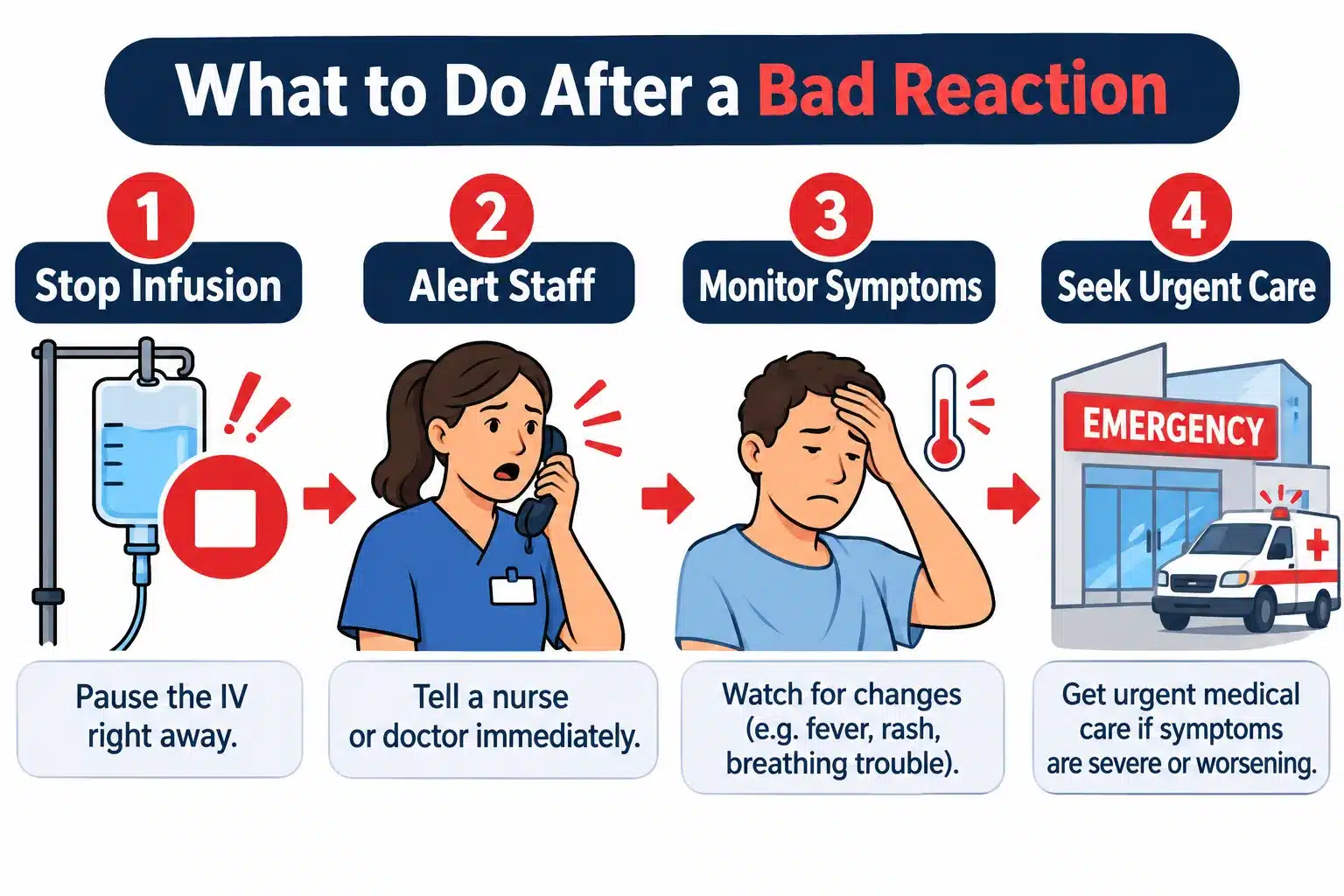
Stop the infusion immediately, tell clinic staff right away, and seek urgent medical care if you experience chest pain, trouble breathing, severe swelling, fainting, or a rapid heart rate [2][4]. For milder reactions like nausea or headache, resting, slowing the infusion rate, and hydrating often help [6].
Clinical guidance generally supports this response sequence:
- Alert the administering staff at the first sign of a concerning symptom.
- Have vital signs checked (heart rate, blood pressure, oxygen level).
- If symptoms are severe or rapidly worsening, call 911 or go to an emergency room.
- Report the reaction to the clinic in writing and, if appropriate, file an adverse event report.
The FDA has received adverse event reports tied to compounded NAD+ products, including concerns about sterility and inconsistent quality between compounding pharmacies [7]. This is one reason choosing a licensed, transparent provider matters.
How much do NAD injections typically cost
NAD+ injection and IV costs vary significantly by provider, dose, and session length, with wellness clinics typically charging per session rather than offering a standardized national price [5][8]. Because pricing isn’t centrally regulated or published by a single authoritative source, readers should request a full written quote, including any membership or add-on fees, before booking.
Factors that affect total cost include:
- Infusion length (shorter boosters vs. multi-hour sessions)
- Dose strength
- Whether it’s bundled with vitamins or other IV additives
- Membership or package discounts
If you’re also comparing costs for other treatments, our guides on compounded semaglutide injections and MIC B12 injections for energy support can help you think through value and pricing transparency across wellness treatments generally.
Are NAD injections worth it or is it just hype
Whether NAD+ injections are “worth it” depends on your goals and risk tolerance, since the treatment is not FDA-approved for anti-aging or longevity, and benefit claims rest on limited, mostly small-scale human research [3][7]. Some people report subjective energy improvements, but these reports aren’t the same as proven clinical outcomes [7][10].
A CNBC piece on longevity myths published in late 2026 cautioned that many popular anti-aging interventions, NAD+ included, are marketed well ahead of solid supporting evidence [7]. That doesn’t mean the treatment has zero effect, but it does mean claims should be weighed carefully against cost and risk.
Decision rule: if you’re deciding based on marketing language like “reverse aging” or “cellular rejuvenation,” pause and ask your provider what peer-reviewed evidence actually supports that specific claim.
What are the long-term risks of getting NAD injections regularly
Long-term risks of regular NAD+ injections aren’t well understood because most available research covers only short-term use, and repeated IV sessions raise cumulative exposure to infection and injection-site complications [4][9]. There is currently no large-scale, long-duration human safety study establishing what happens with months or years of regular use.
A September 2026 narrative review specifically flagged the lack of long-term outcome data as a major gap in the evidence base, even as short-term tolerability looked reasonable in supervised settings [9]. Repeated venous access also raises the chance of vein irritation or scarring over time [4].
Edge case: people getting NAD+ injections weekly for months with no medical monitoring face a meaningfully different risk profile than someone getting an occasional single session under physician supervision.
Can you get NAD injections at home or do you need a doctor
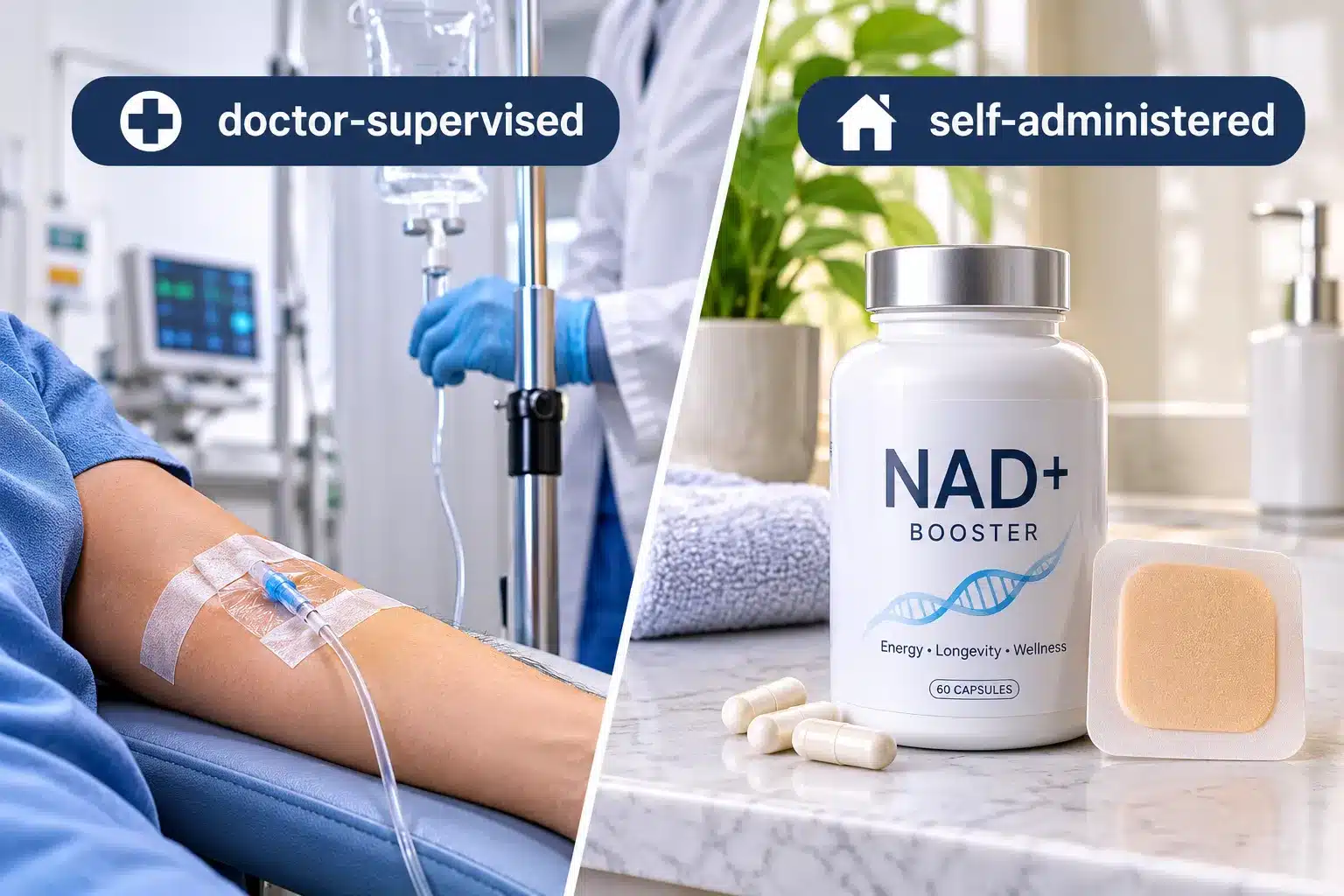
NAD+ injections should be administered or supervised by a qualified medical professional, not self-administered at home without training, because IV and injection complications, including infection and severe reactions, require quick clinical response [2][4]. Some mobile IV services send a nurse to a home setting, which differs from fully unsupervised self-injection.
If you’re considering a home-based service, verify:
- Whether a licensed nurse or clinician is physically present
- Emergency protocols if a reaction occurs
- Sourcing and sterility practices for the NAD+ solution [4][7]
Common mistake: buying NAD+ vials online for self-injection without medical guidance. This bypasses screening for contraindications and removes any safety net if something goes wrong.
What’s the difference between NAD injections and NAD patches
NAD+ injections deliver the compound directly into the bloodstream or muscle for faster, more pronounced effects, while NAD+ patches release it gradually through the skin for a milder, lower-risk option with less proven absorption [5][8]. Patches avoid needle-related risks entirely but may deliver less NAD+ into the body overall.
| Feature | NAD+ Injections | NAD+ Patches |
|---|---|---|
| Onset | Fast | Slow, gradual |
| Absorption | Direct | Uncertain, transdermal |
| Risk of infection | Present | None |
| Common side effects | Nausea, headache, site reactions [2] | Mild skin irritation |
| Supervision needed | Yes | No |
Are there cheaper alternatives to NAD injections for anti-aging
Yes, oral NAD+ precursor supplements (like NR or NMN), lifestyle changes such as exercise and sleep, and patches are generally cheaper alternatives to NAD+ injections, though none have definitive proof of reversing aging [3][7]. General NAD/NADH supplementation research shows mostly mild side effects, making it a lower-risk starting point for curious consumers [3].
Other considerations before spending money on any anti-aging approach:
- No supplement or injection is FDA-approved specifically for anti-aging [7]
- Basic habits (sleep, exercise, diet) remain the most evidence-backed longevity levers according to mainstream longevity researchers [7]
- Comparing costs across options, including medically supervised treatments like Wegovy or Zepbound for weight-related goals, may be more useful than chasing unproven anti-aging claims
Frequently Asked Questions
Is NAD+ injection FDA-approved?
No. NAD+ is not FDA-approved for anti-aging, energy, or longevity use. Some compounded formulations have also drawn FDA scrutiny over sterility and adverse event reports [3][7].
Can NAD+ injections cause an allergic reaction?
Yes, though it’s uncommon. Allergic reactions can range from mild rash to more serious symptoms requiring emergency care, so disclose any known allergies before treatment [2].
Has anyone died from NAD+ IV therapy?
Yes, a documented fatality linked to NAD+ IV therapy occurred at a wellness center, highlighting the importance of proper medical oversight and emergency protocols [1].
Do NAD+ injections help with hangovers or jet lag?
Many clinics market NAD+ for these uses, but strong clinical evidence supporting these specific benefits is limited [3][7].
Are NAD+ patches safer than injections?
Patches avoid needle and IV-related infection risks, making them generally lower-risk, though they may deliver less NAD+ into the bloodstream [5][8].
How do I find a safe NAD+ provider?
Look for licensed medical staff, transparent sourcing of the NAD+ solution, a thorough health screening, and clear emergency protocols before booking [4][7].
Can NAD+ injections interact with weight-loss medications?
Possible interactions aren’t well studied. If you’re using GLP-1 medications, review your full medication list with both providers before starting NAD+ [3].
7 Best GLP-1 Providers Ranked: Accreditation, Flexibility & Support Compared (2026 Update)
32,000+ Patients Can't All Be Wrong: See the Top-Rated GLP-1 Providers: Compared on accreditation, plan flexibility, and patient support — updated for 2026.
BMI MD GLP-1 Microdosing Plan
- Specialized microdosing options (sublingual drops or low-dose injections)
- Ideal for maintaining weight or tapering off higher doses safely
- Fully bundled plan with no hidden monthly platform memberships
DirectMeds Weight Loss Solutions
- Sourced from accredited, state-licensed 503A compounding pharmacies
- No-frills high-volume savings passed directly to the patient
- Includes clinical consultation and cold-chain shipping updates
MEDVi Flat-Rate Telehealth
- Flat monthly rate holds steady even at maximum maintenance doses
- No dosage upcharges or graduation fee penalties
- Offers both injectable and advanced oral thin-film delivery options
Gala GLP-1 Care Program
- All-inclusive plan with no standalone membership costs
- Continuous text-based messaging access with state-licensed clinicians
- Temperature-controlled, cold-chain medication shipping included
Measured GLP-1 Metabolic Health
- Comprehensive metabolic health screening and expert intake analysis
- Predictable long-term budgeting with stable plan pricing
- High-end responsive dashboard with integrated diagnostic support
Refills GLP-1 (TryRefills Plan)
- Flat rate holds steady as titration scales up
- Includes clinical guides for active side-effect management
- Bundles in foundational nutritional strategies alongside medication
AltRx GLP-1 Transactional Reorders
- Zero recurring auto-billing — pay entirely on a transactional basis
- Rapid text-to-order format saves time for experienced patients
- Provides both injectable forms and fast-dissolving tablet variations
Conclusion
NAD+ injections carry real, documented side effects, ranging from common issues like nausea and headache to rare but serious outcomes, including a reported fatality at a wellness center [1][2]. The treatment isn’t FDA-approved for anti-aging, and long-term safety data in humans is still thin [3][7][9]. If you’re considering it, choose a licensed provider, disclose your full health and medication history, start with a cautious approach rather than an aggressive repeat schedule, and know the warning signs that mean you should stop treatment and seek care. For many readers, a conversation with a primary care doctor before booking is the most practical next step.
References
- Article316168354. newsobserver.com.
- Nad Injection Side Effects. testing.com.
- Nad. testing.com.
- S41467 023 43514 6. nature.com.
- Nad Iv Therapy 8783961. verywellhealth.com.
- Pilot Human Study Supports Safety of Nad Iv and Nr Iv Infusions. nad.com.
- Longevity Myths Doctors Aging. cnbc.com.
- Nad Plus. warriorbabehealth.com.
- Pmc13601825. pmc.ncbi.nlm.nih.gov.
- Does Nad Iv Therapy Really Work. usatoday.com.
nad+ injections, nad+ side effects, iv therapy safety, anti-aging injections, wellness clinic risks, nad supplementation, nad patches, injection site reactions, longevity treatments, compounded medications, iv infusion risks, nad+ injection cost