
noom glp1


Last updated: October 3, 2026
Quick Answer
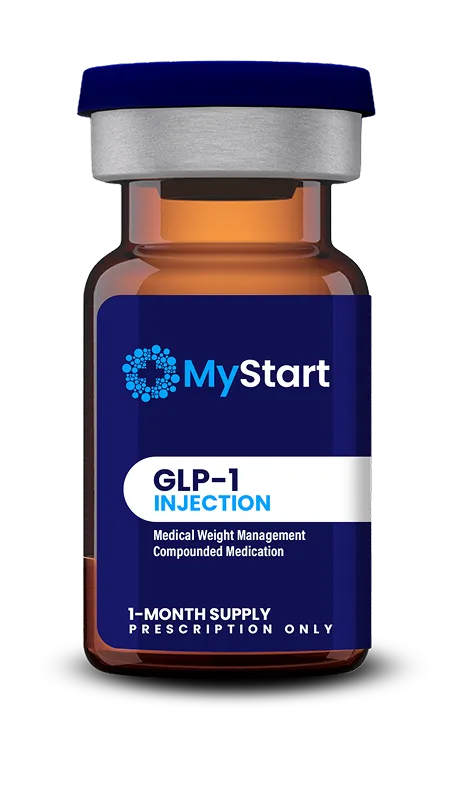
Noom GLP1 refers to the medically supervised weight loss programs offered through Noom Med, which pair FDA-approved or compounded GLP-1 receptor agonist medications with Noom’s behavioral coaching platform. Depending on your eligibility and goals, you can access brand-name, generic, or compounded semaglutide through several plan tiers, starting as low as $119 per month. The program is designed for adults with a BMI of 27 or higher who want structured medical and behavioral support for sustainable weight loss.
Key Takeaways
- Noom GLP1 is delivered through Noom Med, which combines GLP-1 medications with behavioral coaching and habit-building tools
- Four main program tiers exist: Microdose GLP-1, GLP-1Rx, GLP-1Rx Plus, and GLP-1 Companion
- Pricing starts at $119/month for the Microdose plan; higher tiers cost more depending on medication type and dosage
- Noom uses compounded semaglutide in several plans, which differs from brand-name Ozempic or Wegovy
- Program marketing claims 11 to 25 lbs of weight loss in 60 to 90 days, though individual results vary
- You must complete a medical intake and be approved by a licensed provider before receiving any prescription
- Common side effects include nausea, fatigue, and digestive discomfort, especially during dose escalation
- The GLP-1 Companion plan offers behavioral support for people already on a GLP-1 prescription elsewhere
- Noom has publicly advocated for compounded GLP-1 access and transparency in prescribing practices
- The program is available in most U.S. states but not all; geographic eligibility applies
What Is Noom GLP1 and How Does It Work
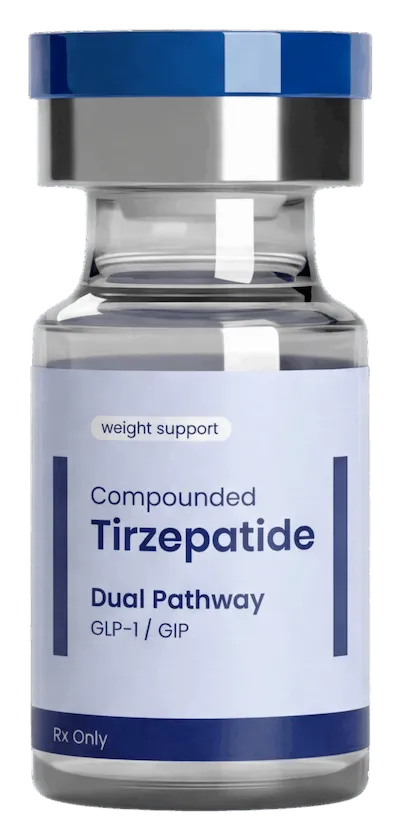
Noom GLP1 is a weight management program that combines prescription GLP-1 receptor agonist medications with Noom’s digital behavioral coaching system, all delivered through Noom Med. GLP-1 (glucagon-like peptide-1) is a hormone your gut naturally releases after eating. It signals your brain to reduce appetite, slows how quickly your stomach empties, and helps regulate blood sugar. Medications that mimic this hormone can significantly reduce calorie intake without requiring constant willpower.
7 Best GLP-1 Providers Ranked: Accreditation, Flexibility & Support Compared (2026 Update)
32,000+ Patients Can't All Be Wrong: See the Top-Rated GLP-1 Providers. We compared the leading online GLP-1 providers based on program features, clinical support, convenience, and overall value.
BMI MD GLP-1 Microdosing Plan
- Specialized microdosing options, including sublingual drops and low-dose injections
- Designed for people interested in maintaining weight or gradually adjusting treatment
- Bundled program structure without a separate monthly platform membership
- Online access makes the process convenient from home

DirectMeds Weight Loss Solutions
- Online weight-loss program with a straightforward patient experience
- Compounded medication options through state-licensed compounding pharmacies
- Includes clinical consultation as part of the process
- Provides shipping updates to help patients track their orders
MEDVi Flat-Rate Telehealth
- Flat-rate telehealth approach designed for easier budgeting
- No dosage-based pricing increases within the advertised program structure
- Offers injectable and oral thin-film delivery options
- Includes medical screening and asynchronous provider consultations
Gala GLP-1 Care Program
- Text-based access to state-licensed clinicians
- Cold-chain medication shipping included in the program
- Month-to-month program structure
- Designed for people who value convenient ongoing support
Measured GLP-1 Metabolic Health
- Comprehensive metabolic health screening and intake analysis
- Designed around longer-term metabolic health management
- Responsive dashboard with integrated health tracking tools
- Useful option for patients who value a more data-focused experience
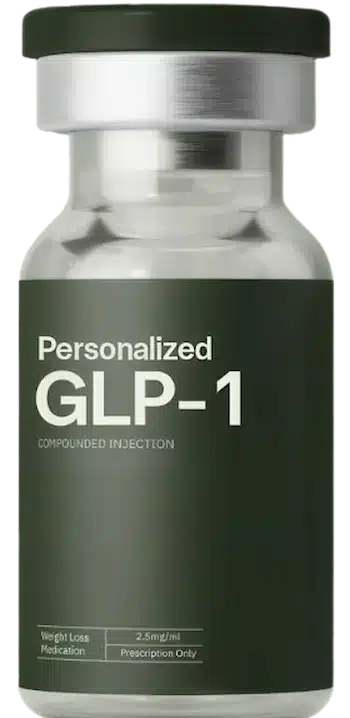
Refills GLP-1 (TryRefills Plan)
- Clinical guidance designed to help patients manage common treatment concerns
- Includes foundational nutritional strategies alongside medication
- Designed around predictable ongoing treatment
- No hidden startup or processing fees according to the program information provided
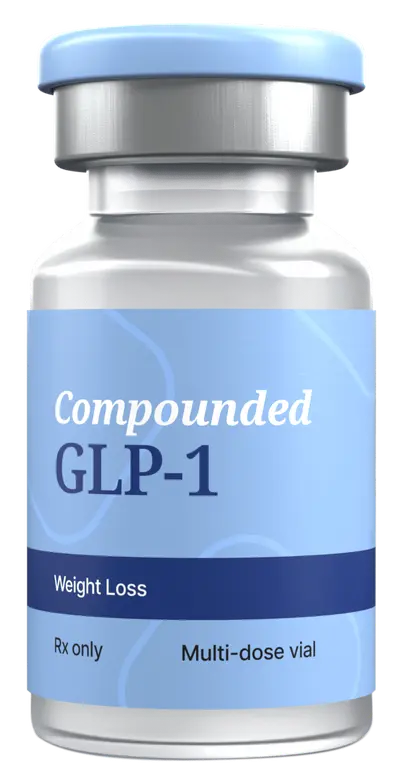
AltRx GLP-1 Transactional Reorders
- Transactional reorder model without recurring auto-billing
- Designed for patients who already understand their treatment routine
- Fast text-to-order process for convenient reorders
- Offers injectable and fast-dissolving tablet variations
Here is how the program works in practice:
- You complete an online health questionnaire covering your weight history, medical conditions, and goals
- A licensed provider reviews your intake and determines which medication tier is appropriate
- If approved, your prescription is sent to a pharmacy (compounding or retail, depending on the plan)
- Medication is delivered to your door, and you begin the Noom coaching curriculum alongside it
- Dosing is adjusted over time through what Noom calls its SmartDose titration approach, which was updated in September 2026 [4]
The behavioral layer is what separates Noom GLP1 from a simple telehealth prescription. The platform uses psychology-based habit coaching, food logging, and goal tracking to help users build sustainable patterns around eating and activity. The idea is that the medication reduces appetite while the coaching addresses the behavioral roots of weight gain.
For a broader overview of how GLP-1 medications work across different programs, see this guide to GLP-1 agonists for weight loss.
Is Noom GLP1 the Same as Ozempic or Wegovy
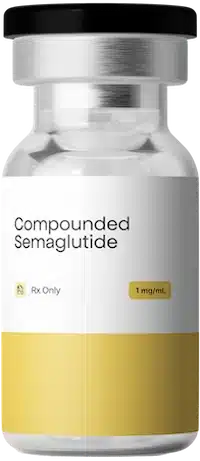
Noom GLP1 is not the same as Ozempic or Wegovy, though it can include those medications in certain plan tiers. Ozempic and Wegovy are brand-name versions of semaglutide manufactured by Novo Nordisk. Noom’s GLP-1Rx and GLP-1Rx Plus plans can involve brand-name medications, but many users on the Microdose plan receive compounded semaglutide from a licensed compounding pharmacy instead [7][8].
Key distinctions:
- Brand-name semaglutide (Ozempic/Wegovy): FDA-approved, manufactured by Novo Nordisk, typically more expensive, covered by some insurance plans
- Compounded semaglutide: Prepared by a licensed compounding pharmacy, not FDA-approved as a finished drug product, generally less expensive, legal under specific regulatory conditions
- Tirzepatide (Mounjaro/Zepbound): A dual GIP/GLP-1 agonist, available through some Noom Med tiers as well
Noom has been outspoken about access to compounded GLP-1s and has publicly pushed back against advertising restrictions that limit patient awareness of compounded options [2]. The company’s GLP-1 Access and Transparency page outlines its position on this issue [4].
If you are wondering about the regulatory landscape around compounded semaglutide, this FDA rules on compounded semaglutide 2026 update article covers the current legal framework in detail.
“The goal of Noom GLP1 is not just to prescribe a medication, it is to pair that medication with the behavioral infrastructure that makes weight loss last.”, Noom Med program overview [1]
How Much Does Noom GLP1 Cost Per Month
Noom GLP1 pricing varies by plan tier, and costs have been updated for 2026. The entry-level Microdose plan starts at $119 per month and includes both the compounded medication and access to the Noom coaching platform [8]. Higher tiers cost more depending on dosage and medication type.
Here is a summary of the current plan structure [6][7]:
| Plan | What It Includes | Starting Price |
|---|---|---|
| Microdose GLP-1 | Low-dose compounded semaglutide + coaching | From $119/mo |
| GLP-1Rx | Standard-dose GLP-1 medication + coaching | Higher tier |
| GLP-1Rx Plus | Higher-dose or tirzepatide options + coaching | Premium tier |
| GLP-1 Companion | Behavioral coaching only, no medication | Lower cost |
Noom does not accept insurance for its GLP-1 programs directly, though some users may be able to seek partial reimbursement through FSA or HSA accounts. If cost is a primary concern, it is worth comparing options. Our roundup of the best cheap GLP-1 program options covers several alternatives under $200 per month, and the best GLP-1 under $300 guide is also useful for budget-conscious shoppers.
Noom GLP1 Reviews: Does It Actually Work
Based on program marketing and user reports, Noom GLP1 produces meaningful weight loss for many users, though results vary significantly. Noom’s own materials cite average losses of 11 to 25 lbs in 60 to 90 days across its GLP-1 program participants [8]. That range reflects real variation: some users lose more, some less, and a subset see minimal results.
What users report positively:
- Reduced appetite within the first 2 to 4 weeks of starting medication
- The combination of medication and coaching felt more structured than medication alone
- Convenient all-in-one platform for tracking, coaching, and prescription management
- The Microdose option appealed to people who were nervous about full-dose side effects
What users report as drawbacks:
- Higher tiers can become expensive without insurance coverage
- Some users felt the coaching content was repetitive after the first few weeks
- Compounded medication availability can vary depending on regulatory changes
- Customer service response times have drawn criticism in some reviews
The honest answer is that GLP-1 medications work well for most people who take them consistently and pair them with dietary changes. Noom’s behavioral layer adds genuine value for users who need accountability and structure. But the medication is doing most of the heavy lifting on appetite suppression.
Who Is Noom GLP1 Right For
Noom GLP1 is best suited for adults with a BMI of 27 or higher who have not achieved adequate results through diet and exercise alone, and who want both medical and behavioral support in one program. It is also a reasonable option for people who are curious about GLP-1 medications but want a lower entry point through the Microdose plan before committing to a higher dose.
Good candidates:
- Adults with a BMI of 27+ (or 25+ with a weight-related condition)
- People who want structured coaching alongside their medication
- Those who prefer an all-digital, telehealth-based experience
- Users who want to start at a low dose and titrate gradually
Less ideal for:
- People with a personal or family history of medullary thyroid carcinoma or MEN2 syndrome (GLP-1 medications are contraindicated)
- Those with active pancreatitis or severe gastrointestinal conditions
- People who need in-person medical oversight
- Anyone looking for the lowest possible price point without coaching (other providers may be cheaper for medication alone)
Noom GLP1 Side Effects: What to Expect
The most common side effects of Noom GLP1 medications are nausea, vomiting, diarrhea, constipation, and fatigue, particularly during the dose escalation phase. These are typical of all GLP-1 receptor agonists and are not unique to Noom’s program [3].
Most side effects are mild to moderate and tend to improve after the first 4 to 8 weeks as your body adjusts. Noom’s SmartDose titration approach is designed to minimize side effects by increasing doses gradually rather than jumping to a therapeutic dose quickly [4].
Side effect management tips:
- Eat smaller, lower-fat meals to reduce nausea
- Stay well hydrated throughout the day
- Avoid eating right before your injection
- Contact your provider if you experience severe abdominal pain, which can signal pancreatitis
Rare but serious risks include pancreatitis, gallbladder disease, and potential thyroid concerns (based on animal studies). These risks apply to all GLP-1 medications, not just those prescribed through Noom.
How to Get a Noom GLP1 Prescription Online
Getting a Noom GLP1 prescription is a fully online process that takes most users less than 30 minutes to initiate. You do not need to visit a clinic or have a prior relationship with a Noom provider.
Step-by-step process:
- Visit Noom.com/med and complete the health intake questionnaire [1]
- Answer questions about your weight history, medical conditions, current medications, and goals
- A licensed provider reviews your intake, typically within 24 to 48 hours
- If approved, your prescription is sent to a pharmacy partner
- Medication arrives by mail, usually within 5 to 7 business days
- You begin the Noom coaching curriculum and track progress through the app
The provider review step is not a rubber stamp. Noom’s clinical team screens for contraindications and may request additional information or decline to prescribe if your health profile is not a fit. This is a legitimate medical process, not a vending machine.
If you want to compare this process to other telehealth GLP-1 providers, the Measured GLP-1 review and Shed GLP-1 reviews offer useful side-by-side context.
Noom GLP1 vs Other Weight Loss Programs
Noom GLP1 sits in a distinct category: it is neither a pure telehealth prescription service nor a traditional diet program. Compared to competitors, it offers more behavioral infrastructure than most medication-only providers, but costs more than bare-bones compounded semaglutide services.
Noom GLP1 vs WeightWatchers (WW): WeightWatchers added GLP-1 support through its Clinic offering, but Noom’s integration of medication and coaching within a single platform is more seamless. Noom also has a longer track record in behavioral weight loss [10].
Noom GLP1 vs Ro Body: Ro is a telehealth-first provider that prescribes GLP-1 medications with some coaching support. Ro may be cheaper for medication-only access, but Noom’s coaching curriculum is more developed.
Noom GLP1 vs Hims Weight Loss: Hims offers compounded semaglutide at competitive prices. See the Hims weight loss review for a detailed breakdown of how it compares on cost and support.
Choose Noom GLP1 if: You want one platform that handles both the prescription and the behavioral coaching, and you value the structured habit-building component.
Choose a competitor if: You only want the medication at the lowest possible price and are comfortable managing your own behavioral strategies.
Can I Use Noom GLP1 If I Have Diabetes
Yes, GLP-1 medications are commonly used in people with type 2 diabetes, and Noom Med can prescribe to eligible patients with diabetes. In fact, semaglutide (the active ingredient in Ozempic) was originally approved for type 2 diabetes management before it was approved for weight loss. However, there are important considerations.
- If you are already on insulin or other diabetes medications, your provider needs to know, as GLP-1 medications can lower blood sugar and increase hypoglycemia risk when combined with insulin
- People with type 1 diabetes are generally not candidates for GLP-1 weight loss programs
- Your provider may want to coordinate with your primary care physician or endocrinologist
- Blood sugar monitoring may be recommended more frequently during the first few months
If you have diabetes and are exploring GLP-1 options, it is worth reading about GLP-1 weight loss medications more broadly to understand how they interact with diabetes management.
Noom GLP1 Not Working: Why Am I Not Losing Weight
If you are on Noom GLP1 and not seeing results, the most common reasons are inconsistent medication use, insufficient dietary changes, being on too low a dose, or an underlying metabolic issue that needs medical attention.
Common reasons weight loss stalls:
- Dose is too low: The Microdose plan uses sub-therapeutic doses by design. Some users need to titrate up to see significant weight loss
- Dietary habits have not changed: GLP-1 medications reduce appetite but do not eliminate the need for a caloric deficit. If you are eating back the calories you save, weight loss stalls
- Medication adherence issues: Missing injections or storing medication incorrectly can reduce effectiveness
- Plateau effect: Weight loss often slows after the first 8 to 12 weeks as the body adapts
- Underlying conditions: Hypothyroidism, PCOS, or insulin resistance can blunt weight loss response
What to do: Contact your Noom provider to discuss a dose adjustment or medication switch. Do not stop the medication without medical guidance, as abrupt discontinuation can lead to rapid weight regain.
Noom GLP1 Common Mistakes People Make
The biggest mistake people make with Noom GLP1 is treating the medication as the only intervention and ignoring the behavioral coaching component. GLP-1 medications are powerful appetite suppressants, but they work best when paired with consistent dietary changes and physical activity.
Other common mistakes:
- Starting at the Microdose level and expecting full-dose results without titrating up
- Not reporting side effects to their provider, which delays dose adjustments
- Stopping the medication as soon as they hit a goal weight without a tapering plan
- Skipping the coaching modules because they feel optional
- Not disclosing all current medications during the intake process, which creates drug interaction risks
Noom GLP1 Diet Plan: What Should I Eat
There is no single mandated diet plan within Noom GLP1, but the program’s coaching curriculum emphasizes calorie awareness, nutrient density, and what Noom calls its color-coded food system (green, yellow, and orange foods based on caloric density). The GLP-1 medication will naturally reduce your appetite, so the dietary focus shifts to making sure the calories you do eat are nutrient-rich.
General eating principles on Noom GLP1:
- Prioritize protein at every meal to preserve muscle mass during weight loss
- Eat slowly and stop at the first sign of fullness, as GLP-1 medications slow gastric emptying
- Avoid high-fat, greasy meals, which tend to worsen nausea
- Stay hydrated, as reduced appetite can also reduce fluid intake
- Do not skip meals entirely, which can cause blood sugar dips and fatigue
How Long Does It Take to See Results With Noom GLP1
Most users on Noom GLP1 begin to notice appetite reduction within the first 1 to 2 weeks of starting medication. Visible weight loss typically begins within 4 to 6 weeks, with more significant results appearing at the 8 to 12 week mark. Noom’s program marketing cites 11 to 25 lbs in 60 to 90 days [8], which aligns with clinical data on semaglutide at therapeutic doses.
Realistic timeline:
- Weeks 1 to 2: Appetite reduction begins; some users experience early side effects
- Weeks 3 to 6: First noticeable weight loss, typically 4 to 8 lbs depending on dose and diet
- Weeks 8 to 12: More consistent loss; behavioral habits begin to solidify
- Months 4 to 6: Plateau risk increases; dose adjustment may be needed
Results at the Microdose level will generally be slower and more modest than at standard therapeutic doses. If you are on the Microdose plan and not seeing results after 8 weeks, discuss titrating up with your provider.
Noom GLP1 Eligibility Requirements and Medical Screening
To qualify for Noom GLP1, you generally need a BMI of 27 or higher, or a BMI of 25 or higher with at least one weight-related health condition such as hypertension, type 2 diabetes, or high cholesterol. You must also be a U.S. resident in a state where Noom Med operates, which covers most but not all states [1].
Standard eligibility criteria:
- Age 18 or older
- BMI of 27+ (or 25+ with a qualifying condition)
- No personal or family history of medullary thyroid carcinoma or MEN2 syndrome
- No active pancreatitis
- Not currently pregnant or breastfeeding
- Willing to complete the full medical intake process
The medical screening involves a detailed health questionnaire reviewed by a licensed provider. Some applicants may be asked to provide lab results or additional documentation. Noom does not currently require an in-person visit or blood draw as part of standard enrollment, though this may vary by state.
7 Best GLP-1 Providers Ranked: Accreditation, Flexibility & Support Compared (2026 Update)
32,000+ Patients Can't All Be Wrong: See the Top-Rated GLP-1 Providers: Compared on accreditation, plan flexibility, and patient support — updated for 2026.
BMI MD GLP-1 Microdosing Plan
- Specialized microdosing options (sublingual drops or low-dose injections)
- Ideal for maintaining weight or tapering off higher doses safely
- Fully bundled plan with no hidden monthly platform memberships
DirectMeds Weight Loss Solutions
- Sourced from accredited, state-licensed 503A compounding pharmacies
- No-frills high-volume savings passed directly to the patient
- Includes clinical consultation and cold-chain shipping updates
MEDVi Flat-Rate Telehealth
- Flat monthly rate holds steady even at maximum maintenance doses
- No dosage upcharges or graduation fee penalties
- Offers both injectable and advanced oral thin-film delivery options
Gala GLP-1 Care Program
- All-inclusive plan with no standalone membership costs
- Continuous text-based messaging access with state-licensed clinicians
- Temperature-controlled, cold-chain medication shipping included
Measured GLP-1 Metabolic Health
- Comprehensive metabolic health screening and expert intake analysis
- Predictable long-term budgeting with stable plan pricing
- High-end responsive dashboard with integrated diagnostic support
Refills GLP-1 (TryRefills Plan)
- Flat rate holds steady as titration scales up
- Includes clinical guides for active side-effect management
- Bundles in foundational nutritional strategies alongside medication
AltRx GLP-1 Transactional Reorders
- Zero recurring auto-billing — pay entirely on a transactional basis
- Rapid text-to-order format saves time for experienced patients
- Provides both injectable forms and fast-dissolving tablet variations
Conclusion
Noom GLP1 is a legitimate, medically supervised weight loss program that combines the appetite-suppressing power of GLP-1 medications with structured behavioral coaching. It is not a shortcut, but for adults who have struggled with weight loss through diet and exercise alone, it offers a meaningful combination of tools in one accessible platform.
Actionable next steps:
- Visit Noom.com/med and complete the free health intake to check your eligibility
- Compare plan tiers carefully. If cost is a concern, start with the Microdose plan or explore the best cheap GLP-1 program alternatives
- If you are already on a GLP-1 medication from another provider, the GLP-1 Companion plan may be a lower-cost way to add behavioral support
- Review the FDA rules on compounded semaglutide before starting, so you understand what you are receiving
- Be honest in your medical intake. Disclosing all medications and conditions protects your safety and ensures the right prescription
GLP-1 medications are among the most effective weight loss tools available in 2026. Noom’s approach of pairing them with behavioral coaching is well-reasoned. Whether it is the right program for you depends on your budget, your need for structured support, and your eligibility. The intake process is free and takes less than 30 minutes, so there is little reason not to check.
FAQ
What is Noom Med? Noom Med is the medical weight loss division of Noom that prescribes GLP-1 medications and pairs them with the company’s behavioral coaching platform. It operates as a telehealth service available in most U.S. states.
Is compounded semaglutide from Noom safe? Compounded semaglutide is legal when prepared by a licensed compounding pharmacy operating under FDA oversight. It is not FDA-approved as a finished drug product, but it uses the same active ingredient as brand-name Ozempic and Wegovy. Safety depends on the pharmacy’s quality standards.
Can I cancel Noom GLP1 anytime? Noom’s subscription plans can generally be cancelled, but you should review the specific cancellation terms for your plan tier before enrolling, as some plans have minimum commitment periods.
Does Noom GLP1 work without the coaching? The medication component drives most of the appetite suppression and weight loss. However, research consistently shows that behavioral support improves long-term outcomes. Skipping the coaching reduces your chances of maintaining results after stopping medication.
What happens when I stop Noom GLP1? Most people experience some weight regain after stopping GLP-1 medications, particularly if behavioral habits have not been solidified. Noom’s coaching is designed to help users build habits that persist after medication ends, but this varies by individual.
Is Noom GLP1 covered by insurance? Noom does not directly bill insurance for its GLP-1 programs. Some users may be able to use FSA or HSA funds. Brand-name GLP-1 medications may be covered by insurance if obtained through a separate prescription channel.
How is Noom GLP1 different from just getting a semaglutide prescription from my doctor? A standalone prescription from your doctor gives you the medication but no structured behavioral support. Noom GLP1 bundles coaching, food tracking, habit modules, and provider oversight into a single monthly subscription.
What is the GLP-1 Companion plan? The GLP-1 Companion is a lower-cost plan for people who already have a GLP-1 prescription from another provider. It gives them access to Noom’s behavioral coaching and tracking tools without a new medication prescription.
Does Noom GLP1 offer tirzepatide? Yes, tirzepatide (the active ingredient in Mounjaro and Zepbound) is available through some Noom Med tiers, typically at higher price points than semaglutide-based plans.
How do I know if I qualify for Noom GLP1? Complete the free online health intake at Noom.com/med. A licensed provider reviews your information and determines eligibility based on BMI, health history, and contraindications.
References
[1] Noom Med – https://www.noom.com/med/
[2] Noom WSJ Ad Policy Changes Compounded GLP-1s – https://www.mmm-online.com/news/noom-wsj-ad-policy-changes-compounded-glp-1s/
[3] GLP-1 Microdosing For Weight Loss: Experts Weigh The Pros And Cons – https://www.medicalnewstoday.com/articles/glp-1-microdosing-for-weight-loss-experts-weigh-the-pros-and-cons
[4] GLP-1 Access and Transparency – https://www.noom.com/glp-1-access-and-transparency/
[5] Noom Cost – https://www.noom.com/blog/weight-management/noom-cost-2/
[6] Noom Med Pricing – https://www.noom.com/med/pricing/
[7] GLP-1Rx – https://www.noom.com/med/glp-1rx/
[8] Noom Launches Microdose GLP-1 Program – https://www.noom.com/in-the-news/noom-launches-microdose-glp-1-program-enabling-weight-loss-without-the-side-effects-and-priced-at-119-to-start-including-medication-and-microhabits-program/
[9] Noom – https://www.noom.com/
[10] Noom vs Weight Watchers – https://www.noom.com/blog/weight-management/noom-vs-weight-watchers/


