
Tirzepatide Microdosing: Low-Dose Protocols, Weight Loss Results, and Safety


Last updated: October 3, 2026
Quick Answer
Tirzepatide microdosing refers to taking doses below the FDA-approved starting threshold of 2.5 mg weekly, typically in the range of 0.5 to 2 mg, with the goal of reducing side effects while still activating the drug’s appetite-suppressing and metabolic effects. This practice is off-label, not endorsed by any regulatory agency or major clinical guideline body, and is almost always done through compounded tirzepatide rather than branded Mounjaro or Zepbound. Anyone considering it should work directly with a licensed clinician.
Key Takeaways
- Tirzepatide microdosing uses sub-therapeutic doses (roughly 0.5-2 mg) that fall below the FDA-approved minimum starting dose of 2.5 mg weekly
- It is off-label and not supported by the American Diabetes Association, the FDA, or the drug’s manufacturer
- No randomized controlled trials have specifically tested microdosing regimens; most evidence comes from anecdote and small clinical observations
- Some clinicians use it to ease sensitive patients into treatment, particularly those prone to nausea, vomiting, or GI distress
- Compounded tirzepatide is the most common source for microdosing protocols, since branded pens are not designed for sub-2.5 mg delivery
- Results may be slower or weaker than standard dosing, and long-term safety at these doses is unknown
- Microdosing is not the same as simply staying at a lower maintenance dose, it refers specifically to doses below the approved titration floor
- Always get a prescription and medical supervision before starting any tirzepatide microdosing program
What Is Tirzepatide Microdosing and How Does It Work?
Tirzepatide microdosing means taking doses of tirzepatide that are smaller than the FDA-approved starting dose of 2.5 mg weekly. In practice, this usually means weekly or daily injections in the 0.5 mg to 2 mg range, delivered via compounded tirzepatide solutions [9].
7 Best GLP-1 Providers Ranked: Accreditation, Flexibility & Support Compared (2026 Update)
32,000+ Patients Can't All Be Wrong: See the Top-Rated GLP-1 Providers. We compared the leading online GLP-1 providers based on program features, clinical support, convenience, and overall value.
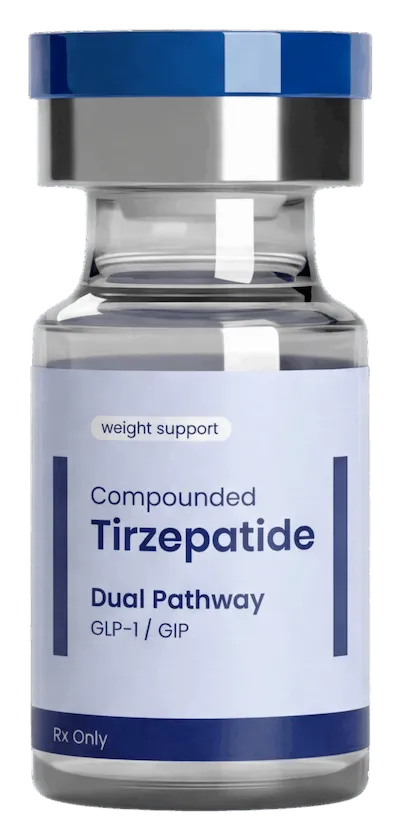
BMI MD GLP-1 Microdosing Plan
- Specialized microdosing options, including sublingual drops and low-dose injections
- Designed for people interested in maintaining weight or gradually adjusting treatment
- Bundled program structure without a separate monthly platform membership
- Online access makes the process convenient from home

DirectMeds Weight Loss Solutions
- Online weight-loss program with a straightforward patient experience
- Compounded medication options through state-licensed compounding pharmacies
- Includes clinical consultation as part of the process
- Provides shipping updates to help patients track their orders
MEDVi Flat-Rate Telehealth
- Flat-rate telehealth approach designed for easier budgeting
- No dosage-based pricing increases within the advertised program structure
- Offers injectable and oral thin-film delivery options
- Includes medical screening and asynchronous provider consultations
Gala GLP-1 Care Program
- Text-based access to state-licensed clinicians
- Cold-chain medication shipping included in the program
- Month-to-month program structure
- Designed for people who value convenient ongoing support
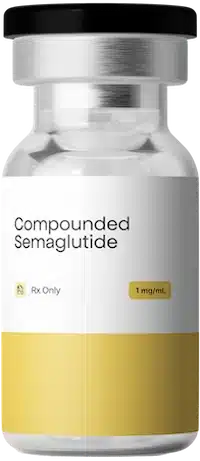
Measured GLP-1 Metabolic Health
- Comprehensive metabolic health screening and intake analysis
- Designed around longer-term metabolic health management
- Responsive dashboard with integrated health tracking tools
- Useful option for patients who value a more data-focused experience
Refills GLP-1 (TryRefills Plan)
- Clinical guidance designed to help patients manage common treatment concerns
- Includes foundational nutritional strategies alongside medication
- Designed around predictable ongoing treatment
- No hidden startup or processing fees according to the program information provided
AltRx GLP-1 Transactional Reorders
- Transactional reorder model without recurring auto-billing
- Designed for patients who already understand their treatment routine
- Fast text-to-order process for convenient reorders
- Offers injectable and fast-dissolving tablet variations
Tirzepatide itself is a dual GIP and GLP-1 receptor agonist. It works by mimicking two gut hormones that regulate appetite, blood sugar, and fat storage. At standard doses, this leads to significant reductions in hunger and, over time, meaningful weight loss. The theory behind microdosing is that even small amounts of the drug can begin activating these receptors, enough to reduce appetite and improve insulin sensitivity, while producing fewer of the gastrointestinal side effects that cause many people to quit treatment early [3][4].
Some telehealth clinics have formalized microdosing protocols using compounded tirzepatide. One example starts patients at 0.6 mg daily for two weeks, then steps up to 1.2 mg, 1.8 mg, 2.4 mg, and eventually 3 mg daily, all using a 15 mg/mL solution [7]. This is very different from the standard once-weekly FDA-approved schedule and is explicitly experimental.
A 2026 academic review described how multi-dose pens can technically deliver fractional “clicks” below a full dose, but emphasized that this approach is not part of the manufacturer’s intended use and has no regulatory backing [4].
Bottom line: Microdosing tirzepatide is a real clinical practice used by some physicians, but it operates entirely outside approved guidelines and relies heavily on compounded formulations.
Tirzepatide Microdosing vs. Regular Dosing: What’s the Difference?
Standard tirzepatide dosing starts at 2.5 mg subcutaneously once weekly for four weeks, then increases in 2.5 mg increments every four weeks or more, up to a maximum of 15 mg weekly [5][8]. Microdosing, by contrast, starts below that 2.5 mg floor and may use daily rather than weekly injections.
Here is a side-by-side comparison:
| Feature | Standard Dosing | Microdosing |
|---|---|---|
| Starting dose | 2.5 mg/week | 0.5-0.6 mg/day or week |
| Frequency | Once weekly | Daily or weekly (varies) |
| FDA-approved? | Yes | No, off-label |
| Typical source | Branded Mounjaro/Zepbound | Compounded tirzepatide |
| Evidence base | Multiple large RCTs | Anecdotal/small case reports |
| Primary goal | Significant weight loss + glycemic control | Gentle introduction, fewer GI side effects |
The key practical difference is that microdosing is not just a “lower rung” on the standard titration ladder, it is a separate, informal protocol that uses doses the approved titration schedule does not include [9].
Is Tirzepatide Microdosing Safe for Weight Loss?
Tirzepatide microdosing carries the same class-level risks as standard dosing, including nausea, vomiting, diarrhea, and potential pancreatitis risk, but the long-term safety profile at sub-therapeutic doses is simply unknown because no large clinical trials have studied it [6][9].
Cleveland Clinic’s July 2026 guidance warns that microdosing GLP-1 medications is not backed by standard guidelines and that patients should not adjust doses without clinician oversight [6]. MU Health Care similarly cautions that progressing at non-standard rates may compromise both efficacy and safety [1].
What we do and don’t know:
- Known: Tirzepatide at approved doses has a well-characterized safety profile from large trials
- Unknown: Whether sub-2.5 mg doses alter the risk of pancreatitis, gallbladder disease, or thyroid concerns
- Known: GI side effects may be less intense at lower doses
- Unknown: Whether the reduced dose still provides meaningful metabolic benefit for most people
- Known: Compounded products carry additional quality and consistency risks not present with branded medications
The honest answer is that microdosing may be safer in terms of GI tolerance for sensitive individuals, but “safer from nausea” is not the same as “proven safe overall.” Anyone using compounded tirzepatide for microdosing should source it from a reputable, licensed compounding pharmacy. You can find guidance on that in our review of the best compounding pharmacy for tirzepatide.
Tirzepatide Microdosing Side Effects: What Should I Expect?
The most commonly reported side effects of tirzepatide microdosing mirror those of standard dosing but tend to be milder at lower doses. That is actually the main reason people choose microdosing in the first place.
Common side effects at micro doses:
- Mild nausea, especially in the first one to two weeks
- Loose stools or mild diarrhea
- Reduced appetite (this is the intended effect, not a side effect per se)
- Injection site reactions if using subcutaneous delivery
- Fatigue or lightheadedness, particularly if caloric intake drops sharply
Less common but worth knowing:
- Constipation (more common at higher doses but possible)
- Headache
- Heartburn or reflux
Because microdosing protocols often use daily injections rather than weekly ones, some patients report more consistent but lower-level nausea compared to the “peak and trough” pattern of weekly injections [7][9].
Common mistake: Assuming that a low dose means zero side effects. Even 0.6 mg of tirzepatide activates GLP-1 and GIP receptors and can cause GI symptoms, especially in the first two weeks.
Who Is Tirzepatide Microdosing Good For?
Tirzepatide microdosing is best suited for adults who want to start GLP-1 therapy but have a history of GI sensitivity, have stopped previous GLP-1 treatments due to nausea, or are in a population where a gentler introduction makes clinical sense [2][3].
Some clinicians also consider it for:
- Women in perimenopause or menopause who are more sensitive to hormonal and metabolic shifts [2]
- People with a low body weight or smaller frame who may respond strongly to even low doses
- Patients who previously tried semaglutide and could not tolerate it
- Adults who want metabolic benefits (improved insulin sensitivity, reduced appetite) without aggressive weight loss
A 2025 Medscape report described physicians starting women at approximately 1.5 mg and men at 1.8-2 mg tirzepatide as a personalized, off-label starting strategy, explicitly below the labeled 2.5 mg minimum and described as individualized rather than standardized [13, cited in source material].
Choose standard dosing if: You have no history of GI intolerance, your primary goal is significant weight loss, and you have access to branded Mounjaro or Zepbound through insurance or an affordable program.
Choose microdosing if: You have tried and stopped a GLP-1 due to side effects, you are highly GI-sensitive, or your clinician recommends a slower titration approach.
Can You Get Tirzepatide Microdosing Prescribed, or Is It Off-Label?
Tirzepatide microdosing is off-label. No regulatory agency approves doses below 2.5 mg weekly, and neither Eli Lilly (the manufacturer) nor any major clinical guideline body endorses microdosing protocols [4][6].
That said, physicians in the United States can legally prescribe any FDA-approved drug off-label. A licensed clinician can write a prescription for compounded tirzepatide at a dose below the approved floor, and compounding pharmacies can prepare it. This is how most microdosing programs operate.
To get a legitimate prescription:
- Consult a physician, nurse practitioner, or telehealth provider who specializes in metabolic health or obesity medicine
- Discuss your history with GLP-1 medications and your reasons for wanting a lower starting dose
- Obtain a prescription for compounded tirzepatide at the desired concentration
- Source it from a licensed 503A or 503B compounding pharmacy
For a deeper look at what compounded tirzepatide involves, see our guide to compounded tirzepatide: what you need to know.
Important: Do not attempt to self-administer microdoses by splitting a branded pen’s dose on your own. Multi-dose pens are not calibrated for sub-approved doses, and the academic literature flags this as experimental and potentially inaccurate [4].
How Much Does Tirzepatide Microdosing Cost?
Tirzepatide microdosing through a compounding pharmacy is generally less expensive than branded Mounjaro or Zepbound, but costs vary widely depending on the clinic, the pharmacy, and the dose.
Compounded tirzepatide programs typically range from roughly $150 to $400 per month, depending on dose, concentration, and provider fees. Microdosing protocols that use lower total monthly doses may fall at the lower end of that range. For a full breakdown of what to expect, see our tirzepatide cost review and our guide to compounded tirzepatide pharmacy costs.
Telehealth platforms that offer microdosing programs typically bundle the prescription fee, the pharmacy cost, and clinical check-ins into a monthly subscription. Always confirm what is included before signing up.
For those looking at the most affordable options, our resource on cheapest tirzepatide online covers legitimate low-cost sources.
How Long Does It Take to See Results from Tirzepatide Microdosing?
Results from tirzepatide microdosing come more slowly than from standard dosing, because the doses are lower and the titration is more gradual. Most people report noticeable appetite reduction within two to four weeks, but meaningful weight loss typically takes longer, often two to three months or more at micro doses.
At standard doses, tirzepatide clinical trials showed roughly 5% body weight loss at 12 weeks and 15-20% at one year in participants with obesity. Microdosing, by definition, uses lower exposures, so weight loss targets should be adjusted accordingly [9].
Realistic expectations for microdosing:
- Weeks 1-2: Mild appetite reduction, possible GI adjustment period
- Weeks 3-6: More consistent appetite suppression, early weight changes
- Months 2-3: Gradual weight loss, improved energy regulation
- Months 3+: Continued slow loss if titrating upward toward therapeutic doses
If you are not seeing any results after six to eight weeks at a consistent microdose, that is a signal to discuss dose escalation with your clinician.
Tirzepatide Microdosing Not Working: Why Am I Not Seeing Results?
If tirzepatide microdosing is not producing results, the most common reasons are that the dose is too low to produce a meaningful metabolic effect, the titration schedule is too slow, or the approach is not being paired with dietary changes.
Other reasons microdosing may underperform:
- Dose too low for your body weight: A 0.6 mg dose may be pharmacologically insufficient for someone with a higher body mass
- Compounded product quality issues: Inconsistent concentration or degraded product from a low-quality pharmacy
- No dietary adjustment: Tirzepatide reduces appetite but does not override a high-calorie diet entirely
- Unrealistic timeline: Expecting standard-dose results from sub-therapeutic doses
- Missed doses: Daily protocols require consistency; missed days reduce total weekly exposure
Edge case: Some people are non-responders to GLP-1 receptor agonists regardless of dose. If you have tried both semaglutide and tirzepatide at adequate doses without response, a different mechanism of action may be needed.
Reading tirzepatide reviews by patients can give you a realistic picture of what others have experienced at various dose levels.
Is Tirzepatide Microdosing the Same as Semaglutide Microdosing?
Tirzepatide microdosing and semaglutide microdosing share the same general concept, using sub-approved doses to reduce side effects and ease into treatment, but they are not the same drug or the same protocol.
Key differences:
- Mechanism: Semaglutide is a GLP-1 receptor agonist only; tirzepatide activates both GLP-1 and GIP receptors, making it a dual agonist with a distinct pharmacological profile
- Approved doses: Semaglutide (Wegovy) starts at 0.25 mg weekly; tirzepatide starts at 2.5 mg weekly, a ten-fold difference in milligram amounts
- Microdose range: Semaglutide microdoses are typically 0.05-0.1 mg; tirzepatide microdoses are typically 0.5-2 mg
- Potency comparison: The drugs cannot be compared milligram-for-milligram; tirzepatide is active at much higher absolute doses because it is a different molecule
Both are off-label when used below their approved starting doses, and neither has randomized trial data supporting formal microdosing protocols [6][9].
Tirzepatide Microdosing for Diabetes vs. Weight Loss: Is There a Difference?
For diabetes management, the therapeutic goal of tirzepatide is glycemic control, and sub-therapeutic doses may not lower HbA1c adequately. For weight loss, even modest appetite suppression at low doses can produce some benefit, making microdosing slightly more defensible as a weight management entry strategy than as a diabetes treatment.
Mounjaro is FDA-approved for type 2 diabetes; Zepbound is approved for chronic weight management. Both use the same 2.5 mg starting dose and the same titration schedule [5]. Neither label mentions or endorses microdosing for either indication.
For people with type 2 diabetes: Do not use microdosing as a substitute for guideline-directed diabetes therapy. The American Diabetes Association does not endorse sub-therapeutic GLP-1 dosing [1][6], and inadequate glycemic control carries real health risks.
For weight loss without diabetes: The stakes of a slightly lower dose are less acute, which is why most microdosing programs target this population. Still, the lack of clinical trial data means you are accepting unknown risk-benefit tradeoffs.
Tirzepatide Microdosing Alternatives: What Else Can I Try?
If tirzepatide microdosing does not appeal to you, or if you cannot access compounded tirzepatide, there are several alternatives worth considering.
Alternatives to tirzepatide microdosing:
- Standard tirzepatide at 2.5 mg weekly: The FDA-approved starting dose is already the lowest approved level; many people tolerate it well with anti-nausea strategies like eating a small snack before injection
- Semaglutide (Ozempic/Wegovy): Starts at 0.25 mg weekly, which is already a very low dose; some people find it gentler than tirzepatide
- Oral tirzepatide options: Some compounding pharmacies now offer oral formulations; see our review of Medvi tirzepatide tablets for one example
- Lifestyle-based metabolic programs: Structured dietary changes, resistance training, and sleep optimization can meaningfully improve insulin sensitivity without medication
- Other GLP-1 medications: Liraglutide (Victoza/Saxenda) has a longer track record and different titration profile that some patients tolerate better
For a comparison of costs across GLP-1 options, our guide on the cost of GLP-1, semaglutide, and compounded tirzepatide is a useful starting point.
Common Mistakes People Make with Tirzepatide Microdosing
Most problems with tirzepatide microdosing come down to poor sourcing, unrealistic expectations, or lack of medical supervision.
The most common mistakes:
Sourcing from unregulated suppliers. Compounded tirzepatide must come from a licensed 503A or 503B pharmacy. Buying from unverified online sources risks receiving mislabeled, contaminated, or ineffective product.
Self-adjusting doses without clinician input. Increasing your dose faster than your protocol specifies, because you are not seeing results quickly enough, increases GI side effect risk and bypasses the safety rationale for microdosing in the first place.
Expecting standard-dose results. Microdosing is not a shortcut to the same outcomes as 10 or 15 mg weekly. It is a gentler entry strategy, not an equivalent one.
Skipping dietary changes. The drug reduces appetite; it does not replace a caloric deficit. Patients who do not adjust their eating patterns see significantly slower results.
Stopping too soon. Two weeks is not enough time to evaluate whether a microdose is working. Most protocols require at least four to six weeks at a stable dose before assessing response.
Ignoring warning signs. Severe abdominal pain, persistent vomiting, or signs of pancreatitis require immediate medical attention regardless of the dose being used.
Where Can I Get Tirzepatide Microdosing Legally?
Tirzepatide microdosing is legally accessible in the United States through a licensed clinician’s prescription and a licensed compounding pharmacy. You cannot legally obtain it without a prescription, and branded Mounjaro or Zepbound pens are not designed for microdosing.
Legal pathways:
- Telehealth platforms specializing in metabolic health or obesity medicine can evaluate you, write an off-label prescription, and connect you with a compounding pharmacy
- In-person obesity medicine clinics that offer individualized dosing protocols
- Licensed 503A compounding pharmacies that prepare tirzepatide at custom concentrations per a valid prescription
What to avoid:
- Any website selling tirzepatide without requiring a prescription
- “Research chemical” suppliers or gray-market peptide vendors
- Splitting or diluting branded pens yourself without clinical guidance
7 Best GLP-1 Providers Ranked: Accreditation, Flexibility & Support Compared (2026 Update)
32,000+ Patients Can't All Be Wrong: See the Top-Rated GLP-1 Providers: Compared on accreditation, plan flexibility, and patient support — updated for 2026.
BMI MD GLP-1 Microdosing Plan
- Specialized microdosing options (sublingual drops or low-dose injections)
- Ideal for maintaining weight or tapering off higher doses safely
- Fully bundled plan with no hidden monthly platform memberships
DirectMeds Weight Loss Solutions
- Sourced from accredited, state-licensed 503A compounding pharmacies
- No-frills high-volume savings passed directly to the patient
- Includes clinical consultation and cold-chain shipping updates
MEDVi Flat-Rate Telehealth
- Flat monthly rate holds steady even at maximum maintenance doses
- No dosage upcharges or graduation fee penalties
- Offers both injectable and advanced oral thin-film delivery options
Gala GLP-1 Care Program
- All-inclusive plan with no standalone membership costs
- Continuous text-based messaging access with state-licensed clinicians
- Temperature-controlled, cold-chain medication shipping included
Measured GLP-1 Metabolic Health
- Comprehensive metabolic health screening and expert intake analysis
- Predictable long-term budgeting with stable plan pricing
- High-end responsive dashboard with integrated diagnostic support
Refills GLP-1 (TryRefills Plan)
- Flat rate holds steady as titration scales up
- Includes clinical guides for active side-effect management
- Bundles in foundational nutritional strategies alongside medication
AltRx GLP-1 Transactional Reorders
- Zero recurring auto-billing — pay entirely on a transactional basis
- Rapid text-to-order format saves time for experienced patients
- Provides both injectable forms and fast-dissolving tablet variations
Conclusion
Tirzepatide microdosing is a real, clinician-used strategy for easing into GLP-1 therapy, but it is off-label, lacks randomized trial support, and should never be attempted without medical supervision. The core appeal is genuine: lower doses may reduce the nausea and GI distress that cause many people to abandon treatment before seeing results. For GI-sensitive adults, people with prior GLP-1 intolerance, or those who want a slower metabolic introduction, it is a reasonable conversation to have with a qualified provider.
Actionable next steps:
- Consult a licensed clinician who specializes in obesity medicine or metabolic health before starting any microdosing protocol
- If you pursue it, source your compounded tirzepatide only from a licensed 503A or 503B pharmacy
- Set realistic expectations, microdosing is a slower path, not a shortcut
- Pair any GLP-1 protocol with dietary changes and regular physical activity for best results
- Monitor for side effects and check in with your clinician at least monthly during the first three months
If cost is a barrier to standard tirzepatide treatment, review our tirzepatide monthly cost guide to understand your full range of options before defaulting to a microdosing approach.
FAQ
What is the typical microdose range for tirzepatide? Most microdosing protocols use between 0.5 mg and 2 mg per dose, well below the FDA-approved starting dose of 2.5 mg weekly. Some daily protocols start as low as 0.6 mg per day [7][9].
Is tirzepatide microdosing FDA-approved? No. Any dose below 2.5 mg weekly falls outside the FDA-approved dosing range for both Mounjaro and Zepbound. Microdosing is off-label and not endorsed by any regulatory agency [5][6].
Can I microdose tirzepatide using a branded Mounjaro or Zepbound pen? Branded pens are not designed or calibrated for sub-approved doses. Attempting to deliver fractional doses from a multi-dose pen is experimental and not recommended by the manufacturer [4].
Do I need a prescription for tirzepatide microdosing? Yes. Compounded tirzepatide at any dose requires a valid prescription from a licensed clinician. Purchasing tirzepatide without a prescription is illegal in the United States.
Will tirzepatide microdosing still cause nausea? Possibly, but typically less so than standard doses. GLP-1 receptor activation at any dose can cause GI symptoms, especially in the first one to two weeks [3][9].
How is tirzepatide microdosing different from just staying at 2.5 mg? The 2.5 mg weekly dose is the lowest FDA-approved dose. Microdosing refers specifically to doses below that floor, such as 0.5-2 mg. Staying at 2.5 mg is standard practice; going below it is off-label microdosing.
Is there any clinical trial data on tirzepatide microdosing? No randomized controlled trials have specifically evaluated tirzepatide microdosing regimens. The practice is supported mainly by anecdote, small case observations, and theoretical rationale [4][9].
Can tirzepatide microdosing help with type 2 diabetes? It may provide some glycemic benefit, but sub-therapeutic doses are unlikely to achieve adequate HbA1c control. The American Diabetes Association does not endorse microdosing for diabetes management [1][6].
How long should I stay on a microdose before increasing? Most protocols suggest staying at each dose level for at least two to four weeks before stepping up. Your clinician should guide the titration schedule based on your tolerance and response [7].
What happens if I stop tirzepatide microdosing? Appetite and metabolic effects are likely to reverse over time, similar to stopping standard-dose tirzepatide. There is no evidence that microdosing produces lasting changes after discontinuation.
References
[1] Thinking About Microdosing GLP-1? 5 Myths Debunked – https://livehealthy.muhealth.org/stories/thinking-about-microdosing-glp-1-5-myths-debunked
[2] Microdosing GLP-1 – https://www.joinmidi.com/post/microdosing-glp1
[3] Microdosing GLP-1s: A Doctor’s Guide to Gentle, Effective Metabolic Reset – https://www.dramersi.com/blog/microdosing-glp-1s-a-doctors-guide-to-gentle-effective-metabolic-reset
[4] PMC13511409 – https://pmc.ncbi.nlm.nih.gov/articles/PMC13511409/
[5] FDA Label 217806 – https://www.accessdata.fda.gov/drugsatfda_docs/label/2025/217806Orig1s020lbl.pdf
[6] Microdosing GLP-1 – Cleveland Clinic – https://health.clevelandclinic.org/microdosing-glp-1
[7] Microdosing Compounded Tirzepatide – Alan Meds – https://www.alanmeds.com/instructions/microdosing-compounded-tirzepatide
[8] Tirzepatide – Drugs.com – https://www.drugs.com/tirzepatide.html
[9] Microdosing Tirzepatide – https://www.vaccinealliance.org/tirzepatide/microdosing-tirzepatide/
[10] Switching Between Weight Loss Medications – Pharmaceutical Journal – https://pharmaceutical-journal.com/article/ld/switching-between-weight-loss-medications

With over 13 years of experience in holistic health blogging, I aim to help you navigate your wellness journey with honest insights, expert-backed advice, and a sprinkle of real-world practicality.
Certified Wellness Writer | Herbal Nutrition Advocate | Wellness Research Enthusiast


