noom microdose glp1

Last updated: October 4, 2026
Quick Answer
Noom Microdose GLP-1 is a telehealth weight-loss program that pairs low-dose compounded semaglutide (and in some cases tirzepatide) with Noom’s behavioral coaching app, starting at $119 per month. The “microdose” refers to a sub-standard starting dose designed to reduce common GLP-1 side effects like nausea while still producing meaningful appetite suppression and weight loss. A licensed provider reviews your intake, ships medication to your door, and Noom’s app guides daily habit-building alongside the medication.
Key Takeaways
- Noom Microdose GLP-1 uses compounded semaglutide at doses lower than those used in brand-name Ozempic or Wegovy, aiming to improve tolerability.
- The program starts at $119/month and includes both medication and access to Noom’s microhabits coaching platform [7].
- Eligibility requires an online health intake and provider approval; a prescription is required, but you obtain it through Noom’s telehealth process.
- Side effects are reported to be milder than standard GLP-1 doses, though clinical trial data specific to this program is still limited [3].
- Noom offers two tiers: a microdose plan and a standard GLP-1 Rx plan, so patients can escalate if needed [10].
- The program is not appropriate for everyone, including pregnant or breastfeeding individuals, people with certain thyroid conditions, or those with a history of pancreatitis.
- Results vary, but Noom reports that members using its GLP-1 programs see meaningful weight loss when medication is combined with behavioral coaching [7].
- Insurance rarely covers compounded GLP-1 medications, so most users pay out of pocket.
- Alternatives exist, including other telehealth GLP-1 programs, for those who don’t qualify or want to compare options.
What Is Noom Microdose GLP-1?
Noom Microdose GLP-1 is a structured weight-loss program that combines a low starting dose of a GLP-1 receptor agonist medication with Noom’s behavioral coaching platform. It launched in 2025 as Noom’s entry-level medical weight-loss offering, designed for people who want the metabolic benefits of GLP-1 therapy but are concerned about tolerability or cost [7].
7 Best GLP-1 Providers Ranked: Accreditation, Flexibility & Support Compared (2026 Update)
32,000+ Patients Can't All Be Wrong: See the Top-Rated GLP-1 Providers. We compared the leading online GLP-1 providers based on program features, clinical support, convenience, and overall value.
BMI MD GLP-1 Microdosing Plan
- Specialized microdosing options, including sublingual drops and low-dose injections
- Designed for people interested in maintaining weight or gradually adjusting treatment
- Bundled program structure without a separate monthly platform membership
- Online access makes the process convenient from home

DirectMeds Weight Loss Solutions
- Online weight-loss program with a straightforward patient experience
- Compounded medication options through state-licensed compounding pharmacies
- Includes clinical consultation as part of the process
- Provides shipping updates to help patients track their orders
MEDVi Flat-Rate Telehealth
- Flat-rate telehealth approach designed for easier budgeting
- No dosage-based pricing increases within the advertised program structure
- Offers injectable and oral thin-film delivery options
- Includes medical screening and asynchronous provider consultations
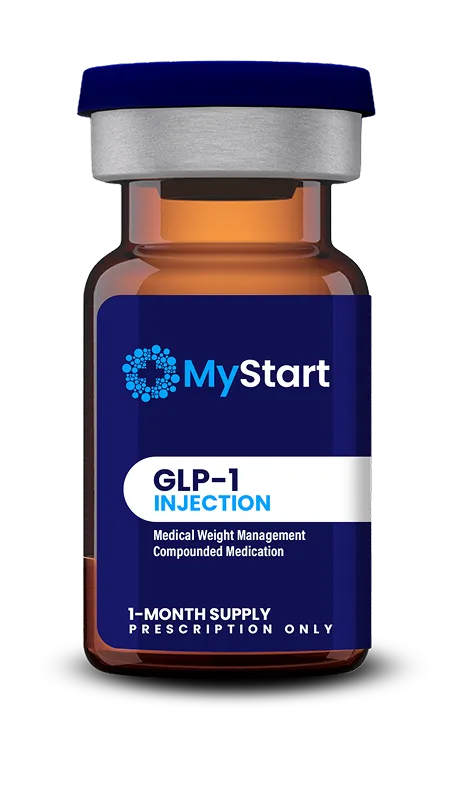
Gala GLP-1 Care Program
- Text-based access to state-licensed clinicians
- Cold-chain medication shipping included in the program
- Month-to-month program structure
- Designed for people who value convenient ongoing support
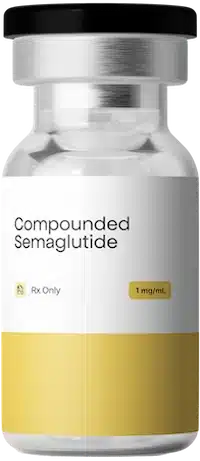
Measured GLP-1 Metabolic Health
- Comprehensive metabolic health screening and intake analysis
- Designed around longer-term metabolic health management
- Responsive dashboard with integrated health tracking tools
- Useful option for patients who value a more data-focused experience
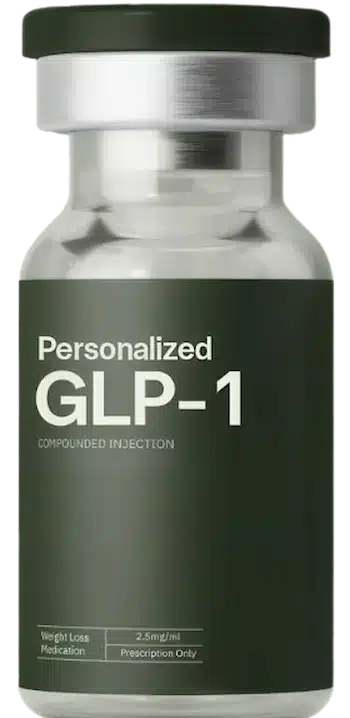
Refills GLP-1 (TryRefills Plan)
- Clinical guidance designed to help patients manage common treatment concerns
- Includes foundational nutritional strategies alongside medication
- Designed around predictable ongoing treatment
- No hidden startup or processing fees according to the program information provided
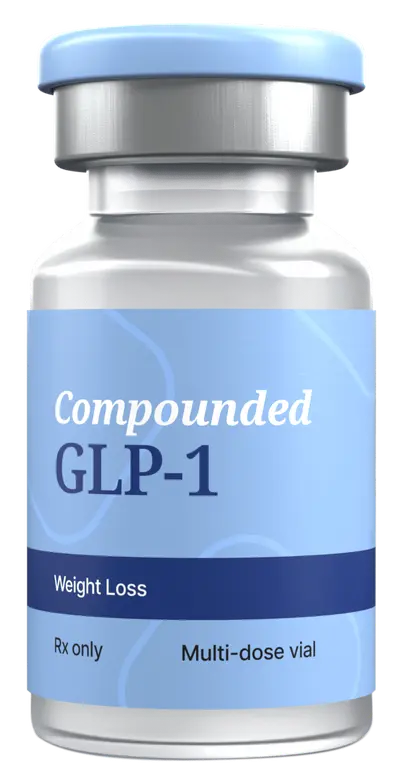
AltRx GLP-1 Transactional Reorders
- Transactional reorder model without recurring auto-billing
- Designed for patients who already understand their treatment routine
- Fast text-to-order process for convenient reorders
- Offers injectable and fast-dissolving tablet variations
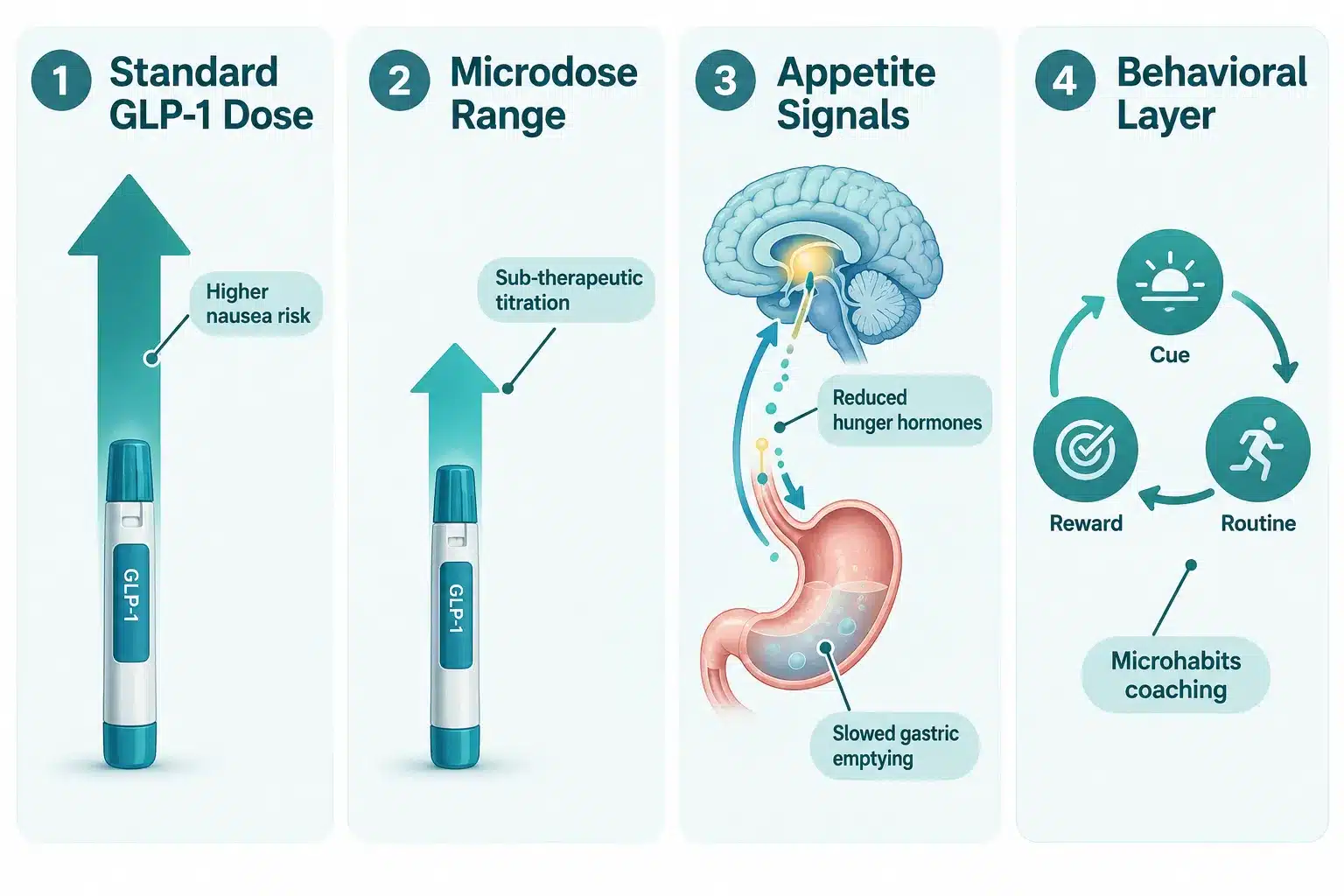
The “microdose” label is meaningful. Standard GLP-1 prescriptions (like Wegovy at 2.4 mg semaglutide weekly) start at a low dose and titrate up over months. Noom’s microdose program keeps patients at a lower dose range intentionally, at least initially, rather than always pushing toward the maximum therapeutic dose. The medication used is compounded semaglutide, sourced through licensed compounding pharmacies, which keeps costs significantly lower than brand-name alternatives [6].
The program bundles three things together:
- Compounded GLP-1 medication (semaglutide is the primary option; tirzepatide may be available depending on eligibility and state regulations)
- Provider oversight through telehealth consultations
- Noom’s microhabits coaching app, which delivers behavioral nudges, meal guidance, and progress tracking
This combination is the core premise: medication alone produces limited long-term results without lifestyle change, and lifestyle change alone is often insufficient for people with significant metabolic resistance to weight loss.
How Does Noom Microdose GLP-1 Work?
Noom Microdose GLP-1 works by using a low dose of semaglutide to activate GLP-1 receptors in the brain and gut, reducing appetite and slowing gastric emptying, while the accompanying coaching app reinforces sustainable eating and movement habits. The lower dose is intended to produce appetite suppression with a reduced risk of the nausea and vomiting that often cause people to quit standard GLP-1 programs early [3].
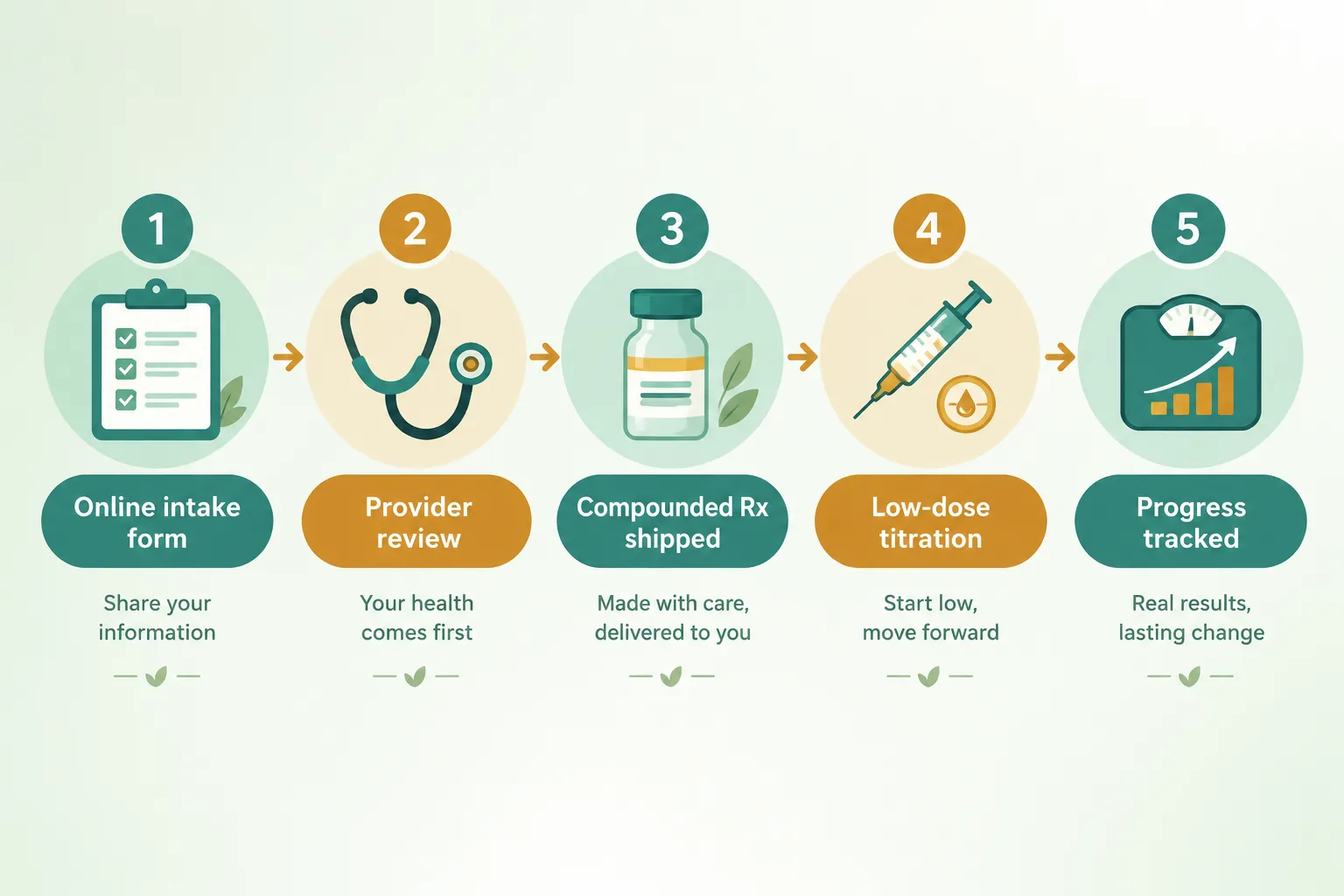
Here is how the process works step by step:
- Complete an online intake form covering your health history, current medications, BMI, and weight-loss goals.
- A licensed provider reviews your intake and determines whether you qualify for the microdose program or the standard GLP-1 Rx plan.
- Medication is shipped from a licensed compounding pharmacy directly to your home.
- You begin at a low dose and follow a titration schedule guided by your provider and the app.
- The Noom app delivers daily coaching, including habit lessons, food psychology content, and check-ins.
- Progress is monitored through the app and follow-up provider check-ins.
GLP-1 receptor agonists work by mimicking the hormone glucagon-like peptide-1, which is naturally released after eating. They signal fullness to the brain, slow the rate at which the stomach empties, and reduce post-meal blood sugar spikes. At microdose levels, these effects are present but gentler, which is why side effects tend to be less severe [3].
For a deeper look at how GLP-1 agonists produce weight loss, see this overview of GLP-1 agonists for weight loss.
Noom Microdose GLP-1 Cost and Pricing
Noom Microdose GLP-1 starts at $119 per month, which includes the compounded medication and access to the coaching platform [7]. This is one of the more affordable entry points in the telehealth GLP-1 market, where many programs charge $200 to $400 or more per month for compounded semaglutide alone.
Noom offers two main pricing tiers for its medical weight-loss programs [10]:
- Microdose GLP-1 Rx: Starting at $119/month (includes medication and microhabits coaching)
- Standard GLP-1 Rx: Higher monthly cost, for those who need or prefer a full therapeutic dose
A few things to know about the pricing:
- The $119 starting price reflects the lowest dose tier; costs may increase as your dose is titrated upward.
- Noom sometimes offers introductory pricing for the first month, so the ongoing rate may differ.
- Medication is compounded, not brand-name, which is the primary reason costs are lower than Ozempic or Wegovy.
- A monthly subscription model means you pay as you go, with no long-term contract required.
If cost is your primary concern, it’s worth comparing this against other affordable options. Our guide to the best GLP-1 programs under $300 covers several alternatives side by side.
Noom Microdose GLP-1 vs. Ozempic and Standard GLP-1 Doses
Noom Microdose GLP-1 differs from Ozempic and standard GLP-1 prescriptions primarily in dose, cost, and the source of the medication. Ozempic is FDA-approved brand-name semaglutide at doses of 0.5 mg, 1 mg, or 2 mg weekly; Wegovy is approved specifically for weight loss at up to 2.4 mg weekly. Noom’s microdose program uses compounded semaglutide at lower starting doses, without the brand-name price tag [6].
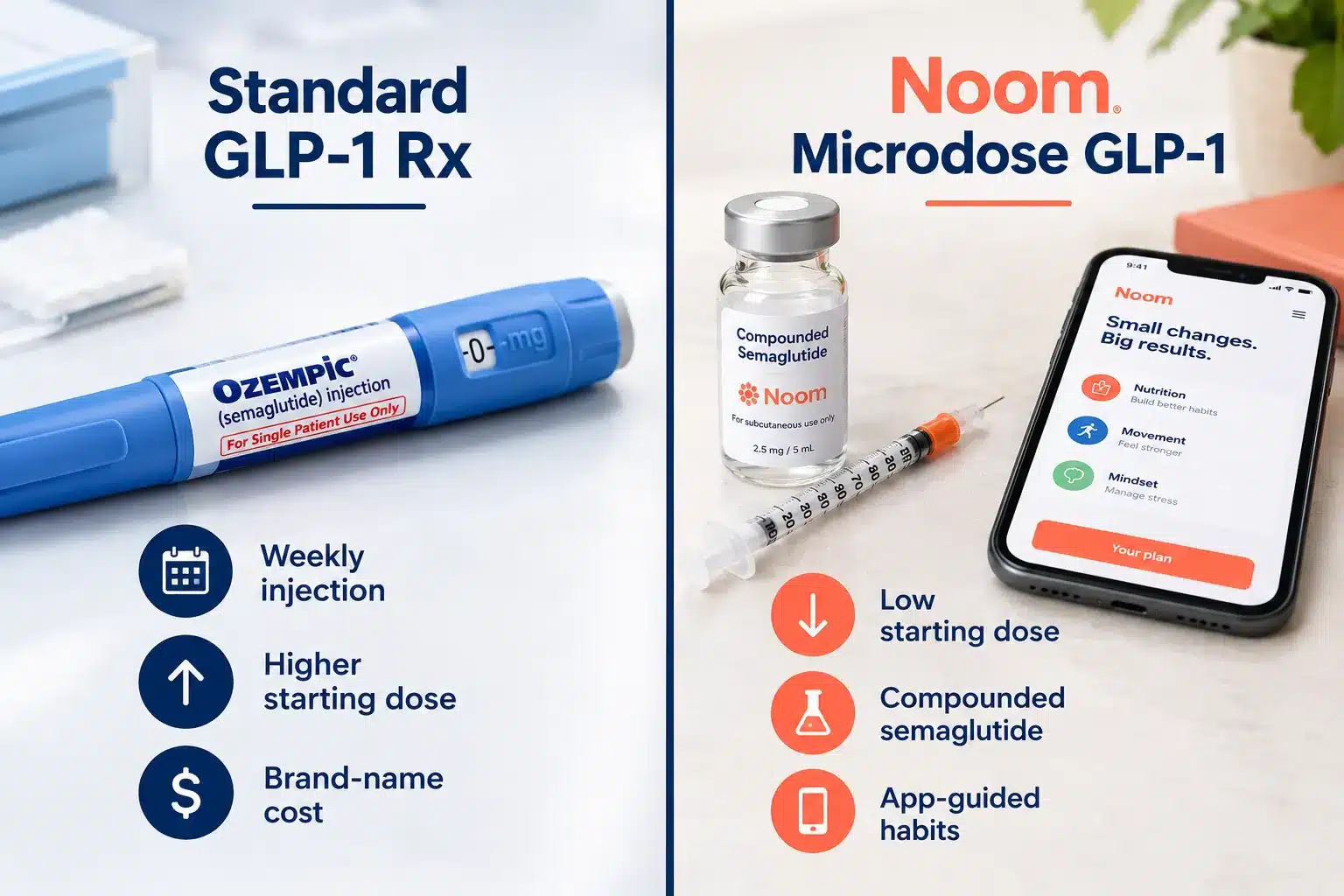
| Feature | Noom Microdose GLP-1 | Ozempic / Wegovy |
|---|---|---|
| Medication type | Compounded semaglutide | Brand-name semaglutide |
| Starting dose | Sub-standard (microdose) | 0.25 mg/week (titrated up) |
| Approximate monthly cost | From $119/month | $900,$1,400/month without insurance |
| FDA approval status | Compounded (not FDA-approved) | FDA-approved |
| Behavioral coaching included | Yes (Noom app) | Not included |
| Prescription required | Yes (via Noom telehealth) | Yes (via your own provider) |
The key tradeoff: compounded medications are not FDA-approved as finished drug products, which means there is less regulatory oversight of the final product compared to brand-name drugs. However, compounding pharmacies that operate legally must meet state and federal standards. For more context on how this works, see our explainer on how pharmaceutical compounding works for GLP-1 drugs.
Noom Microdose GLP-1 Side Effects and Safety
Noom Microdose GLP-1 is designed to reduce the side effect burden associated with standard GLP-1 doses, and early reports suggest tolerability is better at lower doses. That said, side effects are still possible, and the program is not appropriate for everyone [3].
Common side effects at microdose levels:
- Mild nausea, especially in the first few weeks
- Reduced appetite (expected and intentional)
- Mild fatigue
- Constipation or loose stools in some users
Side effects that are less common at microdose but still possible:
- Vomiting
- Heartburn or acid reflux
- Headache
Who should not use Noom Microdose GLP-1:
- People with a personal or family history of medullary thyroid carcinoma or MEN2 syndrome
- Anyone with a history of pancreatitis
- Pregnant individuals
- People who are breastfeeding (see note below)
- Those currently taking other GLP-1 medications
A note on GLP-1 medications while breastfeeding: GLP-1 medications, including semaglutide and tirzepatide, are not recommended during breastfeeding. There is insufficient safety data on whether semaglutide or tirzepatide passes into breast milk or affects infant development. If you are considering GLP-1 weight loss while breastfeeding or postpartum weight loss, speak with your OB-GYN or a lactation specialist before starting any GLP-1 program. Noom’s intake process screens for this, and breastfeeding individuals will not be approved for the program [5].
Medical experts note that microdosing GLP-1 medications may reduce side effects, but it also likely reduces the magnitude of weight loss compared to full therapeutic doses. The tradeoff is tolerability vs. efficacy [3].
Is Noom Microdose GLP-1 Safe?
For eligible adults, Noom Microdose GLP-1 is considered reasonably safe when prescribed and monitored through a licensed telehealth provider. The compounded semaglutide used in the program is prepared by licensed pharmacies, and Noom has published a transparency page outlining its approach to GLP-1 access and safety [1].
The main safety considerations are:
- Compounded vs. FDA-approved: Compounded semaglutide is not FDA-approved as a finished product. This is a regulatory distinction, not necessarily a quality issue, but it is worth understanding.
- Provider oversight: Noom’s model includes provider review and follow-up, which adds a layer of safety compared to unmonitored use.
- Transparency: Noom has publicly stated its commitment to responsible prescribing and has shared outcome data from its programs [1].
The FDA has raised concerns about compounded GLP-1 medications broadly, particularly from non-compliant pharmacies. Noom states it works with licensed compounding pharmacies, but patients should ask about the specific pharmacy used and its accreditation status.
How Long Until Noom Microdose GLP-1 Shows Results?
Most people using Noom Microdose GLP-1 can expect to notice reduced appetite within the first two to four weeks. Visible weight loss typically becomes apparent within four to eight weeks, though the rate is slower at microdose levels than at full therapeutic doses [4].
Realistic expectations by timeframe:
- Weeks 1-2: Appetite reduction, possible mild side effects
- Weeks 3-6: Early weight loss (often 2-5 lbs, though this varies)
- Months 2-4: More consistent weight loss if dose is titrated appropriately and behavioral habits are maintained
- Month 6+: Cumulative results become more meaningful; Noom reports average weight loss outcomes for its GLP-1 members but notes individual results vary significantly [7]
Weight loss at microdose levels is generally more gradual than at full therapeutic doses. This is not necessarily a disadvantage: slower loss can be easier to sustain and is associated with less muscle mass reduction.
Who Is Noom Microdose GLP-1 For?
Noom Microdose GLP-1 is best suited for adults with a BMI of 27 or higher who want to try GLP-1 medication but are concerned about cost, side effects, or the intensity of a full-dose program. It is also a reasonable starting point for people who have never used a GLP-1 medication before [8].
Good candidates:
- Adults with a BMI of 27+ (with at least one weight-related health condition) or BMI of 30+
- People who tried standard GLP-1 doses and struggled with nausea or other side effects
- Those who want medication paired with structured behavioral support
- People who cannot afford brand-name GLP-1 medications
Not a good fit for:
- People who need rapid, significant weight loss for a medical reason (a full-dose program may be more appropriate)
- Those with contraindications listed above (thyroid cancer history, pancreatitis, pregnancy, breastfeeding)
- Anyone expecting results without engaging with the behavioral coaching component
Noom Microdose GLP-1 Not Working: What to Do
If you are not seeing results after six to eight weeks on Noom Microdose GLP-1, there are several possible explanations and concrete steps to take. Lack of results does not necessarily mean GLP-1 therapy is wrong for you.
Common reasons it may not be working:
- The dose is too low to produce meaningful appetite suppression for your body weight and metabolism
- You are not engaging consistently with the behavioral coaching component
- Caloric intake has not changed because appetite suppression is minimal at the current dose
- A medical issue (thyroid dysfunction, insulin resistance, sleep apnea) is counteracting progress
What to do:
- Contact your Noom provider and request a dose review. Titrating up may be appropriate.
- Audit your food log in the app. Many users underestimate caloric intake.
- Engage more actively with the microhabits coaching. The behavioral layer is not optional for best results.
- Consider upgrading to the standard GLP-1 Rx plan if your provider agrees a higher dose is warranted [10].
- Rule out underlying conditions with your primary care provider if you have not done so recently.
Noom Microdose GLP-1 Alternatives
Several telehealth programs offer compounded semaglutide or tirzepatide at competitive prices, making them worth comparing before committing to Noom. The best alternative depends on your budget, desired level of coaching, and whether you want semaglutide or tirzepatide.
Notable alternatives:
- Hims/Hers: Offers compounded semaglutide with telehealth support. See our Hims semaglutide review for a detailed breakdown.
- Mochi Health: A telehealth program with strong provider relationships and both semaglutide and tirzepatide options. Read our Mochi Health review for more.
- Measured: A newer program with transparent pricing. Our Measured GLP-1 review covers how it compares.
- Henry Meds alternatives: If you are looking at other low-cost options, see our roundup of Henry Meds alternatives.
If you are paying out of pocket, our guide to GLP-1 without insurance covers cost-saving strategies across multiple programs.
Can I Get Noom Microdose GLP-1 Without a Prescription?
No. Noom Microdose GLP-1 requires a valid prescription from a licensed provider. However, you do not need to have a prescription before starting the process. Noom’s telehealth intake handles the prescribing step: you complete a health questionnaire, a licensed provider reviews it, and if you are eligible, they issue the prescription and the medication is shipped to you [5][6].
This means you do not need a prior relationship with a doctor or an in-person visit. The entire process is online. But the prescription requirement is firm, and Noom will not ship medication to anyone who does not pass the provider review.
Does Insurance Cover Noom Microdose GLP-1?
Insurance does not typically cover Noom Microdose GLP-1. Because the program uses compounded semaglutide rather than FDA-approved brand-name medications like Wegovy or Ozempic, most insurance plans and Medicare will not reimburse the cost [10].
Some HSA and FSA accounts may cover the medication portion, but this varies by plan. It is worth checking with your benefits administrator. Brand-name GLP-1 medications are sometimes covered by insurance with prior authorization, but that is a separate pathway from Noom’s compounded program.
For people navigating cost without coverage, our guide to GLP-1 payment plans outlines flexible payment options across several telehealth providers.
Common Mistakes People Make With Noom Microdose GLP-1
The most common mistake is treating the medication as the only active ingredient and ignoring the behavioral coaching. GLP-1 medications reduce appetite, but they do not make food choices for you. People who skip the microhabits coaching consistently report slower and less durable results.
Other mistakes to avoid:
- Expecting immediate results. Microdose programs work more gradually than full-dose programs. Patience is required.
- Not reporting side effects to your provider. Mild nausea is common, but persistent vomiting or severe GI distress should be reported promptly.
- Stopping the medication abruptly. Weight often returns when GLP-1 medication is discontinued without a transition plan. Discuss any planned discontinuation with your provider.
- Comparing your results to standard-dose users. Microdose and full-dose programs produce different rates of weight loss. Comparing the two creates unrealistic expectations.
- Assuming more is better. Do not attempt to self-adjust your dose. Dose changes should always go through your provider.
Frequently Asked Questions
What medications does Noom Microdose GLP-1 use?
The primary medication is compounded semaglutide. Tirzepatide may be available depending on your state and eligibility. Both are GLP-1 receptor agonists; tirzepatide also acts on GIP receptors, which may enhance its weight-loss effect [6].
How is the microdose different from a standard GLP-1 dose?
A microdose refers to a dose lower than the standard therapeutic starting dose. The goal is to reduce side effects while still activating GLP-1 receptors enough to suppress appetite. Noom offers a standard GLP-1 Rx plan for those who need a higher dose [10].
Do I inject the medication myself?
Yes. Compounded semaglutide is typically administered as a subcutaneous injection, similar to Ozempic. Noom provides instructions, and the app supports you through the process.
Can I take Noom Microdose GLP-1 if I am postpartum but not breastfeeding?
Postpartum women who are not breastfeeding and have met the BMI eligibility criteria may be eligible, but you should disclose your recent pregnancy during the intake process. Your provider will make the final determination.
Can you take semaglutide or tirzepatide while breastfeeding?
No. GLP-1 medications including semaglutide and tirzepatide are not recommended while breastfeeding due to insufficient safety data. Noom’s intake process screens for this and will not approve breastfeeding individuals for the program [5].
How do I cancel Noom Microdose GLP-1?
Noom operates on a monthly subscription model. You can cancel through your account settings or by contacting Noom’s support team. Canceling stops future billing and medication shipments.
Is compounded semaglutide the same as Ozempic?
The active ingredient (semaglutide) is the same, but compounded semaglutide is not manufactured by Novo Nordisk and is not FDA-approved as a finished drug product. Quality depends on the compounding pharmacy used.
What if I want to switch from the microdose plan to the standard GLP-1 Rx plan?
You can discuss this with your Noom provider during a follow-up consultation. If a higher dose is medically appropriate, the provider can update your prescription [10].
Does Noom publish outcome data for its GLP-1 programs?
Yes. Noom has published transparency information about its GLP-1 programs, including reported weight-loss outcomes and its approach to responsible prescribing [1].
Is Noom Microdose GLP-1 available in all states?
Availability depends on state telehealth and compounding pharmacy regulations. Check Noom’s website during the intake process to confirm availability in your state [5].
7 Best GLP-1 Providers Ranked: Accreditation, Flexibility & Support Compared (2026 Update)
32,000+ Patients Can't All Be Wrong: See the Top-Rated GLP-1 Providers: Compared on accreditation, plan flexibility, and patient support — updated for 2026.
BMI MD GLP-1 Microdosing Plan
- Specialized microdosing options (sublingual drops or low-dose injections)
- Ideal for maintaining weight or tapering off higher doses safely
- Fully bundled plan with no hidden monthly platform memberships
DirectMeds Weight Loss Solutions
- Sourced from accredited, state-licensed 503A compounding pharmacies
- No-frills high-volume savings passed directly to the patient
- Includes clinical consultation and cold-chain shipping updates
MEDVi Flat-Rate Telehealth
- Flat monthly rate holds steady even at maximum maintenance doses
- No dosage upcharges or graduation fee penalties
- Offers both injectable and advanced oral thin-film delivery options
Gala GLP-1 Care Program
- All-inclusive plan with no standalone membership costs
- Continuous text-based messaging access with state-licensed clinicians
- Temperature-controlled, cold-chain medication shipping included
Measured GLP-1 Metabolic Health
- Comprehensive metabolic health screening and expert intake analysis
- Predictable long-term budgeting with stable plan pricing
- High-end responsive dashboard with integrated diagnostic support
Refills GLP-1 (TryRefills Plan)
- Flat rate holds steady as titration scales up
- Includes clinical guides for active side-effect management
- Bundles in foundational nutritional strategies alongside medication
AltRx GLP-1 Transactional Reorders
- Zero recurring auto-billing — pay entirely on a transactional basis
- Rapid text-to-order format saves time for experienced patients
- Provides both injectable forms and fast-dissolving tablet variations
Conclusion
Noom Microdose GLP-1 fills a real gap in the weight-loss market: an affordable, medically supervised GLP-1 program that prioritizes tolerability over maximum dose. At $119 per month, it is one of the more accessible entry points for people who want the metabolic benefits of semaglutide without the cost or side-effect burden of brand-name medications.
The program works best when you treat it as a two-part system. The medication reduces appetite and makes behavioral change easier. The microhabits coaching gives that behavioral change structure and direction. Neither component is optional if you want durable results.
Actionable next steps:
- Check your eligibility by completing Noom’s online intake at noom.com/med. The process takes about 10 minutes.
- Compare alternatives before committing. Review our best cheap GLP-1 program guide to see how Noom stacks up against other options.
- Talk to your primary care provider if you have any underlying conditions, are postpartum, or have questions about GLP-1 safety for your specific situation.
- Set realistic expectations. Microdose programs produce gradual, sustainable results, not rapid transformation. Plan for a 3-to-6-month commitment to see meaningful progress.
- Engage with the coaching app daily. The behavioral layer is where long-term success is built.
References
[1] GLP-1 Access and Transparency – https://www.noom.com/glp-1-access-and-transparency/
[2] Noom GLP-1 Microdose (Reddit discussion) – https://www.reddit.com/r/Noom/comments/1mjn5g5/noom_glp1_microdose/
[3] GLP-1 Microdosing for Weight Loss: Experts Weigh the Pros and Cons – https://www.medicalnewstoday.com/articles/glp-1-microdosing-for-weight-loss-experts-weigh-the-pros-and-cons
[4] Noom Microdose GLP-1 Weight Loss Program – https://www.towardshealthcare.com/news/noom-microdose-glp1-weight-loss-program
[5] Noom Med – https://www.noom.com/med/
[6] Microdose GLP-1 Rx – https://www.noom.com/med/microdose-glp1-rx/
[7] Noom Launches Microdose GLP-1 Program – https://www.noom.com/in-the-news/noom-launches-microdose-glp-1-program-enabling-weight-loss-without-the-side-effects-and-priced-at-119-to-start-including-medication-and-microhabits-program/
[8] GLP-1 Microdose – https://www.noom.com/med/glp1-microdose/
[9] GLP-1 Microdose Monthly – https://www.noom.com/med/glp1-microdose-monthly/
[10] Noom Med Pricing – https://www.noom.com/med/pricing/