
noom tirzepatide

Last updated: October 4, 2026
Quick Answer: Noom tirzepatide refers to the compounded or brand-name tirzepatide available through Noom’s GLP-1Rx Plus Program, a medically supervised weight-loss plan that pairs the dual-acting GLP-1/GIP medication with behavioral coaching and app-based support. As of 2026, Noom offers tirzepatide through several program tiers, including a microdose option, with pricing starting as low as $79 for the first supply period. Eligible adults with a BMI of 25 or higher can access tirzepatide through Noom in most U.S. states.
Key Takeaways
- Noom tirzepatide is available through the GLP-1Rx Plus Program, which includes compounded tirzepatide delivered directly to your home [1]
- Tirzepatide activates both GLP-1 and GIP receptors, making it distinct from semaglutide-only medications like Ozempic and Wegovy
- Noom’s tirzepatide programs range from a microdose entry option starting at $79 to a full GLP-1Rx Plus plan starting at $149 for the first 4-week supply [3][8]
- Clinical data cited by Noom suggests members can lose up to 25 lbs in 90 days, with highly engaged app users losing 25.2% more weight on average by week 40 [3]
- Tirzepatide is a once-weekly injection; dose titration typically starts low and increases every 4 weeks
- Noom’s free GLP-1 Companion program is available to anyone on GLP-1 medications, even if their prescription comes from a different provider [2]
- Tirzepatide is not recommended during pregnancy or breastfeeding; women asking about GLP-1 medications while breastfeeding should consult their physician before starting
- The program is available in all U.S. states except Alabama, Louisiana, and Mississippi [4]
- Stopping tirzepatide without lifestyle changes typically leads to weight regain
- Behavioral engagement with the Noom app significantly amplifies medication outcomes
What Is Tirzepatide and How Does It Work
Tirzepatide is a once-weekly injectable medication that targets two gut hormones simultaneously: GLP-1 (glucagon-like peptide-1) and GIP (glucose-dependent insulinotropic polypeptide). By activating both receptors, it reduces appetite, slows gastric emptying, and helps regulate blood sugar more effectively than single-receptor GLP-1 drugs alone.
7 Best GLP-1 Providers Ranked: Accreditation, Flexibility & Support Compared (2026 Update)
32,000+ Patients Can't All Be Wrong: See the Top-Rated GLP-1 Providers. We compared the leading online GLP-1 providers based on program features, clinical support, convenience, and overall value.
BMI MD GLP-1 Microdosing Plan
- Specialized microdosing options, including sublingual drops and low-dose injections
- Designed for people interested in maintaining weight or gradually adjusting treatment
- Bundled program structure without a separate monthly platform membership
- Online access makes the process convenient from home

DirectMeds Weight Loss Solutions
- Online weight-loss program with a straightforward patient experience
- Compounded medication options through state-licensed compounding pharmacies
- Includes clinical consultation as part of the process
- Provides shipping updates to help patients track their orders
MEDVi Flat-Rate Telehealth
- Flat-rate telehealth approach designed for easier budgeting
- No dosage-based pricing increases within the advertised program structure
- Offers injectable and oral thin-film delivery options
- Includes medical screening and asynchronous provider consultations
Gala GLP-1 Care Program
- Text-based access to state-licensed clinicians
- Cold-chain medication shipping included in the program
- Month-to-month program structure
- Designed for people who value convenient ongoing support
Measured GLP-1 Metabolic Health
- Comprehensive metabolic health screening and intake analysis
- Designed around longer-term metabolic health management
- Responsive dashboard with integrated health tracking tools
- Useful option for patients who value a more data-focused experience
Refills GLP-1 (TryRefills Plan)
- Clinical guidance designed to help patients manage common treatment concerns
- Includes foundational nutritional strategies alongside medication
- Designed around predictable ongoing treatment
- No hidden startup or processing fees according to the program information provided
AltRx GLP-1 Transactional Reorders
- Transactional reorder model without recurring auto-billing
- Designed for patients who already understand their treatment routine
- Fast text-to-order process for convenient reorders
- Offers injectable and fast-dissolving tablet variations
It is the active ingredient in two FDA-approved medications: Mounjaro (approved for type 2 diabetes) and Zepbound (approved for chronic weight management). Eli Lilly USA LLC is the only U.S. company with FDA-approved tirzepatide products [7]. Compounded versions of tirzepatide, which Noom uses in its GLP-1Rx Plus Program, are produced by licensed compounding pharmacies and delivered directly to patients [1].
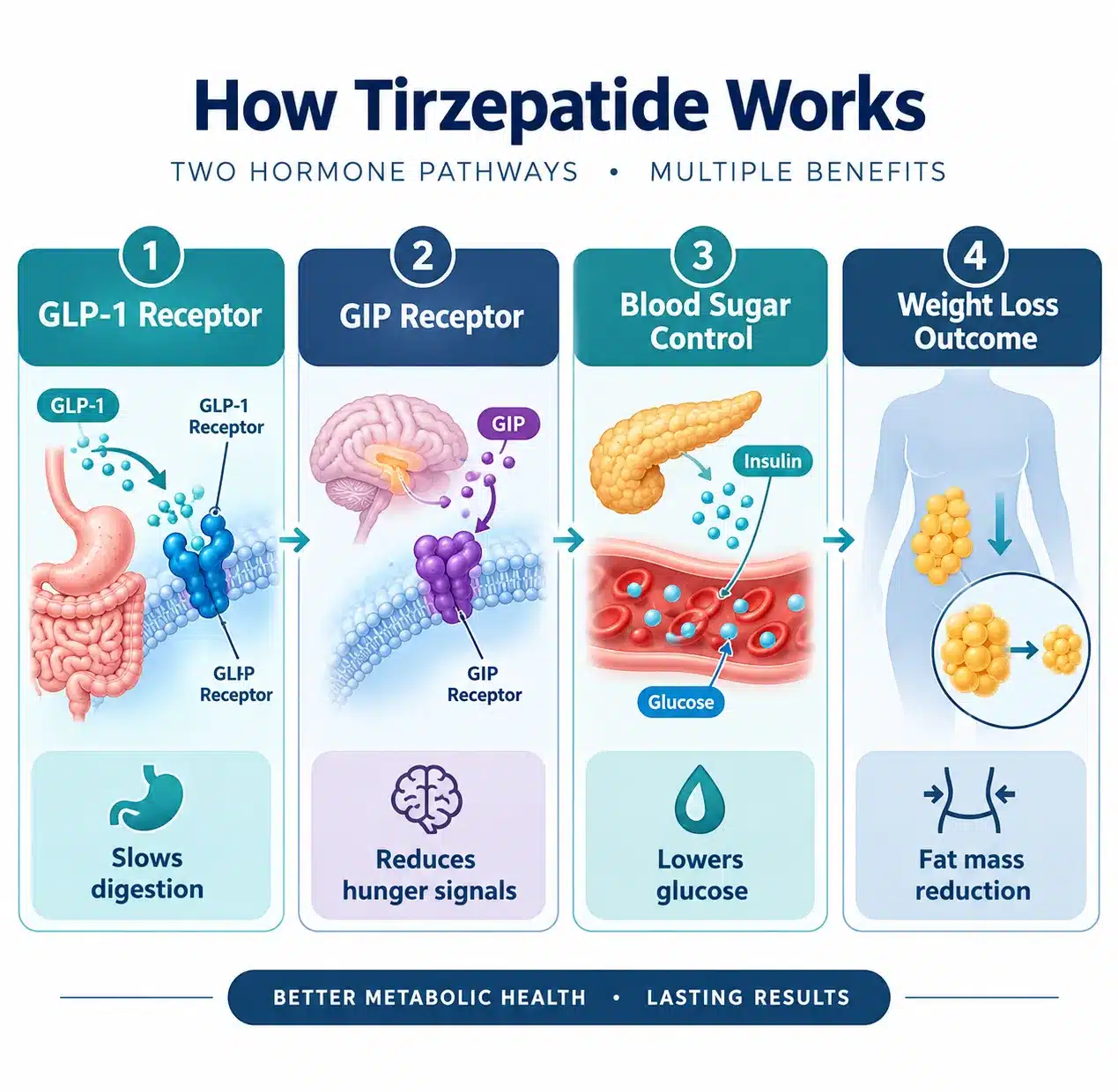
How it differs from semaglutide: Semaglutide (the active ingredient in Ozempic and Wegovy) only activates GLP-1 receptors. Tirzepatide’s dual action on GLP-1 and GIP receptors is why clinical trials have shown it producing greater average weight loss than semaglutide in head-to-head comparisons, though individual results vary.
Dose titration: Tirzepatide starts at the lowest available dose and increases roughly every 4 weeks as your body adjusts. This gradual approach reduces the severity of side effects like nausea. For a deeper look at how compounded versions compare to brand-name options, see this guide on compounded tirzepatide and what you need to know.
Is Tirzepatide the Same as Ozempic or Wegovy
No. Tirzepatide and semaglutide (Ozempic/Wegovy) are different drugs with different mechanisms, though both belong to the GLP-1 medication class.
| Feature | Tirzepatide (Zepbound/Mounjaro) | Semaglutide (Ozempic/Wegovy) |
|---|---|---|
| Receptor targets | GLP-1 + GIP (dual agonist) | GLP-1 only |
| Injection frequency | Once weekly | Once weekly |
| FDA approval (weight) | Zepbound (obesity) | Wegovy (obesity) |
| Diabetes approval | Mounjaro | Ozempic |
| Average weight loss | Higher in trials | Significant, but generally lower |
Both drugs reduce appetite and slow digestion, but tirzepatide’s additional GIP action appears to produce stronger weight-loss outcomes for many patients. That said, semaglutide remains a well-studied, effective option. The right choice depends on your health history, cost, and how you respond to each medication.
Can I Get Tirzepatide Through Noom
Yes. As of 2026, Noom’s GLP-1Rx Plus Program explicitly includes compounded tirzepatide, available by prescription and delivered directly to your home [1]. Noom also offers a Microdose GLP-1 program that includes personalized low-dose compounded tirzepatide starting at $79 for the first supply period [8].
Eligibility requirements:
- BMI of 25 or higher [4]
- U.S. resident in an eligible state (all states except Alabama, Louisiana, and Mississippi) [4]
- No contraindications identified during clinician screening
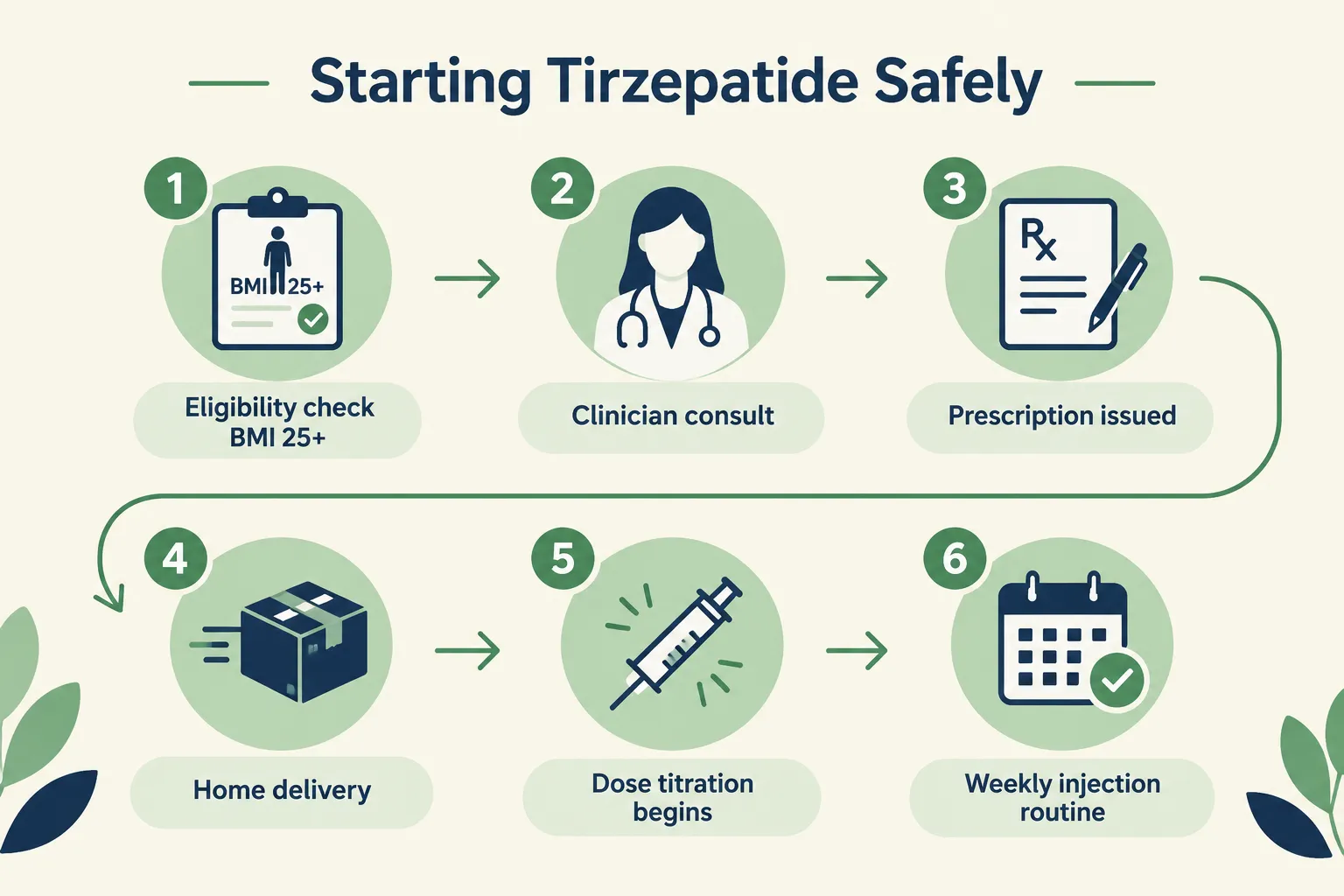
The process works like this:
- Complete Noom’s online health assessment
- A licensed clinician reviews your eligibility
- If approved, your prescription is issued and medication is shipped to your home
- You receive ongoing clinician oversight plus access to Noom’s coaching and app tools
Even if you get tirzepatide from a different provider, Noom’s free GLP-1 Companion program (launched June 2026) offers medication tracking, side-effect guidance, AI-powered meal logging, and muscle-preservation tools to anyone on GLP-1 medications [2].
Noom Tirzepatide Program Cost and Pricing
Noom tirzepatide pricing varies by program tier. As of 2026, three main options are available [3][6][8]:
GLP-1Rx Plus Program (standard tirzepatide):
- First 4-week supply: $149
- Ongoing: $299/month (billed quarterly) [3]
GLP-1Rx Plus Microdose Program (low-dose tirzepatide):
- First 4-week supply: $99
- Ongoing: $597 every 12 weeks (effectively $199/month) [6]
Microdose GLP-1 Program (entry-level option):
- First supply (3-week subscription + 4 weeks of medication): $79
- Ongoing: $179/month on a 12-week subscription [8]
- New pricing for new accounts took effect July 27, 2026 [8]
All plans include medication, clinician visits, and access to Noom’s weight-management program. For a broader look at how these costs compare across providers, see this tirzepatide monthly cost breakdown and this compounding pharmacy cost guide for tirzepatide.
Employer plans: Noom’s SmartRx program, announced in April 2026, has cut employer GLP-1 costs by roughly 80% in early integrations by connecting employers directly to brand-name GLP-1 medications and bypassing traditional pharmacy benefit managers [5]. If your employer offers Noom Med, check whether SmartRx is included.
How Much Weight Can You Lose With Noom Tirzepatide
Noom’s program page cites clinical and observational data showing up to 25 lbs lost in 90 days for GLP-1Rx Plus members [3]. That figure represents a strong responder outcome, not a guaranteed average.
More telling is the engagement data: Noom members with the highest app engagement lost 25.2% more weight on average by week 40 compared to the least-engaged quartile. This means the medication alone is not the whole story. Behavioral support, meal tracking, and coaching meaningfully amplify results.
Realistic expectations:
- Most people on tirzepatide lose roughly 1-2 lbs per week once at a therapeutic dose
- Significant results typically become visible within 8-12 weeks
- Maximum weight loss in clinical trials for tirzepatide (at highest doses) has reached 20-22% of body weight over 72 weeks, based on the SURMOUNT-1 trial data published by Jastreboff et al. in the New England Journal of Medicine
Factors that affect outcomes:
- Starting dose and titration speed
- Dietary habits and protein intake
- Physical activity level
- App engagement and coaching participation
- Metabolic health baseline
How Long Does It Take to See Results With Tirzepatide
Most people notice reduced appetite within the first 1-2 weeks of starting tirzepatide. Visible weight loss typically begins within 4-8 weeks. Meaningful body composition changes (loss of 5% or more of body weight) usually occur by weeks 8-12 for consistent users.
Full therapeutic effect builds over several months as the dose increases. Patience during the titration phase matters: the goal is not rapid loss at the start but steady, sustainable progress with manageable side effects.
Tirzepatide Injection Frequency and Dosage
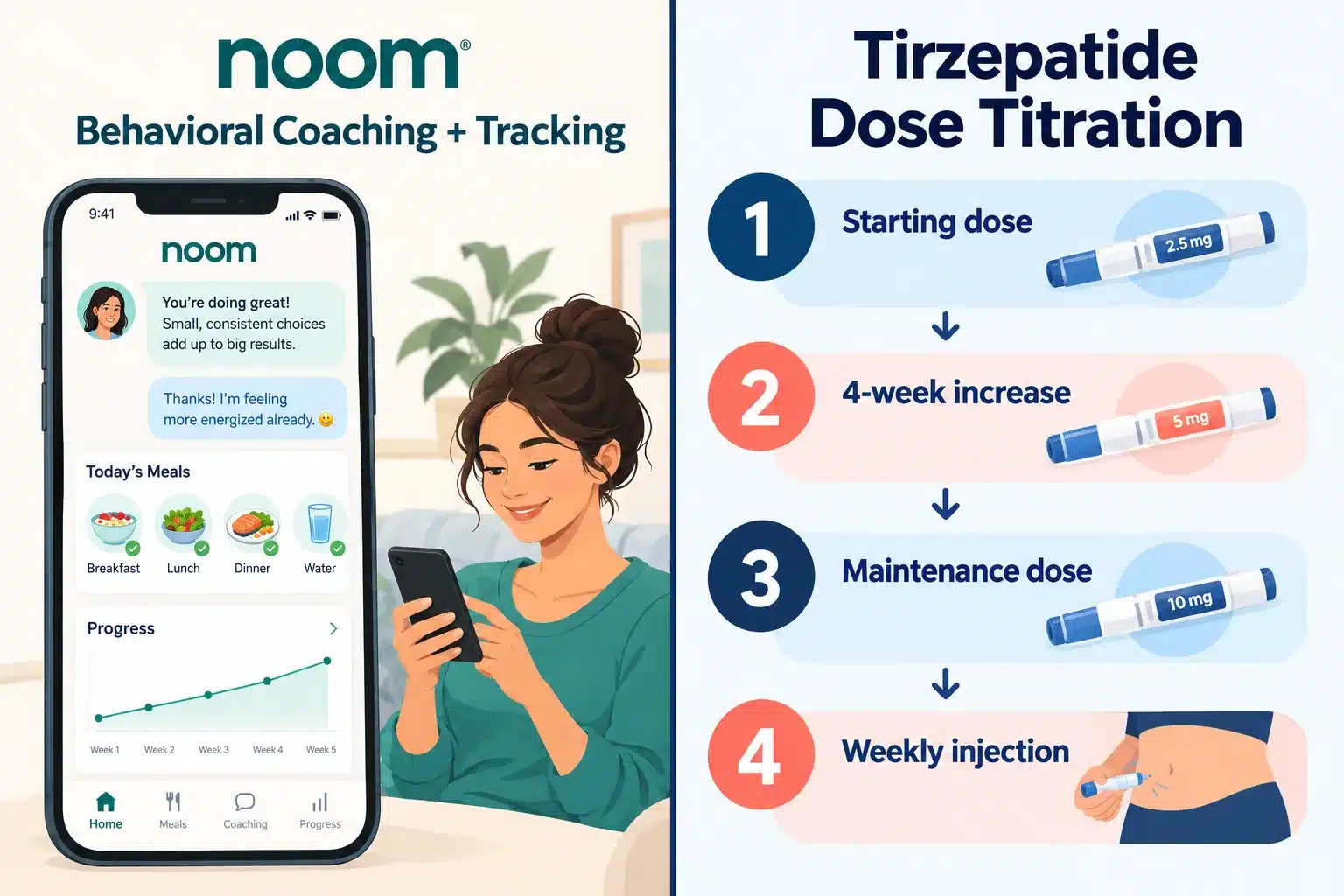
Tirzepatide is a once-weekly subcutaneous injection, administered on the same day each week. Starting doses are low (typically 2.5 mg) and increase in 4-week intervals based on tolerance and clinical guidance.
Standard titration schedule:
- Weeks 1-4: 2.5 mg weekly
- Weeks 5-8: 5 mg weekly
- Weeks 9-12: 7.5 mg weekly
- Weeks 13+: Up to 10 mg, 12.5 mg, or 15 mg as directed by your clinician
Noom’s microdose program keeps patients at lower doses intentionally, which may reduce side effects while still producing meaningful appetite suppression [8]. For patient perspectives on how different doses feel in practice, the tirzepatide reviews by patients resource offers real-world accounts.
Noom Tirzepatide Side Effects and Risks
The most common side effects of tirzepatide are gastrointestinal and tend to be most pronounced during dose increases.
Common side effects:
- Nausea (most frequent, especially early on)
- Vomiting
- Diarrhea or constipation
- Reduced appetite (expected effect, not always a side effect)
- Fatigue during the first few weeks
Less common but serious risks:
- Pancreatitis (rare; stop medication and seek care if you have severe abdominal pain)
- Gallbladder disease (weight loss itself increases gallstone risk)
- Thyroid C-cell tumors (seen in rodent studies; avoid if you have a personal or family history of medullary thyroid carcinoma or MEN2 syndrome)
- Hypoglycemia (mainly a risk if combined with insulin or sulfonylureas)
Who should not take tirzepatide:
- Pregnant women
- Women who are breastfeeding (tirzepatide while breastfeeding is not recommended due to insufficient safety data; anyone asking about GLP-1 medications while breastfeeding or GLP-1 postpartum weight loss should speak with their OB or physician before starting any GLP-1 medication)
- People with a personal or family history of medullary thyroid carcinoma
- People with MEN2 syndrome
Noom’s microdose approach is specifically designed to reduce side-effect severity by keeping doses lower, which may suit patients who have had difficulty tolerating standard doses [8].
Who Is Tirzepatide Prescribed For
Tirzepatide is prescribed for adults with obesity (BMI 30+) or overweight (BMI 27+) with at least one weight-related health condition, such as type 2 diabetes, high blood pressure, or sleep apnea. Noom’s program lowers the BMI threshold to 25 or higher for program eligibility [4].
Good candidates:
- Adults with BMI 25+ who have not achieved adequate results through diet and exercise alone
- People with type 2 diabetes or prediabetes who need both blood sugar and weight management
- Those who can commit to weekly injections and regular clinician check-ins
Not appropriate for:
- Pregnant or breastfeeding women (GLP-1 and breastfeeding safety has not been established; semaglutide while breastfeeding and tirzepatide while breastfeeding are both contraindicated based on current guidance)
- People with certain thyroid or endocrine conditions
- Anyone with a history of severe allergic reactions to tirzepatide
Tirzepatide vs. Metformin for Weight Loss
Tirzepatide and metformin are both used in metabolic and weight management, but they work very differently and are not direct competitors for most patients.
Metformin is a first-line oral diabetes medication that modestly reduces weight (typically 2-5 lbs on average) by improving insulin sensitivity and reducing liver glucose production. It is inexpensive, widely available, and has decades of safety data.
Tirzepatide produces far greater weight loss (often 15-22% of body weight at higher doses in clinical trials) by directly suppressing appetite and slowing digestion. It is more expensive and requires weekly injections.
Choose metformin if: You have type 2 diabetes or prediabetes, need a low-cost oral option, and are not a candidate for injectable GLP-1 medications.
Choose tirzepatide if: You need significant weight loss, can manage weekly injections, and meet eligibility criteria. Many patients use both, as metformin and tirzepatide can be prescribed together.
Do You Need to Diet With Tirzepatide, or Does It Work Alone
Tirzepatide works by reducing appetite, but pairing it with dietary changes produces substantially better outcomes. The medication makes it easier to eat less, but it does not automatically direct you toward nutritious food choices.
Noom’s program is built on this principle. Their data shows that members who engage actively with the app’s coaching, meal logging, and habit-building tools lose significantly more weight than those who rely on medication alone. The behavioral framework addresses the psychological and habitual drivers of overeating that medication cannot fix on its own.
Practical guidance:
- Prioritize protein at each meal to preserve muscle mass during weight loss
- Use Noom’s AI-powered meal logging to track intake without obsessing over calories
- Aim for moderate physical activity; it amplifies fat loss and protects lean mass
- Do not skip meals to “make the most of” appetite suppression; under-eating can cause muscle loss
Common Mistakes People Make With Tirzepatide
Even with a strong program like Noom’s, some patterns consistently undermine results.
- Stopping too early: Side effects during dose titration lead some people to quit before reaching a therapeutic dose. Working with a clinician to slow titration is a better strategy than stopping entirely.
- Ignoring protein intake: Rapid weight loss without adequate protein causes muscle loss. Noom’s GLP-1 Companion specifically emphasizes protein tracking for this reason [2].
- Treating medication as a standalone fix: Tirzepatide suppresses appetite; it does not build sustainable habits. Without behavioral work, most people regain weight after stopping.
- Missing weekly injections: Inconsistent dosing reduces effectiveness and can worsen side effects when you restart.
- Not disclosing full medication history: Combining tirzepatide with insulin or certain diabetes drugs without clinician oversight raises hypoglycemia risk.
What Happens When You Stop Taking Tirzepatide
Stopping tirzepatide typically leads to weight regain, especially without strong lifestyle habits in place. Appetite returns to pre-medication levels relatively quickly once the drug clears the system (tirzepatide has a half-life of approximately 5 days).
Studies on GLP-1 class medications consistently show that a significant portion of lost weight returns within 12 months of stopping, unless patients have built durable dietary and activity habits during treatment. This is not a failure of the medication; it reflects the chronic nature of obesity as a condition.
If you plan to stop:
- Work with your clinician to taper the dose rather than stopping abruptly
- Intensify behavioral support before and after stopping
- Continue using Noom’s app tools even after medication ends
For context on long-term cost planning, see this tirzepatide cost review and the cheapest tirzepatide online options if affordability is a concern.
Is Tirzepatide Safe for Long-Term Use
Based on current evidence, tirzepatide appears safe for long-term use in eligible adults under medical supervision. The SURMOUNT clinical trial program followed patients for up to 72 weeks, and Zepbound’s FDA approval is for chronic weight management, meaning ongoing use is expected and supported.
That said, long-term real-world data beyond 2-3 years is still accumulating. Known considerations for extended use include:
- Regular monitoring of thyroid function if there is any family history concern
- Gallbladder monitoring, since sustained weight loss increases gallstone risk
- Periodic reassessment of cardiovascular markers (tirzepatide has shown favorable effects on blood pressure and lipids in trials)
- Ongoing clinician oversight to adjust dosing as body weight changes
Noom’s model of continuous clinical oversight and behavioral coaching is well-suited to long-term management, as it combines medication management with the habit infrastructure needed to sustain results.
Frequently Asked Questions
Q: What is the Noom GLP-1Rx Plus Program?
A: It is Noom’s tirzepatide-inclusive weight-loss plan that provides compounded tirzepatide by prescription, home delivery, clinician oversight, and access to Noom’s behavioral coaching app [1].
Q: Is Noom’s tirzepatide FDA-approved?
A: Noom’s program uses compounded tirzepatide, which is not itself FDA-approved as a finished drug product, but is produced by licensed compounding pharmacies. Brand-name tirzepatide (Zepbound and Mounjaro) is FDA-approved and made by Eli Lilly [7].
Q: Can I use Noom’s tools if I get tirzepatide from another provider?
A: Yes. Noom launched a free GLP-1 Companion program in June 2026 available to anyone on GLP-1 medications, regardless of where their prescription originates [2].
Q: How is tirzepatide different from Ozempic?
A: Tirzepatide activates both GLP-1 and GIP receptors; Ozempic (semaglutide) activates GLP-1 only. Tirzepatide generally produces greater average weight loss in clinical trials.
Q: Can I take tirzepatide while breastfeeding?
A: No. Tirzepatide while breastfeeding is not recommended. GLP-1 medications while breastfeeding lack adequate safety data, and current medical guidance advises against their use during lactation. Discuss GLP-1 postpartum weight loss options with your physician after you have finished breastfeeding.
Q: What is the Noom microdose tirzepatide program?
A: It is a lower-dose tirzepatide option starting at $79 for the first supply period, designed to minimize side effects while still providing appetite suppression and metabolic benefits [8].
Q: How soon will I lose weight on tirzepatide?
A: Most people notice appetite reduction within 1-2 weeks. Visible weight loss typically begins within 4-8 weeks and becomes more significant by weeks 8-12.
Q: Does Noom tirzepatide work without diet changes?
A: It produces some weight loss through appetite suppression alone, but combining it with dietary changes and app engagement produces significantly better outcomes. Noom’s own data shows highly engaged users lose 25.2% more weight by week 40.
Q: What states does Noom not serve for GLP-1 programs?
A: Alabama, Louisiana, and Mississippi are currently excluded [4].
Q: Is tirzepatide better than metformin for weight loss?
A: For significant weight loss, tirzepatide produces far greater results. Metformin is a modest weight-loss aid primarily used for blood sugar control. Many patients use both together under physician guidance.
Q: What happens if I miss a weekly tirzepatide injection?
A: If you miss a dose and your next scheduled dose is more than 4 days away, take the missed dose as soon as possible. If it is within 4 days of your next dose, skip the missed dose and resume your regular schedule. Do not double up.
Q: Can employers cover Noom tirzepatide costs?
A: Yes. Noom’s SmartRx employer program has reduced GLP-1 medication costs by approximately 80% in early integrations by connecting employers directly to brand-name GLP-1 medications [5].
7 Best GLP-1 Providers Ranked: Accreditation, Flexibility & Support Compared (2026 Update)
32,000+ Patients Can't All Be Wrong: See the Top-Rated GLP-1 Providers: Compared on accreditation, plan flexibility, and patient support — updated for 2026.
BMI MD GLP-1 Microdosing Plan
- Specialized microdosing options (sublingual drops or low-dose injections)
- Ideal for maintaining weight or tapering off higher doses safely
- Fully bundled plan with no hidden monthly platform memberships
DirectMeds Weight Loss Solutions
- Sourced from accredited, state-licensed 503A compounding pharmacies
- No-frills high-volume savings passed directly to the patient
- Includes clinical consultation and cold-chain shipping updates
MEDVi Flat-Rate Telehealth
- Flat monthly rate holds steady even at maximum maintenance doses
- No dosage upcharges or graduation fee penalties
- Offers both injectable and advanced oral thin-film delivery options
Gala GLP-1 Care Program
- All-inclusive plan with no standalone membership costs
- Continuous text-based messaging access with state-licensed clinicians
- Temperature-controlled, cold-chain medication shipping included
Measured GLP-1 Metabolic Health
- Comprehensive metabolic health screening and expert intake analysis
- Predictable long-term budgeting with stable plan pricing
- High-end responsive dashboard with integrated diagnostic support
Refills GLP-1 (TryRefills Plan)
- Flat rate holds steady as titration scales up
- Includes clinical guides for active side-effect management
- Bundles in foundational nutritional strategies alongside medication
AltRx GLP-1 Transactional Reorders
- Zero recurring auto-billing — pay entirely on a transactional basis
- Rapid text-to-order format saves time for experienced patients
- Provides both injectable forms and fast-dissolving tablet variations
Conclusion
Noom tirzepatide represents one of the more complete approaches to medically supervised weight loss available in 2026. By combining a dual-acting GLP-1/GIP medication with behavioral coaching, clinician oversight, and app-based habit tools, Noom addresses both the biological and behavioral drivers of weight gain at the same time.
Actionable next steps:
- Check your eligibility. If your BMI is 25 or higher and you live outside Alabama, Louisiana, or Mississippi, you likely qualify for Noom’s GLP-1Rx Plus or Microdose Program [4].
- Compare program tiers. The microdose option ($79 to start) is a lower-risk entry point if you are concerned about side effects or cost [8]. The standard GLP-1Rx Plus plan ($149 to start) may be appropriate if you need a higher therapeutic dose [3].
- Start the Noom app now. Even before medication begins, Noom’s free GLP-1 Companion tools can help you build the habits that will amplify your results [2].
- Talk to your clinician about long-term planning. Tirzepatide works best as part of a sustained lifestyle strategy, not a short-term fix.
- If you are postpartum and breastfeeding, wait until you have finished breastfeeding before starting any GLP-1 medication, and consult your physician about GLP-1 postpartum weight loss timing.
For further reading on costs and options, explore the cost of GLP-1 semaglutide and compounded tirzepatide and the best compounding pharmacy for tirzepatide to make sure you are getting the most value for your investment.
References
[1] Noom GLP-1Rx Plus Program – https://www.noom.com/support/faqs/programs/noom-med-programs/medication-included/2026/02/noom-glp-1rx-plus-program/
[2] Noom Launches Free Version Of Its Powerful GLP-1 Companion – https://www.noom.com/in-the-news/noom-launches-free-version-of-its-powerful-glp-1-companion/
[3] Pricing – https://www.noom.com/med/pricing/
[4] GLP-1Rx – https://www.noom.com/med/glp-1rx/
[5] SmartRx GLP-1 Employer Savings – https://www.noom.com/in-the-news/smartrx-glp1-employer-savings/
[6] Noom Cost – https://www.noom.com/blog/weight-management/noom-cost-2/
[7] Noom Med – https://www.noom.com/med/
[8] GLP-1 Microdose – https://www.noom.com/med/glp1-microdose/
[9] Noom vs. Weight Watchers – https://www.noom.com/blog/weight-management/noom-vs-weight-watchers/