
Ways to Shrink Your Prostate: Natural Prostate Remedies That Are Actually Backed by Evidence
Last updated: July 23, 2026
Quick Answer: Several natural prostate remedies, including saw palmetto, beta-sitosterol, dietary changes, and regular exercise, have meaningful evidence supporting their ability to reduce benign prostatic hyperplasia (BPH) symptoms and, in some cases, slow prostate growth. None are guaranteed to physically shrink the prostate the way prescription medications can, but many men see real symptom relief within 4 to 12 weeks. Always confirm with a urologist before starting any supplement regimen, especially if you take other medications.
Key Takeaways
- Benign prostatic hyperplasia (BPH) affects more than half of men over 50 and the majority of men over 80, making natural prostate remedies a high-demand topic with genuine clinical interest [8]
- Saw palmetto is the most studied herbal remedy for BPH; evidence is mixed but some trials show modest improvements in urinary flow and symptom scores [2]
- Beta-sitosterol, a plant sterol found in pumpkin seeds and supplements, has stronger short-term evidence for improving urinary symptoms than saw palmetto alone [3]
- Diet changes, particularly reducing red meat, increasing vegetables, and cutting alcohol, are among the most consistently supported lifestyle strategies for prostate health [10]
- Natural remedies work best for mild to moderate BPH symptoms; severe symptoms, pain, blood in urine, or inability to urinate require immediate medical evaluation
- Most supplements take 4 to 12 weeks to produce noticeable results; expecting overnight changes leads to premature abandonment of effective strategies
- Some prostate supplements interact with blood thinners, hormone therapies, and other medications, always disclose supplements to your doctor
- Men with prostate cancer, PSA levels above 4 ng/mL, or acute urinary retention should not rely on natural remedies as a primary treatment
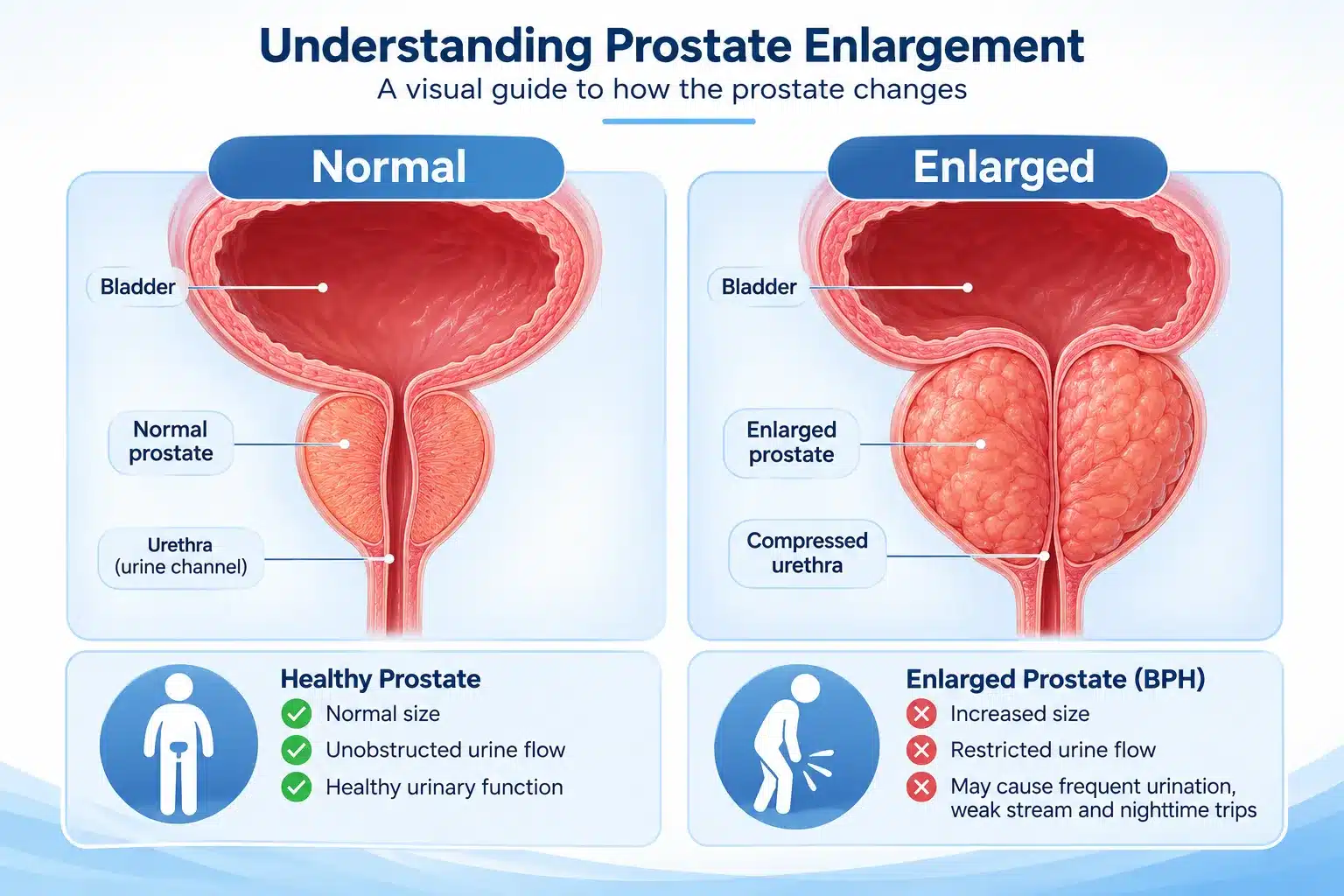
What Causes an Enlarged Prostate and Why Does It Happen
An enlarged prostate, clinically called benign prostatic hyperplasia (BPH), is caused by non-cancerous growth of prostate tissue that naturally occurs as men age. The prostate gland surrounds the urethra, so when it grows, it can squeeze the urinary channel and cause the hallmark symptoms: frequent urination, weak stream, incomplete bladder emptying, and nighttime trips to the bathroom.
The root drivers are hormonal. As men age, testosterone levels decline while a related hormone called dihydrotestosterone (DHT) continues to accumulate in prostate tissue. DHT is produced when testosterone is converted by an enzyme called 5-alpha reductase. Higher DHT levels stimulate prostate cell growth. Estrogen levels also rise relative to testosterone in older men, and some researchers believe this hormonal shift further promotes tissue proliferation [8].
Genetics play a role too. If your father or brothers had BPH, your risk is higher. Obesity, metabolic syndrome, and chronic inflammation have also been linked to faster prostate growth, which is why lifestyle interventions are a logical part of any management plan [10].
Key facts about BPH:
- It is not prostate cancer and does not increase cancer risk directly
- Symptoms range from mild inconvenience to significant quality-of-life disruption
- It affects roughly 50% of men in their 50s and up to 90% of men in their 80s [8]
- Left unmanaged, severe BPH can lead to urinary tract infections, bladder damage, or acute urinary retention
Understanding the hormonal mechanism matters because many natural prostate remedies work by targeting DHT production or reducing inflammation, the same pathways that prescription drugs like finasteride and alpha-blockers address, just with different potency levels.
Do Natural Remedies Actually Work for Shrinking the Prostate
Natural remedies can reduce BPH symptoms meaningfully, but physically shrinking the prostate to a normal size through supplements or diet alone is not well-established in clinical trials. The distinction matters.
Prescription 5-alpha reductase inhibitors like finasteride can reduce prostate volume by 20 to 30% over 6 to 12 months [8]. Most natural remedies have not demonstrated that level of volumetric reduction in rigorous trials. What they have shown, in multiple studies, is a reduction in symptom severity, improved urinary flow rates, fewer nighttime bathroom trips, and better quality of life scores.
For a deeper look at the full spectrum of treatment options, the complete guide to shrinking a swollen prostate covers both natural and medical approaches side by side.
What the evidence actually shows:
- Saw palmetto: Multiple Cochrane reviews found it performs no better than placebo in some high-quality trials, but other studies show modest improvements in urinary symptom scores [2]
- Beta-sitosterol: A Cochrane review of four randomized controlled trials found significant improvements in urinary flow and symptom scores compared to placebo [3]
- Pygeum africanum: Several trials show moderate symptom improvement, particularly in nighttime urination [2]
- Rye grass pollen extract (Cernilton): Some evidence for symptom relief, particularly incomplete bladder emptying [2]
- Lifestyle changes: Consistently supported across observational studies for slowing symptom progression [10]
Bottom line: Natural remedies are best positioned as symptom management tools and preventive strategies, not as replacements for medical treatment in moderate-to-severe BPH. For mild symptoms, they represent a reasonable first step.
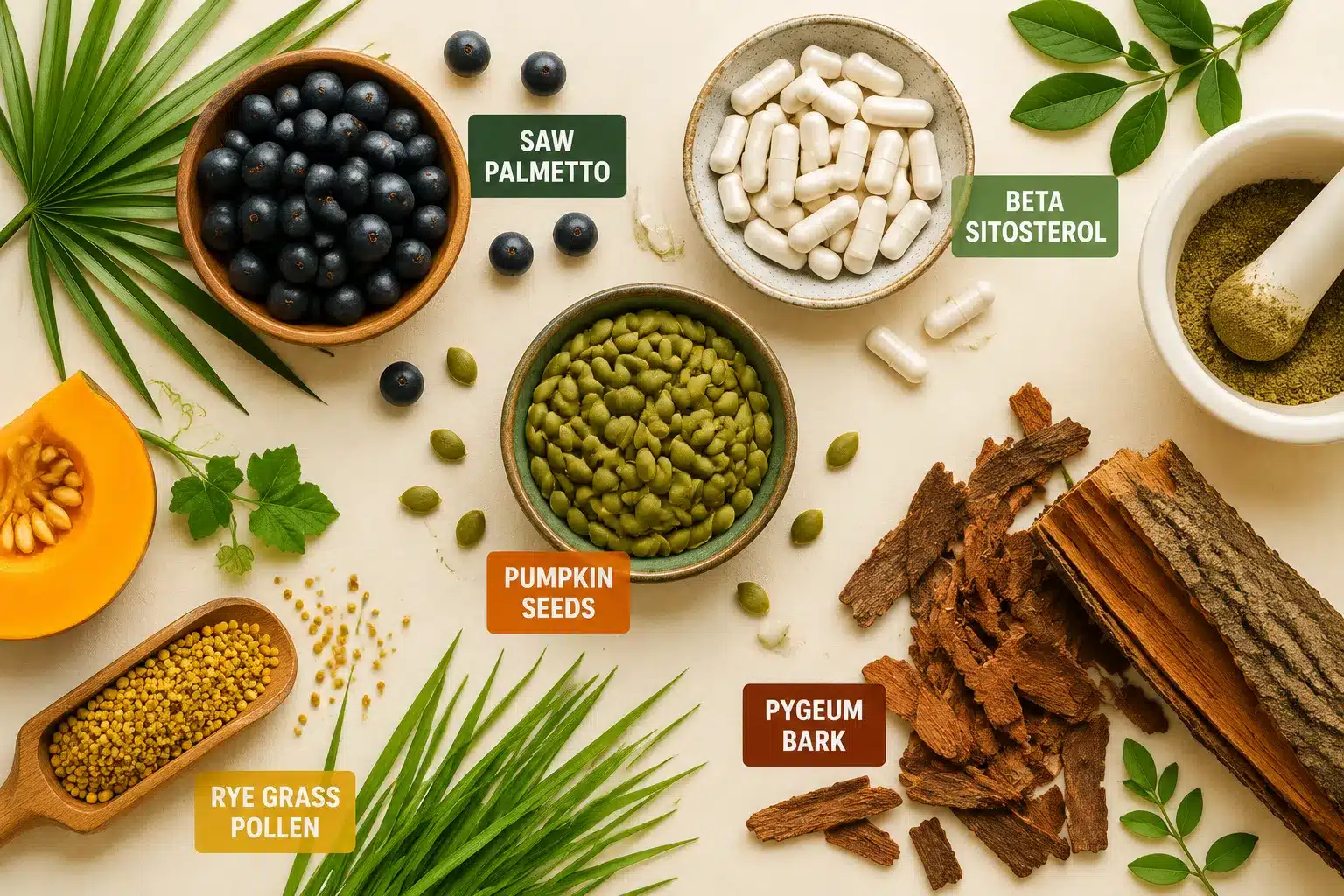
Best Herbs and Supplements for Prostate Health: Saw Palmetto, Beta-Sitosterol, and More
The most evidence-backed herbs and supplements for prostate health fall into a clear hierarchy based on clinical trial quality and consistency of results.
Saw Palmetto
Saw palmetto (Serenoa repens) is extracted from the berries of a small palm tree native to the southeastern United States. It is the most widely used herbal remedy for BPH globally. Its proposed mechanism is inhibition of 5-alpha reductase, reducing DHT accumulation in prostate tissue.
The evidence is genuinely mixed. Some well-designed trials show no benefit over placebo, while others show modest improvements in urinary flow and symptom scores [2]. A 2011 JAMA-published trial found no significant difference between saw palmetto and placebo at standard or higher doses. However, a 2022 review noted that extract quality varies enormously between products, which may explain inconsistent results [6].
Typical dose: 160 mg twice daily or 320 mg once daily of a standardized liposterolic extract
Beta-Sitosterol
Beta-sitosterol is a plant sterol found naturally in pumpkin seeds, soybeans, and pecans. It does not lower DHT directly but appears to reduce prostate inflammation and improve bladder muscle function.
The Cochrane review evidence here is more consistent than for saw palmetto. Four randomized controlled trials showed beta-sitosterol significantly improved peak urinary flow rate and reduced residual urine volume compared to placebo [3]. This makes it one of the stronger natural options for symptom relief.
Typical dose: 60 to 130 mg daily of beta-sitosterol
Pygeum Africanum
Pygeum is extracted from the bark of an African cherry tree. It has anti-inflammatory properties and may reduce prostate cell proliferation. A meta-analysis of 18 randomized trials found men taking pygeum were more than twice as likely to report symptom improvement compared to placebo [2].
Typical dose: 100 to 200 mg daily of standardized extract
Rye Grass Pollen Extract (Cernilton)
Cernilton is a standardized rye pollen extract used widely in Europe and Japan. It appears to relax the smooth muscle of the urethra and reduce prostate swelling. Several trials show improvement in overall symptoms and nighttime urination frequency [2].
Typical dose: 126 mg three times daily
Zinc and Selenium
The prostate contains the highest concentration of zinc of any organ in the body. Low zinc levels have been associated with prostate enlargement and inflammation. Selenium has antioxidant properties that may protect prostate cells. Evidence for both is preliminary but biologically plausible [7].
Stinging Nettle Root
Often combined with saw palmetto in commercial formulas, stinging nettle root (Urtica dioica) may inhibit sex hormone binding globulin and reduce DHT activity. Some small trials show symptom improvement, but large independent trials are lacking [4].
For a detailed review of how these ingredients are combined in commercial products, see this food supplements for prostate health guide.
How Long Does It Take to See Results from Natural Prostate Treatments
Most natural prostate treatments require consistent use for 4 to 12 weeks before meaningful symptom changes become apparent. This timeline is longer than prescription medications, which is one reason men sometimes abandon effective natural strategies too early.
Here is a realistic timeline based on available clinical data:
| Remedy | Typical Onset of Effect | Full Benefit Timeline |
|---|---|---|
| Beta-sitosterol | 4 to 6 weeks | 8 to 12 weeks |
| Saw palmetto | 4 to 8 weeks | 12 to 16 weeks |
| Pygeum | 4 to 6 weeks | 8 to 12 weeks |
| Rye pollen extract | 3 to 6 weeks | 8 to 12 weeks |
| Dietary changes | 6 to 12 weeks | 3 to 6 months |
| Exercise | 4 to 8 weeks | Ongoing improvement |
Common mistake: Men often switch supplements after two or three weeks because they see no change. Most clinical trials run for 12 to 24 weeks. Giving a supplement less than 8 weeks is not a fair test.
Edge case: Men with very large prostates (above 80 mL in volume) are less likely to see meaningful symptom relief from natural remedies alone. If you want to estimate your prostate size and track changes over time, the prostate volume calculator is a useful starting reference.
Can Diet Changes Help Reduce Prostate Enlargement
Diet is one of the most consistently supported natural strategies for managing BPH symptoms and slowing prostate growth. While no single food will shrink your prostate overnight, the cumulative effect of a prostate-friendly diet over months is well-documented in epidemiological and clinical research [10].

Foods That Support Prostate Health
Tomatoes and lycopene: Lycopene is a carotenoid found in cooked tomatoes, watermelon, and pink grapefruit. Multiple observational studies associate higher lycopene intake with lower BPH risk and slower progression. Cooking tomatoes in olive oil increases lycopene bioavailability significantly [10].
Cruciferous vegetables: Broccoli, cauliflower, Brussels sprouts, and kale contain sulforaphane and indole-3-carbinol, compounds that appear to reduce prostate cell proliferation and inflammation [10].
Pumpkin seeds: Rich in beta-sitosterol and zinc, pumpkin seeds have traditional use in European folk medicine for BPH and some supporting clinical evidence [4].
Green tea: Epigallocatechin gallate (EGCG) in green tea has demonstrated anti-inflammatory and anti-proliferative effects on prostate tissue in laboratory studies. Population studies in Japan, where green tea consumption is high, show lower BPH rates [10].
Fatty fish: Omega-3 fatty acids in salmon, sardines, and mackerel reduce systemic inflammation, which may slow prostate enlargement.
What Foods to Avoid with Prostate Problems
Certain foods consistently appear in research as aggravating BPH symptoms or promoting prostate growth:
- Red and processed meat: High intake is associated with increased BPH risk in multiple large cohort studies [10]
- Alcohol: Acts as a diuretic and irritates the bladder; even moderate consumption worsens urinary symptoms in many men
- Caffeine: A bladder irritant that increases urinary urgency and frequency
- Spicy foods: Can irritate the urinary tract and worsen urgency symptoms
- Dairy and saturated fat: Some evidence links high dairy intake to faster prostate growth, though findings are not fully consistent
- Refined carbohydrates and sugar: Associated with insulin resistance and metabolic syndrome, both of which correlate with faster BPH progression
A practical approach: adopt a Mediterranean-style diet. This pattern, high in vegetables, legumes, olive oil, fish, and whole grains, low in processed meat and refined carbohydrates, aligns with virtually every evidence-based dietary recommendation for prostate health [5].
Does Exercise Help with Enlarged Prostate Symptoms
Regular physical activity is one of the most underrated natural prostate remedies. Exercise reduces BPH symptoms through several mechanisms: it lowers systemic inflammation, improves insulin sensitivity, reduces sympathetic nervous system tone (which directly affects urinary tract muscle tension), and helps maintain healthy body weight [8].
A large prospective study cited by Harvard Health found that men who walked briskly for 2 to 3 hours per week had a 25% lower risk of BPH compared to sedentary men [8]. Vigorous exercise showed even greater protective effects.
Types of exercise most beneficial for BPH:
- Aerobic exercise (walking, cycling, swimming): Reduces sympathetic nervous system activity, which relaxes the smooth muscle around the urethra and improves urine flow
- Kegel exercises (pelvic floor training): Strengthen the muscles that control urination, reducing leakage and urgency
- Resistance training: Helps maintain testosterone-to-estrogen balance and reduces metabolic syndrome risk
Exercise to approach with caution:
- Cycling for long periods on a narrow saddle can put direct pressure on the prostate and worsen symptoms temporarily; use a wider, padded seat
Decision rule: If you are sedentary and have mild to moderate BPH symptoms, adding 30 minutes of brisk walking five days per week is one of the most cost-free, low-risk natural prostate remedies available. Most men notice symptom improvement within 4 to 8 weeks.
What’s the Difference Between Natural Remedies and Prescription Medications for BPH
Natural remedies and prescription medications work through overlapping but distinct mechanisms, with significant differences in strength of evidence, speed of action, and side effect profiles.
Prescription medications for BPH fall into two main categories:
Alpha-blockers (tamsulosin, alfuzosin, doxazosin): Relax smooth muscle in the prostate and bladder neck, improving urine flow within days to weeks. They do not shrink the prostate but relieve symptoms quickly. Side effects include dizziness, retrograde ejaculation, and low blood pressure.
5-alpha reductase inhibitors (finasteride, dutasteride): Block DHT production, actually reducing prostate volume by 20 to 30% over 6 to 12 months. More effective for large prostates. Side effects include sexual dysfunction in some men.
Natural remedies generally work more slowly, with more modest effect sizes, but with fewer serious side effects for most men. They are not regulated as drugs by the FDA, meaning quality control varies widely between products [2].
Natural vs. Prescription: Quick Comparison| Factor | Natural Remedies | Prescription Medications |
|---|---|---|
| Speed of action | 4 to 12 weeks | Days to weeks (alpha-blockers); months (5-ARIs) |
| Prostate volume reduction | Not well-established | 20 to 30% with 5-ARIs |
| Side effect risk | Generally low | Moderate (sexual dysfunction, dizziness) |
| Regulatory oversight | Supplement (limited FDA oversight) | FDA-approved drug |
| Cost | $20 to $60/month typical | $15 to $300+/month depending on drug |
| Best for | Mild to moderate symptoms, prevention | Moderate to severe symptoms, large prostate |
Many urologists take an integrative approach: lifestyle changes and supplements for mild BPH, adding prescription medication when symptoms become moderate to severe or when prostate volume is significantly enlarged.
Are There Any Side Effects from Natural Prostate Supplements
Most natural prostate supplements have favorable safety profiles when used at recommended doses, but side effects do occur and are often underreported because supplements are not subject to the same adverse event reporting requirements as drugs [2].
Saw palmetto side effects:
- Mild gastrointestinal upset (nausea, diarrhea, stomach pain), most common
- Headache
- Rare reports of liver damage at very high doses
- May affect PSA test results, potentially masking prostate cancer detection [2]
Beta-sitosterol side effects:
- Generally well-tolerated
- Mild digestive symptoms at high doses
- May slightly reduce absorption of fat-soluble vitamins
Pygeum side effects:
- Mild GI symptoms
- Generally considered safe at standard doses
Zinc supplementation side effects:
- High doses (above 40 mg/day long-term) can cause copper deficiency, immune suppression, and reduced HDL cholesterol
- Nausea at doses above 50 mg
Critical warning: Saw palmetto has weak 5-alpha reductase inhibitory activity, which means it may lower PSA levels. If you are being monitored for prostate cancer or are due for a PSA screening, tell your doctor you are taking saw palmetto. A falsely low PSA could delay cancer detection [2].
For a thorough review of a multi-ingredient prostate supplement and its safety profile, see this Prosta Surge X review.
When Should You See a Doctor Instead of Trying Natural Remedies
Natural remedies are appropriate for mild to moderate BPH symptoms in men who have already had a medical evaluation. They are not appropriate as a substitute for diagnosis or for managing serious symptoms.

See a doctor immediately if you experience:
- Complete inability to urinate (acute urinary retention), this is a medical emergency
- Blood in urine or semen
- Pain in the lower back, pelvis, or upper thighs
- Fever combined with urinary symptoms (possible infection)
- Sudden worsening of symptoms
See a doctor before starting natural remedies if:
- You have never been evaluated for BPH and are experiencing urinary symptoms for the first time
- Your PSA has not been tested recently (recommended annually for men over 50, or over 40 with risk factors)
- You are already on prescription medications for any condition
- Symptoms are moderate to severe based on the International Prostate Symptom Score (IPSS score above 8)
- You have a family history of prostate cancer
Why this matters: Urinary symptoms can be caused by prostate cancer, urinary tract infections, bladder problems, or neurological conditions, not just BPH. Starting natural remedies without a diagnosis means potentially delaying treatment for something more serious.
For men who have been diagnosed with BPH and want to understand all available options, the how to shrink prostate naturally guide provides a comprehensive overview of both lifestyle and supplemental approaches.
Can You Shrink an Enlarged Prostate Without Surgery
Yes, many men manage BPH successfully without surgery, though the approach depends on symptom severity and prostate size. Surgery is typically reserved for men who have failed medical therapy, have very large prostates, or have complications like recurrent urinary tract infections or bladder stones.
Non-surgical options in order of invasiveness:
Watchful waiting: For mild symptoms (IPSS score below 8), active monitoring with lifestyle changes is a standard first approach. Many men with mild BPH do not progress significantly for years.
Natural remedies and lifestyle changes: As detailed throughout this article, diet, exercise, supplements. Best for mild symptoms or as adjuncts to medical therapy.
Prescription medications: Alpha-blockers and 5-alpha reductase inhibitors manage the majority of moderate BPH cases effectively without surgery.
Minimally invasive procedures: Options like UroLift (prostatic urethral lift), Rezum (water vapor therapy), and prostatic artery embolization offer surgical-level results with shorter recovery times and are performed outpatient.
Traditional surgery (TURP): Transurethral resection of the prostate remains the gold standard for severe BPH but carries risks including retrograde ejaculation and, rarely, incontinence.
Decision rule: Choose natural remedies and watchful waiting if your IPSS score is below 8, you have no complications, and your PSA is within normal range. Move to prescription medication if symptoms are moderate (IPSS 8 to 19) or significantly affecting quality of life. Discuss minimally invasive or surgical options if medication fails or complications develop.
Are Natural Prostate Remedies Safe to Take with Other Medications
This is one of the most important questions men ask, and the answer is: it depends on the specific supplement and medication combination. Several natural prostate remedies have documented interactions with common prescription drugs.
Key drug-supplement interactions to know:
- Saw palmetto + blood thinners (warfarin, aspirin, clopidogrel): Saw palmetto has mild antiplatelet effects. Combining it with anticoagulants increases bleeding risk, particularly before surgery [2].
- Saw palmetto + hormonal therapies: May interfere with testosterone replacement therapy or medications for prostate cancer.
- Beta-sitosterol + cholesterol-lowering drugs (statins, ezetimibe): Beta-sitosterol can reduce cholesterol absorption; combining with statins may have additive effects requiring monitoring.
- Zinc supplements + antibiotics (fluoroquinolones, tetracyclines): Zinc can reduce absorption of these antibiotics if taken simultaneously. Space doses by at least 2 hours.
- Pygeum + anticoagulants: Some evidence of mild blood-thinning activity.
- Stinging nettle + diuretics or blood pressure medications: May have additive effects on blood pressure.
Practical rule: Always disclose every supplement you take to your prescribing physician and pharmacist. This is especially important before any surgical procedure, since many natural supplements must be stopped 2 weeks prior to surgery to reduce bleeding risk.
For men interested in how natural prostate health connects to broader metabolic health, the natural cures for high blood sugar guide explores overlapping lifestyle strategies relevant to men managing both conditions.
Who Shouldn’t Take Prostate Supplements and Why
Certain groups of men should avoid prostate supplements entirely or use them only under close medical supervision.
Men who should NOT take prostate supplements without medical clearance:
- Men with diagnosed prostate cancer: Supplements that affect DHT or hormone levels could theoretically interfere with cancer treatment. Some supplements may also mask PSA changes used to monitor cancer progression [2].
- Men scheduled for surgery within 2 weeks: Multiple prostate supplements have antiplatelet or anticoagulant effects.
- Men on hormone replacement therapy or androgen deprivation therapy: Saw palmetto and other DHT-modulating supplements may interfere with the intended hormonal effects of these treatments.
- Men with liver disease: Some supplements, particularly at high doses, add metabolic burden to the liver.
- Men with nut or plant allergies: Beta-sitosterol is derived from plant sources; pollen-based products like Cernilton are obviously contraindicated in severe pollen allergies.
- Men under 40 with urinary symptoms: Urinary symptoms in younger men are less likely to be BPH and more likely to be prostatitis, infection, or another condition requiring specific diagnosis before treatment.
Important note on PSA monitoring: Because several prostate supplements can lower PSA levels, men who are being monitored for prostate cancer or who are due for prostate cancer screening should discuss supplement use with their urologist before starting. A falsely suppressed PSA is a genuine safety concern [2].
Practical Ways to Shrink Your Prostate: Natural Prostate Remedies Action Plan
Putting all of the above together into a workable daily plan makes the difference between reading about natural remedies and actually benefiting from them. Here is a structured approach based on the evidence reviewed.
Step-by-Step Natural Prostate Remedies Protocol
Step 1: Get a baseline medical evaluation Before starting any supplement, confirm your diagnosis with a urologist. Get a PSA test, a digital rectal exam, and ideally an IPSS symptom score. This gives you a baseline to measure improvement against.
Step 2: Implement dietary changes first (Week 1 onward)
- Eliminate alcohol and caffeine for at least 4 weeks to assess their impact on your symptoms
- Add cooked tomatoes, cruciferous vegetables, and pumpkin seeds to daily meals
- Reduce red meat to no more than twice per week
- Drink adequate water (6 to 8 glasses daily) but reduce fluid intake after 6 PM to reduce nighttime urination
Step 3: Start an exercise routine (Week 1 onward)
- 30 minutes of brisk walking, 5 days per week
- Add pelvic floor (Kegel) exercises: 3 sets of 10 contractions daily
Step 4: Choose one to two evidence-backed supplements (Week 2 onward)
- Start with beta-sitosterol (60 to 130 mg daily) for the strongest short-term symptom evidence
- Consider adding saw palmetto (320 mg daily of standardized extract) if you want to address DHT activity
- Purchase from brands that provide third-party testing certificates (USP, NSF, or ConsumerLab verified)
Step 5: Track symptoms consistently
- Use the IPSS questionnaire monthly to objectively measure change
- Keep a urination diary for the first 2 weeks to establish baseline frequency and volume
Step 6: Reassess at 12 weeks
- If symptoms have not improved, consult your urologist about prescription options
- If symptoms have improved, continue the protocol and recheck PSA annually
For additional supplement options that combine multiple evidence-backed ingredients, the Prostadine prostate drops review and Gorilla Flow prostate supplement review offer detailed breakdowns of commercial formulations.
Red Flags: When Natural Prostate Remedies Are Not Enough
Recognizing when natural approaches have reached their limits protects you from delayed treatment of serious conditions.
Signs that natural remedies are not sufficient:
- Symptoms worsen despite 12 weeks of consistent natural treatment
- You develop urinary tract infections (burning, fever, cloudy urine)
- PSA rises above 4 ng/mL or doubles within 12 months
- You experience any urinary retention (inability to void)
- Bladder feels constantly full or you notice incontinence
- You begin waking up more than 3 times per night to urinate
Signs that warrant urgent evaluation (not just a routine appointment):
- Blood in urine
- Severe pelvic pain
- Complete inability to urinate
- High fever with urinary symptoms
Natural prostate remedies are genuinely useful tools for the right patients at the right stage of BPH. They are not a substitute for medical care when the situation calls for it.
For men who want to understand the full landscape of how to naturally support prostate health from a cleansing and detox perspective, the how to clean your prostate naturally guide covers complementary strategies.
Frequently Asked Questions
Can saw palmetto actually shrink the prostate? Saw palmetto has not been shown in high-quality clinical trials to physically reduce prostate volume. It may reduce BPH symptoms in some men by inhibiting DHT activity, but its effect on actual prostate size is not established. Prescription 5-alpha reductase inhibitors like finasteride are the only agents with documented prostate volume reduction of 20 to 30% [8].
Is it safe to take prostate supplements long-term? Most prostate supplements, saw palmetto, beta-sitosterol, pygeum, have been used in trials lasting up to 12 months without serious safety signals. Long-term data beyond 2 years is limited. Annual check-ins with your doctor, including PSA monitoring, are advisable for anyone taking supplements long-term [2].
Do prostate supplements affect PSA test results? Yes. Saw palmetto and other 5-alpha reductase inhibiting supplements can lower PSA levels, potentially masking prostate cancer. Always tell your doctor you are taking prostate supplements before a PSA test so results can be interpreted correctly [2].
What is the single most effective natural remedy for BPH symptoms? Based on the current body of clinical evidence, beta-sitosterol has the most consistent short-term evidence for improving urinary flow and reducing residual urine volume. It is supported by a Cochrane review of multiple randomized controlled trials [3]. Dietary changes and exercise have the strongest long-term evidence for slowing BPH progression.
Can I take multiple prostate supplements at the same time? Many commercial prostate formulas combine saw palmetto, beta-sitosterol, pygeum, zinc, and other ingredients. This is generally safe, but combining multiple supplements increases the risk of reaching doses that cause side effects or interact with medications. Start with one or two supplements and add others gradually.
How do I know if a prostate supplement is high quality? Look for products that carry third-party testing certifications from USP (United States Pharmacopeia), NSF International, or ConsumerLab. These organizations independently verify that the product contains what the label claims and is free from contaminants. Avoid products with proprietary blends that do not disclose individual ingredient doses.
Will losing weight help my prostate? Yes. Obesity and metabolic syndrome are associated with faster BPH progression and worse urinary symptoms. Weight loss reduces systemic inflammation, improves insulin sensitivity, and lowers estrogen levels, all of which benefit prostate health. Even a 5 to 10% reduction in body weight can meaningfully improve BPH symptoms [10].
Can stress worsen prostate symptoms? Stress activates the sympathetic nervous system, which increases muscle tension throughout the body including in the prostate and bladder neck. This can worsen urinary symptoms even without any change in prostate size. Stress management techniques, meditation, yoga, regular exercise, are legitimate adjuncts to natural prostate remedies.
Are there any natural remedies that can replace finasteride? No natural remedy has been shown in clinical trials to match the prostate volume reduction achieved by finasteride (20 to 30% over 12 months). Men with large prostates or significant BPH should not substitute natural remedies for prescription treatment without medical guidance.
How often should I get a prostate check while using natural remedies? Men over 50 using natural prostate remedies should have an annual PSA test and urological review. Men with elevated PSA or a family history of prostate cancer may need more frequent monitoring. Natural remedies do not eliminate the need for regular prostate cancer screening.
Conclusion
The evidence for ways to shrink your prostate through natural prostate remedies is real but nuanced. No single herb or supplement will reverse years of prostate growth overnight, but a consistent combination of dietary changes, regular exercise, and evidence-backed supplements can meaningfully reduce symptoms and slow BPH progression for many men.
Your actionable next steps:
- Get a medical baseline first. Confirm your BPH diagnosis, check your PSA, and score your symptoms with the IPSS before starting any natural protocol.
- Start with diet and exercise. These are the most consistently supported interventions and carry the fewest risks. Eliminate alcohol and caffeine, add lycopene-rich foods and cruciferous vegetables, and commit to 30 minutes of daily walking.
- Add beta-sitosterol as your first supplement choice. It has the strongest short-term clinical evidence for symptom relief. Follow with saw palmetto if you want additional DHT-modulating support.
- Give it 12 weeks. Measure your IPSS score monthly. If you see no improvement after 12 weeks of consistent effort, consult a urologist about prescription options.
- Never skip annual PSA monitoring. Natural remedies do not eliminate cancer risk, and some supplements can mask PSA changes.
Natural prostate remedies work best as part of a proactive, monitored health strategy, not as a reason to avoid medical care. Used correctly, they give many men genuine relief and a meaningful degree of control over a condition that affects quality of life profoundly.
References
[1] PMC8659259 – https://pmc.ncbi.nlm.nih.gov/articles/PMC8659259/ [2] Benign Prostatic Hyperplasia And Complementary And Integrative Approaches – https://www.nccih.nih.gov/health/providers/digest/benign-prostatic-hyperplasia-and-complementary-and-integrative-approaches [3] HN-1169004 – https://www.peacehealth.org/medical-topics/id/hn-1169004 [4] Medical News Today – https://www.medicalnewstoday.com/articles/321231 [5] RIJRMS-43-P13-2025 – https://rijournals.com/wp-content/uploads/2025/07/RIJRMS-43-P13-2025.pdf [6] PubMed 31577095 – https://pubmed.ncbi.nlm.nih.gov/31577095/ [7] PMC10749388 – https://pmc.ncbi.nlm.nih.gov/articles/PMC10749388/ [8] Natural Ways To Treat An Enlarged Prostate – https://www.health.harvard.edu/mens-health/natural-ways-to-treat-an-enlarged-prostate [9] Prostate Supplements Men Over 50 – https://www.supplementsover50.com/prostate-supplements-men-over-50/ [10] Natural Remedies – https://www.healthline.com/health/enlarged-prostate/natural-remedies

With over 13 years of experience in holistic health blogging, I aim to help you navigate your wellness journey with honest insights, expert-backed advice, and a sprinkle of real-world practicality.
Certified Wellness Writer | Herbal Nutrition Advocate | Wellness Research Enthusiast