
7 Best Dietary Supplements for Prostate Health: What Actually Works in 2026
Last updated: July 23, 2026
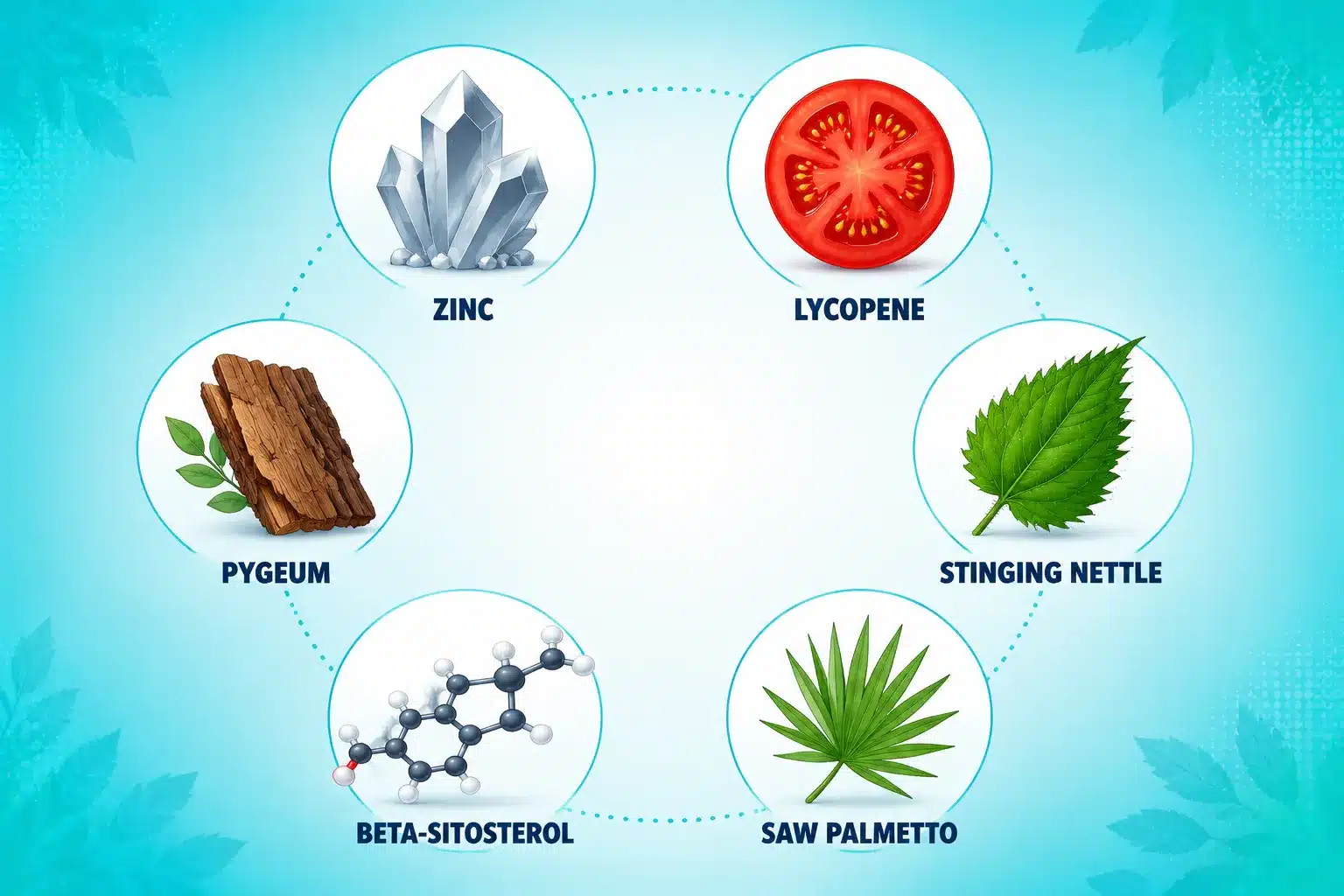
Quick Answer: The 7 best dietary supplements for prostate health with the strongest clinical backing are saw palmetto, beta-sitosterol, pygeum, zinc, lycopene, stinging nettle, and pumpkin seed oil. These work best for men dealing with benign prostatic hyperplasia (BPH) symptoms like frequent urination, weak urine flow, and nighttime waking. Results typically take 4 to 12 weeks, and none of these replace prescription medication for moderate-to-severe BPH.
Key Takeaways
- Saw palmetto (320 mg/day) and beta-sitosterol (60-130 mg/day) have the most clinical evidence for BPH symptom relief among prostate supplements.
- Zinc deficiency is directly linked to prostate enlargement; supplementing 15-30 mg daily may help men with confirmed low zinc levels.
- Lycopene (10-30 mg/day) shows the strongest antioxidant evidence for reducing PSA levels and protecting prostate cells.
- Vitamin E is not recommended for prostate health; large trials found it may increase prostate cancer risk.
- Most prostate supplements cost between $20 and $60 per month; combination formulas can offer better value than buying single ingredients.
- Supplements work best for mild-to-moderate BPH symptoms; they are not a substitute for prescription alpha-blockers or 5-alpha reductase inhibitors.
- Men under 40 rarely need prostate supplements; the target population is men 50 and older with confirmed BPH or elevated PSA.
- Always consult a doctor before starting any prostate supplement, especially if you are on blood thinners or prostate medications.
What Supplements Are Actually Good for Prostate Health
The supplements with the most credible evidence for prostate health are saw palmetto, beta-sitosterol, pygeum, zinc, lycopene, stinging nettle, and pumpkin seed oil. These seven have been evaluated in clinical trials, though effect sizes vary and not every man responds the same way.
Here is a breakdown of each, including what the evidence actually shows:
1. Saw Palmetto (Serenoa repens)
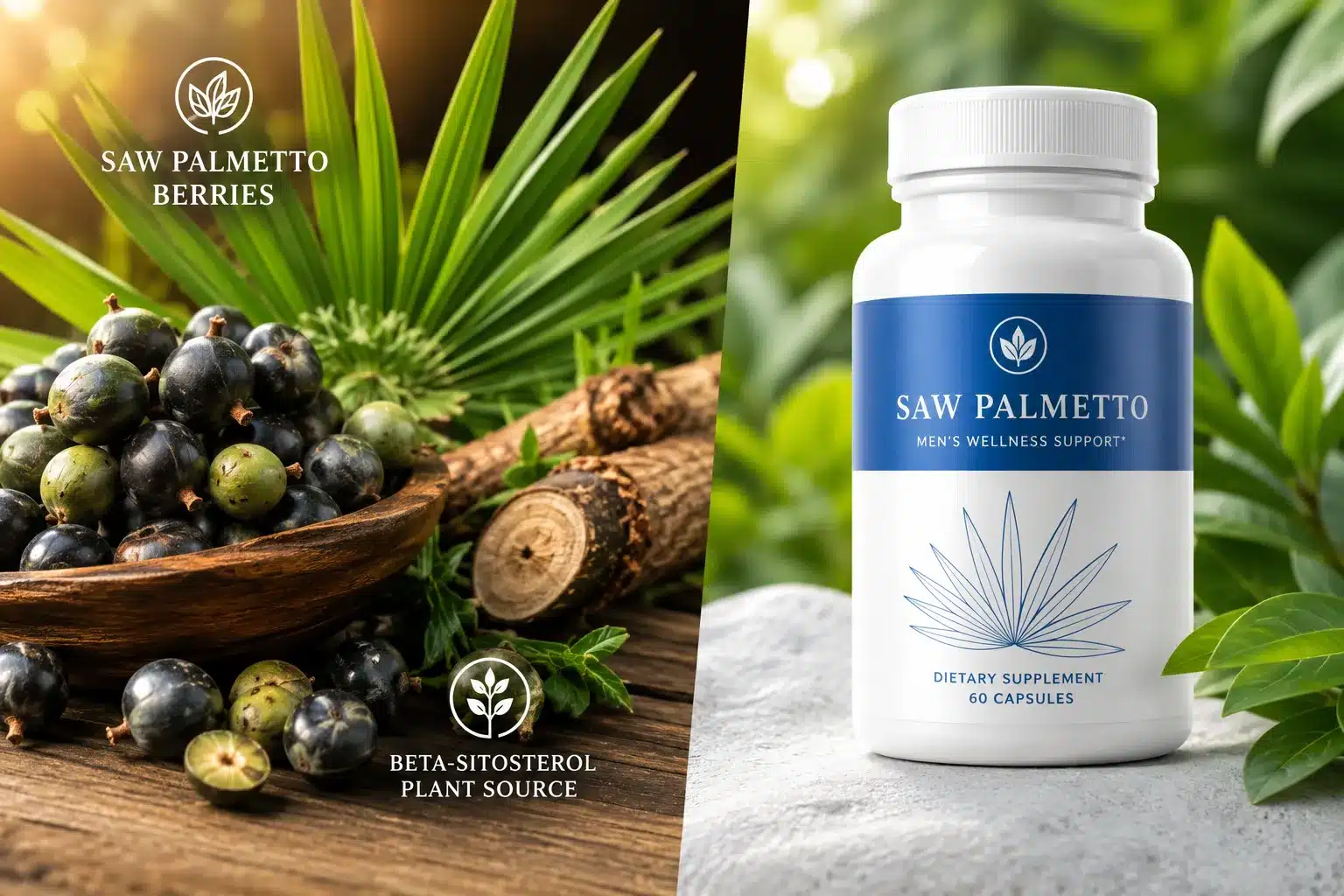
Saw palmetto is the most studied herbal supplement for BPH. It is extracted from the fruit of the Serenoa repens palm and is believed to work by blocking 5-alpha reductase, the enzyme that converts testosterone to dihydrotestosterone (DHT), a key driver of prostate enlargement. The standard dose is 320 mg daily of a liposterolic extract standardized to 85-95% fatty acids. Some studies show improvements in urinary flow and reduced nighttime urination, though a few large trials found no significant benefit over placebo. The inconsistency likely comes from differences in extract quality across brands [1].
2. Beta-Sitosterol
Beta-sitosterol is a plant sterol found in fruits, vegetables, and nuts. It does not shrink the prostate directly but has been shown in multiple controlled trials to improve urinary flow rate and reduce post-void residual urine volume in men with BPH. Effective doses range from 60 to 130 mg per day, and most men notice results within 4 to 8 weeks [2]. It is one of the few prostate supplement ingredients where the clinical signal is fairly consistent across studies.
3. Pygeum (Prunus africana)
Pygeum is extracted from the bark of the African cherry tree and has been used in European medicine for over 30 years to manage BPH. Clinical studies show it can improve urinary flow and reduce nocturia. Recommended doses are 100 to 200 mg of standardized extract daily. It is often combined with saw palmetto in multi-ingredient formulas [3].
4. Zinc
The prostate gland contains higher concentrations of zinc than almost any other tissue in the body. Research suggests zinc deficiency is associated with an increased risk of prostate enlargement and possibly prostate cancer. Supplementing with 15 to 30 mg daily, preferably as zinc citrate or zinc bisglycinate (better absorbed forms), may support prostate function in men with low zinc status [4]. Note: high-dose zinc (above 40 mg/day long-term) can interfere with copper absorption, so dose matters.
5. Lycopene
Lycopene is the carotenoid that gives tomatoes their red color. It has potent antioxidant properties and epidemiological studies consistently link higher lycopene intake to lower PSA levels and reduced prostate cancer risk. Supplemental doses of 10 to 30 mg daily are commonly used. Cooked tomato products (tomato paste, sauce) deliver lycopene more bioavailably than raw tomatoes, so food sources and supplements can complement each other [4].
6. Stinging Nettle (Urtica dioica)
Stinging nettle root extract is believed to work by inhibiting the binding of sex hormone-binding globulin (SHBG) and by reducing DHT conversion, similar to saw palmetto. It is rarely used alone but frequently combined with saw palmetto in combination products. Evidence for standalone use is weaker than for saw palmetto or beta-sitosterol, but combination data is more promising [3].
7. Pumpkin Seed Oil
Pumpkin seed oil contains phytosterols, zinc, and essential fatty acids that may support bladder and prostate function. A few small trials found improvements in BPH symptoms and urinary flow. It is generally well-tolerated and is a reasonable addition to a prostate health protocol, though evidence is less robust than for the top three ingredients above [6].
Do Prostate Supplements Really Work, or Is It a Scam
Prostate supplements are not a scam, but they are also not miracle cures. The honest answer is that they work for some men with mild-to-moderate BPH symptoms, particularly those who prefer to avoid or delay prescription medication.
The evidence is strongest for beta-sitosterol and saw palmetto. Beta-sitosterol has shown consistent improvements in urinary symptom scores in multiple randomized controlled trials. Saw palmetto results are more mixed, with some high-quality trials showing no difference from placebo and others showing meaningful symptom relief [1][2].
What tends to make supplements look like scams is unrealistic marketing. No supplement will shrink an enlarged prostate the way finasteride or dutasteride can. No supplement will replace an alpha-blocker like tamsulosin for men with significant urinary obstruction. But for men with mild symptoms who want a low-risk, affordable first step, several of these ingredients have genuine clinical support.
Red flags to avoid in prostate supplements:
- Products making claims like “cures prostate cancer” or “eliminates BPH permanently”
- Proprietary blends that hide individual ingredient doses
- No third-party testing certification (look for NSF, USP, or Informed Sport seals)
- Extremely low prices that suggest underdosed formulas
For a deeper look at specific supplement products, see our food supplements for prostate health guide and our Gorilla Flow prostate supplement review.
Saw Palmetto vs. Beta-Sitosterol for Prostate: Which Is Better
For most men, beta-sitosterol has a slightly more consistent evidence base than saw palmetto, but saw palmetto may offer additional benefits through its DHT-blocking mechanism.
Here is a direct comparison:
| Factor | Saw Palmetto | Beta-Sitosterol |
|---|---|---|
| Primary mechanism | Inhibits 5-alpha reductase (DHT blocker) | Reduces prostate inflammation, improves flow |
| Clinical consistency | Mixed (quality-dependent) | More consistent across trials |
| Standard dose | 320 mg/day (85-95% fatty acids) | 60-130 mg/day |
| Time to results | 4-12 weeks | 4-8 weeks |
| Best for | DHT-related prostate growth, hair loss concern | Urinary flow improvement, residual urine |
| Average monthly cost | $15-$30 | $20-$40 |
Choose saw palmetto if your main concern is DHT-driven prostate growth and you want a well-studied herbal option with decades of use in Europe.
Choose beta-sitosterol if your primary symptom is weak urinary flow or incomplete bladder emptying, and you want the ingredient with the most consistent clinical trial results [2].
Many combination formulas include both, which may provide additive benefit. If you are considering a multi-ingredient product, our Prostadine prostate drops review covers one popular option in detail.
Lycopene, Zinc, and Selenium for Prostate: Which One Should You Take
These three nutrients address different aspects of prostate health, and the right choice depends on your specific situation.
- Lycopene is best for men concerned about oxidative stress, elevated PSA, or prostate cancer risk. It is a powerful antioxidant that protects prostate cells from DNA damage. Dose: 10-30 mg/day [4].
- Zinc is best for men with confirmed or suspected zinc deficiency, which is common in older men and those with poor dietary intake. It supports normal prostate cell function and immune response. Dose: 15-30 mg/day as zinc citrate or bisglycinate [4].
- Selenium has a more complicated evidence profile. Early observational studies were promising, but the large SELECT trial found that selenium supplementation did not reduce prostate cancer risk and may have increased risk in men who already had adequate selenium levels. For this reason, selenium supplementation is not broadly recommended unless deficiency is confirmed [5].
The practical takeaway: Most men will benefit more from lycopene and zinc than from selenium. If you eat a diet low in tomato products and red meat, both lycopene and zinc supplementation make sense. Get selenium from food (two Brazil nuts per day provides more than enough) rather than a supplement.
Best Supplements for Enlarged Prostate (BPH)
For benign prostatic hyperplasia specifically, the goal is reducing urinary symptoms: frequency, urgency, weak stream, and nighttime waking. The 7 best dietary supplements for prostate health address these symptoms through different pathways.
Ranked by evidence strength for BPH:
- Beta-sitosterol – Strongest and most consistent evidence for urinary flow improvement [2]
- Saw palmetto – Widely used, evidence mixed but positive in many trials when high-quality extract is used [1]
- Pygeum – 30+ years of European clinical use, good evidence for nocturia reduction [3]
- Stinging nettle – Modest standalone evidence, stronger in combination with saw palmetto [3]
- Pumpkin seed oil – Emerging evidence, well-tolerated, good add-on option [6]
- Zinc – Supportive role, especially in deficient men [4]
- Lycopene – More relevant for cancer prevention than acute BPH symptoms [4]
For men with confirmed BPH who want to understand all their options, including natural approaches, our guide on how to shrink the prostate naturally covers dietary, lifestyle, and supplement strategies together. You can also use our prostate volume calculator to understand your prostate size before deciding on a treatment approach.
Important note on BPH severity: Supplements are appropriate for mild-to-moderate BPH (International Prostate Symptom Score of 8-19). Men with severe BPH (IPSS 20+) or urinary retention should see a urologist before relying on supplements.
How Much Do Prostate Health Supplements Cost
Prostate supplements range from about $15 to $70 per month depending on the ingredient, brand quality, and whether you buy single ingredients or combination formulas.
Single-ingredient costs (monthly estimates):
- Saw palmetto (320 mg/day): $15-$30
- Beta-sitosterol (120 mg/day): $20-$40
- Pygeum (200 mg/day): $15-$25
- Zinc (30 mg/day): $8-$15
- Lycopene (20 mg/day): $15-$25
- Stinging nettle (500 mg/day): $10-$20
- Pumpkin seed oil (1000 mg/day): $15-$30
Combination formulas: $30-$70 per month. These typically include 4 to 8 ingredients in a single capsule and can be more cost-effective than buying each ingredient separately. The trade-off is that some combination products underdose individual ingredients to keep costs down.
What to watch for in pricing:
- Proprietary blends that list total blend weight but not individual ingredient amounts are a red flag for underdosing.
- Subscription pricing often cuts costs by 15-25% versus one-time purchases.
- Third-party tested products (NSF, USP certified) cost slightly more but provide quality assurance worth paying for.
Total cost of ownership: If you buy a quality combination formula at $45/month and add a separate zinc supplement at $12/month (since many combos underdose zinc), your real monthly spend is closer to $57. Factor this in when comparing products.
For men also managing related conditions, our best blood sugar supplements guide covers options relevant to metabolic health, which is closely tied to prostate health in older men.
Can You Take Multiple Prostate Supplements Together
Yes, most prostate supplements can be safely combined, and many combination products are specifically designed around synergistic ingredient stacks. However, there are a few important considerations.
Safe combinations:
- Saw palmetto + pygeum + stinging nettle: This is one of the most studied combinations and is the basis for many commercial prostate formulas [3][6].
- Beta-sitosterol + saw palmetto: Complementary mechanisms (urinary flow + DHT reduction).
- Lycopene + zinc: Different mechanisms (antioxidant vs. mineral support), no known interactions.
Combinations to be cautious about:
- High-dose zinc (above 40 mg/day total from all sources) can deplete copper. If your multivitamin already has 15 mg of zinc and you add a prostate supplement with another 30 mg, you are exceeding safe upper limits.
- Saw palmetto has mild blood-thinning properties. Combining it with anticoagulants (warfarin, aspirin, fish oil) may increase bleeding risk, especially around surgery.
- Do not combine prostate supplements with prescription 5-alpha reductase inhibitors (finasteride, dutasteride) without physician guidance, as the mechanisms overlap and the interaction is not well-studied.
Practical rule: Start with one supplement for 6 to 8 weeks to assess your response before adding a second. This makes it easier to identify what is working and what might be causing side effects.
Side Effects of Prostate Health Supplements
Most prostate supplements are well-tolerated, but side effects do occur, particularly at higher doses or in men with sensitivities.
Saw palmetto: The most common side effects are mild gastrointestinal symptoms (nausea, stomach upset, diarrhea), especially when taken on an empty stomach. Rare cases of liver toxicity have been reported with very high doses. Take with food to reduce GI issues [1].
Beta-sitosterol: Generally very well-tolerated. Occasional reports of nausea or indigestion. Men with sitosterolemia (a rare genetic condition affecting plant sterol metabolism) should avoid it [2].
Pygeum: Mild GI upset is the most common complaint. No serious adverse effects reported at standard doses [3].
Zinc: High doses (above 40 mg/day) cause nausea, copper deficiency, and immune suppression over time. Stick to 15-30 mg/day from all sources combined [4].
Lycopene: Very safe at supplemental doses. Extremely high intake from food (not supplements) can cause a harmless orange skin discoloration called lycopenodermia [4].
Stinging nettle: Occasional mild GI upset. Rare allergic reactions in people sensitive to the plant [3].
Vitamin E (what NOT to take): This deserves special mention. Earlier research suggested vitamin E might protect the prostate, but the large SELECT trial found that men taking vitamin E had a statistically significant increase in prostate cancer risk. Vitamin E supplementation for prostate health is not recommended [5].
Who should be most cautious: Men on blood thinners, men scheduled for surgery (stop saw palmetto 2 weeks prior), and men already on prescription prostate medications should always consult their doctor before adding any supplement.

Prostate Supplements for Young Men vs. Older Men
Prostate supplements are primarily designed for and studied in men over 50. Young men under 40 rarely need them, and the evidence base does not extend to younger populations.
Men over 50: This is the core target population. BPH affects roughly 50% of men by age 60 and up to 90% by age 85 (estimate based on widely reported epidemiological patterns). Supplements like saw palmetto, beta-sitosterol, and pygeum address the urinary symptoms that become common in this age group. Zinc and lycopene are also relevant for cancer risk reduction in this demographic.
Men aged 40-50: Some men in this range begin to notice early BPH symptoms. Lycopene and zinc are reasonable preventive options. Saw palmetto or beta-sitosterol may be appropriate if urinary symptoms are present, but a urologist visit to rule out other causes is advisable first.
Men under 40: Prostate issues are uncommon in this group. Prostatitis (prostate inflammation, often bacterial) is the more likely diagnosis in younger men with urinary symptoms, and it requires antibiotic treatment, not supplements. Taking prostate supplements as a young man with no symptoms is unlikely to provide benefit and adds unnecessary cost.
The hormonal angle for younger men: Some younger men take saw palmetto specifically to reduce DHT for hair loss prevention. This is a different use case from prostate health, and the evidence for saw palmetto in androgenetic alopecia is separate from the BPH literature. If you are a younger man primarily concerned about hair loss and testosterone balance, our best male stamina supplements guide covers related hormonal support options.
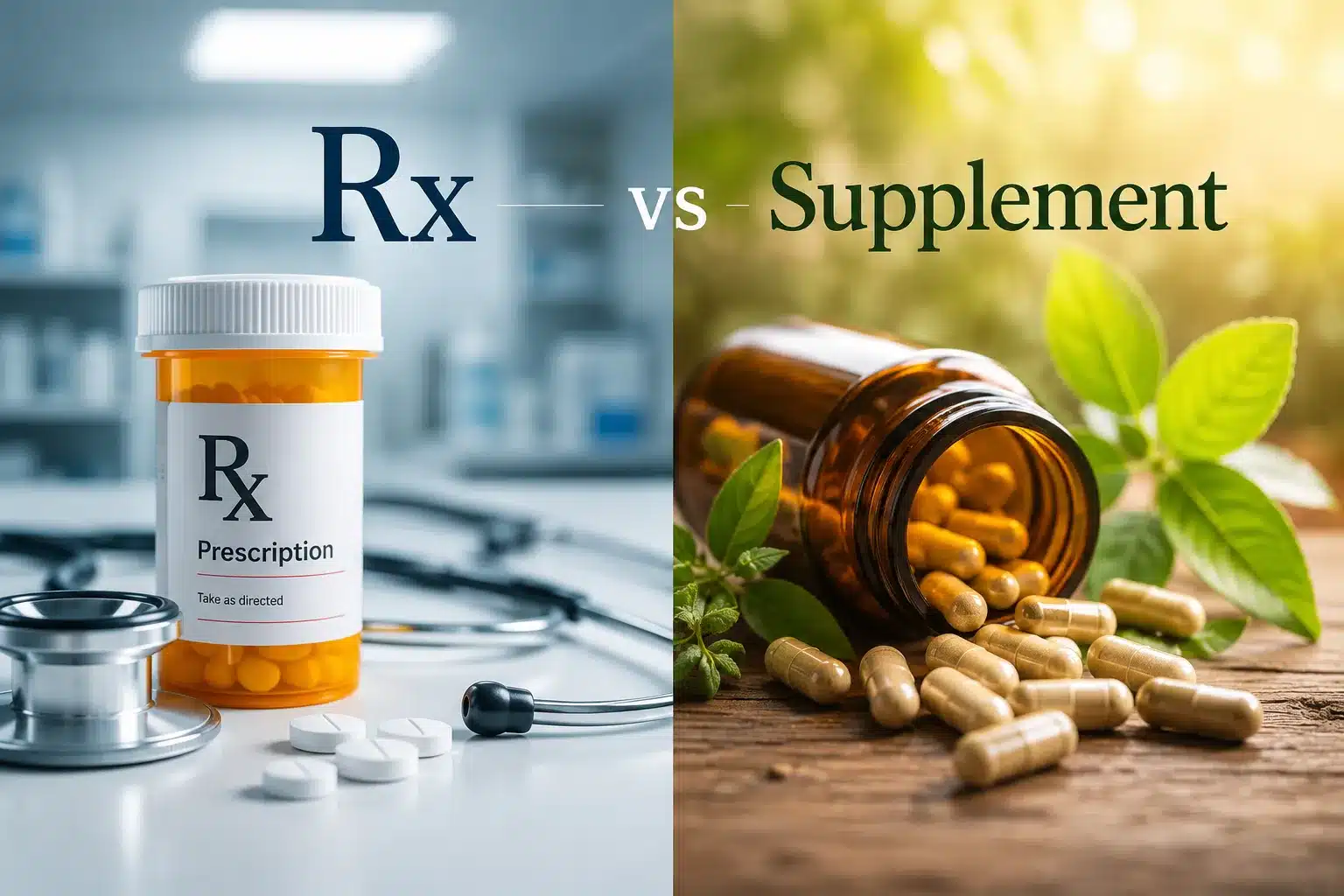
What Is the Difference Between Prostate Supplements and Prescription Medication
Prostate supplements and prescription medications work through overlapping but distinct mechanisms, and they are appropriate for different levels of BPH severity.
Prescription medications for BPH:
- Alpha-blockers (tamsulosin, alfuzosin): Relax the smooth muscle in the prostate and bladder neck to improve urine flow. Work within days. Do not shrink the prostate.
- 5-alpha reductase inhibitors (finasteride, dutasteride): Block DHT production, actually shrink the prostate over 6-12 months. Best for men with significantly enlarged prostates. Side effects include reduced libido and erectile dysfunction in some men.
Prostate supplements:
- Work through similar mechanisms (saw palmetto inhibits 5-alpha reductase, beta-sitosterol reduces inflammation) but with much weaker pharmacological effect.
- No regulatory requirement to prove efficacy before sale (unlike prescription drugs, which require FDA approval based on clinical trials).
- Lower risk of significant side effects compared to prescription medications.
- Appropriate for mild symptoms or as an adjunct to prescription therapy.
When to choose supplements: Mild BPH symptoms, preference to avoid medication side effects, early-stage management while monitoring.
When to choose prescription medication: Moderate-to-severe symptoms (IPSS above 19), urinary retention, significant impact on quality of life, or when supplements have been tried for 3 months without improvement.
When to see a urologist immediately: Blood in urine, inability to urinate, severe pelvic pain, or PSA levels that are rising rapidly. These are not supplement situations.
For men also dealing with related men’s health concerns, our guide on how to shrink a swollen prostate covers both medical and natural approaches in detail.
How Long Does It Take to See Results from Prostate Supplements
Most men taking evidence-based prostate supplements see noticeable improvement in 4 to 12 weeks, with beta-sitosterol tending toward the faster end of that range.
Expected timelines by ingredient:
- Beta-sitosterol: 4-8 weeks for urinary flow improvement [2]
- Saw palmetto: 6-12 weeks for symptom reduction [1]
- Pygeum: 4-8 weeks for nocturia reduction [3]
- Zinc: 8-12 weeks if correcting deficiency
- Lycopene: Longer-term benefit (months to years for cancer risk reduction; not a short-term symptom fix)
Why results vary:
- Extract quality matters enormously. A saw palmetto product with a poorly standardized extract may show no effect while a high-quality 85-95% fatty acid extract shows clear benefit.
- Individual baseline matters. Men with more severe BPH tend to see less dramatic improvement from supplements than men with mild symptoms.
- Consistency matters. Missing doses regularly will delay or eliminate results.
If you see no improvement after 12 weeks: This is a reasonable signal that supplements are not sufficient for your level of symptoms. Schedule a urology appointment rather than continuing to cycle through different supplement brands.
Are There Any Prostate Supplements That Actually Have Clinical Studies
Yes, several prostate supplement ingredients have genuine peer-reviewed clinical trial data. The key is distinguishing between ingredients with real evidence and those backed only by manufacturer claims.
Ingredients with the strongest clinical evidence:
- Beta-sitosterol: Multiple randomized controlled trials showing significant improvements in urinary symptom scores and flow rates in BPH patients [2].
- Saw palmetto: Dozens of clinical trials, with most showing benefit and a few large trials (including a Cochrane review) showing mixed results. The inconsistency is largely attributed to extract quality variation [1].
- Pygeum: A Cochrane systematic review covering multiple trials found pygeum significantly improved urinary symptoms and flow measures compared to placebo [3].
- Lycopene: Epidemiological studies and several intervention trials link lycopene intake to lower PSA levels and reduced prostate cancer incidence [4].
Ingredients with weaker or preliminary evidence:
- Stinging nettle: Positive small trials, but fewer large RCTs than the top tier [3].
- Pumpkin seed oil: A few small trials with positive results, but not yet confirmed in large studies [6].
- Green tea extract (EGCG): Preliminary evidence for prostate cancer prevention, not yet proven for BPH.
How to evaluate a supplement’s evidence claims:
- Look for citations to PubMed-indexed studies, not just the brand’s own website.
- Check whether the dose in the product matches the dose used in the clinical trial.
- Prefer products tested in independent labs (NSF International, ConsumerLab, USP).
Who Should Not Take Prostate Supplements
Certain groups of men should avoid prostate supplements entirely or use them only under medical supervision.
Men who should avoid or use with caution:
- Men on anticoagulants (warfarin, heparin, newer blood thinners): Saw palmetto has mild antiplatelet effects and may increase bleeding risk [1].
- Men scheduled for surgery: Stop saw palmetto at least 2 weeks before any surgical procedure due to bleeding risk.
- Men with sitosterolemia: This rare genetic condition causes abnormal plant sterol accumulation; beta-sitosterol is contraindicated [2].
- Men already on prescription BPH medications: Combining saw palmetto with finasteride or dutasteride involves overlapping mechanisms and potential for additive side effects; requires physician oversight.
- Men with prostate cancer: Supplements are not a treatment for prostate cancer. Some ingredients (like saw palmetto affecting PSA levels) may complicate cancer monitoring. Always disclose supplement use to your oncologist.
- Men with liver disease: High-dose herbal supplements, including saw palmetto at excessive doses, have been associated with rare liver toxicity. Caution is warranted [5].
- Men taking hormonal therapies: Any supplement affecting DHT or testosterone metabolism (saw palmetto, stinging nettle) can interact with hormone-based treatments.
The general rule: If you are managing any chronic condition or taking prescription medications, bring a list of any supplements you are considering to your next doctor’s appointment before starting them.
Frequently Asked Questions
What is the single best supplement for prostate health? Beta-sitosterol has the most consistent clinical evidence for improving BPH urinary symptoms. If you can only take one supplement, 60-130 mg of beta-sitosterol daily is the best-supported choice based on current research [2].
Can prostate supplements prevent prostate cancer? Lycopene and zinc show the strongest associations with reduced prostate cancer risk in epidemiological studies, but no supplement has been proven to prevent prostate cancer in randomized controlled trials. Selenium was once thought promising but failed in large trials [4][5].
Is saw palmetto safe for long-term use? Yes, saw palmetto has been used for over 30 years in European clinical practice with a good safety record at standard doses (320 mg/day). Long-term safety data beyond 3 years is limited, but no significant cumulative toxicity has been identified [1].
Do prostate supplements affect PSA test results? Saw palmetto and other 5-alpha reductase-inhibiting supplements may slightly lower PSA levels, which could mask a rising PSA that signals prostate cancer. Always tell your doctor you are taking prostate supplements before a PSA test.
Can I take a prostate supplement with a daily multivitamin? Usually yes, but check for zinc overlap. Many multivitamins contain 8-15 mg of zinc; if your prostate supplement adds another 15-30 mg, you may exceed the 40 mg/day upper tolerable limit. Choose a prostate formula that accounts for this or reduce your multivitamin dose.
Are combination prostate supplements better than single ingredients? Combination formulas offer convenience and may provide synergistic effects, but only if each ingredient is properly dosed. Many combination products underdose individual ingredients to fit multiple compounds into a single capsule. Always check that key ingredients like saw palmetto (320 mg) and beta-sitosterol (60+ mg) meet clinical dose thresholds [6].
What is the best time of day to take prostate supplements? Most prostate supplements are best taken with meals to reduce gastrointestinal side effects and improve absorption of fat-soluble ingredients like lycopene and saw palmetto (which contains fatty acids).
Do prostate supplements help with erectile function? Some prostate supplement ingredients (zinc, pumpkin seed oil) have secondary benefits for testosterone and sexual function. However, prostate supplements are not designed to treat erectile dysfunction. For ED-specific options, see our guide to best telehealth ED medication alternatives.
How do I know if a prostate supplement brand is trustworthy? Look for third-party testing certifications (NSF International, USP Verified, or ConsumerLab approved), transparent ingredient dosing (no proprietary blends hiding amounts), and manufacturing in an FDA-registered facility following cGMP standards.
At what age should men start thinking about prostate health? Proactive attention to prostate health (diet, exercise, regular PSA screening) makes sense starting around age 40-45. Prostate supplements are generally most appropriate for men 50 and older with symptoms or confirmed BPH.
Conclusion: Choosing the Right Prostate Supplement in 2026
The 7 best dietary supplements for prostate health are not equally supported by evidence, and matching the right supplement to your specific situation matters more than picking the most popular brand.
For urinary flow and BPH symptoms: Start with beta-sitosterol (60-130 mg/day) or a combination formula that includes beta-sitosterol and saw palmetto at full clinical doses.
For antioxidant and cancer risk reduction: Add lycopene (10-30 mg/day) and ensure adequate zinc intake (15-30 mg/day total from all sources).
For nocturia and nighttime urination: Pygeum (100-200 mg/day) has the strongest evidence for this specific symptom.
What to do next:
- Assess your symptoms using a validated tool like the International Prostate Symptom Score (IPSS) questionnaire, available from your doctor.
- Get a baseline PSA test and prostate exam if you are over 50 or have symptoms.
- Choose a supplement with third-party testing, transparent dosing, and ingredients that match your primary symptom.
- Give it 8 to 12 weeks before evaluating whether it is working.
- If symptoms are moderate-to-severe or not improving, consult a urologist rather than continuing to try different supplements.
Supplements work best as part of a broader prostate health strategy that includes a diet rich in tomatoes, cruciferous vegetables, and healthy fats; regular exercise; and routine medical monitoring. For more on natural approaches, see our guide on how to clean your prostate naturally and our Prosta Surge X review for a detailed look at one combination formula.
References
[1] Best Prostate Supplements – https://www.healthline.com/nutrition/best-prostate-supplements?utm_source=openai
[2] Best Prostate Supplements Evidence Ranked – https://www.mancore.net/blog/best-prostate-supplements-evidence-ranked?utm_source=openai
[3] Best Prostate Supplements – https://supplementlist.info/guide/best-prostate-supplements?utm_source=openai
[4] Best Prostate Supplements – https://healthymag.org/2026/04/28/best-prostate-supplements/?utm_source=openai
[5] Will Taking Supplements Improve My Prostate Health – https://health.clevelandclinic.org/will-taking-supplements-improve-my-prostate-health?utm_source=openai
[6] Best Prostate Supplements – https://www.performanceinsiders.com/sexual-health/best-prostate-supplements.html?utm_source=openai