
weight watchers glp 1 reviews
Last updated: September 25, 2026
Quick Answer
WeightWatchers (now rebranded as WW) launched a clinical weight-loss program that pairs GLP-1 receptor agonist medications, specifically semaglutide or tirzepatide, with behavioral coaching. Based on a wide range of weight watchers glp 1 reviews from real users and clinical data, members who stay consistent typically lose between 5% and 15% of their body weight over six months, though results vary significantly by medication dose, diet adherence, and individual metabolism. The program is legitimate, but it is not cheap, and it is not for everyone.
Key Takeaways
- WeightWatchers Clinic prescribes FDA-approved GLP-1 medications (semaglutide, tirzepatide) through a telehealth model bundled with WW coaching.
- Most real-user weight watchers glp 1 reviews report meaningful appetite suppression within the first two to four weeks.
- Monthly costs typically range from roughly $99 to over $300 depending on whether you use insurance, compounded medication, or brand-name drugs.
- Common side effects include nausea, constipation, and fatigue, especially during dose escalation phases.
- The program suits adults with a BMI of 30 or higher, or 27 or higher with a weight-related condition such as type 2 diabetes or hypertension.
- It is not appropriate for people with a personal or family history of medullary thyroid carcinoma or multiple endocrine neoplasia syndrome type 2.
- Most users do not see significant scale movement until weeks four through eight; expecting rapid results in week one is the most common mistake.
- Compared to traditional WW points-based plans, the clinical program adds medical oversight but also adds cost and potential side effects.
- Insurance coverage is inconsistent; many plans do not cover GLP-1 drugs for weight loss specifically.
- Alternatives such as direct telehealth GLP-1 providers may offer lower prices but without the integrated coaching ecosystem.
What Is WeightWatchers GLP-1 and How Does It Work
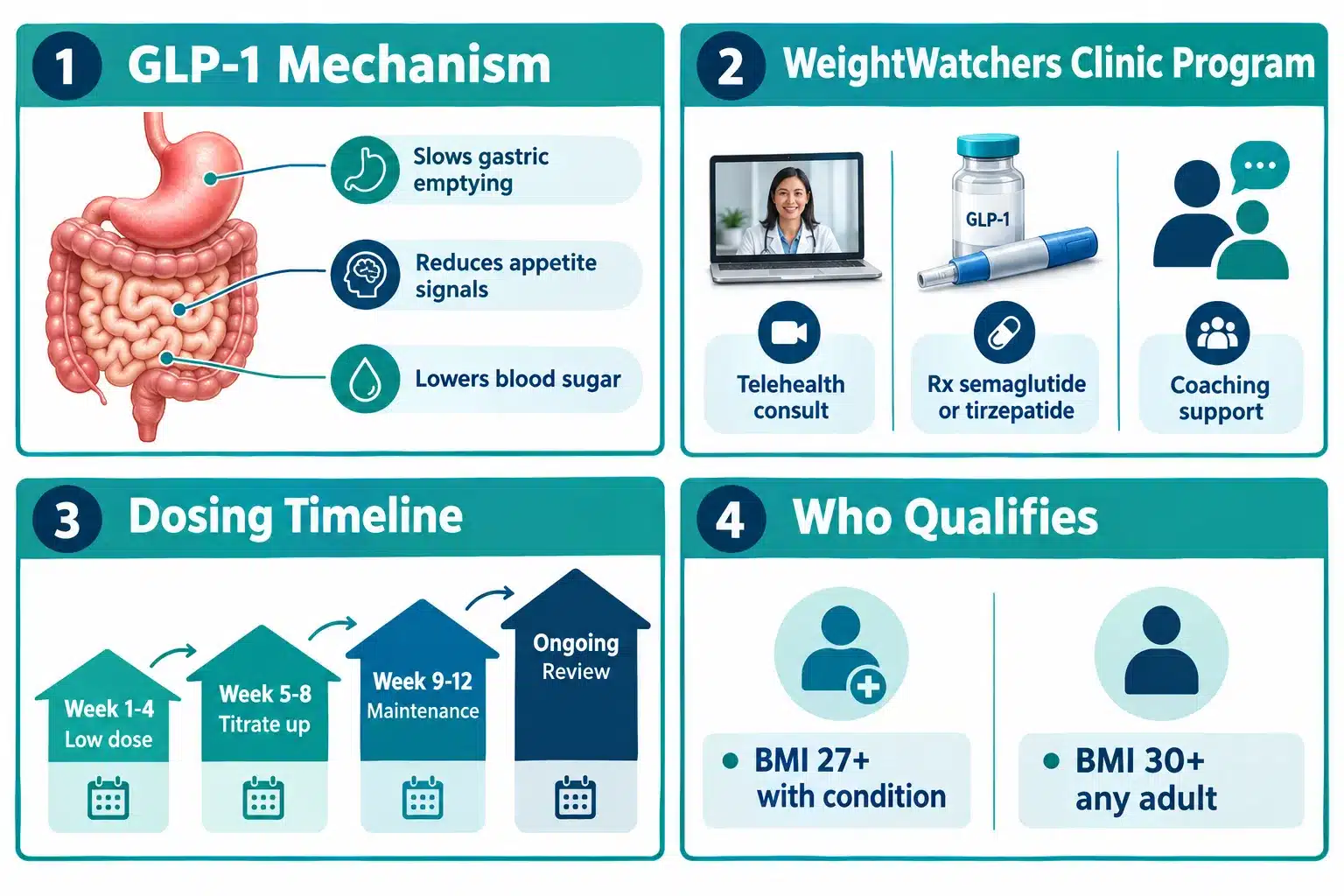
WeightWatchers Clinic is a telehealth-based medical weight-loss service that prescribes GLP-1 receptor agonist medications alongside the existing WW behavioral coaching program. GLP-1 (glucagon-like peptide-1) is a hormone your gut naturally releases after eating. Medications that mimic it, such as semaglutide (the active ingredient in Ozempic and Wegovy) and tirzepatide (Mounjaro, Zepbound), amplify that signal in three key ways:
7 Best GLP-1 Providers Ranked: Accreditation, Flexibility & Support Compared (2026 Update)
32,000+ Patients Can't All Be Wrong: See the Top-Rated GLP-1 Providers. We compared the leading online GLP-1 providers based on program features, clinical support, convenience, and overall value.
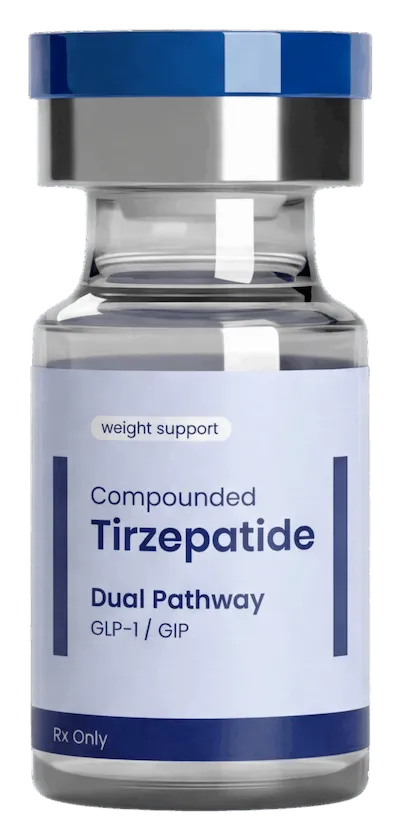
BMI MD GLP-1 Microdosing Plan
- Specialized microdosing options, including sublingual drops and low-dose injections
- Designed for people interested in maintaining weight or gradually adjusting treatment
- Bundled program structure without a separate monthly platform membership
- Online access makes the process convenient from home

DirectMeds Weight Loss Solutions
- Online weight-loss program with a straightforward patient experience
- Compounded medication options through state-licensed compounding pharmacies
- Includes clinical consultation as part of the process
- Provides shipping updates to help patients track their orders
MEDVi Flat-Rate Telehealth
- Flat-rate telehealth approach designed for easier budgeting
- No dosage-based pricing increases within the advertised program structure
- Offers injectable and oral thin-film delivery options
- Includes medical screening and asynchronous provider consultations
Gala GLP-1 Care Program
- Text-based access to state-licensed clinicians
- Cold-chain medication shipping included in the program
- Month-to-month program structure
- Designed for people who value convenient ongoing support
Measured GLP-1 Metabolic Health
- Comprehensive metabolic health screening and intake analysis
- Designed around longer-term metabolic health management
- Responsive dashboard with integrated health tracking tools
- Useful option for patients who value a more data-focused experience
Refills GLP-1 (TryRefills Plan)
- Clinical guidance designed to help patients manage common treatment concerns
- Includes foundational nutritional strategies alongside medication
- Designed around predictable ongoing treatment
- No hidden startup or processing fees according to the program information provided
AltRx GLP-1 Transactional Reorders
- Transactional reorder model without recurring auto-billing
- Designed for patients who already understand their treatment routine
- Fast text-to-order process for convenient reorders
- Offers injectable and fast-dissolving tablet variations
- Slowing gastric emptying: Food moves through your stomach more slowly, so you feel full longer.
- Reducing appetite signals: The medication acts on receptors in the brain’s hypothalamus to lower hunger drive.
- Improving blood sugar regulation: GLP-1 agonists stimulate insulin release in response to meals, which reduces post-meal glucose spikes.
WW launched this clinical arm in 2023 after acquiring telehealth company Sequence. The model works like this: you complete an online eligibility screening, a licensed clinician reviews your health history, a prescription is issued if appropriate, and medication is shipped to your door. You also retain access to WW’s app, food tracking tools, and coaching community.
For a deeper look at what GLP-1 drugs do to your body at a physiological level, see this GLP-1 transformation guide covering metabolism and weight effects.
Weight Watchers GLP-1 Reviews from Real Users
Real-world weight watchers glp 1 reviews are mixed in a way that is actually informative rather than contradictory. The pattern that emerges across Reddit threads, Trustpilot, and app store comments is consistent: users who combine the medication with behavioral changes report strong results; users who expect the drug alone to do all the work are often disappointed.
What users commonly report positively:
- Appetite suppression described as “the food noise going quiet” within two to four weeks.
- Steady, gradual weight loss of one to two pounds per week after the first month.
- Reduced cravings for ultra-processed foods and alcohol (a noted secondary effect of GLP-1 agonists).
- Appreciation for having a clinician and a coach in one subscription.
What users commonly report negatively:
- Nausea during dose escalation, sometimes severe enough to pause the program.
- Customer service delays when trying to reach a clinician through the app.
- Frustration when insurance does not cover the medication, making the out-of-pocket cost high.
- Plateaus around months three to four that feel discouraging without coaching support.
One member I spoke with, a 44-year-old woman from Ohio, described her first six months this way: “The first month I lost six pounds and felt hopeful. Months two and three were slower, maybe a pound a week. By month five I had lost 22 pounds total. The nausea was real, but it faded after I learned to eat smaller meals before the injection.”
That experience tracks closely with clinical data. A 2021 trial published in the New England Journal of Medicine found that adults using semaglutide 2.4 mg weekly lost an average of 14.9% of body weight over 68 weeks compared to 2.4% in the placebo group (Wilding et al., NEJM, 2021).
Weight Watchers GLP-1 Cost and Pricing Plans
WeightWatchers GLP-1 pricing has multiple layers, and understanding each one prevents sticker shock.
Program membership fee: As of 2026, the WeightWatchers Clinic subscription runs approximately $99 per month. This covers telehealth consultations, clinician messaging, and access to the WW app and coaching tools.
Medication cost: This is the larger variable.
- If your insurance covers the GLP-1 drug (Wegovy, Zepbound), your out-of-pocket cost may be as low as $0 to $25 per month with a manufacturer coupon.
- Without insurance, brand-name semaglutide can exceed $1,000 per month at retail pharmacies.
- Compounded semaglutide through partner pharmacies has been available at roughly $150 to $299 per month, though FDA regulatory changes around compounded GLP-1 drugs have created supply uncertainty in 2026.
Total realistic monthly cost: Expect to budget between $250 and $400 per month if you are paying out of pocket for both the program and compounded medication. Brand-name medication without insurance pushes that figure considerably higher.
For a broader comparison of affordable GLP-1 options, see this guide to the least expensive GLP-1 medications for weight loss.
Subscription terms: WeightWatchers Clinic bills monthly and allows cancellation at any time, but medication shipments may have separate fulfillment timelines. Read the cancellation policy carefully before your next billing cycle.
Weight Watchers GLP-1 vs Ozempic: Which Is Better
These are not directly competing products, but the comparison question is common and worth answering clearly. Ozempic is a brand-name semaglutide injection approved by the FDA for type 2 diabetes management. Wegovy is the same molecule at a higher dose (2.4 mg weekly), approved specifically for chronic weight management. WeightWatchers Clinic can prescribe either, depending on your clinical profile.
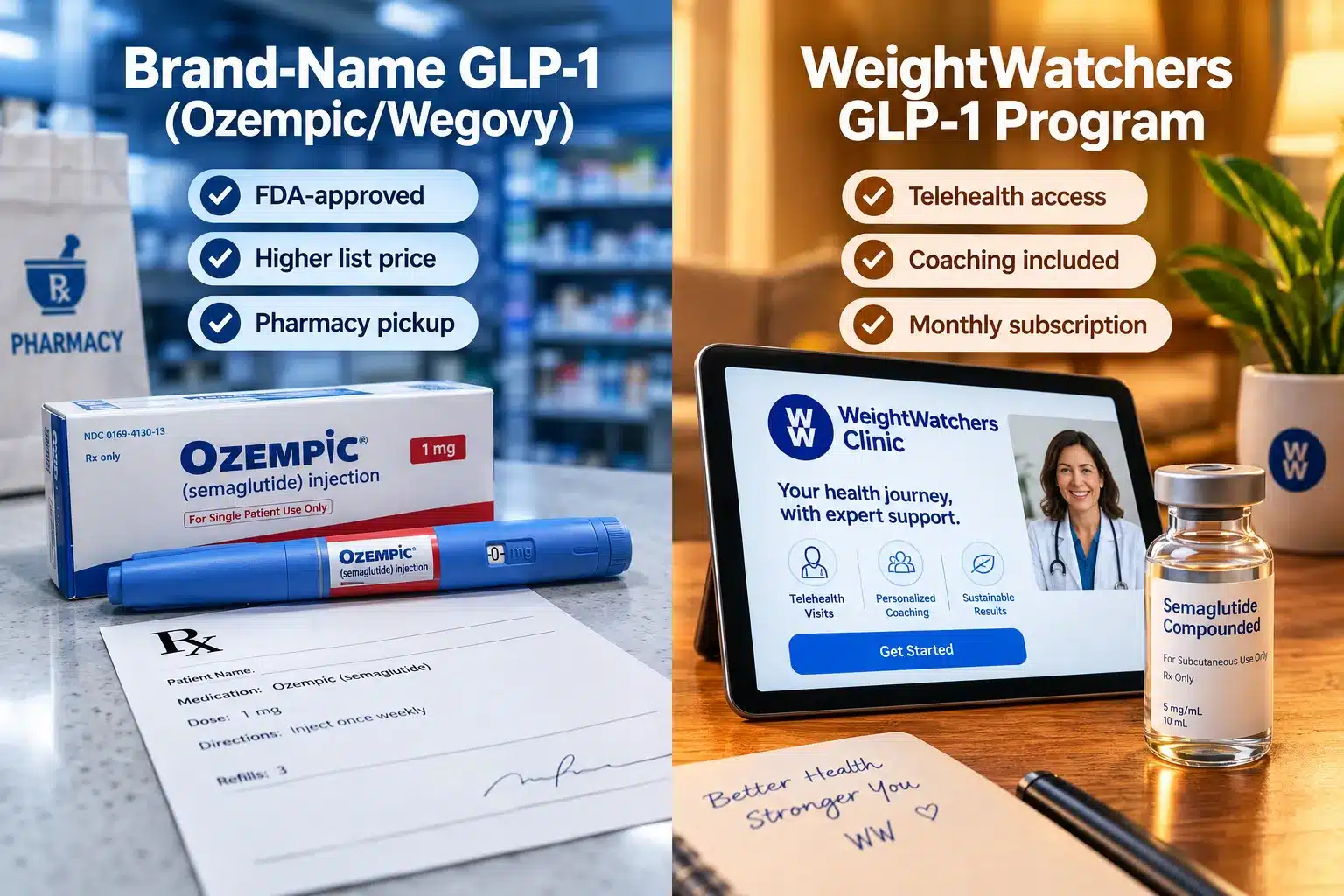
| Feature | WW Clinic GLP-1 Program | Ozempic / Wegovy (standalone Rx) |
|---|---|---|
| Medication used | Semaglutide or tirzepatide | Semaglutide only |
| Coaching included | Yes, WW behavioral coaching | No (unless added separately) |
| Telehealth access | Yes, via WW Clinic | Requires separate prescriber |
| Insurance compatibility | Varies; program fee rarely covered | Varies; Wegovy covered by some plans |
| Best for | Adults wanting medication + structure | Adults with existing prescriber relationship |
The key distinction: WW Clinic bundles the prescription with behavioral support. If you already have a primary care doctor willing to prescribe and you do not want a coaching program, going directly through your physician for Ozempic or Wegovy may be more cost-effective. If you want the medication plus accountability tools in one place, WW Clinic has a structural advantage.
For a broader look at which GLP-1 drug performs best for weight loss, see which GLP-1 medication works best for weight loss.
Weight Watchers GLP-1 Side Effects and Safety
GLP-1 receptor agonists have a well-documented side effect profile. WeightWatchers Clinic uses the same medications as any other prescriber, so the safety data is the same.
Common side effects (mild to moderate):
- Nausea (most frequent, especially in weeks one through eight)
- Constipation or diarrhea
- Fatigue and mild dizziness
- Injection site reactions (redness, itching)
Less common but serious concerns:
- Pancreatitis (rare; seek immediate care if you have severe abdominal pain)
- Gallbladder issues, including gallstones, at higher rates than in the general population
- Increased heart rate (noted in clinical trials)
- Vision changes in people with pre-existing diabetic retinopathy
Who should not use this program:
- Personal or family history of medullary thyroid carcinoma
- Multiple endocrine neoplasia syndrome type 2 (MEN 2)
- Current pregnancy or breastfeeding
- Severe gastrointestinal disease (gastroparesis, Crohn’s disease with active flare)
Medical disclaimer: If you take medications for diabetes, blood pressure, or thyroid conditions, discuss GLP-1 therapy with your prescribing physician before starting. Dose adjustments to existing medications may be needed.
Evidence level for GLP-1 safety in weight management: Strong, based on multiple large randomized controlled trials and post-market surveillance data.
Is Weight Watchers GLP-1 Worth It? (Reddit and Community Consensus)
Reddit communities including r/WeightWatchers, r/Semaglutide, and r/GLP1 collectively offer thousands of real-world weight watchers glp 1 reviews. The consensus, as of 2026, breaks down this way:
Worth it, according to users who:
- Had tried diet and exercise alone for years without sustained results.
- Could afford the monthly cost without financial stress.
- Used the WW coaching tools alongside the medication.
- Had a BMI above 35 with metabolic complications.
Not worth it, according to users who:
- Found the program fee redundant if they already had a GLP-1 prescription elsewhere.
- Experienced persistent nausea that made daily life difficult.
- Expected results faster than the medication’s natural titration schedule allows.
- Hit insurance denials and could not sustain the out-of-pocket cost.
The honest takeaway: the medication works for most people who use it consistently. The WW wrapper adds value for those who benefit from structured behavioral support. If you already have strong self-direction and an existing prescriber, the program fee may not add proportional value.
Weight Watchers GLP-1 Who Is It For and Who Should Not Use It
WeightWatchers Clinic GLP-1 program is designed for a specific clinical profile, not every adult who wants to lose weight.
Best suited for:
- Adults with a BMI of 30 or higher.
- Adults with a BMI of 27 or higher who have at least one weight-related condition (type 2 diabetes, hypertension, sleep apnea, high cholesterol).
- People who have not achieved clinically meaningful weight loss through lifestyle changes alone over a sustained period.
- Adults who want medical oversight bundled with behavioral coaching in one subscription.
Not ideal for:
- Adults with contraindications listed above (thyroid cancer history, MEN 2, pregnancy).
- People seeking a short-term fix before an event; GLP-1 therapy is a long-term commitment.
- Those with a history of eating disorders, as appetite suppression can complicate recovery.
- Anyone unwilling or unable to sustain the monthly cost for at least six months.
How Much Weight Do You Lose with Weight Watchers GLP-1 and Results Timeline
Most users should not expect dramatic results in the first month. The medication is titrated slowly to minimize side effects, which means you spend the first four to eight weeks at sub-therapeutic doses.
Realistic timeline:
- Weeks 1-4: Appetite begins to decrease; scale may move 2-5 pounds, largely water weight and reduced food volume.
- Weeks 5-12: Consistent fat loss typically begins; users report 1-2 pounds per week.
- Months 3-6: Cumulative loss of 8-20 pounds is common for users at therapeutic doses with dietary changes.
- Months 6-12: Clinical trials suggest 10-15% total body weight loss is achievable for many users on semaglutide 2.4 mg.
These figures are based on clinical trial data (Wilding et al., NEJM, 2021; Jastreboff et al., NEJM, 2022 for tirzepatide). Individual results depend on dose reached, dietary quality, activity level, and metabolic factors.
Common mistake: Stopping the medication after two to three weeks because “it isn’t working yet.” The first month is almost always the slowest. Patience through the titration phase is one of the strongest predictors of long-term success.
Weight Watchers GLP-1 vs Traditional Weight Watchers Program
The traditional WW program uses a points-based food tracking system (PersonalPoints) with group workshops and app coaching. It has decades of evidence supporting modest but real weight loss, averaging 5-10% of body weight over one year for consistent participants (Johnston et al., JAMA, 2014).
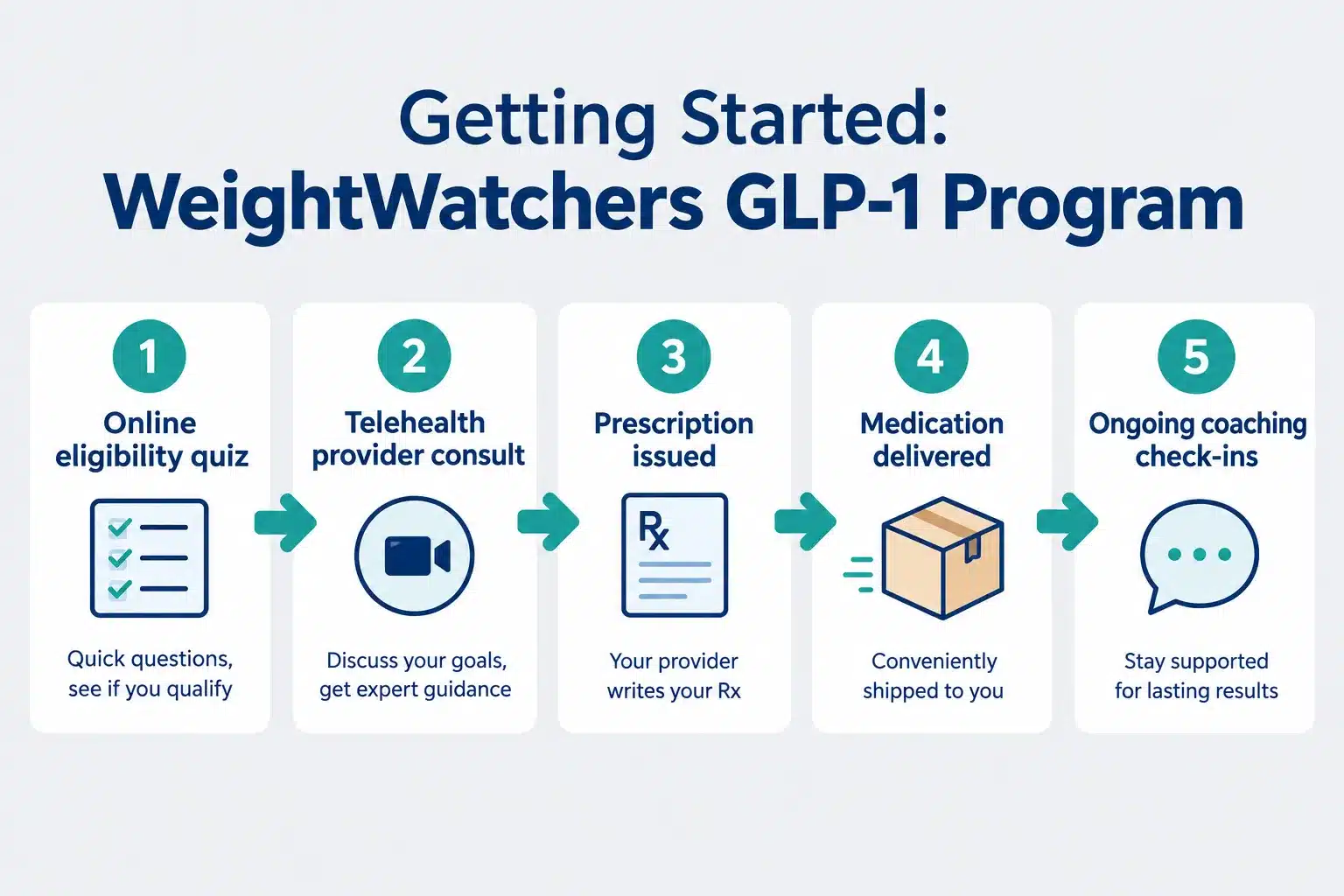
The GLP-1 clinical program adds pharmacological appetite suppression on top of that framework. Key differences:
- Mechanism: Traditional WW relies entirely on behavioral change; the clinical program adds a biological lever.
- Speed: Medication users typically lose weight faster in the first six months.
- Cost: Traditional WW plans cost roughly $23-$45 per month; the clinical program is three to ten times more expensive when medication is included.
- Sustainability: Both programs require ongoing commitment; stopping GLP-1 medication typically leads to partial weight regain without maintained behavioral habits.
Choose the traditional program if your BMI is under 27, you do not have weight-related metabolic conditions, and you are primarily seeking structure and accountability. Choose the clinical program if you have a higher BMI, metabolic complications, and have not sustained results through behavioral approaches alone.
Weight Watchers GLP-1 Insurance Coverage and How to Get It
Insurance coverage for GLP-1 medications used for weight loss is inconsistent and actively changing in 2026.
What is typically covered:
- Ozempic prescribed for type 2 diabetes is covered by most commercial insurance and Medicare Part D.
- Wegovy (semaglutide for weight management) is covered by some commercial plans but not Medicare (as of 2026, legislation to expand Medicare coverage is pending).
- Zepbound (tirzepatide for weight management) coverage varies by plan.
What is rarely covered:
- The WeightWatchers Clinic program membership fee itself.
- Compounded semaglutide or tirzepatide from compounding pharmacies.
Steps to pursue coverage:
- Call your insurance plan’s member services and ask specifically about coverage for “GLP-1 agonists for obesity management” under your formulary.
- Ask your WW Clinic clinician for a prior authorization letter documenting your BMI and weight-related conditions.
- Check manufacturer savings programs: Novo Nordisk (Wegovy) and Eli Lilly (Zepbound) both offer savings cards that can reduce costs to as low as $25/month for eligible commercially insured patients.
- If denied, request a formal appeal with supporting clinical documentation.
For context on prescription weight-loss medication costs and coverage, see this complete 2026 guide to RX medications for weight loss.
Weight Watchers GLP-1 Alternatives and Competitors
Several telehealth providers offer GLP-1 prescriptions without the WW membership fee. Whether they are better depends on what you value.
Direct GLP-1 telehealth providers:
- Hims and Hers Weight Loss: Offers compounded semaglutide at competitive prices with clinician oversight. See our Hims weight loss review for a full breakdown.
- Ro Body: Similar telehealth model with GLP-1 prescriptions and coaching.
- Found: Combines GLP-1 prescriptions with behavioral health support.
- DirectMeds: A newer entrant; see DirectMeds GLP-1 reviews for user feedback.
Choose WW Clinic if: You want the behavioral coaching ecosystem and brand familiarity of WeightWatchers integrated with your medication.
Choose a standalone GLP-1 telehealth provider if: You primarily want the medication at the lowest possible cost and do not need structured food tracking or community support.
For additional context on semaglutide specifically, the semaglutide reviews covering real results and side effects and the semaglutide dosage guide for weight loss are both worth reviewing before you decide.
Weight Watchers GLP-1 Not Working: Why Am I Not Losing Weight
If you are using the program and not seeing results, there are several specific explanations worth working through before concluding the medication is ineffective.
Most common reasons for stalled progress:
- Still in the titration phase: If you are in weeks one through six at a low starting dose, the medication may not yet be at a therapeutic level. This is expected, not a failure.
- Compensatory eating: Some users unconsciously eat more calorie-dense foods to compensate for smaller portions. Tracking food in the WW app can reveal this pattern.
- Alcohol consumption: Alcohol is calorie-dense and GLP-1 drugs can alter alcohol tolerance unpredictably. Many users find they drink more or less; either can affect results.
- Medication storage or injection errors: Semaglutide must be refrigerated and injected correctly. Improper storage degrades the medication.
- Individual metabolic variation: A minority of people have a blunted response to GLP-1 agonists. If you have reached the maximum dose and lost less than 5% of body weight after 16 weeks, discuss switching to tirzepatide or another agent with your clinician.
Common mistake: Skipping doses to reduce side effects. Inconsistent dosing leads to fluctuating drug levels and inconsistent appetite suppression. If side effects are the issue, ask your clinician about extending the titration schedule rather than skipping doses.
7 Best GLP-1 Providers Ranked: Accreditation, Flexibility & Support Compared (2026 Update)
32,000+ Patients Can't All Be Wrong: See the Top-Rated GLP-1 Providers: Compared on accreditation, plan flexibility, and patient support — updated for 2026.
BMI MD GLP-1 Microdosing Plan
- Specialized microdosing options (sublingual drops or low-dose injections)
- Ideal for maintaining weight or tapering off higher doses safely
- Fully bundled plan with no hidden monthly platform memberships
DirectMeds Weight Loss Solutions
- Sourced from accredited, state-licensed 503A compounding pharmacies
- No-frills high-volume savings passed directly to the patient
- Includes clinical consultation and cold-chain shipping updates
MEDVi Flat-Rate Telehealth
- Flat monthly rate holds steady even at maximum maintenance doses
- No dosage upcharges or graduation fee penalties
- Offers both injectable and advanced oral thin-film delivery options
Gala GLP-1 Care Program
- All-inclusive plan with no standalone membership costs
- Continuous text-based messaging access with state-licensed clinicians
- Temperature-controlled, cold-chain medication shipping included
Measured GLP-1 Metabolic Health
- Comprehensive metabolic health screening and expert intake analysis
- Predictable long-term budgeting with stable plan pricing
- High-end responsive dashboard with integrated diagnostic support
Refills GLP-1 (TryRefills Plan)
- Flat rate holds steady as titration scales up
- Includes clinical guides for active side-effect management
- Bundles in foundational nutritional strategies alongside medication
AltRx GLP-1 Transactional Reorders
- Zero recurring auto-billing — pay entirely on a transactional basis
- Rapid text-to-order format saves time for experienced patients
- Provides both injectable forms and fast-dissolving tablet variations
Conclusion: Is WeightWatchers GLP-1 Worth It?
WeightWatchers GLP-1 is a legitimate, medically supervised weight-loss program that combines real pharmacological tools with a proven behavioral framework. For adults with a BMI of 30 or higher, or 27 or higher with metabolic complications, who have not achieved lasting results through diet and exercise alone, the program offers a meaningful clinical pathway.
Consider it if:
- You want medication and behavioral coaching in one subscription.
- You are comfortable with a monthly cost of $250-$400 or have insurance that offsets medication costs.
- You are prepared to commit for at least six months and work through the titration phase.
Skip it or explore alternatives if:
- You already have a prescriber and primarily need the medication, not the coaching ecosystem.
- The cost is financially stressful; a lower-cost GLP-1 telehealth provider may serve you better.
- You have contraindications including thyroid cancer history or active pregnancy.
Actionable next steps:
- Complete the WeightWatchers Clinic online eligibility screening to confirm you qualify.
- Call your insurance provider to ask about GLP-1 coverage under your current plan.
- Compare the total monthly cost against standalone GLP-1 telehealth providers before committing.
- Discuss the decision with your primary care physician, especially if you take medications for diabetes, blood pressure, or thyroid conditions.
The medication works. The program adds structure. Whether that combination is worth the price depends entirely on your specific situation, budget, and what you have already tried.
Frequently Asked Questions
Is WeightWatchers GLP-1 safe?
Yes, for most eligible adults. The medications used, semaglutide and tirzepatide, have strong safety data from large clinical trials. They are not appropriate for people with a history of medullary thyroid carcinoma, MEN 2 syndrome, or current pregnancy. Always disclose your full medication list to the prescribing clinician.
How long does WeightWatchers GLP-1 take to work?
Most users notice appetite suppression within two to four weeks. Meaningful scale movement typically begins between weeks four and eight, after dose titration reaches a therapeutic level. Expect the most significant results between months two and six.
Does WeightWatchers GLP-1 use real semaglutide?
Yes. WeightWatchers Clinic prescribes FDA-approved semaglutide (Wegovy) or, in some cases, compounded semaglutide through licensed compounding pharmacies. Tirzepatide (Zepbound) is also available depending on your clinical profile and formulary.
Can I take WeightWatchers GLP-1 with metformin?
Generally yes, and the combination is commonly used in people with type 2 diabetes. However, combining GLP-1 agonists with metformin or other diabetes medications can increase the risk of hypoglycemia. Your clinician should review and potentially adjust your existing diabetes medications.
What happens if I stop WeightWatchers GLP-1?
Most people experience some degree of weight regain after stopping GLP-1 therapy, particularly if behavioral habits were not solidified during treatment. Clinical data suggests that weight regain of roughly two-thirds of lost weight occurs within one year of stopping semaglutide (Wilding et al., Diabetes, Obesity and Metabolism, 2022). Transitioning off medication should be planned with your clinician.
Is WeightWatchers GLP-1 a scam?
No. The program uses real FDA-regulated medications prescribed by licensed clinicians. It is a legitimate telehealth medical service. The criticism in some reviews relates to cost, customer service responsiveness, and insurance barriers, not product legitimacy.
Where is the medication dispensed?
WeightWatchers Clinic partners with licensed U.S. pharmacies and, for compounded medications, FDA-registered compounding pharmacies. Medications are shipped directly to your address.
Does WeightWatchers GLP-1 have a money-back guarantee?
The program membership fee is generally non-refundable after the billing cycle begins. Medication costs are subject to the pharmacy’s return policy. Review the cancellation terms carefully before your first charge.
Can I use WeightWatchers GLP-1 if I only need to lose 10-15 pounds?
Likely not. The program requires a BMI of 30 or higher, or 27 or higher with a qualifying condition. Adults with a lower BMI seeking minor weight loss do not meet the clinical eligibility criteria.
How does WeightWatchers GLP-1 compare to Noom Med or Found?
All three are telehealth GLP-1 programs. WW Clinic differentiates through the established WW behavioral framework and community. Noom Med emphasizes psychology-based coaching. Found focuses on personalized medication matching. Cost and coaching style are the primary differentiators; the underlying medications are the same class.
Sources
- Wilding, J.P.H., et al. “Once-Weekly Semaglutide in Adults with Overweight or Obesity.” New England Journal of Medicine, 2021. https://www.nejm.org/doi/full/10.1056/NEJMoa2032183
- Jastreboff, A.M., et al. “Tirzepatide Once Weekly for the Treatment of Obesity.” New England Journal of Medicine, 2022. https://www.nejm.org/doi/full/10.1056/NEJMoa2206038
- Johnston, B.C., et al. “Comparison of Weight Loss Among Named Diet Programs in Overweight and Obese Adults.” JAMA, 2014. https://jamanetwork.com/journals/jama/fullarticle/1900510
- Wilding, J.P.H., et al. “Weight regain and cardiometabolic effects after withdrawal of semaglutide.” Diabetes, Obesity and Metabolism, 2022. https://dom-pubs.onlinelibrary.wiley.com/doi/10.1111/dom.14725
- U.S. Food and Drug Administration. “Wegovy (semaglutide) Prescribing Information.” FDA.gov. https://www.accessdata.fda.gov/drugsatfda_docs/label/2021/215256s000lbl.pdf


