Zepbound for Sleep Apnea: How It Works & Coverage

Last updated: November 11, 2026
Zepbound became the first prescription medication ever approved by the FDA to treat moderate-to-severe obstructive sleep apnea in adults with obesity [1]. That single fact has changed how doctors, patients, and insurers think about a condition that was previously managed almost entirely with machines and masks.
Quick Answer
Zepbound (tirzepatide) treats obstructive sleep apnea (OSA) by causing significant weight loss, which reduces fat deposits around the airway and upper neck that cause breathing interruptions during sleep. The FDA approved it specifically for adults with obesity and moderate-to-severe OSA, based on the SURMOUNT-OSA trial program showing major reductions in breathing events per hour [1][2]. Coverage varies widely: some commercial plans, including an expanded CVS Caremark policy starting Fall 2026, now cover it for this specific indication, though prior authorization is common [3][4].
7 Best GLP-1 Providers Ranked: Accreditation, Flexibility & Support Compared (2026 Update)
32,000+ Patients Can't All Be Wrong: See the Top-Rated GLP-1 Providers. We compared the leading online GLP-1 providers based on program features, clinical support, convenience, and overall value.

BMI MD GLP-1 Microdosing Plan
- Specialized microdosing options, including sublingual drops and low-dose injections
- Designed for people interested in maintaining weight or gradually adjusting treatment
- Bundled program structure without a separate monthly platform membership
- Online access makes the process convenient from home

DirectMeds Weight Loss Solutions
- Online weight-loss program with a straightforward patient experience
- Compounded medication options through state-licensed compounding pharmacies
- Includes clinical consultation as part of the process
- Provides shipping updates to help patients track their orders

MEDVi Flat-Rate Telehealth
- Flat-rate telehealth approach designed for easier budgeting
- No dosage-based pricing increases within the advertised program structure
- Offers injectable and oral thin-film delivery options
- Includes medical screening and asynchronous provider consultations

Gala GLP-1 Care Program
- Text-based access to state-licensed clinicians
- Cold-chain medication shipping included in the program
- Month-to-month program structure
- Designed for people who value convenient ongoing support

Measured GLP-1 Metabolic Health
- Comprehensive metabolic health screening and intake analysis
- Designed around longer-term metabolic health management
- Responsive dashboard with integrated health tracking tools
- Useful option for patients who value a more data-focused experience

Refills GLP-1 (TryRefills Plan)
- Clinical guidance designed to help patients manage common treatment concerns
- Includes foundational nutritional strategies alongside medication
- Designed around predictable ongoing treatment
- No hidden startup or processing fees according to the program information provided

AltRx GLP-1 Transactional Reorders
- Transactional reorder model without recurring auto-billing
- Designed for patients who already understand their treatment routine
- Fast text-to-order process for convenient reorders
- Offers injectable and fast-dissolving tablet variations
Key Takeaways
- Zepbound is the first FDA-approved drug for obstructive sleep apnea in adults with obesity [1].
- It works by driving weight loss, not by directly altering airway muscle tone.
- SURMOUNT-OSA trial data showed substantial drops in the apnea-hypopnea index (AHI) over 52 weeks [2].
- Some patients reached mild OSA or remission after a year of treatment [2].
- CVS Caremark restored and expanded coverage for Zepbound starting Fall 2026, including for OSA [3][4].
- Zepbound can be used with or without CPAP, and many patients use both together initially.
- Common side effects are gastrointestinal: nausea, diarrhea, and constipation [5].
- Results take months, not days, meaningful AHI improvement generally appears after 8 to 12 weeks of dose escalation.
How Does Zepbound Actually Help With Sleep Apnea
Zepbound reduces obstructive sleep apnea severity mainly by producing weight loss that shrinks fat tissue around the throat, tongue base, and neck, which are common physical contributors to airway collapse during sleep. It does not act as a direct airway stimulant like some older experimental approaches.
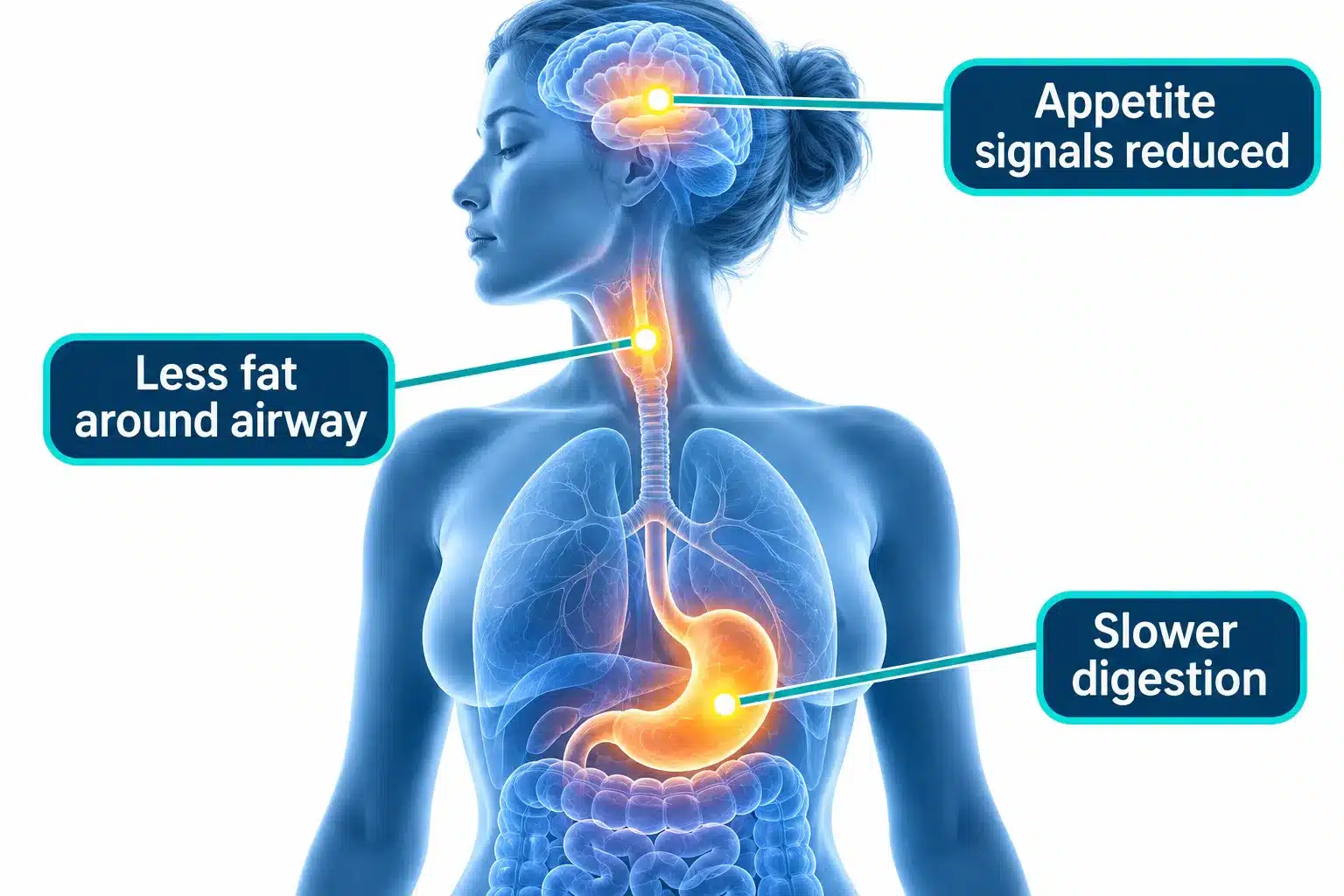
Tirzepatide, the active ingredient, activates GLP-1 and GIP receptors, which slows stomach emptying and reduces appetite signals in the brain. The resulting calorie reduction over months leads to steady weight loss. Because obesity-related fat around the neck and soft palate is a major driver of airway narrowing, losing that weight can directly lower the number of times breathing stops or shallows during sleep [2].
Decision rule: this approach makes the most sense for patients whose sleep apnea is closely tied to excess body weight, rather than purely anatomical issues like a deviated septum or small jaw structure, where a weight-loss drug has limited benefit.
Is Zepbound FDA Approved for Treating Sleep Apnea
Yes. The FDA approved Zepbound for moderate-to-severe obstructive sleep apnea in adults with obesity, making it the first medication with this specific indication [1]. This approval sits alongside its original indication for chronic weight management.
The approval was based on the SURMOUNT-OSA clinical program, and the drug’s official prescribing label outlines the OSA indication, dosing, and warnings in detail [5]. This is an important distinction from off-label use: physicians can now prescribe Zepbound specifically for OSA rather than only for weight loss with a hoped-for secondary benefit.
Edge case: Zepbound is not approved for sleep apnea in patients without obesity, or in pediatric patients. The labeling is specific to adult, obesity-linked OSA [5].
How Much Does Zepbound Cost and Does Insurance Cover It
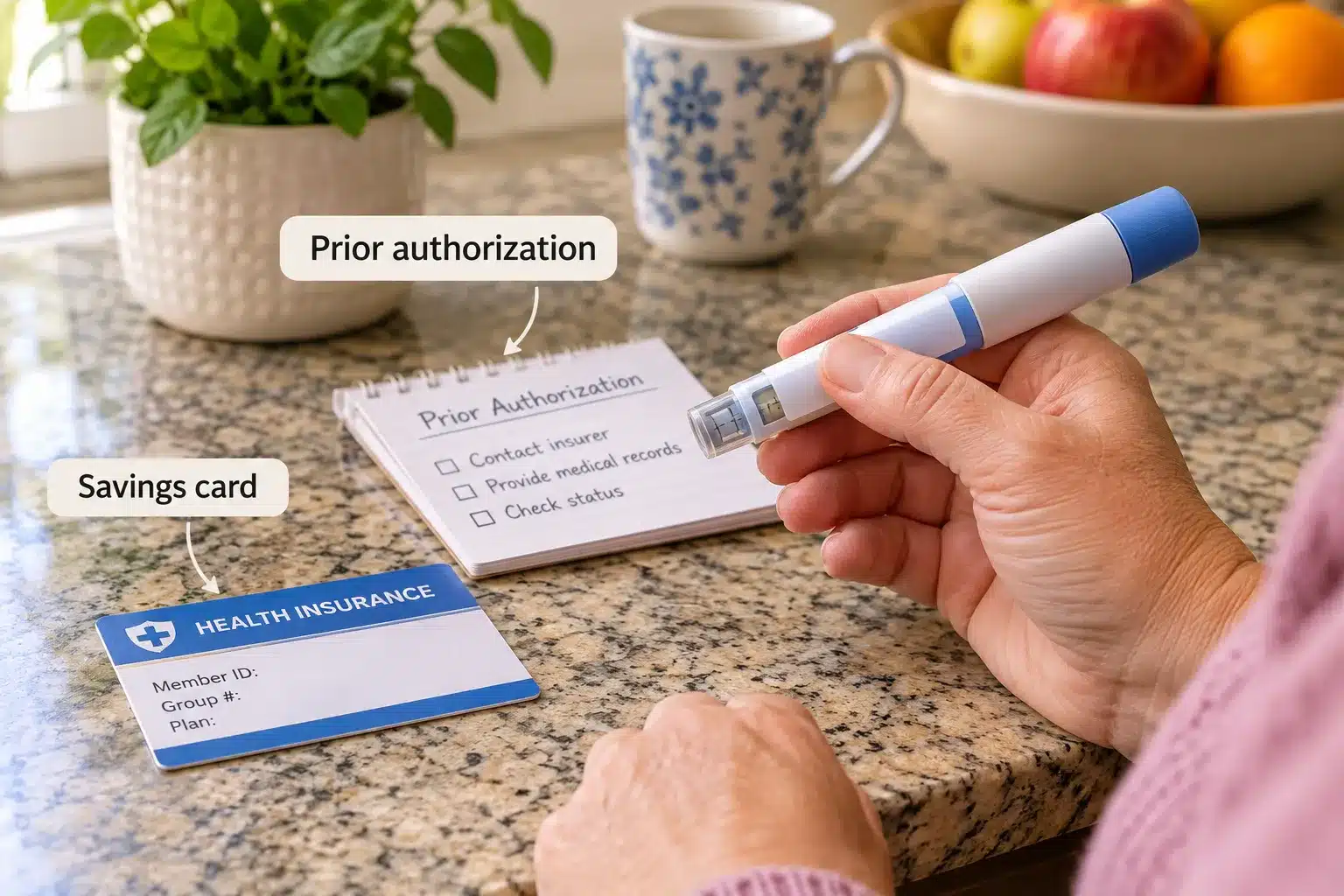
Zepbound’s list price without insurance runs into the hundreds of dollars per month, but actual out-of-pocket costs depend heavily on insurance coverage and manufacturer savings programs. Eli Lilly offers a savings card program that can lower costs for eligible insured and some uninsured patients [6].
Coverage specifics:
- CVS Caremark restored and expanded formulary coverage for Zepbound starting in Fall 2026, including coverage tied to the OSA indication, after previously narrowing access [3][4].
- Many commercial plans require prior authorization documenting a diagnosed OSA severity level and often require a trial of lifestyle intervention or CPAP first [7][8].
- Medicare Part D coverage for OSA-specific use has been evolving, and some state insurance regulators and payers like BCBSM have issued early coverage summaries as the OSA indication rolls out [9].
- Patients without insurance can check Lilly’s official access and coverage page for the latest savings card terms and eligibility rules [3].
If you’re also researching whether other GLP-1 medications are covered, our guide on does insurance cover Ozempic across Medicare, Medicaid, and private plans covers similar prior authorization patterns. Kaiser members should also see our breakdown of whether Kaiser covers GLP-1 medications for weight loss.
Common mistake: assuming a weight-loss indication automatically means OSA coverage. Insurers often treat these as separate approvals requiring separate documentation, even for the same drug and same patient.
Zepbound vs CPAP Which Is Better for Sleep Apnea
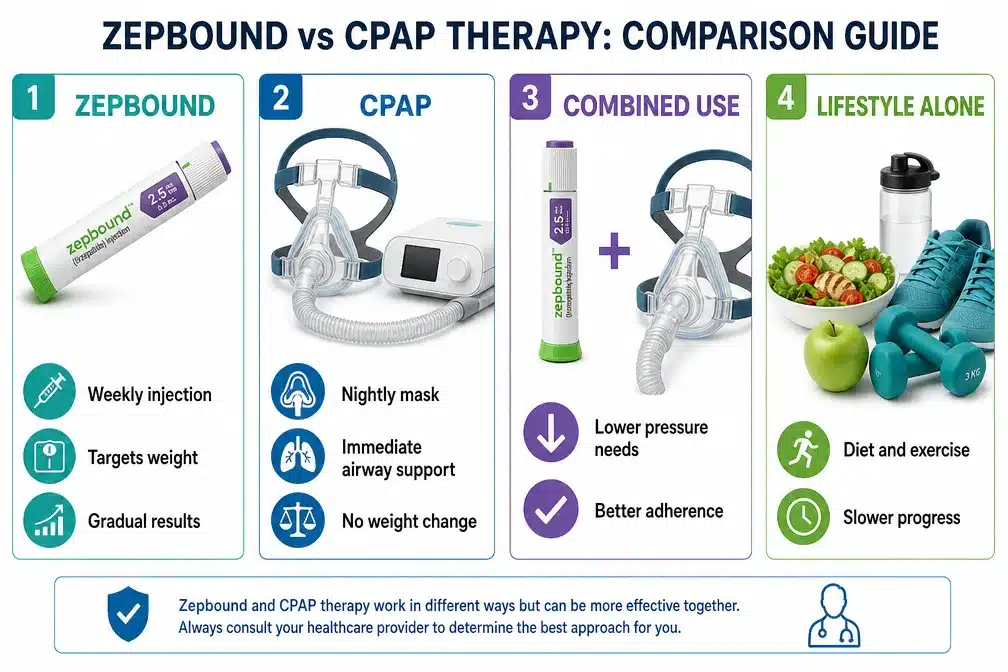
Neither option is universally “better”, CPAP works immediately each night by mechanically keeping the airway open, while Zepbound works gradually by reducing the underlying weight-related cause. The right choice depends on severity, patient tolerance, and whether obesity is a primary driver.
| Factor | Zepbound | CPAP |
|---|---|---|
| Onset of benefit | Weeks to months | Immediate, nightly |
| Mechanism | Weight loss reduces airway fat | Air pressure holds airway open |
| Daily burden | Weekly injection | Mask worn every night |
| Addresses root cause | Yes, if obesity-driven | No, manages symptom only |
Choose CPAP if you need symptom control tonight, especially with severe OSA. Choose Zepbound if obesity is a major contributing factor and you can tolerate a multi-month treatment timeline. Many clinicians, in line with perspectives shared by the American Academy of Sleep Medicine, view the two as complementary rather than competing.
What Are the Side Effects of Zepbound for Sleep Apnea
The most common side effects in OSA trials were gastrointestinal, including nausea, diarrhea, constipation, and vomiting, consistent with Zepbound’s broader safety profile [5]. Most side effects are dose-related and tend to ease as the body adjusts.
Less common but more serious risks noted in labeling include gallbladder problems, pancreatitis, and a warning about thyroid C-cell tumors seen in animal studies [5]. Patients with a personal or family history of certain thyroid cancers should not take Zepbound.
Quick example: a patient starting at the lowest dose may experience mild nausea for the first week or two after each dose increase, which typically fades as the body adjusts to that dose level.
How Long Does It Take Zepbound to Work for Sleep Apnea
Meaningful improvement in breathing events typically shows up after 8 to 12 weeks, with the fuller benefit building over the 52-week trial period studied in SURMOUNT-OSA [2]. This mirrors the gradual dose-escalation schedule used for the drug.
Because Zepbound is started at a low dose and increased every four weeks, early weeks mostly involve the body adjusting to the medication rather than producing large AHI changes. For a broader look at how GLP-1 medications progress over time, see our timeline on how long GLP-1 medications take to work and the related GLP-1 timeline breakdown.
Who Shouldn’t Take Zepbound for Sleep Apnea
Zepbound is not appropriate for patients with a personal or family history of medullary thyroid carcinoma or Multiple Endocrine Neoplasia syndrome type 2, and it carries cautions for anyone with a history of pancreatitis or severe gastrointestinal disease [5]. It’s also not approved for OSA in patients who are not obese.
Other groups who need extra caution or alternative plans:
- Pregnant or breastfeeding patients
- Patients with a history of diabetic retinopathy complications on related medications
- Patients planning pregnancy soon, due to limited safety data
Edge case: a patient with mild OSA and a normal BMI would not meet the approved population for this specific OSA indication, even if they wanted the drug for other reasons.
Can You Use Zepbound and CPAP at the Same Time
Yes, using Zepbound and CPAP together is common and often recommended, especially early in treatment while weight loss is still underway. Many SURMOUNT-OSA participants used PAP therapy alongside the medication, and others participated without it, allowing researchers to measure benefit in both groups [2].
As weight drops and AHI improves, some patients find they need lower CPAP pressure settings, and a smaller group may eventually reduce their reliance on PAP therapy under medical supervision. No one should stop CPAP on their own without a follow-up sleep study confirming improvement.
What Other Treatments Are There Besides Zepbound for Sleep Apnea
Besides Zepbound, standard OSA treatment options include CPAP and other PAP devices, oral mandibular advancement appliances, positional therapy, upper airway surgery, and in select cases, hypoglossal nerve stimulation implants. Weight loss through diet, exercise, or bariatric surgery remains a core non-drug option for obesity-linked OSA.
- CPAP/BiPAP: gold standard for moderate-to-severe OSA
- Oral appliances: better suited for mild-to-moderate cases
- Positional therapy: helpful when apnea is worse while sleeping on the back
- Surgical options: considered when anatomy is the primary obstruction
- Other GLP-1 medications: some patients explore alternatives, and our Zepbound reviews roundup and tirzepatide injection pen overview cover how patients experience the drug day to day.
Does Zepbound Work if You Don’t Lose Weight With It
Zepbound’s sleep apnea benefit is closely tied to weight loss, so patients who lose little or no weight on the medication are unlikely to see meaningful AHI improvement. The drug’s mechanism for OSA specifically depends on reducing body fat around the airway.
If weight loss stalls, it’s worth reviewing dose, injection technique, diet changes, and whether a dose increase under medical guidance is appropriate, rather than assuming the drug is failing outright.
What if Zepbound Doesn’t Help My Sleep Apnea
If a follow-up sleep study shows little change in AHI after a full year of treatment and adequate weight loss, it’s reasonable to discuss alternative or additional therapies with a sleep specialist. Not every patient responds the same way, even with comparable weight loss, because anatomy still plays a role.
Next steps in that situation typically include re-evaluating CPAP settings, considering an oral appliance, or assessing surgical candidacy. A repeat sleep study is the only reliable way to confirm whether the medication is working, rather than relying on how rested someone feels.
How Much Weight Do You Need to Lose for Zepbound to Help Sleep Apnea
Clinical trial data from SURMOUNT-OSA showed that greater weight loss was generally associated with larger reductions in AHI, with the most significant improvements seen in patients who achieved substantial weight loss over the 52-week study period [2]. There isn’t a single universal number that guarantees benefit for every patient, since airway anatomy varies.
Some trial participants achieved AHI reduction into the mild OSA range or outright remission after a year of therapy, particularly among those with the largest weight reductions [2]. This doesn’t mean every patient needs to reach that same weight-loss threshold to see some improvement, but larger losses tend to track with larger airway benefits.
Common Mistakes People Make When Using Zepbound for Sleep Apnea
The most common mistake is stopping CPAP too early, before a follow-up sleep study confirms the AHI has actually improved enough to justify reducing PAP therapy. Feeling “more rested” is not the same as having objective data showing fewer breathing events.
Other frequent mistakes:
- Expecting results within the first few weeks instead of allowing the full dose-escalation period
- Skipping doses or stopping the medication once initial side effects appear, rather than discussing dose adjustment with a doctor
- Not confirming insurance coverage for the specific OSA indication before starting, which can lead to coverage denials later [7]
- Ignoring diet and activity changes, assuming the medication alone will produce maximum weight loss
Is Zepbound Right for Mild vs Severe Sleep Apnea
Zepbound’s FDA approval specifically covers moderate-to-severe OSA in adults with obesity, not mild OSA [1]. Patients with mild OSA and obesity may still benefit from the weight-loss effect generally, but the formal indication and most insurance coverage criteria are built around the moderate-to-severe category.
Decision rule: choose Zepbound as a primary sleep apnea treatment if you have moderate-to-severe OSA confirmed by a sleep study and obesity is a significant contributing factor. If you have mild OSA, discuss with your doctor whether the weight-management indication alone, positional therapy, or an oral appliance is a more fitting starting point. Readers curious about broader before-and-after experiences can also browse our Zepbound reviews page or check where to access Zepbound online through legitimate channels.
Frequently Asked Questions
Is Zepbound the same as Mounjaro? Zepbound and Mounjaro both contain tirzepatide, but they are approved for different primary indications, Zepbound for weight management and OSA, Mounjaro for type 2 diabetes [5].
Do I need a sleep study before starting Zepbound for OSA? Yes, a diagnostic sleep study confirming moderate-to-severe OSA is typically required for both the FDA-approved use and most insurance prior authorizations [1][7].
Will my AHI number guarantee insurance approval? Not automatically. Insurers set their own documentation requirements, which may include BMI, AHI severity, and prior treatment history, so coverage varies by plan [7][8].
Can Zepbound replace CPAP completely? In some patients with significant weight loss and improved AHI confirmed by follow-up testing, PAP therapy needs may decrease, but this should only be adjusted under medical supervision.
How often is Zepbound injected for sleep apnea treatment? Zepbound is injected once weekly, following the same dosing schedule used for its weight-management indication [5].
Does CVS Caremark cover Zepbound for sleep apnea in 2026? CVS Caremark restored and expanded Zepbound coverage starting Fall 2026, which includes coverage pathways tied to the OSA indication, though plan-specific rules still apply [3][4].
What happens if I stop taking Zepbound? Weight regain is common after stopping GLP-1/GIP medications, which can also reverse some of the sleep apnea improvement gained during treatment.
7 Best GLP-1 Providers Ranked: Accreditation, Flexibility & Support Compared (2026 Update)
32,000+ Patients Can't All Be Wrong: See the Top-Rated GLP-1 Providers: Compared on accreditation, plan flexibility, and patient support — updated for 2026.
BMI MD GLP-1 Microdosing Plan
- Specialized microdosing options (sublingual drops or low-dose injections)
- Ideal for maintaining weight or tapering off higher doses safely
- Fully bundled plan with no hidden monthly platform memberships
DirectMeds Weight Loss Solutions
- Sourced from accredited, state-licensed 503A compounding pharmacies
- No-frills high-volume savings passed directly to the patient
- Includes clinical consultation and cold-chain shipping updates
MEDVi Flat-Rate Telehealth
- Flat monthly rate holds steady even at maximum maintenance doses
- No dosage upcharges or graduation fee penalties
- Offers both injectable and advanced oral thin-film delivery options
Gala GLP-1 Care Program
- All-inclusive plan with no standalone membership costs
- Continuous text-based messaging access with state-licensed clinicians
- Temperature-controlled, cold-chain medication shipping included
Measured GLP-1 Metabolic Health
- Comprehensive metabolic health screening and expert intake analysis
- Predictable long-term budgeting with stable plan pricing
- High-end responsive dashboard with integrated diagnostic support
Refills GLP-1 (TryRefills Plan)
- Flat rate holds steady as titration scales up
- Includes clinical guides for active side-effect management
- Bundles in foundational nutritional strategies alongside medication
AltRx GLP-1 Transactional Reorders
- Zero recurring auto-billing — pay entirely on a transactional basis
- Rapid text-to-order format saves time for experienced patients
- Provides both injectable forms and fast-dissolving tablet variations
Conclusion
Zepbound represents a genuine shift in obstructive sleep apnea treatment: a medication, not just a machine, now has FDA approval to treat the condition in adults with obesity [1]. The evidence from SURMOUNT-OSA shows real, measurable reductions in breathing events tied directly to weight loss [2], and coverage is gradually catching up, with CVS Caremark’s Fall 2026 expansion being one of the clearest signals that payers are taking the OSA indication seriously [3][4].
If you’re considering this path, start with a confirmed sleep study, talk with your doctor about whether your OSA is primarily weight-driven, and check your specific insurance plan’s prior authorization requirements before assuming coverage either way. Keep using CPAP as prescribed until a follow-up sleep study proves otherwise, and give the medication the full dose-escalation period before judging results.
References
- FDA Approves First Medication Obstructive Sleep Apnea. fda.gov.
- Fullarticle. jamanetwork.com.
- Access Coverage. zepbound.lilly.com.
- Access Coverage. zepbound.lilly.com.
- 217806orig1s020lbl. accessdata.fda.gov.
- Savings. zepbound.lilly.com.
- Coverage Savings. zepbound.lilly.com.
- Coverage Savings. zepbound.lilly.com.
- Download Documents. ptacts.uspto.gov.