
Best Multivitamin for GLP-1 Users: Top Picks Compared (2026)
Last updated: July 26, 2026
Quick Answer
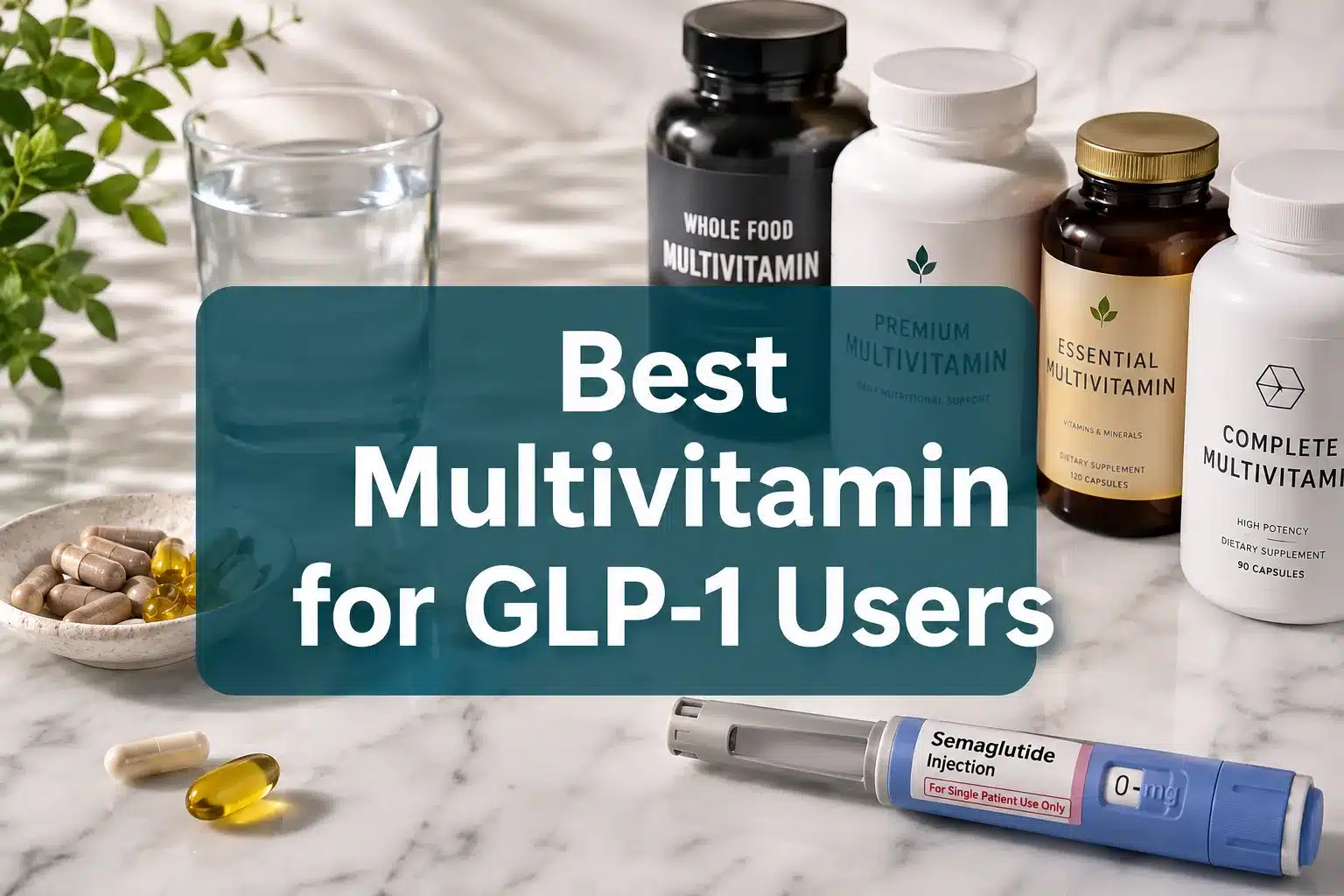
GLP-1 users need a high-quality multivitamin that covers B12, vitamin D, iron, zinc, and magnesium because reduced food intake and slower gastric emptying make these nutrients harder to get from diet alone. The best multivitamin for GLP-1 users should be easy on the stomach, highly absorbable, and free from fillers that worsen nausea. Look for methylated B vitamins, chelated minerals, and a form (liquid, capsule, or softgel) you can tolerate consistently.
Key Takeaways
- GLP-1 medications like semaglutide (Ozempic, Wegovy) and tirzepatide (Mounjaro, Zepbound) significantly reduce calorie intake, which raises the risk of multiple nutrient deficiencies over time.
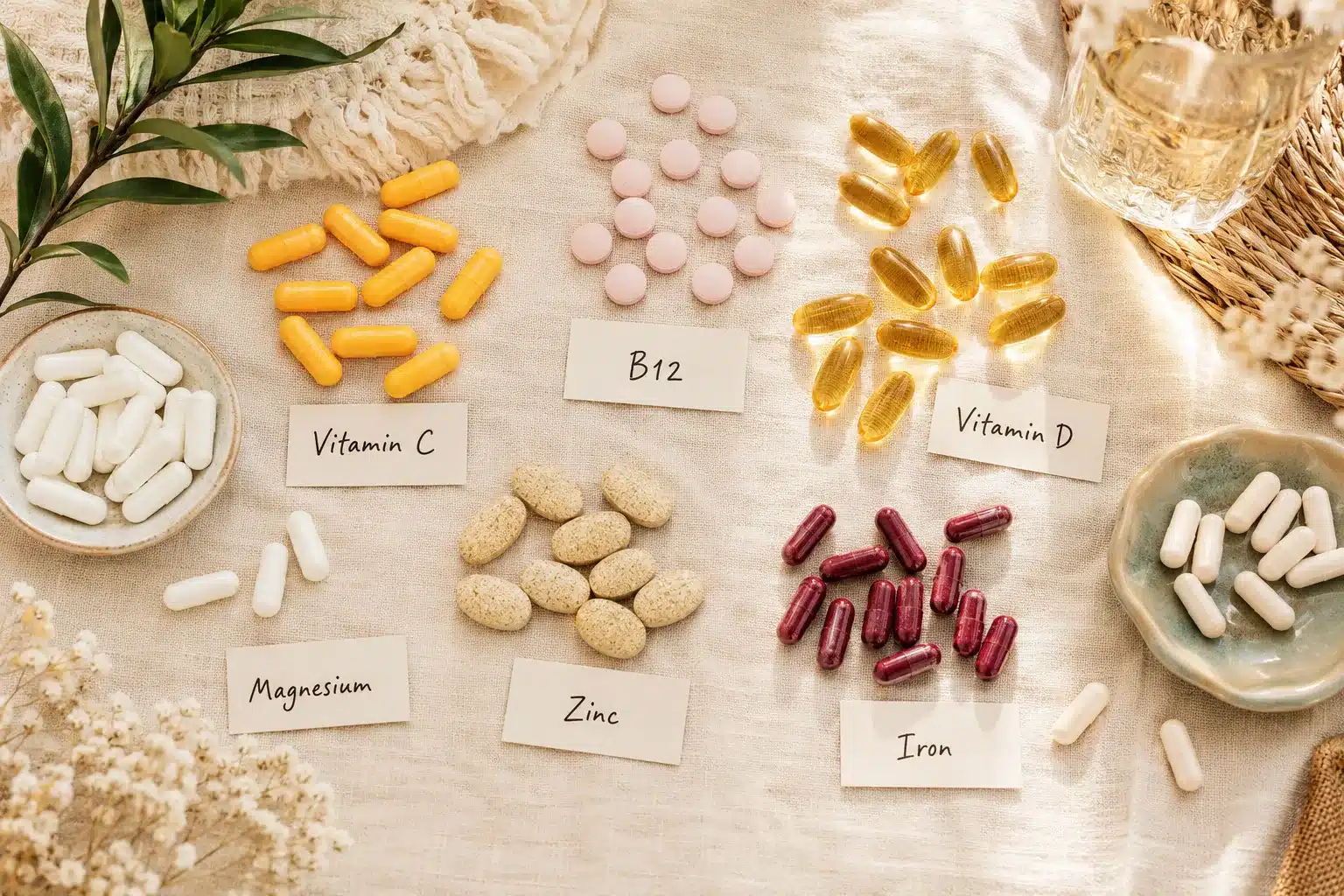
- Vitamin B12, vitamin D, iron, zinc, magnesium, and folate are the nutrients most commonly depleted in GLP-1 users.
- You can safely take a multivitamin with Ozempic or Wegovy, but timing matters, taking it with a small meal reduces nausea.
- Liquid and softgel multivitamins are generally better tolerated than large tablets for people dealing with GLP-1-related digestive side effects.
- Gummy multivitamins are convenient but often lack iron and contain added sugar, making them a weaker choice for GLP-1 users.
- Electrolytes (sodium, potassium, magnesium) are a separate but equally important concern, especially if you experience vomiting or reduced fluid intake.
- Skipping vitamins on GLP-1 long-term can lead to fatigue, hair loss, bone density loss, and neurological symptoms from B12 deficiency.
- Most doctor-recommended multivitamins for semaglutide users fall in the $25,$60 per month range.
- The best time to take a multivitamin on GLP-1 is with your largest tolerated meal of the day, not on an empty stomach.
- Always consult your prescribing provider before adding supplements, especially if you take medications that interact with iron or calcium.
Can GLP-1 Drugs Cause Vitamin Deficiencies?
Yes, GLP-1 medications can contribute to vitamin and mineral deficiencies, primarily because they dramatically reduce how much food you eat and slow the rate at which food moves through your stomach. When you consistently eat less, you absorb fewer micronutrients, and certain GLP-1-related side effects compound that problem.
7 Best GLP-1 Providers Ranked: Accreditation, Flexibility & Support Compared (2026 Update)
32,000+ Patients Can't All Be Wrong: See the Top-Rated GLP-1 Providers. We compared the leading online GLP-1 providers based on program features, clinical support, convenience, and overall value.
BMI MD GLP-1 Microdosing Plan
- Specialized microdosing options, including sublingual drops and low-dose injections
- Designed for people interested in maintaining weight or gradually adjusting treatment
- Bundled program structure without a separate monthly platform membership
- Online access makes the process convenient from home

DirectMeds Weight Loss Solutions
- Online weight-loss program with a straightforward patient experience
- Compounded medication options through state-licensed compounding pharmacies
- Includes clinical consultation as part of the process
- Provides shipping updates to help patients track their orders
MEDVi Flat-Rate Telehealth
- Flat-rate telehealth approach designed for easier budgeting
- No dosage-based pricing increases within the advertised program structure
- Offers injectable and oral thin-film delivery options
- Includes medical screening and asynchronous provider consultations
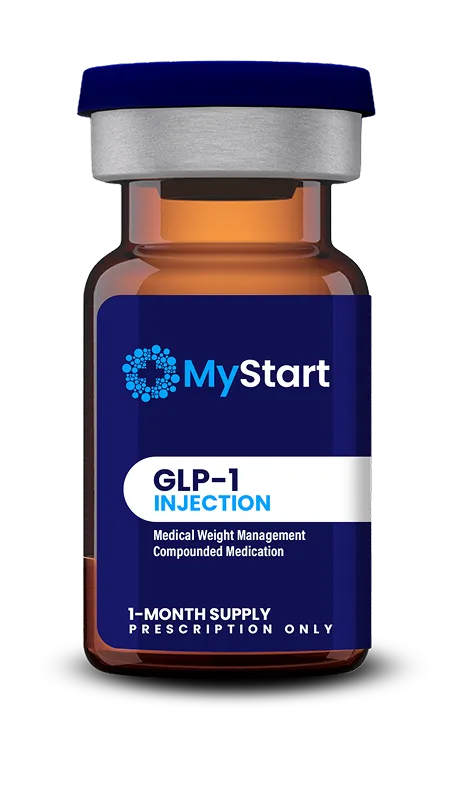
Gala GLP-1 Care Program
- Text-based access to state-licensed clinicians
- Cold-chain medication shipping included in the program
- Month-to-month program structure
- Designed for people who value convenient ongoing support
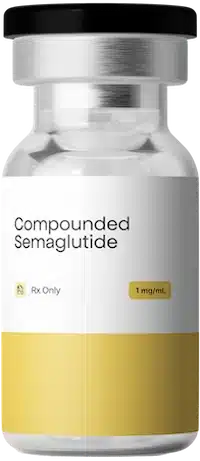
Measured GLP-1 Metabolic Health
- Comprehensive metabolic health screening and intake analysis
- Designed around longer-term metabolic health management
- Responsive dashboard with integrated health tracking tools
- Useful option for patients who value a more data-focused experience
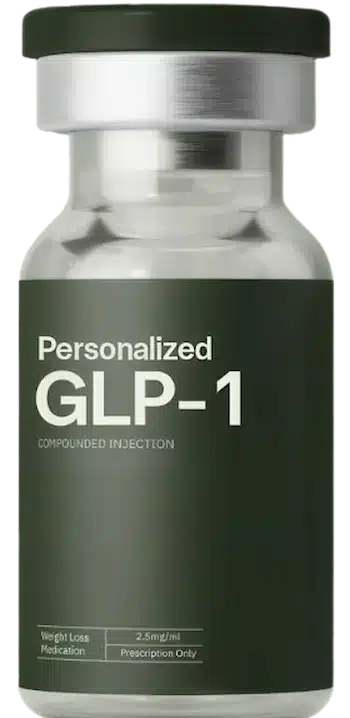
Refills GLP-1 (TryRefills Plan)
- Clinical guidance designed to help patients manage common treatment concerns
- Includes foundational nutritional strategies alongside medication
- Designed around predictable ongoing treatment
- No hidden startup or processing fees according to the program information provided
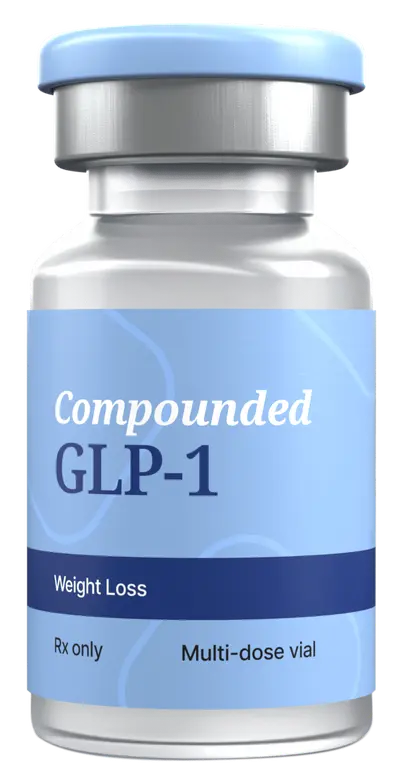
AltRx GLP-1 Transactional Reorders
- Transactional reorder model without recurring auto-billing
- Designed for patients who already understand their treatment routine
- Fast text-to-order process for convenient reorders
- Offers injectable and fast-dissolving tablet variations
Here is what happens mechanically. GLP-1 receptor agonists like semaglutide slow gastric emptying, which means food (and the nutrients in it) spends more time in the stomach but may not be processed as efficiently. Nausea and vomiting, which affect a significant portion of new users, further reduce nutrient intake. Over weeks and months, this creates a cumulative deficit.
The nutrients most at risk include:
- Vitamin B12, absorption depends on a protein called intrinsic factor produced in the stomach; reduced food intake and altered gastric function can impair B12 uptake
- Vitamin D, a fat-soluble vitamin that requires dietary fat for absorption; reduced fat intake lowers D levels
- Iron, especially in premenopausal women; reduced red meat and leafy green intake is the main driver
- Zinc, lost through reduced protein intake and sometimes through increased urination
- Magnesium, depleted by reduced food variety and, in some cases, by GLP-1-related diarrhea
- Folate, reduced vegetable intake is the primary cause
- Calcium, particularly relevant if dairy intake drops significantly
It is worth noting that GLP-1 medications themselves do not directly block nutrient absorption the way bariatric surgery does. The deficiency risk is primarily dietary, not pharmacological. However, the practical effect is similar enough that most clinicians treating GLP-1 patients now recommend routine supplementation.
For a deeper look at how these medications work in the body, see this guide on what GLP-1 injectables actually do and how they work.
What Vitamins Do You Lose on GLP-1 Drugs
The vitamins most commonly lost on GLP-1 drugs are B12, vitamin D, folate, and fat-soluble vitamins like A, E, and K. Minerals including iron, zinc, magnesium, and calcium are also at risk, particularly in users who have been on GLP-1 therapy for more than three to six months.
Here is a practical breakdown by nutrient and why each one matters:
| Nutrient | Why It Depletes on GLP-1 | Key Symptoms of Deficiency |
|---|---|---|
| Vitamin B12 | Reduced animal protein intake; altered gastric function | Fatigue, tingling, memory issues |
| Vitamin D | Less dietary fat for absorption; less sun exposure if activity drops | Bone pain, low mood, immune issues |
| Iron | Less red meat and leafy greens | Fatigue, hair loss, pale skin |
| Zinc | Reduced protein intake | Hair loss, slow wound healing, low immunity |
| Magnesium | Reduced food variety; GI losses | Muscle cramps, poor sleep, anxiety |
| Folate | Reduced vegetable intake | Fatigue, anemia risk |
| Calcium | Reduced dairy intake | Bone density loss over time |
| Potassium | Vomiting or reduced fruit/vegetable intake | Muscle weakness, heart rhythm changes |
Common mistake: Many GLP-1 users focus only on protein intake and overlook micronutrients entirely. Protein is critical, but a protein-first approach without micronutrient support leaves real gaps.
Do GLP-1 Users Need Extra B12 or Vitamin D
Yes, most GLP-1 users benefit from targeted B12 and vitamin D supplementation, often at levels higher than what a standard multivitamin provides. These two nutrients are among the most commonly deficient in people on calorie-restricted diets, and both have consequences that are easy to miss until they become serious.
Vitamin B12 specifics:
- The recommended dietary allowance (RDA) for adults is 2.4 mcg per day, but many clinicians recommend 500-1,000 mcg daily for GLP-1 users, particularly in methylcobalamin form (the active form the body uses most efficiently)
- Sublingual B12 (dissolved under the tongue) bypasses gastric absorption issues and is a strong option if you have ongoing nausea
- B12 deficiency can take months to show up in bloodwork, so proactive supplementation is smarter than waiting for symptoms
Vitamin D specifics:
- Most adults in the US are already vitamin D insufficient, and GLP-1-related dietary changes make this worse
- A standard multivitamin typically contains 400-1,000 IU of vitamin D3; many clinicians recommend 2,000 IU daily for GLP-1 users, with testing to guide higher doses
- Vitamin D3 (cholecalciferol) is better absorbed than D2 (ergocalciferol), so check the label
Decision rule: If your multivitamin contains less than 500 mcg of B12 and less than 1,000 IU of vitamin D3, consider adding separate supplements for both rather than relying on the multi alone.
Can You Take Multivitamins with Ozempic or Wegovy
Yes, multivitamins are safe to take alongside Ozempic (semaglutide for diabetes) and Wegovy (semaglutide for weight loss). There are no known direct drug interactions between standard multivitamin ingredients and semaglutide or tirzepatide.
The main practical concern is not interaction, it is tolerability. GLP-1 medications already cause nausea, especially in the first few weeks. Taking a multivitamin on an empty stomach can make that nausea worse. The solution is simple: take your multivitamin with food.
A few specific cautions worth knowing:
- Iron and calcium can interfere with each other’s absorption when taken at the same time. If your multi contains both, it is not a dealbreaker, but taking it with a small meal helps.
- Fat-soluble vitamins (A, D, E, K) require dietary fat for absorption. If you are eating very little fat, take your multi with a meal that contains at least a small amount of fat (avocado, olive oil, nuts).
- Zinc on an empty stomach is a reliable nausea trigger. Always take zinc-containing supplements with food.
If you are exploring different GLP-1 programs and want to understand which medications are available to you, this comparison of which GLP-1 medication works best for weight loss is a useful starting point.
Should You Take Multivitamins on an Empty Stomach with GLP-1
No. Taking a multivitamin on an empty stomach while on a GLP-1 medication is one of the most common mistakes users make, and it almost always worsens nausea. GLP-1 drugs already slow gastric emptying and suppress appetite, so the stomach is often more sensitive than usual.
Best practice:
- Take your multivitamin with your largest tolerated meal of the day.
- If you can only manage small meals, pair the supplement with whatever you can eat, even a few crackers and a small amount of protein.
- Start with a half-dose for the first week if nausea is severe, then build to the full dose.
- Avoid lying down for 30 minutes after taking the supplement.
Best time of day to take a multivitamin with a GLP-1 injection:
- Morning with breakfast is the most common and practical choice for most people
- If morning nausea is your worst symptom, shift to lunchtime or dinner
- GLP-1 injections are typically weekly (for semaglutide) or weekly (for tirzepatide), so the injection day itself does not change when you take your daily multivitamin
- Do not take your multivitamin at the same time as your injection just to consolidate, the injection is subcutaneous and has no interaction with oral supplements, but the nausea peak after injection day may make supplement tolerance worse for 24-48 hours
Multivitamin for Nausea and Digestive Issues on GLP-1
For GLP-1 users dealing with nausea, the best multivitamin format is one that is gentle on the stomach, small in size, and free from ingredients that commonly trigger digestive upset. Liquid multivitamins, softgels, and smaller capsules consistently outperform large tablets in this population.
Ingredients to avoid if you have GLP-1-related nausea:
- High-dose iron in ferrous sulfate form (use ferrous bisglycinate instead, gentler on the gut)
- Synthetic vitamin E (dl-alpha-tocopherol) in large amounts
- Artificial dyes and fillers
- Magnesium oxide (a laxative form, use magnesium glycinate or citrate instead)
Ingredients that may help reduce nausea:
- Ginger extract, some multivitamins formulated for pregnancy (which share similar nausea profiles) include ginger and are worth considering
- B6 (pyridoxine), has some evidence for reducing nausea; look for at least 10 mg in the formula
- Methylated B vitamins, easier to process for people with MTHFR gene variants, which affect a significant portion of the population
Quick example: A GLP-1 user who switches from a standard large tablet multivitamin to a liquid or two-piece capsule often reports a noticeable reduction in supplement-related nausea within the first week.
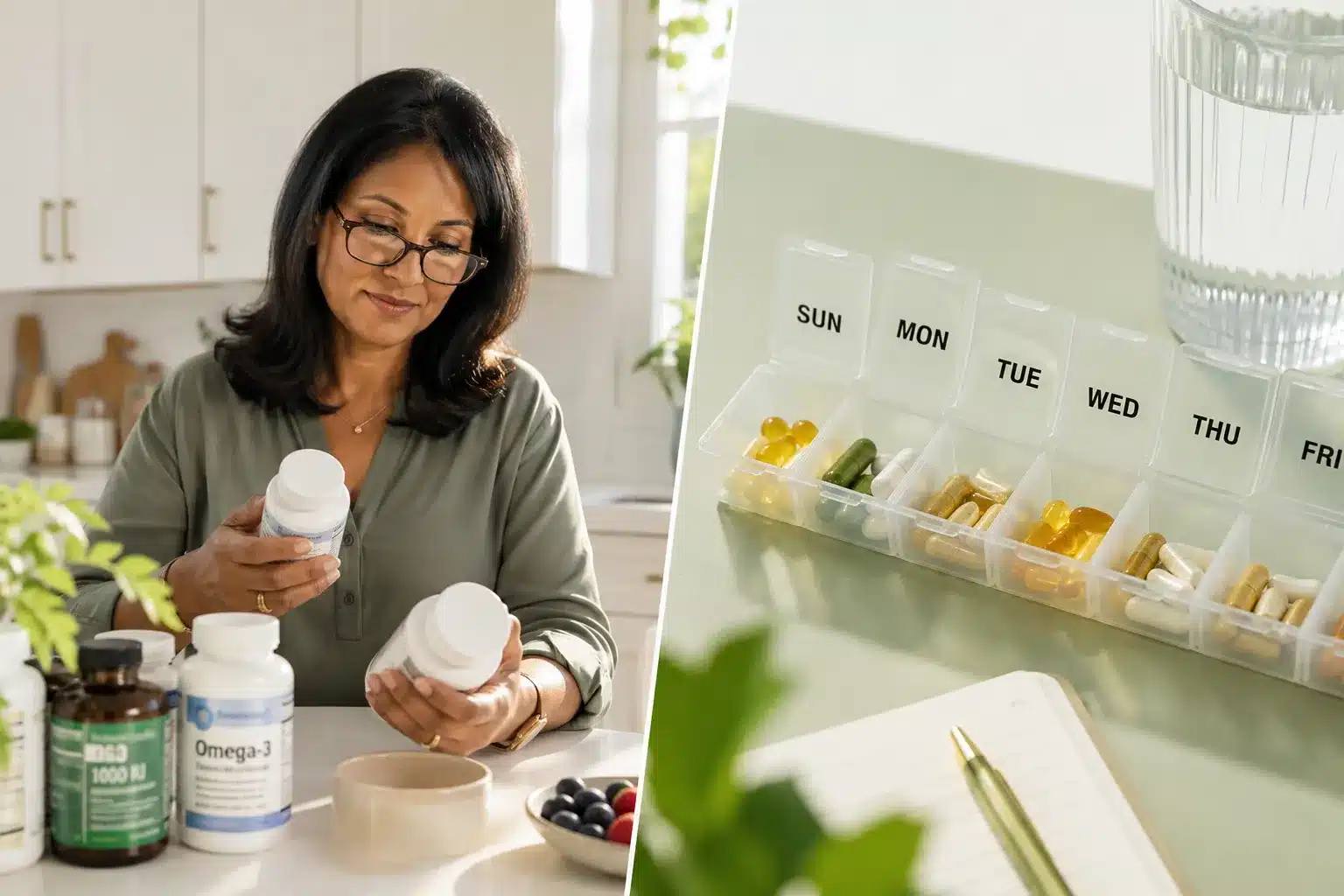
Liquid vs Pill Multivitamin for GLP-1 Users
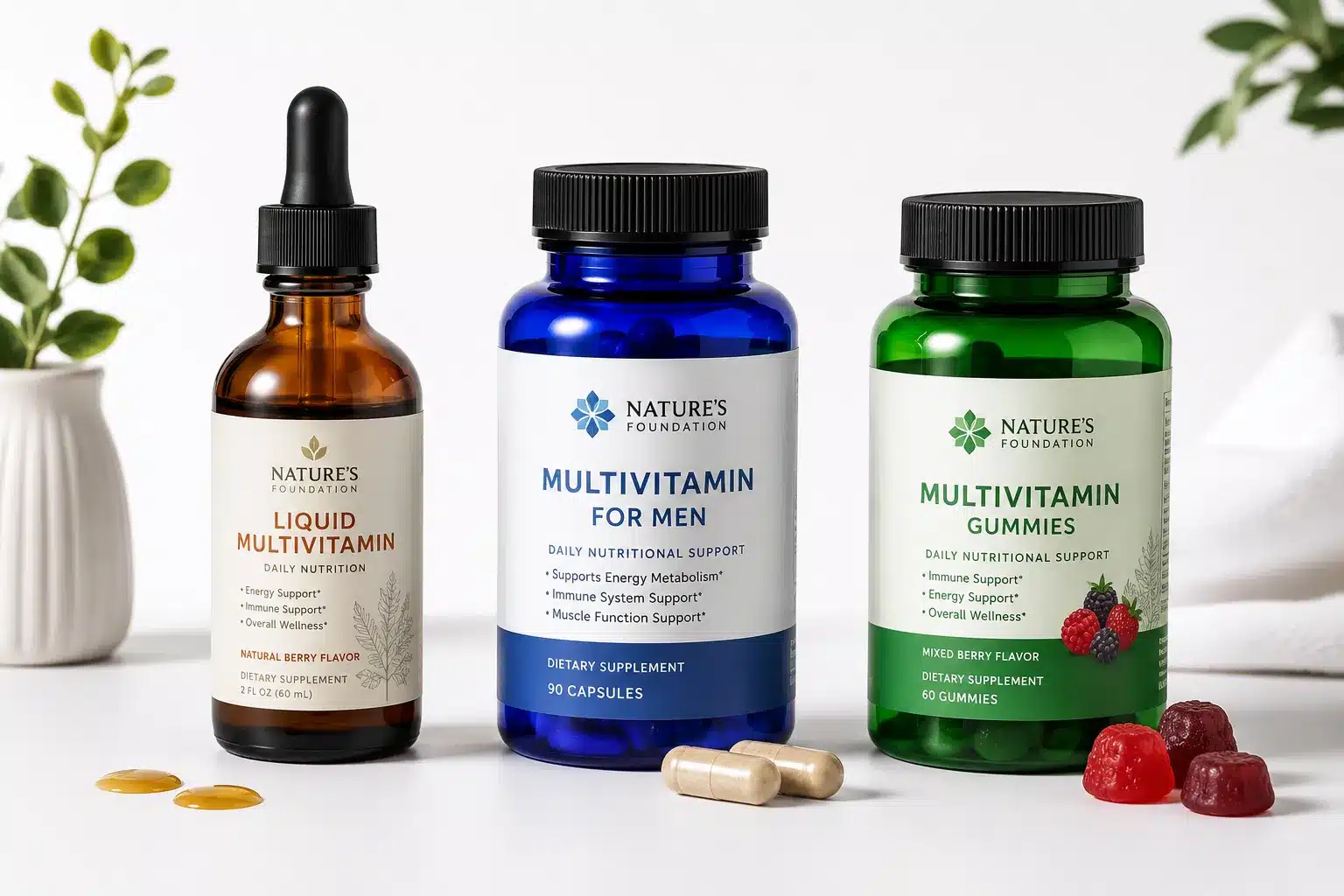
Liquid multivitamins are generally better tolerated by GLP-1 users with active nausea or digestive sensitivity, but capsules and softgels are a close second and more practical for most people long-term. Large compressed tablets are the worst option for this population.
Here is a direct comparison:
Liquid multivitamins:
- Pros: Fast absorption, no swallowing difficulty, easy to dose-adjust, often gentler on the stomach
- Cons: Shorter shelf life once opened, taste can be unpleasant, less portable, often more expensive per serving
- Best for: Users in the first 8-12 weeks on GLP-1 when nausea is most intense
Capsules and softgels:
- Pros: Convenient, portable, precise dosing, widely available
- Cons: Some capsules are large; gelatin capsules may dissolve slowly in a slow-emptying stomach
- Best for: Users who have stabilized on their GLP-1 dose and want a long-term daily routine
Tablets (compressed):
- Pros: Cheapest option, long shelf life
- Cons: Hardest to break down in a slow-emptying stomach, most likely to cause nausea or a “vitamin burp”
- Best for: GLP-1 users who are fully nausea-free and tolerate them well, otherwise, avoid
Gummies:
- Convenient and palatable, but most gummy multivitamins do not contain iron (a critical nutrient for GLP-1 users) and contain added sugar
- If you choose gummies, supplement separately with iron and B12
Are Gummies or Capsules Better for GLP-1 Users
Capsules are generally better than gummies for GLP-1 users because they deliver a more complete nutrient profile, including iron, which most gummies omit. Gummies are easier to take and more enjoyable, but the nutritional trade-off is significant for people already at risk of deficiency.
When gummies make sense:
- You have severe swallowing difficulty
- Your nausea is so intense that capsules are not staying down
- You are using gummies as a bridge while transitioning to a more complete supplement
When capsules are the better choice:
- You need iron supplementation (almost always the case for premenopausal women on GLP-1)
- You want a single product that covers most of your micronutrient bases
- You are more than three months into GLP-1 therapy and building a sustainable supplement routine
Bottom line: If you choose gummies, treat them as a partial solution and add a separate iron supplement and B12 sublingual to fill the gaps.
What Happens If You Don’t Take Vitamins on GLP-1
Skipping vitamins on GLP-1 long-term creates a slow-building nutrient deficit that can cause real health consequences. The effects are not immediate, which is why many users underestimate the risk, but they compound over months.
Short-term (1-3 months without supplementation):
- Fatigue and low energy (often attributed to the medication rather than nutrition)
- Mild hair thinning (early sign of zinc and iron deficiency)
- Reduced immune function
Medium-term (3-6 months):
- More pronounced hair loss
- Muscle weakness and cramps (magnesium and potassium deficiency)
- Mood changes, brain fog (B12 and folate)
- Poor wound healing (zinc)
Long-term (6+ months):
- Anemia from iron or B12 deficiency
- Bone density loss from calcium and vitamin D deficiency
- Neurological symptoms from B12 deficiency (tingling, numbness, balance issues) that may not fully reverse even after supplementation begins
- Increased fracture risk
The neurological effects of B12 deficiency are particularly important to understand: they can become irreversible if the deficiency is severe and prolonged. This is not a scare tactic, it is a well-documented consequence of long-term B12 depletion, seen in bariatric surgery patients and applicable to anyone with chronically low B12 intake.
Do You Need Electrolytes and Vitamins Together on GLP-1
Yes, electrolytes and vitamins address different but overlapping needs for GLP-1 users, and most people benefit from both. Electrolytes (sodium, potassium, magnesium, chloride) are not typically covered adequately by a standard multivitamin, especially for users experiencing vomiting, reduced fluid intake, or significant sweating.
Why electrolytes matter specifically on GLP-1:
- Nausea and vomiting deplete sodium and potassium rapidly
- Reduced food intake means less dietary sodium, potassium, and magnesium
- GLP-1 users who exercise regularly have higher electrolyte needs than their reduced calorie intake can support
- Low magnesium (which overlaps between electrolytes and vitamins) causes muscle cramps, poor sleep, and anxiety
How to cover both:
- Choose a multivitamin that includes magnesium (at least 100 mg in glycinate or citrate form)
- Add a separate electrolyte supplement or powder if you experience cramps, fatigue, or headaches, these are often signs of electrolyte imbalance, not just medication side effects
- Potassium is rarely included in multivitamins at meaningful doses due to FDA limits on OTC potassium; get it from food (bananas, avocado, potatoes) or a targeted supplement if your doctor recommends it
Decision rule: If you are exercising more than three times per week, experiencing regular nausea or vomiting, or living in a hot climate, treat electrolytes as a separate daily priority alongside your multivitamin.
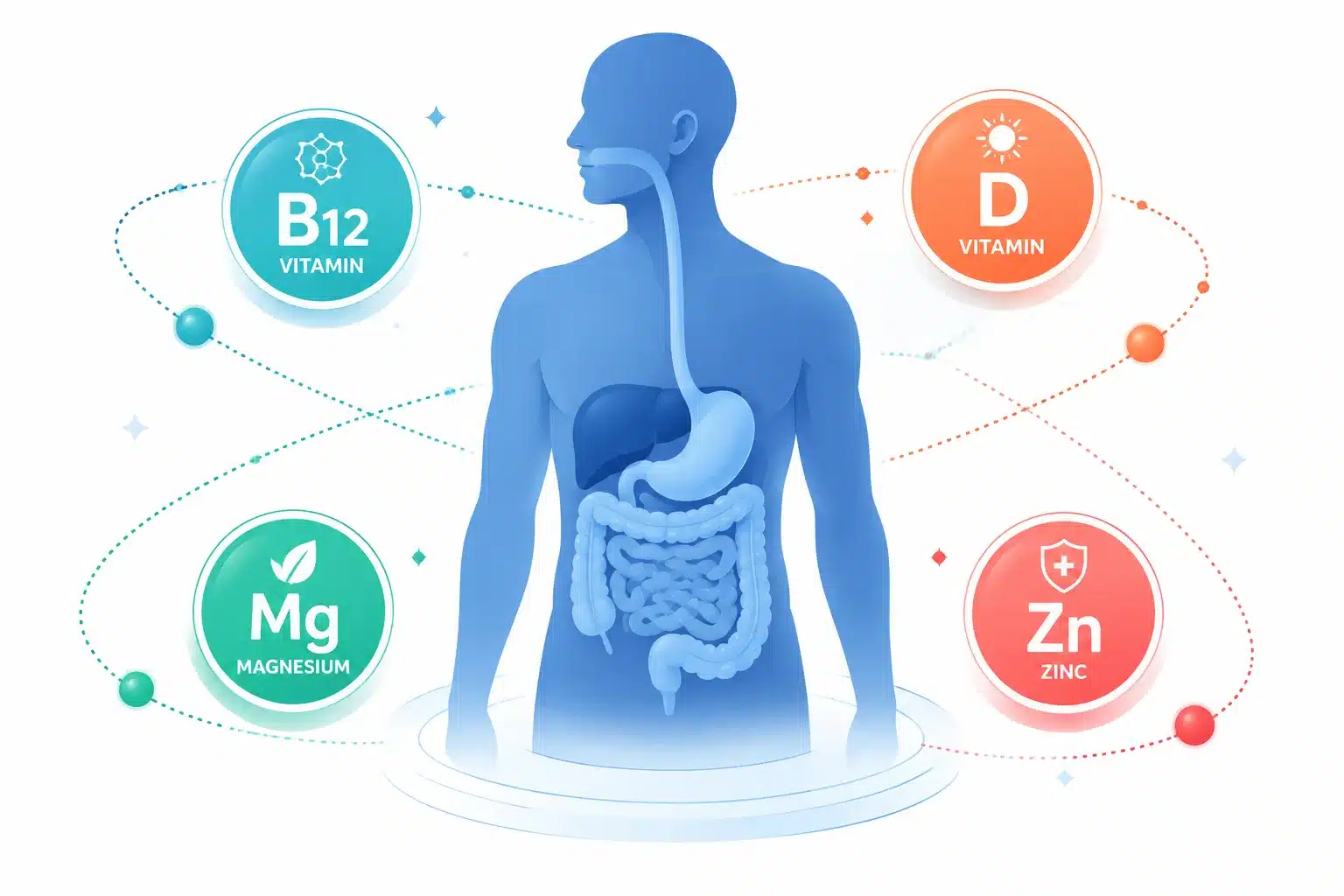
Best Multivitamin for GLP-1 Users: What to Look For
The best multivitamin for GLP-1 users covers the specific nutrients most at risk from reduced food intake, uses highly absorbable forms of each nutrient, and comes in a format gentle enough to take consistently. No single product is perfect for every person, but the criteria below narrow the field significantly.
Core Nutrient Checklist
When evaluating any multivitamin for GLP-1 use, check for these specific forms and amounts:
- B12: Methylcobalamin, minimum 500 mcg (higher is generally safe as B12 is water-soluble)
- Vitamin D: D3 (cholecalciferol), minimum 1,000 IU; 2,000 IU is better
- Iron: Ferrous bisglycinate (gentler than ferrous sulfate), 18 mg for premenopausal women; men and postmenopausal women may not need iron supplementation, check with your doctor
- Zinc: Zinc glycinate or zinc picolinate, 8-11 mg
- Magnesium: Magnesium glycinate or citrate, 100-200 mg
- Folate: Methylfolate (5-MTHF) rather than folic acid, especially if you have an MTHFR variant
- B6: Pyridoxine or P5P form, at least 10 mg
- Calcium: 200-500 mg is reasonable in a multi; do not rely on a multivitamin alone for full calcium needs
What to Avoid
- Magnesium oxide (laxative effect, poor absorption)
- Folic acid in large amounts without methylfolate (some people cannot convert it)
- Excessive vitamin A as retinol (above 5,000 IU can be toxic long-term)
- Artificial colors, titanium dioxide, and unnecessary fillers
Multivitamin Brands Recommended by Doctors for Semaglutide
Clinicians working with GLP-1 patients commonly recommend these categories of products, though specific brand availability and formulations change:
- Bariatric-formulated multivitamins (such as Bariatric Advantage, Celebrate, or ProCare Health), originally designed for post-bariatric surgery patients, these cover the same nutrient gaps GLP-1 users face and are often the strongest option
- Prenatal multivitamins, designed for high nutrient demand, these typically include methylfolate, iron, and higher B12; a reasonable option for women of childbearing age on GLP-1
- High-quality general multivitamins with methylated B vitamins, brands like Thorne, Pure Encapsulations, and Garden of Life are frequently mentioned by integrative medicine practitioners for their cleaner formulations
Note: I am not endorsing specific brands here because formulations change and availability varies. Use the ingredient checklist above to evaluate any product you consider.
For users exploring affordable GLP-1 programs that may include nutritional support, this overview of affordable GLP-1 weight loss programs in the USA is worth reviewing.
Best Multivitamin for Weight Loss Medications: How Cost Compares
A good multivitamin for GLP-1 users typically costs between $25 and $60 per month, depending on the brand, format, and whether it is a general multi or a bariatric-specific formula. Budget options under $20 per month exist but often use lower-quality nutrient forms.
Here is a realistic cost breakdown:
- Budget range ($15,$25/month): Standard multivitamins with basic nutrient forms. Adequate for users with no specific deficiencies and mild GLP-1 side effects. Check for methylated B vitamins, many budget options use synthetic forms.
- Mid-range ($25,$45/month): Higher-quality formulations with methylcobalamin, methylfolate, and chelated minerals. This is the sweet spot for most GLP-1 users.
- Premium/bariatric range ($45,$70/month): Bariatric-formulated multivitamins with higher doses of key nutrients. Worth it for long-term GLP-1 users (12+ months) or those with confirmed deficiencies.
- Liquid multivitamins ($30,$60/month): Often in the mid-to-premium range. Cost per serving can be higher, but the absorption advantage may justify it for users with ongoing nausea.
Cost-saving tip: Buying a 90-day supply rather than monthly typically reduces cost by 15-25%. Many bariatric supplement brands offer subscription discounts.
What you should not cut corners on: B12 form (always methylcobalamin), iron form (always bisglycinate if iron is included), and vitamin D potency (minimum 1,000 IU D3). These three are the areas where cheap formulations most often fall short.
For users also considering the cost of their GLP-1 medication itself, see this breakdown of GLP-1 programs under $300 and cheap GLP-1 program options.
How to Build a Complete Supplement Routine on GLP-1
The best multivitamin for GLP-1 users is the foundation of a supplement routine, not the whole structure. Most people on GLP-1 therapy long-term need at least one or two targeted additions beyond their daily multi.
Step-by-Step Supplement Routine for GLP-1 Users
- Start with a high-quality multivitamin that meets the ingredient checklist above. Take it with your largest tolerated meal.
- Add sublingual B12 (500-1,000 mcg methylcobalamin) if your multi contains less than 500 mcg, or if you have confirmed low B12 on bloodwork.
- Add vitamin D3 (1,000-2,000 IU) if your multi contains less than 1,000 IU, or if bloodwork shows insufficiency.
- Add magnesium glycinate (200-400 mg) in the evening if you experience muscle cramps, poor sleep, or anxiety. Most multivitamins do not contain enough magnesium to meaningfully address deficiency.
- Add an electrolyte supplement (without added sugar) if you exercise regularly, experience frequent nausea or vomiting, or live in a hot climate.
- Add iron separately only if bloodwork confirms deficiency, do not supplement iron without a confirmed need, as excess iron has its own risks.
- Get bloodwork every 3-6 months for the first year on GLP-1 therapy. Ask your provider to check B12, vitamin D (25-OH), ferritin, zinc, and a comprehensive metabolic panel.
Common mistake: Adding too many supplements at once makes it impossible to identify which one is causing any new side effect. Introduce one new supplement at a time, spaced a week apart.
For users who want to understand more about how compounding pharmacies support GLP-1 access and what the full treatment picture looks like, this guide on how pharmaceutical compounding works for GLP-1 drugs provides useful context.
Key Takeaway
The single most important thing a GLP-1 user can do for their nutritional health is start a high-quality multivitamin early, before deficiencies develop, and pair it with regular bloodwork to catch gaps the supplement does not fully cover. Choose methylated B vitamins, vitamin D3, and chelated minerals. Take it with food. And do not rely on gummies alone.
7 Best GLP-1 Providers Ranked: Accreditation, Flexibility & Support Compared (2026 Update)
32,000+ Patients Can't All Be Wrong: See the Top-Rated GLP-1 Providers: Compared on accreditation, plan flexibility, and patient support — updated for 2026.
BMI MD GLP-1 Microdosing Plan
- Specialized microdosing options (sublingual drops or low-dose injections)
- Ideal for maintaining weight or tapering off higher doses safely
- Fully bundled plan with no hidden monthly platform memberships
DirectMeds Weight Loss Solutions
- Sourced from accredited, state-licensed 503A compounding pharmacies
- No-frills high-volume savings passed directly to the patient
- Includes clinical consultation and cold-chain shipping updates
MEDVi Flat-Rate Telehealth
- Flat monthly rate holds steady even at maximum maintenance doses
- No dosage upcharges or graduation fee penalties
- Offers both injectable and advanced oral thin-film delivery options
Gala GLP-1 Care Program
- All-inclusive plan with no standalone membership costs
- Continuous text-based messaging access with state-licensed clinicians
- Temperature-controlled, cold-chain medication shipping included
Measured GLP-1 Metabolic Health
- Comprehensive metabolic health screening and expert intake analysis
- Predictable long-term budgeting with stable plan pricing
- High-end responsive dashboard with integrated diagnostic support
Refills GLP-1 (TryRefills Plan)
- Flat rate holds steady as titration scales up
- Includes clinical guides for active side-effect management
- Bundles in foundational nutritional strategies alongside medication
AltRx GLP-1 Transactional Reorders
- Zero recurring auto-billing — pay entirely on a transactional basis
- Rapid text-to-order format saves time for experienced patients
- Provides both injectable forms and fast-dissolving tablet variations
Conclusion
GLP-1 medications are genuinely effective tools for weight management and metabolic health, but they create real nutritional vulnerabilities that a thoughtful supplement routine can address. The best multivitamin for GLP-1 users is not the cheapest option on the shelf or the most heavily marketed brand, it is the one that covers your specific nutrient gaps in absorbable forms, that you can actually tolerate and take consistently.
Actionable next steps:
- Review your current multivitamin (if you take one) against the ingredient checklist in this article. Check the forms of B12, vitamin D, iron, and magnesium specifically.
- If you do not yet take a multivitamin, start with a mid-range bariatric-formulated or high-quality general multi with methylated B vitamins.
- Schedule bloodwork with your GLP-1 prescriber if you have not had micronutrient levels checked in the past six months.
- Add targeted supplements (B12, vitamin D, magnesium) based on your bloodwork results rather than guessing.
- Reassess your routine every three to six months as your diet evolves on GLP-1 therapy.
The nutritional side of GLP-1 therapy does not get as much attention as the medication itself, but it is just as important for long-term results and overall health. A good multivitamin is one of the simplest, most cost-effective investments you can make in your GLP-1 journey.
Frequently Asked Questions
Can I take any multivitamin with semaglutide?
Yes, standard multivitamins do not interact directly with semaglutide. The main concern is tolerability, take your multivitamin with food to reduce nausea, and avoid large tablets if your stomach is sensitive.
How soon should I start a multivitamin after beginning GLP-1 therapy?
Start within the first two to four weeks, ideally before significant weight loss begins. Nutrient deficits build gradually, and early supplementation prevents them from developing.
Is a prenatal vitamin a good multivitamin for GLP-1 users?
For women of childbearing age, yes, prenatal vitamins are a reasonable choice because they typically include methylfolate, iron, and higher B12. They are not ideal for men due to excess iron content.
Do I need a separate B12 supplement if my multivitamin contains B12?
Check the amount and form. If your multi contains less than 500 mcg of methylcobalamin, adding a separate sublingual B12 is worth considering, especially after six or more months on GLP-1 therapy.
Why do most gummy vitamins not contain iron?
Iron is chemically incompatible with the gummy matrix and causes unpleasant taste and color changes. This is a formulation limitation, not a choice, it is why gummies are consistently weaker for GLP-1 users who need iron support.
Can too many vitamins be harmful on GLP-1?
Yes, fat-soluble vitamins (A, D, E, K) can accumulate to toxic levels if over-supplemented. Stick to recommended doses unless bloodwork indicates a specific deficiency that requires therapeutic dosing under medical supervision.
What is the best form of magnesium for GLP-1 users?
Magnesium glycinate is the best choice for most GLP-1 users, it is well absorbed, gentle on the digestive tract, and less likely to cause diarrhea than magnesium oxide or citrate at higher doses.
Should men on GLP-1 take a different multivitamin than women?
Men generally do not need iron supplementation unless bloodwork confirms deficiency, so a men’s formula or a general multi without iron is more appropriate. Women of childbearing age typically need iron and should choose accordingly.
How long does it take to correct a vitamin deficiency on GLP-1?
Mild deficiencies often improve within four to eight weeks of consistent supplementation. Severe B12 deficiency can take several months to correct, and neurological symptoms may take longer. Bloodwork is the only reliable way to track progress.
Can electrolyte drinks replace a multivitamin on GLP-1?
No. Electrolyte drinks cover sodium, potassium, and magnesium but do not provide B12, vitamin D, iron, zinc, folate, or other micronutrients. They are a complement to a multivitamin, not a replacement.
Is it safe to take a multivitamin on the same day as a GLP-1 injection?
Yes, it is safe. However, some users experience peak nausea in the 24-48 hours after their weekly injection. If that applies to you, take your multivitamin with a meal and consider a smaller dose on injection day if nausea is severe.
Do I still need a multivitamin if I eat a balanced diet on GLP-1?
Probably yes. Even a nutrient-dense diet is unlikely to fully compensate for the significant calorie restriction that GLP-1 medications produce. Most clinicians recommend supplementation regardless of diet quality for anyone eating fewer than 1,200-1,500 calories per day consistently.
References
- National Institutes of Health Office of Dietary Supplements. Vitamin B12 Fact Sheet for Health Professionals. https://ods.od.nih.gov/factsheets/VitaminB12-HealthProfessional/ (2023)
- National Institutes of Health Office of Dietary Supplements. Vitamin D Fact Sheet for Health Professionals. https://ods.od.nih.gov/factsheets/VitaminD-HealthProfessional/ (2023)
- American Society for Metabolic and Bariatric Surgery. Integrated Health Nutritional Guidelines for the Surgical Weight Loss Patient. Surgery for Obesity and Related Diseases. (2016)
- Wilding JPH, et al. Once-Weekly Semaglutide in Adults with Overweight or Obesity. New England Journal of Medicine. (2021)
- Mechanick JI, et al. Clinical Practice Guidelines for the Perioperative Nutrition, Metabolic, and Nonsurgical Support of Patients Undergoing Bariatric Procedures. Obesity. (2019)
- Jastrzebska-Mierzynska M, et al. Assessment of dietary habits, nutritional status and blood biochemistry in patients prepared for bariatric surgery. Wideochirurgia i inne techniki maloinwazyjne. (2015)
Tags: GLP-1 nutrition, best multivitamin for GLP-1 users, semaglutide supplements, vitamins for weight loss medications, vitamin B12 on GLP-1, vitamin D deficiency GLP-1, bariatric multivitamin, electrolytes on GLP-1, Ozempic vitamins, Wegovy nutrition, GLP-1 side effects, micronutrient deficiency

With over 13 years of experience in holistic health blogging, I aim to help you navigate your wellness journey with honest insights, expert-backed advice, and a sprinkle of real-world practicality.
Certified Wellness Writer | Herbal Nutrition Advocate | Wellness Research Enthusiast


