
GLP-1 Meal Plan: A Complete 7-Day Meal Plan for Healthy Weight Loss (2026)
Last updated: July 26, 2026
Quick Answer
A GLP-1 meal plan is a structured eating approach designed to work alongside GLP-1 receptor agonist medications like semaglutide (Ozempic, Wegovy) or tirzepatide (Mounjaro, Zepbound). Because these drugs reduce appetite and slow digestion, every meal needs to be nutrient-dense, high in protein, and rich in fiber to prevent muscle loss, nutritional deficiencies, and side effects like nausea. The goal is not just eating less, it’s eating smarter on a smaller stomach.
Key Takeaways
- A GLP-1 meal plan prioritizes protein (at least 25-30 grams per meal), fiber, and hydration to protect muscle mass and support weight loss.
- Foods to avoid on GLP-1 medication include high-fat fried foods, sugary drinks, refined carbs, and alcohol, all of which worsen nausea and slow progress.
- Most people on GLP-1 medications eat 1,200-1,600 calories per day, spread across 3 small meals and 1-2 snacks.
- Nausea is the most common side effect; eating bland, low-fat, small meals, especially in the first few weeks, significantly reduces it.
- A GLP-1 meal plan can be followed without medication, but the weight loss results will be more modest without the appetite-suppressing drug effect.
- Vegetarians and vegans can follow a GLP-1 meal plan successfully by leaning on legumes, tofu, tempeh, edamame, and plant-based protein powders.
- The most common mistake on a GLP-1 diet is not eating enough protein, which leads to muscle loss rather than fat loss.
- Structured meal plan services cost roughly $10-$30 per day, but a DIY approach using whole foods can cost far less.
- Most healthcare providers recommend following a GLP-1-aligned diet for the entire duration of medication use, which can be months to years.
- Weight loss on GLP-1 medications combined with a proper meal plan averages 10-15% of body weight over 12-18 months, based on clinical trial data.
What Is a GLP-1 Meal Plan and How Does It Work
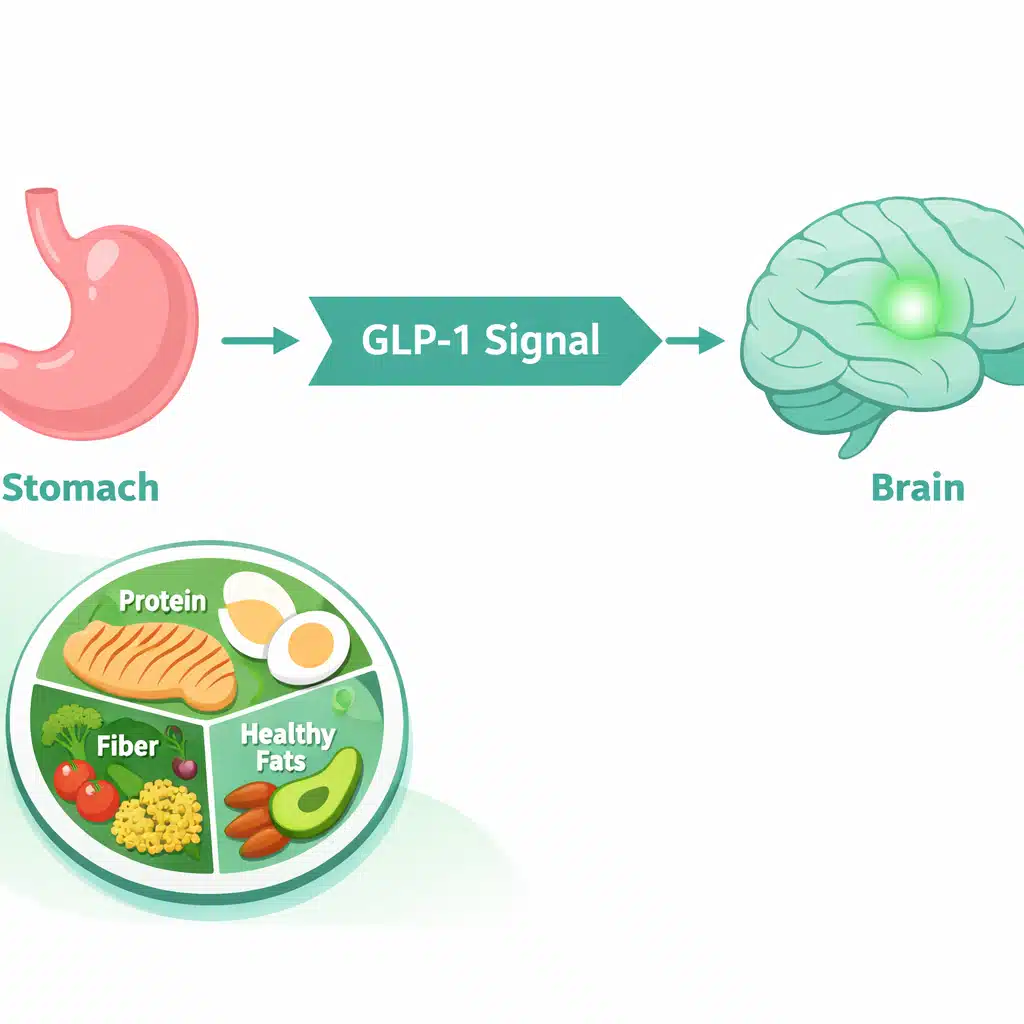
A GLP-1 meal plan is an eating framework tailored to the physiological changes caused by GLP-1 receptor agonist medications. These drugs mimic the natural GLP-1 hormone, which signals fullness to the brain, slows gastric emptying, and reduces hunger, so the meal plan is built around smaller portions, high nutrient density, and foods that are easy on a slower digestive system.
7 Best GLP-1 Providers Ranked: Accreditation, Flexibility & Support Compared (2026 Update)
32,000+ Patients Can't All Be Wrong: See the Top-Rated GLP-1 Providers. We compared the leading online GLP-1 providers based on program features, clinical support, convenience, and overall value.
BMI MD GLP-1 Microdosing Plan
- Specialized microdosing options, including sublingual drops and low-dose injections
- Designed for people interested in maintaining weight or gradually adjusting treatment
- Bundled program structure without a separate monthly platform membership
- Online access makes the process convenient from home

DirectMeds Weight Loss Solutions
- Online weight-loss program with a straightforward patient experience
- Compounded medication options through state-licensed compounding pharmacies
- Includes clinical consultation as part of the process
- Provides shipping updates to help patients track their orders
MEDVi Flat-Rate Telehealth
- Flat-rate telehealth approach designed for easier budgeting
- No dosage-based pricing increases within the advertised program structure
- Offers injectable and oral thin-film delivery options
- Includes medical screening and asynchronous provider consultations
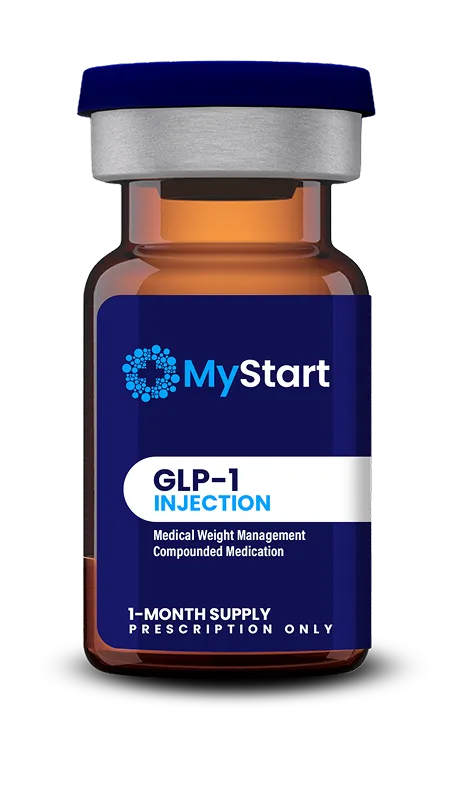
Gala GLP-1 Care Program
- Text-based access to state-licensed clinicians
- Cold-chain medication shipping included in the program
- Month-to-month program structure
- Designed for people who value convenient ongoing support
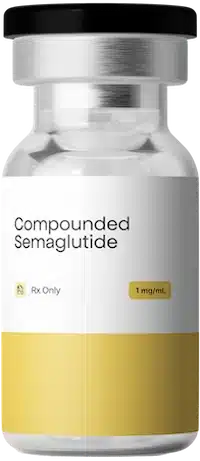
Measured GLP-1 Metabolic Health
- Comprehensive metabolic health screening and intake analysis
- Designed around longer-term metabolic health management
- Responsive dashboard with integrated health tracking tools
- Useful option for patients who value a more data-focused experience
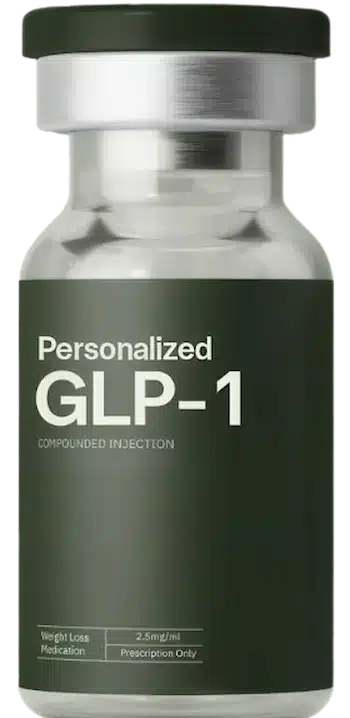
Refills GLP-1 (TryRefills Plan)
- Clinical guidance designed to help patients manage common treatment concerns
- Includes foundational nutritional strategies alongside medication
- Designed around predictable ongoing treatment
- No hidden startup or processing fees according to the program information provided
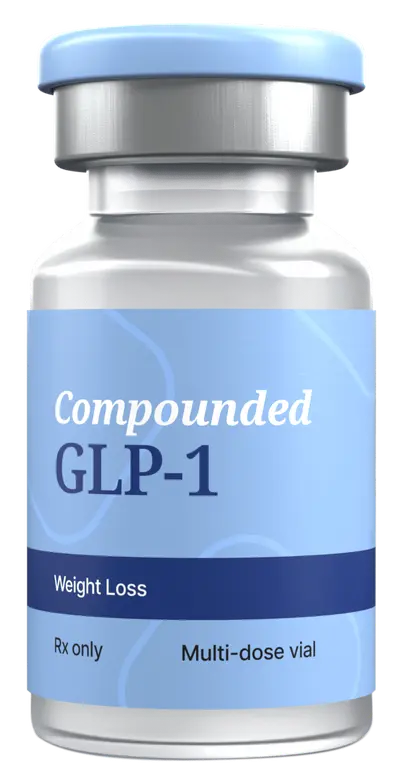
AltRx GLP-1 Transactional Reorders
- Transactional reorder model without recurring auto-billing
- Designed for patients who already understand their treatment routine
- Fast text-to-order process for convenient reorders
- Offers injectable and fast-dissolving tablet variations
Here’s the core mechanism worth understanding: GLP-1 medications slow the rate at which food leaves your stomach. This means food sits longer, which is why greasy, heavy, or high-sugar meals cause intense nausea. A well-designed GLP-1 meal plan accounts for this by favoring lean proteins, cooked vegetables, and complex carbohydrates that digest comfortably.
How the plan works in practice:
- Meals are smaller than typical, often 300-500 calories each
- Protein is the anchor of every meal to prevent muscle loss
- Fiber supports digestion and keeps blood sugar stable
- Hydration is intentional, since thirst cues can be suppressed along with hunger
- Timing matters: eating too close to injection days (for weekly injections) can worsen nausea
The plan is not a fad diet. It’s a nutritional strategy designed to complement the drug’s mechanism and protect your body while in a calorie deficit. For a deeper look at how these medications work biologically, see our guide on what GLP-1 injectable medications are and how they work.
Best Foods to Eat on GLP-1 Medication
The best foods on a GLP-1 meal plan are those that deliver maximum nutrition in minimum volume. Because appetite is suppressed, every bite needs to count.
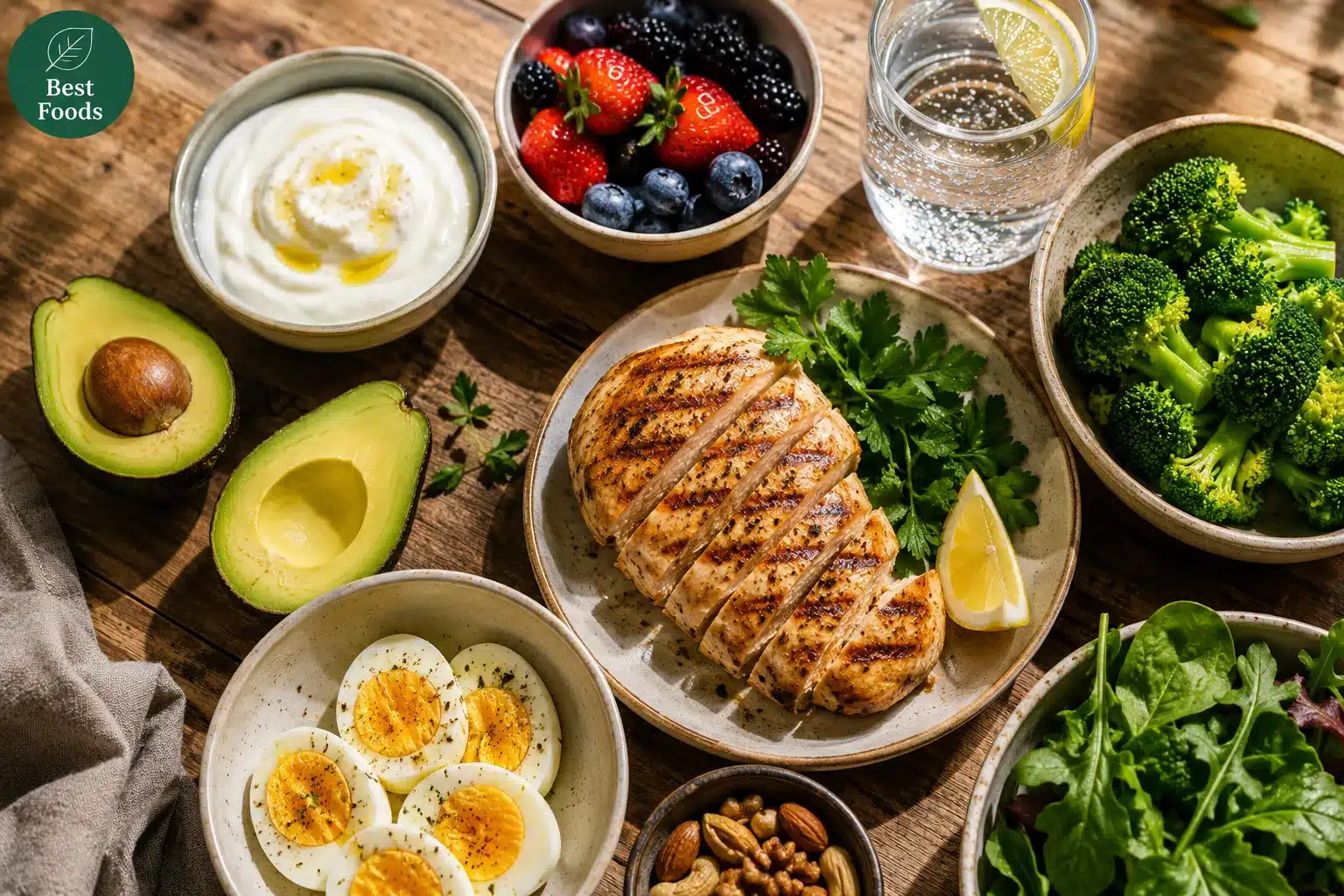
Top protein sources:
- Grilled chicken breast, turkey, and lean beef
- Eggs and egg whites
- Greek yogurt (plain, full-fat or 2%)
- Cottage cheese
- Canned or fresh fish (salmon, tuna, sardines)
- Edamame and tofu
Best fiber-rich carbohydrates:
- Lentils and chickpeas
- Oats (steel-cut or rolled)
- Sweet potatoes
- Quinoa
- Berries (blueberries, raspberries, strawberries)
- Leafy greens (spinach, kale, arugula)
Healthy fats (in moderate portions):
- Avocado (one-quarter to one-half per serving)
- Olive oil (1 tablespoon per meal)
- Almonds and walnuts (small handful)
Hydration essentials:
- Plain water (aim for 64-80 oz daily)
- Electrolyte drinks without sugar
- Herbal teas and broths
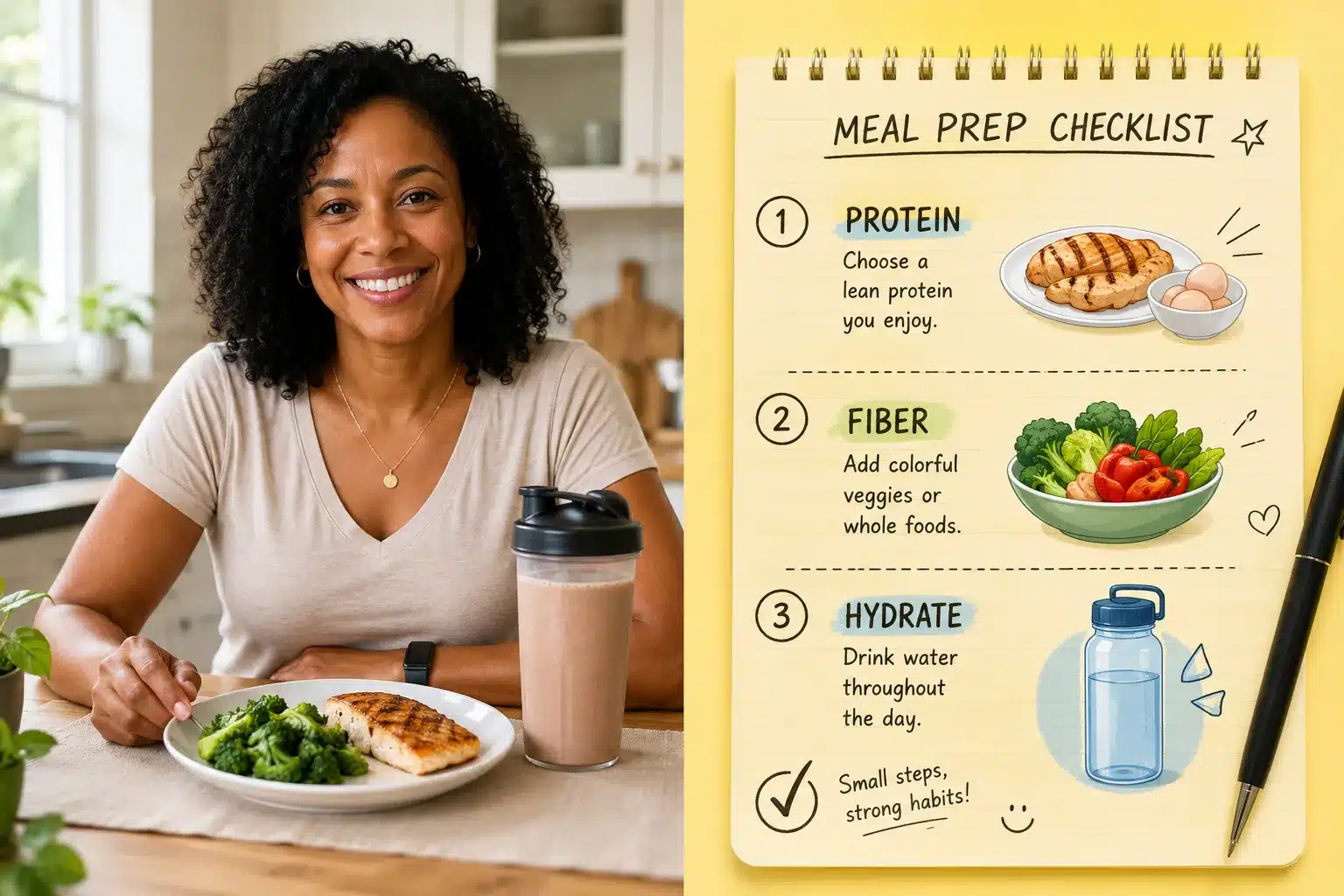
A practical rule: build every meal around a palm-sized portion of protein, a fist of non-starchy vegetables, and a small amount of complex carbs or healthy fat. This structure keeps calories appropriate while covering your nutritional bases.
GLP-1 Meal Plan High-Protein Low-Carb Recipes and Sample Day
High-protein, lower-carb eating is the most effective dietary pattern for GLP-1 users because it preserves muscle, keeps blood sugar stable, and reduces the nausea associated with high-fat or high-sugar meals.
Sample one-day GLP-1 meal plan (approximately 1,400 calories):
| Meal | What to Eat | Approx. Protein | Approx. Calories |
|---|---|---|---|
| Breakfast | 2 scrambled eggs + 1/2 cup Greek yogurt + 1/2 cup berries | 28g | 320 |
| Lunch | 4 oz grilled chicken + 1 cup roasted broccoli + 1/2 cup quinoa | 38g | 420 |
| Snack | 1/2 cup cottage cheese + cucumber slices | 14g | 150 |
| Dinner | 4 oz baked salmon + 1 cup steamed spinach + 1/2 sweet potato | 34g | 410 |
| Evening snack | 1 hard-boiled egg + small handful of almonds | 10g | 140 |
Total: approximately 124g protein / 1,440 calories
This structure gives you enough protein to protect lean muscle mass, a critical concern when losing weight rapidly. Research published in Obesity Reviews (2022) found that inadequate protein intake during rapid weight loss is a primary driver of muscle loss, regardless of whether the deficit is medication-assisted or diet-only.
For people who struggle to hit protein targets through food alone, a high-quality whey or plant-based protein shake can fill the gap without adding significant volume or causing nausea.
How Much Should I Eat on GLP-1 (Ozempic or Wegovy)
Most people on GLP-1 medications should aim for 1,200-1,600 calories per day, spread across 3 small meals and 1-2 snacks. Going below 1,200 calories consistently increases the risk of nutritional deficiencies and muscle loss, even if the medication makes it feel comfortable to eat that little.
General portion guidance:
- Protein: 25-35 grams per meal (roughly 100-130g total per day)
- Carbohydrates: 30-45 grams per meal, focusing on fiber-rich sources
- Fat: 10-15 grams per meal, from unsaturated sources
- Meal size: roughly the size of your two cupped hands combined
When to eat:
- Do not skip breakfast, it helps stabilize blood sugar and prevents over-eating later
- Space meals 4-5 hours apart to allow gastric emptying
- Avoid eating within 2-3 hours of bedtime
- On weekly injection days (semaglutide or tirzepatide), stick to the lightest, blandest meals
A common mistake is eating too little in the early weeks because appetite suppression is strong. This feels fine short-term but leads to fatigue, hair loss, and muscle loss over time. If you’re unsure whether your intake is sufficient, tracking with a free app like MyFitnessPal for 2-3 weeks helps identify gaps.
For context on what real-world results look like with structured eating and medication, see our breakdown of 6-week Ozempic weight loss results.
GLP-1 Meal Plan Cost and Where to Buy Plans
A DIY GLP-1 meal plan using whole foods from a grocery store costs roughly $60-$100 per week for one person, depending on your location and food choices. Structured meal delivery services or dietitian-designed plans range from $10-$30 per day.
Your main options:
- DIY whole food approach: Lowest cost. Use the sample day above as a template. Requires meal prep time but gives full control over ingredients.
- Meal kit delivery services: Companies like Factor, Green Chef, and HelloFresh offer high-protein options that can be adapted to a GLP-1 plan. Costs run $10-$15 per meal.
- Telehealth GLP-1 programs with nutrition coaching: Several platforms bundle medication, dietitian support, and meal planning. These are more expensive but offer accountability. See our review of Measured GLP-1, how it works, what it costs, and who it’s for.
- Pre-designed PDF meal plans: Available from registered dietitians and nutrition websites for $15-$50 as a one-time purchase.
Cost-saving tips:
- Buy proteins in bulk (chicken thighs, eggs, canned fish, Greek yogurt)
- Prep 3-4 days of meals at once to reduce waste
- Use frozen vegetables, nutritionally equivalent to fresh and significantly cheaper
- Lentils and chickpeas are among the cheapest high-protein, high-fiber foods available
If you’re also managing the cost of the medication itself, our guide to GLP-1 payment plans covers financial assistance options and compounding pharmacy alternatives.
GLP-1 Diet Nausea and Side Effects: What to Eat
Nausea is the most reported side effect of GLP-1 medications, affecting an estimated 20-44% of users in clinical trials (NEJM, 2021). The good news is that dietary choices have a direct impact on how severe nausea becomes.
Foods that reduce nausea on GLP-1:
- Plain crackers, dry toast, or plain rice
- Ginger tea or ginger chews
- Cold or room-temperature foods (hot foods have stronger smells that trigger nausea)
- Small, frequent meals rather than large ones
- Broths and clear soups
- Bananas and applesauce
Foods that make nausea worse:
- High-fat or fried foods (they stay in the stomach longest)
- Spicy foods
- Strong-smelling foods
- Large portions eaten quickly
- Carbonated beverages
Practical nausea management checklist:
- Eat slowly, put the fork down between bites
- Stop eating at the first sign of fullness; do not push through
- Avoid lying down for at least 30 minutes after eating
- Stay hydrated between meals, not during (drinking large amounts with food worsens nausea)
- On the day of or day after your injection, choose your blandest, lightest meals of the week
Most nausea improves significantly after the first 4-8 weeks as the body adjusts to the medication. If nausea is severe or persistent, speak with your prescribing provider, dose adjustments are often the solution.
Foods to Avoid on GLP-1 Medication
Certain foods actively work against the goals of a GLP-1 meal plan and significantly worsen side effects. Avoiding them is not about restriction for its own sake, it’s about protecting your comfort and your results.
Foods to avoid or minimize:
- Fried and greasy foods: French fries, fried chicken, and anything cooked in heavy oil sit in the stomach for hours and almost always trigger nausea.
- Sugary drinks: Soda, juice, sports drinks, and sweetened coffees spike blood sugar without providing protein or fiber, wasted calories on a very limited intake.
- Refined carbohydrates: White bread, white rice, pastries, and crackers made from refined flour cause blood sugar spikes and offer little nutritional value.
- Alcohol: Alcohol irritates the stomach lining, lowers inhibitions around food choices, and can cause dangerous drops in blood sugar when combined with GLP-1 medications.
- High-sugar desserts: Ice cream, cakes, and candy are calorie-dense with no protein or fiber benefit.
- Ultra-processed snack foods: Chips, crackers, and packaged snack bars often contain inflammatory oils and added sugars that undermine weight loss.
- Cruciferous vegetables in large amounts (early on): Broccoli, cauliflower, and cabbage are healthy long-term, but in large quantities during the first weeks, they can cause bloating and gas in a slowed digestive system. Introduce them gradually.
Key rule: If a food would make you feel sick on an upset stomach, it will likely make you feel sick on GLP-1 medication. Use that as your filter.
Is a GLP-1 Meal Plan Safe Without a Prescription
A GLP-1 meal plan, meaning the dietary pattern itself, is completely safe to follow without medication. The eating principles (high protein, high fiber, low refined carbs, adequate hydration) align with standard evidence-based nutrition guidelines and carry no meaningful risk for healthy adults.
What changes without the medication is the degree of appetite suppression. Without the drug, hunger will be more present, and adherence to smaller portions requires more conscious effort. The weight loss results will also be more modest.
Who can benefit from the meal plan without medication:
- People who are not yet eligible for GLP-1 drugs but want to prepare their body
- Those transitioning off medication who want to maintain their results
- People who want to support natural GLP-1 hormone production through diet
Foods that naturally support GLP-1 hormone secretion (according to research published in Nutrients, 2019):
- High-fiber foods (oats, legumes, vegetables)
- Fermented foods (yogurt, kefir, kimchi)
- Protein-rich foods (eggs, fish, lean meats)
- Healthy fats (olive oil, avocado)
If you’re considering medication and want to understand your options, our overview of GLP-1 medications for weight loss and diabetes is a solid starting point.
GLP-1 Meal Plan vs Keto Diet: Which Is Better
A GLP-1 meal plan and a ketogenic diet are not the same thing, and for most GLP-1 medication users, the standard GLP-1 meal plan is a better fit. Keto restricts carbohydrates to under 50 grams per day to induce ketosis, while a GLP-1 plan allows moderate complex carbohydrates and focuses more on protein adequacy and digestive comfort.
Key differences:
| Factor | GLP-1 Meal Plan | Ketogenic Diet |
|---|---|---|
| Carb intake | Moderate (complex carbs allowed) | Very low (under 50g/day) |
| Fat intake | Moderate, unsaturated preferred | Very high (60-75% of calories) |
| Nausea risk | Lower (avoids high-fat foods) | Higher (high fat worsens GLP-1 nausea) |
| Sustainability | High (flexible food choices) | Moderate (restrictive, socially difficult) |
| Muscle preservation | Strong (protein-focused) | Variable (depends on protein intake) |
Choose a GLP-1 meal plan if you are on semaglutide or tirzepatide, experience nausea, or want a flexible long-term approach.
Consider keto if you have been doing it successfully before starting medication and tolerate high-fat foods without nausea, but monitor closely, as the combination of keto’s fat load and GLP-1’s slowed gastric emptying can be a difficult combination for many people.
Can You Do a GLP-1 Meal Plan Without the Medication
Yes, and many people do. The GLP-1 meal plan as a dietary framework is not dependent on medication, it’s simply a high-protein, high-fiber, lower-refined-carb eating pattern that happens to align perfectly with the physiological effects of GLP-1 drugs.
People follow this plan without medication for several reasons:
- They are waiting for insurance approval or managing GLP-1 medication costs
- They have completed a medication course and want to maintain results
- They want to naturally boost GLP-1 hormone secretion through food
- They prefer a lifestyle approach over pharmaceutical intervention
What to expect without medication: Hunger will be more present, so portion discipline requires more active effort. Weight loss will typically be slower, roughly 0.5-1 lb per week with consistent adherence, compared to the accelerated loss seen with medication. That said, the nutritional habits built on this plan are genuinely healthy and sustainable regardless of whether a drug is involved.
GLP-1 Meal Plan for Vegetarians and Vegans
A GLP-1 meal plan works well for vegetarians and vegans, but it requires more deliberate planning to hit protein targets without relying on animal products. The main challenge is that plant proteins are generally less bioavailable and lower in leucine, the amino acid most critical for muscle protein synthesis.
Best plant-based protein sources for GLP-1 users:
- Edamame (18g protein per cup, cooked)
- Tempeh (20g per 3.5 oz)
- Firm tofu (10g per half cup)
- Lentils (18g per cup, cooked)
- Chickpeas (15g per cup, cooked)
- Seitan (25g per 3.5 oz, not suitable for those with gluten sensitivity)
- Plant-based protein powder (pea, hemp, or rice-pea blend)
Sample vegan GLP-1 breakfast: Half cup rolled oats cooked in unsweetened soy milk, topped with 2 tablespoons hemp seeds, a quarter cup blueberries, and a tablespoon of almond butter. Approximately 22g protein, 380 calories.
Key nutrient gaps to watch on a vegan GLP-1 plan:
- Vitamin B12 (supplement required for vegans)
- Zinc and iron (lower absorption from plant sources)
- Omega-3 fatty acids (use algae-based DHA/EPA)
- Calcium (fortified plant milks, tofu made with calcium sulfate)
Pairing a plant-based protein powder into one daily meal or snack is one of the most practical ways to close the protein gap without increasing food volume significantly.
Common Mistakes People Make on a GLP-1 Diet
The most damaging mistake on a GLP-1 diet is eating too little protein, which causes the body to break down muscle for energy during rapid weight loss. Other common errors compound this problem.
The 8 most common GLP-1 diet mistakes:
Not tracking protein intake. Most people dramatically underestimate how much protein they are actually eating. Even a brief tracking period reveals the gap.
Relying on liquid calories for the wrong reasons. Protein shakes are useful, but replacing all meals with shakes can lead to boredom, nutrient gaps, and rebound eating.
Eating too infrequently. Skipping meals because you’re not hungry leads to muscle loss and nutritional deficiencies. Eat on a schedule, not just when hunger signals appear.
Drinking fluids with meals. Large amounts of water or other beverages during meals distend the stomach and worsen nausea. Drink between meals instead.
Choosing high-fat “healthy” foods in excess. Avocado, nuts, and olive oil are nutritious, but they are calorie-dense. On a 1,400-calorie budget, portions of these foods need to be measured.
Ignoring fiber. Low fiber intake on GLP-1 medications is a primary cause of constipation, one of the most common secondary side effects.
Not adjusting food choices around injection days. Many users eat their usual diet on injection day and are surprised by severe nausea. Plan your lightest meals for that day.
Stopping the meal plan when the medication is paused. Weight regain is fastest when both the drug and the dietary structure are removed simultaneously. The eating habits need to become permanent, not temporary.
How Long Should You Follow a GLP-1 Meal Plan
You should follow a GLP-1 meal plan for as long as you are on the medication, and ideally continue the core principles indefinitely after stopping. GLP-1 medications are increasingly prescribed as long-term treatments, not short-term fixes, and the dietary habits that support them need to match that timeline.
Practical timeline guidance:
- Weeks 1-4: Focus on tolerating food well, managing nausea, and hitting protein minimums. Do not worry about perfection.
- Months 1-3: Establish consistent meal structure, hit protein targets daily, and build fiber intake gradually.
- Months 3-12: Refine the plan, add variety, and begin incorporating regular physical activity to support muscle preservation.
- After stopping medication: Maintain the high-protein, high-fiber structure. Appetite will return, so portion awareness becomes more important.
Clinical data from the STEP trials (NEJM, 2021) showed that participants who stopped semaglutide without maintaining lifestyle changes regained approximately two-thirds of their lost weight within one year. The meal plan is the long-term insurance policy.
GLP-1 Meal Plan for Weight Loss: How Much Can You Lose
When a structured GLP-1 meal plan is combined with semaglutide or tirzepatide, average weight loss ranges from 10-22% of body weight over 68-72 weeks, based on the STEP and SURMOUNT clinical trials. The meal plan itself amplifies these results by preventing muscle loss and keeping the calorie deficit sustainable.
Realistic weight loss expectations:
- Weeks 1-4: 1-3 lbs per week (partly water weight)
- Months 2-6: 0.5-1.5 lbs per week
- Months 6-18: Slower, steadier loss as the body adapts
Without medication but following the meal plan alone, expect 0.5-1 lb per week with consistent adherence, still meaningful progress.
Factors that improve results:
- Hitting daily protein targets (muscle preservation means more of the weight lost is fat)
- Adding resistance training 2-3 times per week
- Consistent sleep (7-9 hours per night)
- Managing stress (cortisol drives fat storage and hunger)
Adding a structured exercise plan alongside your GLP-1 diet significantly improves body composition outcomes. Our 12-week home workout plan pairs well with this eating approach for those who want to build or maintain muscle during weight loss.

Key Takeaway
A GLP-1 meal plan is most effective when it is protein-first, fiber-rich, and built around small, nutrient-dense meals that work with, not against, the medication’s effects on digestion. The dietary principles are sound regardless of whether you are on medication, and the habits you build during treatment are what determine whether your results last long-term.
7 Best GLP-1 Providers Ranked: Accreditation, Flexibility & Support Compared (2026 Update)
32,000+ Patients Can't All Be Wrong: See the Top-Rated GLP-1 Providers: Compared on accreditation, plan flexibility, and patient support — updated for 2026.
BMI MD GLP-1 Microdosing Plan
- Specialized microdosing options (sublingual drops or low-dose injections)
- Ideal for maintaining weight or tapering off higher doses safely
- Fully bundled plan with no hidden monthly platform memberships
DirectMeds Weight Loss Solutions
- Sourced from accredited, state-licensed 503A compounding pharmacies
- No-frills high-volume savings passed directly to the patient
- Includes clinical consultation and cold-chain shipping updates
MEDVi Flat-Rate Telehealth
- Flat monthly rate holds steady even at maximum maintenance doses
- No dosage upcharges or graduation fee penalties
- Offers both injectable and advanced oral thin-film delivery options
Gala GLP-1 Care Program
- All-inclusive plan with no standalone membership costs
- Continuous text-based messaging access with state-licensed clinicians
- Temperature-controlled, cold-chain medication shipping included
Measured GLP-1 Metabolic Health
- Comprehensive metabolic health screening and expert intake analysis
- Predictable long-term budgeting with stable plan pricing
- High-end responsive dashboard with integrated diagnostic support
Refills GLP-1 (TryRefills Plan)
- Flat rate holds steady as titration scales up
- Includes clinical guides for active side-effect management
- Bundles in foundational nutritional strategies alongside medication
AltRx GLP-1 Transactional Reorders
- Zero recurring auto-billing — pay entirely on a transactional basis
- Rapid text-to-order format saves time for experienced patients
- Provides both injectable forms and fast-dissolving tablet variations
Conclusion
A well-structured GLP-1 meal plan is not optional, it is the foundation that determines whether your weight loss is mostly fat or mostly muscle, whether side effects are manageable or overwhelming, and whether your results last after the medication ends.
Actionable next steps:
- Calculate your daily protein target: multiply your goal body weight in pounds by 0.7-1.0 to get your daily gram target.
- Build meals around that protein target first, then add vegetables and a small amount of complex carbs.
- Track your intake for at least two weeks to identify gaps, most people are surprised by how little protein they were actually eating.
- Plan your lightest, blandest meals for your injection day.
- If you are vegan or vegetarian, add a plant-based protein powder to at least one meal daily.
- Pair your eating plan with consistent movement, even walking 30 minutes daily accelerates fat loss and protects muscle.
- Treat this as a permanent shift in eating habits, not a temporary diet.
For those still exploring medication options or costs, our guides on semaglutide weight loss injections and the difference between semaglutide and tirzepatide provide useful context for making an informed decision.
Frequently Asked Questions
What is the best breakfast on a GLP-1 meal plan? Greek yogurt with berries and a sprinkle of hemp seeds is one of the best GLP-1 breakfasts, it delivers 20-25 grams of protein, natural fiber, and is gentle on the stomach. Scrambled eggs with spinach is another strong option.
Can I drink coffee on a GLP-1 diet? Yes, plain black coffee or coffee with a small amount of unsweetened plant milk is fine. Avoid large sugary coffee drinks, a large flavored latte can contain 300-400 calories and 40+ grams of sugar with no protein benefit.
How much protein do I need per day on GLP-1 medication? Most GLP-1 users should aim for 100-130 grams of protein per day, or roughly 0.7-1.0 grams per pound of goal body weight. This is higher than average dietary recommendations because of the risk of muscle loss during rapid weight loss.
Should I take vitamins while on a GLP-1 meal plan? Many GLP-1 users benefit from a daily multivitamin, vitamin D, omega-3 fatty acids, and magnesium, since reduced food intake can create nutritional gaps. Speak with your provider or a registered dietitian for personalized guidance.
Can I eat bread on a GLP-1 diet? Small amounts of whole grain bread are acceptable. Avoid white bread and refined grain products, which spike blood sugar and offer minimal nutritional value on a calorie-limited plan.
Is intermittent fasting compatible with a GLP-1 meal plan? Some people combine the two, but it requires careful monitoring. Extended fasting windows can make it harder to hit daily protein targets, and some users experience more nausea when eating their first meal after a long fast. If you try it, prioritize protein at every eating window.
What should I eat on the day of my semaglutide injection? Stick to your lightest, blandest meals on injection day: plain crackers, eggs, broth, rice, or yogurt. Avoid fried foods, alcohol, and anything high in fat or sugar.
Will I regain weight if I stop the GLP-1 meal plan? Yes, research shows that stopping both the medication and the dietary structure leads to significant weight regain. Continuing the high-protein, high-fiber eating pattern after stopping medication is the most effective way to maintain results.
Can I eat out at restaurants on a GLP-1 meal plan? Yes. Order grilled proteins with steamed or roasted vegetables. Ask for sauces on the side. Avoid fried options, creamy pastas, and large portions, most restaurant entrees are 2-3 times a typical GLP-1 meal size, so plan to take half home.
How do I handle social eating events on a GLP-1 diet? Eat a small protein-rich snack before arriving so you are not arriving hungry. Choose the leanest protein option available, keep portions small, and avoid alcohol. Most people find that the medication’s appetite suppression makes social eating easier to manage over time.
Does exercise change the GLP-1 meal plan? If you are doing regular resistance training, your protein needs increase slightly, aim for the higher end of the range (1.0g per pound of goal body weight). Add a post-workout protein source within 30-60 minutes of training.
What is the difference between a GLP-1 meal plan and a regular low-calorie diet? A GLP-1 meal plan is specifically structured around the physiological changes caused by GLP-1 medications, slower digestion, reduced appetite, and higher risk of muscle loss. It prioritizes protein and fiber more aggressively than a standard low-calorie diet and includes specific strategies for managing nausea and digestive side effects.
References
- Wilding JPH, et al. “Once-Weekly Semaglutide in Adults with Overweight or Obesity.” New England Journal of Medicine, 2021. https://www.nejm.org/doi/full/10.1056/NEJMoa2032183
- Jastreboff AM, et al. “Tirzepatide Once Weekly for the Treatment of Obesity.” New England Journal of Medicine, 2022. https://www.nejm.org/doi/full/10.1056/NEJMoa2206038
- Leidy HJ, et al. “The role of protein in weight loss and maintenance.” American Journal of Clinical Nutrition, 2015. https://academic.oup.com/ajcn/article/101/6/1320S/4564492
- Chambers ES, et al. “Effects of targeted delivery of propionate to the human colon on appetite regulation, body weight maintenance and adiposity in overweight adults.” Gut, 2015.
- Bodnaruc AM, et al. “Nutritional modulation of endogenous glucagon-like peptide-1 secretion: a review.” Nutrition & Metabolism, 2016. https://nutritionandmetabolism.biomedcentral.com/articles/10.1186/s12986-016-0153-3
- Koliaki C, et al. “Defining the Optimal Dietary Approach for Safe, Effective and Sustainable Weight Loss in Overweight and Obese Adults.” Healthcare, 2018.
Tags: GLP-1 meal plan, semaglutide diet, Ozempic meal plan, Wegovy nutrition, GLP-1 foods to eat, high protein low carb, GLP-1 weight loss, tirzepatide diet, GLP-1 nausea foods, meal plan for weight loss, GLP-1 recipes, protein intake GLP-1

With over 13 years of experience in holistic health blogging, I aim to help you navigate your wellness journey with honest insights, expert-backed advice, and a sprinkle of real-world practicality.
Certified Wellness Writer | Herbal Nutrition Advocate | Wellness Research Enthusiast


