
Diet Shot for Weight Loss: The Most Effective Weekly Injections Ranked
Last updated: May 28, 2026
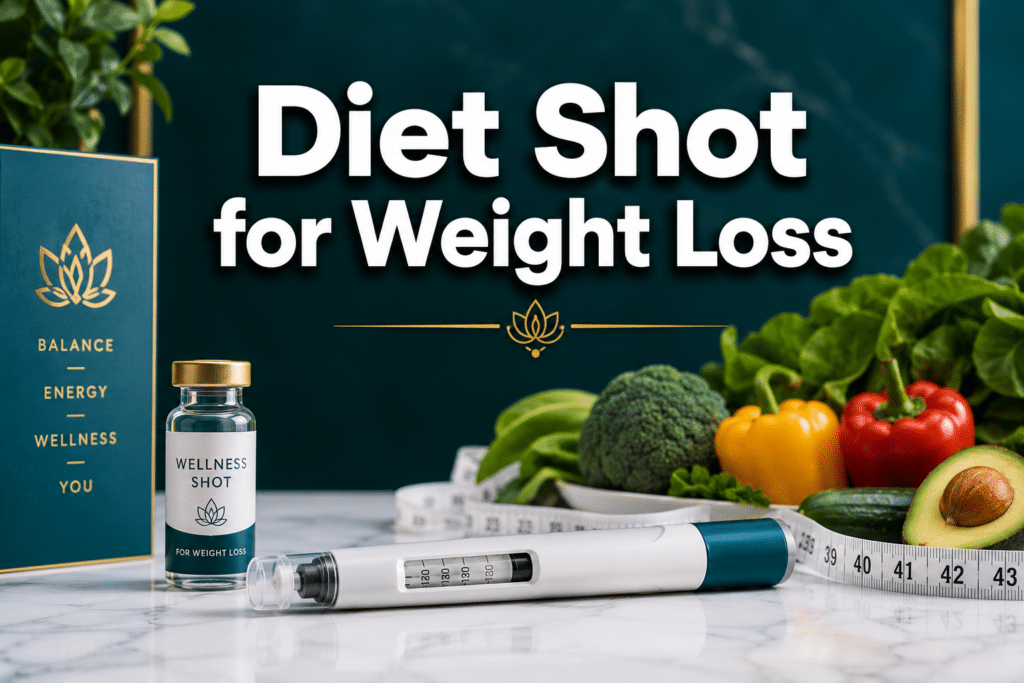
Quick Answer: A diet shot for weight loss is a prescription injection, most commonly a GLP-1 receptor agonist like semaglutide or tirzepatide, that reduces appetite, slows digestion, and signals fullness to the brain. Clinical trials show these medications can help adults lose 15–22% of their body weight over 12–18 months when combined with lifestyle changes. They are not magic bullets, but they are currently the most clinically supported pharmacological option available.
Key Takeaways
- GLP-1 injections like semaglutide (Wegovy, Ozempic) and tirzepatide (Zepbound, Mounjaro) are the leading diet shots for weight loss in 2026.
- Average weight loss ranges from 15% to 22% of body weight in clinical trials, depending on the medication and adherence.
- Cost without insurance typically runs $200–$1,400/month depending on the brand and whether you use compounded or brand-name versions.
- Side effects are real but manageable for most people: nausea, constipation, and fatigue are most common, especially early on.
- Diet shots are not permanent — weight often returns if you stop the medication without maintaining lifestyle habits.
- People over 50 can safely use these medications, but should discuss cardiovascular history and other conditions with a doctor first.
- Insurance coverage is inconsistent — Wegovy is covered by some plans, but Ozempic for weight loss often is not.
- Telehealth platforms like DirectMeds make access faster and more affordable, often starting at under $200/month for compounded semaglutide.
- Lifestyle changes still matter — diet shots work best alongside a healthy diet and moderate activity.
- Not everyone qualifies — certain thyroid conditions, pancreatitis history, and pregnancy are common disqualifiers.
What Exactly Is a Diet Shot and How Does It Work?
A diet shot for weight loss is a subcutaneous injection that targets hormones controlling hunger and blood sugar. The most effective class works by mimicking GLP-1 (glucagon-like peptide-1), a natural gut hormone that tells your brain you’re full, slows how fast your stomach empties, and reduces cravings.
7 Best GLP-1 Providers Ranked: Accreditation, Flexibility & Support Compared (2026 Update)
32,000+ Patients Can't All Be Wrong: See the Top-Rated GLP-1 Providers. We compared the leading online GLP-1 providers based on program features, clinical support, convenience, and overall value.
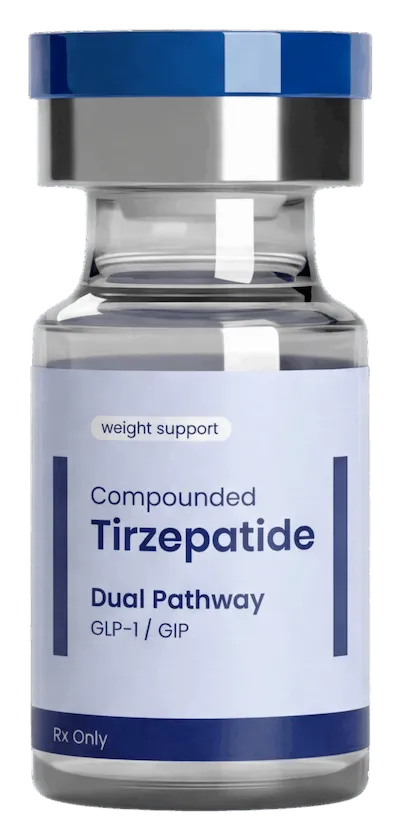
BMI MD GLP-1 Microdosing Plan
- Specialized microdosing options, including sublingual drops and low-dose injections
- Designed for people interested in maintaining weight or gradually adjusting treatment
- Bundled program structure without a separate monthly platform membership
- Online access makes the process convenient from home

DirectMeds Weight Loss Solutions
- Online weight-loss program with a straightforward patient experience
- Compounded medication options through state-licensed compounding pharmacies
- Includes clinical consultation as part of the process
- Provides shipping updates to help patients track their orders
MEDVi Flat-Rate Telehealth
- Flat-rate telehealth approach designed for easier budgeting
- No dosage-based pricing increases within the advertised program structure
- Offers injectable and oral thin-film delivery options
- Includes medical screening and asynchronous provider consultations
Gala GLP-1 Care Program
- Text-based access to state-licensed clinicians
- Cold-chain medication shipping included in the program
- Month-to-month program structure
- Designed for people who value convenient ongoing support
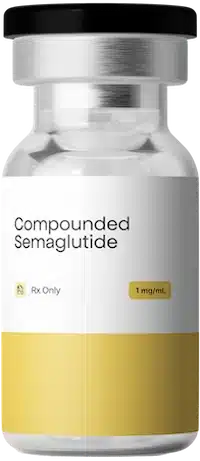
Measured GLP-1 Metabolic Health
- Comprehensive metabolic health screening and intake analysis
- Designed around longer-term metabolic health management
- Responsive dashboard with integrated health tracking tools
- Useful option for patients who value a more data-focused experience
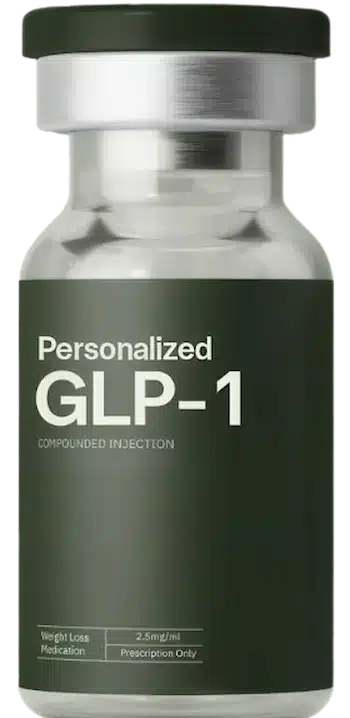
Refills GLP-1 (TryRefills Plan)
- Clinical guidance designed to help patients manage common treatment concerns
- Includes foundational nutritional strategies alongside medication
- Designed around predictable ongoing treatment
- No hidden startup or processing fees according to the program information provided
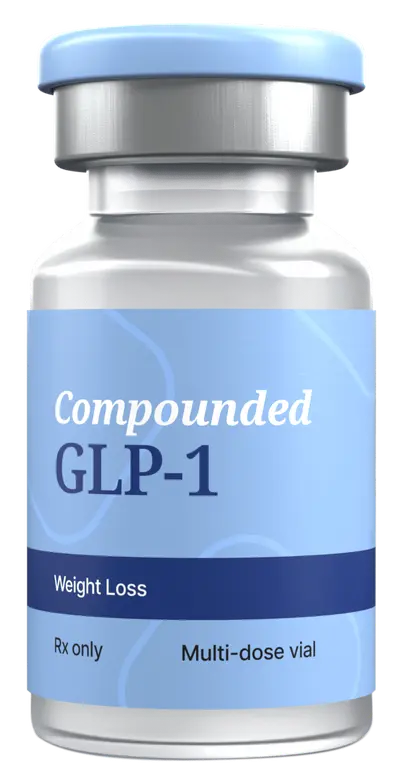
AltRx GLP-1 Transactional Reorders
- Transactional reorder model without recurring auto-billing
- Designed for patients who already understand their treatment routine
- Fast text-to-order process for convenient reorders
- Offers injectable and fast-dissolving tablet variations
Here’s what happens when you inject a GLP-1 medication:
- Your brain receives “fullness” signals even before you’ve eaten much
- Your stomach empties more slowly, so you feel satisfied longer
- Insulin response improves, which helps stabilize blood sugar and reduce fat storage
- Food noise — that constant mental chatter about eating — quiets significantly for most users
The two most prescribed types in 2026 are semaglutide (the active ingredient in Ozempic and Wegovy) and tirzepatide (found in Mounjaro and Zepbound). Tirzepatide adds a second hormone target (GIP), which may explain why it tends to produce slightly higher average weight loss in head-to-head comparisons.
For a deeper look at how these medications work at the hormonal level, see our complete GLP-1 explainer.
Which Diet Shots Are Most Effective for Quick Weight Loss?
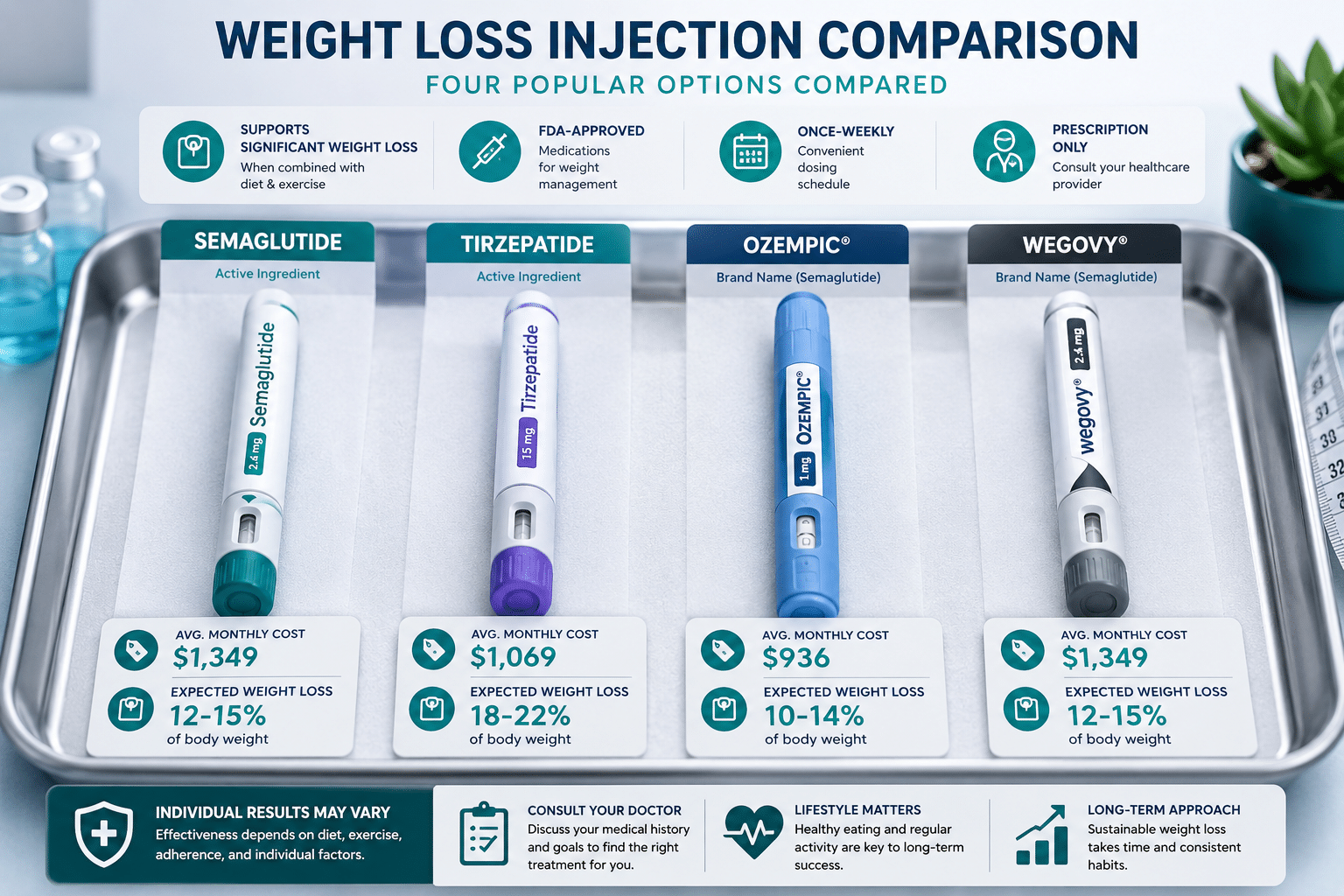
Tirzepatide currently leads on average weight loss, with semaglutide a close second. Both outperform older options like liraglutide (Saxenda) by a significant margin.
| Medication | Brand Name | Avg. Weight Loss | Dosing |
|---|---|---|---|
| Tirzepatide | Zepbound / Mounjaro | ~20–22% body weight | Weekly injection |
| Semaglutide | Wegovy / Ozempic | ~15–17% body weight | Weekly injection |
| Liraglutide | Saxenda | ~5–8% body weight | Daily injection |
| Compounded Semaglutide | Various (telehealth) | Similar to Wegovy | Weekly injection |
Choose tirzepatide if you want the highest average weight loss and your doctor confirms you’re a good candidate. Choose semaglutide if cost is a major concern or tirzepatide isn’t available through your plan — compounded semaglutide through telehealth platforms is significantly cheaper.
“For most people starting their first weight loss injection, compounded semaglutide through a telehealth provider offers the best balance of clinical effectiveness and affordability.”
One of the most affordable options available right now is DirectMeds GLP1 Semaglutide, which provides compounded semaglutide at a fraction of the brand-name price with full medical oversight.
👉 Start your DirectMeds GLP1 consultation today and get compounded semaglutide from $199/month
What Are the Side Effects of Weight Loss Injections?
Most side effects from diet shots are gastrointestinal and tend to peak in the first 4–8 weeks as your dose increases. They’re uncomfortable but rarely dangerous for otherwise healthy adults.
Most common side effects:
- Nausea (most frequent, especially at dose increases)
- Constipation or diarrhea
- Fatigue
- Mild headaches
- Reduced appetite (technically the goal, but can feel extreme early on)
Less common but worth knowing:
- Vomiting
- Acid reflux or heartburn
- Hair thinning (often linked to rapid calorie reduction, not the drug itself)
- Injection site redness or irritation
Rare but serious risks include pancreatitis, gallbladder issues, and — based on animal studies — a theoretical thyroid tumor risk. This is why people with a personal or family history of medullary thyroid carcinoma are typically excluded.
Common mistake: Many people quit during weeks 2–4 because nausea peaks. Most providers recommend eating smaller meals, avoiding fatty foods, and staying hydrated. The nausea usually improves significantly after the adjustment period.
For a full breakdown of what you’ll pay and what side effects to expect at each dose stage, our weight loss injections cost and side effects guide covers it in detail.

How Much Do Weight Loss Shots Cost Compared to Other Methods?
Brand-name GLP-1 injections are expensive without insurance — often $900–$1,400/month for Wegovy or Zepbound. Compounded versions through telehealth platforms bring that cost down to $150–$400/month, making them far more accessible.
Cost comparison (monthly estimates, 2026):
| Option | Estimated Monthly Cost |
|---|---|
| Brand Wegovy (no insurance) | $1,100–$1,400 |
| Brand Zepbound (no insurance) | $900–$1,200 |
| Compounded semaglutide (telehealth) | $150–$400 |
| Bariatric surgery (one-time, amortized) | ~$300–$500/mo equivalent |
| Commercial diet programs | $50–$200 |
| OTC supplements | $30–$100 |
Compounded semaglutide from providers like DirectMeds GLP1 Semaglutide is currently one of the most affordable entry points — often starting at $199/month with a prescription included.
For a full comparison of affordable GLP-1 options, see our guide to the least expensive GLP-1 medications.
👉 Compare DirectMeds GLP1 pricing and start for as low as $199/month
Can I Get Diet Shots Covered by Insurance?

Insurance coverage for weight loss injections is inconsistent and often frustrating. Wegovy (semaglutide for obesity) has broader coverage than Ozempic, which is approved for diabetes but frequently prescribed off-label for weight loss.
What typically gets covered:
- Wegovy: Covered by some commercial plans and Medicare Part D (as of 2024 expansion)
- Zepbound: Covered by select employer plans
- Ozempic: Usually only covered when prescribed for Type 2 diabetes
What usually isn’t covered:
- Compounded semaglutide or tirzepatide
- Brand medications prescribed purely for weight loss on many plans
Steps to check your coverage:
- Call the member services number on your insurance card
- Ask specifically about “GLP-1 agonists for obesity” (not just diabetes)
- Request a prior authorization form from your doctor
- Ask about step therapy requirements (some plans require trying other methods first)
For a detailed breakdown of which plans cover what, our GLP-1 covered by insurance guide walks through the process step by step.
Are Diet Shots Safe for People Over 50?
Yes, diet shots for weight loss are generally safe for adults over 50, but this age group needs a more thorough medical review before starting. Cardiovascular history, kidney function, and existing medications all matter more at this stage.
Key considerations for adults over 50:
- Heart health: Semaglutide has shown cardiovascular benefits in people with established heart disease (SELECT trial, 2023)
- Bone density: Rapid weight loss can accelerate bone loss — calcium and vitamin D intake should be monitored
- Muscle mass: Protein intake becomes more important to prevent muscle loss alongside fat
- Drug interactions: More likely to be on medications that may interact (blood pressure drugs, statins, metformin)
Choose a diet shot if you’re over 50 and: You have a BMI over 30 (or 27 with a weight-related condition), your doctor has cleared your cardiovascular and kidney health, and you’re prepared to support the medication with adequate protein and resistance activity.
What Medical Conditions Might Disqualify Me from Getting Diet Shots?
Several conditions are absolute or relative contraindications for GLP-1 weight loss injections. Your prescribing doctor will screen for these, but it helps to know them in advance.
Absolute disqualifiers (typically):
- Personal or family history of medullary thyroid carcinoma (MTC)
- Multiple Endocrine Neoplasia syndrome type 2 (MEN 2)
- Active pancreatitis or history of severe pancreatitis
- Pregnancy or breastfeeding
- Severe gastroparesis
Conditions requiring extra caution:
- History of gallstones or gallbladder disease
- Diabetic retinopathy (rapid glucose changes can worsen it temporarily)
- Severe kidney or liver impairment
- Eating disorder history (should be discussed with a mental health provider)
If you have Type 2 diabetes and are already on insulin, your doctor will need to adjust your insulin dose to avoid hypoglycemia when starting a GLP-1.
How Fast Can I Expect to Lose Weight with Diet Shots?
Most people lose 1–2 pounds per week during the active phase of treatment, with the fastest results typically in months 2–5 after reaching a therapeutic dose. The first month is often slower due to the gradual dose escalation.
Realistic timeline:
- Weeks 1–4: Dose escalation phase; appetite reduction begins, weight loss may be 1–4 lbs total
- Months 2–4: Most noticeable changes; 1–2 lbs/week is common
- Months 6–12: Continued loss, often slowing to 0.5–1 lb/week as you approach a new set point
- Month 12–18: Plateau or maintenance phase for many users
Factors that speed results:
- Pairing the medication with a calorie-aware eating plan
- Incorporating moderate exercise (even walking counts)
- Staying consistent with injection timing
For meal planning support alongside your medication, our personalized weight loss meal plan guide is a practical starting point.
👉 Ready to start? Get DirectMeds GLP1 Semaglutide from $199/month with a real prescription
Do Diet Shots Work If I Don’t Change My Diet or Exercise?
Diet shots do produce weight loss even without major lifestyle changes, but the results are significantly better with even modest dietary adjustments. Clinical trials include lifestyle counseling, so real-world results without any changes tend to be lower than trial averages.
Without dietary changes, you can still expect meaningful weight loss from GLP-1 medications — the appetite suppression alone reduces caloric intake. But two things happen when you don’t adjust habits:
- You lose more muscle relative to fat (because you’re not eating enough protein or doing resistance activity)
- Weight regain is faster if you ever stop the medication
The minimum effective lifestyle add-on: Increasing protein to 100–120g/day and walking 20–30 minutes most days. This alone significantly improves outcomes without requiring a complete diet overhaul.
Are Weight Loss Shots Permanent or Temporary?
Weight loss from diet shots is not permanent on its own — most people regain a significant portion of lost weight within 12 months of stopping the medication. This is not a personal failure; it reflects how these drugs work at the hormonal level.
GLP-1 medications suppress appetite by maintaining elevated hormone signals. When you stop injecting, those signals return to baseline, hunger increases, and weight often follows. This is why many providers now describe GLP-1 treatment as a long-term or indefinite therapy for chronic obesity, similar to how blood pressure medication works.
To maintain results after stopping:
- Establish sustainable eating habits during the treatment period
- Build a consistent exercise routine before tapering off
- Work with your provider on a structured discontinuation plan
What’s the Difference Between Ozempic and Other Weight Loss Shots?
Ozempic contains semaglutide but is FDA-approved for Type 2 diabetes, not weight loss. Wegovy contains the same molecule at a higher approved dose and is specifically approved for chronic weight management. Tirzepatide (Zepbound) targets two hormones instead of one, which is why it tends to produce higher average weight loss.
Quick comparison:
| Drug | Active Ingredient | FDA Approval | Primary Use |
|---|---|---|---|
| Ozempic | Semaglutide 0.5–2mg | Diabetes (Type 2) | Off-label weight loss |
| Wegovy | Semaglutide 2.4mg | Obesity/weight management | On-label weight loss |
| Mounjaro | Tirzepatide | Diabetes (Type 2) | Off-label weight loss |
| Zepbound | Tirzepatide | Obesity/weight management | On-label weight loss |
For a detailed cost breakdown comparing Hims semaglutide pricing versus other providers, our Hims semaglutide price comparison is worth reading before you decide.
Are There Natural Alternatives to Prescription Diet Shots?
No natural supplement replicates the clinical weight loss results of GLP-1 medications. However, some options support weight management as part of a broader plan.
Evidence-supported natural approaches:
- Fiber supplementation (glucomannan, psyllium) — reduces appetite modestly
- Berberine — some blood sugar and modest weight effects in small studies
- Protein-forward diets — naturally increase satiety hormones
- Intermittent fasting — reduces caloric window without calorie counting
What doesn’t work: Most OTC diet supplements, including those marketed with dramatic claims. For a look at what the evidence actually says about popular supplements, our weight loss gummies and supplement review separates hype from reality.
Natural alternatives are appropriate for people who don’t qualify for prescription medications, prefer to avoid injections, or want to support their GLP-1 therapy with complementary habits.
Common Mistakes People Make When Using Weight Loss Injections
The biggest mistake is stopping too early. Most people who quit in the first 6 weeks do so during the hardest adjustment period, right before the medication starts delivering consistent results.
Other frequent mistakes:
- Skipping meals entirely — this worsens nausea and causes muscle loss
- Not drinking enough water — dehydration amplifies side effects
- Expecting linear progress — weight loss plateaus are normal and expected
- Injecting at inconsistent times — weekly injections work best on the same day each week
- Not telling your doctor about side effects — most are manageable with dose adjustments
- Treating it as a short-term fix — without habit changes, weight returns after stopping
👉 Avoid these mistakes with proper medical support — try DirectMeds GLP1 Semaglutide today
FAQ
What is the best diet shot for weight loss in 2026?
Tirzepatide (Zepbound) produces the highest average weight loss in clinical data, but compounded semaglutide through telehealth providers like DirectMeds offers nearly comparable results at a fraction of the cost — making it the best practical choice for most people without insurance coverage.
How do I get a prescription for a weight loss injection?
You can get a prescription through your primary care doctor, an obesity medicine specialist, or a telehealth platform. Telehealth options are faster, often require only an online consultation, and can ship medication directly to your door.
Is compounded semaglutide as effective as Wegovy?
Compounded semaglutide uses the same active molecule as Wegovy. Effectiveness depends on dosing accuracy and adherence, not the brand name. Quality varies by compounding pharmacy, so choose a provider that uses FDA-registered compounding facilities.
How long do I need to stay on a weight loss injection?
Most clinical guidelines now treat obesity as a chronic condition, meaning long-term use may be appropriate. Many people use GLP-1 medications for 1–2 years minimum, and some continue indefinitely under medical supervision.
Can I use a diet shot if I’m not obese but just want to lose 20 pounds?
Technically, most GLP-1 medications require a BMI of 30+ (or 27+ with a weight-related condition) for prescription. Doctors may use clinical judgment in some cases, but these medications are not approved or recommended for cosmetic weight loss in people without metabolic risk factors.
What happens if I miss a dose of my weight loss injection?
If you miss a weekly dose and it’s been fewer than 5 days, inject as soon as you remember. If it’s been 5 or more days, skip that dose and resume your regular schedule the following week. Never double-dose.
Do weight loss injections affect fertility or hormones?
GLP-1 medications are not contraceptives, but rapid weight loss can temporarily affect menstrual cycles. They are contraindicated during pregnancy. Women of childbearing age should use reliable contraception while on these medications.
Is it safe to drink alcohol while on a diet shot?
Alcohol is not strictly prohibited, but it can worsen nausea and may increase the risk of hypoglycemia, especially if you’re also managing blood sugar. Most providers recommend limiting alcohol, particularly in the early weeks.
7 Best GLP-1 Providers Ranked: Accreditation, Flexibility & Support Compared (2026 Update)
32,000+ Patients Can't All Be Wrong: See the Top-Rated GLP-1 Providers: Compared on accreditation, plan flexibility, and patient support — updated for 2026.
BMI MD GLP-1 Microdosing Plan
- Specialized microdosing options (sublingual drops or low-dose injections)
- Ideal for maintaining weight or tapering off higher doses safely
- Fully bundled plan with no hidden monthly platform memberships
DirectMeds Weight Loss Solutions
- Sourced from accredited, state-licensed 503A compounding pharmacies
- No-frills high-volume savings passed directly to the patient
- Includes clinical consultation and cold-chain shipping updates
MEDVi Flat-Rate Telehealth
- Flat monthly rate holds steady even at maximum maintenance doses
- No dosage upcharges or graduation fee penalties
- Offers both injectable and advanced oral thin-film delivery options
Gala GLP-1 Care Program
- All-inclusive plan with no standalone membership costs
- Continuous text-based messaging access with state-licensed clinicians
- Temperature-controlled, cold-chain medication shipping included
Measured GLP-1 Metabolic Health
- Comprehensive metabolic health screening and expert intake analysis
- Predictable long-term budgeting with stable plan pricing
- High-end responsive dashboard with integrated diagnostic support
Refills GLP-1 (TryRefills Plan)
- Flat rate holds steady as titration scales up
- Includes clinical guides for active side-effect management
- Bundles in foundational nutritional strategies alongside medication
AltRx GLP-1 Transactional Reorders
- Zero recurring auto-billing — pay entirely on a transactional basis
- Rapid text-to-order format saves time for experienced patients
- Provides both injectable forms and fast-dissolving tablet variations
Conclusion
A diet shot for weight loss is no longer a niche medical procedure — it’s become the most clinically validated pharmacological tool for obesity management available in 2026. Semaglutide and tirzepatide work, the evidence is clear, and access has never been easier or more affordable through telehealth platforms.
Your next steps:
- Check your eligibility — BMI 30+ or 27+ with a weight-related condition
- Review your insurance — call your plan or use our GLP-1 insurance coverage guide
- Compare costs — brand-name vs. compounded options using our affordable GLP-1 comparison
- Start a consultation — telehealth makes this faster than ever
- Pair with basics — protein, hydration, and movement amplify your results
If cost is a barrier, DirectMeds GLP1 Semaglutide is currently one of the most affordable medically supervised options on the market, starting at $199/month with a real prescription and clinical support.
👉 Click here to start your DirectMeds GLP1 Semaglutide consultation — from $199/month
Medical References
The SELECT trial demonstrated significant cardiovascular risk reduction with semaglutide in adults with obesity. Read the full semaglutide cardiovascular outcomes study published in the New England Journal of Medicine.
Tirzepatide’s superior weight loss outcomes versus semaglutide were documented in the SURMOUNT trials. Review the tirzepatide SURMOUNT-1 trial results on PubMed.
The FDA’s approval of Wegovy (semaglutide 2.4mg) for chronic weight management is detailed in the FDA drug approval announcement for Wegovy.
GLP-1 receptor agonist mechanisms and clinical applications are reviewed in depth by the American Diabetes Association Standards of Care.
Safety and tolerability data for semaglutide in adults over 50 is covered in the STEP 2 trial published in The Lancet.

With over 13 years of experience in holistic health blogging, I aim to help you navigate your wellness journey with honest insights, expert-backed advice, and a sprinkle of real-world practicality.
Certified Wellness Writer | Herbal Nutrition Advocate | Wellness Research Enthusiast


