
Weight Loss With Ozempic: Real Results and Monthly Costs Explained
Last updated: May 28, 2026
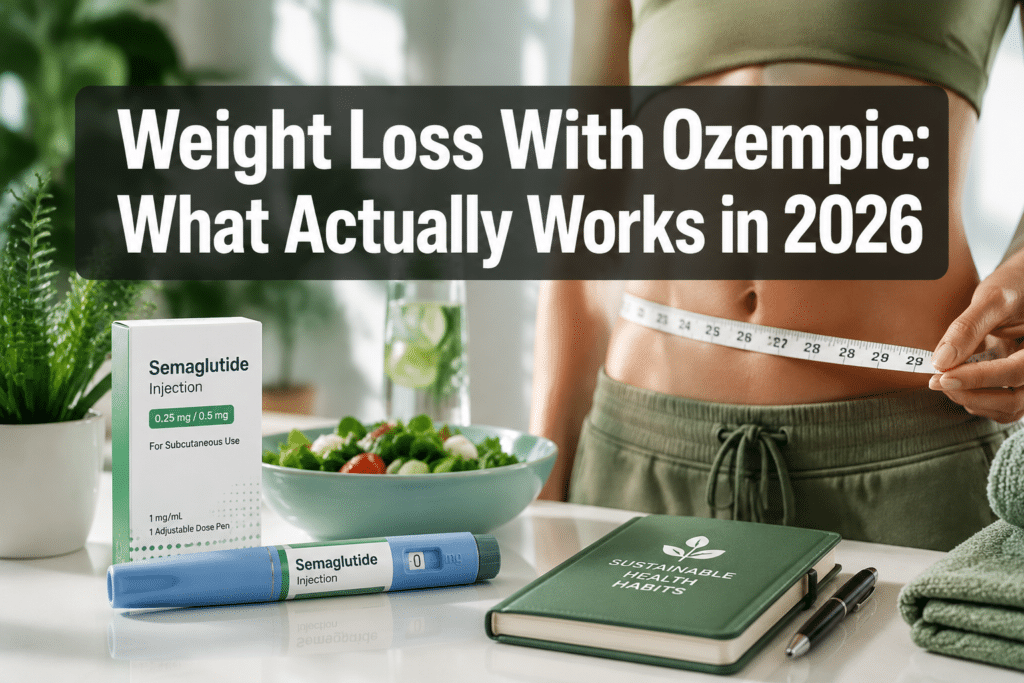
Quick Answer: Weight loss with Ozempic is real and clinically significant — adults using semaglutide (the active ingredient in Ozempic) typically lose between 10% and 15% of their body weight over 68 weeks when combined with diet and exercise, according to the STEP clinical trials. However, Ozempic is FDA-approved for type 2 diabetes, not weight loss specifically. Wegovy, a higher-dose version of the same drug, carries the official weight-loss label. Both work, but the cost, eligibility, and long-term plan matter enormously before you start.
Key Takeaways
7 Best GLP-1 Providers Ranked: Accreditation, Flexibility & Support Compared (2026 Update)
32,000+ Patients Can't All Be Wrong: See the Top-Rated GLP-1 Providers. We compared the leading online GLP-1 providers based on program features, clinical support, convenience, and overall value.
BMI MD GLP-1 Microdosing Plan
- Specialized microdosing options, including sublingual drops and low-dose injections
- Designed for people interested in maintaining weight or gradually adjusting treatment
- Bundled program structure without a separate monthly platform membership
- Online access makes the process convenient from home

DirectMeds Weight Loss Solutions
- Online weight-loss program with a straightforward patient experience
- Compounded medication options through state-licensed compounding pharmacies
- Includes clinical consultation as part of the process
- Provides shipping updates to help patients track their orders
MEDVi Flat-Rate Telehealth
- Flat-rate telehealth approach designed for easier budgeting
- No dosage-based pricing increases within the advertised program structure
- Offers injectable and oral thin-film delivery options
- Includes medical screening and asynchronous provider consultations
Gala GLP-1 Care Program
- Text-based access to state-licensed clinicians
- Cold-chain medication shipping included in the program
- Month-to-month program structure
- Designed for people who value convenient ongoing support
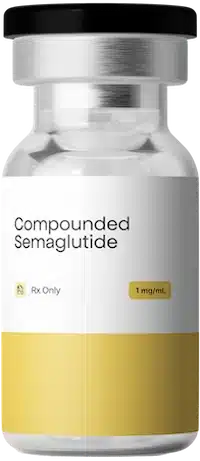
Measured GLP-1 Metabolic Health
- Comprehensive metabolic health screening and intake analysis
- Designed around longer-term metabolic health management
- Responsive dashboard with integrated health tracking tools
- Useful option for patients who value a more data-focused experience
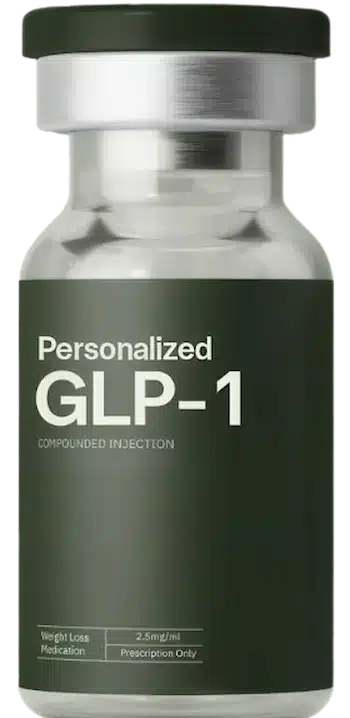
Refills GLP-1 (TryRefills Plan)
- Clinical guidance designed to help patients manage common treatment concerns
- Includes foundational nutritional strategies alongside medication
- Designed around predictable ongoing treatment
- No hidden startup or processing fees according to the program information provided
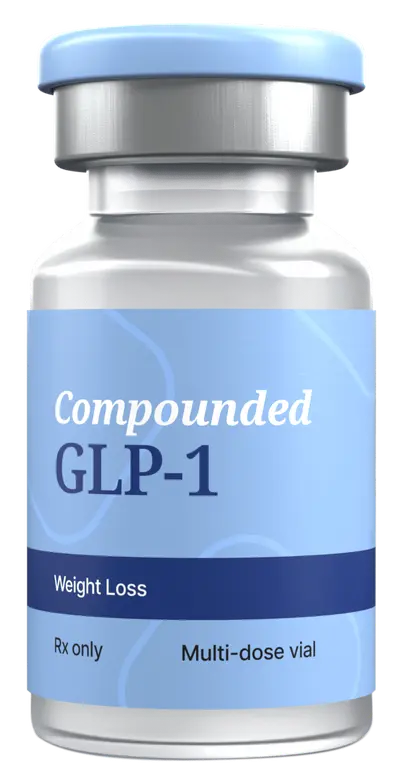
AltRx GLP-1 Transactional Reorders
- Transactional reorder model without recurring auto-billing
- Designed for patients who already understand their treatment routine
- Fast text-to-order process for convenient reorders
- Offers injectable and fast-dissolving tablet variations
- Ozempic contains semaglutide, a GLP-1 receptor agonist that reduces appetite and slows digestion
- Clinical trials show average weight loss of 10–15% of body weight over about 68 weeks
- Ozempic is FDA-approved for type 2 diabetes; Wegovy (same drug, higher dose) is approved for weight loss
- Without insurance, Ozempic can cost $900–$1,000+ per month at retail pharmacies
- Compounded semaglutide through telehealth platforms can cost as little as $199–$299/month
- Side effects are mostly gastrointestinal (nausea, vomiting, diarrhea) and usually improve over time
- Weight often returns after stopping — long-term use or a maintenance plan is typically needed
- Both men and women can use Ozempic for weight loss with similar effectiveness
- Pairing Ozempic with a protein-rich, lower-calorie diet significantly improves results
- DirectMeds GLP1 Semaglutide is currently one of the most affordable semaglutide options available online

How Much Weight Can You Actually Lose on Ozempic?
Most adults using semaglutide for weight loss can expect to lose 10–15% of their starting body weight over roughly 68 weeks. For someone weighing 220 pounds, that’s 22–33 pounds. Some people lose more, especially at higher doses or with consistent lifestyle changes.
The STEP 1 clinical trial (published in the New England Journal of Medicine, 2021) found that participants using 2.4mg semaglutide weekly lost an average of 14.9% of body weight versus 2.4% in the placebo group. Ozempic’s approved doses (up to 2mg) are slightly lower, so real-world weight loss with Ozempic specifically tends to land closer to 10–12% for most users.
Factors that affect how much you lose:
- Starting dose and how quickly you titrate up
- Consistency with weekly injections
- Diet quality (protein intake matters most)
- Physical activity level
- Metabolic health and insulin sensitivity
Decision rule: If you’re looking for maximum weight loss and have a BMI of 30+, Wegovy (2.4mg semaglutide) or tirzepatide (Zepbound/Mounjaro) may deliver better results than standard Ozempic doses.
How Quickly Do People Typically See Weight Loss Results?
Most people notice appetite suppression within the first 1–2 weeks of starting Ozempic, but visible scale changes usually appear by weeks 4–8. Significant weight loss (5%+ of body weight) typically occurs between months 3 and 6.
The medication follows a slow dose-escalation schedule — starting at 0.25mg weekly and increasing every 4 weeks — to minimize side effects. This means the full therapeutic effect takes 3–5 months to kick in. Don’t expect dramatic results in the first month; that’s normal and expected.
What’s the Difference Between Ozempic and Wegovy for Weight Loss?
Ozempic and Wegovy contain the same active ingredient (semaglutide), but they differ in approved dose and FDA indication. Ozempic is approved for type 2 diabetes management at doses up to 2mg weekly. Wegovy is FDA-approved specifically for chronic weight management at 2.4mg weekly.
| Feature | Ozempic | Wegovy |
|---|---|---|
| Active ingredient | Semaglutide | Semaglutide |
| Max approved dose | 2mg/week | 2.4mg/week |
| FDA indication | Type 2 diabetes | Chronic weight management |
| Typical weight loss | ~10–12% body weight | ~15% body weight |
| Retail cost (no insurance) | ~$900–$1,000/mo | ~$1,300–$1,400/mo |
| Insurance coverage | Often covered for diabetes | Varies; often denied |
Bottom line: If your doctor prescribes Ozempic “off-label” for weight loss, it works — but Wegovy’s higher dose is clinically more effective for that specific purpose.
For a deeper breakdown of how GLP-1 medications work mechanically, see this guide to GLP-1 medications for weight loss and diabetes.
Can Anyone Take Ozempic, or Are There Specific Health Requirements?
Not everyone qualifies for Ozempic. Prescribers typically follow FDA-aligned criteria, though off-label use for weight loss is common.
You may qualify if you have:
- Type 2 diabetes (primary FDA indication)
- BMI of 30 or higher (for weight loss use)
- BMI of 27+ with at least one weight-related condition (hypertension, sleep apnea, high cholesterol)
You should NOT take Ozempic if you have:
- Personal or family history of medullary thyroid carcinoma (MTC)
- Multiple Endocrine Neoplasia syndrome type 2 (MEN 2)
- History of pancreatitis
- Pregnancy or plans to become pregnant
- Severe kidney or liver disease (use with caution)
Common mistake: Some people assume a high BMI alone is enough to get a prescription. Most telehealth providers also require a brief medical intake form and may decline applicants with contraindicated conditions.
Can Men and Women Both Use Ozempic for Weight Loss?
Yes — both men and women can use Ozempic for weight loss, and clinical trials included participants of both sexes. Effectiveness is broadly similar, though women may experience slightly more nausea early on, while men sometimes see faster initial weight loss due to higher baseline muscle mass.
Hormonal factors in women (particularly around menopause) can affect the pace of results, but they don’t make the medication less effective overall. Dosing protocols are the same regardless of sex.
What Side Effects Should I Watch Out for When Using Ozempic?
The most common side effects of Ozempic are gastrointestinal: nausea, vomiting, diarrhea, constipation, and stomach pain. These are most intense during dose increases and usually improve within 2–4 weeks as your body adjusts.
Side effects by frequency:
- Very common (10%+ of users): Nausea, diarrhea, vomiting, constipation
- Common (1–10%): Abdominal pain, fatigue, headache, dizziness
- Less common but serious: Pancreatitis, gallbladder disease, kidney injury (usually from dehydration), vision changes, increased heart rate
- Rare but flagged: Thyroid C-cell tumors (seen in animal studies; human risk is unclear but warrants caution)
Edge case: A small percentage of users experience “Ozempic face” — facial volume loss from rapid weight reduction. This isn’t a drug side effect per se, but a consequence of fast fat loss. Slower titration can help.
If nausea is severe, eating smaller meals, avoiding fatty foods, and staying hydrated are the most effective short-term strategies.
Is Ozempic Safe for Long-Term Weight Loss?
Based on current evidence, semaglutide appears safe for long-term use in most adults, with trials running up to 2 years showing sustained weight loss and no new major safety signals. However, long-term data beyond 5 years is still limited.
The cardiovascular safety data is actually encouraging: the SUSTAIN-6 trial showed semaglutide reduced major cardiovascular events in people with type 2 diabetes. For weight loss specifically, ongoing monitoring by a prescriber is recommended.
Long-term considerations:
- Regular check-ins with your prescriber every 3–6 months
- Monitor for gallstones (risk increases with rapid weight loss)
- Watch kidney function if you experience repeated vomiting or diarrhea
- Reassess thyroid health annually if you have any family history concerns
What Happens If I Stop Taking Ozempic?
Weight regain is common after stopping Ozempic. Studies show that most people regain two-thirds or more of lost weight within one year of discontinuation. The drug suppresses appetite hormonally — when you stop, those hunger signals return.
This doesn’t mean you’re stuck on it forever, but it does mean stopping without a plan is risky. A sustainable maintenance strategy should include:
- Gradual dose tapering (rather than abrupt stopping)
- Continued focus on protein-rich, lower-calorie eating
- Strength training to preserve muscle mass
- Possible transition to a lower maintenance dose
Decision rule: If you’ve lost significant weight and want to stop, talk to your prescriber about a structured exit plan rather than going cold turkey.
How Much Does Ozempic Cost Without Insurance?
Without insurance, brand-name Ozempic costs approximately $900–$1,000 per month at U.S. retail pharmacies. Wegovy runs even higher, often $1,300–$1,400 monthly. These prices put the medication out of reach for many people paying out of pocket.
For a full breakdown, see our GoodRx Ozempic price guide for 2026 and our cost of GLP-1 without insurance guide.
Ways to reduce cost:
- Manufacturer savings cards (Novo Nordisk’s savings program, if eligible)
- GoodRx coupons (can reduce cost modestly, but not dramatically)
- Compounded semaglutide through telehealth (most affordable option)
- Generic semaglutide when/if available
💡 The most affordable route for most uninsured adults in 2026 is compounded semaglutide through a licensed telehealth provider.
👉 Check DirectMeds GLP1 Semaglutide pricing — starting from $199/month
Are There Cheaper Alternatives to Ozempic for Weight Loss?
Yes — compounded semaglutide is the most cost-effective alternative to brand-name Ozempic for most adults. Telehealth platforms that work with licensed compounding pharmacies can offer semaglutide starting at $199–$299 per month, a fraction of the retail brand cost.

Affordable alternatives to brand Ozempic:
- Compounded semaglutide via telehealth: $199–$399/month depending on dose and provider
- DirectMeds GLP1 Semaglutide: One of the most affordable compounded semaglutide programs available in 2026, with online prescriptions and home delivery
- Tirzepatide (compounded): Dual GLP-1/GIP action; often more effective but slightly pricier
- Metformin: Much cheaper, mild weight loss effect, not comparable in efficacy
For a full comparison of the cheapest options, see our guide to the least expensive GLP-1 medications for weight loss and most affordable GLP-1 options without insurance.
Important note on compounded semaglutide: The FDA has flagged quality concerns with some compounding pharmacies. Always choose a telehealth provider that uses an FDA-registered 503B outsourcing facility or a licensed 503A pharmacy with verified quality standards.
What Diet and Exercise Work Best While on Ozempic?
A high-protein, moderate-calorie diet combined with resistance training produces the best weight loss results with Ozempic. The drug reduces appetite significantly, so what you eat matters more than how much — prioritizing protein helps preserve muscle mass during weight loss.
Diet principles that work best:
- Aim for 100–130g of protein daily (lean meats, eggs, Greek yogurt, legumes)
- Reduce ultra-processed foods and refined carbohydrates
- Eat smaller, more frequent meals to manage nausea
- Stay well hydrated (at least 2–2.5 liters of water daily)
- Avoid high-fat, greasy meals — they worsen GI side effects
Exercise approach:
- Prioritize strength/resistance training 3x per week to prevent muscle loss
- Add 150+ minutes of moderate cardio weekly (walking counts)
- Don’t rely on exercise alone to create a calorie deficit — Ozempic already reduces intake
For meal planning support, see our healthy eating and weight loss meal plan guide.
What Are Common Mistakes People Make When Using Ozempic for Weight Loss?
The biggest mistake is treating Ozempic as a passive fix — taking the injection and changing nothing else. The medication reduces hunger, but it doesn’t automatically build healthy habits or prevent muscle loss.
Mistakes to avoid:
- Skipping meals entirely — reduced appetite is not the same as not needing nutrition; under-eating protein accelerates muscle loss
- Stopping too quickly after early side effects — most GI symptoms resolve within weeks
- Not tracking food intake — it’s easy to undereat protein when appetite is suppressed
- Expecting results in the first month — the titration phase is slow by design
- Buying from unverified sources — counterfeit semaglutide is a real and growing problem
- No exit strategy — quitting without a plan leads to rapid weight regain
- Ignoring hydration — dehydration worsens nausea and can affect kidney function
FAQ
Is Ozempic the same as Wegovy?
Ozempic and Wegovy contain the same active ingredient — semaglutide — but at different doses. Ozempic is approved for type 2 diabetes (up to 2mg/week), while Wegovy is FDA-approved for weight loss at 2.4mg/week. Wegovy typically produces slightly greater weight loss due to the higher dose.
How long does it take to lose 20 pounds on Ozempic?
For most people, losing 20 pounds on Ozempic takes approximately 4–6 months, assuming consistent use, dose escalation, and dietary changes. Results vary based on starting weight, dose reached, and lifestyle factors.
Can I get Ozempic without a diabetes diagnosis?
Yes, but it requires an off-label prescription. Many telehealth providers prescribe semaglutide for weight loss to adults with a BMI of 30+ or BMI 27+ with a weight-related health condition, even without diabetes. Wegovy is the on-label option for weight loss.
Does Ozempic cause muscle loss?
Ozempic can contribute to muscle loss if protein intake is too low during rapid weight reduction. This is why high-protein diets and resistance training are strongly recommended alongside the medication.
What happens if I miss a dose of Ozempic?
If you miss a dose and it’s been fewer than 5 days, take it as soon as you remember. If it’s been more than 5 days, skip the missed dose and resume your regular weekly schedule. Never double up doses.
Is compounded semaglutide as effective as brand-name Ozempic?
Compounded semaglutide uses the same active molecule as Ozempic and should be equally effective when produced by a licensed, quality-controlled pharmacy. The key is sourcing from a reputable provider. DirectMeds GLP1 Semaglutide uses verified compounding pharmacies to ensure quality and safety.
Can Ozempic be used with other weight loss medications?
Combining Ozempic with other appetite suppressants or stimulants is generally not recommended without medical supervision. Always disclose all medications to your prescriber before starting semaglutide.
How do I know if Ozempic is working?
Signs Ozempic is working include reduced appetite (often within 1–2 weeks), feeling full faster during meals, and measurable weight loss starting around weeks 4–8. If you see no appetite change after 4 weeks at a therapeutic dose, discuss dose adjustment with your prescriber.
7 Best GLP-1 Providers Ranked: Accreditation, Flexibility & Support Compared (2026 Update)
32,000+ Patients Can't All Be Wrong: See the Top-Rated GLP-1 Providers: Compared on accreditation, plan flexibility, and patient support — updated for 2026.
BMI MD GLP-1 Microdosing Plan
- Specialized microdosing options (sublingual drops or low-dose injections)
- Ideal for maintaining weight or tapering off higher doses safely
- Fully bundled plan with no hidden monthly platform memberships
DirectMeds Weight Loss Solutions
- Sourced from accredited, state-licensed 503A compounding pharmacies
- No-frills high-volume savings passed directly to the patient
- Includes clinical consultation and cold-chain shipping updates
MEDVi Flat-Rate Telehealth
- Flat monthly rate holds steady even at maximum maintenance doses
- No dosage upcharges or graduation fee penalties
- Offers both injectable and advanced oral thin-film delivery options
Gala GLP-1 Care Program
- All-inclusive plan with no standalone membership costs
- Continuous text-based messaging access with state-licensed clinicians
- Temperature-controlled, cold-chain medication shipping included
Measured GLP-1 Metabolic Health
- Comprehensive metabolic health screening and expert intake analysis
- Predictable long-term budgeting with stable plan pricing
- High-end responsive dashboard with integrated diagnostic support
Refills GLP-1 (TryRefills Plan)
- Flat rate holds steady as titration scales up
- Includes clinical guides for active side-effect management
- Bundles in foundational nutritional strategies alongside medication
AltRx GLP-1 Transactional Reorders
- Zero recurring auto-billing — pay entirely on a transactional basis
- Rapid text-to-order format saves time for experienced patients
- Provides both injectable forms and fast-dissolving tablet variations
Conclusion
Weight loss with Ozempic is clinically proven and accessible in 2026 — but it works best when you go in with realistic expectations, a solid diet plan, and a clear cost strategy. Most adults lose 10–15% of body weight over 68 weeks, side effects are manageable, and both men and women respond well to the medication.
The biggest barrier for most people isn’t effectiveness — it’s cost. Brand-name Ozempic without insurance can exceed $1,000/month, but compounded semaglutide through telehealth platforms has made GLP-1 therapy genuinely affordable.
Your next steps:
- Check your eligibility (BMI 30+, or BMI 27+ with a health condition)
- Compare costs using our online Ozempic prescription cost guide
- Explore affordable telehealth options — affordable semaglutide telehealth programs start well below retail price
- Start with a high-protein diet and resistance training plan before your first injection
- Set a 12-week check-in goal and track progress consistently
Medical References
The STEP 1 trial results on semaglutide and weight loss were published in the New England Journal of Medicine, providing the foundational clinical evidence for semaglutide’s efficacy in adults with obesity.
The FDA’s official prescribing information and drug label for semaglutide (Ozempic and Wegovy) is available through the U.S. Food and Drug Administration drug database, covering indications, contraindications, and safety data.
Cardiovascular outcomes data from the SUSTAIN-6 trial is published in the New England Journal of Medicine cardiovascular outcomes archive, demonstrating reduced major adverse cardiovascular events with semaglutide.
Long-term weight regain data after semaglutide discontinuation is documented in research published by Diabetes, Obesity and Metabolism journal, including the STEP 1 extension study on weight regain post-treatment.
The American Diabetes Association’s clinical practice standards, including GLP-1 receptor agonist recommendations, are available at the American Diabetes Association Standards of Care, updated annually with the latest prescribing guidance.
Tags: weight loss with ozempic, semaglutide weight loss, ozempic vs wegovy, GLP-1 medications, compounded semaglutide, ozempic cost without insurance, ozempic side effects, telehealth weight loss, directmeds semaglutide, affordable GLP-1, ozempic results, semaglutide alternatives

With over 13 years of experience in holistic health blogging, I aim to help you navigate your wellness journey with honest insights, expert-backed advice, and a sprinkle of real-world practicality.
Certified Wellness Writer | Herbal Nutrition Advocate | Wellness Research Enthusiast


