
GLP-1 Healthy Snack Ideas: 35 High-Protein Snacks You’ll Love (2026)
Last updated: July 26, 2026
Quick Answer
The best GLP-1 healthy snack ideas are small, high-protein, low-fat options that satisfy hunger without triggering nausea or overwhelming a slowed digestive system. Think Greek yogurt, hard-boiled eggs, string cheese, edamame, and mixed nuts in controlled portions. Because GLP-1 medications like semaglutide and tirzepatide dramatically reduce appetite and slow gastric emptying, snacking on GLP-1 looks very different from conventional snacking, smaller portions, gentler foods, and a strong focus on protein and fiber over processed carbs.
Key Takeaways
- GLP-1 medications slow digestion, so heavy or greasy snacks can cause nausea, bloating, and discomfort, lighter, protein-rich options work far better.
- Most GLP-1 users do not need three snacks a day; one small snack between meals (or none at all) is often sufficient given reduced appetite.
- Aim for snacks with at least 7-10 grams of protein and under 15 grams of net carbs to support muscle retention and blood sugar stability.
- Avoid high-fat, fried, or heavily spiced snacks, these are the most common triggers for GLP-1-related nausea and stomach upset.
- Portable, pre-portioned snacks like string cheese, hard-boiled eggs, and single-serve nut butter packets are ideal for work or travel.
- Budget-friendly options exist: canned tuna, cottage cheese, frozen edamame, and plain Greek yogurt are all affordable and effective.
- People with food sensitivities can still find GLP-1-compatible snacks, dairy-free, gluten-free, and low-FODMAP options are widely available.
- Hydration matters as much as food choice; many GLP-1 users confuse thirst with hunger, so drink water before reaching for a snack.
Why Do GLP-1 Users Need Different Snacks?
GLP-1 receptor agonists change how your digestive system works, which means snacks that were fine before medication can cause real problems after starting treatment. These medications slow gastric emptying (the rate at which food leaves your stomach), reduce appetite hormones, and increase feelings of fullness. As a result, the stomach stays fuller longer, and eating too much, or eating the wrong foods, leads to nausea, reflux, bloating, or vomiting.
7 Best GLP-1 Providers Ranked: Accreditation, Flexibility & Support Compared (2026 Update)
32,000+ Patients Can't All Be Wrong: See the Top-Rated GLP-1 Providers. We compared the leading online GLP-1 providers based on program features, clinical support, convenience, and overall value.
BMI MD GLP-1 Microdosing Plan
- Specialized microdosing options, including sublingual drops and low-dose injections
- Designed for people interested in maintaining weight or gradually adjusting treatment
- Bundled program structure without a separate monthly platform membership
- Online access makes the process convenient from home

DirectMeds Weight Loss Solutions
- Online weight-loss program with a straightforward patient experience
- Compounded medication options through state-licensed compounding pharmacies
- Includes clinical consultation as part of the process
- Provides shipping updates to help patients track their orders
MEDVi Flat-Rate Telehealth
- Flat-rate telehealth approach designed for easier budgeting
- No dosage-based pricing increases within the advertised program structure
- Offers injectable and oral thin-film delivery options
- Includes medical screening and asynchronous provider consultations
Gala GLP-1 Care Program
- Text-based access to state-licensed clinicians
- Cold-chain medication shipping included in the program
- Month-to-month program structure
- Designed for people who value convenient ongoing support
Measured GLP-1 Metabolic Health
- Comprehensive metabolic health screening and intake analysis
- Designed around longer-term metabolic health management
- Responsive dashboard with integrated health tracking tools
- Useful option for patients who value a more data-focused experience
Refills GLP-1 (TryRefills Plan)
- Clinical guidance designed to help patients manage common treatment concerns
- Includes foundational nutritional strategies alongside medication
- Designed around predictable ongoing treatment
- No hidden startup or processing fees according to the program information provided
AltRx GLP-1 Transactional Reorders
- Transactional reorder model without recurring auto-billing
- Designed for patients who already understand their treatment routine
- Fast text-to-order process for convenient reorders
- Offers injectable and fast-dissolving tablet variations
Here is what changes specifically:
- Reduced stomach capacity: Even a small snack can feel like a full meal. Oversized portions, even of healthy foods, can cause discomfort.
- Slower digestion: High-fat and high-fiber foods take longer to digest under normal circumstances. On GLP-1 medication, this effect is amplified, making rich or greasy snacks particularly problematic.
- Altered hunger cues: Many users report that they simply forget to eat, which creates a risk of under-eating protein and micronutrients. Strategic snacking helps fill nutritional gaps.
- Blood sugar sensitivity: For users managing type 2 diabetes alongside weight loss, snack composition affects glucose levels more acutely when appetite is suppressed and meal sizes shrink.
Understanding these changes is the foundation of choosing the right GLP-1 healthy snack ideas. For a broader look at how these medications work, see our complete guide to GLP-1 medications for weight loss and diabetes.
What Are the Best Snacks for GLP-1 Users?
The best snacks for GLP-1 users are high in protein, moderate in fiber, low in fat, and easy to digest. They should be small enough to fit comfortably in a reduced-capacity stomach without causing fullness or nausea.
Top-rated GLP-1 snack options:
| Snack | Protein (approx.) | Carbs (approx.) | Why It Works |
|---|---|---|---|
| Plain Greek yogurt (1/2 cup) | 10-12g | 5-7g | High protein, gentle on stomach |
| Hard-boiled egg (1 large) | 6g | 0g | Portable, filling, zero carbs |
| String cheese (1 stick) | 6-7g | 1g | Pre-portioned, easy to digest |
| Cottage cheese (1/2 cup) | 12-14g | 4g | High protein, soft texture |
| Edamame (1/2 cup, shelled) | 8g | 6g | Plant-based protein, fiber |
| Almonds (1 oz / ~23 nuts) | 6g | 6g | Healthy fats, satisfying |
| Turkey roll-ups (2 slices) | 8-10g | 1g | Low-carb, portable |
| Hummus + cucumber slices | 4g | 8g | Gentle, fiber-rich |
| Canned tuna (2 oz) | 14g | 0g | Budget-friendly, high protein |
| Ricotta on a rice cracker | 5-6g | 8g | Easy to digest, mild flavor |
Choose this snack if:
- You need something portable and no-prep: hard-boiled eggs or string cheese.
- You want plant-based protein: edamame or hummus.
- You need maximum protein in the smallest volume: cottage cheese or canned tuna.
- Your stomach is sensitive that day: plain Greek yogurt or a rice cracker with ricotta.
Can You Eat Regular Snacks on GLP-1 Medication?
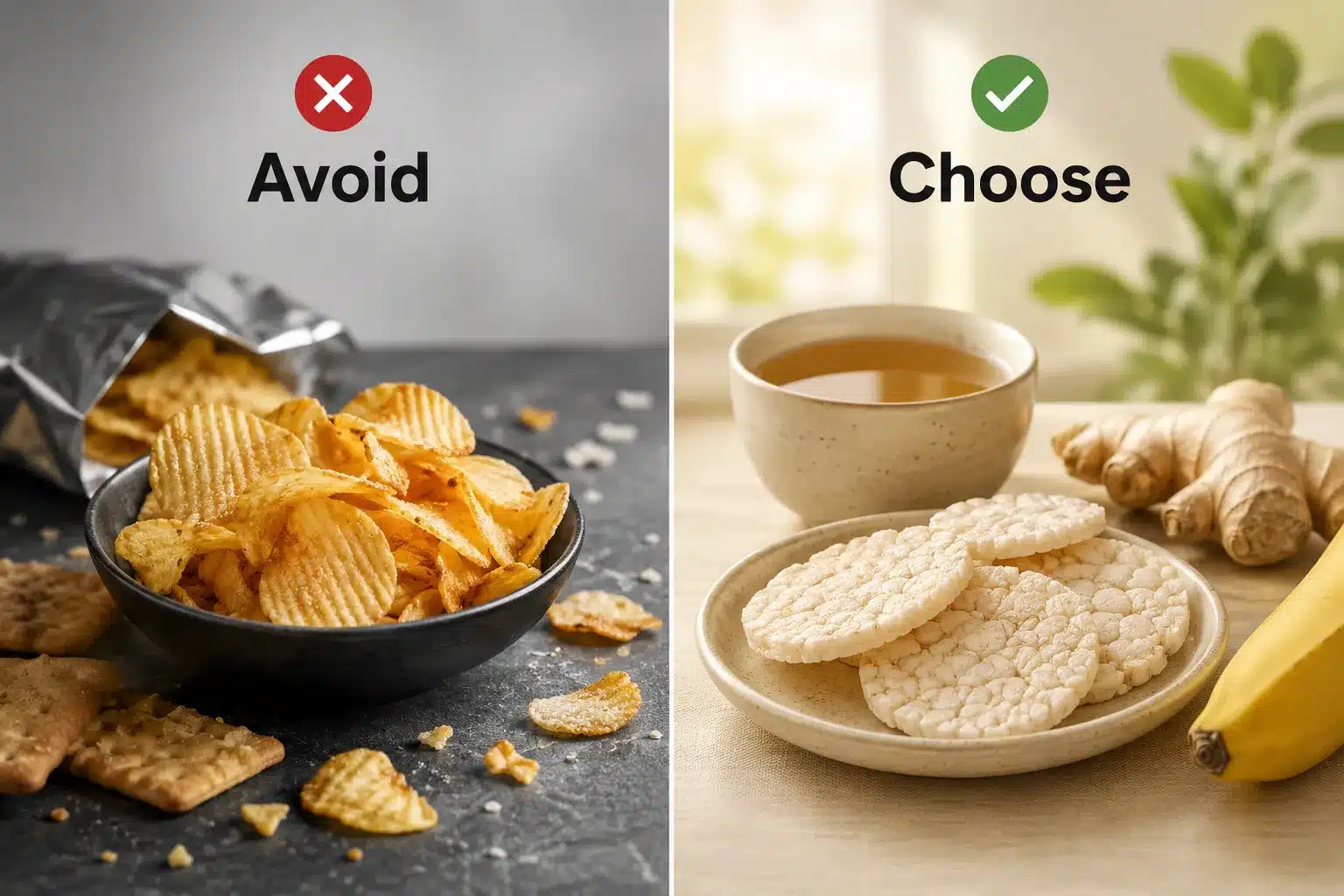
Technically yes, but practically speaking, most conventional snacks are a poor fit for GLP-1 users. Chips, crackers, granola bars, and packaged cookies are high in refined carbs and low in protein, they offer little satiety value in small portions and can spike blood sugar without providing lasting fullness.
More importantly, many popular snack foods are high in fat or heavily seasoned, which are two of the biggest triggers for GLP-1-related nausea. A bag of chips that you could eat without issue before starting semaglutide may now leave you feeling sick for hours.
The practical rule: if a snack is mostly carbs and fat with little protein, it’s not a good fit while on GLP-1 medication. That doesn’t mean you can never enjoy a treat, but it does mean your default snack choices should shift toward protein-forward, lower-fat options.
High-Protein, Low-Carb Snacks for a GLP-1 Diet
High-protein, low-carb snacks are the gold standard for GLP-1 users because they support muscle mass preservation, stabilize blood sugar, and provide satiety in small volumes. This matters because GLP-1 medications reduce overall calorie intake significantly, and when you eat less, getting enough protein from every eating occasion becomes more important, not less.
Research published in the journal Obesity (Apovian et al., 2015) and subsequent clinical guidance consistently emphasizes that protein intake should be prioritized during calorie-restricted weight loss to prevent lean muscle loss. Most registered dietitians working with GLP-1 patients recommend targeting at least 60-100 grams of protein per day, depending on body weight.
High-protein, low-carb GLP-1 snack checklist:
- Plain Greek yogurt (full-fat or 2%, not flavored, flavored varieties often contain 15-20g added sugar)
- Hard-boiled eggs (prepare a batch of 4-6 at the start of the week)
- Cottage cheese with a few cherry tomatoes
- Deli turkey or chicken slices (check sodium, choose low-sodium where possible)
- String cheese or Babybel rounds
- Canned sardines or tuna in water (not oil)
- Shelled edamame, lightly salted
- Roasted chickpeas (small portion, roughly 2 tablespoons)
- A small handful of mixed nuts (walnuts, almonds, or pistachios)
- Ricotta cheese with a pinch of cinnamon (no added sugar)
For more on how to structure your full eating plan around these principles, our GLP-1 nutrition guide covers macronutrient targets in detail.
GLP-1 Snacks That Won’t Cause Nausea
Nausea is the most commonly reported side effect of GLP-1 medications, particularly during the dose escalation phase. Certain foods make it significantly worse. The good news is that specific snack choices can reduce nausea risk while still providing nutrition.
Foods most likely to worsen GLP-1 nausea:
- Fried or greasy foods (chips, fast food, anything cooked in heavy oil)
- Very spicy foods
- High-sugar foods and drinks
- Carbonated beverages paired with food
- Large portions of any food, even healthy ones
- Strong-smelling foods (some people find these trigger nausea even without eating)
Snacks that are gentle on the stomach for GLP-1 users:
- Plain crackers or rice cakes with a thin layer of nut butter or ricotta
- Banana (half), mild, easy to digest, provides potassium
- Plain Greek yogurt, cold, smooth, and protein-rich without strong flavors
- Ginger chews or ginger tea, ginger has well-documented anti-nausea properties (Ernst & Pittler, 2000, British Journal of Anaesthesia)
- Applesauce (unsweetened), gentle, low-fiber, easy to eat when nausea is present
- Saltine crackers, a classic nausea remedy; pair with a small amount of protein if tolerated
- Cold foods in general, many GLP-1 users find cold or room-temperature foods easier to tolerate than hot meals
Edge case: If nausea is severe and persistent, snacking may not be appropriate at all during that window. Sip water or electrolyte drinks and wait until symptoms ease before eating. Always discuss persistent nausea with your prescribing provider.
What Snacks to Avoid on GLP-1 Medication
Some snacks actively work against GLP-1 treatment goals or worsen side effects. Knowing what to avoid is as important as knowing what to eat.
Snacks to avoid or strictly limit on GLP-1 medication:
- Fried snacks (chips, pork rinds, fried cheese curds): High fat content slows digestion further and is a leading cause of nausea and reflux.
- Sugary snacks (candy, cookies, sweetened granola bars): These cause blood sugar spikes followed by crashes, which can worsen fatigue and hunger cues.
- Carbonated drinks (soda, sparkling water in large amounts): Carbonation can cause uncomfortable bloating and gas when digestion is already slowed.
- High-fiber raw vegetables in large amounts (raw broccoli, cabbage, onions): While fiber is generally beneficial, very high-fiber foods in large portions can cause gas and bloating in GLP-1 users.
- Alcohol-based snacks or mixers: Alcohol interacts poorly with slowed gastric emptying and can intensify nausea.
- Very large portions of anything: Even a healthy snack becomes problematic if the portion overwhelms a reduced-capacity stomach.
- Heavily spiced or acidic foods (salsa, hot sauce, citrus in large amounts): These can aggravate acid reflux, which is more common with slowed gastric emptying.
Do You Still Need Snacks on GLP-1, or Just Meals?
Many GLP-1 users find they no longer feel hungry between meals and question whether snacking is necessary at all. The honest answer: it depends on your individual appetite, calorie needs, and protein targets.
For some people, three small meals per day provides adequate nutrition without any snacks. For others, particularly those who are very active, have higher protein needs, or find their appetite suppressed to the point where meals are very small, a strategic snack helps meet daily nutritional requirements.
Signs you probably need a snack:
- You’re eating fewer than 800-1,000 calories per day from meals alone (this is too low for most adults and risks nutrient deficiencies)
- You’re not hitting your daily protein target from meals
- You feel lightheaded, fatigued, or weak between meals
- You’re exercising regularly and need additional fuel
Signs you likely don’t need a snack:
- You’re comfortably full between meals
- Your meals are nutritionally complete
- You’re meeting your protein and calorie targets without snacking
- Snacking triggers discomfort or nausea
The key principle: snack with purpose, not habit. If you’re not hungry and your nutrition is covered, skipping the snack is perfectly fine. If you’re under-eating protein, a small high-protein snack is a smart addition.
How Much Should I Snack While Taking GLP-1?
Less is more when it comes to snack size on GLP-1 medication. A typical snack for a GLP-1 user should be between 100-200 calories, with at least 7-10 grams of protein. This is substantially smaller than conventional snack recommendations for people not on appetite-suppressing medications.
Practical portion guidance:
- 1 hard-boiled egg = roughly 70 calories, 6g protein
- 1/2 cup cottage cheese = roughly 90-110 calories, 12-14g protein
- 1 oz almonds (about 23 nuts) = roughly 160 calories, 6g protein
- 1 string cheese stick = roughly 80 calories, 6-7g protein
- 1/2 cup plain Greek yogurt = roughly 60-80 calories, 8-10g protein
Frequency: Most GLP-1 users do best with one snack per day, if any. Two snacks may be appropriate for people who are very active or who have long gaps between meals (more than 5-6 hours). Snacking more than twice per day is rarely necessary and can interfere with the medication’s appetite-regulating effects.
Common mistake: Eating out of habit or social pressure rather than genuine hunger. GLP-1 medications recalibrate hunger signals, and learning to listen to those new signals takes time. Before reaching for a snack, ask yourself whether you’re actually hungry or just following an old routine.
Best GLP-1 Snacks for Work or On the Go
Portability is a real constraint for GLP-1 users who work long hours, travel frequently, or simply don’t have time to prepare elaborate snacks. The best on-the-go GLP-1 healthy snack ideas require no refrigeration (or minimal refrigeration), minimal prep, and are easy to eat in small amounts.

Top portable GLP-1 snacks for work or travel:
- String cheese or Babybel rounds: No prep, no mess, individually portioned.
- Single-serve nut butter packets (almond or peanut butter): Pair with a rice cake or eat alone. Look for packets with no added sugar.
- Pre-peeled hard-boiled eggs: Many grocery stores sell these pre-packaged in the deli section.
- Roasted chickpeas (small bag): Shelf-stable, crunchy, and higher in protein than most chips.
- Single-serve Greek yogurt cups: Require a spoon and brief refrigeration, but widely available and filling.
- Jerky (low-sodium, minimal additives): High protein, shelf-stable, but check sodium content, some brands contain 400-600mg sodium per serving.
- Single-serve cottage cheese cups: Increasingly available at convenience stores and pharmacies.
- Walnuts or almonds in a small zip-lock bag (pre-portioned to 1 oz): Easy to carry, no prep needed.
Pro tip: Prep your snacks on Sunday for the week ahead. Portion nuts into small containers, hard-boil a batch of eggs, and stock your work bag with two or three non-perishable options. This removes the decision-making burden on busy days and prevents reaching for vending machine options that don’t align with GLP-1 nutrition needs.
If you’re exploring GLP-1 treatment options and want to understand the full cost picture, our guide to how much semaglutide costs in 2026 is a helpful resource.
GLP-1 Snack Ideas That Are Filling but Small
The ideal GLP-1 snack is high in satiety per calorie, meaning it keeps you full without requiring a large volume of food. Protein and fat are the two most satiating macronutrients, but on GLP-1 medication, high fat can cause nausea, so protein becomes the primary lever.
Most filling small-volume snacks for GLP-1 users:
- Cottage cheese (1/2 cup): One of the highest protein-to-volume ratios of any snack food. Soft texture makes it easy to eat even when appetite is low.
- Hard-boiled egg with a pinch of salt: A single egg provides 6g protein in roughly 70 calories and takes minutes to eat.
- Edamame (1/2 cup shelled): 8g protein, 6g fiber, and a satisfying chew that slows eating pace naturally.
- Plain Greek yogurt (1/2 cup): Cold, creamy, and filling. Add a teaspoon of chia seeds for extra fiber without adding much volume.
- Turkey roll-ups (2-3 slices deli turkey): Roll around a small amount of cream cheese or mustard. High protein, very low carb, and easy to eat in small bites.
Why volume matters: GLP-1 users often find that eating too quickly or too much at once, even of healthy foods, causes discomfort. Choosing snacks that are naturally small in volume but dense in protein helps avoid this problem. Eating slowly and stopping at the first sign of fullness is more important on GLP-1 than at almost any other time.
Can You Snack Between Meals on GLP-1?
Yes, snacking between meals on GLP-1 is generally safe and sometimes beneficial, but it should be intentional rather than automatic. The medication is designed to reduce appetite and slow digestion, so many users find they genuinely don’t feel hungry between meals. If that’s the case, there’s no nutritional reason to force a snack.
However, if you’re eating very small meals due to appetite suppression, a small protein-focused snack between meals helps prevent muscle loss and keeps energy levels stable. The goal is to meet your daily protein and calorie targets across all eating occasions, whether that’s two meals and a snack, three small meals, or another pattern that works for your body.
One practical rule: If more than 5-6 hours pass between meals and you’re feeling fatigued or lightheaded, a small snack is appropriate. If you’re eating every 3-4 hours and feel satisfied, skip it.
For those exploring GLP-1 treatment for the first time, our article on how to get GLP-1 if you’re uninsured covers access and cost options in detail.
Budget-Friendly GLP-1 Snack Options
GLP-1 medication costs are already substantial for many users, so keeping food costs low is a legitimate priority. The good news is that the most effective GLP-1 snacks are also among the most affordable foods available.
Most affordable high-protein GLP-1 snacks:
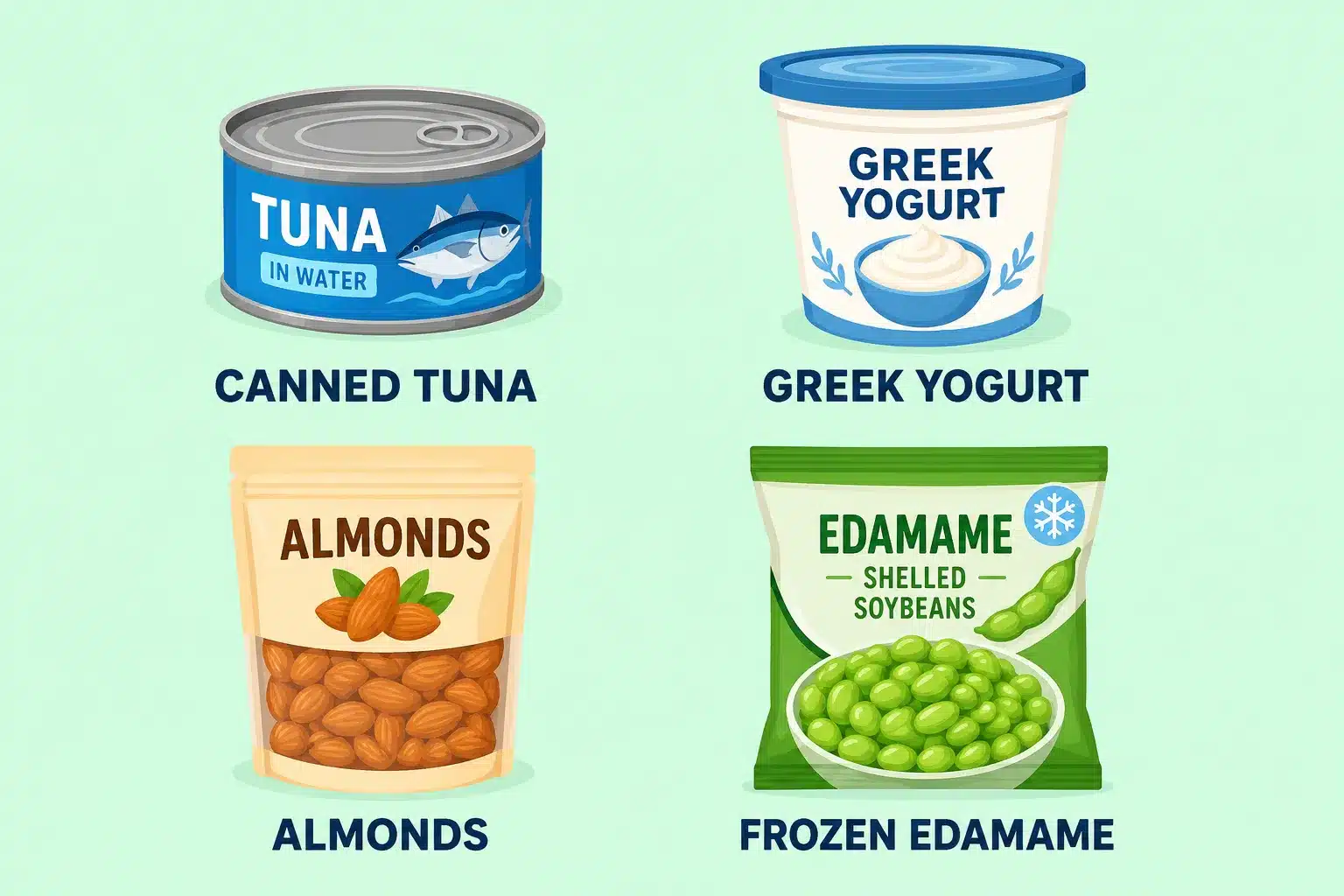
- Canned tuna or sardines: Roughly $1-2 per can, providing 14-20g protein per serving. Buy in bulk for additional savings.
- Eggs: One of the most cost-effective protein sources available. A dozen eggs costs $3-5 (prices vary by region and season) and provides 12 snack-sized servings.
- Cottage cheese: A 16 oz container typically costs $3-5 and provides 4-6 half-cup servings.
- Frozen edamame: A 1 lb bag costs roughly $2-4 and provides multiple servings. Steam from frozen in minutes.
- Plain Greek yogurt (store brand): Store-brand Greek yogurt is significantly cheaper than name brands and nutritionally equivalent. A 32 oz container provides 6-8 servings.
- Peanut butter (natural, no added sugar): A large jar provides dozens of single-tablespoon servings at roughly $0.10-0.20 per serving.
- String cheese: Available in bulk packs of 12-24 sticks, reducing per-unit cost significantly.
Budget tip: Buy snack staples in bulk at warehouse stores (Costco, Sam’s Club) when possible. Pre-portioning at home, rather than buying individually packaged single-serve items, can cut snack costs by 30-50% without any sacrifice in quality or nutrition.
GLP-1 Snacks for People with Food Sensitivities
Food sensitivities add a layer of complexity to GLP-1 snacking, but workable options exist for virtually every common restriction. The key is identifying protein sources that fit both GLP-1 requirements and individual tolerances.
Dairy-free options:
- Edamame, shelled (high protein, naturally dairy-free)
- Canned tuna or sardines in water
- Turkey or chicken roll-ups
- Roasted chickpeas
- Nut butter on rice cakes (check for cross-contamination if nut allergies are a concern)
Gluten-free options:
- Hard-boiled eggs (naturally gluten-free)
- Plain Greek yogurt (check label, most are gluten-free)
- Cottage cheese
- Rice cakes with ricotta or nut butter
- Edamame
Low-FODMAP options (for those with IBS or digestive sensitivity):
- Hard-boiled eggs
- Firm tofu cubes (small portion)
- Canned tuna
- Lactose-free cottage cheese or yogurt
- Walnuts or macadamia nuts (small portions)
- Rice cakes with peanut butter
Nut-free options:
- String cheese or Babybel
- Hard-boiled eggs
- Turkey roll-ups
- Cottage cheese
- Sunflower seed butter on rice cakes (a nut-free alternative to nut butters)
If you’re managing multiple health conditions alongside GLP-1 treatment, our guide to RX medications for weight loss provides broader context on how these medications interact with overall health management.
FAQ: GLP-1 Healthy Snack Ideas
Q: How many snacks per day should a GLP-1 user eat?
Most GLP-1 users do well with zero to one snack per day. The medication significantly reduces appetite, so snacking should be driven by genuine hunger or a need to meet protein targets, not habit or schedule.
Q: Is fruit a good snack on GLP-1 medication?
Fruit can be a reasonable snack choice, but portion size matters. High-sugar fruits like grapes, mangoes, and bananas in large amounts can spike blood sugar. Better choices include berries (blueberries, strawberries, raspberries), which are lower in sugar and higher in fiber. Pair fruit with a protein source to slow glucose absorption.
Q: Can I have protein shakes as a snack on GLP-1?
Yes, a small protein shake (roughly 15-20g protein, low sugar) can be a useful snack, particularly when solid food is hard to tolerate. Choose shakes with minimal added sugar and avoid very thick or high-fat formulations that may worsen nausea.
Q: Why do I feel sick after snacking on GLP-1?
Nausea after snacking is usually caused by eating too much, too fast, or choosing high-fat or high-sugar foods. Try reducing portion size, eating more slowly, and switching to gentler options like plain Greek yogurt, crackers, or a hard-boiled egg.
Q: Are protein bars a good GLP-1 snack?
Most commercial protein bars are not ideal for GLP-1 users. Many contain 20-30g of sugar alcohols (which cause bloating), artificial sweeteners, or high amounts of fat. If you use protein bars, choose options with fewer than 5g of sugar, at least 10g of protein, and minimal additives. Read the label carefully.
Q: Can I snack on nuts every day on GLP-1?
Yes, nuts are a solid daily snack option in small portions (1 oz or roughly a small handful). They provide healthy fats and protein, but their fat content means they should be eaten in controlled amounts to avoid nausea. Walnuts, almonds, and pistachios are among the best choices.
Q: What is the best snack to eat right before a GLP-1 injection?
There’s no specific snack requirement around injection timing for most GLP-1 medications (semaglutide and tirzepatide are typically taken once weekly). However, if you tend to experience nausea post-injection, eating a light, bland snack beforehand, such as plain crackers or a small piece of toast, may help. Discuss timing with your provider.
Q: Is peanut butter a good GLP-1 snack?
Peanut butter in small amounts (1-2 tablespoons) is a reasonable snack, particularly paired with a rice cake or celery. It provides protein and healthy fat. Avoid large portions, as the high fat content can worsen nausea. Choose natural peanut butter with no added sugar or hydrogenated oils.
Q: Can I eat cheese as a snack on GLP-1?
Yes. String cheese, Babybel rounds, and small amounts of hard cheese (like cheddar or gouda) are good GLP-1 snack options. They’re high in protein and calcium, pre-portioned, and easy to digest. Avoid very rich or creamy cheeses in large amounts.
Q: What should I drink with snacks on GLP-1?
Water is the best choice. Avoid carbonated drinks, which can cause bloating and gas. Herbal tea (especially ginger tea) is a good option if nausea is present. Avoid juice, soda, and sweetened drinks, which add sugar without protein or fiber.
Q: Are rice cakes a good snack on GLP-1?
Plain rice cakes are gentle on the stomach and easy to digest, making them useful when nausea is present. However, they’re low in protein on their own. Always pair a rice cake with a protein source, ricotta, cottage cheese, nut butter, or a slice of turkey, to make it a nutritionally complete snack.
Q: How do I know if I’m eating enough while on GLP-1?
Signs of under-eating include persistent fatigue, muscle weakness, hair thinning, and difficulty concentrating. If you’re consistently eating fewer than 800-1,000 calories per day, speak with your healthcare provider or a registered dietitian. Strategic snacking is one tool to help close nutritional gaps when meals are very small.
Key Takeaway
GLP-1 healthy snack ideas work best when they’re small, protein-forward, and gentle on a digestive system that’s already working differently because of medication. The most effective approach is to snack with purpose: choose high-protein, low-fat options when you’re genuinely hungry or need to meet your protein target, and skip the snack entirely when you’re satisfied. Avoid greasy, sugary, or heavily processed snacks that trigger nausea and undermine your progress. With a handful of reliable go-to options, Greek yogurt, hard-boiled eggs, cottage cheese, edamame, string cheese, you can meet your nutritional needs without overcomplicating your eating routine.
7 Best GLP-1 Providers Ranked: Accreditation, Flexibility & Support Compared (2026 Update)
32,000+ Patients Can't All Be Wrong: See the Top-Rated GLP-1 Providers: Compared on accreditation, plan flexibility, and patient support — updated for 2026.
BMI MD GLP-1 Microdosing Plan
- Specialized microdosing options (sublingual drops or low-dose injections)
- Ideal for maintaining weight or tapering off higher doses safely
- Fully bundled plan with no hidden monthly platform memberships
DirectMeds Weight Loss Solutions
- Sourced from accredited, state-licensed 503A compounding pharmacies
- No-frills high-volume savings passed directly to the patient
- Includes clinical consultation and cold-chain shipping updates
MEDVi Flat-Rate Telehealth
- Flat monthly rate holds steady even at maximum maintenance doses
- No dosage upcharges or graduation fee penalties
- Offers both injectable and advanced oral thin-film delivery options
Gala GLP-1 Care Program
- All-inclusive plan with no standalone membership costs
- Continuous text-based messaging access with state-licensed clinicians
- Temperature-controlled, cold-chain medication shipping included
Measured GLP-1 Metabolic Health
- Comprehensive metabolic health screening and expert intake analysis
- Predictable long-term budgeting with stable plan pricing
- High-end responsive dashboard with integrated diagnostic support
Refills GLP-1 (TryRefills Plan)
- Flat rate holds steady as titration scales up
- Includes clinical guides for active side-effect management
- Bundles in foundational nutritional strategies alongside medication
AltRx GLP-1 Transactional Reorders
- Zero recurring auto-billing — pay entirely on a transactional basis
- Rapid text-to-order format saves time for experienced patients
- Provides both injectable forms and fast-dissolving tablet variations
Conclusion
Snacking on GLP-1 medication isn’t about eating more, it’s about eating smarter in smaller amounts. The medication changes your relationship with food in fundamental ways, and your snack choices need to reflect that.
Actionable next steps:
- Audit your current snacks. Look at what you’re eating between meals right now. Are they high in protein? Low in fat? Gentle on your stomach? If not, swap them out for one or two of the options from this guide.
- Prep in advance. Hard-boil a batch of eggs, portion out nuts, and stock your fridge with Greek yogurt and cottage cheese at the start of each week. Preparation removes friction on busy days.
- Track your protein. Use a free app like Cronometer or MyFitnessPal for one week to see whether you’re hitting your protein target. If you’re consistently short, add one small protein-focused snack per day.
- Listen to your hunger signals. GLP-1 medications recalibrate appetite. If you’re not hungry between meals, don’t force a snack. Trust the new signals your body is sending.
- Consult your care team. If nausea, fatigue, or significant weight loss is affecting your quality of life, speak with your prescribing provider or a registered dietitian. Snack choices are one piece of a larger nutritional picture that deserves professional guidance.
For more on managing your health while on GLP-1 treatment, explore our Mochi Health review and our guide to compounded vs. brand semaglutide for additional context on your treatment options.
References
- Apovian, C. M., et al. (2015). Pharmacological management of obesity: An Endocrine Society clinical practice guideline. Journal of Clinical Endocrinology & Metabolism, 100(2), 342-362.
- Ernst, E., & Pittler, M. H. (2000). Efficacy of ginger for nausea and vomiting: A systematic review of randomized clinical trials. British Journal of Anaesthesia, 84(3), 367-371.
- Davies, M. J., et al. (2021). Management of hyperglycemia in type 2 diabetes, 2022. Diabetes Care, 45(11), 2753-2786.
- Wilding, J. P. H., et al. (2021). Once-weekly semaglutide in adults with overweight or obesity. New England Journal of Medicine, 384(11), 989-1002. https://www.nejm.org/doi/full/10.1056/NEJMoa2032183
- Jastreboff, A. M., et al. (2022). Tirzepatide once weekly for the treatment of obesity. New England Journal of Medicine, 387(3), 205-216. https://www.nejm.org/doi/full/10.1056/NEJMoa2206038
- HealthFactsJournal. (2026). GLP-1 medications for weight loss and diabetes. https://healthfactsjournal.com/glp-1-medications-weight-loss-diabetes/
Tags: GLP-1 healthy snack ideas, GLP-1 diet, semaglutide snacks, high-protein snacks, low-carb snacks, GLP-1 nutrition, GLP-1 nausea relief, tirzepatide diet, weight loss snacks, GLP-1 meal planning, protein snacks, GLP-1 side effects

With over 13 years of experience in holistic health blogging, I aim to help you navigate your wellness journey with honest insights, expert-backed advice, and a sprinkle of real-world practicality.
Certified Wellness Writer | Herbal Nutrition Advocate | Wellness Research Enthusiast


