
GLP-1 Fiber Supplements: Best Options for Digestive Health (2026)
Last updated: July 26, 2026
Quick Answer
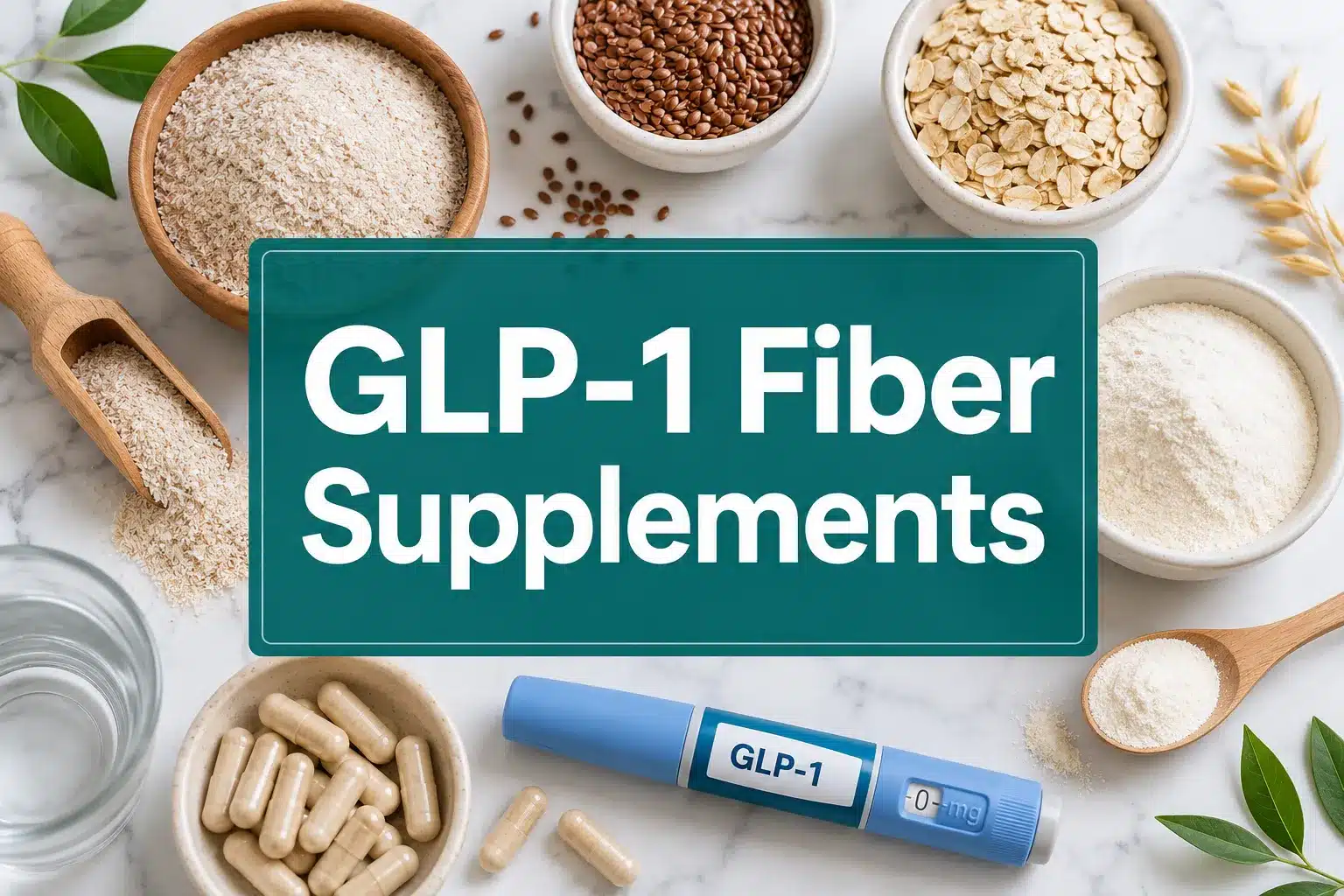
GLP-1 fiber supplements are dietary fiber products specifically chosen to support people using GLP-1 receptor agonist medications like semaglutide (Ozempic, Wegovy) or tirzepatide (Mounjaro, Zepbound). They work by slowing digestion, easing constipation, and potentially enhancing the gut-hormone effects that GLP-1 drugs rely on. Because GLP-1 users eat significantly less food, they often fall short of the daily fiber target, making supplementation a practical and evidence-supported strategy.
Key Takeaways
- People on GLP-1 medications frequently consume too little fiber because reduced appetite means fewer fiber-rich meals.
- Soluble fiber (psyllium, inulin, partially hydrolyzed guar gum) is the most studied type for GLP-1 users and offers the most digestive and metabolic benefits.
- Starting with a low dose and increasing slowly is critical to avoiding bloating and gas, which are more pronounced on GLP-1 drugs.
- Fiber supplements do not replace GLP-1 medications but may complement them by supporting gut hormone activity, blood sugar control, and bowel regularity.
- Drinking at least 8 oz of water with every fiber dose is non-negotiable to prevent worsening constipation.
- Most people on GLP-1 drugs should aim for 25-38 grams of total daily fiber, but many only get 10-15 grams from food alone while on these medications.
- “GLP-1 specific” branded fiber supplements are not clinically superior to well-chosen standard fiber products, but some formulations do offer convenient dosing.
- Nausea on GLP-1 medications is primarily medication-driven; fiber does not directly reduce nausea but can ease the digestive discomfort that compounds it.
- The most common mistake is adding too much fiber too quickly, which worsens the GI side effects GLP-1 users are already managing.
- Fiber supplements are widely available and affordable; most quality options cost between $15 and $40 per month.
What Is a GLP-1 Fiber Supplement and How Does It Work?
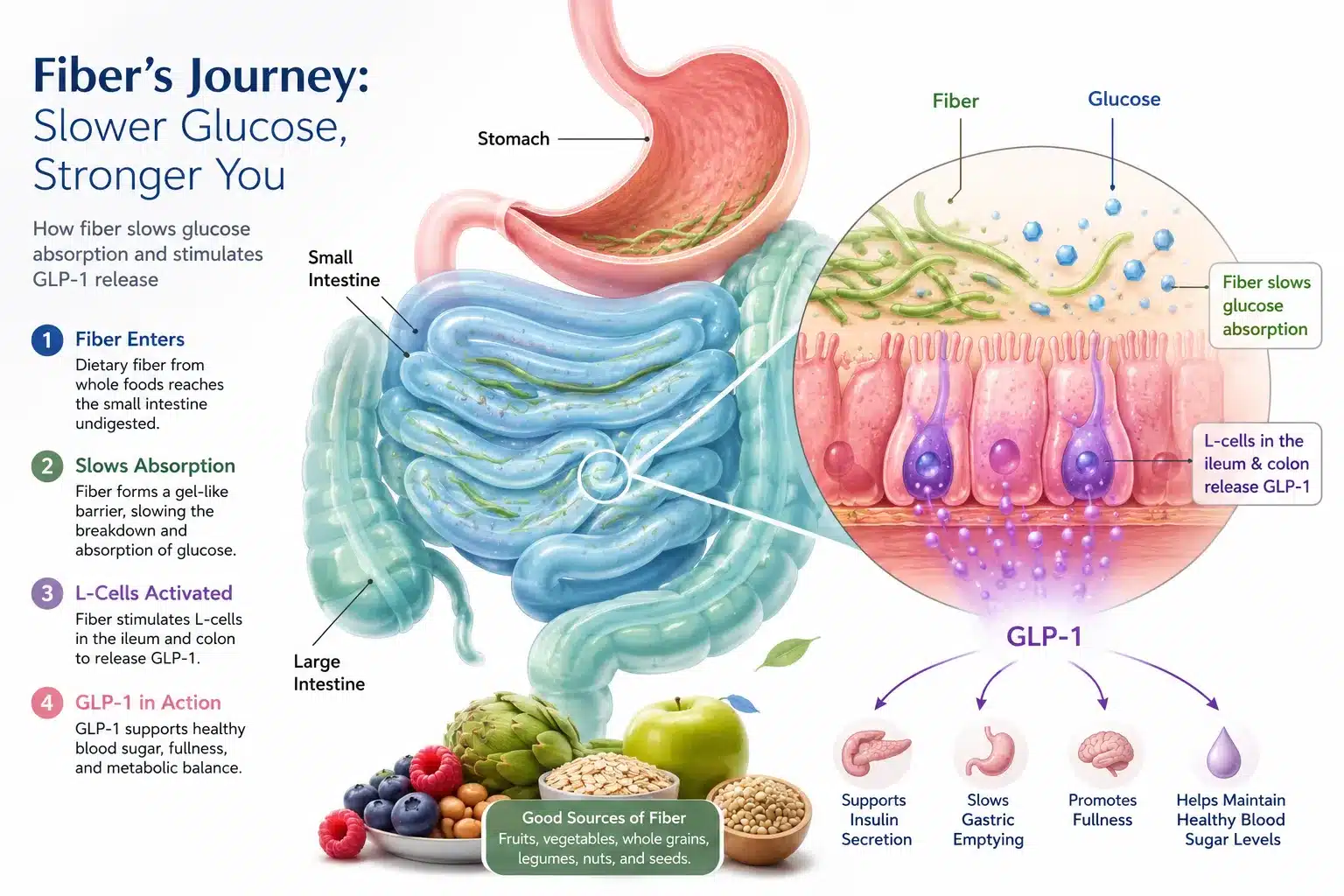
A GLP-1 fiber supplement is a concentrated dietary fiber product used alongside GLP-1 receptor agonist medications to fill the fiber gap that reduced food intake creates. These supplements work through two main pathways: slowing the rate at which food moves through the gut (which smooths blood sugar spikes) and feeding the gut microbiome, which in turn produces short-chain fatty acids that stimulate natural GLP-1 hormone secretion from intestinal L-cells.
7 Best GLP-1 Providers Ranked: Accreditation, Flexibility & Support Compared (2026 Update)
32,000+ Patients Can't All Be Wrong: See the Top-Rated GLP-1 Providers. We compared the leading online GLP-1 providers based on program features, clinical support, convenience, and overall value.
BMI MD GLP-1 Microdosing Plan
- Specialized microdosing options, including sublingual drops and low-dose injections
- Designed for people interested in maintaining weight or gradually adjusting treatment
- Bundled program structure without a separate monthly platform membership
- Online access makes the process convenient from home

DirectMeds Weight Loss Solutions
- Online weight-loss program with a straightforward patient experience
- Compounded medication options through state-licensed compounding pharmacies
- Includes clinical consultation as part of the process
- Provides shipping updates to help patients track their orders
MEDVi Flat-Rate Telehealth
- Flat-rate telehealth approach designed for easier budgeting
- No dosage-based pricing increases within the advertised program structure
- Offers injectable and oral thin-film delivery options
- Includes medical screening and asynchronous provider consultations
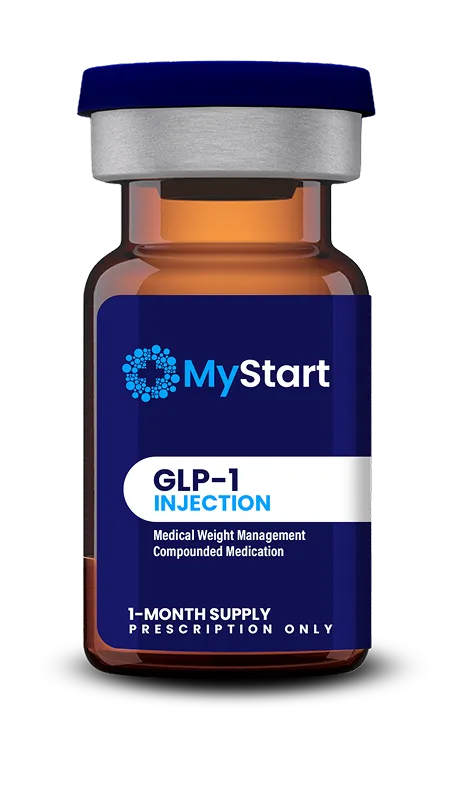
Gala GLP-1 Care Program
- Text-based access to state-licensed clinicians
- Cold-chain medication shipping included in the program
- Month-to-month program structure
- Designed for people who value convenient ongoing support
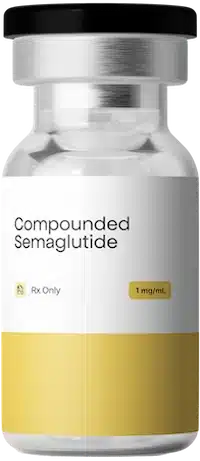
Measured GLP-1 Metabolic Health
- Comprehensive metabolic health screening and intake analysis
- Designed around longer-term metabolic health management
- Responsive dashboard with integrated health tracking tools
- Useful option for patients who value a more data-focused experience
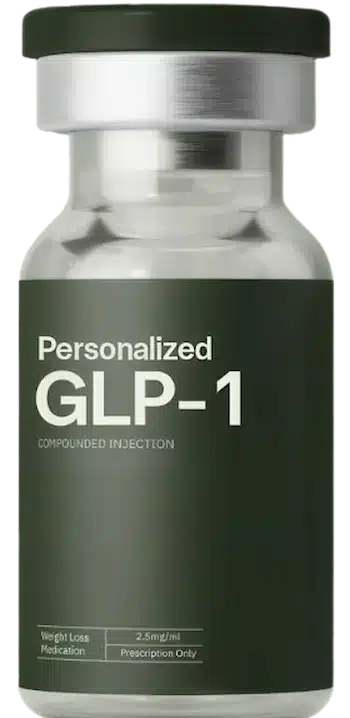
Refills GLP-1 (TryRefills Plan)
- Clinical guidance designed to help patients manage common treatment concerns
- Includes foundational nutritional strategies alongside medication
- Designed around predictable ongoing treatment
- No hidden startup or processing fees according to the program information provided
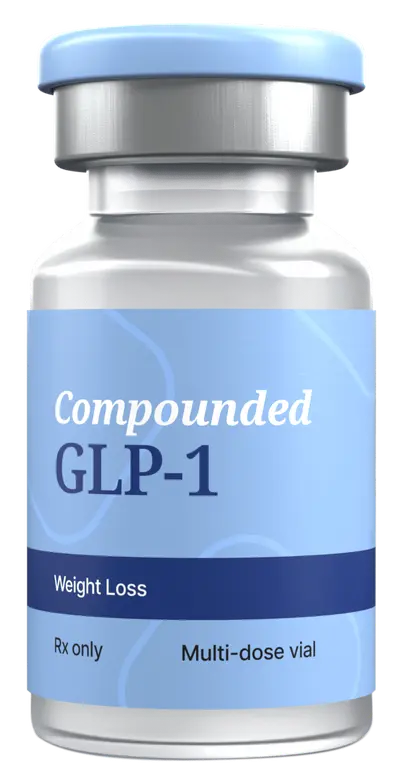
AltRx GLP-1 Transactional Reorders
- Transactional reorder model without recurring auto-billing
- Designed for patients who already understand their treatment routine
- Fast text-to-order process for convenient reorders
- Offers injectable and fast-dissolving tablet variations
GLP-1 medications like semaglutide mimic the glucagon-like peptide-1 hormone that your gut releases naturally after eating. Fiber, particularly soluble fiber, is one of the primary dietary triggers for that natural GLP-1 release. So there is a genuine biological relationship between fiber intake and the GLP-1 pathway, not just a general health recommendation.
How soluble fiber supports GLP-1 activity:
- Forms a gel in the gut that slows gastric emptying
- Feeds Bifidobacterium and Lactobacillus bacteria, which produce butyrate and propionate
- Short-chain fatty acids (SCFAs) bind to receptors on L-cells, triggering GLP-1 and PYY hormone release
- Reduces postprandial glucose spikes, which reduces insulin demand
Insoluble fiber plays a different role. It adds bulk to stool and speeds transit time, which is useful for the constipation that many GLP-1 users experience. Most quality fiber supplements contain a blend of both types.
For a broader understanding of how GLP-1 drugs change your metabolism, see our GLP-1 transformation guide.
Why Do People on GLP-1 Need More Fiber?
People on GLP-1 medications need more attention to fiber because these drugs dramatically reduce appetite and food volume, making it nearly impossible to reach the recommended 25-38 grams of daily fiber through diet alone. A person eating 1,200-1,500 calories per day on semaglutide may only be consuming 10-15 grams of fiber, well below the threshold needed for healthy gut function.
This is not a minor shortfall. Chronic low fiber intake on GLP-1 drugs contributes to:
- Constipation (one of the most commonly reported GLP-1 side effects)
- Gut microbiome disruption, which can reduce natural GLP-1 production over time
- Slower weight loss plateau recovery, since gut health influences metabolic rate
- Blood sugar variability, especially in people managing type 2 diabetes alongside their GLP-1 prescription
- Increased hunger between meals, because soluble fiber contributes to satiety
The Academy of Nutrition and Dietetics recommends 14 grams of fiber per 1,000 calories consumed. At the reduced calorie intake typical of GLP-1 users, that math means fiber supplements are not optional, they are a practical necessity for most people.
“Fiber is one of the most under-discussed nutritional priorities for GLP-1 medication users. The appetite suppression that makes these drugs effective is the same mechanism that creates the fiber gap.”, General consensus among registered dietitians working in obesity medicine, 2026.
What Happens If You Don’t Get Enough Fiber on GLP-1?
Insufficient fiber intake on GLP-1 medications leads to a predictable set of problems that compound the medication’s existing GI side effects. The most immediate consequence is constipation, which affects an estimated 24% of semaglutide users according to clinical trial data cited in the prescribing information for Wegovy (Novo Nordisk, 2021).
Beyond constipation, low fiber intake on GLP-1 drugs can cause:
- Harder, less frequent stools that increase straining and hemorrhoid risk
- Gut microbiome imbalance, reducing the diversity of beneficial bacteria that support metabolic health
- Reduced satiety between doses, making it harder to maintain the calorie deficit the medication creates
- Higher post-meal blood sugar spikes, particularly relevant for people with type 2 diabetes or prediabetes
- Increased intestinal permeability over time, linked to systemic inflammation in emerging research
If you are also managing blood sugar alongside your GLP-1 prescription, our guide to best blood sugar supplements covers complementary strategies worth considering.
Best Fiber Supplements to Take With GLP-1 Drugs
The best fiber supplements for GLP-1 users are soluble, low-fermentation options that dissolve easily, cause minimal gas, and work with reduced food volume. Psyllium husk, partially hydrolyzed guar gum (PHGG), and inulin-type fructans are the most evidence-supported choices.
Top fiber types for GLP-1 users:
| Fiber Type | Soluble/Insoluble | Bloating Risk | Best For |
|---|---|---|---|
| Psyllium husk | Both (mostly soluble) | Low-moderate | Constipation + cholesterol |
| Partially hydrolyzed guar gum (PHGG) | Soluble | Very low | Sensitive stomachs |
| Inulin / FOS | Soluble (prebiotic) | Moderate-high | Gut microbiome support |
| Acacia fiber | Soluble | Very low | Gentle daily use |
| Wheat dextrin | Soluble | Low | Easy mixing, neutral taste |
| Methylcellulose | Insoluble | Low | Constipation relief |
Choose psyllium husk if you need both constipation relief and cholesterol support. It has the strongest evidence base and is the active ingredient in Metamucil.
Choose PHGG or acacia fiber if you have a sensitive stomach or are prone to bloating. These ferment more slowly in the gut, producing less gas.
Choose inulin if your primary goal is microbiome support and you tolerate it well. Start with a very small dose (1-2 grams) because inulin ferments rapidly and causes gas in many people.

GLP-1 Fiber Supplement Brands Compared
No single brand dominates the GLP-1 fiber supplement space, and as of 2026, most “GLP-1 specific” fiber products are standard fiber formulations with health-conscious marketing. That said, some brands offer formulations that are genuinely well-suited to GLP-1 users based on their fiber type, dose, and tolerability profile.
Notable options in 2026:
- Metamucil (psyllium husk): The most studied option. Available in powder and capsule form. The sugar-free version is preferred for GLP-1 users managing blood sugar. Widely available at pharmacies and online.
- Benefiber (wheat dextrin): Dissolves completely in water, tasteless, and easy to add to small-volume meals. Good for people who struggle to drink large amounts of liquid.
- Sunfiber (PHGG): Clinically studied for low GI tolerance. Particularly well-suited for people experiencing GI sensitivity on GLP-1 drugs. Available through specialty supplement retailers.
- Acacia Senegal (various brands): Gentle, prebiotic, and well-tolerated. Look for certified organic versions with no additives.
- Shed GLP-1 fiber blend: A branded product marketed specifically to GLP-1 users. For a detailed look at this product, see our Shed GLP-1 review.
Common mistake: Choosing a fiber supplement based on marketing claims like “designed for GLP-1 users” without checking the actual fiber type and dose. Many of these products contain the same ingredients as standard supplements at a higher price point.
Can You Take Regular Fiber With Ozempic or Wegovy?
Yes, standard fiber supplements are safe to take with Ozempic, Wegovy, Mounjaro, and Zepbound. There is no known pharmacokinetic interaction between GLP-1 receptor agonists and dietary fiber supplements. However, timing matters: taking a large fiber dose immediately before or after your GLP-1 injection is not necessary, and taking fiber with oral medications requires a 2-hour gap because fiber can slow drug absorption.
Practical timing rules for GLP-1 users:
- Take fiber supplements at least 2 hours before or after any oral medications
- GLP-1 injections (weekly subcutaneous) are not affected by fiber timing
- Spread fiber intake across 2-3 smaller doses throughout the day rather than one large dose
- Always take fiber with a full glass of water (at least 8 oz)
For more detail on GLP-1 medication options and how they work, our complete guide to GLP-1 medications for weight loss and diabetes covers the full landscape.
Do Fiber Supplements Help With GLP-1 Side Effects?
Fiber supplements directly address constipation, one of the most common GLP-1 side effects, and may indirectly ease some digestive discomfort. However, fiber does not reduce nausea, which is the most frequently reported GLP-1 side effect and is driven by the medication’s effect on gastric emptying and the central nervous system, not by fiber deficiency.
Side effects fiber can help with:
- Constipation and infrequent bowel movements
- Hard stools and straining
- Bloating caused by slow gut motility (when using low-fermentation fiber types)
- Blood sugar variability between meals
Side effects fiber does NOT help with:
- Nausea and vomiting (medication-driven)
- Fatigue during dose escalation
- Injection site reactions
- Headaches during the adjustment period
Does Fiber Help With Nausea on GLP-1 Medication?
Fiber does not directly reduce nausea on GLP-1 medications. Nausea on drugs like semaglutide is caused by slowed gastric emptying and central GLP-1 receptor activation in the brain, not by digestive fiber status. Adding fiber when nauseated can actually worsen discomfort if the gut is already moving slowly.
If nausea is your primary concern, the most evidence-supported strategies are eating smaller, lower-fat meals, staying upright after eating, and discussing dose adjustment with your prescriber. Our article on which GLP-1 medication works best for weight loss also covers tolerability differences between medications.
How Much Fiber Should I Take on GLP-1?
Most GLP-1 users should aim for a total daily fiber intake of 25-38 grams (25g for women, 38g for men, per the Institute of Medicine’s Dietary Reference Intakes). Because food intake is reduced on these medications, a realistic starting point is to supplement with 5-10 grams of fiber per day and increase gradually based on tolerance, while maximizing fiber from food sources like vegetables, legumes, and whole grains.
Practical fiber dosing protocol for GLP-1 users:
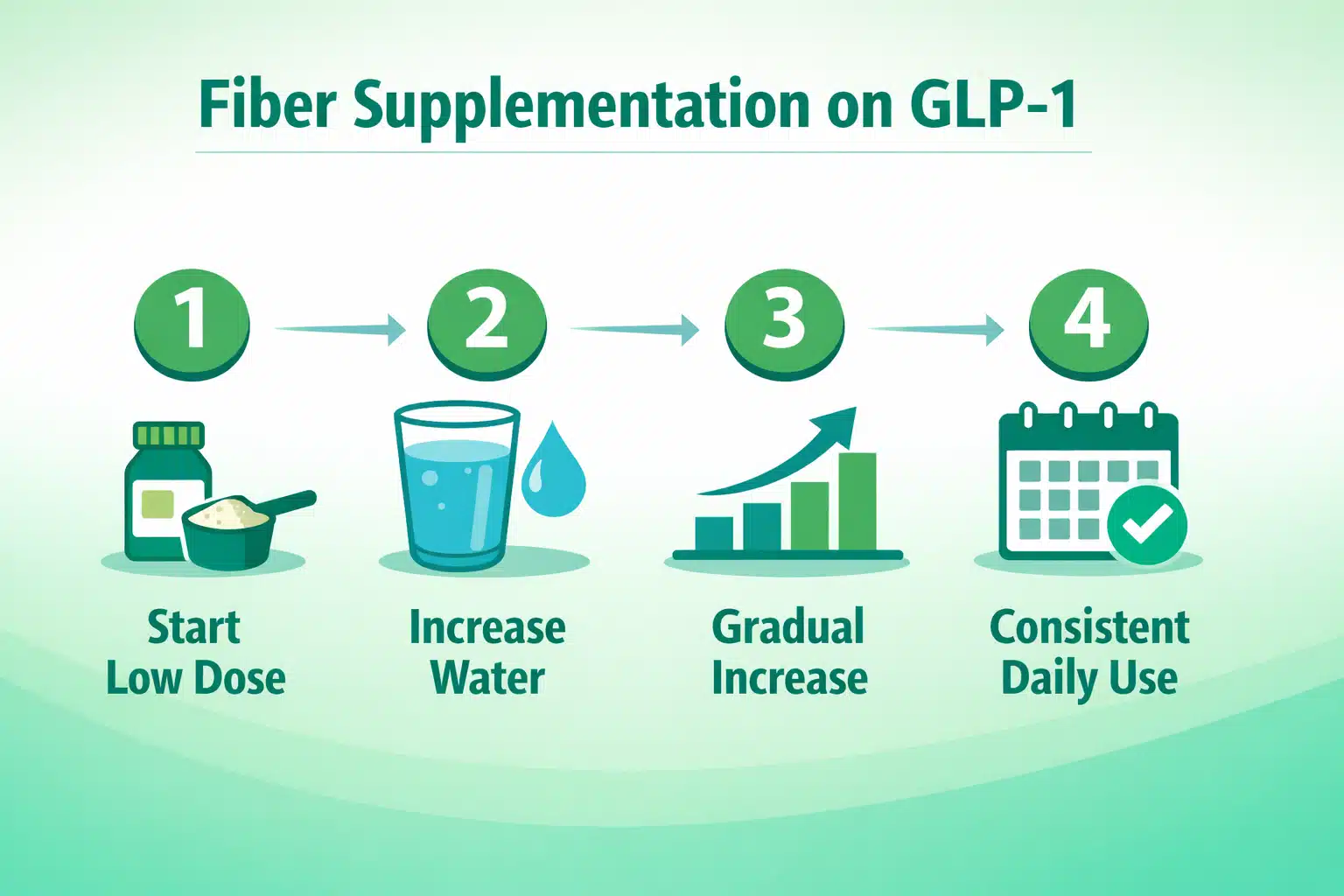
- Week 1-2: Start with 3-5 grams of supplemental fiber per day, split into two doses
- Week 3-4: Increase to 5-8 grams per day if well-tolerated
- Week 5 onward: Adjust to reach total daily fiber of 25-38 grams (food plus supplement combined)
- Always: Drink at least 8 oz of water per fiber dose
Track your total intake. Use a simple food diary or app for one week to estimate how much fiber you are getting from food. Most GLP-1 users are surprised to find they are getting fewer than 12 grams per day from diet alone.
Fiber Supplements for GLP-1 Users vs. Regular Fiber
The core difference between fiber supplements marketed to GLP-1 users and standard fiber supplements is primarily packaging and price, not ingredients. Standard fiber supplements like psyllium husk and wheat dextrin are the same ingredients found in GLP-1-branded products, often at a fraction of the cost.
Where GLP-1-specific products sometimes add value:
- Pre-measured single-serve sachets convenient for people with reduced appetite
- Blends that combine fiber with electrolytes (relevant since GLP-1 users are also at risk for electrolyte imbalance)
- Formulations with added protein or vitamins to address multiple nutrient gaps in one product
- Marketing that educates users on the fiber-GLP-1 connection, improving adherence
Where they fall short:
- Often 2-3x the cost of equivalent standard fiber products
- Some contain added sugars or artificial sweeteners that GLP-1 users managing blood sugar should avoid
- Clinical evidence for GLP-1-specific formulations is limited compared to the decades of research on psyllium and guar gum
Decision rule: Choose a standard, well-studied fiber supplement (psyllium, PHGG, or acacia) unless a GLP-1-branded product offers a genuinely different formulation (such as an added electrolyte blend) that addresses multiple needs at a comparable cost.

GLP-1 Fiber Supplement Cost and Where to Buy
Most quality fiber supplements cost between $15 and $40 per month, making them one of the most affordable nutritional interventions for GLP-1 users. GLP-1-branded fiber products typically run $35,$70 per month for a comparable dose.
Cost breakdown by fiber type (approximate 2026 retail pricing):
- Psyllium husk powder (generic/store brand): $10,$18/month
- Metamucil (psyllium): $18,$28/month
- Benefiber (wheat dextrin): $15,$22/month
- Sunfiber/PHGG: $25,$40/month
- Acacia fiber (certified organic): $20,$35/month
- GLP-1-branded fiber blends: $35,$70/month
Where to buy:
- Pharmacies (CVS, Walgreens, Rite Aid) carry psyllium and wheat dextrin reliably
- Amazon and iHerb offer the widest selection of specialty options like PHGG and acacia fiber
- Grocery stores carry Metamucil and Benefiber in most markets
- GLP-1 telehealth platforms sometimes bundle fiber supplements with their programs
If cost is a concern with your overall GLP-1 program, our guide to the best cheap GLP-1 programs covers ways to reduce total medication and supplement costs.
Fiber Supplements That Won’t Cause Bloating on GLP-1
Low-fermentation fiber types are the best choice for GLP-1 users who are already managing GI sensitivity. Partially hydrolyzed guar gum (PHGG), acacia fiber, and wheat dextrin (Benefiber) produce significantly less gas than inulin, FOS, or high-dose psyllium.
Why bloating is a bigger concern on GLP-1 drugs:
GLP-1 medications slow gastric emptying. When fermentable fiber is added to a gut that is already moving slowly, gas produced by bacterial fermentation has more time to accumulate, which intensifies bloating and cramping. This is why the same dose of inulin that someone tolerates easily off medication can cause significant discomfort on semaglutide.
Lowest-bloating fiber options, ranked:
- Acacia fiber (very low fermentation rate)
- PHGG / Sunfiber (partially hydrolyzed, slow fermentation)
- Wheat dextrin / Benefiber (soluble, minimal gas)
- Methylcellulose / Citrucel (non-fermentable, bulk-forming)
- Psyllium husk (moderate, well-tolerated by most at standard doses)
Highest-bloating options to use cautiously:
- Inulin and FOS (chicory root fiber)
- Raw Jerusalem artichoke fiber
- High-dose resistant starch
Are GLP-1 Specific Fiber Supplements Worth It?
GLP-1-specific fiber supplements are worth the premium only if they offer a genuinely differentiated formulation, such as a combination of fiber, electrolytes, and vitamins in a single convenient product. If the product contains only standard fiber at a higher price, a well-chosen generic alternative delivers equivalent benefit for less money.
When GLP-1-branded fiber supplements make sense:
- You want an all-in-one product that addresses fiber, electrolytes, and micronutrients simultaneously
- You prefer pre-portioned sachets over measuring powder
- You respond better to products designed with GLP-1 users specifically in mind (adherence factor)
- Your telehealth program includes them in a bundled price
When to skip them and buy standard fiber:
- Budget is a concern
- You already take a separate multivitamin and electrolyte supplement
- The ingredient list is identical to a standard fiber product at half the price
For context on the broader GLP-1 supplement market and what actually works, our review of RX medications for weight loss provides useful background.
Common Mistakes People Make With Fiber and GLP-1
The single most common mistake is adding too much fiber too quickly, which amplifies the GI side effects that GLP-1 users are already managing. Other frequent errors involve poor timing, inadequate hydration, and choosing the wrong fiber type for a sensitive gut.
Mistakes to avoid:
Starting at full dose immediately. Adding 10+ grams of fiber on day one causes gas, cramping, and bloating. Start at 3-5 grams and increase over 2-4 weeks.
Not drinking enough water. Fiber without adequate water can worsen constipation rather than relieve it. Every fiber dose needs at least 8 oz of water.
Taking fiber with oral medications. Fiber can bind to medications and reduce absorption. Always leave a 2-hour gap.
Choosing high-fermentation fiber when GI-sensitive. Inulin and FOS are excellent prebiotics but cause significant gas in many GLP-1 users. Start with acacia or PHGG instead.
Expecting fiber to fix nausea. Nausea on GLP-1 drugs is medication-driven. Adding fiber when nauseated can worsen discomfort.
Skipping fiber because appetite is low. Low appetite is exactly when fiber supplementation matters most, because food intake alone won’t meet daily fiber needs.
Using fiber as a meal replacement. Fiber supplements do not provide meaningful calories, protein, or micronutrients. They complement food, they don’t replace it.
Ignoring total fiber from food. Tracking only supplement fiber and forgetting that vegetables, legumes, and whole grains also contribute to total daily intake can lead to over-supplementation and GI distress.
Key Takeaway
GLP-1 fiber supplements fill a real nutritional gap created by the appetite suppression that makes GLP-1 medications effective. Soluble, low-fermentation fiber types are the most practical choice for most users. Standard, well-studied fiber products deliver equivalent results to GLP-1-branded options at a lower cost. The key to success is starting low, going slow, staying hydrated, and tracking total daily fiber from both food and supplements.
7 Best GLP-1 Providers Ranked: Accreditation, Flexibility & Support Compared (2026 Update)
32,000+ Patients Can't All Be Wrong: See the Top-Rated GLP-1 Providers: Compared on accreditation, plan flexibility, and patient support — updated for 2026.
BMI MD GLP-1 Microdosing Plan
- Specialized microdosing options (sublingual drops or low-dose injections)
- Ideal for maintaining weight or tapering off higher doses safely
- Fully bundled plan with no hidden monthly platform memberships
DirectMeds Weight Loss Solutions
- Sourced from accredited, state-licensed 503A compounding pharmacies
- No-frills high-volume savings passed directly to the patient
- Includes clinical consultation and cold-chain shipping updates
MEDVi Flat-Rate Telehealth
- Flat monthly rate holds steady even at maximum maintenance doses
- No dosage upcharges or graduation fee penalties
- Offers both injectable and advanced oral thin-film delivery options
Gala GLP-1 Care Program
- All-inclusive plan with no standalone membership costs
- Continuous text-based messaging access with state-licensed clinicians
- Temperature-controlled, cold-chain medication shipping included
Measured GLP-1 Metabolic Health
- Comprehensive metabolic health screening and expert intake analysis
- Predictable long-term budgeting with stable plan pricing
- High-end responsive dashboard with integrated diagnostic support
Refills GLP-1 (TryRefills Plan)
- Flat rate holds steady as titration scales up
- Includes clinical guides for active side-effect management
- Bundles in foundational nutritional strategies alongside medication
AltRx GLP-1 Transactional Reorders
- Zero recurring auto-billing — pay entirely on a transactional basis
- Rapid text-to-order format saves time for experienced patients
- Provides both injectable forms and fast-dissolving tablet variations
Conclusion
GLP-1 medications are genuinely effective tools for weight management and blood sugar control, but they create a predictable fiber gap that most users are not warned about. Addressing that gap with the right fiber supplement is one of the most practical, low-cost steps a GLP-1 user can take to improve bowel regularity, support gut health, and potentially enhance the metabolic benefits the medication already provides.
Actionable next steps:
- Estimate your current daily fiber intake from food using a free tracking app for one week
- Choose a low-fermentation soluble fiber (psyllium, PHGG, or acacia) as your starting point
- Begin at 3-5 grams per day and increase by 2-3 grams per week until you reach your target
- Drink at least 8 oz of water with every fiber dose, and increase total daily water intake
- Leave a 2-hour gap between fiber supplements and any oral medications
- Reassess after 4 weeks: if constipation persists, consider adding a small amount of insoluble fiber (methylcellulose) or discuss laxative options with your prescriber
- Do not pay a premium for GLP-1-branded fiber unless the formulation genuinely adds value beyond standard fiber
For a complete picture of what your body needs while on GLP-1 therapy, explore our GLP-1 transformation guide and GLP-1 weight loss medications overview.
Frequently Asked Questions
Q: Can I take psyllium husk every day while on semaglutide? Yes. Daily psyllium husk is safe for long-term use alongside semaglutide. Start with a low dose (3-5 grams) and take it with a full glass of water. Avoid taking it within 2 hours of oral medications.
Q: Will fiber supplements interfere with how well Ozempic or Wegovy works? No. Fiber supplements do not reduce the efficacy of injectable GLP-1 medications. They may actually support the medication’s metabolic effects by promoting natural gut GLP-1 secretion through SCFA production.
Q: How long does it take for fiber supplements to relieve constipation on GLP-1? Most people see improvement in bowel regularity within 3-7 days of consistent fiber supplementation, provided they are drinking adequate water. If constipation persists beyond 2 weeks, consult your prescriber.
Q: Is inulin safe to take on GLP-1 medication? Inulin is safe but high-risk for bloating and gas in GLP-1 users because of slowed gastric emptying. If you want prebiotic benefits, start with 1-2 grams per day and increase very slowly. PHGG or acacia fiber are gentler alternatives.
Q: Should I take fiber before or after meals on GLP-1? Taking soluble fiber 15-30 minutes before a meal can enhance satiety and slow glucose absorption. Taking it with meals also works well. Avoid taking a large fiber dose immediately after a meal if you already feel full from the medication.
Q: Do GLP-1 fiber supplements help with weight loss directly? Fiber supplements support weight management indirectly by improving satiety, stabilizing blood sugar, and supporting gut health. They do not cause weight loss on their own but complement the effects of GLP-1 medications.
Q: Can children or teenagers on GLP-1 medications take fiber supplements? Fiber supplements are generally safe for adolescents, but dosing should be adjusted by weight and age. Consult a pediatric dietitian or prescribing physician before adding supplements to a minor’s GLP-1 regimen.
Q: What is the best fiber supplement for GLP-1 users with IBS? Partially hydrolyzed guar gum (PHGG/Sunfiber) and acacia fiber are the most IBS-friendly options. Both are low-FODMAP certified and produce minimal gas. Avoid inulin, FOS, and high-dose psyllium if you have IBS-D or IBS-M.
Q: Is it possible to get enough fiber from food alone while on GLP-1? It is possible but difficult. A person eating 1,200-1,500 calories per day would need to make every food choice fiber-dense to reach 25-38 grams. For most GLP-1 users, supplementation is a practical and necessary complement to a fiber-rich diet.
Q: Are there any fiber supplements that also provide protein for GLP-1 users? Some GLP-1-branded products combine fiber with protein powder. These can be useful if you are also struggling to meet protein targets, but check the total carbohydrate and sugar content. A separate, high-quality protein supplement combined with a standard fiber product often gives more flexibility.
References
- Institute of Medicine. Dietary Reference Intakes for Energy, Carbohydrate, Fiber, Fat, Fatty Acids, Cholesterol, Protein, and Amino Acids. National Academies Press, 2005. https://www.nap.edu/catalog/10490
- Novo Nordisk. Wegovy (semaglutide) Prescribing Information. 2021. https://www.novo-pi.com/wegovy.pdf
- Chambers, E.S., et al. “Effects of targeted delivery of propionate to the human colon on appetite regulation, body weight maintenance and adiposity in overweight adults.” Gut, 2015. https://gut.bmj.com/content/64/11/1744
- Delannoy-Bruno, O., et al. “Evaluating microbiome-directed fibre snacks in gnotobiotic mice and humans.” Nature, 2021. https://www.nature.com/articles/s41586-021-03585-1
- Baxter, N.T., et al. “Dynamics of Human Gut Microbiota and Short-Chain Fatty Acids in Response to Dietary Interventions with Three Fermentable Fibers.” mBio, 2019. https://journals.asm.org/doi/10.1128/mBio.02566-18
- Rao, S.S.C., and Rattanakovit, K. “Diagnosis and management of chronic constipation in adults.” Nature Reviews Gastroenterology & Hepatology, 2016. https://www.nature.com/articles/nrgastro.2016.53
Tags: GLP-1 fiber supplements, semaglutide fiber, psyllium husk GLP-1, fiber for Ozempic users, GLP-1 constipation relief, soluble fiber supplements, GLP-1 side effects, gut health GLP-1, fiber and weight loss, prebiotic fiber GLP-1, Wegovy nutrition, tirzepatide fiber

With over 13 years of experience in holistic health blogging, I aim to help you navigate your wellness journey with honest insights, expert-backed advice, and a sprinkle of real-world practicality.
Certified Wellness Writer | Herbal Nutrition Advocate | Wellness Research Enthusiast


