
GLP-1 Nausea Relief Foods: What to Eat When You Feel Sick (2026)

Last updated: July 26, 2026
Quick Answer
The best GLP-1 nausea relief foods are bland, low-fat, easy-to-digest options such as plain white rice, bananas, saltine crackers, plain boiled chicken, and ginger tea. These foods work because they empty from the stomach quickly and do not trigger additional acid or bloating on top of the slowed digestion that GLP-1 medications already cause. Eating small, frequent meals rather than large ones is equally important for managing nausea on drugs like semaglutide (Ozempic, Wegovy) or tirzepatide (Mounjaro, Zepbound).
Key Takeaways
- Bland, low-fat, low-fiber foods are the foundation of any GLP-1 nausea relief strategy during the first weeks of treatment.
- Ginger and peppermint have credible evidence for reducing nausea and are safe to use alongside GLP-1 medications for most people.
- Eating meals smaller than your usual portions, roughly half to two-thirds of what you ate before, is one of the most effective ways to prevent nausea from getting worse.
- Fatty, fried, spicy, and high-sugar foods are the most common dietary triggers for nausea on GLP-1 drugs and should be minimized, especially during dose escalation.
- Protein remains a priority even when nausea is present; choose soft, easily digested sources like eggs, Greek yogurt, and cottage cheese.
- Electrolyte drinks and clear broths help replace fluids and minerals lost through nausea or reduced food intake.
- Nausea from GLP-1 medications is usually temporary, peaking during dose escalation and improving significantly within 4 to 8 weeks for most people.
- Persistent or severe nausea, vomiting that prevents eating, or signs of dehydration are reasons to contact your prescribing doctor promptly.
- Grapefruit juice does not have a clinically significant direct interaction with semaglutide or tirzepatide, but it can affect other medications you may be taking.
- Over-the-counter anti-nausea medications such as dimenhydrinate or vitamin B6 are generally compatible with GLP-1 drugs, but always confirm with your doctor first.
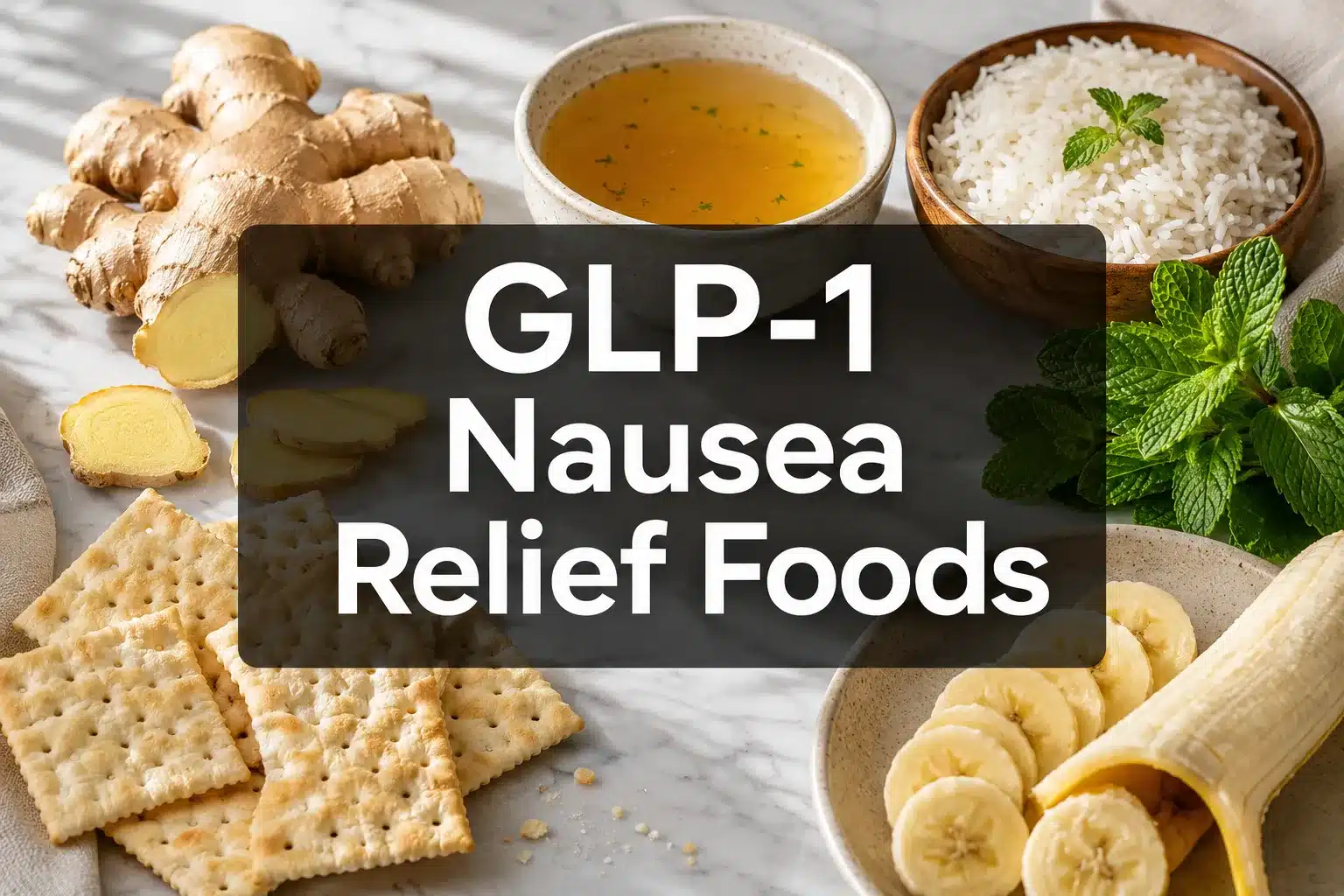
What Foods Help With Nausea From GLP-1 Drugs
The most effective GLP-1 nausea relief foods share three qualities: they are low in fat, low in fiber, and mild in flavor. These properties allow food to move through a slowed digestive system without adding extra pressure, acid, or gas.
7 Best GLP-1 Providers Ranked: Accreditation, Flexibility & Support Compared (2026 Update)
32,000+ Patients Can't All Be Wrong: See the Top-Rated GLP-1 Providers. We compared the leading online GLP-1 providers based on program features, clinical support, convenience, and overall value.
BMI MD GLP-1 Microdosing Plan
- Specialized microdosing options, including sublingual drops and low-dose injections
- Designed for people interested in maintaining weight or gradually adjusting treatment
- Bundled program structure without a separate monthly platform membership
- Online access makes the process convenient from home

DirectMeds Weight Loss Solutions
- Online weight-loss program with a straightforward patient experience
- Compounded medication options through state-licensed compounding pharmacies
- Includes clinical consultation as part of the process
- Provides shipping updates to help patients track their orders
MEDVi Flat-Rate Telehealth
- Flat-rate telehealth approach designed for easier budgeting
- No dosage-based pricing increases within the advertised program structure
- Offers injectable and oral thin-film delivery options
- Includes medical screening and asynchronous provider consultations
Gala GLP-1 Care Program
- Text-based access to state-licensed clinicians
- Cold-chain medication shipping included in the program
- Month-to-month program structure
- Designed for people who value convenient ongoing support
Measured GLP-1 Metabolic Health
- Comprehensive metabolic health screening and intake analysis
- Designed around longer-term metabolic health management
- Responsive dashboard with integrated health tracking tools
- Useful option for patients who value a more data-focused experience
Refills GLP-1 (TryRefills Plan)
- Clinical guidance designed to help patients manage common treatment concerns
- Includes foundational nutritional strategies alongside medication
- Designed around predictable ongoing treatment
- No hidden startup or processing fees according to the program information provided
AltRx GLP-1 Transactional Reorders
- Transactional reorder model without recurring auto-billing
- Designed for patients who already understand their treatment routine
- Fast text-to-order process for convenient reorders
- Offers injectable and fast-dissolving tablet variations
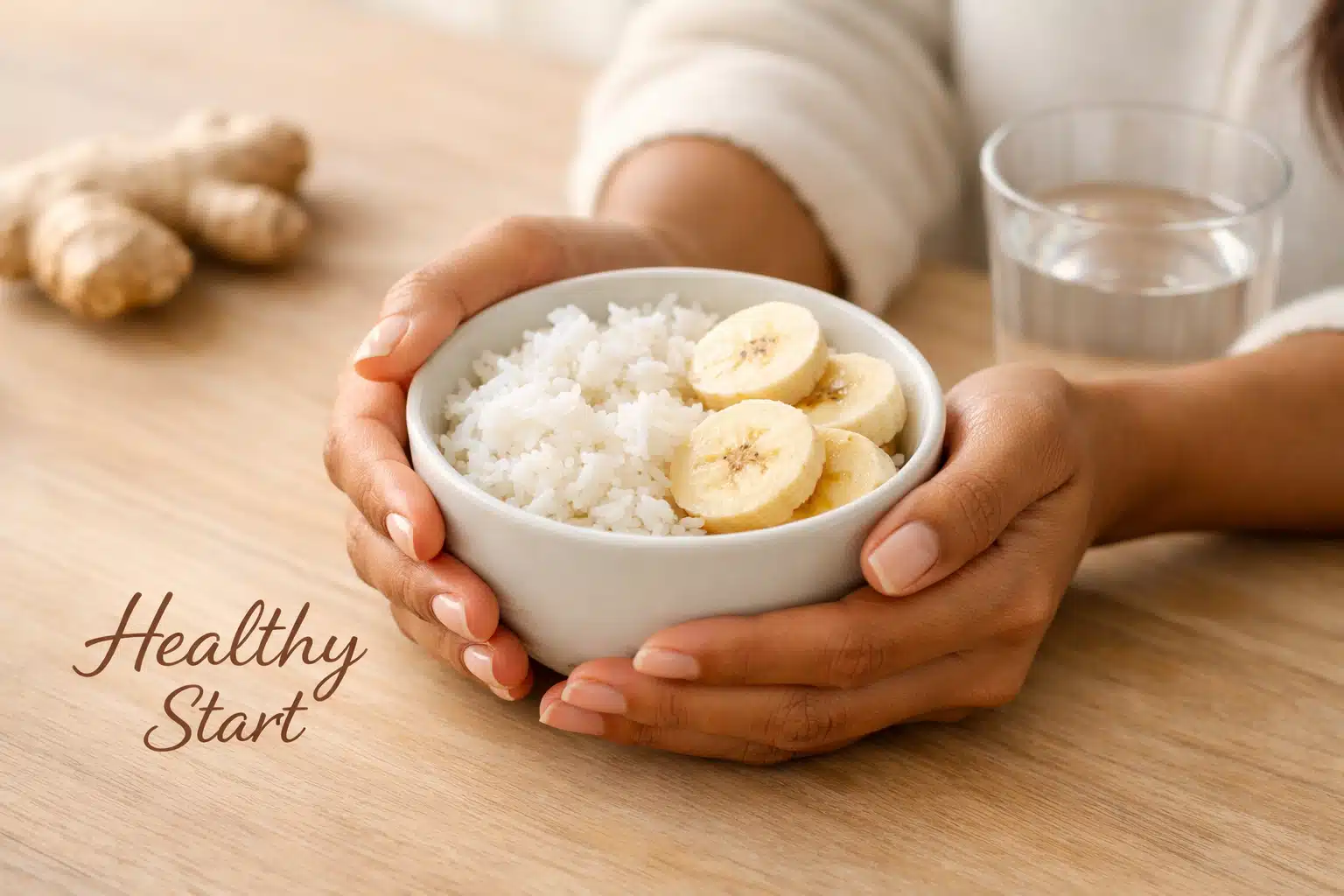
Think of the BRAT approach as a starting point: Bananas, Rice, Applesauce, and Toast. This classic bland-diet framework has been used for decades to manage digestive upset, and it translates well to GLP-1 side effects.
Top foods to reach for when nausea hits:
- Plain white rice or plain pasta (no heavy sauces)
- Saltine crackers or plain rice cakes
- Bananas (ripe, not green)
- Applesauce (unsweetened)
- Plain boiled or baked chicken breast (no skin)
- Soft-boiled or scrambled eggs
- Plain oatmeal made with water
- Low-fat plain Greek yogurt or cottage cheese
- Clear broths (chicken, vegetable, or bone broth)
- Plain mashed potatoes (no butter or cream)
- White bread toast
Decision rule: If you are in the first two weeks after a dose increase, stick almost exclusively to this list. Once nausea settles, gradually reintroduce more varied foods over 7 to 10 days.
Best Foods to Eat When Taking Ozempic or Wegovy
Beyond managing nausea, the best foods for people taking semaglutide (Ozempic, Wegovy) or tirzepatide (Mounjaro, Zepbound) are those that support satiety, protect muscle mass, and provide key micronutrients, all within a smaller daily food volume.
GLP-1 medications significantly reduce appetite and slow gastric emptying. This means you eat less, but what you eat matters more than it did before. Prioritizing nutrient-dense foods helps prevent deficiencies that can develop when overall calorie intake drops substantially.
Best everyday foods on GLP-1 medications:
| Food Category | Best Choices | Why It Helps |
|---|---|---|
| Lean protein | Chicken breast, eggs, Greek yogurt, cottage cheese, fish | Preserves muscle, high satiety per calorie |
| Soft vegetables | Cooked zucchini, steamed carrots, spinach | Provides micronutrients without excessive bulk |
| Fruit | Bananas, berries, melon, peaches | Easy to digest, provides potassium and antioxidants |
| Whole grains (tolerated) | Oatmeal, brown rice, quinoa | Fiber for gut health once nausea subsides |
| Healthy fats (small amounts) | Avocado, olive oil, nut butter | Supports fat-soluble vitamin absorption |
| Hydrating foods | Cucumber, watermelon, soups | Supports hydration when fluid intake is low |
For a broader look at how to structure your meals while on these medications, our semaglutide weight loss injections guide covers meal timing and portion strategies in more detail.
Why Does GLP-1 Cause Nausea and How Long Does It Last

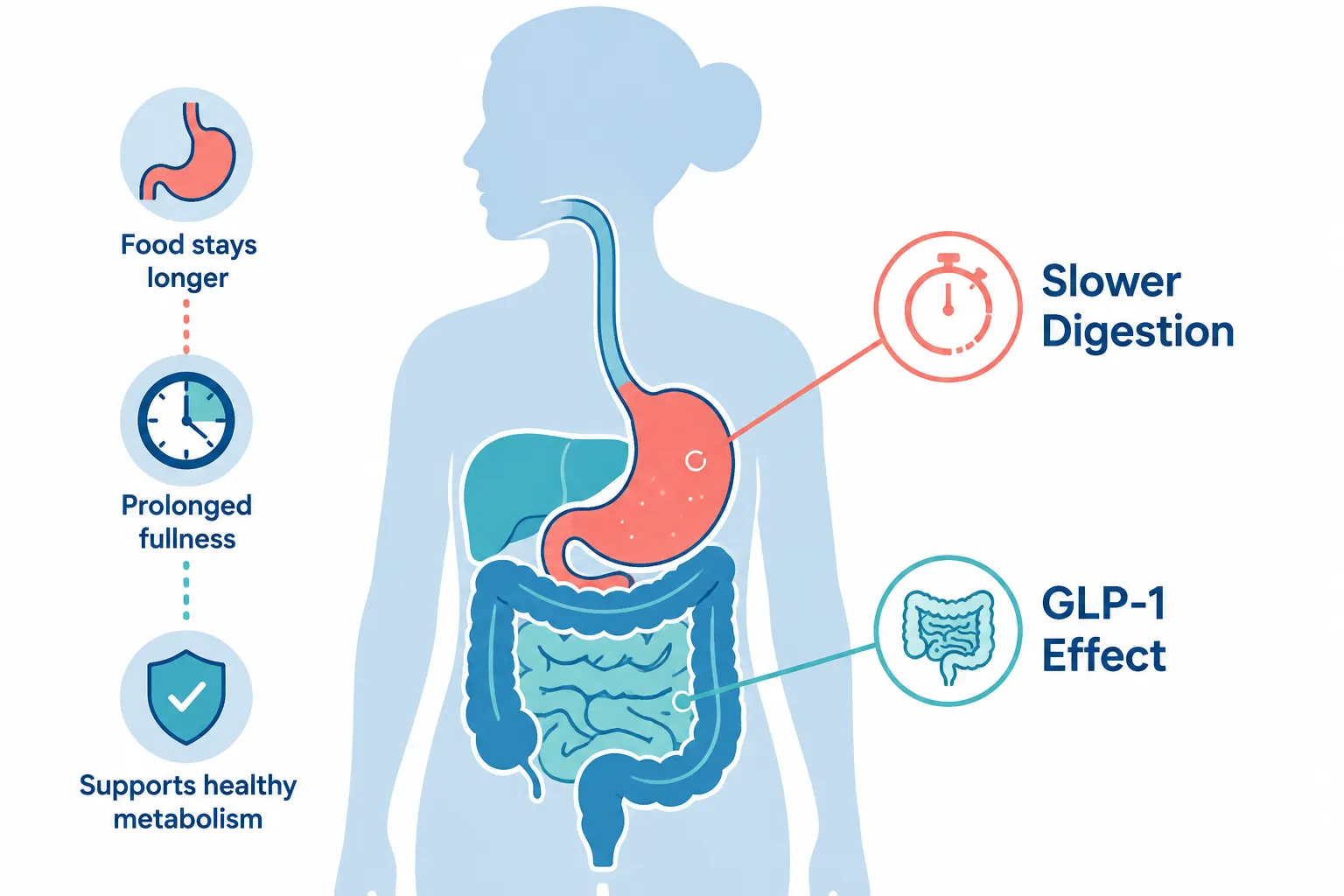
GLP-1 medications cause nausea primarily by slowing gastric emptying, the rate at which food moves from the stomach into the small intestine. When food sits in the stomach longer than usual, it creates a sensation of fullness, pressure, and queasiness that many people experience as nausea.
There is also a central nervous system component. GLP-1 receptors exist in the brain’s vomiting center (the area postrema), and activating these receptors can directly trigger nausea signals independent of what is happening in the stomach.
How long does it last?
For most people, nausea is worst during the first 4 to 8 weeks of treatment, particularly after each dose increase. According to clinical trial data published in The New England Journal of Medicine for semaglutide (the SUSTAIN and STEP trials), nausea was reported in roughly 20 to 44 percent of participants but was most commonly described as mild to moderate and transient. The majority of participants who experienced nausea saw it improve significantly once they reached a stable maintenance dose.
Typical nausea timeline:
- Week 1 to 2 after starting or increasing dose: Nausea is most intense
- Week 3 to 4: Symptoms usually begin to ease
- Week 6 to 8: Most people adapt and nausea becomes infrequent
- Beyond 8 weeks at a stable dose: Nausea is uncommon for most people
Common mistake: Assuming the nausea means the medication is not working or is harming you. In most cases, it is a normal physiological response to the drug’s mechanism and resolves with time and dietary adjustment.
Can You Eat Normally on GLP-1 Medications
You cannot eat exactly as you did before, and trying to do so is one of the most common reasons people experience severe nausea on GLP-1 drugs. The medications fundamentally change how your stomach processes food, so “normal” eating patterns need to be recalibrated.
That said, you do not need to follow a rigid medical diet indefinitely. Once your body adapts to the medication (usually within 6 to 12 weeks), most people can eat a reasonably varied diet, just in smaller portions and with some ongoing attention to food choices that trigger symptoms.
What changes permanently (or long-term):
- Portion sizes will be smaller because the drug suppresses appetite and slows gastric emptying
- High-fat meals will likely remain harder to tolerate than before
- Eating too quickly or too much in one sitting will cause discomfort more readily than it did before the medication
What returns to near-normal for most people:
- Food variety (most foods become tolerable again after adaptation)
- Social eating (restaurants, shared meals) with mindful portion control
- Occasional treats in small amounts
Should I Eat Smaller Meals on GLP-1 to Avoid Nausea
Yes, eating smaller meals is one of the single most effective strategies for managing GLP-1 nausea. Because gastric emptying is slowed, a full-sized meal creates prolonged stomach distension that amplifies nausea. Smaller meals reduce that pressure.
Practical approach:
- Aim for 4 to 6 small meals or snacks per day rather than 2 to 3 large ones
- Target portions roughly half to two-thirds of your previous meal size
- Stop eating before you feel full, GLP-1 medications delay the fullness signal, so you may not realize you have overeaten until nausea sets in 20 to 30 minutes later
- Eat slowly and chew thoroughly
- Avoid lying down for at least 30 minutes after eating
Common mistake: Skipping meals entirely to avoid nausea. An empty stomach can actually worsen nausea for some people, just as it does during pregnancy-related morning sickness. Small, regular meals keep stomach acid buffered and blood sugar stable.
High-Protein Foods That Do Not Make GLP-1 Nausea Worse
Protein intake is critical on GLP-1 medications because reduced calorie intake combined with rapid weight loss increases the risk of muscle loss. However, some high-protein foods are much easier to tolerate during nausea than others.
The key distinction: High-fat protein sources (fatty red meat, full-fat cheese, fried eggs) are harder to digest and tend to worsen nausea. Lean, soft protein sources are far better tolerated.
Best high-protein foods for GLP-1 nausea:
- Eggs (soft-boiled, scrambled, or poached, not fried): Easy to digest, versatile, roughly 6 grams of protein per egg
- Plain Greek yogurt (low-fat): 15 to 20 grams of protein per cup, smooth texture, easy on the stomach
- Cottage cheese (low-fat): Soft, mild, high in casein protein
- Canned tuna in water (not oil): Lean, easy to prepare, about 20 grams of protein per 3-ounce serving
- Baked or poached chicken breast (no skin): Lean, low-fat, easy to chew
- White fish (cod, tilapia, sole): Very low in fat, mild flavor, easy to digest
- Protein shakes (low-fat, unflavored or lightly flavored): Useful when solid food is unappealing; choose options with minimal artificial sweeteners, which can worsen bloating
Foods to avoid when nausea is active: Fatty ground beef, full-fat cheese, bacon, sausage, and protein bars with high sugar alcohols (which cause bloating).
For guidance on choosing the right GLP-1 medication program that fits your budget and health goals, see our review of affordable GLP-1 weight loss programs.
Ginger and Peppermint for GLP-1 Side Effects: Do They Work
Yes, both ginger and peppermint have meaningful evidence supporting their use for nausea relief, and both are generally safe to use alongside GLP-1 medications.
Ginger: A 2014 systematic review published in the British Journal of Anesthesia analyzed 12 randomized controlled trials and found that ginger supplementation significantly reduced postoperative nausea compared to placebo. The anti-nausea mechanism involves gingerols and shogaols, compounds that interact with serotonin receptors in the gut involved in triggering the vomiting reflex. While no large trials have tested ginger specifically for GLP-1-induced nausea, the mechanism is directly relevant because GLP-1 nausea involves similar gut-brain pathways.
Practical ways to use ginger:
- Fresh ginger steeped in hot water (ginger tea)
- Ginger chews or ginger candies (look for products with real ginger, not just flavoring)
- Ginger capsules (250 to 500 mg, taken before meals)
- Flat ginger ale made with real ginger (not most commercial brands, which use artificial flavoring)
Peppermint: Peppermint oil has evidence for reducing nausea, particularly postoperative nausea, with a 2016 study in the Journal of Perianesthesia Nursing finding that inhaled peppermint aromatherapy reduced nausea intensity. Peppermint tea is also a traditional remedy for stomach upset and is safe for most people.
Caution with peppermint: Peppermint can relax the lower esophageal sphincter, which may worsen acid reflux in people who are prone to it. If you have GERD alongside GLP-1 nausea, use peppermint cautiously.
Foods to Avoid When Taking GLP-1 Medications
Certain foods reliably worsen nausea and digestive discomfort on GLP-1 medications. Avoiding them, especially during dose escalation, makes a significant practical difference.
Foods most likely to trigger or worsen GLP-1 nausea:
- Fried and greasy foods: French fries, fried chicken, doughnuts. Fat dramatically slows gastric emptying further on top of what the medication already does.
- Spicy foods: Chili, hot sauce, heavily spiced dishes. These irritate the stomach lining and can trigger the vomiting reflex.
- High-sugar foods and drinks: Candy, pastries, sugary sodas. Rapid sugar absorption can cause blood sugar fluctuations that worsen nausea.
- Carbonated beverages: The gas causes stomach distension, which is already a problem with slowed gastric emptying.
- Alcohol: Alcohol irritates the stomach lining, can worsen nausea, and interacts poorly with the blood sugar effects of GLP-1 medications.
- Large portions of raw vegetables or high-fiber foods: Broccoli, cauliflower, beans, and lentils produce gas during digestion, which is uncomfortable when the stomach is already slow.
- Dairy products high in fat: Full-fat milk, cream, ice cream, and rich cheeses are difficult to digest and commonly reported as nausea triggers.
- Processed meats: Hot dogs, sausages, and deli meats are high in fat and sodium, both of which can worsen stomach discomfort.
Decision rule: If a food is high in fat, high in sugar, or produces gas, avoid it during the first 4 to 6 weeks of each dose increase. Reintroduce cautiously once nausea has settled.
Electrolyte Drinks and Broths for GLP-1 Nausea Relief
Staying hydrated is critical when nausea is present, because nausea reduces the desire to eat or drink, and vomiting (if it occurs) depletes fluids and electrolytes rapidly. Clear broths and electrolyte drinks are among the best GLP-1 nausea relief foods and fluids you can keep on hand.
Why electrolytes matter: Reduced food intake on GLP-1 medications can lower sodium, potassium, and magnesium levels, especially if nausea is causing you to eat very little. Low electrolytes can themselves worsen nausea, fatigue, and muscle cramps, creating a cycle that is worth breaking early.
Best options:
- Bone broth or clear chicken broth: Provides sodium, some potassium, and is easy to sip even when solid food is unappealing. Choose low-sodium versions if you are monitoring blood pressure.
- Oral rehydration solutions (ORS): Products like Pedialyte or similar pharmacy-brand ORS are formulated to replace electrolytes efficiently. They are not just for children, they work well for adults managing GLP-1-related nausea and reduced intake.
- Coconut water (plain, unsweetened): A natural source of potassium and electrolytes, generally well tolerated in small amounts.
- Diluted sports drinks: Full-strength sports drinks can be high in sugar, which may worsen nausea. Diluting them 50/50 with water gives you electrolytes with less sugar load.
- Water with a pinch of salt and a squeeze of lemon: A simple homemade option that provides sodium and is easy to sip throughout the day.
Sipping strategy: Drink fluids in small amounts continuously rather than large volumes at once. A large drink on a nauseous stomach can trigger vomiting. Aim for 4 to 6 ounces every 20 to 30 minutes rather than a full glass at once.
Bland Diet Foods for GLP-1 Side Effects
A bland diet is a short-term eating strategy that removes common digestive irritants. It is one of the most practical tools for managing GLP-1 side effects during dose increases.
Core principles of a bland diet for GLP-1 users:
- Foods should be low in fat, low in fiber, and mild in flavor
- Preparation methods should be simple: boiling, steaming, baking, or poaching (not frying or sautéing in heavy oil)
- Avoid seasonings beyond light salt
- Eat at room temperature or slightly warm, very hot or very cold foods can trigger nausea
Sample one-day bland diet for GLP-1 nausea:
- Breakfast: Plain oatmeal made with water, half a banana
- Mid-morning snack: A few saltine crackers, small cup of ginger tea
- Lunch: Small portion of plain white rice with 2 to 3 ounces of boiled chicken breast, clear broth on the side
- Afternoon snack: Low-fat plain yogurt (small serving)
- Dinner: Soft-boiled egg, plain mashed potato (no butter), steamed carrots
- Evening: Small cup of chamomile or ginger tea
This is not a long-term eating plan. It is a temporary framework to get through the worst of nausea while maintaining some nutritional intake. As symptoms improve, gradually add variety back into your diet.
Is Nausea From GLP-1 Permanent or Does It Go Away
For the vast majority of people, GLP-1 nausea is not permanent. It is most closely tied to dose escalation, the period when your dose is being increased to reach the therapeutic maintenance level.
Once you reach and stabilize at your maintenance dose, the body adapts to the medication’s effects on gastric emptying and the brain’s nausea centers. Most people find that nausea becomes rare or disappears entirely within 8 to 12 weeks of reaching their stable dose.
When nausea may persist longer:
- If doses are escalated too quickly (faster than the standard titration schedule)
- If dietary habits are not adjusted (continuing to eat large, fatty, or spicy meals)
- If there is an underlying gastrointestinal condition such as gastroparesis or GERD that the medication is exacerbating
Important: If nausea is severe, persistent beyond 12 weeks at a stable dose, or accompanied by significant vomiting, significant weight loss beyond what is expected, or inability to keep fluids down, contact your doctor. These are not typical GLP-1 side effects and warrant evaluation.
For those considering their options among different GLP-1 medications, our guide on which GLP-1 medication works best for weight loss compares the major options including their side effect profiles.
When Should I Call My Doctor About GLP-1 Nausea
Most GLP-1 nausea is manageable at home with dietary adjustments. However, certain symptoms indicate you need medical evaluation rather than just a change in what you eat.

Call your doctor if you experience:
- Vomiting that lasts more than 24 hours or prevents you from keeping any fluids down
- Signs of dehydration: dark urine, dizziness when standing, rapid heartbeat, or dry mouth that does not improve with sipping fluids
- Severe abdominal pain, particularly in the upper abdomen or radiating to the back (this could indicate pancreatitis, a rare but serious GLP-1 side effect)
- Nausea that has not improved at all after 8 weeks at a stable dose
- Unintentional weight loss beyond what your doctor has set as a target
- Blood in vomit or black, tarry stools
Pancreatitis warning: GLP-1 medications carry a rare risk of pancreatitis. Severe, persistent upper abdominal pain, with or without nausea, is a reason to seek urgent medical care, not just dietary adjustment.
Can You Take Anti-Nausea Medication With GLP-1 Drugs
Yes, most common over-the-counter anti-nausea medications are compatible with GLP-1 drugs, but you should always confirm with your prescribing doctor or pharmacist before adding any new medication.
Commonly used options:
- Vitamin B6 (pyridoxine): Often recommended as a first-line option because it is well-tolerated and has evidence for nausea relief (particularly from pregnancy nausea research). Typical doses used are 10 to 25 mg up to three times daily. No significant interactions with semaglutide or tirzepatide are known.
- Dimenhydrinate (Dramamine) or meclizine (Bonine): Antihistamine-based anti-nausea medications available over the counter. Generally safe with GLP-1 medications, but can cause drowsiness.
- Bismuth subsalicylate (Pepto-Bismol): Helps with stomach upset and mild nausea. Use cautiously if you take aspirin regularly (both contain salicylate).
- Ondansetron (Zofran): A prescription anti-nausea medication sometimes prescribed by doctors specifically for GLP-1-related nausea in cases where it is significantly affecting quality of life or nutrition.
Common mistake: Relying on anti-nausea medication instead of addressing dietary triggers. Medication can help bridge the gap during dose escalation, but dietary adjustments are more sustainable and address the root cause.
Does Grapefruit Juice Interact With GLP-1 Medications
Grapefruit juice does not have a clinically significant direct pharmacokinetic interaction with semaglutide (Ozempic, Wegovy) or tirzepatide (Mounjaro, Zepbound). These medications are not metabolized by the CYP3A4 enzyme pathway that grapefruit juice is known to affect.
However, grapefruit juice is worth avoiding for a different reason: it is acidic, high in natural sugars, and can be irritating to a sensitive stomach. For someone already managing GLP-1 nausea, drinking a large glass of grapefruit juice is likely to worsen stomach discomfort even if there is no formal drug interaction.
The broader concern with grapefruit: If you are taking other medications alongside your GLP-1 drug, such as certain statins, blood pressure medications, or immunosuppressants, grapefruit juice can significantly affect those drug levels through CYP3A4 inhibition. Check with your pharmacist about any other medications you take.
Bottom line: Grapefruit juice is not directly dangerous with GLP-1 medications, but it is not a good choice when you are managing nausea, and it may interact with other drugs in your regimen.
For those exploring compounded semaglutide options or trying to understand their full GLP-1 treatment plan, our compounded semaglutide reviews include real patient experiences with side effect management.
Key Takeaway
Managing nausea on GLP-1 medications is largely a dietary challenge, not a medical emergency for most people. The right foods, bland, low-fat, protein-rich, and easy to digest, combined with smaller meal sizes and adequate hydration can make the difference between stopping your medication early and successfully adapting to it. Ginger and peppermint offer practical, evidence-backed relief. Electrolyte drinks and clear broths keep you nourished when solid food is unappealing. And knowing when to call your doctor ensures that the rare serious complications do not get missed.
7 Best GLP-1 Providers Ranked: Accreditation, Flexibility & Support Compared (2026 Update)
32,000+ Patients Can't All Be Wrong: See the Top-Rated GLP-1 Providers: Compared on accreditation, plan flexibility, and patient support — updated for 2026.
BMI MD GLP-1 Microdosing Plan
- Specialized microdosing options (sublingual drops or low-dose injections)
- Ideal for maintaining weight or tapering off higher doses safely
- Fully bundled plan with no hidden monthly platform memberships
DirectMeds Weight Loss Solutions
- Sourced from accredited, state-licensed 503A compounding pharmacies
- No-frills high-volume savings passed directly to the patient
- Includes clinical consultation and cold-chain shipping updates
MEDVi Flat-Rate Telehealth
- Flat monthly rate holds steady even at maximum maintenance doses
- No dosage upcharges or graduation fee penalties
- Offers both injectable and advanced oral thin-film delivery options
Gala GLP-1 Care Program
- All-inclusive plan with no standalone membership costs
- Continuous text-based messaging access with state-licensed clinicians
- Temperature-controlled, cold-chain medication shipping included
Measured GLP-1 Metabolic Health
- Comprehensive metabolic health screening and expert intake analysis
- Predictable long-term budgeting with stable plan pricing
- High-end responsive dashboard with integrated diagnostic support
Refills GLP-1 (TryRefills Plan)
- Flat rate holds steady as titration scales up
- Includes clinical guides for active side-effect management
- Bundles in foundational nutritional strategies alongside medication
AltRx GLP-1 Transactional Reorders
- Zero recurring auto-billing — pay entirely on a transactional basis
- Rapid text-to-order format saves time for experienced patients
- Provides both injectable forms and fast-dissolving tablet variations
Conclusion
GLP-1 nausea is real, it is common, and it is manageable. The most important steps you can take are to eat smaller meals more frequently, choose bland and low-fat foods during dose escalation, prioritize lean protein to protect muscle mass, and stay hydrated with electrolyte-rich fluids and clear broths.
Actionable next steps:
- Stock your kitchen with GLP-1 nausea relief foods before your next dose increase: saltines, plain rice, bananas, low-fat Greek yogurt, ginger tea, and clear broth.
- Cut your meal sizes to roughly half of what you ate before starting the medication, and eat 4 to 6 times per day instead of 2 to 3 large meals.
- Eliminate fried foods, carbonated drinks, alcohol, and spicy foods during the first 4 to 6 weeks of each new dose.
- Add ginger tea or ginger chews before meals as a proactive nausea-reduction strategy.
- Keep an oral rehydration solution or electrolyte drink on hand for days when nausea is severe.
- If nausea is significantly affecting your quality of life or nutrition, talk to your doctor about whether a temporary dose reduction or a short course of anti-nausea medication is appropriate.
For those who want to understand the full cost and access picture for their GLP-1 treatment, our guide on how much semaglutide costs in 2026 and our overview of compounded versus brand semaglutide can help you make informed decisions about your treatment plan.
Frequently Asked Questions
Q: What is the single best food to eat when GLP-1 nausea is at its worst? Plain white rice or saltine crackers are the most universally tolerated options. They are low in fat, low in fiber, bland in flavor, and digest quickly, exactly what a slowed stomach needs during peak nausea.
Q: Can I drink coffee on GLP-1 medications? Coffee is acidic and can irritate the stomach lining, which often worsens nausea. During dose escalation, it is worth switching to ginger tea or chamomile tea temporarily. Once nausea settles, most people tolerate moderate coffee intake again.
Q: How much protein should I eat per day on a GLP-1 medication? Most nutrition guidelines for GLP-1 users recommend targeting 1.2 to 1.6 grams of protein per kilogram of body weight per day to minimize muscle loss during weight reduction. Spread this across your smaller, more frequent meals. If nausea makes hitting this target difficult, a low-fat protein shake can help fill the gap.
Q: Is it normal to lose my appetite completely on GLP-1 drugs? Yes, significant appetite suppression is a primary mechanism of these medications. However, completely skipping meals is not advisable. Eating small amounts regularly helps maintain muscle mass, prevents nutrient deficiencies, and actually helps manage nausea better than fasting.
Q: Can eating too little on GLP-1 medications cause problems? Yes. Eating too little can lead to muscle loss, nutritional deficiencies (particularly in protein, B vitamins, iron, and calcium), fatigue, and hair loss. If you are consistently eating fewer than 1,000 calories per day, speak with your doctor or a registered dietitian.
Q: Does the type of GLP-1 medication affect how much nausea I experience? Yes, to some degree. Tirzepatide (Mounjaro, Zepbound) acts on both GLP-1 and GIP receptors, and some clinical data suggest it may have a slightly different nausea profile than semaglutide alone. Individual responses vary considerably, and the same dietary strategies apply to both.
Q: How long after a dose increase should I expect nausea to peak? Nausea typically peaks within the first 3 to 7 days after a dose increase and then gradually improves over the following 2 to 4 weeks. Planning your dose increases around periods when you can manage your diet carefully (not during major travel or social events) is a practical strategy.
Q: Are there any foods that actively help the stomach empty faster on GLP-1? No food reliably reverses the gastric emptying slowdown caused by GLP-1 medications. However, low-fat, low-fiber foods empty faster than high-fat or high-fiber ones, so choosing those options reduces the duration of stomach distension and associated nausea.
Q: Can I use motion sickness bands (acupressure wristbands) for GLP-1 nausea? Acupressure wristbands (such as Sea-Bands) target the P6 acupressure point on the wrist and have modest evidence for reducing nausea in pregnancy and chemotherapy settings. They are safe, inexpensive, and worth trying as a complementary strategy alongside dietary changes.
Q: Is nausea worse with injections or oral GLP-1 medications? Oral semaglutide (Rybelsus) is associated with nausea in a significant proportion of users, often comparable to injectable forms. The timing of nausea may differ slightly because oral formulations are absorbed differently, but the dietary management strategies are the same.
References
- Davies M, et al. “Semaglutide 2.4 mg once a week in adults with overweight or obesity (STEP 1).” New England Journal of Medicine. 2021. https://www.nejm.org/doi/full/10.1056/NEJMoa2032183
- Marciniak CM, et al. “Ginger (Zingiber officinale) reduces acute chemotherapy-induced nausea.” British Journal of Anesthesia systematic review reference: Chaiyakunapruk N, et al. “The efficacy of ginger for the prevention of postoperative nausea and vomiting.” Anesthesia & Analgesia. 2006. https://pubmed.ncbi.nlm.nih.gov/16368920/
- Hunt R, et al. “Peppermint oil for nausea.” Journal of Perianesthesia Nursing. 2013. https://pubmed.ncbi.nlm.nih.gov/23452826/
- Wilding JPH, et al. “Once-weekly semaglutide in adults with overweight or obesity.” New England Journal of Medicine. 2021. https://www.nejm.org/doi/full/10.1056/NEJMoa2032183
- Jastreboff AM, et al. “Tirzepatide once weekly for the treatment of obesity.” New England Journal of Medicine. 2022. https://www.nejm.org/doi/full/10.1056/NEJMoa2206038
- American Diabetes Association. “Standards of Medical Care in Diabetes.” Diabetes Care. 2024. https://diabetesjournals.org/care/issue/47/Supplement_1
Tags: GLP-1 nausea relief, GLP-1 foods, Ozempic nausea, Wegovy side effects, semaglutide diet, bland diet GLP-1, ginger for nausea, GLP-1 meal plan, electrolytes GLP-1, tirzepatide nausea, GLP-1 protein foods, nausea relief foods

With over 13 years of experience in holistic health blogging, I aim to help you navigate your wellness journey with honest insights, expert-backed advice, and a sprinkle of real-world practicality.
Certified Wellness Writer | Herbal Nutrition Advocate | Wellness Research Enthusiast


