
GLP-1 Constipation Remedies: Foods, Fiber & Relief Tips (2026)
Last updated: July 26, 2026
Quick Answer: Constipation is one of the most common side effects of GLP-1 medications like semaglutide (Ozempic, Wegovy) and tirzepatide (Mounjaro). The most effective GLP-1 constipation remedies combine increased water intake, dietary fiber, gentle physical activity, and, when needed, osmotic laxatives like polyethylene glycol (MiraLax). Most cases resolve within the first 4 to 8 weeks as your body adjusts to the medication.
Key Takeaways
- Constipation affects an estimated 24% of people using GLP-1 receptor agonists, according to clinical trial data published in the New England Journal of Medicine (2021).
- GLP-1 drugs slow gastric emptying and reduce gut motility, which is the direct cause of constipation in most users.
- Drinking at least 8 to 10 cups of water daily is the single most accessible first-line remedy.
- Soluble fiber (psyllium husk, inulin) and insoluble fiber (whole grains, vegetables) both play a role in relief.
- Osmotic laxatives are generally safe to use alongside GLP-1 medications, but stimulant laxatives should be used sparingly.
- Magnesium citrate or magnesium oxide supplements can help soften stools and are considered safe for most GLP-1 users.
- Slowing your dose escalation schedule is a legitimate and often underused strategy for managing GI side effects.
- If constipation is severe, lasts more than 2 weeks without improvement, or is accompanied by abdominal pain or vomiting, contact your prescribing doctor.
- Prevention is easier than treatment: start fiber and hydration habits before or at the same time as your first dose.
- GLP-1 constipation differs from regular constipation in its cause, but most of the same remedies apply.
What Causes Constipation on GLP-1 Drugs
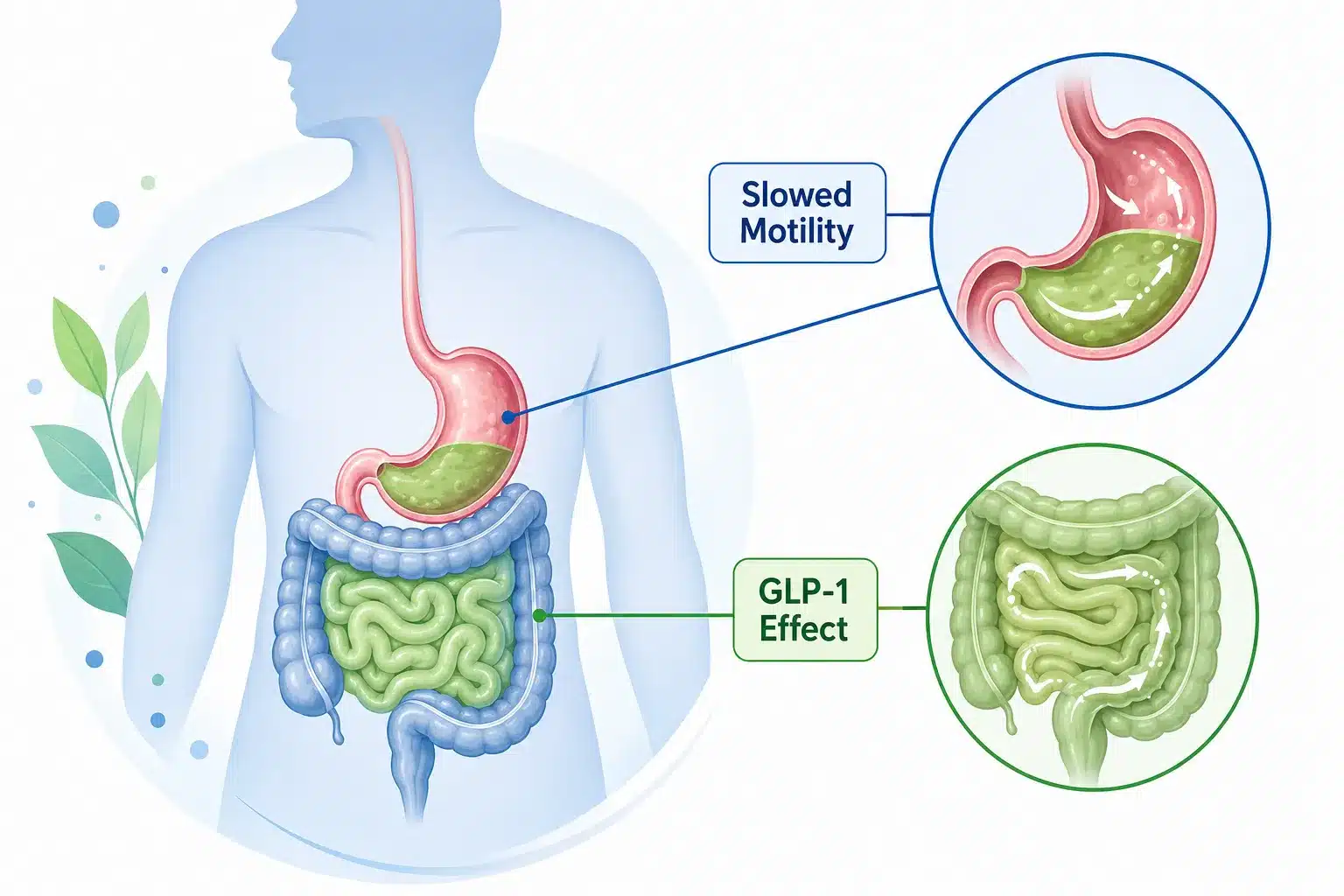
GLP-1 receptor agonists cause constipation primarily by slowing gastric emptying and reducing the speed at which food moves through the intestines (a process called gut motility). This is not a side effect of poor health, it is a direct result of how these drugs work.
7 Best GLP-1 Providers Ranked: Accreditation, Flexibility & Support Compared (2026 Update)
32,000+ Patients Can't All Be Wrong: See the Top-Rated GLP-1 Providers. We compared the leading online GLP-1 providers based on program features, clinical support, convenience, and overall value.
BMI MD GLP-1 Microdosing Plan
- Specialized microdosing options, including sublingual drops and low-dose injections
- Designed for people interested in maintaining weight or gradually adjusting treatment
- Bundled program structure without a separate monthly platform membership
- Online access makes the process convenient from home

DirectMeds Weight Loss Solutions
- Online weight-loss program with a straightforward patient experience
- Compounded medication options through state-licensed compounding pharmacies
- Includes clinical consultation as part of the process
- Provides shipping updates to help patients track their orders
MEDVi Flat-Rate Telehealth
- Flat-rate telehealth approach designed for easier budgeting
- No dosage-based pricing increases within the advertised program structure
- Offers injectable and oral thin-film delivery options
- Includes medical screening and asynchronous provider consultations
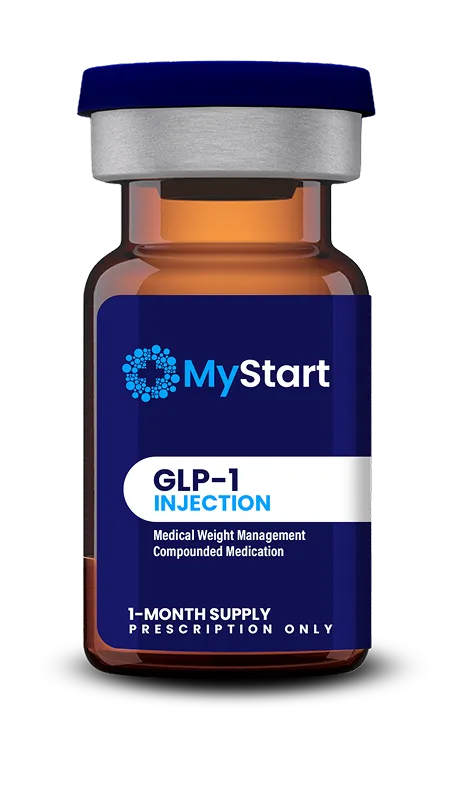
Gala GLP-1 Care Program
- Text-based access to state-licensed clinicians
- Cold-chain medication shipping included in the program
- Month-to-month program structure
- Designed for people who value convenient ongoing support
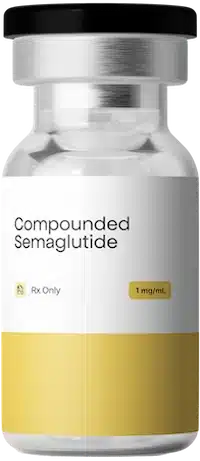
Measured GLP-1 Metabolic Health
- Comprehensive metabolic health screening and intake analysis
- Designed around longer-term metabolic health management
- Responsive dashboard with integrated health tracking tools
- Useful option for patients who value a more data-focused experience
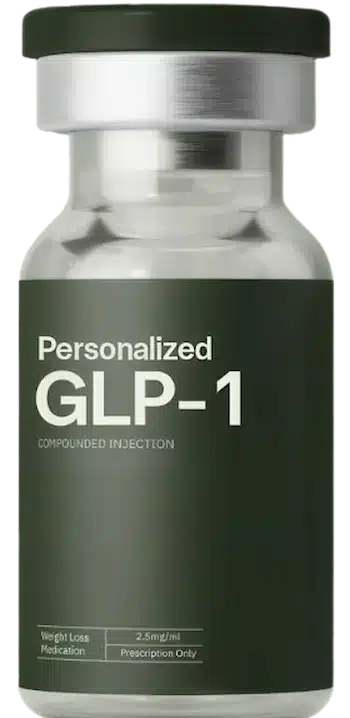
Refills GLP-1 (TryRefills Plan)
- Clinical guidance designed to help patients manage common treatment concerns
- Includes foundational nutritional strategies alongside medication
- Designed around predictable ongoing treatment
- No hidden startup or processing fees according to the program information provided
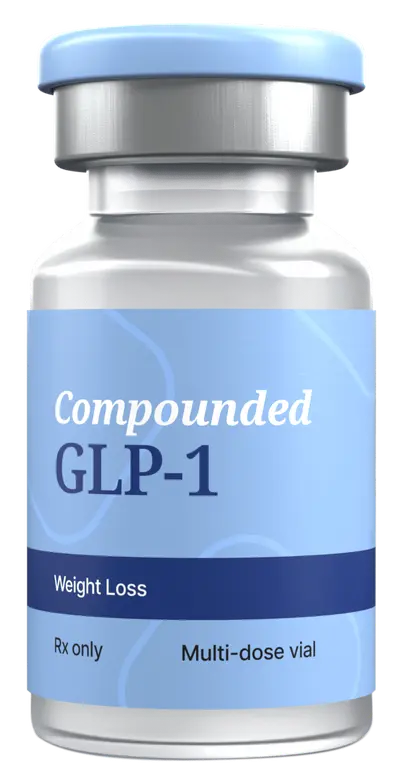
AltRx GLP-1 Transactional Reorders
- Transactional reorder model without recurring auto-billing
- Designed for patients who already understand their treatment routine
- Fast text-to-order process for convenient reorders
- Offers injectable and fast-dissolving tablet variations
Here is what happens mechanically:
- Gastric emptying slows significantly. GLP-1 receptors are found throughout the gastrointestinal tract. When activated by drugs like semaglutide or tirzepatide, they delay the movement of food from the stomach into the small intestine.
- Intestinal transit time increases. Food and waste spend more time in the colon, where the body absorbs more water from stool, making it harder and more difficult to pass.
- Reduced caloric intake compounds the problem. Because GLP-1 drugs suppress appetite, many users eat less food overall. Less bulk in the digestive system means less stimulation for bowel movements.
- Dehydration risk increases. Nausea (another common GLP-1 side effect) can reduce fluid intake, further hardening stool.
According to a 2021 clinical trial published in the New England Journal of Medicine evaluating semaglutide (the STEP 1 trial), constipation was reported in approximately 24% of participants on the active drug versus 11% on placebo. This confirms that the drug itself, not just lifestyle changes, is a meaningful contributor.
For a broader overview of how these medications work, see our guide to GLP-1 medications for weight loss and diabetes.
Is Constipation Normal on Ozempic or Wegovy
Yes, constipation is a well-documented and expected side effect of both Ozempic and Wegovy, which both contain semaglutide. It is also common with tirzepatide (Mounjaro). You are not experiencing an unusual reaction.
Both Ozempic and Wegovy list constipation as a common adverse event in their FDA prescribing information. The same mechanism applies to all GLP-1 drugs: slowed gut motility leads to harder, less frequent stools. The severity varies between individuals based on baseline diet, hydration habits, activity level, and the dose being taken.
When it tends to be worst:
- During the first 4 to 8 weeks of starting the medication
- After each dose increase (escalation)
- When caloric intake drops sharply
Who tends to experience it more severely:
- People who already had low fiber intake before starting the medication
- People who are sedentary
- People who do not drink enough fluids
If you are comparing compounded versus brand-name semaglutide options, our compounded vs. brand semaglutide breakdown covers what to expect from each formulation.
How Long Does GLP-1 Constipation Last
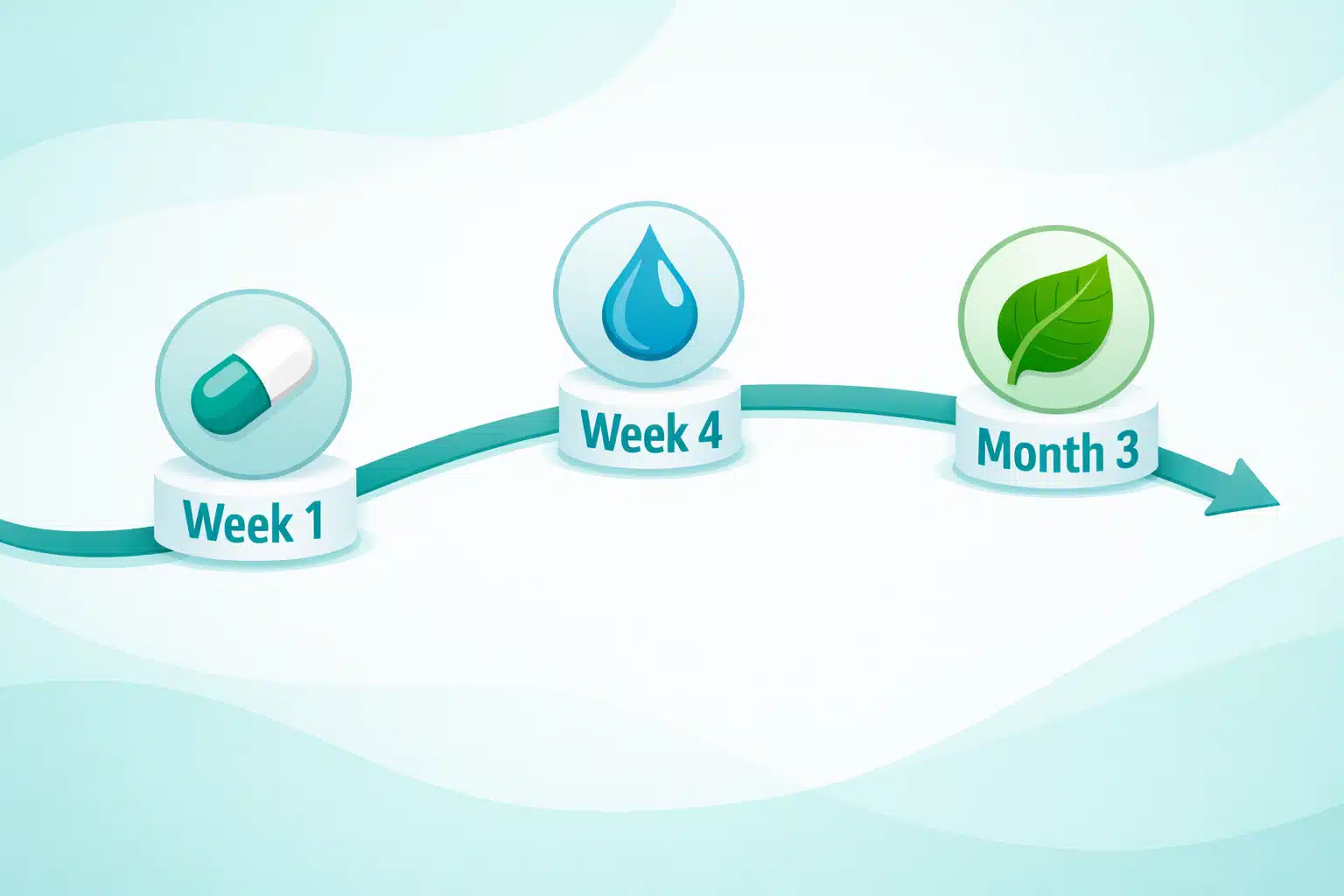
For most people, GLP-1-induced constipation is worst in the first 4 to 8 weeks and improves significantly after that. It does not necessarily disappear entirely, but it becomes more manageable as the body adapts.
General timeline:
| Phase | Typical Experience |
|---|---|
| Weeks 1 to 4 | Most intense symptoms; gut is adjusting to slowed motility |
| Weeks 4 to 8 | Gradual improvement for most users |
| After 2 months | Symptoms often stabilize; ongoing management needed |
| After dose increase | Temporary return or worsening of symptoms |
If constipation does not improve after 2 to 3 weeks of consistent remedies, or if it worsens at any point, that is a signal to speak with your prescriber. Persistent constipation can occasionally indicate a more serious issue such as bowel obstruction, which is a rare but documented risk with GLP-1 drugs.
Edge case: Some users experience ongoing constipation throughout their entire time on the medication. In these cases, a long-term management plan (fiber, hydration, and possibly a daily osmotic laxative) is appropriate and safe.
GLP-1 Constipation vs. Regular Constipation: Key Differences
GLP-1 constipation and regular constipation share the same symptoms, infrequent bowel movements, hard stools, straining, but they have different root causes. Understanding the difference helps you choose the right remedy.
Regular constipation is typically caused by:
- Low fiber diet
- Dehydration
- Sedentary lifestyle
- Stress or travel
- Certain medications (iron supplements, opioids, antacids)
GLP-1 constipation is caused by:
- Pharmacological slowing of gut motility (the drug’s direct mechanism)
- Reduced food volume (appetite suppression)
- Possible dehydration from nausea-related fluid avoidance
What this means practically: Standard lifestyle fixes (fiber, water, movement) still work for GLP-1 constipation, but they may not be enough on their own because the underlying cause, slowed gut motility, continues as long as you are on the medication. You may need to maintain these habits consistently rather than treating constipation as a one-time problem to solve.

Best GLP-1 Constipation Remedies That Actually Work
The most effective GLP-1 constipation remedies address both the symptom (hard, infrequent stools) and the underlying driver (slowed gut transit). A layered approach works better than any single fix.
Hydration First
Drinking enough water is the most accessible and most underused remedy. When stool moves slowly through the colon, more water is absorbed from it. Replacing that water by drinking more fluids keeps stool softer.
Target: At least 8 to 10 cups (64 to 80 oz) of water per day. More if you are active or in a warm climate.
Practical tips:
- Start each morning with a full glass of water before coffee
- Add electrolytes (sodium, potassium) if you are also experiencing nausea or sweating
- Herbal teas (especially senna-free varieties) count toward fluid intake
- Avoid excess caffeine and alcohol, which are mildly dehydrating
Dietary Fiber
Fiber adds bulk to stool and draws water into the colon, both of which help move things along. There are two types, and both matter:
- Soluble fiber (oats, psyllium husk, flaxseed, legumes): dissolves in water to form a gel, softening stool
- Insoluble fiber (whole grains, vegetables, wheat bran): adds bulk and speeds transit
Target: 25 to 38 grams of fiber per day (per USDA Dietary Guidelines). Most adults in the U.S. consume only 10 to 15 grams daily.
Common mistake: Adding too much fiber too quickly causes bloating and gas. Increase fiber gradually over 1 to 2 weeks.
Physical Activity
Movement stimulates the muscles of the digestive tract. Even a 20 to 30 minute walk after meals can meaningfully improve gut transit time. You do not need intense exercise, consistency matters more than intensity.
Osmotic Laxatives
Polyethylene glycol (MiraLax) is the most commonly recommended over-the-counter option for GLP-1 users. It works by drawing water into the colon without causing dependency or urgency. It is gentle, effective, and safe for regular use.
Other osmotic options:
- Lactulose (prescription or OTC depending on country)
- Magnesium hydroxide (Milk of Magnesia) for occasional use
Stool Softeners
Docusate sodium (Colace) softens stool by increasing water absorption into it. It is mild and appropriate for people who find straining uncomfortable or painful.
Does Fiber Help With GLP-1 Constipation
Yes, fiber is one of the most evidence-supported GLP-1 constipation remedies, and it should be a cornerstone of your management plan. Both soluble and insoluble fiber improve stool consistency and frequency.
Best fiber sources for GLP-1 users:
- Psyllium husk (Metamucil): 1 to 2 teaspoons in water daily, easy to add to routine
- Ground flaxseed: 1 to 2 tablespoons per day, can be added to yogurt or smoothies
- Chia seeds: high in both soluble and insoluble fiber
- Oats: excellent source of beta-glucan (soluble fiber)
- Cooked vegetables: broccoli, carrots, sweet potato
- Legumes: lentils, black beans, chickpeas
Choose fiber if: You want a natural, food-based approach that also supports satiety and blood sugar control, both relevant goals for GLP-1 users.
Avoid fiber if: You have a known bowel obstruction or are experiencing severe abdominal pain, in those cases, contact your doctor before adding fiber.
Does Drinking More Water Help GLP-1 Constipation
Yes, and it is often the fastest, lowest-risk remedy to try first. Dehydration is a direct contributor to hard stools, and GLP-1 users face a higher dehydration risk because nausea can suppress the desire to drink.
Drinking more water will not reverse the pharmacological slowing of gut motility, but it keeps stool softer and easier to pass even when transit is slow. Think of it as reducing the severity of the problem rather than eliminating the cause.
Practical hydration checklist for GLP-1 users:
- Drink a full glass of water first thing in the morning
- Keep a water bottle visible throughout the day
- Add a small pinch of salt or an electrolyte packet if plain water feels unappealing
- Eat water-rich foods: cucumber, watermelon, celery, broth-based soups
- Avoid relying on coffee or soda as primary fluid sources
Can You Take Laxatives While on GLP-1
Yes, most laxatives are safe to use alongside GLP-1 medications, but the type matters. Osmotic laxatives are the preferred choice; stimulant laxatives should be used sparingly.
Laxative types and their suitability for GLP-1 users:
| Laxative Type | Examples | Suitable for GLP-1 Users? |
|---|---|---|
| Osmotic | MiraLax, Milk of Magnesia | Yes, first-line choice |
| Stool softener | Colace (docusate) | Yes, gentle, safe for regular use |
| Bulk-forming | Metamucil, Citrucel | Yes, also adds fiber benefit |
| Stimulant | Dulcolax, Senna | Occasional use only; avoid daily use |
| Lubricant | Mineral oil | Generally safe; short-term use |
Important note: Stimulant laxatives (bisacodyl, senna) work by forcing the colon to contract. Used too frequently, they can cause dependency and worsen motility problems over time, which is the opposite of what GLP-1 users need. Reserve them for breakthrough constipation rather than daily management.
Always tell your prescribing doctor or pharmacist what laxatives you are using, especially if you are taking other medications that affect absorption.
Magnesium for GLP-1 Constipation: Safe or Not
Magnesium is generally safe and effective for GLP-1-induced constipation when used at appropriate doses. It works by drawing water into the intestines, softening stool and stimulating bowel movements.
The two most relevant forms:
- Magnesium citrate: Highly bioavailable, effective for constipation relief, available OTC. A typical dose is 200 to 400 mg at bedtime.
- Magnesium oxide: Less bioavailable but very effective as an osmotic laxative at doses of 250 to 500 mg.
Magnesium glycinate is popular as a supplement for sleep and anxiety, but it has less of a laxative effect because it is absorbed more efficiently, so it is less useful specifically for constipation.
Who should be cautious:
- People with kidney disease (magnesium is cleared by the kidneys; excess can accumulate)
- People taking certain antibiotics or medications that interact with magnesium
- Anyone already taking a magnesium-containing antacid (double-dosing risk)
For most healthy adults on a GLP-1 drug, magnesium citrate at 200 to 400 mg per night is a reasonable, low-risk addition to a constipation management plan. Discuss it with your doctor if you have any underlying health conditions.

GLP-1 Constipation Remedies Without Medication
Several non-pharmacological approaches are effective and should be tried before or alongside any supplement or laxative. These remedies work by supporting the body’s natural digestive function.
Non-medication remedies that work:
- Morning movement: A 20 to 30 minute walk after breakfast activates the gastrocolic reflex, which stimulates bowel contractions.
- Squatting posture: Using a footstool (like a Squatty Potty) to raise your feet while on the toilet places the colon in a more natural position for elimination.
- Abdominal massage: Gentle clockwise massage of the abdomen (following the direction of the colon) for 5 to 10 minutes can stimulate movement.
- Warm liquids in the morning: A cup of warm water with lemon, or warm herbal tea, can stimulate bowel activity.
- Consistent meal timing: Eating at regular times helps regulate the gastrocolic reflex.
- Probiotic-rich foods: Yogurt, kefir, sauerkraut, and kimchi support gut microbiome health, which plays a role in bowel regularity.
- Reducing ultra-processed foods: Processed foods are low in fiber and can worsen stool consistency.
Choose this approach if: You prefer to avoid supplements or medications, or if your constipation is mild and you are in the early weeks of GLP-1 treatment.
Does Slowing Down Your GLP-1 Dose Help With Constipation
Yes, slowing your dose escalation is one of the most effective and underused strategies for managing GLP-1 side effects, including constipation. Most GLP-1 protocols involve gradual dose increases (for example, semaglutide typically starts at 0.25 mg weekly and escalates over months), but the standard schedule is not always the right schedule for every person.
If constipation worsens significantly after a dose increase, it is entirely reasonable to:
- Stay at the current dose for an additional 4 weeks before escalating
- Discuss with your prescriber whether a slower escalation schedule is appropriate
- In some cases, temporarily reduce the dose to the previous level
This approach is supported by clinical practice guidelines and is commonly recommended by endocrinologists and obesity medicine specialists. The goal is to reach the most effective dose you can tolerate, not to escalate as fast as possible.
Common mistake: Patients often feel pressure to follow the “standard” escalation schedule exactly. In reality, prescribers have flexibility, and tolerability is a legitimate reason to adjust the pace. If your current provider is not open to this conversation, it may be worth seeking a second opinion or exploring a best GLP-1 weight loss program that includes closer clinical support.
For more detail on dosing, see our semaglutide injections dosage guide.
How to Prevent Constipation When Starting GLP-1
Prevention is significantly easier than treating constipation once it sets in. Starting the right habits before or at the same time as your first dose gives your digestive system the best chance of adapting smoothly.
Pre-start checklist:
- Gradually increase dietary fiber to 25 to 38 grams per day in the 1 to 2 weeks before starting
- Establish a daily hydration routine (8 to 10 cups of water)
- Begin a daily walking habit of at least 20 to 30 minutes
- Consider starting a daily psyllium husk supplement (1 teaspoon in water) from day one
- Discuss magnesium supplementation with your doctor if you have a history of constipation
- Reduce reliance on low-fiber, processed foods before your first injection
Once you start the medication:
- Do not drastically cut calories in the first week, the appetite suppression will do that naturally
- Keep meal timing consistent
- Monitor bowel frequency and note any changes after dose increases
- Have MiraLax or a stool softener on hand before you need it
If you are exploring the cost of GLP-1 medications and want to understand what programs include ongoing support, our cost of GLP-1 without insurance guide and GLP-1 without insurance options are useful starting points.
When Should I Call My Doctor About GLP-1 Constipation
Most GLP-1 constipation is mild and manageable at home, but certain symptoms require prompt medical attention. Do not wait if you experience any of the following.
Call your doctor if:
- Constipation has not improved after 2 weeks of consistent home remedies
- You have not had a bowel movement in more than 5 days
- You experience severe abdominal pain or cramping
- You notice bloating that is worsening rather than improving
- There is blood in your stool
- You are vomiting and cannot keep fluids down
- You feel a hard mass in your abdomen
Why this matters: GLP-1 drugs have been associated with rare cases of ileus (intestinal obstruction) and gastroparesis (severe gastric emptying delay). These are uncommon, but they are serious and require medical evaluation. The FDA prescribing information for semaglutide and tirzepatide both include warnings about these risks.
If you are unsure whether your symptoms are serious, err on the side of calling. A brief phone consultation with your prescriber is always better than waiting.
Key Takeaway
GLP-1 constipation is a predictable, manageable side effect. The most effective approach combines adequate hydration (8 to 10 cups of water daily), gradual fiber increase (targeting 25 to 38 grams per day), regular physical activity, and, when needed, an osmotic laxative like MiraLax or magnesium citrate. Starting these habits before or alongside your first dose dramatically reduces the likelihood of severe symptoms. If constipation persists beyond 2 weeks or is accompanied by pain, vomiting, or blood in the stool, contact your prescribing doctor promptly.
7 Best GLP-1 Providers Ranked: Accreditation, Flexibility & Support Compared (2026 Update)
32,000+ Patients Can't All Be Wrong: See the Top-Rated GLP-1 Providers: Compared on accreditation, plan flexibility, and patient support — updated for 2026.
BMI MD GLP-1 Microdosing Plan
- Specialized microdosing options (sublingual drops or low-dose injections)
- Ideal for maintaining weight or tapering off higher doses safely
- Fully bundled plan with no hidden monthly platform memberships
DirectMeds Weight Loss Solutions
- Sourced from accredited, state-licensed 503A compounding pharmacies
- No-frills high-volume savings passed directly to the patient
- Includes clinical consultation and cold-chain shipping updates
MEDVi Flat-Rate Telehealth
- Flat monthly rate holds steady even at maximum maintenance doses
- No dosage upcharges or graduation fee penalties
- Offers both injectable and advanced oral thin-film delivery options
Gala GLP-1 Care Program
- All-inclusive plan with no standalone membership costs
- Continuous text-based messaging access with state-licensed clinicians
- Temperature-controlled, cold-chain medication shipping included
Measured GLP-1 Metabolic Health
- Comprehensive metabolic health screening and expert intake analysis
- Predictable long-term budgeting with stable plan pricing
- High-end responsive dashboard with integrated diagnostic support
Refills GLP-1 (TryRefills Plan)
- Flat rate holds steady as titration scales up
- Includes clinical guides for active side-effect management
- Bundles in foundational nutritional strategies alongside medication
AltRx GLP-1 Transactional Reorders
- Zero recurring auto-billing — pay entirely on a transactional basis
- Rapid text-to-order format saves time for experienced patients
- Provides both injectable forms and fast-dissolving tablet variations
Conclusion
GLP-1 constipation remedies are not complicated, but they do require consistency. The drug slows your gut down as part of how it works, that is not going to change while you are on the medication. What you can change is how well-prepared your digestive system is to handle that slowdown.
Actionable next steps:
- Start drinking at least 8 to 10 cups of water daily, starting today.
- Add a psyllium husk supplement (1 teaspoon in water) each morning.
- Take a 20 to 30 minute walk after at least one meal per day.
- If symptoms are already present, try MiraLax (polyethylene glycol) at the standard OTC dose for 3 to 5 days.
- Discuss magnesium citrate (200 to 400 mg at bedtime) with your doctor if hydration and fiber alone are not enough.
- If you are struggling after a dose increase, ask your prescriber about extending your current dose period before escalating.
- Know the warning signs (severe pain, no bowel movement for 5 or more days, blood in stool) and act on them promptly.
Managing constipation well keeps you on track with your GLP-1 treatment and protects your overall digestive health. For more on what to expect from these medications, explore our weight loss results with Mounjaro and our overview of the least expensive GLP-1 options for weight loss.
Frequently Asked Questions
Q: How quickly do GLP-1 constipation remedies start working? A: Hydration improvements can help within 24 to 48 hours. Fiber supplements typically take 3 to 5 days to show a noticeable effect. Osmotic laxatives like MiraLax usually work within 1 to 3 days of consistent use.
Q: Can I take MiraLax every day while on semaglutide or tirzepatide? A: Yes, MiraLax (polyethylene glycol) is considered safe for daily use and does not cause dependency. It is one of the most commonly recommended options for ongoing GLP-1-related constipation management.
Q: Is it safe to take fiber supplements and magnesium at the same time? A: Generally yes, but take them at different times of day. Fiber supplements can interfere with the absorption of some minerals if taken simultaneously. A common approach is psyllium husk in the morning and magnesium citrate at bedtime.
Q: Will constipation go away on its own without treatment? A: For some people, yes, symptoms improve as the body adapts over 4 to 8 weeks. However, proactive management with hydration and fiber makes the adjustment period significantly more comfortable and reduces the risk of complications.
Q: Does the type of GLP-1 drug affect how bad constipation is? A: There is some variation. Tirzepatide (Mounjaro) acts on both GLP-1 and GIP receptors, and its GI side effect profile is slightly different from semaglutide alone, though constipation is reported with both. Individual response varies more than drug-to-drug differences.
Q: Can I use suppositories or enemas for GLP-1 constipation? A: These are acceptable for short-term, acute relief but are not appropriate for ongoing management. If you need them frequently, that is a signal to revisit your oral management plan with your doctor.
Q: Does eating less food make GLP-1 constipation worse? A: Yes. Lower food volume means less bulk in the digestive tract, which reduces the mechanical stimulus for bowel movements. This is one reason why maintaining adequate fiber intake is especially important for GLP-1 users who are eating significantly less.
Q: Is it safe to use senna (stimulant laxative) occasionally? A: Occasional use (once every few days or less) is generally safe. Avoid using senna daily for more than a week without medical guidance, as it can cause electrolyte imbalances and reduce the colon’s natural motility over time.
Q: Can probiotics help with GLP-1 constipation? A: Probiotics may support gut microbiome health and general digestive regularity, but the evidence specifically for GLP-1-induced constipation is limited. They are a reasonable addition to a broader management plan but should not be the only remedy.
Q: What foods should I avoid to prevent making GLP-1 constipation worse? A: Avoid or minimize: processed foods low in fiber, excess dairy (especially cheese), red meat in large quantities, fried foods, alcohol, and excessive caffeine. These foods either slow motility further or reduce overall fiber intake.
Q: Should I tell my doctor before starting any laxative or supplement? A: It is always a good idea, especially if you have kidney disease, take multiple medications, or have any chronic GI conditions. For otherwise healthy adults, OTC osmotic laxatives and fiber supplements are low-risk, but your prescriber should know what you are taking.
Q: Is GLP-1 constipation a sign the medication is not working? A: No. Constipation is a sign the medication is working as intended, it is slowing gastric emptying and reducing gut motility, which are part of its mechanism. Managing the side effect does not reduce the drug’s effectiveness.
References
- Wilding JPH, et al. “Once-Weekly Semaglutide in Adults with Overweight or Obesity.” New England Journal of Medicine. 2021. https://www.nejm.org/doi/full/10.1056/NEJMoa2032183
- U.S. Food and Drug Administration. Ozempic (semaglutide) Prescribing Information. 2023. https://www.accessdata.fda.gov/drugsatfda_docs/label/2023/209637s012lbl.pdf
- U.S. Food and Drug Administration. Wegovy (semaglutide) Prescribing Information. 2023. https://www.accessdata.fda.gov/drugsatfda_docs/label/2023/215256s007lbl.pdf
- Jansen LT, et al. “Gastrointestinal effects of GLP-1 receptor agonists.” Obesity Reviews. 2022.
- American Gastroenterological Association. Clinical Practice Update on the Management of Constipation. 2022. https://www.gastro.org
- USDA Dietary Guidelines for Americans 2020-2025. https://www.dietaryguidelines.gov
Tags: GLP-1 constipation remedies, semaglutide side effects, Ozempic constipation, Wegovy digestive issues, GLP-1 fiber supplements, magnesium for constipation, osmotic laxatives GLP-1, gut motility GLP-1, tirzepatide constipation, GLP-1 weight loss side effects, constipation relief, GLP-1 hydration

With over 13 years of experience in holistic health blogging, I aim to help you navigate your wellness journey with honest insights, expert-backed advice, and a sprinkle of real-world practicality.
Certified Wellness Writer | Herbal Nutrition Advocate | Wellness Research Enthusiast


