
GLP-1 Foods to Avoid: What to Limit for Better Results (2026)
Last updated: July 26, 2026
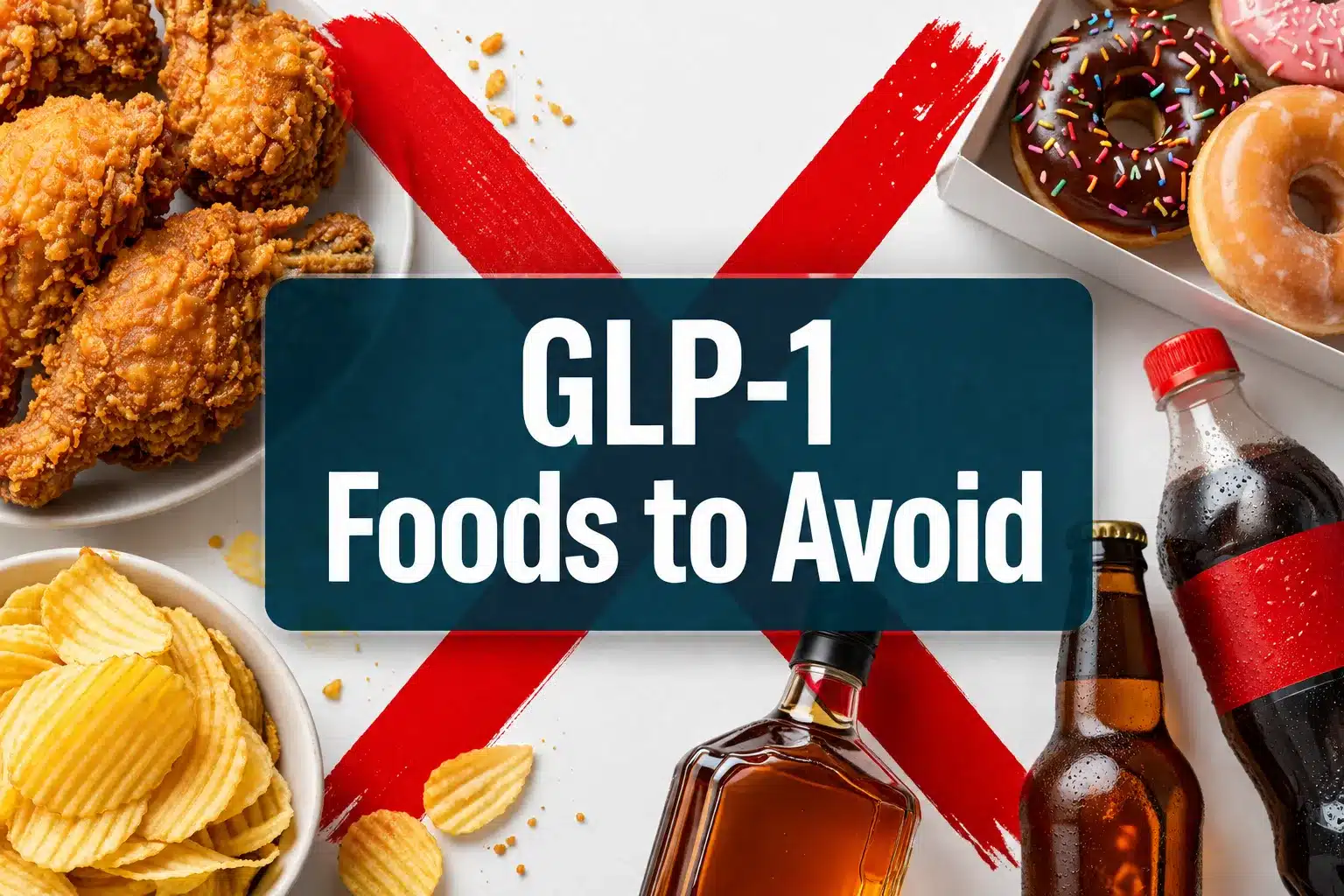
Quick Answer: On GLP-1 medications like Ozempic, Wegovy, and Zepbound, the foods most likely to cause nausea, vomiting, and digestive distress are high-fat fried foods, ultra-processed snacks, sugary drinks, alcohol, and very high-fiber foods eaten in large quantities. Because GLP-1 drugs slow gastric emptying, foods that are already hard to digest become significantly harder to tolerate. Avoiding these foods reduces side effects and helps you lose weight faster.
Key Takeaways
- GLP-1 medications slow gastric emptying, which means fatty, greasy, and heavily processed foods sit in your stomach longer and cause more nausea.
- Fried foods, fast food, full-fat dairy, and creamy sauces are among the most commonly reported triggers for GLP-1-related nausea and vomiting.
- Alcohol interacts dangerously with GLP-1 drugs by amplifying hypoglycemia risk and worsening dehydration, especially at higher doses.
- Very high-fiber foods eaten in large amounts can cause bloating, cramping, and dumping-like symptoms because digestion is already slowed.
- Sugar-free foods containing sugar alcohols (sorbitol, maltitol) frequently cause gas and diarrhea in GLP-1 users.
- Food sensitivities vary significantly by person and by dose, what one patient tolerates easily may cause severe nausea in another.
- Most food restrictions are most critical during the first 8-16 weeks of treatment when doses are being titrated upward.
- The goal is not to avoid all enjoyable food forever, it is to build a sustainable eating pattern that works with, not against, the medication.
- Lean proteins, cooked vegetables, low-fat dairy, and whole grains are the most reliably well-tolerated foods on GLP-1 therapy.
- Always consult your prescribing clinician before making major dietary changes on GLP-1 medications.
What Are GLP-1 Medications and Why Does Food Matter So Much
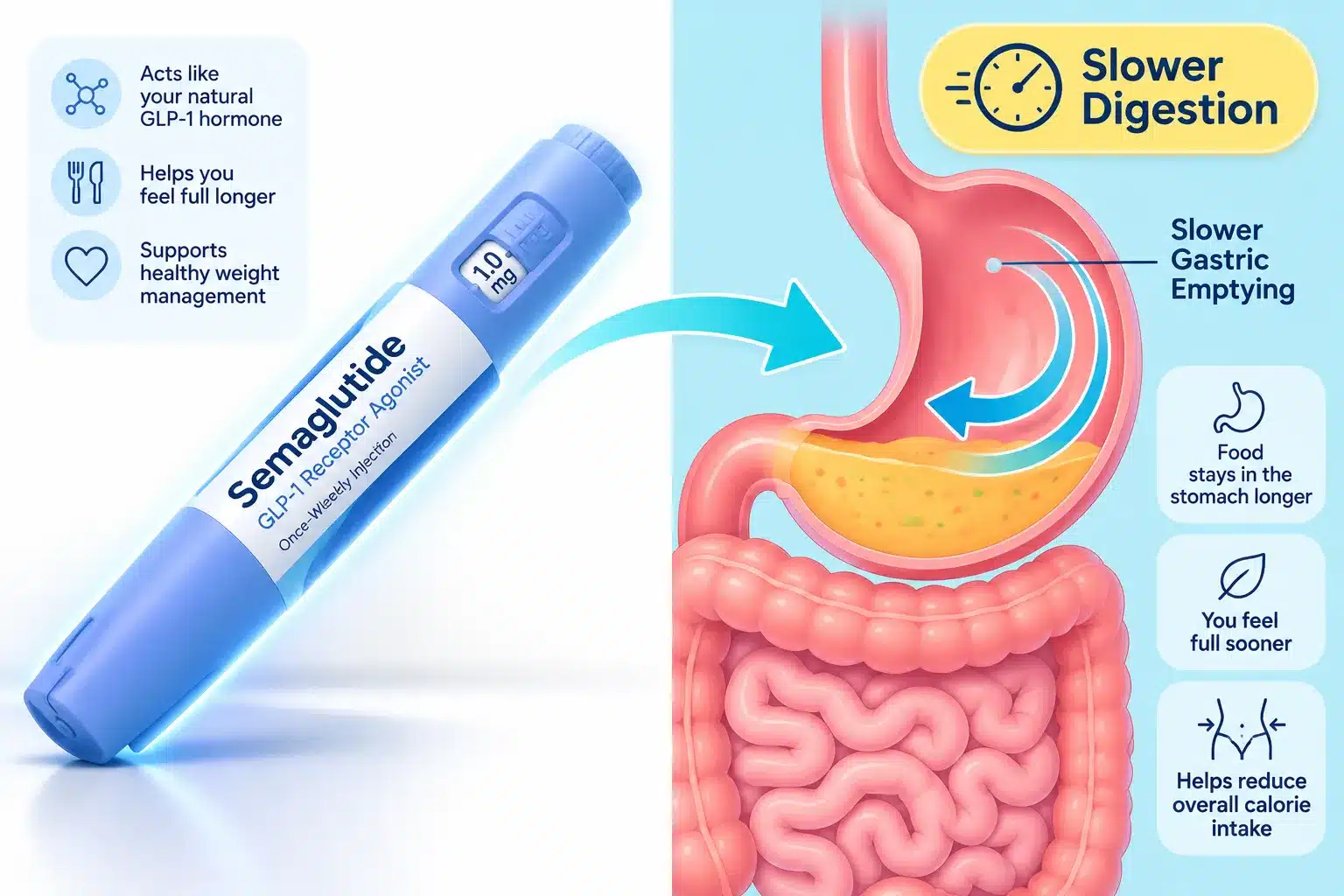
GLP-1 receptor agonists, including semaglutide (Ozempic, Wegovy) and tirzepatide (Mounjaro, Zepbound), work by mimicking a gut hormone that slows gastric emptying, reduces appetite, and regulates blood sugar. Because these drugs fundamentally change how quickly your stomach empties, the foods you eat have a much larger effect on how you feel than they would without the medication.
7 Best GLP-1 Providers Ranked: Accreditation, Flexibility & Support Compared (2026 Update)
32,000+ Patients Can't All Be Wrong: See the Top-Rated GLP-1 Providers. We compared the leading online GLP-1 providers based on program features, clinical support, convenience, and overall value.
BMI MD GLP-1 Microdosing Plan
- Specialized microdosing options, including sublingual drops and low-dose injections
- Designed for people interested in maintaining weight or gradually adjusting treatment
- Bundled program structure without a separate monthly platform membership
- Online access makes the process convenient from home

DirectMeds Weight Loss Solutions
- Online weight-loss program with a straightforward patient experience
- Compounded medication options through state-licensed compounding pharmacies
- Includes clinical consultation as part of the process
- Provides shipping updates to help patients track their orders
MEDVi Flat-Rate Telehealth
- Flat-rate telehealth approach designed for easier budgeting
- No dosage-based pricing increases within the advertised program structure
- Offers injectable and oral thin-film delivery options
- Includes medical screening and asynchronous provider consultations
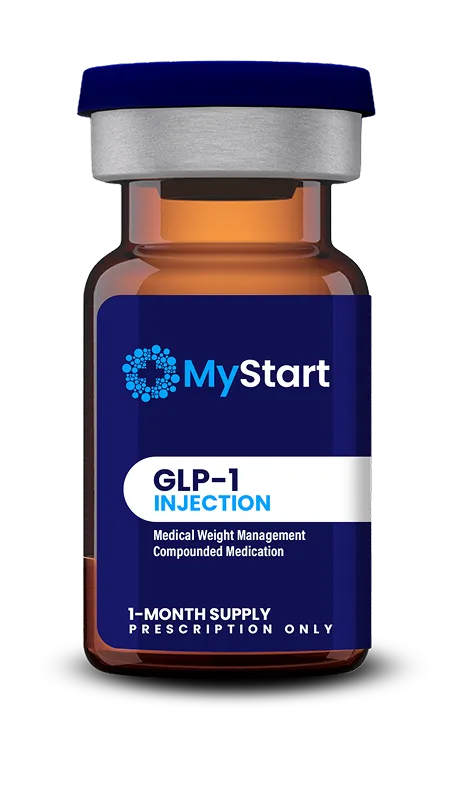
Gala GLP-1 Care Program
- Text-based access to state-licensed clinicians
- Cold-chain medication shipping included in the program
- Month-to-month program structure
- Designed for people who value convenient ongoing support
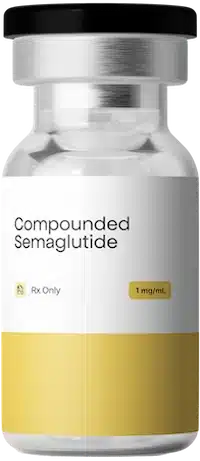
Measured GLP-1 Metabolic Health
- Comprehensive metabolic health screening and intake analysis
- Designed around longer-term metabolic health management
- Responsive dashboard with integrated health tracking tools
- Useful option for patients who value a more data-focused experience
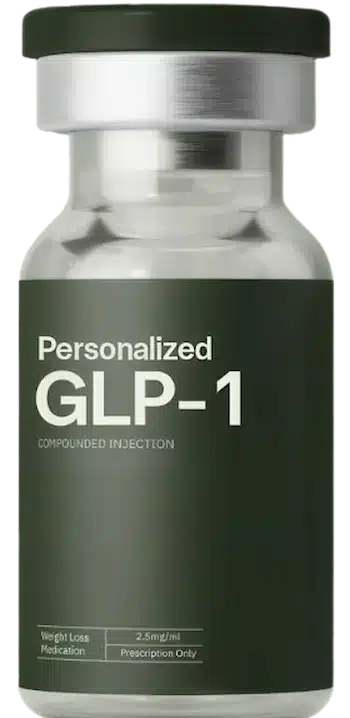
Refills GLP-1 (TryRefills Plan)
- Clinical guidance designed to help patients manage common treatment concerns
- Includes foundational nutritional strategies alongside medication
- Designed around predictable ongoing treatment
- No hidden startup or processing fees according to the program information provided
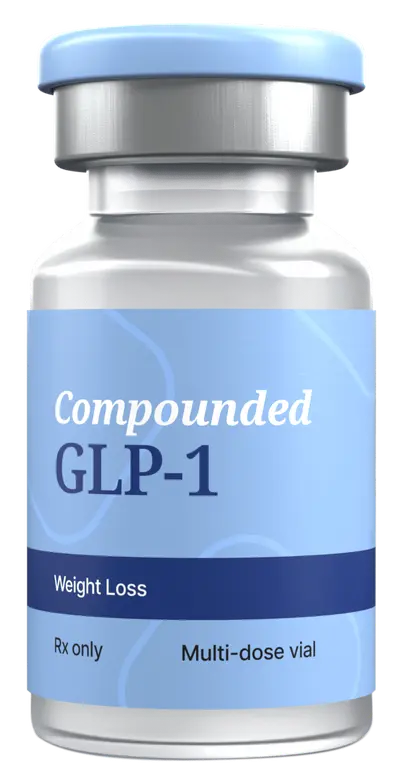
AltRx GLP-1 Transactional Reorders
- Transactional reorder model without recurring auto-billing
- Designed for patients who already understand their treatment routine
- Fast text-to-order process for convenient reorders
- Offers injectable and fast-dissolving tablet variations
Understanding how GLP-1 medications work is the foundation for understanding why certain foods cause problems. When gastric emptying slows down, foods that are rich in fat, sugar, or insoluble fiber stay in the stomach far longer than normal. That prolonged contact time increases nausea, bloating, reflux, and the risk of vomiting.
This is not a minor inconvenience. In clinical trials for semaglutide, nausea affected roughly 44% of participants at higher doses (STEP 1 trial, New England Journal of Medicine, 2021). Most of that nausea is diet-dependent, meaning the right food choices can dramatically reduce it.
What Foods Should You Avoid on GLP-1 Medications
The core GLP-1 foods to avoid are high-fat foods, ultra-processed foods, sugary beverages, alcohol, and large portions of raw high-fiber vegetables. These categories consistently trigger the worst gastrointestinal side effects in patients on semaglutide and tirzepatide.
Here is a breakdown by category:
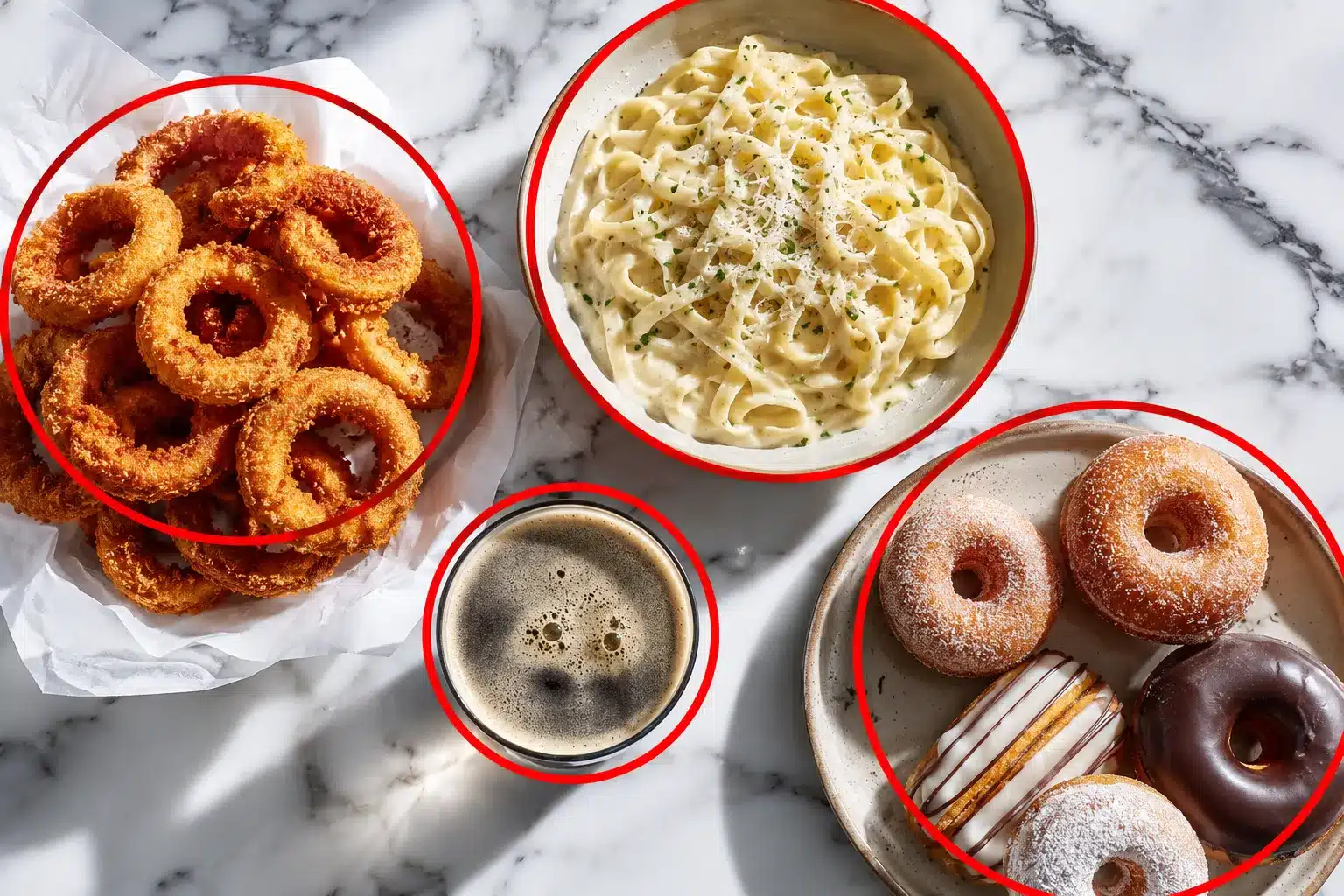
High-fat and fried foods
- Deep-fried chicken, fish, and french fries
- Fast food burgers and sandwiches
- Creamy pasta sauces (Alfredo, carbonara)
- Full-fat cheese in large amounts
- Butter-heavy baked goods
- Bacon and fatty cuts of pork or beef
Sugary and processed foods
- Sugary sodas, energy drinks, and fruit juices
- Candy, pastries, donuts, and cakes
- White bread, white rice in large portions
- Packaged chips, crackers, and cookies
- Breakfast cereals with high added sugar
Beverages to limit or eliminate
- Alcohol (beer, wine, spirits)
- Carbonated drinks (even sugar-free versions can worsen bloating)
- Sweetened coffee drinks and milkshakes
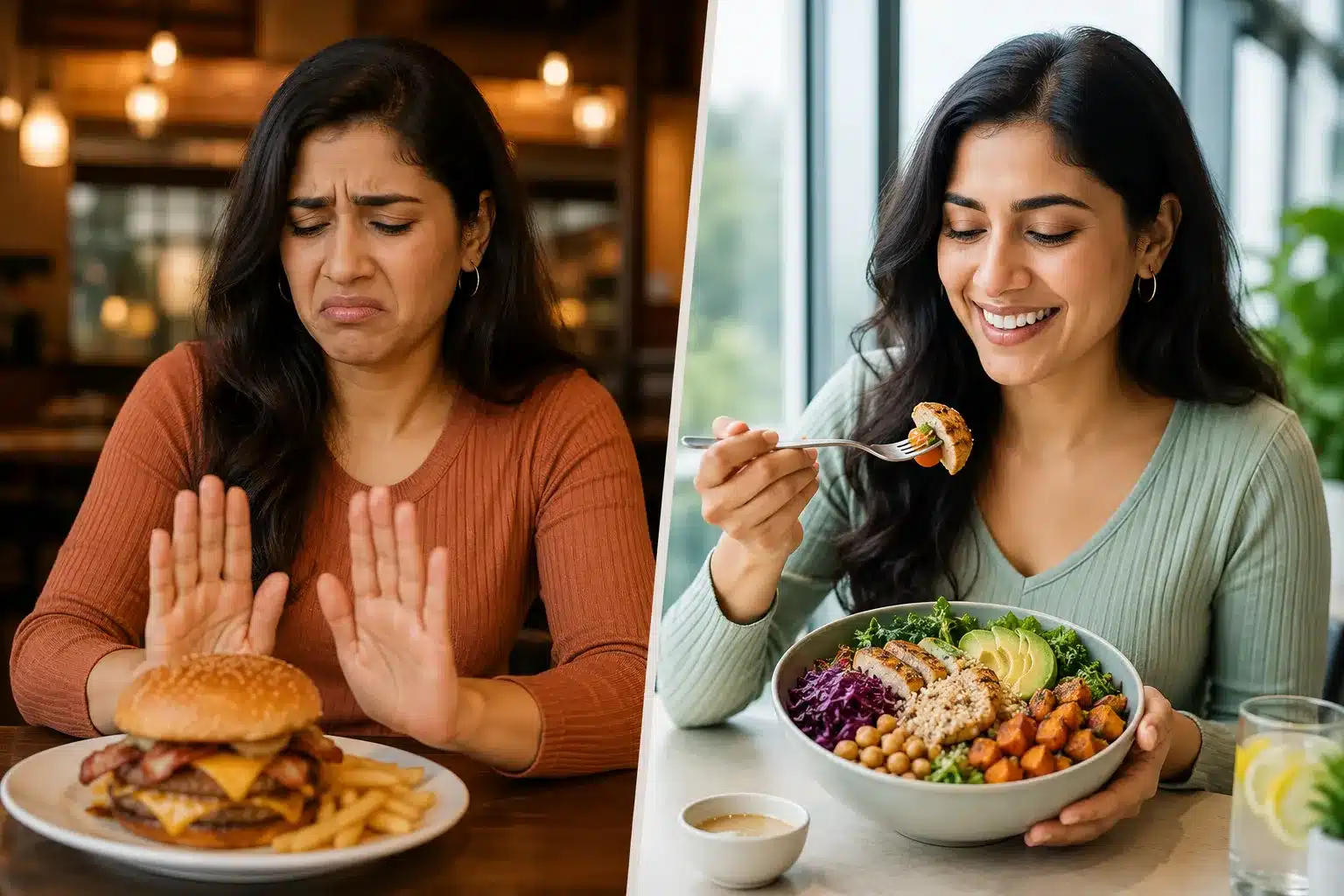
Common mistake: Many patients assume that because GLP-1 drugs suppress appetite, they can eat anything in small portions without consequences. Fat content matters more than portion size when it comes to nausea. Even a small amount of very greasy food can trigger prolonged nausea because fat is the primary driver of delayed gastric emptying.
Why Do Certain Foods Cause Nausea With GLP-1 Drugs
Certain foods cause nausea on GLP-1 medications because these drugs amplify the normal digestive response to fat and sugar. GLP-1 receptor agonists slow the rate at which food leaves the stomach, a process called gastric emptying, and fat is already the macronutrient that slows gastric emptying the most on its own.
When you combine a drug that slows gastric emptying with a high-fat meal, the stomach becomes overloaded. The result is prolonged nausea, reflux, and sometimes vomiting. The vagus nerve, which connects the gut to the brain, sends distress signals when the stomach is stretched or irritated for too long.
The three main mechanisms:
- Delayed gastric emptying, Food stays in the stomach 2-4 times longer than normal on higher GLP-1 doses. Fatty meals extend this further.
- Increased gastric acid contact, Longer stomach residence time means more acid exposure, which worsens reflux and heartburn.
- Gut hormone feedback loops, GLP-1 drugs also affect the release of other gut hormones (like CCK) that regulate fullness and nausea signals. High-fat and high-sugar foods amplify these signals.
Spicy foods are worth a separate mention. They do not directly slow gastric emptying, but capsaicin irritates the stomach lining and can worsen nausea that is already present. Most GLP-1 users find that heavily spiced meals become less tolerable, especially during dose increases.
Can You Eat Fatty Foods While Taking GLP-1
You can eat some fat while on GLP-1 medications, but high-fat meals, particularly those with saturated or trans fats from fried or processed foods, are the single most reliable trigger for nausea and vomiting. Healthy fats from sources like avocado, olive oil in moderate amounts, and fatty fish are generally better tolerated than saturated fats.
Choose these fats instead:
| Fat Source | Tolerated on GLP-1? | Notes |
|---|---|---|
| Avocado (half portion) | Generally yes | Eat in small amounts |
| Olive oil (1 tsp on food) | Generally yes | Avoid large amounts |
| Fatty fish (salmon, sardines) | Usually yes | Baked or grilled, not fried |
| Full-fat cheese (large portion) | Often no | Causes prolonged nausea |
| Fried foods | Usually no | Top trigger for vomiting |
| Cream sauces | Usually no | High fat + volume = distress |
| Butter (large amounts) | Often no | Small amounts may be okay |
The practical rule: if the fat content of a meal exceeds roughly 15-20 grams in a single sitting, most GLP-1 users report increased nausea. This is not a hard clinical threshold, it is a common pattern reported by patients and supported by the known pharmacology of gastric emptying delay.
GLP-1 Foods That Cause Dumping Syndrome
GLP-1 medications can produce symptoms similar to dumping syndrome, rapid gastric emptying of liquid or partially digested food into the small intestine, especially with high-sugar foods. This seems paradoxical given that GLP-1 drugs slow gastric emptying, but the effect is more nuanced: liquids and simple sugars can still move through the stomach quickly while solid food is delayed.
Dumping-like symptoms include:
- Rapid heart rate after eating
- Sweating and lightheadedness
- Sudden cramping and diarrhea within 30-60 minutes of a meal
- Nausea that comes on fast after eating sweet foods
Foods most associated with dumping-like symptoms on GLP-1:
- Sugary drinks consumed quickly (juice, soda, sweetened coffee)
- High-sugar desserts eaten on an empty stomach
- White rice or white bread in large portions
- Fruit juice (even 100% juice) in large glasses
If you experience these symptoms regularly, the GLP-1 transformation guide covers how the medication changes your digestive physiology in more detail. Eating slowly, avoiding liquids with meals, and choosing lower-glycemic carbohydrates are the primary strategies for reducing these episodes.
High-Fiber Foods to Avoid on GLP-1
Not all fiber is problematic on GLP-1 medications, but large amounts of insoluble fiber, particularly raw vegetables, raw brassicas, and high-fiber cereals, can cause significant bloating, cramping, and gas when gastric emptying is already slowed. Soluble fiber from oats, legumes, and cooked vegetables is generally better tolerated in moderate portions.
High-fiber foods to limit or approach carefully:
- Raw broccoli, cauliflower, and cabbage in large portions
- Raw kale and other tough leafy greens in large salads
- High-fiber bran cereals (especially at breakfast)
- Whole raw apples and pears with skin (eat cooked or in small pieces)
- Large portions of beans and lentils (start with half portions)
- Psyllium husk supplements taken without adequate water
What to do instead: Cook your vegetables rather than eating them raw. Cooking breaks down cell walls and reduces the gas-producing compounds in cruciferous vegetables. Steam or roast broccoli, cauliflower, and Brussels sprouts rather than eating them in large raw salads. Introduce legumes gradually in small portions (one-quarter cup at a time) to assess tolerance.
Fiber is not the enemy on GLP-1 therapy, it supports satiety and gut health. The issue is quantity and preparation method, not fiber itself.
Does Alcohol Interact Badly With GLP-1 Medications
Yes, alcohol interacts badly with GLP-1 medications in several important ways. The combination increases the risk of hypoglycemia (especially if you also take insulin or sulfonylureas), worsens dehydration, amplifies nausea, and can impair your judgment about how much you have eaten or drunk.
Specific risks of alcohol on GLP-1:
- Hypoglycemia risk, Alcohol inhibits gluconeogenesis in the liver. Combined with GLP-1-driven insulin regulation, this can cause blood sugar to drop dangerously, particularly in people with type 2 diabetes.
- Worsened nausea, Alcohol is an irritant to the stomach lining. On a stomach that is already emptying slowly, alcohol sits longer and intensifies nausea.
- Dehydration, GLP-1 users are already at higher risk of dehydration due to reduced food and fluid intake. Alcohol accelerates fluid loss.
- Reduced inhibitions around food, Alcohol lowers dietary discipline, making it more likely you will eat the high-fat, high-sugar foods you are trying to avoid.
- Pancreatitis risk, Both heavy alcohol use and GLP-1 medications carry independent associations with pancreatitis. Combining them may increase this risk, though direct evidence is limited.
If you choose to drink, one standard drink with food is generally considered lower risk than drinking on an empty stomach. Many GLP-1 users report that their tolerance for alcohol drops significantly on the medication, a common observation that aligns with the drug’s effects on dopamine reward pathways, though this mechanism is still being studied.
GLP-1 Foods to Avoid: Ozempic and Wegovy Specific Considerations
For patients on Ozempic (semaglutide for diabetes) and Wegovy (semaglutide for weight loss), the GLP-1 foods to avoid are largely the same, but the severity of reactions often depends on dose. Wegovy reaches a maintenance dose of 2.4 mg weekly, which is higher than the typical Ozempic diabetes dose of 0.5-1 mg. Higher doses mean more pronounced gastric slowing and a lower tolerance for problematic foods.
Ozempic-specific note: Because Ozempic users often have type 2 diabetes, high-glycemic foods (white bread, sugary drinks, white rice) are doubly problematic, they spike blood sugar and trigger nausea. The semaglutide dosage guide explains how dose titration affects side effect severity.
Wegovy-specific note: At the 2.4 mg maintenance dose, many patients find that foods they tolerated at lower doses become intolerable. Fatty foods, alcohol, and large meals are the most common triggers at peak dose. Some patients find they need to permanently restructure their diet rather than viewing restrictions as temporary.
Tirzepatide (Mounjaro, Zepbound) note: Tirzepatide acts on both GLP-1 and GIP receptors, which may produce slightly different food sensitivity patterns compared to pure GLP-1 agonists. Anecdotally, some users report that tirzepatide causes less nausea with moderate fat intake, but this varies significantly by individual. The same core avoidance list applies.
Can You Have Sugar-Free Foods on GLP-1
Sugar-free foods are not automatically safe on GLP-1 medications. Many sugar-free products contain sugar alcohols, sorbitol, maltitol, xylitol, and erythritol, which are poorly absorbed in the small intestine and fermented by gut bacteria. This fermentation produces gas, bloating, and diarrhea, all of which are already common GLP-1 side effects.
Sugar alcohols to watch for on labels:
- Sorbitol (found in many sugar-free candies and gums)
- Maltitol (common in “diabetic” chocolates and cookies)
- Xylitol (gum, mints, some baked goods)
- Erythritol (generally better tolerated than others, but still problematic in large amounts)
Artificial sweeteners (aspartame, sucralose, stevia) are generally better tolerated than sugar alcohols because they are not fermented in the gut. However, some GLP-1 users report that very sweet tastes, even from calorie-free sweeteners, can trigger nausea or cravings. This is individual and not universal.
Practical rule: Read labels on any product marketed as “sugar-free,” “diabetic-friendly,” or “low-carb.” If the label lists a sugar alcohol in the first five ingredients, limit your serving size significantly or avoid it altogether.
What Happens If You Eat Forbidden Foods on GLP-1
If you eat high-fat, high-sugar, or heavily processed foods while on GLP-1 medications, the most likely outcomes are nausea, vomiting, prolonged stomach discomfort, acid reflux, and diarrhea. The severity depends on the food, the quantity, your current dose, and your individual sensitivity.
Typical progression after eating a problematic meal:
- 0-30 minutes: Feeling of fullness and early nausea
- 30-90 minutes: Nausea peaks, possible reflux or heartburn
- 1-4 hours: Risk of vomiting if fat content was very high
- 4-8 hours: Lingering stomach discomfort, fatigue, possible diarrhea
For most people, a single dietary mistake does not cause lasting harm. The discomfort resolves as the stomach eventually empties. However, repeated dietary violations can lead to:
- Chronic nausea that makes it harder to maintain adequate nutrition
- Dehydration from repeated vomiting
- Reduced medication adherence because patients associate the drug with feeling sick
- In rare cases, severe gastroparesis-like symptoms requiring medical attention
If you accidentally eat something that triggers severe vomiting or you cannot keep fluids down for more than 24 hours, contact your prescribing clinician. Dehydration is a real risk on GLP-1 medications.
GLP-1 Diet Foods That Won’t Make You Sick
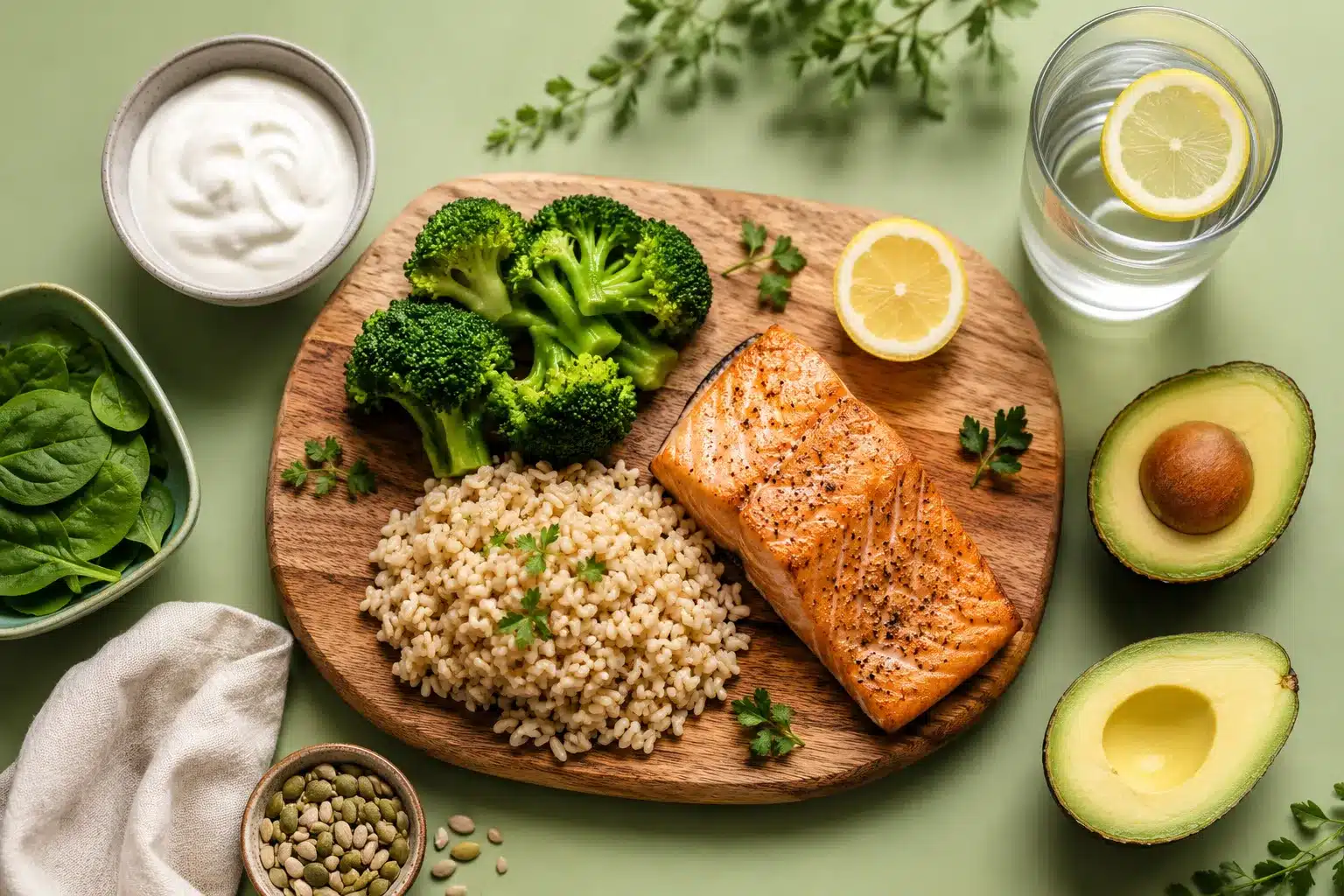
The best-tolerated foods on GLP-1 medications are lean proteins, cooked non-starchy vegetables, low-fat dairy, eggs, and easily digestible whole grains in moderate portions. These foods support the weight loss goals of GLP-1 therapy while minimizing digestive distress.
Well-tolerated food list:
- Grilled or baked chicken breast and turkey
- Fish and seafood (baked, steamed, or poached)
- Eggs (scrambled or poached rather than fried in butter)
- Greek yogurt (plain, low-fat)
- Cottage cheese
- Cooked vegetables (steamed broccoli, zucchini, carrots, spinach)
- Oatmeal (plain, in moderate portions)
- Brown rice or quinoa in small portions (half cup cooked)
- Soft fruits like bananas, melon, and berries
- Broth-based soups
For practical meal ideas that work with GLP-1 therapy, the affordable semaglutide telehealth guide includes nutrition support resources from leading telehealth providers.
Meal structure tip: Eat protein first at every meal. Protein triggers satiety signals more efficiently on GLP-1 medications, and starting with protein before carbohydrates or fat reduces the total volume you eat, which is the single most effective way to avoid overfilling a slow-emptying stomach.
How Long Do Food Restrictions Last on GLP-1
Food restrictions are most critical during the first 8-16 weeks of GLP-1 treatment, when doses are being titrated upward and side effects are most intense. Many patients find that their food tolerance improves significantly once they reach a stable maintenance dose and their body adjusts to the medication.
However, “restrictions ease” does not mean “return to old habits.” The foods that caused problems at lower doses, fried foods, alcohol, large fatty meals, will still cause more discomfort on GLP-1 than they would without the drug. The difference is that at maintenance dose, a small serving of a previously problematic food may be tolerable where it was not during titration.
General timeline:
- Weeks 1-4 (starting dose): Most patients tolerate food reasonably well at 0.25 mg semaglutide or 2.5 mg tirzepatide
- Weeks 4-12 (dose escalation): Food sensitivities intensify with each dose increase; this is when the avoidance list matters most
- Weeks 12-24 (approaching maintenance): Many patients find a stable dietary pattern that works for them
- Maintenance (6+ months): Individual variation is high; some patients regain tolerance for moderate amounts of previously problematic foods, others do not
Can You Go Back to Normal Eating After Stopping GLP-1
You can return to previous eating patterns after stopping GLP-1 medications, but doing so typically leads to weight regain. The food restrictions on GLP-1 are not permanent physiological requirements, they are practical responses to how the drug changes digestion. Once the drug clears your system (roughly 5-7 weeks for semaglutide), gastric emptying returns to baseline and food tolerances normalize.
The more important question is whether “normal eating” was the pattern that led to weight gain in the first place. Research consistently shows that most patients who stop GLP-1 medications and return to prior dietary habits regain a significant portion of lost weight within 12 months (STEP 4 trial, NEJM, 2021).
For patients considering stopping or switching medications, the RX Medications for Weight Loss guide covers transition strategies and alternative options.
GLP-1 Medication Food Sensitivities by Person
Food sensitivities on GLP-1 medications vary significantly from person to person based on dose, baseline gut health, the specific medication, and individual digestive physiology. There is no universal list of foods that every GLP-1 user will react to, the categories above are the most commonly reported triggers, but individual responses differ.
Factors that affect individual food tolerance:
- Dose: Higher doses cause more pronounced gastric slowing and lower food tolerance
- Baseline gut conditions: People with IBS, GERD, or gastroparesis before starting GLP-1 often have more severe food reactions
- Rate of dose escalation: Patients who titrate slowly tend to develop better food tolerance than those who escalate quickly
- Body weight: Some research suggests that people with higher baseline BMI may experience more severe GI side effects early in treatment
- Specific medication: Tirzepatide and semaglutide have different receptor profiles that may produce different food sensitivity patterns
- Injection timing: Some patients find that injecting on a day when they plan to eat lightly reduces side effects
Practical approach: Keep a simple food diary for the first 4-8 weeks. Note what you ate, the portion size, and any symptoms within 2 hours. Patterns emerge quickly and allow you to personalize your avoidance list rather than following a generic one.
If you are sourcing your medication through a compounding pharmacy, check out the compounded semaglutide reviews from real patients for firsthand accounts of how dietary adjustments affected their experience.
Best Foods to Eat Instead of Avoiding Everything on GLP-1
The goal of GLP-1 dietary guidance is not restriction for its own sake, it is replacing problematic foods with alternatives that support weight loss, preserve muscle mass, and prevent nutritional deficiencies. Lean protein is the most important macronutrient to prioritize.
Build meals around these principles:
- Protein first, Aim for 25-30 grams of protein per meal to preserve muscle mass during weight loss. Chicken, fish, eggs, Greek yogurt, and cottage cheese are reliable sources.
- Cooked over raw, Cooked vegetables are easier to digest and less likely to cause bloating than large raw salads.
- Small, frequent meals, Three small meals per day with one optional snack is generally better tolerated than two large meals.
- Hydrate between meals, not during, Drinking large amounts of liquid with food dilutes digestive enzymes and can worsen nausea. Sip water between meals instead.
- Low-glycemic carbohydrates, Choose oats, quinoa, sweet potato, and legumes (in small portions) over white bread, white rice, and sugary cereals.
Sample one-day meal plan:
| Meal | Example |
|---|---|
| Breakfast | Scrambled eggs with spinach, half cup oatmeal |
| Lunch | Grilled chicken breast, steamed broccoli, half cup brown rice |
| Snack | Plain Greek yogurt with berries |
| Dinner | Baked salmon, roasted zucchini, small sweet potato |
This structure provides adequate protein, manageable fiber, and minimal fat load, the combination most consistently tolerated across GLP-1 users.
Key Takeaway
The most important thing to understand about GLP-1 foods to avoid is that the avoidance list is not arbitrary. Every category, fried foods, alcohol, large fatty meals, sugar-free products with sugar alcohols, raw high-fiber vegetables in large amounts, maps directly to a known mechanism by which GLP-1 drugs alter digestion. The medication slows your stomach. Foods that are already hard to digest become significantly harder. The solution is not to eat less of everything; it is to choose foods that work with a slower digestive system rather than against it. Lean proteins, cooked vegetables, and low-glycemic carbohydrates in moderate portions are your foundation. Everything else is a matter of personal tolerance, dose level, and time.
7 Best GLP-1 Providers Ranked: Accreditation, Flexibility & Support Compared (2026 Update)
32,000+ Patients Can't All Be Wrong: See the Top-Rated GLP-1 Providers: Compared on accreditation, plan flexibility, and patient support — updated for 2026.
BMI MD GLP-1 Microdosing Plan
- Specialized microdosing options (sublingual drops or low-dose injections)
- Ideal for maintaining weight or tapering off higher doses safely
- Fully bundled plan with no hidden monthly platform memberships
DirectMeds Weight Loss Solutions
- Sourced from accredited, state-licensed 503A compounding pharmacies
- No-frills high-volume savings passed directly to the patient
- Includes clinical consultation and cold-chain shipping updates
MEDVi Flat-Rate Telehealth
- Flat monthly rate holds steady even at maximum maintenance doses
- No dosage upcharges or graduation fee penalties
- Offers both injectable and advanced oral thin-film delivery options
Gala GLP-1 Care Program
- All-inclusive plan with no standalone membership costs
- Continuous text-based messaging access with state-licensed clinicians
- Temperature-controlled, cold-chain medication shipping included
Measured GLP-1 Metabolic Health
- Comprehensive metabolic health screening and expert intake analysis
- Predictable long-term budgeting with stable plan pricing
- High-end responsive dashboard with integrated diagnostic support
Refills GLP-1 (TryRefills Plan)
- Flat rate holds steady as titration scales up
- Includes clinical guides for active side-effect management
- Bundles in foundational nutritional strategies alongside medication
AltRx GLP-1 Transactional Reorders
- Zero recurring auto-billing — pay entirely on a transactional basis
- Rapid text-to-order format saves time for experienced patients
- Provides both injectable forms and fast-dissolving tablet variations
Conclusion
Managing your diet on GLP-1 medications like Ozempic, Wegovy, and Zepbound is one of the most practical things you can do to reduce side effects and accelerate results. The GLP-1 foods to avoid are not a punishment, they are a direct response to the pharmacology of these drugs. High-fat foods, alcohol, sugary drinks, ultra-processed snacks, and large portions of raw high-fiber vegetables all become harder to tolerate when gastric emptying is slowed.
Actionable next steps:
- Remove the highest-risk foods from your home for the first 8-12 weeks of treatment: fried foods, alcohol, sugary beverages, and full-fat processed snacks.
- Build meals around lean protein (chicken, fish, eggs, Greek yogurt) and cooked vegetables.
- Keep a food and symptom diary for the first month to identify your personal triggers.
- Eat slowly, chew thoroughly, and stop eating at the first sign of fullness, GLP-1 drugs amplify satiety signals, and overeating past that point causes significant discomfort.
- Discuss any persistent nausea, vomiting, or inability to maintain adequate nutrition with your prescribing clinician. Dose adjustments are available and often resolve severe food intolerances.
- Review your medication options and costs using the GLP-1 price per month comparison to ensure you are on the most sustainable plan for your situation.
The dietary changes required on GLP-1 therapy are not permanent deprivations. For most patients, they become the foundation of a healthier long-term relationship with food, one that the medication helps establish and that can persist well beyond active treatment.
Frequently Asked Questions
Can I eat pizza on Ozempic or Wegovy?
Pizza is high in fat, refined carbohydrates, and often large in portion size, all three factors that worsen nausea on GLP-1 medications. Most patients find that one or two small slices of thin-crust pizza with minimal cheese is tolerable, while a full serving of deep-dish or extra-cheese pizza causes significant nausea. Limit portion size and eat slowly.
Why does coffee make me feel sick on GLP-1?
Coffee is acidic and can irritate a stomach that is already emptying slowly. Sweetened coffee drinks are doubly problematic because of their sugar and fat content. Plain black coffee in small amounts is generally better tolerated. If coffee triggers nausea, try switching to weak tea or drinking coffee with a small amount of food.
Can I eat eggs on semaglutide?
Yes. Eggs are one of the best-tolerated protein sources on GLP-1 medications. Scrambled, poached, or soft-boiled eggs are particularly well tolerated. Avoid frying eggs in large amounts of butter or oil, as the added fat can trigger nausea.
Is red meat okay on GLP-1?
Lean cuts of red meat, such as sirloin, tenderloin, or 93% lean ground beef, are generally tolerated in moderate portions. Fatty cuts like ribeye, T-bone, and processed meats (sausage, bacon) are high in saturated fat and frequently cause nausea. Limit red meat to 3-4 ounces per serving and choose lean cuts.
Why do I feel sick even when I eat small portions?
Fat content matters more than portion size. A small serving of a very fatty food (like a few bites of fried chicken or a rich cream sauce) can cause more nausea than a moderate portion of a lean food. Focus on reducing fat content, not just quantity.
Can I drink diet soda on GLP-1?
Diet soda is not directly toxic on GLP-1 medications, but carbonation can worsen bloating and gas. Many GLP-1 users find that carbonated beverages, including sparkling water, become less comfortable as doses increase. Still water, herbal tea, and diluted fruit-infused water are better choices.
How long does nausea last after eating the wrong food on GLP-1?
Nausea after a high-fat or high-sugar meal typically peaks within 1-2 hours and resolves within 4-8 hours as the stomach eventually empties. If nausea persists beyond 12-24 hours or is accompanied by inability to keep fluids down, contact your clinician.
Are protein shakes safe on GLP-1?
Most protein shakes are well tolerated if they are low in fat, low in sugar, and consumed in moderate amounts (8-12 oz). Avoid high-calorie meal replacement shakes with significant fat content. Whey or plant-based protein powders mixed with water or low-fat milk are generally safe options.
Does eating before my injection reduce side effects?
GLP-1 injections are typically given once weekly and are not timed to meals, so eating before your injection does not directly reduce nausea. However, maintaining consistent dietary habits throughout the week, avoiding high-fat foods consistently, not just on injection day, is the most effective way to manage ongoing side effects.
Can spicy food cause problems on GLP-1?
Spicy food does not directly slow gastric emptying, but capsaicin irritates the stomach lining and can worsen existing nausea. Many GLP-1 users find they become more sensitive to spicy foods as doses increase. Mild spices are generally fine; very hot peppers and heavily spiced dishes are worth limiting, especially during dose escalation.
What should I eat if I feel nauseous on GLP-1?
Plain crackers, plain toast, white rice, bananas, and broth are the most commonly recommended foods for managing acute nausea on GLP-1 medications. These are bland, low-fat, and easy to digest. Small sips of cold water or ginger tea can also help settle the stomach.
Is it safe to fast or skip meals on GLP-1?
Skipping meals is not recommended on GLP-1 medications, particularly if you also take insulin or other diabetes medications, because it increases hypoglycemia risk. Even if appetite is very low, aim to eat small amounts of protein and carbohydrates at regular intervals to maintain blood sugar stability and prevent muscle loss.
References
- Wilding JPH, et al. “Once-Weekly Semaglutide in Adults with Overweight or Obesity.” New England Journal of Medicine. 2021. https://www.nejm.org/doi/full/10.1056/NEJMoa2032183
- Rubino DM, et al. “Effect of Continued Weekly Subcutaneous Semaglutide vs Placebo on Weight Loss Maintenance in Adults With Overweight or Obesity (STEP 4).” JAMA. 2021. https://jamanetwork.com/journals/jama/fullarticle/2777886
- Jastreboff AM, et al. “Tirzepatide Once Weekly for the Treatment of Obesity.” New England Journal of Medicine. 2022. https://www.nejm.org/doi/full/10.1056/NEJMoa2206038
- Davies M, et al. “Semaglutide 2·4 mg once a week in adults with overweight or obesity, and type 2 diabetes (STEP 2).” The Lancet. 2021. https://www.thelancet.com/journals/lancet/article/PIIS0140-6736(21)00213-0/fulltext
- American Diabetes Association. “Standards of Medical Care in Diabetes.” Diabetes Care. 2024. https://diabetesjournals.org/care/issue/47/Supplement_1
- Drucker DJ. “The Biology of Incretin Hormones.” Cell Metabolism. 2006. https://www.cell.com/cell-metabolism/fulltext/S1550-4131(06)00031-7
Tags: GLP-1 foods to avoid, semaglutide diet, Ozempic foods, Wegovy nutrition, GLP-1 nausea triggers, GLP-1 side effects, foods to avoid on GLP-1, GLP-1 diet plan, tirzepatide food restrictions, GLP-1 alcohol interaction, GLP-1 meal plan, semaglutide weight loss diet

With over 13 years of experience in holistic health blogging, I aim to help you navigate your wellness journey with honest insights, expert-backed advice, and a sprinkle of real-world practicality.
Certified Wellness Writer | Herbal Nutrition Advocate | Wellness Research Enthusiast


