
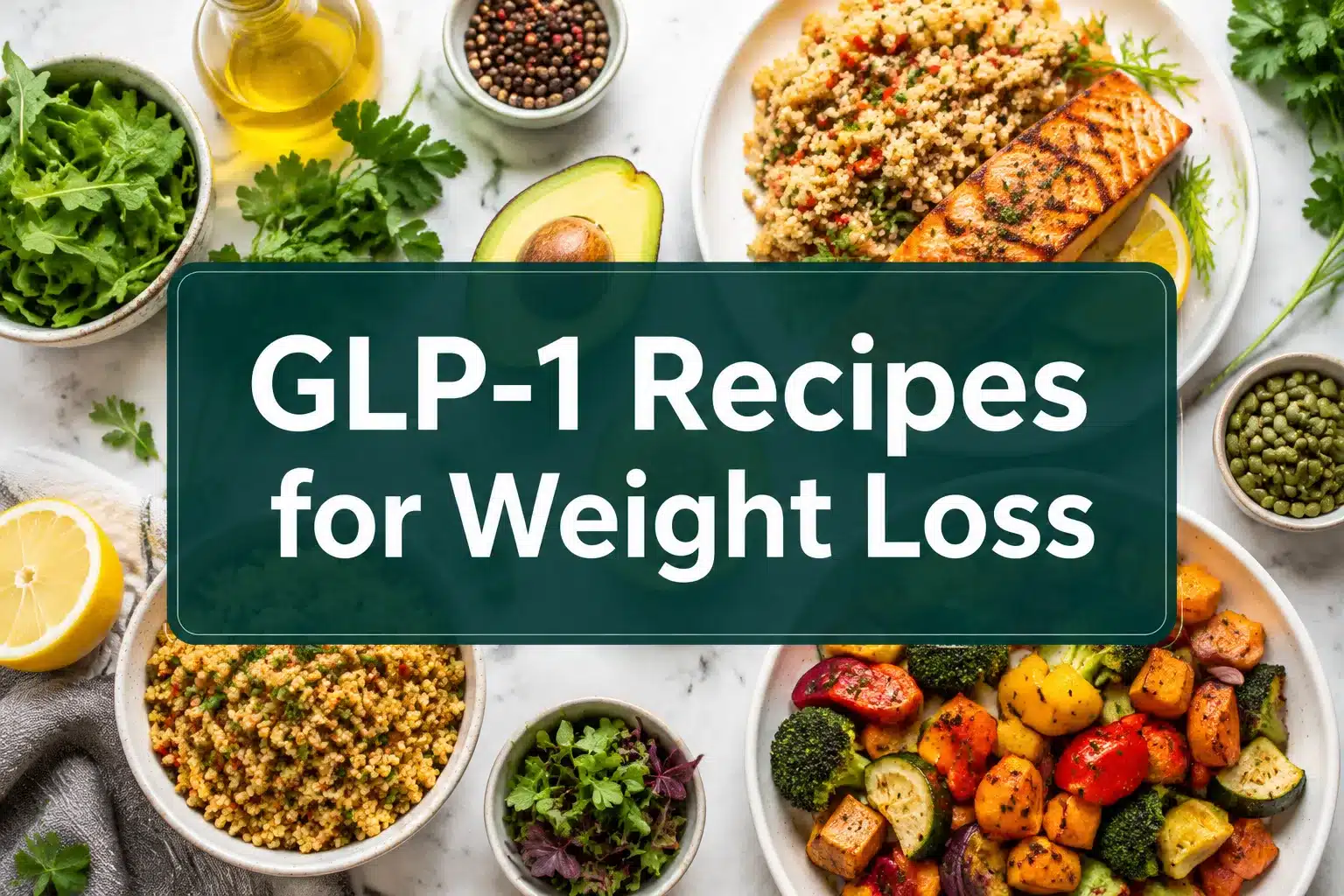
GLP-1 Recipes for Weight Loss: 50 Healthy Meals to Try (2026)
Last updated: July 26, 2026
Quick Answer
GLP-1 recipes for weight loss are meals designed to work with the appetite-suppressing and blood sugar-stabilizing effects of GLP-1 medications like semaglutide and tirzepatide. The best recipes are high in protein (25-35g per meal), rich in fiber, low in added sugar, and easy to eat in small portions without triggering nausea. Because GLP-1 drugs slow gastric emptying, what you eat matters as much as how much you eat.
Key Takeaways
- GLP-1 medications reduce appetite significantly, so every meal needs to be nutrient-dense to prevent muscle loss and deficiencies.
- Target 25-35 grams of protein per meal to preserve lean muscle while losing fat.
- High-fiber foods (vegetables, legumes, whole grains) complement GLP-1 effects and reduce constipation.
- Fatty, greasy, and heavily processed foods are more likely to cause nausea on GLP-1 medications.
- Eating 3 small meals per day works better than grazing for most GLP-1 users.
- Meal prepping in advance helps you meet protein and fiber targets even when appetite is low.
- Dairy-free and gluten-free GLP-1 recipes are easy to build around whole foods like eggs, fish, legumes, and vegetables.
- Taste and enjoyment still matter, bland food leads to poor adherence over time.
- GLP-1 recipes differ from standard low-calorie diets by prioritizing nutrient density over calorie counting alone.
- Always work with a registered dietitian when adjusting your diet on a GLP-1 medication.
What Are GLP-1 Friendly Recipes?
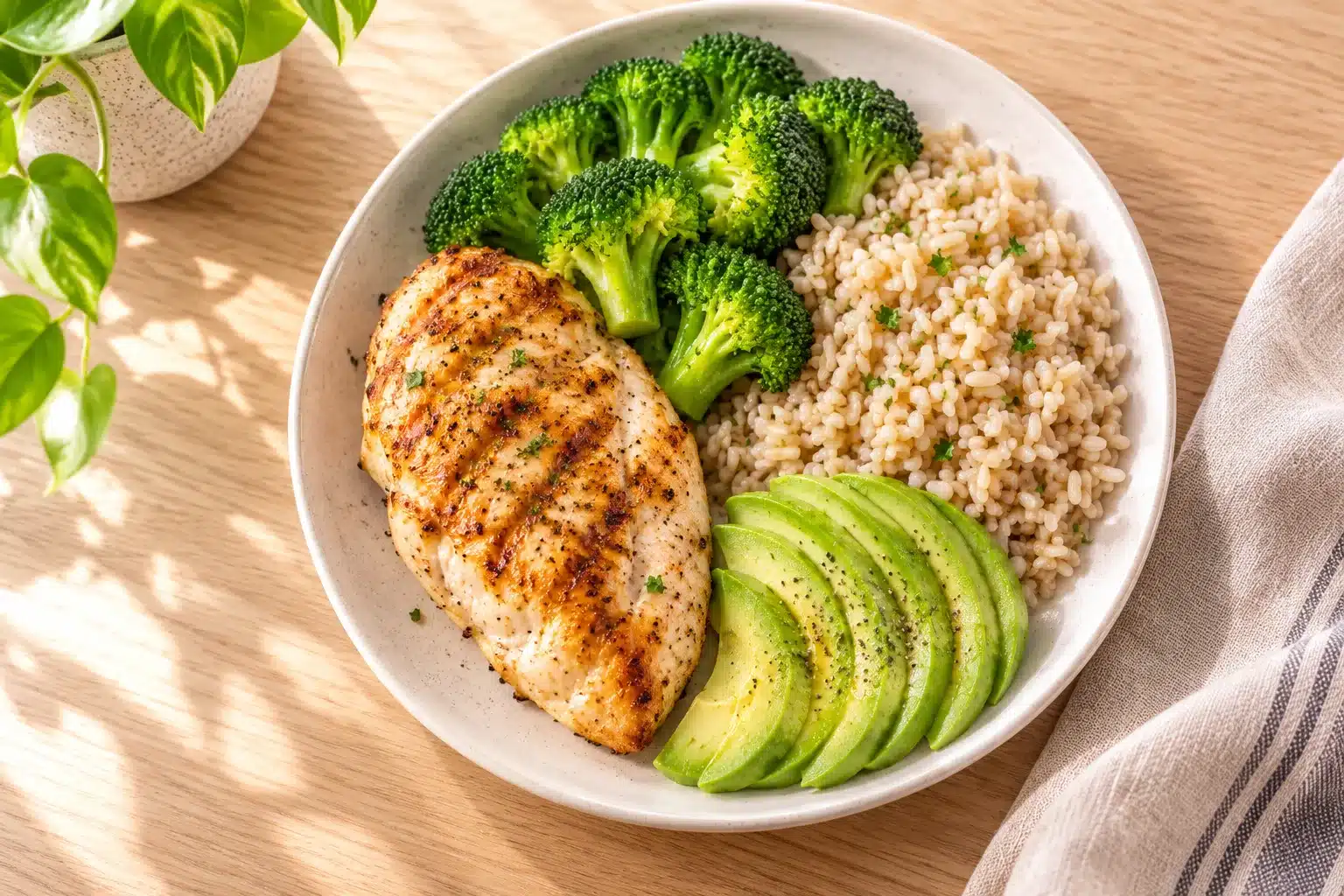
GLP-1 friendly recipes are meals structured to support the way GLP-1 medications change your digestion, appetite, and blood sugar. They prioritize protein, fiber, and micronutrient density in small, manageable portions that won’t overwhelm a stomach that empties more slowly than usual.
7 Best GLP-1 Providers Ranked: Accreditation, Flexibility & Support Compared (2026 Update)
32,000+ Patients Can't All Be Wrong: See the Top-Rated GLP-1 Providers. We compared the leading online GLP-1 providers based on program features, clinical support, convenience, and overall value.
BMI MD GLP-1 Microdosing Plan
- Specialized microdosing options, including sublingual drops and low-dose injections
- Designed for people interested in maintaining weight or gradually adjusting treatment
- Bundled program structure without a separate monthly platform membership
- Online access makes the process convenient from home

DirectMeds Weight Loss Solutions
- Online weight-loss program with a straightforward patient experience
- Compounded medication options through state-licensed compounding pharmacies
- Includes clinical consultation as part of the process
- Provides shipping updates to help patients track their orders
MEDVi Flat-Rate Telehealth
- Flat-rate telehealth approach designed for easier budgeting
- No dosage-based pricing increases within the advertised program structure
- Offers injectable and oral thin-film delivery options
- Includes medical screening and asynchronous provider consultations
Gala GLP-1 Care Program
- Text-based access to state-licensed clinicians
- Cold-chain medication shipping included in the program
- Month-to-month program structure
- Designed for people who value convenient ongoing support
Measured GLP-1 Metabolic Health
- Comprehensive metabolic health screening and intake analysis
- Designed around longer-term metabolic health management
- Responsive dashboard with integrated health tracking tools
- Useful option for patients who value a more data-focused experience
Refills GLP-1 (TryRefills Plan)
- Clinical guidance designed to help patients manage common treatment concerns
- Includes foundational nutritional strategies alongside medication
- Designed around predictable ongoing treatment
- No hidden startup or processing fees according to the program information provided
AltRx GLP-1 Transactional Reorders
- Transactional reorder model without recurring auto-billing
- Designed for patients who already understand their treatment routine
- Fast text-to-order process for convenient reorders
- Offers injectable and fast-dissolving tablet variations
GLP-1 agonists like semaglutide (Ozempic, Wegovy) and tirzepatide (Mounjaro, Zepbound) work by mimicking the glucagon-like peptide-1 hormone. This slows gastric emptying, reduces hunger signals, and improves insulin response. Because of these effects, people on these medications often eat 30-50% fewer calories without trying. The risk is that those reduced calories need to carry far more nutritional weight.
A GLP-1 friendly recipe typically shares these characteristics:
- High protein content: At least 25-30g per meal to protect muscle mass during weight loss.
- Moderate fiber: 6-10g per meal from vegetables, legumes, or whole grains to support gut health.
- Low in saturated fat and added sugar: These slow digestion further and increase nausea risk.
- Small, satisfying portions: Meals that feel complete at 300-500 calories rather than 700-900.
- Easy to prepare: When appetite is suppressed, complex cooking feels overwhelming.
For a deeper look at how these medications work in the body, see our guide on GLP-1 agonists for weight loss and our detailed explanation of what GLP-1 medications do to your body and metabolism.
Can You Eat Normal Food on GLP-1?
Yes, you can eat normal food on GLP-1 medications, but what counts as “normal” may need to shift. Most people find that their old eating habits either cause discomfort or no longer satisfy them the same way.
The key change is that high-fat, high-sugar, and ultra-processed foods become harder to tolerate. A fast-food burger that was fine before may now cause nausea, bloating, or reflux because your stomach is emptying more slowly. This isn’t necessarily a bad thing, it’s the medication nudging you toward better choices.
What still works well:
- Grilled or baked lean proteins (chicken, fish, turkey, eggs, tofu)
- Cooked vegetables (roasted, steamed, or sauteed)
- Whole grains in moderate portions (quinoa, brown rice, oats)
- Legumes (lentils, chickpeas, black beans)
- Low-fat dairy or dairy alternatives
- Fresh fruit in small amounts
What tends to cause problems:
- Fried or heavily oiled foods
- Rich cream sauces and high-fat cheeses
- Large portions of red meat
- Carbonated drinks with meals
- Sugary desserts and processed snacks
The practical rule: if a food is hard to digest normally, it will be harder on GLP-1. Start with simple, whole-food meals and add variety as you learn how your body responds.
Why Do I Feel Sick Eating Certain Foods on GLP-1?
Nausea on GLP-1 medications is most commonly triggered by foods that are high in fat, high in sugar, or eaten in portions that are too large for a stomach that now empties more slowly.
GLP-1 drugs delay gastric emptying as part of their mechanism. When food sits in the stomach longer, rich or fatty meals create pressure, acid reflux, and nausea. According to clinical trial data published in the New England Journal of Medicine (2021), nausea was the most commonly reported side effect of semaglutide, affecting roughly 44% of participants at some point during treatment. The good news is that nausea typically peaks in the first 4-8 weeks and improves as your body adjusts.
Common nausea triggers to avoid:
- Eating too fast or too much at once
- Lying down within 2 hours of eating
- High-fat meals (fried food, creamy sauces, fatty cuts of meat)
- Very spicy foods
- Carbonated beverages during or after meals
- Alcohol
Foods that tend to be well tolerated:
- Plain oatmeal or cream of wheat
- Scrambled eggs or soft-boiled eggs
- Steamed or roasted vegetables
- Plain grilled chicken or fish
- Broth-based soups
- Bananas, applesauce, or cooked fruit
If nausea is persistent or severe, speak with your prescribing provider. For more on managing side effects, our semaglutide weight loss injections guide covers this in detail.
How Much Protein Should I Eat on GLP-1?
Most nutrition experts recommend 1.2-1.6 grams of protein per kilogram of body weight per day for people on GLP-1 medications. For a 180-pound (82 kg) person, that works out to roughly 98-131 grams of protein daily.
This target is higher than standard dietary guidelines because GLP-1 medications create a calorie deficit large enough to cause muscle loss if protein intake is insufficient. Research published in Obesity (2022) found that preserving lean mass during GLP-1-assisted weight loss requires deliberate protein prioritization, particularly as total calorie intake drops.
Practical protein targets by meal:
| Meal | Protein Target | Example Source |
|---|---|---|
| Breakfast | 25-30g | 3 eggs + Greek yogurt |
| Lunch | 25-35g | Grilled chicken breast + lentils |
| Dinner | 25-35g | Salmon fillet + edamame |
| Snack (optional) | 10-15g | Cottage cheese or protein shake |
Best protein sources for GLP-1 users:
- Eggs and egg whites
- Greek yogurt (plain, low-fat)
- Cottage cheese
- Chicken breast or turkey
- Salmon, tuna, cod, or shrimp
- Tofu or tempeh
- Legumes (lentils, chickpeas, black beans)
- Edamame
Protein should be the first thing you put on your plate at every meal. When appetite is suppressed, you may only eat half of what you intended, if protein comes last, you’ll miss your target.

Best Low-Calorie Recipes for GLP-1 Users
The best GLP-1 recipes for weight loss are low in calories but high in protein and fiber, so they satisfy hunger without overwhelming a slower-emptying stomach. Aim for 300-500 calories per meal with at least 25g of protein.
Here are five practical, tested recipe ideas that work well for GLP-1 users:
1. Greek Yogurt Protein Bowl (Breakfast)
- 1 cup plain low-fat Greek yogurt (17g protein)
- 1/4 cup granola (low-sugar variety)
- 1/2 cup mixed berries
- 1 tablespoon chia seeds
- Total: ~320 calories, 22g protein, 8g fiber
2. Lemon Herb Baked Salmon with Roasted Asparagus (Dinner)
- 5oz salmon fillet baked with lemon, garlic, and fresh dill
- 1 cup roasted asparagus with olive oil and sea salt
- 1/2 cup cooked quinoa
- Total: ~420 calories, 38g protein, 6g fiber
3. Turkey and White Bean Soup (Lunch)
- 4oz ground turkey (cooked)
- 1/2 cup white beans
- 1 cup chopped spinach
- Low-sodium chicken broth, garlic, and herbs
- Total: ~350 calories, 32g protein, 9g fiber
4. Egg and Vegetable Scramble (Breakfast or Lunch)
- 3 whole eggs scrambled with 1/2 cup bell pepper, spinach, and onion
- Light olive oil spray
- Side of sliced tomato
- Total: ~280 calories, 21g protein, 3g fiber
5. Chickpea and Cucumber Salad (Light Lunch)
- 1/2 cup chickpeas
- 1 cup diced cucumber and cherry tomatoes
- 2 tablespoons hummus
- Lemon juice, olive oil, fresh parsley
- Total: ~290 calories, 12g protein, 8g fiber
These recipes are straightforward to prepare, easy to portion, and gentle on the stomach. For a broader meal framework, our GLP-1 meal plan guide covers daily structure in more detail.
GLP-1 Recipes High in Fiber
High-fiber GLP-1 recipes help with two of the most common challenges on these medications: constipation and blood sugar spikes. Fiber slows glucose absorption, feeds beneficial gut bacteria, and keeps digestion moving when gastric emptying is already slower than usual.
The Academy of Nutrition and Dietetics recommends 25-38 grams of fiber per day for adults. Most GLP-1 users fall well short of this because reduced appetite leads to reduced food volume overall.
High-fiber recipe ideas:
- Lentil and vegetable stew: 1 cup cooked lentils (16g fiber) with carrots, celery, and tomatoes in a light broth. Simple, filling, and protein-rich.
- Black bean taco bowls: 1/2 cup black beans (8g fiber), shredded chicken, salsa, and romaine lettuce over brown rice.
- Overnight oats with flaxseed: 1/2 cup rolled oats (4g fiber) + 1 tablespoon ground flaxseed (3g fiber) + almond milk and berries.
- Roasted vegetable grain bowl: Roasted broccoli, Brussels sprouts, and sweet potato over farro or quinoa with a tahini drizzle.
- Edamame and avocado salad: 1 cup edamame (8g fiber) + sliced avocado, cucumber, and sesame dressing.
Common mistake: Adding too much fiber too quickly can worsen bloating and gas on GLP-1 medications. Increase fiber gradually over 2-3 weeks and drink plenty of water alongside it.
GLP-1 Recipes That Don’t Cause Nausea
Recipes that minimize nausea on GLP-1 medications are low in fat, low in spice, eaten in small portions, and based on easily digestible whole foods. Think of the BRAT diet principles (bananas, rice, applesauce, toast) as a starting point, then build up from there.
The following recipe structure works well for people in the first 4-8 weeks on GLP-1 therapy when nausea is most common:
Nausea-friendly recipe framework:
- Base: Plain cooked grains (white rice, plain oatmeal, or cream of wheat)
- Protein: Soft-cooked eggs, plain grilled chicken, or canned tuna in water
- Vegetable: Steamed or boiled (not fried or heavily seasoned)
- Flavor: Lemon juice, fresh herbs, light broth, avoid heavy sauces
Specific nausea-friendly recipes:
- Plain chicken and rice bowl: 4oz poached chicken breast, 1/2 cup white rice, steamed zucchini, light soy sauce. (~310 calories, 30g protein)
- Banana oat smoothie: 1/2 frozen banana, 1/3 cup rolled oats, 1 cup almond milk, 1 scoop unflavored protein powder. (~280 calories, 25g protein)
- Soft-boiled egg and toast: 2 soft-boiled eggs on 1 slice whole grain toast with a thin spread of avocado. (~250 calories, 16g protein)
- Miso soup with tofu: 1 cup low-sodium miso broth, 1/2 cup soft tofu, scallions, and a small portion of soba noodles. (~200 calories, 14g protein)
Eat slowly, stop before you feel full, and avoid lying down for at least 90 minutes after eating. These habits reduce nausea more reliably than any single food choice.
Easy GLP-1 Meals for Beginners
If you’re new to GLP-1 medications and not sure where to start with eating, focus on three things: protein first, small portions, and simple preparation. You don’t need complicated recipes to eat well on GLP-1.
A beginner’s daily meal structure:
Breakfast (keep it simple):
- Greek yogurt parfait: plain Greek yogurt + berries + a sprinkle of granola
- Or: 2 scrambled eggs + 1 slice whole grain toast
Lunch (protein + vegetables):
- Canned tuna or salmon over a bed of mixed greens with olive oil and lemon
- Or: Leftover chicken with roasted vegetables
Dinner (one-pan meals work best):
- Sheet pan salmon with broccoli and sweet potato
- Or: Ground turkey stir-fry with bell peppers and brown rice
Snack (only if hungry):
- Cottage cheese with cucumber slices
- A small handful of almonds
- Hard-boiled egg
The beginner mistake most people make is trying to eat their normal pre-medication portion sizes. On GLP-1 medications, your stomach signals fullness much earlier. Serve yourself half of what you normally would, eat slowly, and stop when you feel the first sign of fullness, not when the plate is empty.
For people exploring GLP-1 programs that include nutritional guidance, our review of affordable GLP-1 weight loss programs in 2026 covers options that pair medication with dietary support.
GLP-1 Recipes vs. Regular Weight Loss Diets
GLP-1 recipes for weight loss differ from standard low-calorie diets in one critical way: the goal shifts from reducing calories to maximizing nutrition within a much smaller food volume. Standard weight loss diets typically aim for 1,200-1,500 calories with moderate protein. GLP-1 users often eat 800-1,200 calories without trying, which means every bite needs to count more.
| Factor | Standard Weight Loss Diet | GLP-1 Optimized Diet |
|---|---|---|
| Calorie target | 1,200-1,500/day | 800-1,200/day (often naturally) |
| Protein priority | Moderate (0.8g/kg) | High (1.2-1.6g/kg) |
| Portion size | Controlled but standard | Significantly smaller |
| Nausea risk | Low | Moderate (especially early on) |
| Meal frequency | 3 meals + snacks | 3 small meals, fewer snacks |
| Fat tolerance | Moderate | Lower (fat worsens nausea) |
| Supplement need | Low to moderate | Higher (B12, D, iron, magnesium) |
The practical takeaway: if you approach GLP-1 eating the same way you’d approach a standard calorie-restricted diet, you’ll likely under-eat protein and over-eat processed carbohydrates. The medication handles appetite suppression, your job is to make the food you do eat as nutritious as possible.
How Often Should I Eat on GLP-1?
Most GLP-1 users do best with 3 small, structured meals per day and minimal snacking. Grazing throughout the day tends to keep the stomach in a constant state of partial fullness, which worsens nausea and makes it harder to hit protein targets at any single sitting.
Recommended meal timing:
- Breakfast: Within 1-2 hours of waking
- Lunch: 4-5 hours after breakfast
- Dinner: 4-5 hours after lunch
- Snack: Only if genuinely hungry and protein targets haven’t been met
Why 3 structured meals works better than grazing:
- Allows the stomach to empty between meals, reducing pressure and nausea
- Makes it easier to plan and hit protein targets
- Reduces the temptation to eat out of habit rather than hunger
- Supports more stable blood sugar throughout the day
Some people find they can only manage 2 meals per day on higher doses of GLP-1 medications. If that’s the case, make sure both meals are high in protein and fiber, and consider a protein shake to bridge nutritional gaps. Skipping meals entirely is not recommended, as it increases the risk of muscle loss and micronutrient deficiencies.
GLP-1 Recipe Ideas for Meal Prep
Meal prepping is one of the most effective strategies for GLP-1 users because it removes decision fatigue on days when appetite is low and cooking feels like too much effort. The best GLP-1 meal prep recipes are batch-friendly, hold well in the refrigerator for 4-5 days, and reheat without losing texture or flavor.
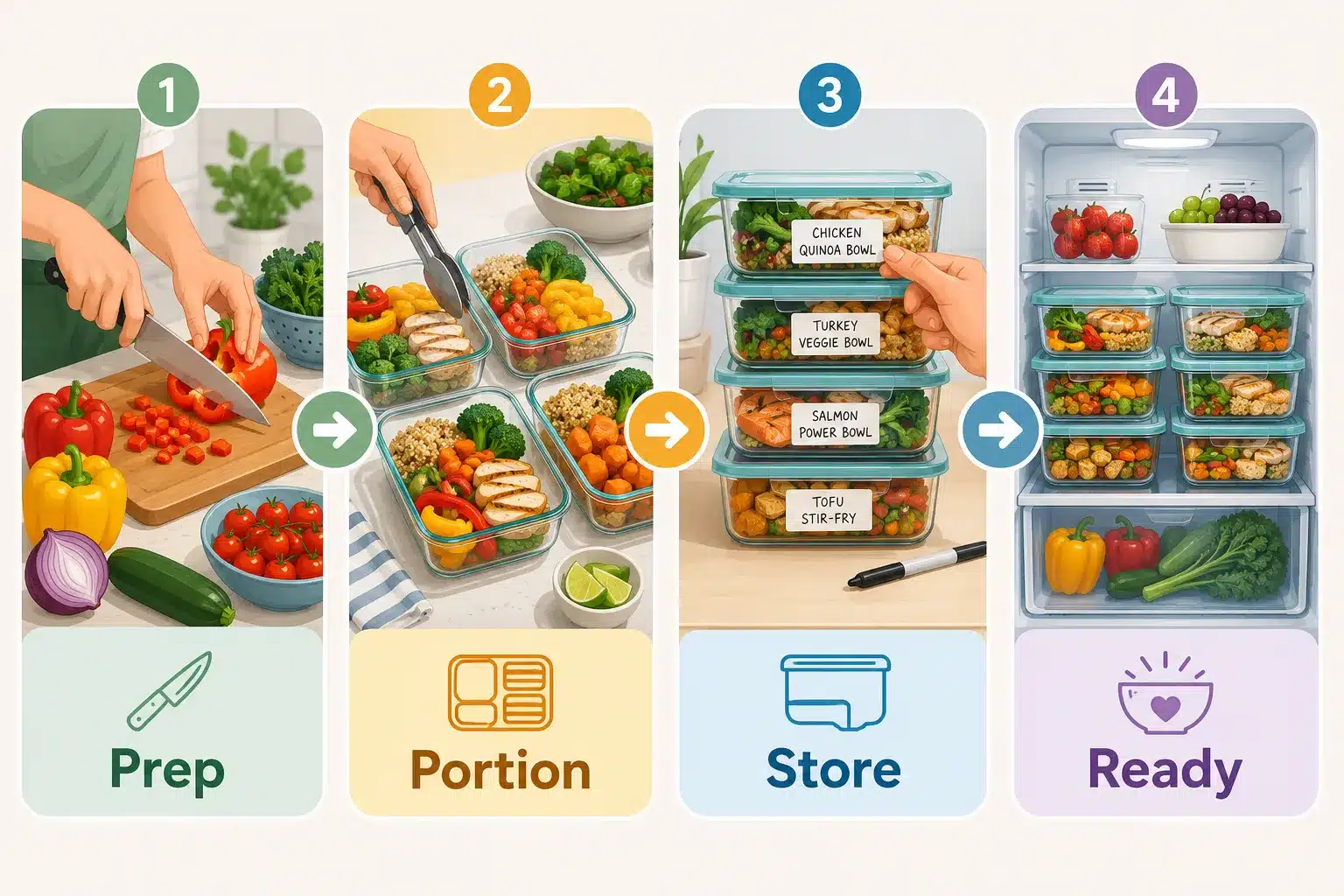
A practical GLP-1 meal prep plan (Sunday prep for the week):
Step 1, Cook your proteins in bulk:
- Bake 4-6 chicken breasts with lemon and herbs (use throughout the week)
- Hard-boil 8-10 eggs
- Cook a batch of lentils or chickpeas from dried (or use canned)
Step 2, Roast a sheet pan of vegetables:
- Broccoli, bell peppers, zucchini, and sweet potato
- Toss with olive oil, salt, and garlic powder
- Roast at 400°F for 25-30 minutes
Step 3, Cook a grain base:
- 2 cups dry quinoa or brown rice (yields 4-6 cups cooked)
- Store in a sealed container in the refrigerator
Step 4, Portion into containers:
- Combine protein + vegetables + grain in individual containers
- Vary the seasoning (lemon herb, Asian sesame, Mexican-style) so meals don’t feel repetitive
Step 5, Prep breakfast items:
- Overnight oats in mason jars (make 3-4 at once)
- Greek yogurt parfait components stored separately
Time required: Roughly 60-90 minutes on Sunday covers most of the week’s meals. For people on GLP-1 medications, having food ready removes the barrier of cooking when appetite is low or nausea is present.
Best GLP-1 Recipes for Appetite Suppression
The best GLP-1 recipes for appetite suppression are high in protein and soluble fiber, as both nutrients extend satiety signals beyond what the medication alone provides. These meals work with the drug’s mechanism rather than against it.
Why protein and fiber extend satiety:
- Protein stimulates the release of additional satiety hormones (PYY and CCK), compounding the effect of GLP-1 medication.
- Soluble fiber forms a gel in the gut that slows digestion further and keeps you feeling full longer.
- Together, they reduce the likelihood of reaching for snacks between meals.
Top appetite-suppressing recipe combinations:
Salmon and lentil bowl: The combination of omega-3 fatty acids in salmon and the soluble fiber in lentils creates one of the most satiating meal combinations available. A 5oz salmon fillet over 1/2 cup cooked lentils with roasted vegetables keeps most GLP-1 users full for 5-6 hours.
Egg and avocado grain bowl: 2 poached eggs over quinoa with 1/4 avocado and a handful of spinach. The combination of complete protein, healthy fat, and fiber hits all three satiety levers.
High-protein overnight oats: 1/2 cup oats + 1 scoop protein powder + 1 tablespoon chia seeds + almond milk. Prepare the night before. The chia seeds expand overnight and add significant volume and fiber.
Turkey and white bean chili: Ground turkey, white beans, diced tomatoes, and mild spices. High in both protein and fiber, freezes well, and reheats easily.
The key principle: prioritize protein and fiber at every meal, and you’ll find that the medication’s appetite-suppressing effects are amplified rather than working alone.
GLP-1 Recipes Without Dairy or Gluten
GLP-1 friendly recipes are naturally easy to adapt for dairy-free and gluten-free diets because the foundation of these meals, lean proteins, vegetables, legumes, and whole grains, doesn’t require either ingredient.
Dairy-free swaps:
- Replace Greek yogurt with coconut yogurt or a high-protein soy-based yogurt
- Use almond milk, oat milk, or coconut milk in smoothies and oatmeal
- Replace cottage cheese with silken tofu (blended, it has a similar texture)
- Use nutritional yeast instead of parmesan for a savory, cheesy flavor
Gluten-free swaps:
- Replace wheat-based grains with quinoa, brown rice, buckwheat, or millet
- Use tamari instead of soy sauce (most soy sauce contains wheat)
- Choose certified gluten-free oats for overnight oats or oatmeal
- Use lettuce wraps or corn tortillas instead of wheat tortillas
Sample dairy-free, gluten-free GLP-1 recipe:
Coconut Curry Chickpea Bowl
- 1/2 cup chickpeas (canned, rinsed)
- 1/2 cup light coconut milk
- 1 teaspoon curry powder, 1/2 teaspoon turmeric, garlic, and ginger
- 1 cup baby spinach
- 1/2 cup cooked brown rice
- Simmer chickpeas in coconut milk with spices for 10 minutes, add spinach, serve over rice
- Total: ~380 calories, 14g protein, 10g fiber, dairy-free, gluten-free
This recipe is also batch-friendly and holds well for 4 days in the refrigerator.
GLP-1 Recipes That Are Actually Tasty
A common concern about GLP-1 eating is that healthy, low-fat, high-protein food is boring. That’s a preparation problem, not a food problem. Flavor comes from herbs, spices, acids (lemon, vinegar), and cooking technique, none of which add significant calories or fat.
Flavor strategies that work on GLP-1:
- Acid: A squeeze of lemon or lime transforms plain chicken, fish, or vegetables.
- Fresh herbs: Cilantro, parsley, basil, and dill add brightness without calories.
- Spice blends: Za’atar, smoked paprika, cumin, and turmeric add depth to simple proteins.
- Umami: Miso paste, tamari, nutritional yeast, and sun-dried tomatoes add savory richness in small amounts.
- Texture contrast: Toasted seeds or nuts (in small amounts) on top of a grain bowl add crunch that makes eating more satisfying.
Three genuinely tasty GLP-1 recipes:
Za’atar roasted chicken thighs (skinless) with cucumber-tomato salad: Za’atar seasoning on skinless chicken thighs, roasted until golden. Served with diced cucumber, cherry tomatoes, red onion, lemon juice, and olive oil. Bright, savory, and satisfying.
Miso-glazed salmon with edamame and brown rice: Brush salmon with a mix of white miso, rice vinegar, and a small amount of honey. Broil for 8-10 minutes. Serve over brown rice with steamed edamame. Rich umami flavor with minimal fat.
Spiced lentil and sweet potato soup: Red lentils, diced sweet potato, cumin, coriander, smoked paprika, and low-sodium vegetable broth. Simmer 25 minutes, blend partially for a creamy texture. Top with a squeeze of lemon and fresh cilantro. Deeply flavorful and very easy to make.
Good food on GLP-1 is achievable. The medication may reduce how much you eat, but it doesn’t reduce your ability to enjoy what you eat.
Key Takeaway
GLP-1 recipes for weight loss work best when they prioritize protein (25-35g per meal), moderate fiber (6-10g per meal), and minimal saturated fat. The medication handles appetite suppression, your diet needs to handle nutrient density. Meal prepping, eating three structured meals per day, and focusing on flavor through herbs and spices makes the eating pattern sustainable over the long term. Avoid greasy, fried, or heavily processed foods, especially in the first 8 weeks when nausea risk is highest.
Frequently Asked Questions
What foods should I avoid on GLP-1 medications?
Avoid fried foods, high-fat meats, creamy sauces, carbonated drinks, and large portions of processed sugar. These foods are harder to digest when gastric emptying is slowed and are the most common triggers for nausea and reflux.
How many calories should I eat per day on GLP-1?
Most GLP-1 users naturally eat 800-1,200 calories per day due to appetite suppression. Rather than counting calories strictly, focus on hitting protein targets (1.2-1.6g/kg body weight) and eating enough fiber and micronutrients within that reduced intake.
Can I drink protein shakes on GLP-1?
Yes, and they can be very useful on days when appetite is too low to eat a full meal. Choose a low-sugar, high-protein shake (25+ grams of protein, under 5g of sugar) and drink it slowly. Avoid carbonated protein drinks, which can worsen bloating.
Should I take supplements while on GLP-1?
Many GLP-1 users benefit from B12, vitamin D, magnesium, and iron supplementation because reduced food intake can lead to deficiencies over time. Speak with your doctor before starting any supplement regimen.
Is intermittent fasting safe on GLP-1?
Intermittent fasting is not generally recommended for GLP-1 users without medical supervision. The combination of appetite suppression and an extended fasting window can lead to insufficient protein intake and muscle loss.
How long does it take to find a GLP-1 eating routine that works?
Most people settle into a comfortable eating pattern within 4-8 weeks as the medication dose stabilizes and nausea decreases. The first 2-4 weeks are the hardest adjustment period.
Can I eat out at restaurants on GLP-1?
Yes, but choose restaurants where you can order grilled proteins, steamed vegetables, and simple sides. Ask for sauces on the side, avoid fried options, and plan to eat a much smaller portion than usual. Doggy bags are your friend.
What is the best breakfast for GLP-1 users?
High-protein breakfasts work best: Greek yogurt with berries, scrambled eggs with vegetables, or a protein smoothie with oats and fruit. Aim for 25g of protein and avoid high-sugar cereals or pastries that spike blood sugar.
Do GLP-1 recipes need to be low-carb?
No. Low-carb is not required on GLP-1 medications. The priority is nutrient density and protein content. Complex carbohydrates from whole grains, legumes, and vegetables are beneficial and support fiber intake.
Can I follow a vegetarian or vegan diet on GLP-1?
Yes, but it requires more planning to hit protein targets without animal products. Focus on tofu, tempeh, edamame, lentils, chickpeas, and high-protein dairy alternatives. A plant-based protein powder can help fill gaps.
What happens if I don’t eat enough on GLP-1?
Consistently eating too little, especially too little protein, leads to muscle loss, fatigue, hair thinning, and nutrient deficiencies. The goal is weight loss from fat, not from muscle. Eating structured meals even when not hungry is important.
Are GLP-1 recipes different for semaglutide vs. tirzepatide?
The core principles are the same for both medications. Tirzepatide (Mounjaro/Zepbound) also targets GIP receptors in addition to GLP-1, which may produce stronger appetite suppression in some people, making adequate protein intake even more critical. See our Mounjaro weight loss guide for more specifics.
7 Best GLP-1 Providers Ranked: Accreditation, Flexibility & Support Compared (2026 Update)
32,000+ Patients Can't All Be Wrong: See the Top-Rated GLP-1 Providers: Compared on accreditation, plan flexibility, and patient support — updated for 2026.
BMI MD GLP-1 Microdosing Plan
- Specialized microdosing options (sublingual drops or low-dose injections)
- Ideal for maintaining weight or tapering off higher doses safely
- Fully bundled plan with no hidden monthly platform memberships
DirectMeds Weight Loss Solutions
- Sourced from accredited, state-licensed 503A compounding pharmacies
- No-frills high-volume savings passed directly to the patient
- Includes clinical consultation and cold-chain shipping updates
MEDVi Flat-Rate Telehealth
- Flat monthly rate holds steady even at maximum maintenance doses
- No dosage upcharges or graduation fee penalties
- Offers both injectable and advanced oral thin-film delivery options
Gala GLP-1 Care Program
- All-inclusive plan with no standalone membership costs
- Continuous text-based messaging access with state-licensed clinicians
- Temperature-controlled, cold-chain medication shipping included
Measured GLP-1 Metabolic Health
- Comprehensive metabolic health screening and expert intake analysis
- Predictable long-term budgeting with stable plan pricing
- High-end responsive dashboard with integrated diagnostic support
Refills GLP-1 (TryRefills Plan)
- Flat rate holds steady as titration scales up
- Includes clinical guides for active side-effect management
- Bundles in foundational nutritional strategies alongside medication
AltRx GLP-1 Transactional Reorders
- Zero recurring auto-billing — pay entirely on a transactional basis
- Rapid text-to-order format saves time for experienced patients
- Provides both injectable forms and fast-dissolving tablet variations
Conclusion
GLP-1 medications are powerful tools for weight loss, but they work best when paired with intentional eating. The recipes and strategies in this guide are built around one central idea: when you eat less, every meal needs to do more.
Actionable next steps:
- Calculate your protein target this week: multiply your body weight in kilograms by 1.2-1.6 to get your daily protein goal in grams.
- Plan three structured meals per day rather than grazing, and build each meal around a protein source.
- Prep one batch of protein and one batch of roasted vegetables this weekend to have ready-to-assemble meals for the week.
- Identify your nausea triggers by keeping a simple food log for the first 2 weeks and noting which foods cause discomfort.
- Speak with a registered dietitian if you’re losing weight faster than 1-2 pounds per week or struggling to hit protein targets.
For more on the medications themselves, our complete guide to GLP-1 medications for weight loss and diabetes covers everything from mechanism to dosing. If you’re still deciding which program or medication is right for you, our RX medications for weight loss guide and comparison of which GLP-1 medication works best for weight loss are good places to start.
The food you eat on GLP-1 doesn’t need to be complicated or joyless. It needs to be intentional.
References
- Wilding, J.P.H., et al. “Once-Weekly Semaglutide in Adults with Overweight or Obesity.” New England Journal of Medicine, 2021. https://www.nejm.org/doi/full/10.1056/NEJMoa2032183
- Jastreboff, A.M., et al. “Tirzepatide Once Weekly for the Treatment of Obesity.” New England Journal of Medicine, 2022. https://www.nejm.org/doi/full/10.1056/NEJMoa2206038
- Bray, G.A., et al. “Obesity Pharmacotherapy: What Is Next?” Mayo Clinic Proceedings, 2020. https://www.mayoclinicproceedings.org/article/S0025-6196(20)30369-9/fulltext
- Academy of Nutrition and Dietetics. “Position of the Academy of Nutrition and Dietetics: Total Diet Approach to Healthy Eating.” Journal of the Academy of Nutrition and Dietetics, 2013. https://www.jandonline.org/article/S2212-2672(13)01371-6/fulltext
- Stokes, T., et al. “Recent Perspectives Regarding the Role of Dietary Protein for the Promotion of Muscle Hypertrophy with Resistance Exercise Training.” Nutrients, 2018. https://www.mdpi.com/2072-6643/10/2/180
Tags: GLP-1 recipes, GLP-1 weight loss, semaglutide diet, high-protein meals, GLP-1 meal prep, GLP-1 nausea foods, fiber-rich recipes, low-calorie GLP-1 meals, tirzepatide diet, GLP-1 nutrition, weight loss meal plan, GLP-1 friendly food

With over 13 years of experience in holistic health blogging, I aim to help you navigate your wellness journey with honest insights, expert-backed advice, and a sprinkle of real-world practicality.
Certified Wellness Writer | Herbal Nutrition Advocate | Wellness Research Enthusiast


