
GLP-1 Foods to Eat: The Best Foods for Healthy Weight Loss (2026)
Last updated: July 26, 2026
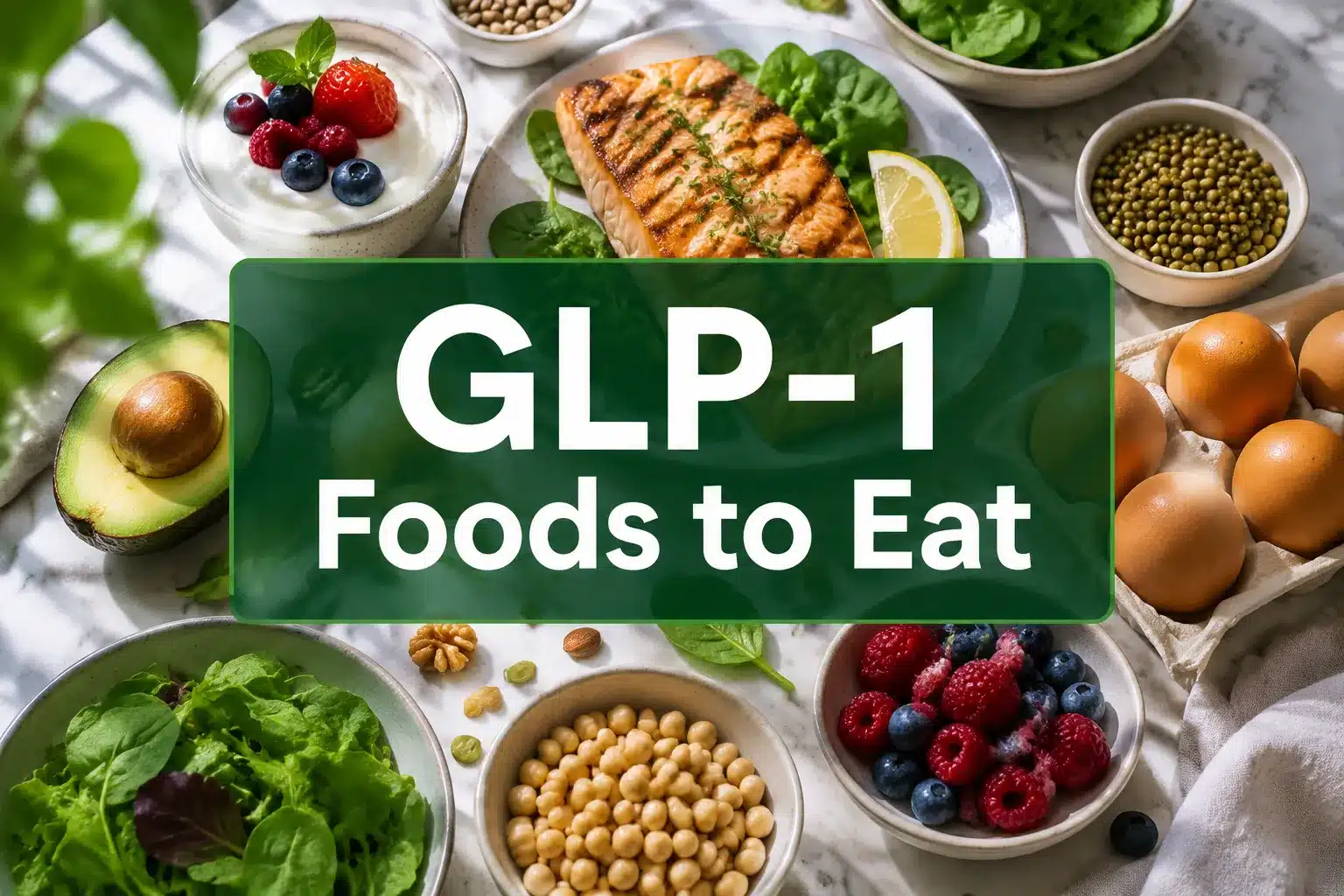
Quick Answer: The best GLP-1 foods to eat are high-protein, high-fiber, nutrient-dense whole foods that support satiety, minimize nausea, and preserve muscle mass. These include lean meats, eggs, legumes, non-starchy vegetables, Greek yogurt, and healthy fats like avocado. Because GLP-1 medications significantly reduce appetite and stomach emptying, every bite counts more than it did before, so food quality becomes the single most important dietary variable.
Key Takeaways
- GLP-1 medications slow gastric emptying and reduce appetite, which means smaller portions are inevitable, prioritize protein and fiber at every meal to protect muscle and stay full.
- Aim for 25-30 grams of protein per meal when possible; this supports muscle retention during rapid weight loss.
- High-fiber foods (vegetables, legumes, oats) help prevent constipation, one of the most common GLP-1 side effects.
- Greasy, fried, and ultra-processed foods worsen nausea and GI side effects significantly, these are the foods most worth cutting first.
- Carbohydrates are not banned on GLP-1 therapy, but the type matters: choose whole grains, legumes, and fruit over refined carbs and added sugars.
- Small, frequent meals (every 3-4 hours) tend to be better tolerated than two or three large meals, especially in the first weeks of treatment.
- Hydration is critical, reduced food intake lowers your fluid intake from food, so drinking water consistently throughout the day matters more than ever.
- Food quality matters more on GLP-1 therapy than on a standard diet because you are eating far less total volume.
What Are GLP-1 Friendly Foods?
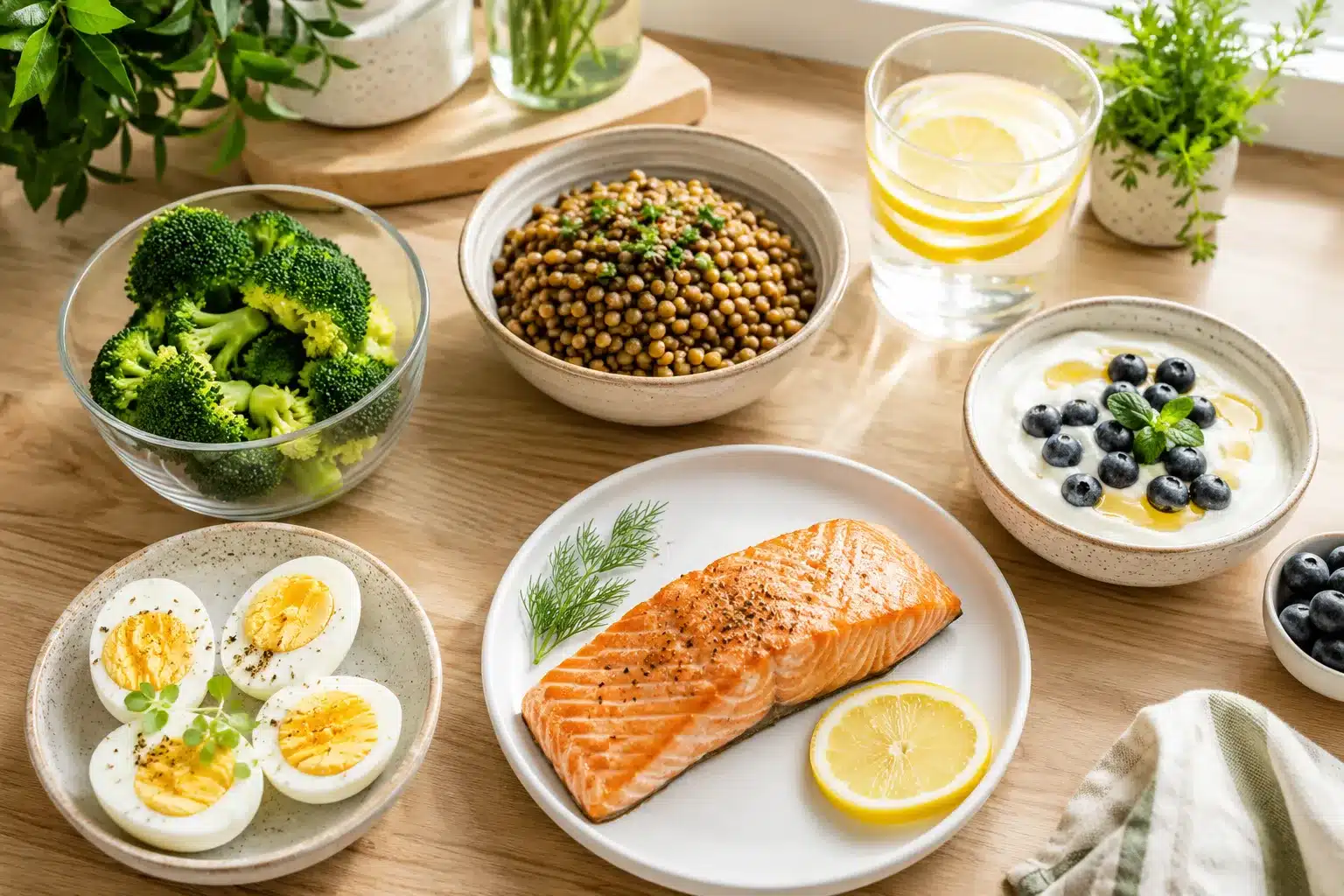
GLP-1 friendly foods are whole, minimally processed foods that work with the physiological changes caused by GLP-1 receptor agonist medications (such as semaglutide or tirzepatide). These foods maximize nutrient density within a smaller eating window, support satiety, and reduce the likelihood of side effects like nausea, bloating, and constipation.
7 Best GLP-1 Providers Ranked: Accreditation, Flexibility & Support Compared (2026 Update)
32,000+ Patients Can't All Be Wrong: See the Top-Rated GLP-1 Providers. We compared the leading online GLP-1 providers based on program features, clinical support, convenience, and overall value.
BMI MD GLP-1 Microdosing Plan
- Specialized microdosing options, including sublingual drops and low-dose injections
- Designed for people interested in maintaining weight or gradually adjusting treatment
- Bundled program structure without a separate monthly platform membership
- Online access makes the process convenient from home

DirectMeds Weight Loss Solutions
- Online weight-loss program with a straightforward patient experience
- Compounded medication options through state-licensed compounding pharmacies
- Includes clinical consultation as part of the process
- Provides shipping updates to help patients track their orders
MEDVi Flat-Rate Telehealth
- Flat-rate telehealth approach designed for easier budgeting
- No dosage-based pricing increases within the advertised program structure
- Offers injectable and oral thin-film delivery options
- Includes medical screening and asynchronous provider consultations
Gala GLP-1 Care Program
- Text-based access to state-licensed clinicians
- Cold-chain medication shipping included in the program
- Month-to-month program structure
- Designed for people who value convenient ongoing support
Measured GLP-1 Metabolic Health
- Comprehensive metabolic health screening and intake analysis
- Designed around longer-term metabolic health management
- Responsive dashboard with integrated health tracking tools
- Useful option for patients who value a more data-focused experience
Refills GLP-1 (TryRefills Plan)
- Clinical guidance designed to help patients manage common treatment concerns
- Includes foundational nutritional strategies alongside medication
- Designed around predictable ongoing treatment
- No hidden startup or processing fees according to the program information provided
AltRx GLP-1 Transactional Reorders
- Transactional reorder model without recurring auto-billing
- Designed for patients who already understand their treatment routine
- Fast text-to-order process for convenient reorders
- Offers injectable and fast-dissolving tablet variations
The core categories are:
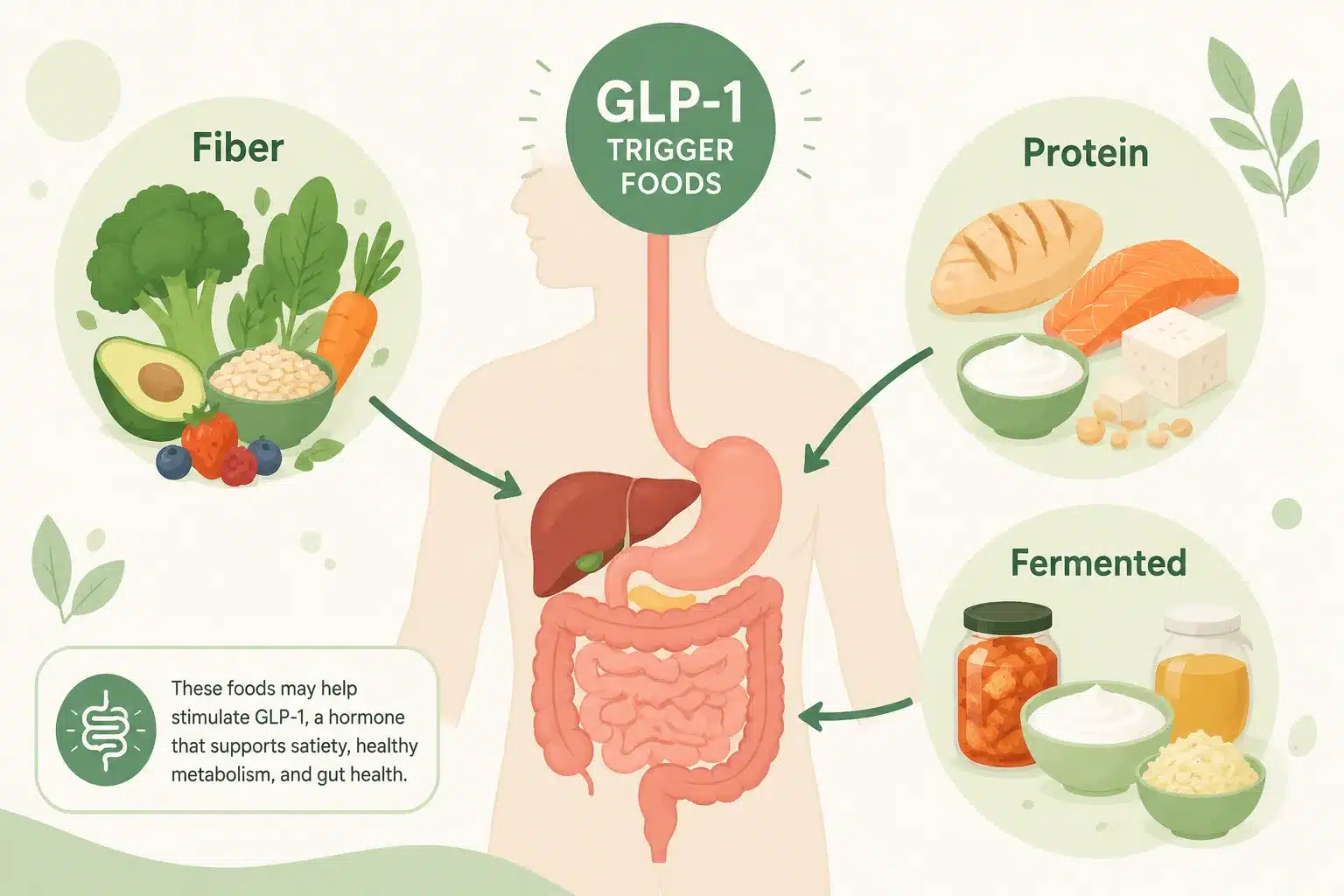
- Lean proteins: Chicken breast, turkey, fish, eggs, Greek yogurt, cottage cheese, tofu, tempeh, legumes
- Non-starchy vegetables: Broccoli, spinach, kale, zucchini, cucumber, cauliflower, bell peppers, asparagus
- High-fiber carbohydrates: Lentils, chickpeas, black beans, oats, quinoa, sweet potato
- Healthy fats: Avocado, olive oil, nuts, seeds, fatty fish like salmon and mackerel
- Fermented foods: Plain Greek yogurt, kefir, kimchi, sauerkraut (support gut health and digestion)
- Hydrating foods: Cucumber, watermelon, broth-based soups, berries
Who this applies to: Anyone using a GLP-1 receptor agonist for weight loss or type 2 diabetes management, including medications like Wegovy, Ozempic, Mounjaro, or Zepbound. The same principles apply to people using compounded versions of these medications. For a broader look at how these programs work, see our guide to the best GLP-1 weight loss programs.
Best Foods to Eat on GLP-1 Medication
The best foods to eat on GLP-1 medication are those that deliver the most nutrition in the smallest volume. Because GLP-1 drugs slow gastric emptying and suppress appetite, you may only feel comfortable eating 600-1,000 calories per day in early treatment, which makes food selection critical.
Protein-First Priority
Protein should anchor every meal. It preserves lean muscle mass during weight loss, keeps you fuller longer, and has the highest thermic effect of any macronutrient (meaning your body burns more calories digesting it). Clinical nutrition guidelines consistently recommend 1.2-1.6 grams of protein per kilogram of body weight for people losing weight rapidly, according to guidance from the European Society for Clinical Nutrition and Metabolism (ESPEN, 2021).
Best protein sources for GLP-1 users:
| Food | Protein per Serving | Notes |
|---|---|---|
| Chicken breast (3 oz cooked) | ~26g | Easy to digest, versatile |
| Greek yogurt (plain, 6 oz) | ~17g | Also provides probiotics |
| Eggs (2 large) | ~12g | Quick, nutrient-dense |
| Canned tuna (3 oz) | ~22g | Convenient, high omega-3 |
| Lentils (1/2 cup cooked) | ~9g | Also high in fiber |
| Cottage cheese (1/2 cup) | ~14g | Soft texture, easy to tolerate |
| Tofu (firm, 3 oz) | ~9g | Good plant-based option |
| Salmon (3 oz cooked) | ~22g | Omega-3s support inflammation |
Fiber and Vegetables
Fiber slows digestion further, feeds beneficial gut bacteria, and helps prevent constipation, a common complaint among GLP-1 users. Non-starchy vegetables are particularly valuable because they add volume and micronutrients with minimal calories.
Top vegetable picks: Broccoli, spinach, zucchini, cauliflower, Brussels sprouts, asparagus, and leafy greens. Aim for at least 2-3 servings of vegetables per day even on reduced-appetite days.
High Protein Low Carb Foods for GLP-1
High-protein, lower-carb eating is one of the most effective dietary patterns for GLP-1 users because it preserves muscle, stabilizes blood sugar, and reduces the insulin spikes that can trigger hunger rebounds. This does not mean zero carbs, it means choosing carbs strategically.
Best high-protein, lower-carb foods for GLP-1:
- Eggs and egg whites
- Chicken, turkey, and lean beef
- Fish and shellfish (shrimp is especially lean)
- Greek yogurt and cottage cheese (low-fat versions)
- Edamame (a rare high-protein plant food that is also low-glycemic)
- Tempeh and firm tofu
- String cheese and hard cheeses (in small portions)
Decision rule: If you are eating fewer than 1,200 calories per day due to GLP-1-suppressed appetite, prioritize protein above all other macronutrients. Getting 80-100g of protein daily on a very low-calorie intake is challenging but achievable with the foods above. A high-quality protein powder or shake can help fill gaps without adding volume that might trigger nausea.
For more on how semaglutide and tirzepatide differ in their effects on appetite and metabolism, see our comparison of semaglutide and tirzepatide.
What Foods Should I Avoid on GLP-1?
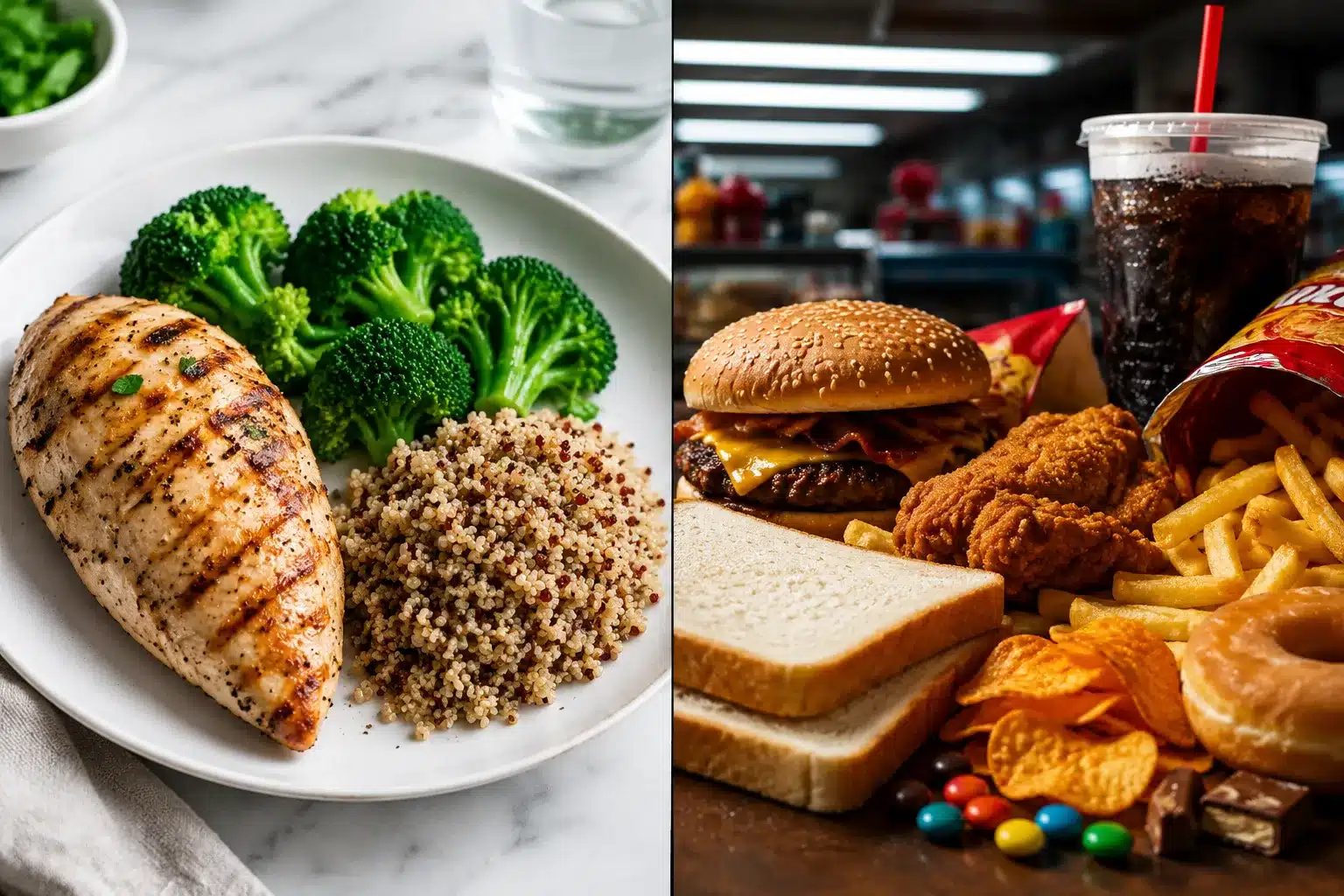
On GLP-1 medication, the foods most likely to cause problems are high-fat, fried, ultra-processed, or very sugary foods. These worsen nausea, slow already-delayed gastric emptying further, and provide poor nutrition relative to their calorie load.
Foods to minimize or avoid:
- Fried and greasy foods: French fries, fried chicken, onion rings, these are the single biggest trigger for nausea and vomiting on GLP-1 therapy
- High-fat fast food: Burgers, pizza, processed meat sandwiches
- Sugary beverages: Soda, juice, energy drinks, sweetened coffee drinks
- Refined carbohydrates: White bread, pastries, crackers, white rice in large portions
- Ultra-processed snacks: Chips, cookies, candy
- Alcohol: Slows gastric emptying further, lowers blood sugar unpredictably, and adds empty calories
- Very spicy foods: Can irritate the GI tract, which is already more sensitive on GLP-1 medication
- Large portions of red meat: High-fat cuts like ribeye or brisket are harder to digest and may worsen nausea
Common mistake: Many people assume they can eat anything because the medication will suppress their appetite anyway. This leads to poor nutrition, increased side effects, and slower progress. The medication reduces how much you eat, it does not improve the quality of what you eat.
GLP-1 Diet Foods That Don’t Cause Nausea
Nausea is the most frequently reported side effect of GLP-1 medications, particularly in the first 4-8 weeks or after a dose increase. Certain foods are much easier to tolerate than others during this period.
Foods that tend to be well-tolerated:
- Plain crackers or rice cakes (small amounts)
- Scrambled eggs or soft-boiled eggs
- Plain Greek yogurt
- Broth-based soups (chicken or vegetable)
- Oatmeal with a small amount of fruit
- Banana (easy to digest, gentle on the stomach)
- Steamed or roasted vegetables (not raw, which can be harder to digest)
- Smoothies with protein powder, spinach, and berries (liquid form is often better tolerated)
- Cottage cheese
- Applesauce (unsweetened)
Foods most likely to trigger nausea:
- Anything fried or very greasy
- Strong-smelling foods (certain fish, aged cheeses)
- Very large portions of any food
- High-sugar foods eaten quickly
- Carbonated beverages (can cause bloating and worsen nausea)
Practical tip: Eat slowly, chew thoroughly, and stop before you feel full. GLP-1 medications delay the signal that tells your brain you are satisfied, so eating too fast is a reliable path to nausea. Smaller bites and longer meal times make a real difference.
How Much Should I Eat on GLP-1?
Most people on GLP-1 medications naturally reduce their calorie intake to somewhere between 1,000 and 1,500 calories per day, though this varies significantly by individual, dose, and how long they have been on the medication. The medication does the appetite suppression, your job is to make those calories count.
General guidelines:
- Do not try to eat less than your appetite already dictates. The medication handles restriction.
- Aim for 3 small meals per day, each around 300-500 calories, rather than two large meals.
- Prioritize protein at each meal (target 20-30g per meal if possible).
- Do not skip meals entirely, even on days with very low appetite, eating something small helps prevent muscle loss and nutrient deficiencies.
- Portion sizes will naturally be smaller than before. A typical meal might be a palm-sized protein serving, a cup of vegetables, and a small amount of complex carbohydrate.
When to seek guidance: If you are consistently eating fewer than 800 calories per day for more than a week, speak with your prescribing provider. Severe caloric restriction without medical supervision can cause muscle loss, nutrient deficiencies, and electrolyte imbalances. If cost or access to your GLP-1 program is a concern, our guide to GLP-1 payment plans covers options worth exploring.
GLP-1 Foods for Weight Loss
GLP-1 foods that support weight loss are those that maximize satiety per calorie, preserve lean muscle mass, and support metabolic health. The medication creates the caloric deficit, the right foods determine whether you lose fat or a mix of fat and muscle.
The weight loss food hierarchy for GLP-1 users:
- Lean protein (most important for muscle preservation and satiety)
- Non-starchy vegetables (volume, fiber, micronutrients with minimal calories)
- High-fiber legumes (protein + fiber combination that keeps you full)
- Whole grains in small portions (steady energy, fiber, B vitamins)
- Healthy fats (avocado, olive oil, nuts, calorie-dense so use in moderation)
What the research supports: A 2022 study published in the journal Obesity found that participants on semaglutide who maintained higher protein intakes preserved significantly more lean muscle mass compared to those who did not prioritize protein, even with similar total weight loss. This underscores that food quality, not just calorie reduction, determines body composition outcomes.
Practical weight loss meal structure:
- Breakfast: 2 eggs + 1/2 cup Greek yogurt + a small handful of berries
- Lunch: 3 oz grilled chicken + 1.5 cups roasted vegetables + 1/4 cup quinoa
- Dinner: 3 oz salmon + steamed broccoli + 1/2 cup lentils
- Snack (if needed): Cottage cheese or a hard-boiled egg
Can I Eat Carbs on GLP-1?
Yes, you can and should eat carbohydrates on GLP-1 medication, but the type and amount matter. Refined carbohydrates and added sugars are the problem, not carbohydrates as a category.
Carbs that work well on GLP-1:
- Legumes: Lentils, chickpeas, black beans, kidney beans (high fiber, high protein, low glycemic index)
- Whole grains: Oats, quinoa, brown rice, barley, whole grain bread in small portions
- Fruit: Berries, apples, pears, citrus (fiber slows sugar absorption)
- Sweet potato: Nutrient-dense, high in fiber, moderate glycemic impact
- Non-starchy vegetables: Technically carbohydrates, but so low in sugar and high in fiber that they have minimal blood sugar impact
Carbs to limit:
- White bread, white rice, and refined pasta in large amounts
- Pastries, cakes, cookies, and other baked goods with added sugar
- Sweetened cereals
- Fruit juice (lacks the fiber of whole fruit, spikes blood sugar faster)
Decision rule: Choose X if the carbohydrate has fiber attached to it. A carb that comes packaged with fiber (like an apple, a cup of lentils, or a bowl of oatmeal) behaves very differently in the body than the same number of carb grams from white bread or soda.
Best GLP-1 Snacks Between Meals
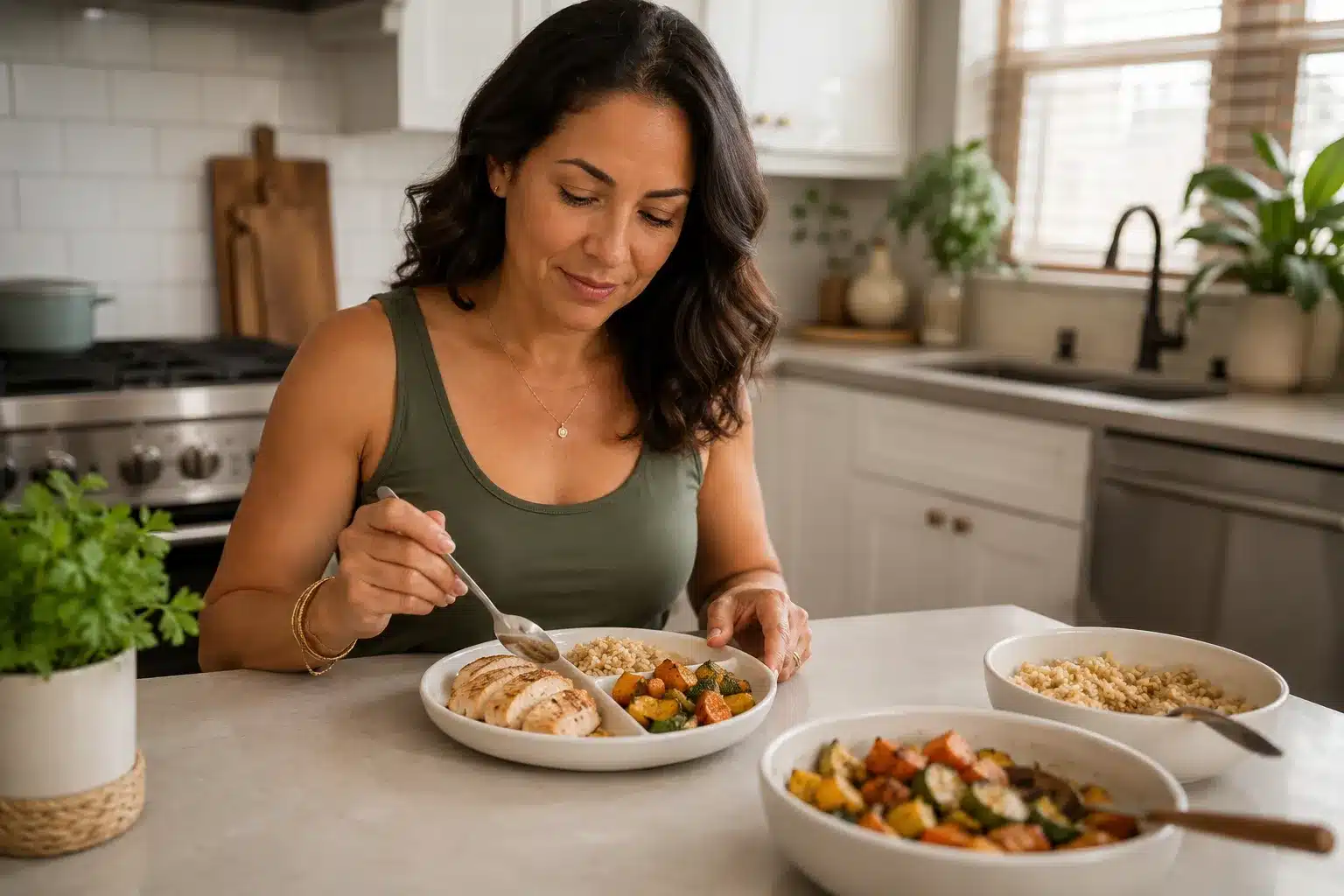
The best GLP-1 snacks are small, protein-forward, and easy to digest. Because appetite is suppressed, snacks are not always necessary, but they are useful when you need to hit your protein target or prevent blood sugar dips between meals.
Top GLP-1 snack options:
- Hard-boiled egg (6g protein, portable, filling)
- Plain Greek yogurt (1/2 cup, ~10g protein)
- Cottage cheese with cucumber slices
- A small handful of almonds or walnuts (healthy fats, protein)
- String cheese (easy, portable, ~7g protein)
- Hummus with sliced bell pepper or cucumber (fiber + plant protein)
- A small apple with 1 tablespoon of almond butter
- Edamame (1/2 cup, ~8g protein)
- Protein shake or smoothie (useful when solid food is not appealing)
What to avoid as snacks: Chips, crackers, candy, granola bars with added sugar, and anything fried. These provide little nutritional value and are more likely to trigger nausea or disrupt the appetite-suppressing effect of the medication.
Snack timing: If you snack, aim to do so 2-3 hours after a meal, not immediately before one. Eating too close to a meal can push total volume past your comfort threshold and worsen GI symptoms.
GLP-1 Foods That Keep You Full Longer
Foods that keep you full longer on GLP-1 therapy share three characteristics: high protein content, high fiber content, or high water content. The medication already slows gastric emptying, so pairing it with satiating foods can extend the comfortable feeling of fullness for 4-6 hours between meals.
Most satiating GLP-1 foods:
- Eggs: Research from the University of Connecticut (2008) found that egg-based breakfasts significantly reduced hunger and calorie intake at subsequent meals compared to carbohydrate-based breakfasts.
- Legumes: Lentils and beans combine protein and fiber in a way that produces sustained satiety.
- Oatmeal: Beta-glucan fiber in oats forms a gel in the stomach that slows digestion and prolongs fullness.
- Greek yogurt: High protein and the thick texture both contribute to satiety.
- Avocado: Monounsaturated fats slow gastric emptying and trigger satiety hormones.
- Salmon and fatty fish: Protein plus omega-3 fats, both of which support satiety signals.
- Broth-based soups: High water content with protein and vegetables, research consistently shows soup increases satiety more than the same ingredients eaten dry.
Edge case: Some people find that very high-fat foods (like large amounts of nuts or avocado) actually worsen nausea on GLP-1 medication, even though fat is satiating. If this applies to you, lean toward protein and fiber as your primary satiety tools and use healthy fats in smaller amounts.
Does Food Quality Matter on GLP-1?
Food quality matters more on GLP-1 therapy than it does on a standard diet. This is a direct consequence of eating less: when your total daily intake drops to 1,000-1,400 calories, every food choice has an outsized impact on whether you meet your nutritional needs.
Why quality matters more:
- Nutrient deficiencies are more likely when eating less. Iron, vitamin B12, vitamin D, calcium, magnesium, and zinc are commonly under-consumed on very low-calorie diets.
- Muscle loss is a real risk during rapid weight loss. High-quality protein (complete amino acid profiles from animal sources or complementary plant proteins) is necessary to minimize this.
- GI side effects are directly influenced by food choices. Ultra-processed, high-fat, and high-sugar foods consistently worsen nausea, bloating, and reflux on GLP-1 medication.
- Metabolic outcomes differ. A 2023 review in Nutrients noted that dietary pattern quality predicted long-term weight maintenance outcomes in GLP-1 users more strongly than calorie counting alone.
Practical implication: Eating 1,200 calories of whole foods (lean protein, vegetables, legumes, whole grains) produces very different health outcomes than eating 1,200 calories of processed food, even on the same medication at the same dose.
For a detailed look at what one GLP-1 program includes in terms of nutrition support, see our Hims weight loss review or the Ro Body review.
GLP-1 Diet Foods for Beginners
If you are just starting GLP-1 medication, the first two to four weeks are about building habits that will serve you for the entire course of treatment. Start simple, focus on protein and vegetables, and do not try to overhaul your entire diet at once.
A beginner-friendly GLP-1 food list:
- Eggs (scrambled, boiled, or as an omelet with vegetables)
- Canned tuna or salmon (convenient, no cooking required)
- Greek yogurt (plain, full-fat or low-fat)
- Rotisserie chicken (easy protein source, widely available)
- Frozen vegetables (broccoli, spinach, mixed stir-fry blends, no prep required)
- Canned lentils or chickpeas (rinse and add to salads or soups)
- Oatmeal (quick-cook, no added sugar)
- Berries (fresh or frozen)
- Avocado
- Low-sodium chicken or vegetable broth (for easy soups)
Beginner checklist:
- Stock your kitchen with 2-3 protein sources you actually enjoy eating
- Keep vegetables prepped and ready in the fridge (washed, cut, stored in containers)
- Have a protein shake or Greek yogurt available for days when solid food is unappealing
- Drink water consistently throughout the day (aim for at least 6-8 cups)
- Eat slowly and stop at the first sign of fullness
Common beginner mistake: Waiting until you feel hungry to eat. GLP-1 medications can suppress hunger so effectively that some people forget to eat for most of the day, then feel nauseous when they try to eat a larger meal in the evening. Eating small, scheduled meals prevents this pattern.
If you are still researching which GLP-1 program to start with, our guide to the cheapest GLP-1 program options breaks down the most affordable paths to treatment.
Why Do Certain Foods Make GLP-1 Side Effects Worse?
Certain foods worsen GLP-1 side effects because they interact directly with the physiological changes the medication causes. GLP-1 receptor agonists slow gastric emptying, increase gut sensitivity, and alter the way the digestive system processes fat and sugar. Foods that were previously tolerated well may become problematic.
The main mechanisms:
- Fatty foods: High-fat meals slow gastric emptying even further (on top of what the medication already does), leading to nausea, bloating, and a sensation of food “sitting” in the stomach for hours.
- Sugary foods and drinks: Rapid sugar absorption can cause reactive hypoglycemia (blood sugar drops) in some GLP-1 users, especially those also managing diabetes.
- Carbonated beverages: Gas production in a stomach that is already emptying slowly leads to bloating, discomfort, and worsened nausea.
- Alcohol: Interacts with blood sugar regulation, irritates the GI tract, and can amplify dizziness, a known GLP-1 side effect.
- Very spicy foods: Increase gut motility in ways that conflict with the medication’s slowing effect, causing cramping or diarrhea in sensitive individuals.
- Large meal volumes: Even healthy foods cause nausea if eaten in quantities that exceed the stomach’s reduced capacity.
The practical rule: If a food would be considered “hard to digest” under normal circumstances, it will be significantly harder to digest on GLP-1 medication. Treat your digestive system as more sensitive than usual, especially in the first 8-12 weeks of treatment.
GLP-1 Foods vs. Regular Diet: What’s Different?
A GLP-1 diet differs from a standard healthy diet primarily in emphasis, not in the foods themselves. The core principles of good nutrition (whole foods, adequate protein, plenty of vegetables, limited processed food) apply in both cases, but the GLP-1 context changes the priorities.
Key differences:
| Factor | Regular Healthy Diet | GLP-1 Diet |
|---|---|---|
| Calorie intake | Moderate deficit (300-500 cal/day) | Often steep reduction (600-1,000+ cal/day) |
| Protein priority | Important | Critical, muscle loss risk is higher |
| Meal size | Normal portions | Significantly smaller portions |
| Meal frequency | 3 meals, optional snacks | 3 small meals, strategic snacks |
| Food tolerance | Most foods tolerated | Greasy/fried foods often cause nausea |
| Nutrient density focus | Recommended | Essential, less volume means less margin |
| Hydration | Important | More critical (food provides less fluid) |
| Fiber focus | Recommended | Especially important to prevent constipation |
What stays the same: The foundation of a GLP-1 diet is identical to any evidence-based healthy eating pattern, lean proteins, vegetables, whole grains, healthy fats, and limited ultra-processed food. The medication does not require a special or exotic diet. It amplifies the results of eating well and amplifies the consequences of eating poorly.
For a deeper look at how GLP-1 shots work and what to expect from treatment, our GLP-1 shots explained guide covers the full picture.
Key Takeaway
The single most important shift to make when starting GLP-1 therapy is moving from thinking about how much to eat to thinking about what to eat. The medication handles appetite reduction, your role is to fill a smaller eating window with foods that protect your muscle, support your gut, and give your body the nutrients it needs to thrive during rapid weight loss. Lean protein at every meal, plenty of vegetables, high-fiber carbohydrates, and minimal processed food is the framework that works. Start there, adjust based on what you tolerate, and build from a simple foundation rather than trying to overhaul everything at once.
7 Best GLP-1 Providers Ranked: Accreditation, Flexibility & Support Compared (2026 Update)
32,000+ Patients Can't All Be Wrong: See the Top-Rated GLP-1 Providers: Compared on accreditation, plan flexibility, and patient support — updated for 2026.
BMI MD GLP-1 Microdosing Plan
- Specialized microdosing options (sublingual drops or low-dose injections)
- Ideal for maintaining weight or tapering off higher doses safely
- Fully bundled plan with no hidden monthly platform memberships
DirectMeds Weight Loss Solutions
- Sourced from accredited, state-licensed 503A compounding pharmacies
- No-frills high-volume savings passed directly to the patient
- Includes clinical consultation and cold-chain shipping updates
MEDVi Flat-Rate Telehealth
- Flat monthly rate holds steady even at maximum maintenance doses
- No dosage upcharges or graduation fee penalties
- Offers both injectable and advanced oral thin-film delivery options
Gala GLP-1 Care Program
- All-inclusive plan with no standalone membership costs
- Continuous text-based messaging access with state-licensed clinicians
- Temperature-controlled, cold-chain medication shipping included
Measured GLP-1 Metabolic Health
- Comprehensive metabolic health screening and expert intake analysis
- Predictable long-term budgeting with stable plan pricing
- High-end responsive dashboard with integrated diagnostic support
Refills GLP-1 (TryRefills Plan)
- Flat rate holds steady as titration scales up
- Includes clinical guides for active side-effect management
- Bundles in foundational nutritional strategies alongside medication
AltRx GLP-1 Transactional Reorders
- Zero recurring auto-billing — pay entirely on a transactional basis
- Rapid text-to-order format saves time for experienced patients
- Provides both injectable forms and fast-dissolving tablet variations
Conclusion
Knowing which GLP-1 foods to eat is not about following a rigid meal plan, it is about understanding why certain foods work better than others given the specific changes GLP-1 medications cause in your body. Slower gastric emptying, reduced appetite, and increased gut sensitivity all point toward the same dietary priorities: lean protein, fiber-rich vegetables and legumes, whole-food carbohydrates, and minimal processed or fried food.
Actionable next steps:
- Audit your current pantry and fridge. Remove or reduce the foods most likely to worsen nausea (fried foods, sugary drinks, ultra-processed snacks).
- Stock up on 3-4 easy protein sources you enjoy (eggs, Greek yogurt, canned fish, rotisserie chicken).
- Prep vegetables ahead of time so they are easy to add to any meal without effort.
- Aim for 20-30g of protein at each of your three daily meals before anything else.
- Drink water consistently throughout the day, not just at mealtimes.
- If you are struggling with nausea, start with the softer, blander foods on the nausea-friendly list and gradually expand your diet as tolerance improves.
- Consider speaking with a registered dietitian who has experience with GLP-1 therapy, personalized guidance makes a measurable difference in outcomes.
The foods you choose on GLP-1 therapy do not just affect your weight. They determine your energy, your muscle mass, your gut health, and how well you tolerate the medication. Eating well is not optional on this journey, it is the part of the work the medication cannot do for you.
Frequently Asked Questions
What are the best GLP-1 foods to eat for weight loss?
Lean proteins (chicken, fish, eggs, Greek yogurt), non-starchy vegetables, legumes, and whole grains are the best GLP-1 foods for weight loss. They maximize satiety and nutrient density within a reduced calorie intake, and they help preserve lean muscle mass during rapid fat loss.
Can I eat rice on GLP-1 medication?
Yes, but choose brown rice over white, keep portions small (1/4 to 1/2 cup cooked), and pair it with protein and vegetables. White rice in large amounts digests quickly and provides little fiber, which can lead to blood sugar spikes and faster return of hunger.
What should I eat on GLP-1 when I have no appetite?
On low-appetite days, prioritize a protein-rich food above everything else, even a small serving of Greek yogurt, a hard-boiled egg, or a protein shake counts. Eating something small prevents muscle loss and keeps your metabolism supported. Liquid options like smoothies and broth-based soups are often easier to tolerate.
Do I need to count calories on GLP-1?
Strict calorie counting is not required, but being aware of your intake is useful, especially to ensure you are eating enough protein. Many GLP-1 users under-eat protein because they feel full on smaller portions. Tracking for a few weeks can reveal gaps.
Is Greek yogurt good on GLP-1?
Yes. Plain Greek yogurt is one of the best GLP-1 foods available. It is high in protein (15-20g per cup), provides probiotics that support gut health, is easy to digest, and is gentle enough to eat even on high-nausea days.
What fruits are best on GLP-1?
Berries (blueberries, strawberries, raspberries), apples, pears, and citrus fruits are the best choices because they are high in fiber and relatively low in sugar. Avoid fruit juice, which removes the fiber and delivers sugar rapidly.
How much protein do I need per day on GLP-1?
Most nutrition guidelines for people on GLP-1 therapy recommend 1.2-1.6 grams of protein per kilogram of body weight daily. For a 180-pound (82 kg) person, that translates to roughly 98-131 grams of protein per day. This is challenging on a reduced appetite, so planning protein into every meal and snack is essential.
Are eggs good for GLP-1 users?
Eggs are one of the best foods for GLP-1 users. They are a complete protein, easy to digest, quick to prepare, and well-tolerated even on days with nausea. Two large eggs provide about 12 grams of high-quality protein.
What drinks are safe on GLP-1?
Water is the best choice. Herbal tea, black coffee (in moderation), and low-sodium broth are also good options. Avoid carbonated drinks (worsen bloating), alcohol (disrupts blood sugar and GI function), and sugary beverages.
Can I eat dairy on GLP-1 medication?
Most people tolerate dairy well on GLP-1 medication. Greek yogurt, cottage cheese, and milk are good protein sources. High-fat dairy (heavy cream, full-fat cheese in large amounts) may worsen nausea in some people due to the fat content.
Should I take supplements on GLP-1?
Many GLP-1 users benefit from a high-quality multivitamin, vitamin D, magnesium, and sometimes vitamin B12, because reduced food intake makes it harder to meet all micronutrient needs through food alone. Discuss specific supplement needs with your healthcare provider.
How long does it take for food choices to affect GLP-1 side effects?
Most people notice a difference in nausea and GI comfort within 1-3 days of switching away from fried, greasy, and high-sugar foods. The improvement is often significant and fast, which makes dietary change one of the most immediately rewarding adjustments you can make on GLP-1 therapy.
References
- Wilding, J.P.H., et al. (2021). “Once-Weekly Semaglutide in Adults with Overweight or Obesity.” New England Journal of Medicine, 384, 989-1002. https://www.nejm.org/doi/full/10.1056/NEJMoa2032183
- Cummings, D.E., & Rubino, F. (2018). “Metabolic surgery for the treatment of type 2 diabetes in obese individuals.” Diabetologia, 61(2), 257-264.
- Leidy, H.J., et al. (2015). “The role of protein in weight loss and maintenance.” American Journal of Clinical Nutrition, 101(6), 1320S, 1329S. https://academic.oup.com/ajcn/article/101/6/1320S/4564492
- Venn, B.J., & Mann, J.I. (2004). “Cereal grains, legumes and diabetes.” European Journal of Clinical Nutrition, 58(11), 1443-1461.
- Dahl, W.J., & Stewart, M.L. (2015). “Position of the Academy of Nutrition and Dietetics: Health Implications of Dietary Fiber.” Journal of the Academy of Nutrition and Dietetics, 115(11), 1861-1870.
- Volpi, E., et al. (2013). “Is the optimal level of protein intake for older adults greater than the recommended dietary allowance?” Journal of Gerontology, 68(6), 677-681.
- Aronne, L.J., et al. (2022). “Continued Treatment With Tirzepatide for Maintenance of Weight Reduction in Adults With Obesity.” JAMA, 327(3), 207-218.
- ESPEN (2021). “ESPEN practical guideline: Clinical nutrition in surgery.” Clinical Nutrition, 40(7), 4745-4761.
Tags: GLP-1 foods to eat, GLP-1 diet, semaglutide nutrition, GLP-1 weight loss, high protein GLP-1 meals, GLP-1 nausea foods, GLP-1 friendly snacks, foods to avoid on GLP-1, GLP-1 meal plan, tirzepatide diet, GLP-1 fiber foods, GLP-1 protein intake

With over 13 years of experience in holistic health blogging, I aim to help you navigate your wellness journey with honest insights, expert-backed advice, and a sprinkle of real-world practicality.
Certified Wellness Writer | Herbal Nutrition Advocate | Wellness Research Enthusiast


