
Semaglutide weight loss medication
Last updated: October 1, 2026
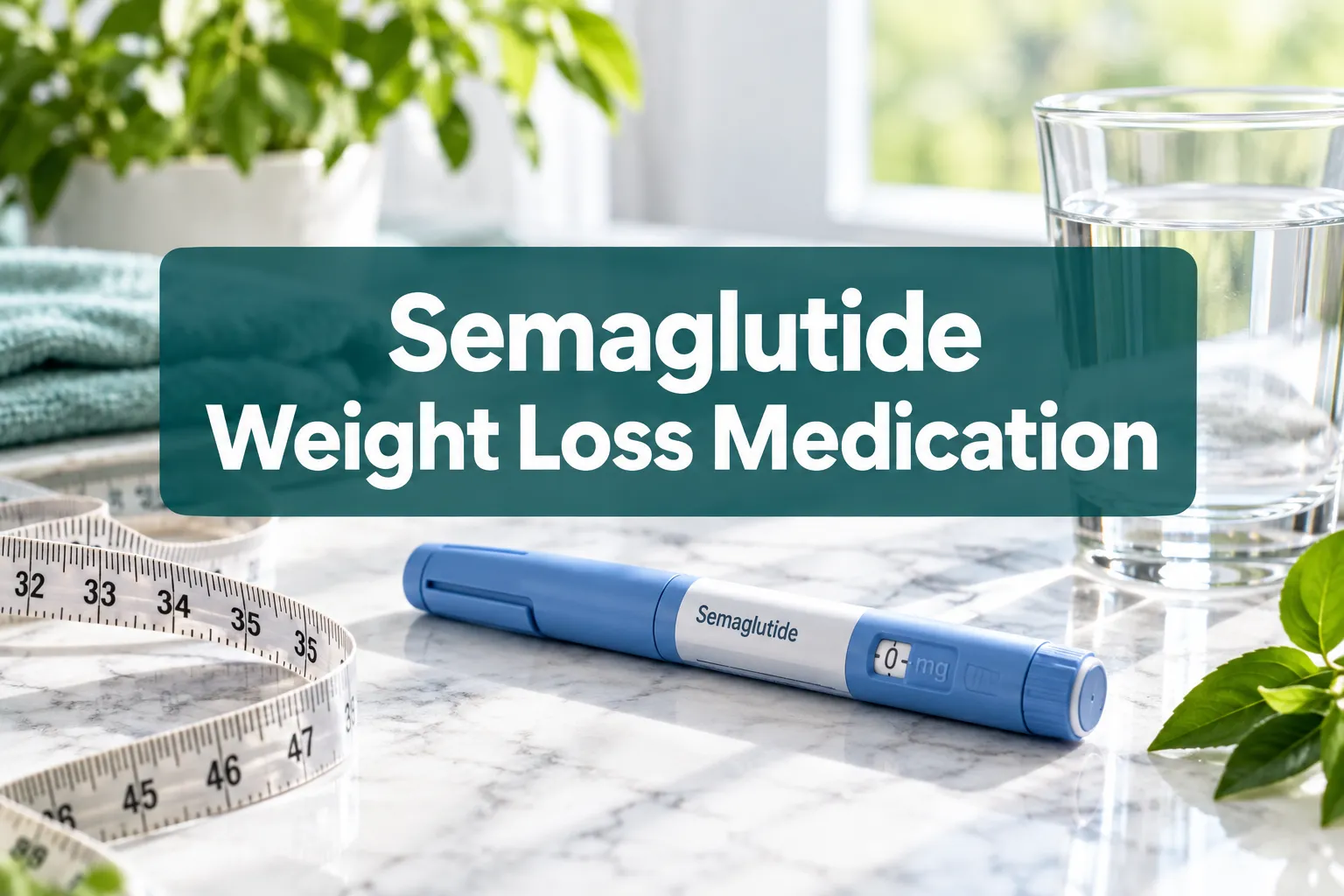
Quick Answer: Semaglutide weight loss medication is a once-weekly injectable GLP-1 receptor agonist that reduces appetite, slows stomach emptying, and helps adults lose an average of 15% or more of their body weight over 60 weeks, according to recent clinical data. [13] It is FDA-approved for chronic weight management under the brand name Wegovy, and as of March 2026, a higher-dose 7.2 mg version has also received FDA approval for adults who need greater or longer-term weight reduction. [8]
Key Takeaways
- Semaglutide works by activating GLP-1 receptors in the brain and gut, reducing hunger signals and slowing digestion.
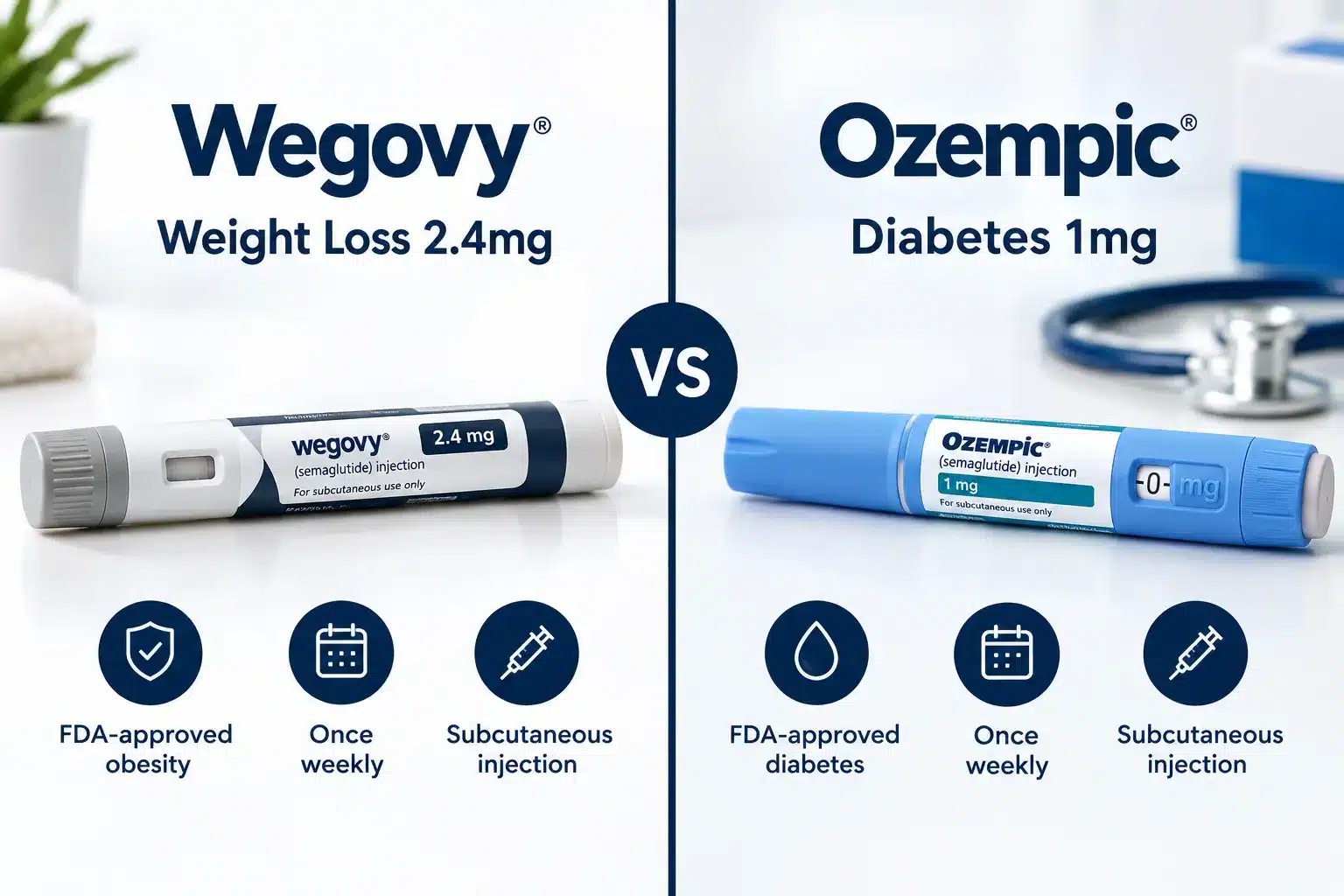
- Wegovy (2.4 mg) is FDA-approved for weight loss; Ozempic (up to 2 mg) is approved for type 2 diabetes but widely used off-label for weight management.
- Clinical data show an average 15.1% body weight reduction after 60 weeks of treatment. [13]
- The SELECT cardiovascular trial found semaglutide reduced major adverse cardiovascular events by 20% in high-risk patients with obesity. [2]
- A new higher-dose Wegovy HD (7.2 mg) was FDA-approved in March 2026 for adults needing additional weight loss. [8]
- Brand-name Wegovy can cost over $1,300 per month without insurance; compounded semaglutide offers a significantly lower-cost alternative for eligible patients.
- Most side effects are gastrointestinal (nausea, vomiting) and tend to ease after the first few weeks.
- Weight regain after stopping semaglutide is common without lifestyle changes, most people regain a significant portion of lost weight within one year of discontinuation.
- Semaglutide is not appropriate for people with a personal or family history of medullary thyroid carcinoma or MEN2 syndrome.
- Emerging oral formulations and competing GLP-1 agents like orforglipron are entering the market, but semaglutide remains the current clinical benchmark. [12]
What Is Semaglutide and How Does It Work for Weight Loss
Semaglutide is a synthetic analog of glucagon-like peptide-1 (GLP-1), a hormone your gut naturally releases after eating. As a semaglutide weight loss medication, it mimics this hormone to reduce appetite, slow gastric emptying, and improve insulin regulation, all of which contribute to meaningful, sustained weight loss.
7 Best GLP-1 Providers Ranked: Accreditation, Flexibility & Support Compared (2026 Update)
32,000+ Patients Can't All Be Wrong: See the Top-Rated GLP-1 Providers. We compared the leading online GLP-1 providers based on program features, clinical support, convenience, and overall value.
BMI MD GLP-1 Microdosing Plan
- Specialized microdosing options, including sublingual drops and low-dose injections
- Designed for people interested in maintaining weight or gradually adjusting treatment
- Bundled program structure without a separate monthly platform membership
- Online access makes the process convenient from home

DirectMeds Weight Loss Solutions
- Online weight-loss program with a straightforward patient experience
- Compounded medication options through state-licensed compounding pharmacies
- Includes clinical consultation as part of the process
- Provides shipping updates to help patients track their orders
MEDVi Flat-Rate Telehealth
- Flat-rate telehealth approach designed for easier budgeting
- No dosage-based pricing increases within the advertised program structure
- Offers injectable and oral thin-film delivery options
- Includes medical screening and asynchronous provider consultations
Gala GLP-1 Care Program
- Text-based access to state-licensed clinicians
- Cold-chain medication shipping included in the program
- Month-to-month program structure
- Designed for people who value convenient ongoing support
Measured GLP-1 Metabolic Health
- Comprehensive metabolic health screening and intake analysis
- Designed around longer-term metabolic health management
- Responsive dashboard with integrated health tracking tools
- Useful option for patients who value a more data-focused experience
Refills GLP-1 (TryRefills Plan)
- Clinical guidance designed to help patients manage common treatment concerns
- Includes foundational nutritional strategies alongside medication
- Designed around predictable ongoing treatment
- No hidden startup or processing fees according to the program information provided
AltRx GLP-1 Transactional Reorders
- Transactional reorder model without recurring auto-billing
- Designed for patients who already understand their treatment routine
- Fast text-to-order process for convenient reorders
- Offers injectable and fast-dissolving tablet variations
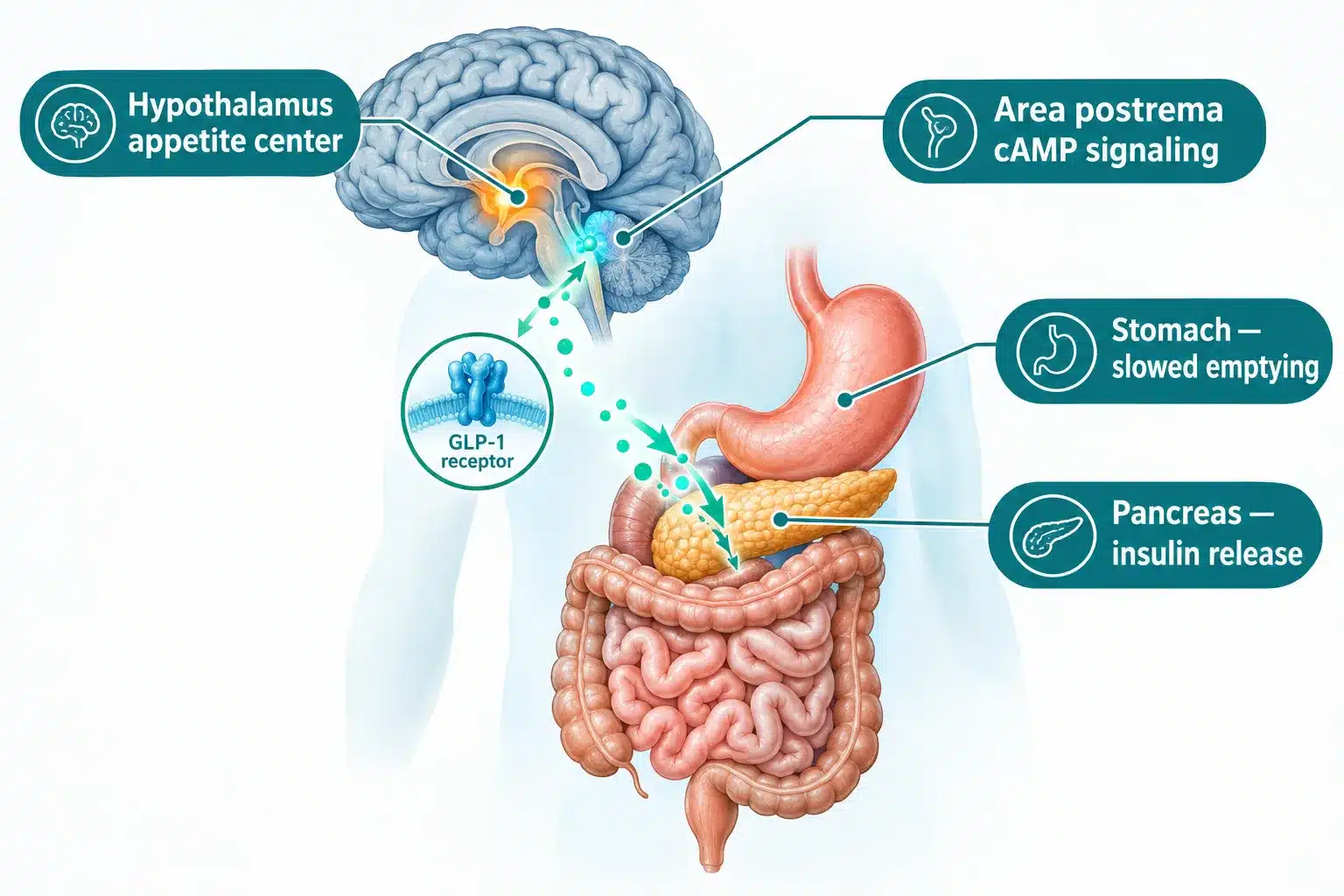
Here is how the mechanism breaks down:
- Brain signaling: Semaglutide activates GLP-1 receptors in the hypothalamus and area postrema, regions that regulate hunger and satiety. NIH-linked research published in May 2026 found that its impact depends heavily on increased cyclic AMP (cAMP) signaling in the area postrema, which also helps explain why results vary between individuals. [15]
- Stomach slowing: It delays gastric emptying, meaning food stays in your stomach longer, so you feel full on less food.
- Insulin and glucagon: It stimulates insulin release when blood sugar rises and suppresses glucagon, improving blood sugar control.
- Calorie reduction: A Penn Medicine study following adults for 60 weeks found that participants on semaglutide continued consuming significantly fewer calories even at week 60, supporting long-term appetite suppression rather than just short-term effects. [13]
The drug is administered as a once-weekly subcutaneous injection, though oral tablet formulations (Rybelsus and the newer Wegovy pill) are now available. For a deeper look at how GLP-1 receptor agonists work across the body, see this GLP-1 transformation guide covering metabolism and body weight changes.
Semaglutide vs Ozempic vs Wegovy: What Is the Difference
All three names refer to the same active molecule, semaglutide, but they are different products with different approved uses and doses. The brand name determines the indication, the dose, and the price.
| Brand Name | Approved Use | Max Dose | Form |
|---|---|---|---|
| Wegovy | Chronic weight management | 2.4 mg (7.2 mg HD approved March 2026) [8] | Weekly injection |
| Ozempic | Type 2 diabetes | 2 mg | Weekly injection |
| Rybelsus | Type 2 diabetes | 14 mg | Daily oral tablet |
| Wegovy Pill | Weight management | Oral formulation (dose TBD in guidelines) | Daily oral tablet |
Key distinction: If your doctor prescribes Ozempic for weight loss, that is an off-label use. Wegovy is the only semaglutide product FDA-approved specifically for obesity treatment. For a full breakdown of all semaglutide brand names, see this guide to Semaglutide brand names including Ozempic, Wegovy, and Rybelsus.
How Much Weight Can You Lose on Semaglutide
Most adults on semaglutide weight loss medication can expect to lose between 10% and 17% of their starting body weight over 12 to 16 months, based on clinical trial and real-world data.
Specific data points:
- A Penn Medicine study found an average 15.1% body weight reduction after 60 weeks of semaglutide treatment. [13]
- The landmark STEP 1 trial (published in the NEJM) reported an average weight loss of approximately 14.9% with 2.4 mg semaglutide versus 2.4% with placebo. [2]
- Real-world data presented at EASD 2026 showed that people switching from injectable semaglutide to the oral Wegovy pill lost an average of 4.1% of body weight in just three months, with 40.7% achieving at least 5% weight loss. [1]
Factors that affect how much weight you lose:
- Starting BMI and metabolic health
- Adherence to the dose escalation schedule
- Diet quality and physical activity
- Individual GLP-1 receptor sensitivity (partly genetic)
The Penn Medicine data also showed that participants continued eating fewer calories at week 60, suggesting the drug supports ongoing weight maintenance rather than just an initial drop. [13]
How Long Does It Take to See Results on Semaglutide
Most people notice reduced appetite within the first one to two weeks, but measurable weight loss typically becomes visible after four to eight weeks. Significant results, 5% or more of body weight, generally appear within the first three months at therapeutic doses.
The dose escalation schedule matters here. Semaglutide starts at 0.25 mg weekly (a tolerance dose, not a therapeutic one) and steps up every four weeks. You will not be at the full 2.4 mg Wegovy dose until around week 17. For a detailed schedule, see this semaglutide dosage guide for weight loss.
General timeline:
- Weeks 1-4: Appetite reduction begins; minimal scale change
- Weeks 5-12: Noticeable weight loss begins; nausea often peaks then fades
- Months 3-6: Most patients reach 5-10% weight loss
- Months 6-16: Continued loss toward 15%+ with consistent dosing
Semaglutide Dosage for Weight Loss: How Much Do You Inject
The standard Wegovy dosage protocol starts at 0.25 mg once weekly and escalates every four weeks up to the maintenance dose of 2.4 mg. In March 2026, the FDA approved a higher-dose Wegovy HD at 7.2 mg for patients who need additional weight loss or long-term maintenance support. [8]
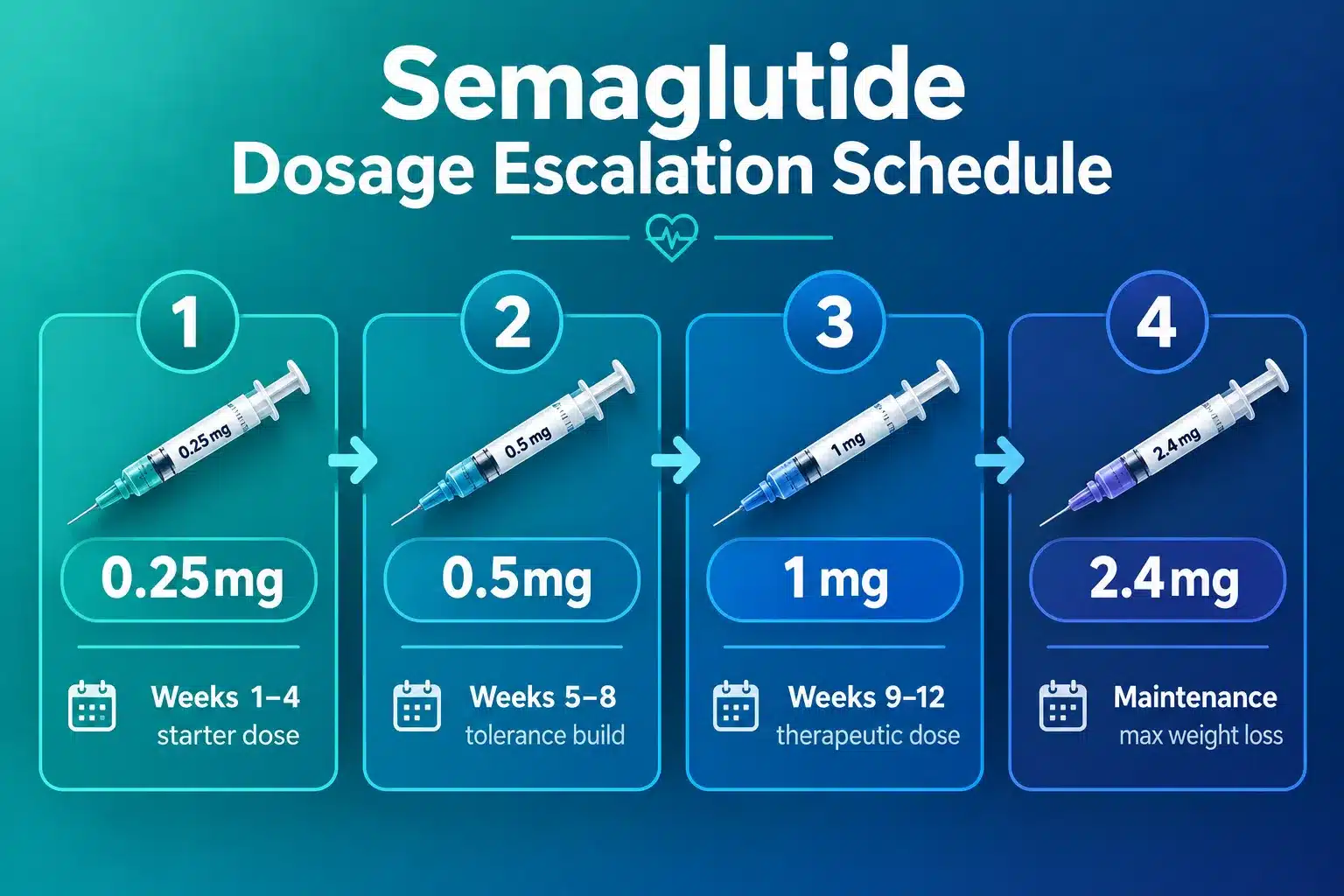
Standard Wegovy escalation schedule:
- Weeks 1-4: 0.25 mg once weekly
- Weeks 5-8: 0.5 mg once weekly
- Weeks 9-12: 1.0 mg once weekly
- Weeks 13-16: 1.7 mg once weekly
- Week 17 onward: 2.4 mg once weekly (maintenance)
The injection is given subcutaneously in the abdomen, thigh, or upper arm. Rotating sites reduces localized irritation. For full injection-by-injection guidance, see this semaglutide injections dosage reference.
Common mistake: Skipping the escalation and jumping to a higher dose too quickly causes severe nausea and increases the chance of stopping treatment early. Slow and steady is the clinical standard.
Semaglutide Side Effects and How Long Do They Last
The most common side effects of semaglutide weight loss medication are gastrointestinal: nausea, vomiting, diarrhea, constipation, and stomach discomfort. For most people, these are worst during the first four to eight weeks and improve significantly once the body adjusts to each new dose.
Side effect frequency (from clinical trial data):
- Nausea: reported in roughly 44% of Wegovy users vs. 16% on placebo
- Vomiting: approximately 24% vs. 6%
- Diarrhea: approximately 30% vs. 16%
- Constipation: approximately 24% vs. 11%
Less common but serious risks include:
- Pancreatitis (rare; stop the medication and seek care if you have severe abdominal pain)
- Gallbladder disease (including gallstones)
- Heart rate increase (average 1-4 beats per minute)
- Rare cases of vision changes in people with diabetic retinopathy
How to manage semaglutide nausea:
- Eat smaller, lower-fat meals
- Avoid lying down immediately after eating
- Stay well hydrated
- Ask your doctor about temporarily pausing a dose escalation if nausea is severe
- Ginger tea or over-the-counter remedies can help mild cases
Most patients report that nausea resolves substantially by month two or three.
Semaglutide Cost and Does Insurance Cover It
Brand-name Wegovy costs approximately $1,300,$1,400 per month without insurance in 2026, making it one of the most expensive weight loss treatments available. Insurance coverage varies widely, many commercial plans now cover Wegovy for obesity, but Medicare and Medicaid coverage remains limited depending on the state and indication.
Ways to reduce the cost:
- Manufacturer savings card: Novo Nordisk offers a savings program that can reduce out-of-pocket costs for eligible commercially insured patients.
- Compounded semaglutide: Compounding pharmacies can prepare semaglutide at significantly lower cost, often $150,$400 per month. For a full breakdown, see this guide on compounding pharmacy options for weight loss.
- Telehealth platforms: Services like Hims and others offer access to compounded or brand-name semaglutide through online prescribing. See this Hims weight loss cost review for current pricing.
- GoodRx and coupon programs: Discount cards can reduce pharmacy costs on some formulations.
For a current cost comparison across pharmacies and telehealth providers, see how much semaglutide costs in 2026.
Who Should Not Take Semaglutide: Contraindications
Semaglutide is not appropriate for everyone. Certain medical histories and conditions make it unsafe, and your prescribing provider will screen for these before starting treatment.
Absolute contraindications:
- Personal or family history of medullary thyroid carcinoma (MTC)
- Multiple Endocrine Neoplasia syndrome type 2 (MEN2)
- Known hypersensitivity to semaglutide or any component of the formulation
- Pregnancy (weight loss is not recommended during pregnancy)
Use with caution or requires close monitoring:
- History of pancreatitis
- Diabetic retinopathy (risk of worsening with rapid blood sugar changes)
- Severe kidney or liver impairment
- History of gallbladder disease
- Eating disorders (anorexia, bulimia), semaglutide’s appetite suppression can complicate recovery
Drug interactions to discuss with your doctor:
- Oral medications with narrow therapeutic windows (semaglutide slows gastric emptying, which can affect absorption timing)
- Insulin and sulfonylureas (increased hypoglycemia risk)
For information specific to semaglutide in type 2 diabetes management, see this semaglutide for type 2 diabetes overview.
Semaglutide for Weight Loss If You Do Not Have Diabetes
Yes, semaglutide is FDA-approved for weight loss in adults without diabetes. Wegovy is specifically indicated for chronic weight management in adults with a BMI of 30 or higher, or 27 or higher with at least one weight-related condition such as high blood pressure, high cholesterol, or obstructive sleep apnea.
The SELECT cardiovascular outcomes trial enrolled adults with overweight or obesity and established cardiovascular disease but without diabetes. It found a 20% relative reduction in major adverse cardiovascular events (6.5% vs. 8.0% with placebo) over approximately 40 months. [2][3] This positions semaglutide not just as a metabolic drug but as a cardioprotective therapy for high-risk non-diabetic patients with obesity.
A 2026 analysis of SELECT outcomes by baseline HbA1c confirmed that cardiovascular benefits were generally consistent across different glycemic categories, but the authors note these findings apply only to people with established cardiovascular disease, not to all adults with overweight. [10]
Do You Gain Weight Back After Stopping Semaglutide
Most people do regain a significant portion of lost weight after stopping semaglutide, particularly without sustained lifestyle changes. This is not a personal failure, it reflects the biology of obesity as a chronic condition that requires ongoing treatment.
Published data from the STEP 4 trial found that participants who discontinued semaglutide after 20 weeks regained approximately two-thirds of their lost weight within one year. Appetite and hunger signals tend to return to baseline relatively quickly after stopping the drug.
What helps reduce weight regain:
- Maintaining dietary changes established during treatment
- Consistent physical activity
- Working with a dietitian or behavioral health professional
- Discussing long-term maintenance dosing with your provider (the new 7.2 mg Wegovy HD was approved partly for long-term maintenance support) [8]
Semaglutide is most effective when treated as part of a long-term weight management plan, not a short-term fix.
Alternatives to Semaglutide for Weight Loss
Semaglutide is currently the most studied and widely used GLP-1 weight loss medication, but it is not the only option. The right choice depends on your health history, cost tolerance, and whether you prefer injections or pills.
GLP-1 and GLP-1/GIP alternatives:
- Tirzepatide (Zepbound/Mounjaro): A dual GIP/GLP-1 agonist showing slightly greater average weight loss than semaglutide in head-to-head data. See this Mounjaro weight loss overview for details.
- Liraglutide (Saxenda): An older daily-injection GLP-1 agonist with more modest weight loss results (roughly 5-8%) and a less convenient dosing schedule.
- Orforglipron: A once-daily oral GLP-1-like agent in late-stage trials. A September 2026 trial found it produced 6.1-8.2 kg weight loss in people with type 2 diabetes, compared to about 5.3 kg with oral semaglutide, a meaningful difference in the oral space. [12]
Non-GLP-1 prescription options:
- Phentermine-topiramate (Qsymia)
- Naltrexone-bupropion (Contrave)
- Orlistat (Xenical/Alli)
For a side-by-side comparison of GLP-1 medications by effectiveness and cost, see which GLP-1 medication works best for weight loss.
Common Mistakes People Make on Semaglutide
The most common reason people underperform on semaglutide weight loss medication is not biological, it is behavioral and logistical. Knowing what to avoid can significantly improve your results.
Top mistakes to avoid:
- Skipping dose escalation: Jumping ahead in the schedule to lose weight faster almost always backfires with severe nausea and early discontinuation.
- Not changing eating habits: Semaglutide reduces appetite, but it does not prevent poor food choices. Patients who continue eating high-calorie, ultra-processed foods lose less weight.
- Stopping too soon: Some people quit during the nausea phase (weeks 2-6) before the drug reaches full therapeutic effect.
- Ignoring protein intake: Low protein intake during rapid weight loss can cause muscle loss. Aim for adequate protein at every meal.
- Not tracking progress: Without monitoring weight trends, it is easy to miss plateaus and fail to adjust the plan.
- Drinking alcohol heavily: Alcohol adds empty calories, can worsen nausea, and may increase the risk of pancreatitis on GLP-1 medications.
Can You Drink Alcohol While Taking Semaglutide
Light to moderate alcohol consumption is not strictly prohibited on semaglutide, but it comes with meaningful caveats. Alcohol can worsen nausea (already a common side effect), add significant calories that undermine weight loss, and, in heavier amounts, may increase the risk of pancreatitis, a rare but serious complication of GLP-1 therapy.
Practical guidance:
- Avoid alcohol entirely during the first four to eight weeks while nausea is most likely.
- If you do drink, choose lower-calorie options and limit to one drink per occasion.
- Never drink on an empty stomach while on semaglutide, the combination can intensify dizziness and nausea.
- If you have any history of pancreatitis or liver disease, discuss alcohol use specifically with your prescriber.
There is no FDA-level prohibition on alcohol with semaglutide, but clinical guidance consistently recommends minimizing it during active treatment.
7 Best GLP-1 Providers Ranked: Accreditation, Flexibility & Support Compared (2026 Update)
32,000+ Patients Can't All Be Wrong: See the Top-Rated GLP-1 Providers: Compared on accreditation, plan flexibility, and patient support — updated for 2026.
BMI MD GLP-1 Microdosing Plan
- Specialized microdosing options (sublingual drops or low-dose injections)
- Ideal for maintaining weight or tapering off higher doses safely
- Fully bundled plan with no hidden monthly platform memberships
DirectMeds Weight Loss Solutions
- Sourced from accredited, state-licensed 503A compounding pharmacies
- No-frills high-volume savings passed directly to the patient
- Includes clinical consultation and cold-chain shipping updates
MEDVi Flat-Rate Telehealth
- Flat monthly rate holds steady even at maximum maintenance doses
- No dosage upcharges or graduation fee penalties
- Offers both injectable and advanced oral thin-film delivery options
Gala GLP-1 Care Program
- All-inclusive plan with no standalone membership costs
- Continuous text-based messaging access with state-licensed clinicians
- Temperature-controlled, cold-chain medication shipping included
Measured GLP-1 Metabolic Health
- Comprehensive metabolic health screening and expert intake analysis
- Predictable long-term budgeting with stable plan pricing
- High-end responsive dashboard with integrated diagnostic support
Refills GLP-1 (TryRefills Plan)
- Flat rate holds steady as titration scales up
- Includes clinical guides for active side-effect management
- Bundles in foundational nutritional strategies alongside medication
AltRx GLP-1 Transactional Reorders
- Zero recurring auto-billing — pay entirely on a transactional basis
- Rapid text-to-order format saves time for experienced patients
- Provides both injectable forms and fast-dissolving tablet variations
Conclusion
Semaglutide weight loss medication has earned its place as the current standard in pharmacologic obesity treatment, backed by robust clinical trial data, a 2026 FDA approval for a higher-dose formulation, and cardiovascular benefits that extend well beyond the scale. [2][8] An average 15% body weight reduction over 60 weeks, combined with meaningful reductions in cardiovascular risk for high-risk patients, makes it one of the most consequential medical advances in obesity care in decades. [13]
That said, semaglutide works best as part of a broader plan, not a standalone solution. The weight tends to return if the medication is stopped without lifestyle changes in place. Cost remains a real barrier, but compounded options, telehealth platforms, and manufacturer savings programs have made access more realistic for many adults.
Your next steps:
- Talk to your primary care provider or an obesity medicine specialist about whether semaglutide is appropriate for your BMI, health history, and goals.
- Review your insurance coverage and explore compounded semaglutide options if brand-name cost is prohibitive.
- If you start treatment, commit to the full dose escalation schedule and make at least one dietary change in the first month.
- Set a realistic 12-week checkpoint to assess progress with your provider.
The science is clear. The access is improving. The decision is yours to make with your doctor.
Frequently Asked Questions
How long before I see results on semaglutide?
Most people notice reduced appetite within one to two weeks. Measurable weight loss (2-5% of body weight) typically appears within the first four to eight weeks, with more significant results after three to six months at full therapeutic dose.
Can I take semaglutide if I do not have diabetes?
Yes. Wegovy is FDA-approved specifically for weight management in adults without diabetes who have a BMI of 30 or higher, or 27 or higher with a weight-related condition like hypertension or high cholesterol.
What is the difference between Wegovy and Ozempic?
Both contain semaglutide, but Wegovy (2.4 mg) is FDA-approved for weight loss, while Ozempic (up to 2 mg) is approved for type 2 diabetes. Using Ozempic for weight loss is off-label.
Is compounded semaglutide safe?
Compounded semaglutide from an FDA-registered 503B outsourcing facility or state-licensed 503A compounding pharmacy can be a legitimate lower-cost option. Quality varies by source, so choosing a reputable provider matters. See FDA rules on compounded semaglutide in 2026 for current regulatory guidance.
Will I gain the weight back if I stop semaglutide?
Most people regain a significant portion of lost weight within 12 months of stopping, based on STEP 4 trial data. Ongoing lifestyle habits and, in some cases, maintenance dosing can reduce regain.
What if semaglutide does not work for me?
About 10-15% of people are considered non-responders. If you have not lost at least 5% of body weight after 16 weeks at the maintenance dose, your provider may consider switching to tirzepatide or another agent.
Is semaglutide safe for long-term use?
Current data support long-term use for appropriate patients. The SELECT trial followed participants for approximately 40 months with a favorable safety profile. [2] The FDA approval of Wegovy HD specifically for long-term maintenance also reflects regulatory confidence in extended use. [8]
How do I manage nausea on semaglutide?
Eat smaller, lower-fat meals; avoid lying down after eating; stay hydrated; and do not rush through dose escalation steps. For most people, nausea improves significantly after weeks four to eight.
Can semaglutide affect my heart health?
Positively, for high-risk patients. The SELECT trial found a 20% relative reduction in major cardiovascular events in adults with obesity and established cardiovascular disease. [2][3]
What is the newest development in semaglutide treatment?
In March 2026, the FDA approved Wegovy HD (7.2 mg) for adults needing greater or longer-term weight reduction. [8] Oral Wegovy pill data presented at EASD 2026 also showed meaningful real-world weight loss for people switching from injections. [1]
References
[1] People Switching From Weight Loss Injections To Novo’s Wegovy Pill Lost 4.1% Body Weight On Average After Three Months According To Real World Data Presented At EASD2026 – https://www.prnewswire.com/news-releases/people-switching-from-weight-loss-injections-to-novos-wegovy-pill-lost-4-1-body-weight-on-average-after-three-months-according-to-real-world-data-presented-at-easd2026–302894194.html
[2] NEJMoa2307563 (SELECT Trial, NEJM) – https://www.nejm.org/doi/full/10.1056/NEJMoa2307563
[3] SELECT Trial Summary (ACC) – https://www.acc.org/latest-in-cardiology/clinical-trials/2023/11/09/15/04/select
[4] JACC Analysis, All-Cause and Cardiovascular Death with Semaglutide – https://www.jacc.org/doi/10.1016/j.jacc.2024.08.007
[5] European Heart Journal, Mediation Analysis of SELECT Cardiovascular Risk Reduction – https://academic.oup.com/eurheartj/advance-article/doi/10.1093/eurheartj/ehag524/8774585
[6] PubMed, Heart Failure Subgroup Analysis from SELECT – https://pubmed.ncbi.nlm.nih.gov/39181597/
[7] Reuters, Drugmakers Bulk Up With Bets on Weight Loss Treatments (2026) – https://www.reuters.com/business/healthcare-pharmaceuticals/drugmakers-bulk-up-with-bets-weight-loss-treatments-2026-09-21/
[8] FDA, Approves Higher-Dose Semaglutide (Wegovy HD 7.2 mg) – https://www.fda.gov/news-events/press-announcements/fda-approves-fourth-product-under-national-priority-voucher-program-higher-dose-semaglutide
[9] Reuters, Novo Nordisk Says Semaglutide Cut Obesity Rates in Young Children Trial (2026) – https://www.reuters.com/business/healthcare-pharmaceuticals/novo-nordisk-says-semaglutide-cut-obesity-rates-young-children-trial-2026-09-07/
[10] PMC11282385, SELECT Outcomes by Baseline HbA1c – https://pmc.ncbi.nlm.nih.gov/articles/PMC11282385/


