Tirzepatide Explained: Uses, How It Works, Benefits, Risks & Cost

Last updated: November 12, 2026
Quick Answer
Tirzepatide is an injectable prescription medicine that mimics two gut hormones, GIP and GLP-1, to lower blood sugar and reduce appetite. It’s FDA-approved for type 2 diabetes (Mounjaro) and chronic weight management (Zepbound), and it now has cardiovascular outcomes data supporting broader metabolic benefits. This guide on Tirzepatide Explained: Uses, How It Works, Benefits, Risks & Cost covers who it’s for, what it costs without insurance, and what to watch for.
Key Takeaways
- Tirzepatide is a dual GIP/GLP-1 receptor agonist sold as Mounjaro (diabetes) and Zepbound (weight loss).
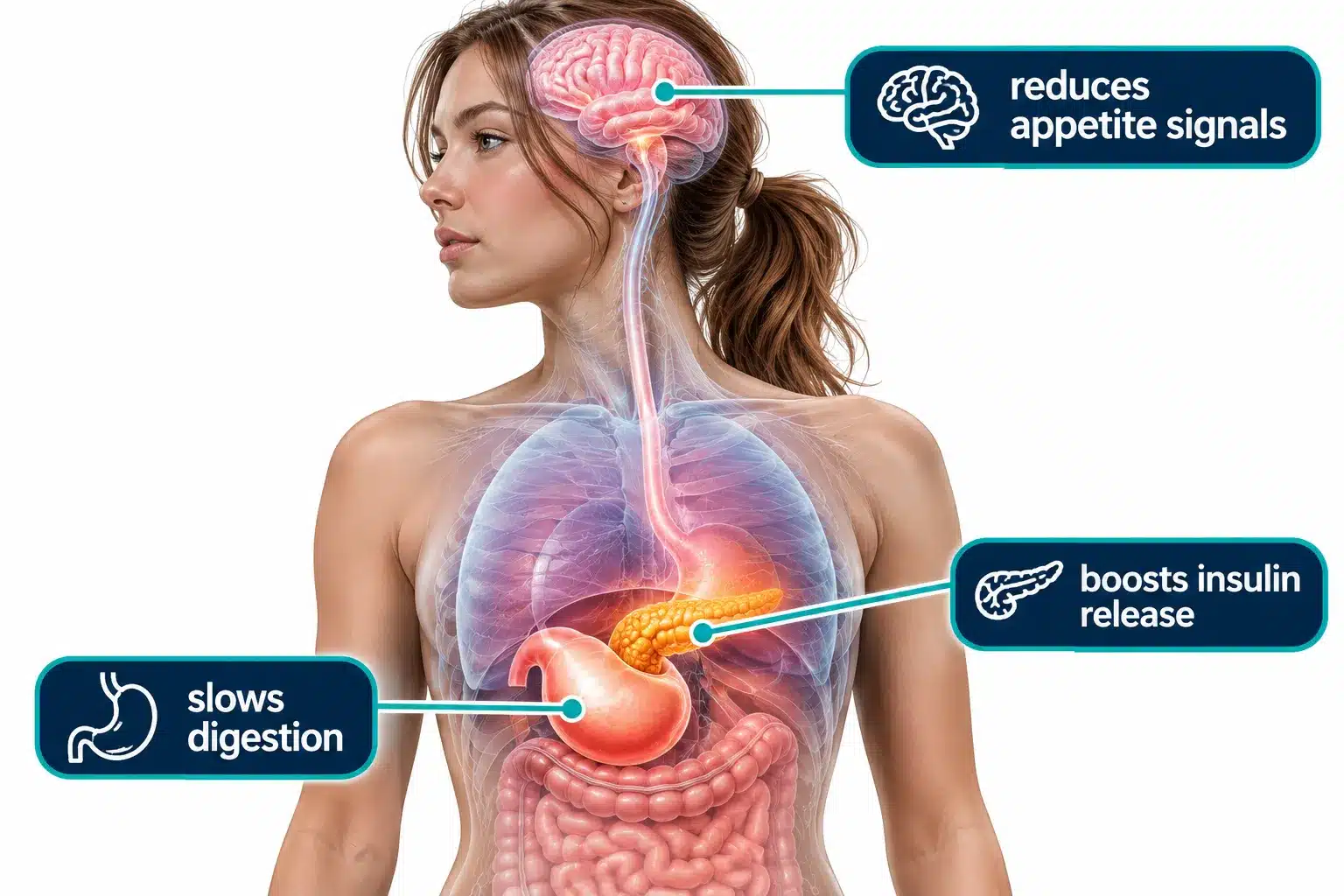
- It works by slowing digestion, increasing insulin release, and reducing appetite signals in the brain.
- Common side effects include nausea, diarrhea, and constipation, especially during dose increases.
- Self-pay cost typically runs several hundred to over a thousand dollars per month, depending on dose and pharmacy.
- New cardiovascular outcomes evidence shows tirzepatide may reduce cardiac risk in people with obesity and existing heart disease [1].
- A rare eye condition called NAION has been flagged as a class-wide warning for GLP-1 and dual-agonist medicines.
- Compounded tirzepatide is not FDA-approved and has faced recalls over sterility concerns [2].
- Stopping tirzepatide suddenly often leads to weight regain and rising blood sugar without a maintenance plan.
What is tirzepatide and why is it prescribed
Tirzepatide is a once-weekly injectable medication that activates two hormone receptors, GIP and GLP-1, both involved in regulating blood sugar and hunger. Doctors prescribe it under two brand names: Mounjaro for type 2 diabetes and Zepbound for chronic weight management in adults with obesity or excess weight plus a related health condition.
7 Best GLP-1 Providers Ranked: Accreditation, Flexibility & Support Compared (2026 Update)
32,000+ Patients Can't All Be Wrong: See the Top-Rated GLP-1 Providers. We compared the leading online GLP-1 providers based on program features, clinical support, convenience, and overall value.

BMI MD GLP-1 Microdosing Plan
- Specialized microdosing options, including sublingual drops and low-dose injections
- Designed for people interested in maintaining weight or gradually adjusting treatment
- Bundled program structure without a separate monthly platform membership
- Online access makes the process convenient from home

DirectMeds Weight Loss Solutions
- Online weight-loss program with a straightforward patient experience
- Compounded medication options through state-licensed compounding pharmacies
- Includes clinical consultation as part of the process
- Provides shipping updates to help patients track their orders

MEDVi Flat-Rate Telehealth
- Flat-rate telehealth approach designed for easier budgeting
- No dosage-based pricing increases within the advertised program structure
- Offers injectable and oral thin-film delivery options
- Includes medical screening and asynchronous provider consultations

Gala GLP-1 Care Program
- Text-based access to state-licensed clinicians
- Cold-chain medication shipping included in the program
- Month-to-month program structure
- Designed for people who value convenient ongoing support

Measured GLP-1 Metabolic Health
- Comprehensive metabolic health screening and intake analysis
- Designed around longer-term metabolic health management
- Responsive dashboard with integrated health tracking tools
- Useful option for patients who value a more data-focused experience

Refills GLP-1 (TryRefills Plan)
- Clinical guidance designed to help patients manage common treatment concerns
- Includes foundational nutritional strategies alongside medication
- Designed around predictable ongoing treatment
- No hidden startup or processing fees according to the program information provided

AltRx GLP-1 Transactional Reorders
- Transactional reorder model without recurring auto-billing
- Designed for patients who already understand their treatment routine
- Fast text-to-order process for convenient reorders
- Offers injectable and fast-dissolving tablet variations
The medicine belongs to a drug class often called “dual agonists” because it targets two gut hormone pathways instead of one, unlike older GLP-1-only drugs such as semaglutide. Lilly has continued expanding the evidence base for tirzepatide, including new data presented at medical meetings covering combined use with other therapies for inflammatory conditions [3][4].
Who it’s typically prescribed for:
- Adults with type 2 diabetes who need better blood sugar control
- Adults with obesity (BMI 30+) or overweight (BMI 27+) with a weight-related condition like high blood pressure or sleep apnea
- People whose doctor has determined lifestyle changes alone haven’t been enough
If you’re comparing options, our tirzepatide cost guide breaks down pricing by brand and pharmacy.
How does tirzepatide actually work in your body
Tirzepatide works by binding to GIP and GLP-1 receptors, which slows stomach emptying, increases insulin production after meals, and sends fullness signals to the brain. This combination is why it tends to produce stronger appetite suppression than single-hormone medications.
Here’s the simplified sequence:
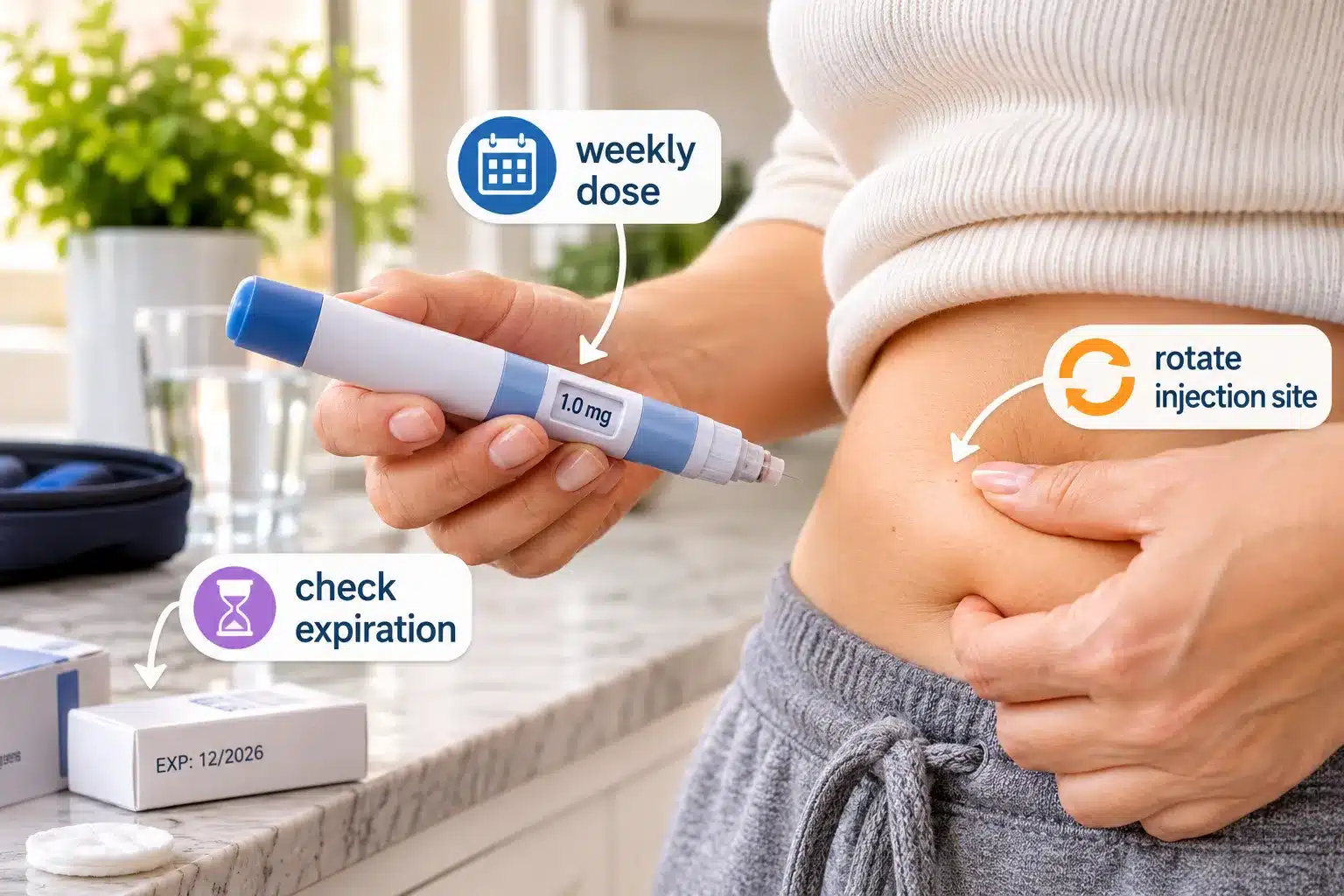
- You inject tirzepatide once a week, usually in the stomach, thigh, or upper arm.
- The medicine binds to GIP and GLP-1 receptors in the pancreas, gut, and brain.
- Insulin release increases when blood sugar rises, but less so when it’s already normal, lowering the risk of dangerous blood sugar drops.
- Digestion slows, which keeps you feeling full longer after meals.
- Appetite-regulating areas of the brain receive stronger “stop eating” signals.
Edge case: People who eat very fast or in large portions may feel more digestive discomfort early in treatment because food stays in the stomach longer. Eating smaller meals slowly often helps.
Tirzepatide vs Ozempic: which one is better
Neither drug is universally “better.” Tirzepatide tends to produce greater average weight loss and blood sugar reduction because it acts on two hormone receptors, while Ozempic (semaglutide) acts on one. The right choice depends on your health history, side effect tolerance, insurance coverage, and cost.
| Factor | Tirzepatide (Mounjaro/Zepbound) | Ozempic/Wegovy (Semaglutide) |
|---|---|---|
| Hormone targets | GIP + GLP-1 | GLP-1 only |
| FDA-approved uses | Type 2 diabetes, weight management | Type 2 diabetes, weight management, cardiovascular risk |
| Dosing | Weekly injection | Weekly injection |
| Typical side effects | Nausea, diarrhea, constipation | Nausea, diarrhea, constipation |
| Self-pay cost | Often higher per month | Often slightly lower |
Decision rule: Choose tirzepatide if your doctor wants a stronger metabolic effect and you’ve tolerated GLP-1 drugs well before. Choose semaglutide if you want a longer track record for cardiovascular risk reduction or your insurance only covers that option. For a deeper dive on dosing science, see how GLP-1 medications actually help you lose weight.
Tirzepatide vs semaglutide: what’s actually different
The core difference is receptor targeting: tirzepatide activates both GIP and GLP-1 receptors, while semaglutide activates GLP-1 alone. This dual action is linked to greater average reductions in body weight and A1C in head-to-head research, though individual results vary widely.
Other differences worth knowing:
- Molecule structure: Tirzepatide is a novel dual-receptor peptide; semaglutide is a modified GLP-1 analog.
- Approval timeline: Semaglutide has a longer history of real-world use and more long-term cardiovascular data.
- Pill form availability: Oral semaglutide options exist; tirzepatide is currently injectable only. See our comparison of semaglutide pills versus injections.
Common mistake: Assuming the “stronger” drug is automatically the right one. Side effect tolerance and cost often matter more than a few extra pounds of average weight loss in clinical data.
Can tirzepatide help you lose weight
Yes, tirzepatide is FDA-approved for chronic weight management under the brand name Zepbound and has shown substantial average weight loss in clinical trials. Results vary by person, dose, diet, and activity level, and the medicine works best combined with nutrition and lifestyle changes, not as a standalone fix.
Lilly has also presented data on tirzepatide’s effects beyond the scale, including obesity-related inflammatory conditions. In the TOGETHER-PsA research, adding tirzepatide to existing therapy improved psoriatic arthritis control in people with obesity, suggesting broader cardiometabolic benefits beyond weight alone [3][5]. Additional presentations have explored tirzepatide’s role in obesity-related sleep conditions and joint inflammation [6].
Example: A person starting at a low dose typically sees modest changes in the first month, with more noticeable appetite changes after dose increases around weeks 4 through 12. No one should expect the same timeline or amount of loss as someone else.
How much does tirzepatide cost without insurance
Without insurance, tirzepatide (Mounjaro or Zepbound) generally costs several hundred to over a thousand dollars per month, depending on the pharmacy, dose, and whether you use a manufacturer savings program. Prices have shifted through 2026 as telehealth partnerships and direct-to-consumer deals have expanded access [7][8][9].
Factors that affect your total cost:
- Dose strength: Higher doses sometimes cost more per fill.
- Pharmacy network: Prices vary between retail chains and mail-order pharmacies.
- Telehealth bundling: Some platforms bundle consultations, medication, and support coaching into one subscription fee.
- Manufacturer savings cards: These can lower costs for eligible patients with commercial insurance.
Lilly has expanded direct access through telehealth partnerships, including an arrangement with Hims & Hers to broaden availability of FDA-approved Lilly medicines [7][8]. For a full pricing breakdown, read our tirzepatide cost guide and our broader GLP-1 medication cost comparison. You can also review options for getting a tirzepatide prescription online.
Decision rule: If cost is your biggest barrier, compare telehealth subscription pricing against your local pharmacy’s cash price before assuming either is cheaper.
What are the most common side effects of tirzepatide
The most common side effects are digestive: nausea, diarrhea, constipation, and occasional vomiting, especially during the first weeks and after dose increases. Most people find these ease over time as the body adjusts.
Less common but more serious concerns include:
- Pancreatitis (inflammation of the pancreas)
- Gallbladder problems
- Kidney function changes, often related to dehydration from vomiting or diarrhea
- A newly flagged class-wide warning for NAION, a rare eye condition involving sudden vision loss, now noted across GLP-1 and dual-agonist medicines
Discontinuation rates in real-world use have been a point of ongoing monitoring, with gastrointestinal side effects cited as the leading reason people stop treatment early [10]. If you experience sudden vision changes, severe abdominal pain, or signs of dehydration, contact your doctor right away.
Who shouldn’t take tirzepatide
Tirzepatide isn’t appropriate for everyone. People with a personal or family history of medullary thyroid cancer or Multiple Endocrine Neoplasia syndrome type 2 should not take it, based on findings from animal studies with similar medicines. Pregnant or breastfeeding individuals also shouldn’t use it.
Additional caution is warranted for:
- People with a history of pancreatitis
- People with severe gastrointestinal disease, like gastroparesis
- People with advanced kidney disease (discussed further below)
- Anyone with an active eating disorder, without specialized medical oversight
Edge case: If you’ve had gallbladder removal surgery, tell your prescriber. Rapid weight loss can sometimes increase gallstone risk even without a gallbladder, and your dosing plan may need adjustment.
Is tirzepatide safe if you have kidney disease
Tirzepatide can be used cautiously in people with mild to moderate kidney disease, but anyone with kidney problems needs closer monitoring, especially during dose increases, because dehydration from nausea or diarrhea can worsen kidney function. Research has also pointed to broader cardiometabolic and kidney benefits in some obesity and heart failure populations, including heart failure with preserved ejection fraction (HFpEF) [1][10].
Who should be extra careful:
- People on dialysis or with advanced chronic kidney disease should only use tirzepatide under close specialist supervision.
- Anyone experiencing persistent vomiting or diarrhea should contact their doctor promptly to avoid dehydration-related kidney strain.
This is not a substitute for individualized medical advice. Anyone with existing kidney disease should discuss tirzepatide specifically with their nephrologist or prescribing doctor before starting.
How long before you see results from tirzepatide
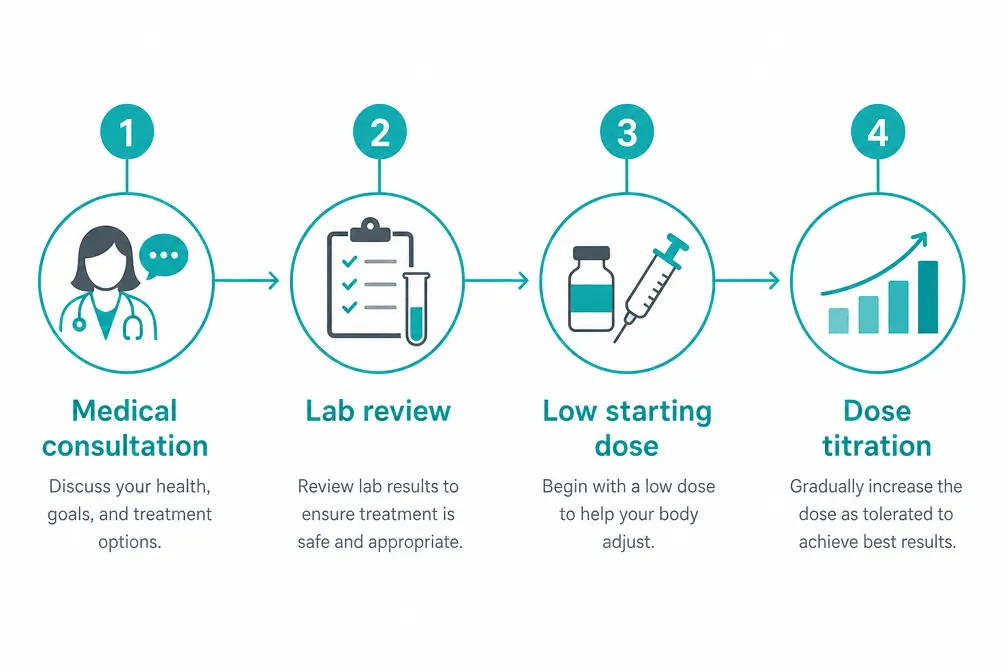
Most people notice reduced appetite within the first few weeks, but meaningful weight loss and blood sugar improvements typically build over three to six months as the dose increases. Tirzepatide is started at a low dose and titrated upward every four weeks to reduce side effects, which means early weeks often show smaller changes than later months.
For a broader look at timing across the GLP-1 drug class, see how long GLP-1 medications take to work and our week-by-week GLP-1 timeline guide.
Common mistake: Expecting dramatic change in the first two weeks. Appetite suppression usually builds gradually as the dose rises, not immediately after the first injection.
What happens if you stop taking tirzepatide suddenly
Stopping tirzepatide abruptly often leads to returning appetite, gradual weight regain, and rising blood sugar in people with diabetes, because the medicine’s effects fade once it clears the body over several weeks. This doesn’t mean everyone regains all the weight, but research and clinical experience both point to this pattern without a structured maintenance plan.
Steps to consider before stopping:
- Talk to your prescriber about tapering instead of stopping cold turkey.
- Build a nutrition and activity plan designed to support the results you’ve achieved.
- Ask whether a lower maintenance dose is an option instead of full discontinuation.
Do you have to keep taking tirzepatide forever
Not necessarily, but most current evidence suggests tirzepatide works best as part of an ongoing treatment plan rather than a short-term fix, similar to medications for high blood pressure or cholesterol. Some people may eventually transition to a lower maintenance dose or focus on sustained lifestyle habits with medical guidance.
There is no fixed, universal timeline. Your doctor will base duration decisions on your health goals, side effects, response to treatment, and whether you have diabetes, obesity, or both.
Tirzepatide alternatives if it doesn’t work for you
If tirzepatide doesn’t work well for you or causes intolerable side effects, alternatives include other GLP-1 medications, different dosing strategies, or non-drug approaches, depending on your specific health goals. No single medication works the same way for everyone.
Common alternatives to discuss with your doctor:
- Semaglutide (Ozempic, Wegovy), single-hormone GLP-1 option
- Oral semaglutide tablets for people who prefer avoiding injections, see semaglutide pills versus injections
- Structured nutrition and behavioral programs
- Other prescription weight-loss medications with different mechanisms
Be cautious of unproven supplement claims marketed as natural alternatives; our review of berberine and “natural Ozempic” supplements explains why most lack strong evidence.
Common mistakes people make when starting tirzepatide
The most frequent mistake is skipping the gradual dose titration schedule or increasing doses faster than prescribed, which raises the risk of severe nausea and vomiting. Another common error is not adjusting meal size and eating speed, since the drug slows digestion significantly.
Other frequent mistakes:
- Not telling your doctor about all current medications, especially insulin or other diabetes drugs, which can increase low blood sugar risk
- Buying unregulated compounded tirzepatide from unverified sources instead of FDA-approved Mounjaro or Zepbound
- Stopping treatment the moment side effects appear instead of discussing dose adjustments with a prescriber
- Expecting the medication to work without any changes to diet or activity
On the topic of compounded products: regulators have increased scrutiny of compounded tirzepatide marketing claims, and at least one compounding pharmacy issued a recall of tirzepatide vials over sterility concerns in 2026 [2]. Compounded versions are not FDA-approved and are not guaranteed to match the safety and purity standards of brand-name products. If you’re considering this route, read our explainer on compounded tirzepatide injections first.
Frequently Asked Questions
Is tirzepatide the same as Ozempic? No. Tirzepatide is the active ingredient in Mounjaro and Zepbound, while Ozempic contains semaglutide. Both are GLP-1-related medicines, but tirzepatide also activates GIP receptors, which is why dosing, side effects, and average results can differ.
Can I buy tirzepatide online legally? Yes, through licensed telehealth providers and pharmacies that require a valid prescription after medical evaluation. Avoid sites selling tirzepatide without any consultation, since unregulated or compounded sources carry safety risks, including recent recalls over sterility concerns [2].
Does tirzepatide cause hair loss? Hair thinning has been reported anecdotally with rapid weight loss on GLP-1-class medications, though it’s generally temporary and tied to nutritional shifts rather than the drug itself. For more detail, see our related guide on GLP-1 medications and hair loss.
Will insurance cover tirzepatide for weight loss? Coverage varies widely by plan. Some insurers cover Zepbound for obesity with documented health conditions, while others exclude weight-loss medications entirely. Check your specific formulary and prior authorization requirements before assuming coverage.
Is tirzepatide approved for heart disease? Tirzepatide has newer cardiovascular outcomes evidence supporting its use in reducing cardiac risk markers among people with obesity, and ongoing research continues to expand understanding of its cardiometabolic effects [1]. Always confirm current approved indications with your prescriber.
What’s the difference between Mounjaro and Zepbound? Both contain tirzepatide, but Mounjaro is approved for type 2 diabetes and Zepbound is approved for chronic weight management. Dosing schedules and starting doses may differ slightly based on the approved indication.
How is tirzepatide injected? Tirzepatide is injected once weekly under the skin using a prefilled pen, typically in the stomach, thigh, or upper arm. Always follow the specific instructions in your product’s official prescribing information and your prescriber’s guidance rather than general assumptions.
7 Best GLP-1 Providers Ranked: Accreditation, Flexibility & Support Compared (2026 Update)
32,000+ Patients Can't All Be Wrong: See the Top-Rated GLP-1 Providers: Compared on accreditation, plan flexibility, and patient support — updated for 2026.
BMI MD GLP-1 Microdosing Plan
- Specialized microdosing options (sublingual drops or low-dose injections)
- Ideal for maintaining weight or tapering off higher doses safely
- Fully bundled plan with no hidden monthly platform memberships
DirectMeds Weight Loss Solutions
- Sourced from accredited, state-licensed 503A compounding pharmacies
- No-frills high-volume savings passed directly to the patient
- Includes clinical consultation and cold-chain shipping updates
MEDVi Flat-Rate Telehealth
- Flat monthly rate holds steady even at maximum maintenance doses
- No dosage upcharges or graduation fee penalties
- Offers both injectable and advanced oral thin-film delivery options
Gala GLP-1 Care Program
- All-inclusive plan with no standalone membership costs
- Continuous text-based messaging access with state-licensed clinicians
- Temperature-controlled, cold-chain medication shipping included
Measured GLP-1 Metabolic Health
- Comprehensive metabolic health screening and expert intake analysis
- Predictable long-term budgeting with stable plan pricing
- High-end responsive dashboard with integrated diagnostic support
Refills GLP-1 (TryRefills Plan)
- Flat rate holds steady as titration scales up
- Includes clinical guides for active side-effect management
- Bundles in foundational nutritional strategies alongside medication
AltRx GLP-1 Transactional Reorders
- Zero recurring auto-billing — pay entirely on a transactional basis
- Rapid text-to-order format saves time for experienced patients
- Provides both injectable forms and fast-dissolving tablet variations
Conclusion
Tirzepatide Explained: Uses, How It Works, Benefits, Risks & Cost comes down to this: it’s a dual-hormone medication with strong evidence for blood sugar control and weight management, but it’s not risk-free and it’s not cheap without insurance. The decision to start, switch, or stop tirzepatide should happen with a licensed healthcare provider who knows your full medical history, not based on social media trends or unverified compounded products.
If you’re weighing your options, start by comparing verified pricing through our tirzepatide cost guide, reviewing telehealth access options, and bringing specific questions about side effects, kidney health, or long-term use to your doctor before your next appointment.
References
- Cardiovascular Outcomes. mounjaro.lilly.com.
- Apothecary Pharma Recalls Compounded Tirzepatide Vials Due to Sterility Concerns. news.ssbcrack.com.
- New Phase 3b Data Lillys Taltz Ixekizumab And Zepbound. investor.lilly.com.
- Lilly Showcase New Retatrutide Taltz Ixekizumab and Zepbound. investor.lilly.com.
- Adding Tirzepatide Improves Psa Control Obesity Mease. rheum-live.com.
- Tirzepatide. pharmaphorum.com.
- Lilly and Hims Hers Expand Access FDA Approved Lilly Medicines. investor.lilly.com.
- Lilly Hims Hers Glp 1 Deal Tests Whether Convenience Can Deliver Continuity of Care. pharmacytimes.com.
- Pdf. investor.lilly.com.
- Pmc13272863. pmc.ncbi.nlm.nih.gov.