
Tirzepatide Injection in 2026: Weight Loss Results & Monthly Cost
Last updated: May 28, 2026
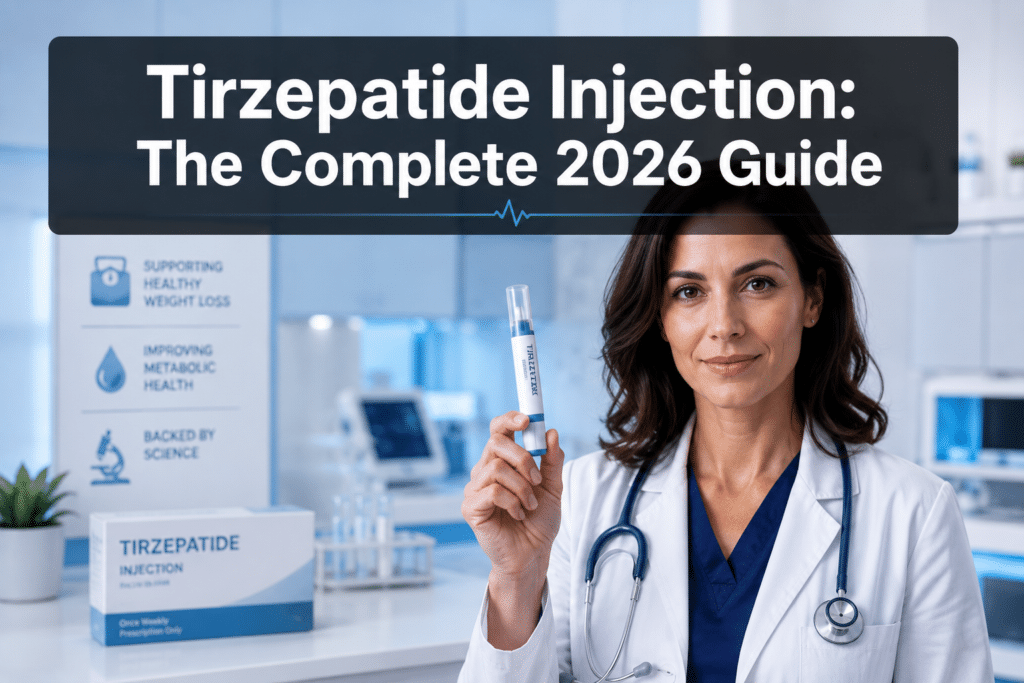
Quick Answer: Tirzepatide injection is a once-weekly prescription medication that targets two hormones (GLP-1 and GIP) to reduce appetite and regulate blood sugar. In clinical trials, adults lost an average of 15–22% of their body weight over 72 weeks, making it one of the most effective weight-loss medications currently available. It’s FDA-approved under the brand name Zepbound for weight management and Mounjaro for type 2 diabetes.
Key Takeaways
- Tirzepatide injection works by activating both GLP-1 and GIP receptors, which is why it tends to outperform single-receptor GLP-1 drugs like semaglutide for weight loss.
- Clinical trial data (SURMOUNT-1) showed up to 22.5% average body weight reduction in adults without diabetes over 72 weeks.
- Brand-name Zepbound costs roughly $1,000–$1,100/month without insurance; compounded and telehealth options can bring that under $300/month.
- Common side effects are mostly gastrointestinal: nausea, vomiting, diarrhea, and constipation, especially in the first few weeks.
- Tirzepatide is FDA-approved for adults with a BMI ≥30, or ≥27 with at least one weight-related condition.
- Most people see meaningful results within 4–12 weeks, but full weight-loss benefits typically develop over 6–12 months.
- Missing a dose is manageable if caught within 4 days; after that, skip and resume your regular schedule.
- Teenagers under 18 are not approved candidates; older adults can use it but may need closer monitoring.
- DirectMeds GLP1 Semaglutide is currently one of the most affordable telehealth GLP-1 options available in 2026.
- Always source tirzepatide through a licensed provider or accredited compounding pharmacy to avoid counterfeit products.
What Exactly Is Tirzepatide and How Does It Work?
Tirzepatide is a dual-action injectable medication that mimics two gut hormones: glucagon-like peptide-1 (GLP-1) and glucose-dependent insulinotropic polypeptide (GIP). By activating both receptors simultaneously, it reduces appetite, slows gastric emptying, and improves insulin sensitivity more effectively than drugs that target GLP-1 alone.
7 Best GLP-1 Providers Ranked: Accreditation, Flexibility & Support Compared (2026 Update)
32,000+ Patients Can't All Be Wrong: See the Top-Rated GLP-1 Providers. We compared the leading online GLP-1 providers based on program features, clinical support, convenience, and overall value.
BMI MD GLP-1 Microdosing Plan
- Specialized microdosing options, including sublingual drops and low-dose injections
- Designed for people interested in maintaining weight or gradually adjusting treatment
- Bundled program structure without a separate monthly platform membership
- Online access makes the process convenient from home

DirectMeds Weight Loss Solutions
- Online weight-loss program with a straightforward patient experience
- Compounded medication options through state-licensed compounding pharmacies
- Includes clinical consultation as part of the process
- Provides shipping updates to help patients track their orders
MEDVi Flat-Rate Telehealth
- Flat-rate telehealth approach designed for easier budgeting
- No dosage-based pricing increases within the advertised program structure
- Offers injectable and oral thin-film delivery options
- Includes medical screening and asynchronous provider consultations
Gala GLP-1 Care Program
- Text-based access to state-licensed clinicians
- Cold-chain medication shipping included in the program
- Month-to-month program structure
- Designed for people who value convenient ongoing support
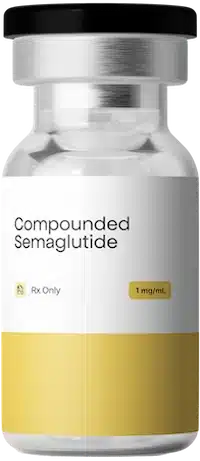
Measured GLP-1 Metabolic Health
- Comprehensive metabolic health screening and intake analysis
- Designed around longer-term metabolic health management
- Responsive dashboard with integrated health tracking tools
- Useful option for patients who value a more data-focused experience
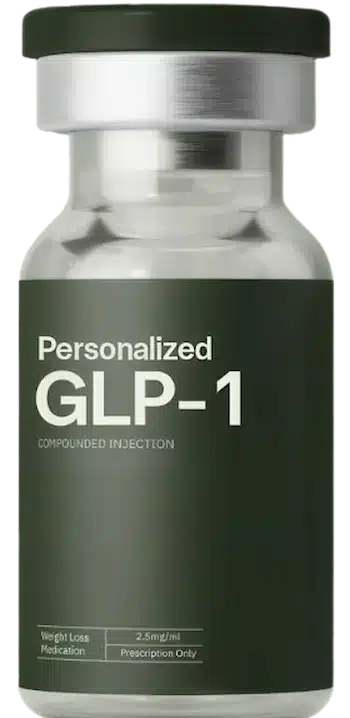
Refills GLP-1 (TryRefills Plan)
- Clinical guidance designed to help patients manage common treatment concerns
- Includes foundational nutritional strategies alongside medication
- Designed around predictable ongoing treatment
- No hidden startup or processing fees according to the program information provided
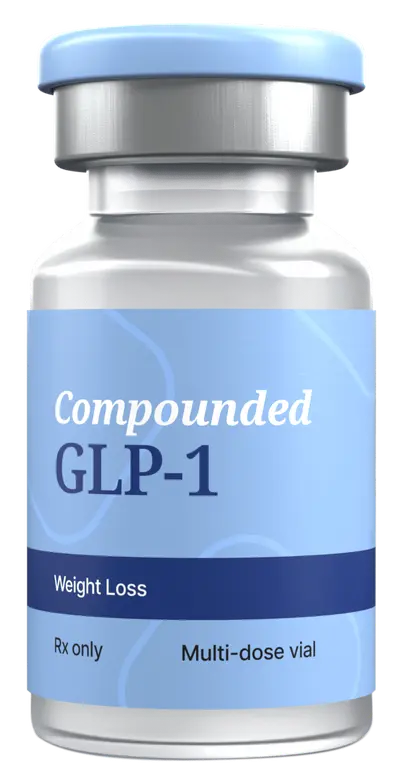
AltRx GLP-1 Transactional Reorders
- Transactional reorder model without recurring auto-billing
- Designed for patients who already understand their treatment routine
- Fast text-to-order process for convenient reorders
- Offers injectable and fast-dissolving tablet variations
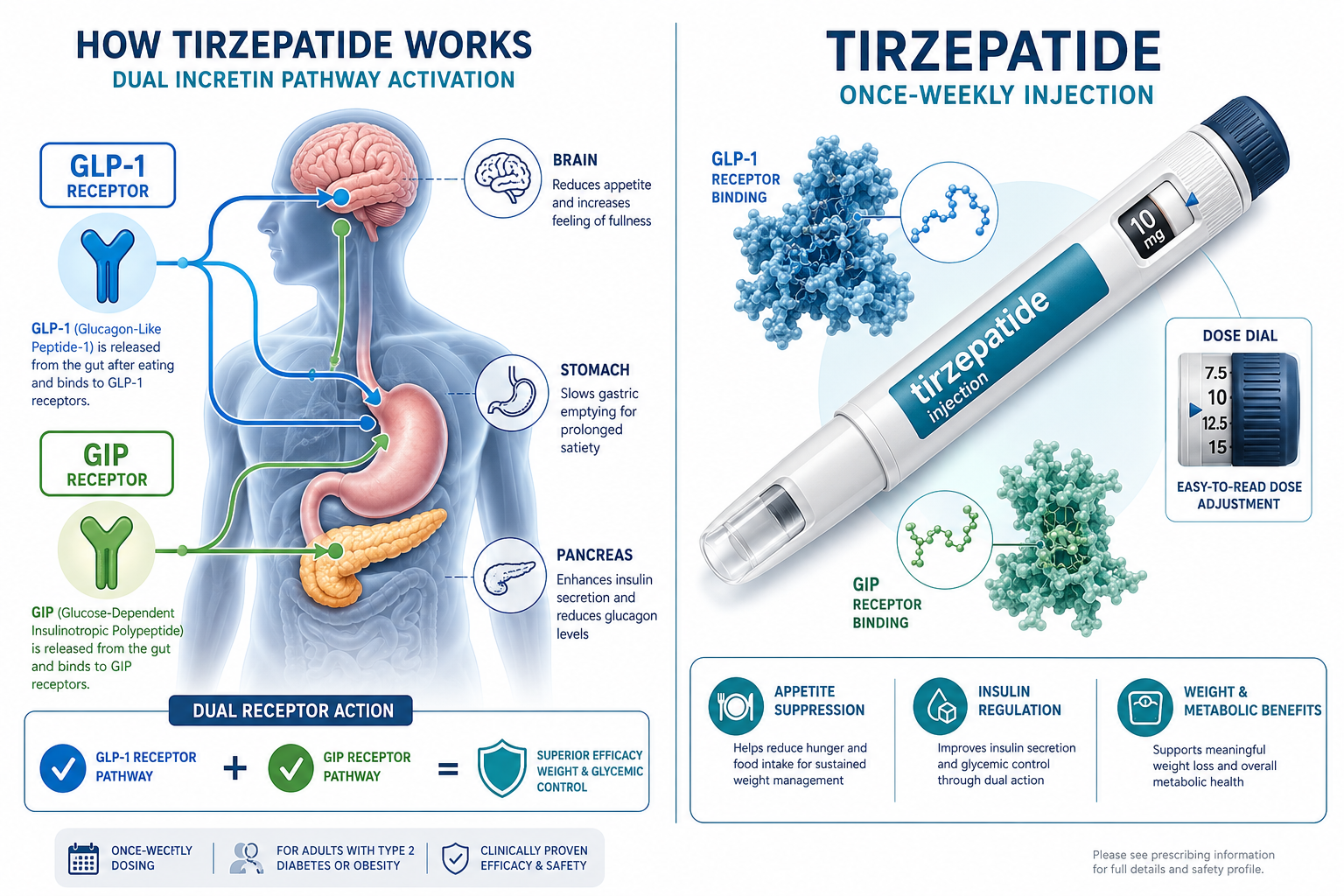
Here’s what happens after a tirzepatide injection:
- Brain signaling: The drug signals the hypothalamus to reduce hunger and increase feelings of fullness.
- Stomach slowdown: Food moves more slowly through the digestive tract, so you feel satisfied longer after meals.
- Pancreas response: Insulin is released in a glucose-dependent way, which lowers blood sugar without causing dangerous hypoglycemia in most people.
- Liver regulation: Glucagon secretion is suppressed, reducing excess glucose output from the liver.
The dual-receptor mechanism is what separates tirzepatide from older GLP-1 drugs. Think of it as two levers being pulled instead of one — the combined effect on appetite and metabolism is meaningfully stronger.
Manufactured by: Eli Lilly and Company
Brand names: Mounjaro (diabetes), Zepbound (weight management)
Dosing schedule: Once weekly, subcutaneous injection (under the skin of the abdomen, thigh, or upper arm)
The 3 Most Affordable GLP 1 Without Insurance (2026 Ranked)
🥇 #1 Best Overall: Zepbound (Triple-Action Option)
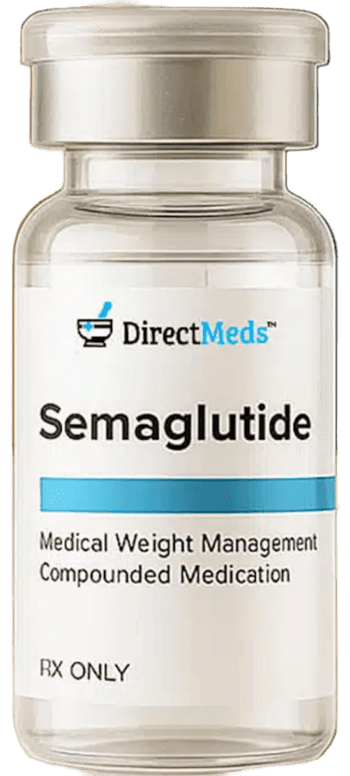
🥇 Best Overall (9.9/10)
DirectMeds GLP1 provides a budget-friendly alternative to Ozempic/Wegovy while maintaining strong appetite control and weekly fat loss results. Everything is included—from telehealth visits to medication shipping—making it ideal for people wanting premium results at the lowest cost.
DirectMeds is a LegitScript-certified telehealth platform that connects patients with licensed U.S. physicians who evaluate whether compounded GLP-1 medications are clinically appropriate.
It is one of the most established providers in this space and is particularly well-suited to patients who want high-touch clinical oversight without paying brand-name prices.
How it works: Complete a secure online health intake form. A licensed medical provider reviews your profile and determines eligibility. If approved, your prescription is sent to a certified U.S. compounding pharmacy and medication is shipped directly to your door. All-inclusive pricing covers medical consultation, medication, and 24/7 support — no surprise charges.
◉ Clinical Note: DirectMeds’ LegitScript certification is a meaningful differentiator in this market. It requires compliance with pharmacy laws, prescription standards, and advertising guidelines — reducing the risk of receiving substandard compounded medications. For patients new to telehealth GLP-1 programs, this certification provides a meaningful layer of accountability. — Dr. Sarah Jenkins, Co-Author
🎯 Ideal for: Patients who want an established, verified provider with strong clinical support and are comfortable paying slightly more than the absolute floor price for greater peace of mind.
🥈#2 Best for Long-Term Cost Certainty: MyStart GLP-1
🥈 Silver Standard — Best Flat-Rate Pricing
- Rating: ⭐️⭐️⭐️⭐️⭐️ – (9.9/10) High Potency GLP1
MyStart GLP-1 offers a smooth, beginner-friendly GLP-1 program using FDA-backed medications and simple weekly injections or tablets. Great for people wanting easy onboarding, rapid fat loss, and physician oversight—without the high price of traditional clinics.
MyStart GLP-1 uses a unique flat-rate membership model where your medication cost is fixed regardless of how high your therapeutic dose increases over time. For patients who will be on GLP-1 therapy for 12 months or more, this pricing structure can save $600 to $1,800 annually compared to platforms that charge progressively more as doses escalate.
How it works: Pay a monthly membership ($79) plus a flat medication fee (e.g., $175 for compounded semaglutide). The combined total stays fixed at $254 per month from starter dose through maximum maintenance dose. Medical consultation, all medication, dedicated care team access, and nutritional coaching are included.
◉ Clinical Note: The flat-rate model is financially sound for long-term GLP-1 use. GLP-1 therapy is most effective when sustained for 12+ months, and avoiding dose-related price increases removes a common reason patients discontinue treatment early. The included nutritional coaching adds meaningful clinical value, as sustainable weight loss requires both medication and lifestyle change. — Dr. Sarah Jenkins, Co-Author
🎯 Ideal for: Patients committed to long-term treatment (12+ months) who want price certainty as doses increase, and who value behavioral coaching as part of their program.
Best for: People who want a more advanced GLP-1 approach at a reduced price. 👉 SKIP THE WAITLIST. START FOR $199
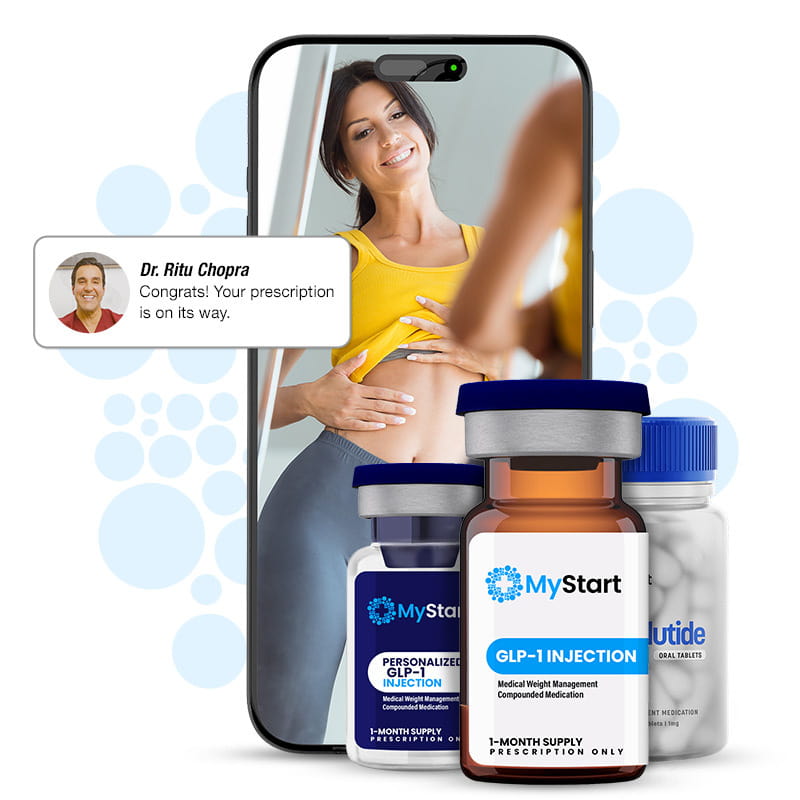
Thousands of people are losing weight with MyStart GLP-1 medications. People like you are transforming their lives, feeling better, and looking their best with the help of GLP-1 (Dual-Action Option) medications.
🥉 #3 Best for Absolute Lowest Entry Cost: MEDVi GLP-1
🥉 Bronze Standard — Lowest Entry Price
- Rating: ⭐️⭐️⭐️⭐️⭐️ – (9.9/10) Excellent
MEDVi GLP-1 delivers fast, medical-grade weight loss with doctor-guided dosing and personalized coaching. Patients report losing 1–3 lbs per week with steady appetite control and reduced cravings. Qualify in minutes and access 600+ U.S. doctors with no membership fees.
MEDVi offers the most accessible entry price point in the compounded GLP-1 market, with starter doses beginning as low as $99 per month and a published price-match guarantee.
The platform provides both injectable and oral compounded GLP-1 options, giving prescribers flexibility to match the medication form to the patient. Clinical follow-up is primarily quarterly rather than monthly, which keeps costs lower but means less frequent dose adjustment guidance than the two options above.
How it works: Complete an online consultation. If qualified, your prescription is sent to a partner compounding pharmacy and medication is shipped to you within 48 hours. Customer support is available, and clinical check-ins are typically quarterly. No membership fees are charged on top of medication pricing.
◉ Clinical Note: MEDVi is a legitimate, cost-effective option for budget-focused patients who have researched compounded medications and are comfortable with less frequent clinical contact. Always ask your provider which specific compounding pharmacy fulfills your prescription — a reputable 503A or 503B state-licensed pharmacy is non-negotiable for safety. — Dr. Sarah Jenkins, Co-Author
🎯 Ideal for: Budget-focused patients who have done their research on compounded GLP-1 medications, are comfortable managing more of their own care independently, and want the lowest possible entry price with a price-match guarantee.
🧭 Which Program Is Right for You? (Decision Tool)
Answer these questions to find your best match
💰 “My absolute priority is paying the lowest possible monthly cost.”
→ Start with MEDVi ($99–$199 entry price, price-match guarantee). Check whether the starter dose meets your clinical needs before committing long-term.
📅 “I plan to be on this medication for 12+ months and hate price surprises.”
→ MyStart‘s flat $254/month rate is built for you. The price never increases as your dose escalates — saving $600–$1,800 annually vs. dose-tiered pricing.
📋 “I’m cautious about telehealth and want the most established, verified provider.”
→ DirectMeds is your safest choice. LegitScript certification, 24/7 support, HSA/FSA accepted, and transparent all-inclusive pricing from a well-reviewed platform.
💋 “I’m on Medicare or Medicaid — can I use these programs?”
→ No. Government insurance enrollees are not eligible for these compounded programs. Instead, check TrumpRx.gov for the $50/month Medicare GLP-1 program launching mid-2026, or NovoCare.com for brand-name cash-pay pricing.
🔬 “I want the cheapest brand-name GLP-1 (not compounded) without insurance.”
→ The oral Wegovy pill starts at $149/month through NovoCare Pharmacy or TrumpRx.gov. This is a brand-name, cash-pay option — not compounded — and is the lowest brand-name GLP-1 price available in
How Much Weight Can You Really Lose With Tirzepatide?
Adults using tirzepatide injection for weight management can expect to lose 15–22% of their total body weight over 72 weeks, based on the SURMOUNT-1 phase 3 clinical trial. That’s roughly 35–50 lbs for someone starting at 230 lbs, though individual results vary based on diet, activity, and dose.
Key results from SURMOUNT-1 (published in the New England Journal of Medicine, 2022):
| Dose | Average Weight Loss | % of Participants Losing ≥20% Body Weight |
|---|---|---|
| 5 mg/week | ~15% | ~31% |
| 10 mg/week | ~19.5% | ~46% |
| 15 mg/week | ~22.5% | ~57% |
| Placebo | ~2.4% | ~3% |
Realistic expectations:
- Weeks 1–4: Appetite suppression begins; scale may not move much yet.
- Weeks 4–12: Noticeable weight loss starts (often 5–10 lbs depending on starting weight).
- Months 3–6: Steady loss of 1–2 lbs per week is typical.
- Months 6–18: Plateau may occur; dose adjustments or lifestyle changes help.
Common mistake: Expecting rapid results in week one. Tirzepatide is not a fast-acting stimulant. The dose escalation protocol (starting at 2.5 mg and increasing every 4 weeks) means therapeutic effects build gradually.
Tirzepatide vs. Ozempic: Which One Is Better for Weight Loss?
For weight loss specifically, tirzepatide injection consistently outperforms semaglutide (Ozempic/Wegovy) in head-to-head data. The SURMOUNT-5 trial (2025) showed tirzepatide users lost significantly more weight than those on semaglutide over 72 weeks.
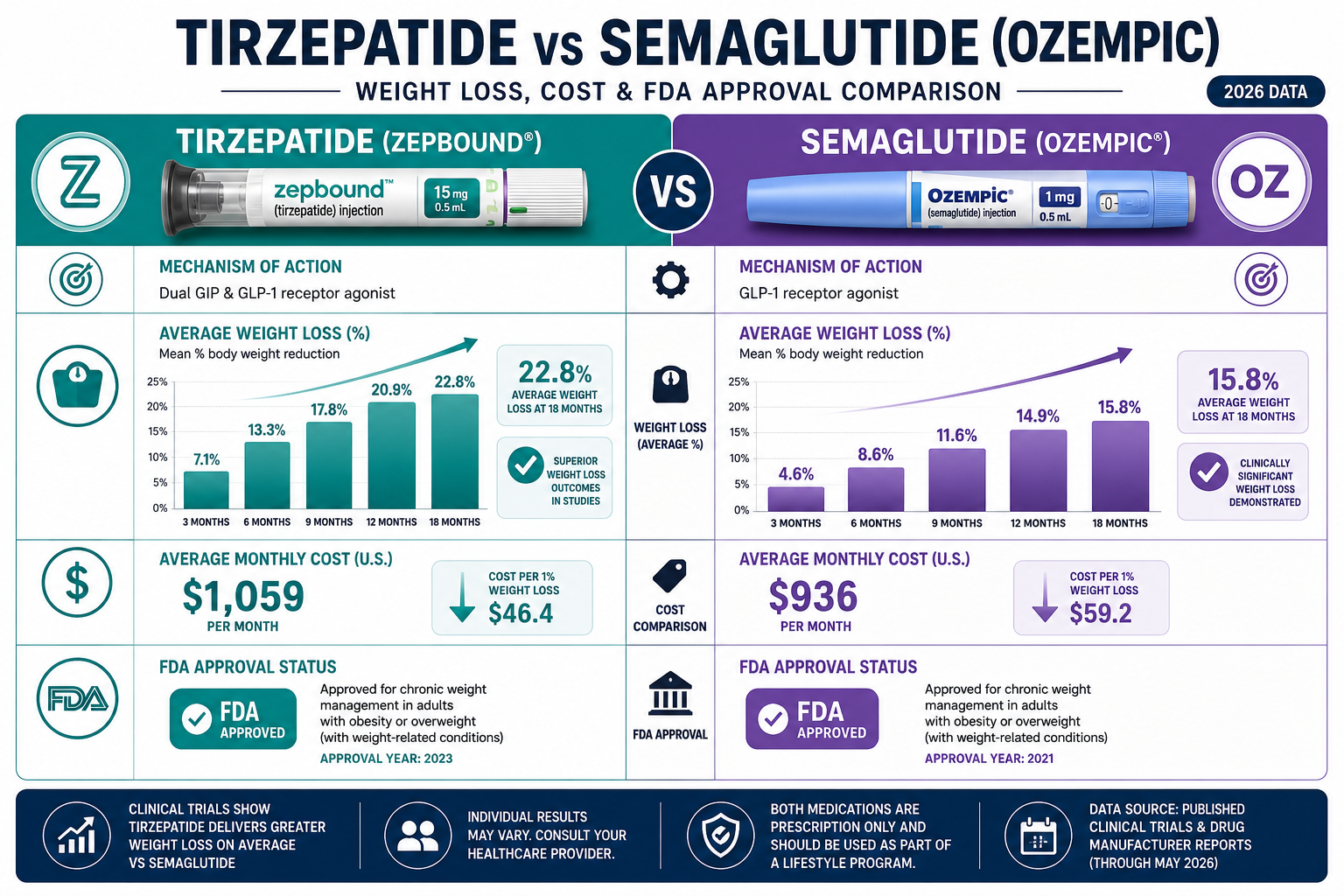
Here’s a practical comparison:
| Feature | Tirzepatide (Zepbound) | Semaglutide (Wegovy/Ozempic) |
|---|---|---|
| Mechanism | Dual GLP-1 + GIP | GLP-1 only |
| Avg. weight loss | 15–22% | 10–15% |
| FDA weight-loss approval | Yes (Zepbound) | Yes (Wegovy) |
| Dosing | Once weekly | Once weekly |
| Brand cost (no insurance) | ~$1,000–$1,100/mo | ~$1,300–$1,400/mo |
| Cardiovascular data | Strong (SELECT-like trials) | Strong (SELECT trial) |
| GI side effects | Similar | Similar |
Choose tirzepatide if: You want maximum weight loss and your provider confirms you’re a good candidate.
Choose semaglutide if: You’ve already responded well to it, or your provider recommends it for a specific clinical reason.
For a detailed breakdown of GLP-1 medications and how they compare, see our guide to GLP-1 medications for weight loss and diabetes.
Ready to start your weight-loss journey? Try DirectMeds GLP1 Semaglutide — one of the most affordable GLP-1 programs available in 2026, with licensed providers and no hidden fees.
How Much Does Tirzepatide Cost Without Insurance?
Without insurance, brand-name tirzepatide (Zepbound) costs approximately $1,000–$1,100 per month in 2026. However, compounded tirzepatide through telehealth platforms can cost as little as $150–$299/month, making it far more accessible for most people.
Here’s a realistic cost breakdown:
- Zepbound (brand name): ~$1,049/month retail; Eli Lilly’s savings card may reduce this to ~$550/month for eligible patients.
- Compounded tirzepatide (telehealth): $150–$299/month depending on provider and dose.
- DirectMeds GLP1 Semaglutide: One of the most affordable options currently available, with transparent pricing and licensed medical oversight.
For a full breakdown of what you’ll actually pay, see our tirzepatide monthly cost guide and our comparison of cheapest tirzepatide online sources.
Important: Compounded tirzepatide is legal when prescribed by a licensed provider and dispensed by an FDA-registered compounding pharmacy. Always verify your pharmacy’s credentials before purchasing.
💡 Looking for the best deal? Our tirzepatide cost comparison for 2026 shows exactly how Zepbound stacks up against telehealth alternatives.
What Side Effects Should I Watch Out for With Tirzepatide?
The most common side effects of tirzepatide injection are gastrointestinal and typically occur during dose escalation. Most people experience nausea, diarrhea, vomiting, or constipation in the first 4–8 weeks, with symptoms improving as the body adjusts.
Common side effects (usually temporary):
- Nausea (most frequent, especially after dose increases)
- Diarrhea or constipation
- Vomiting
- Reduced appetite (often desired)
- Stomach pain or bloating
- Fatigue in the first few weeks
Less common but serious side effects to report to your doctor:
- Pancreatitis (severe abdominal pain radiating to the back)
- Gallbladder problems (gallstones are more common with rapid weight loss)
- Hypoglycemia (mainly in people also taking insulin or sulfonylureas)
- Allergic reactions (rash, swelling, difficulty breathing)
- Thyroid tumors (rare; seen in animal studies — avoid if you have a personal or family history of medullary thyroid carcinoma)
How to reduce side effects:
- Start at the lowest dose (2.5 mg) and increase slowly.
- Eat smaller, lower-fat meals.
- Stay well hydrated.
- Avoid alcohol during the first few months.
- Inject on the same day each week to maintain stable blood levels.
Am I a Good Candidate for Tirzepatide, or Not?
Tirzepatide injection is FDA-approved for adults with a BMI of 30 or higher, or a BMI of 27 or higher with at least one weight-related health condition (such as high blood pressure, type 2 diabetes, or sleep apnea). You also need to be committed to lifestyle changes alongside the medication.
You’re likely a good candidate if:
- BMI ≥30, or BMI ≥27 with a qualifying condition
- You’ve tried diet and exercise without sufficient results
- You don’t have a personal or family history of medullary thyroid carcinoma (MTC) or Multiple Endocrine Neoplasia syndrome type 2 (MEN 2)
- You’re not pregnant or planning to become pregnant
- You’re an adult (18+)
You should not use tirzepatide if:
- You have a personal or family history of MTC or MEN 2
- You’re pregnant (weight-loss medications are contraindicated during pregnancy)
- You have severe gastrointestinal disease (e.g., gastroparesis)
- You’re currently taking certain diabetes medications that increase hypoglycemia risk without medical supervision
Edge case: People with a history of eating disorders should discuss tirzepatide carefully with a psychiatrist or eating disorder specialist before starting, as appetite suppression can interact with recovery.
Can People With Type 2 Diabetes Use Tirzepatide?
Yes. Tirzepatide was originally FDA-approved as Mounjaro specifically for adults with type 2 diabetes in 2022, before Zepbound received weight-management approval. It’s one of the most effective medications for both blood sugar control and weight loss in people with type 2 diabetes.
In the SURPASS clinical trial program, tirzepatide reduced HbA1c by 1.8–2.4 percentage points, outperforming several existing diabetes medications including insulin degludec and semaglutide.
For people with type 2 diabetes:
- Tirzepatide (Mounjaro) is a first-line option in many clinical guidelines for patients who need both glucose control and weight loss.
- It does not cause hypoglycemia on its own but can increase that risk when combined with insulin or sulfonylureas.
- Insurance coverage for Mounjaro is often better than for Zepbound, since it’s prescribed for a diagnosed condition.
For related dietary support, see our diabetic healthy food list to pair with your medication plan.
Start managing your weight and blood sugar today. Explore DirectMeds GLP1 Semaglutide — a licensed, affordable GLP-1 program designed for real results.
Common Mistakes People Make When Starting Tirzepatide
The biggest mistake people make is expecting tirzepatide to work without any lifestyle changes, or stopping the medication too early when results feel slow. A close second is skipping the dose escalation schedule to “speed things up,” which dramatically increases side effects.
Top mistakes to avoid:
- Skipping the escalation protocol. Jumping from 2.5 mg to 10 mg in week two will likely cause severe nausea. Follow the 4-week step-up schedule.
- Eating high-fat meals. Fatty foods worsen nausea and GI discomfort significantly while on tirzepatide.
- Not tracking food intake. The medication reduces hunger, but it doesn’t prevent overeating calorie-dense foods. Pairing it with a healthy eating and weight-loss meal plan accelerates results.
- Stopping at the first plateau. Weight loss slows naturally around months 4–6. This is normal, not failure.
- Buying from unverified sources. Counterfeit GLP-1 injections are a real risk. Always use a licensed provider or verified pharmacy.
- Not telling your doctor about all medications. Tirzepatide interacts with oral medications by slowing absorption — your doctor may need to adjust timing.
How Long Do I Need to Stay on Tirzepatide to See Results?
Most people notice appetite suppression within the first 1–2 weeks, but meaningful weight loss typically becomes visible between weeks 4–12. Full results develop over 6–18 months of consistent use.
Timeline overview:
- Weeks 1–2: Appetite decreases; some people feel nauseous.
- Weeks 4–8: First noticeable weight loss (typically 5–8% of body weight).
- Months 3–6: Steady loss; dose may be increased to 10 or 15 mg.
- Months 6–18: Maximum weight loss achieved; maintenance phase begins.
What happens if you stop? Studies show that most people regain a significant portion of lost weight within 12 months of stopping tirzepatide. This is why many providers recommend long-term or indefinite use, similar to blood pressure medication.
What Happens If I Miss a Dose of Tirzepatide?
If you miss a tirzepatide injection, take it as soon as you remember — but only if your next scheduled dose is more than 4 days away. If it’s within 4 days of your next dose, skip the missed dose and resume your normal weekly schedule. Never double-dose.
Practical rules:
- Missed dose, 5+ days before next scheduled dose: Inject the missed dose now.
- Missed dose, fewer than 4 days before next scheduled dose: Skip it; continue as normal.
- Missed multiple doses: Contact your provider before restarting, especially if you’ve been off for more than 2 weeks, as you may need to restart at a lower dose.
Are There Any Natural Alternatives to Tirzepatide for Weight Loss?
No natural supplement replicates the clinical weight-loss results of tirzepatide injection. However, certain lifestyle strategies and supplements can support modest weight management for people who aren’t candidates for GLP-1 medications or are waiting to start.
Evidence-supported lifestyle approaches:
- Caloric deficit of 500–750 calories/day (most consistent predictor of weight loss)
- High-protein diet (reduces hunger hormones naturally)
- Resistance training (preserves muscle during weight loss)
- Sleep optimization (poor sleep raises ghrelin, the hunger hormone)
- Stress management (chronic cortisol drives fat storage)
Supplements with limited but real evidence:
- Berberine (modest blood sugar and weight effects)
- Glucomannan (fiber that increases satiety)
- Green tea extract (small metabolic boost)
None of these come close to the 15–22% weight loss seen with tirzepatide. They’re best used as complements, not replacements.
Not ready for injections yet? Try DirectMeds GLP1 Semaglutide as a starting point — it’s oral-friendly, affordable, and backed by licensed providers.
What Do Doctors Really Think About Tirzepatide?
Most endocrinologists, obesity medicine specialists, and primary care physicians view tirzepatide as one of the most significant advances in obesity treatment in decades. The clinical data is strong, the mechanism is well-understood, and real-world outcomes align closely with trial results.
Where doctors are cautious:
- Long-term cardiovascular outcomes data for tirzepatide specifically is still maturing (though early signals are positive).
- Muscle mass loss during rapid weight loss is a concern; doctors often recommend protein intake and resistance training alongside the medication.
- Prescribing for patients with a history of eating disorders requires careful psychiatric coordination.
- The cost barrier remains a significant concern for patients without insurance coverage.
The general medical consensus in 2026: Tirzepatide is a first-line recommendation for eligible patients with obesity, especially those with type 2 diabetes or cardiovascular risk factors.
Can Teenagers or Older Adults Use Tirzepatide?
Tirzepatide injection is not currently FDA-approved for anyone under 18. Older adults (65+) can use it, but may need more careful monitoring for muscle loss, dehydration, and medication interactions.
Teenagers: No approved indication exists as of 2026. Some clinical trials in adolescents are ongoing, but prescribing tirzepatide to minors is currently off-label and generally not recommended outside a research setting.
Older adults (65+):
- Tirzepatide is generally safe and effective for older adults.
- Doctors monitor more closely for sarcopenia (muscle loss), which is a greater concern in this age group.
- Kidney function should be assessed, as dehydration from GI side effects can affect renal health.
- Drug interactions are more common in older adults who take multiple medications.
Choose tirzepatide as an older adult if: Your provider has reviewed your full medication list, kidney function is adequate, and you’re committed to maintaining protein intake and physical activity during treatment.
Frequently Asked Questions
How is tirzepatide injection administered?
Tirzepatide is injected subcutaneously (under the skin) once per week using a prefilled auto-injector pen. You can inject it into your abdomen, thigh, or upper arm. Rotate injection sites weekly to avoid skin irritation.
What dose of tirzepatide do most people end up on?
Most people reach a maintenance dose of 10 mg or 15 mg per week. The starting dose is always 2.5 mg, increasing by 2.5 mg every 4 weeks as tolerated, up to the maximum of 15 mg.
Is compounded tirzepatide safe?
Compounded tirzepatide from an FDA-registered 503A or 503B pharmacy, prescribed by a licensed provider, is generally considered safe. The risk comes from unregulated online sources. Always verify your pharmacy’s credentials before purchasing.
Does tirzepatide require refrigeration?
Yes. Tirzepatide pens must be stored in the refrigerator (36°F–46°F / 2°C–8°C). They can be kept at room temperature (up to 86°F/30°C) for up to 21 days if needed. Do not freeze. For storage tips, see our guide on how to store compounded semaglutide at home — the same principles apply to tirzepatide.
Can I drink alcohol while on tirzepatide?
Alcohol is not strictly prohibited, but it’s strongly discouraged, especially early in treatment. Alcohol can worsen nausea, increase hypoglycemia risk (if you’re also on diabetes medications), and add empty calories that undermine weight-loss progress.
How quickly does tirzepatide start working?
Appetite suppression often begins within the first week. Measurable weight loss typically appears by weeks 4–8. Full therapeutic benefit builds over 6–12 months of consistent use.
Will I gain weight back if I stop tirzepatide?
Most people regain a significant portion of lost weight within 12 months of stopping. This is because tirzepatide addresses a hormonal imbalance — when the medication stops, those hormones return to baseline. Long-term use is often recommended for sustained results.
Is tirzepatide covered by insurance?
Mounjaro (for type 2 diabetes) has broader insurance coverage than Zepbound (for weight management). Many insurance plans still exclude weight-loss medications. Check your plan’s formulary or ask your provider about prior authorization. For more details, see our full tirzepatide cost breakdown.
What’s the difference between Mounjaro and Zepbound?
Both contain tirzepatide at the same doses. Mounjaro is FDA-approved for type 2 diabetes; Zepbound is FDA-approved for chronic weight management. The active ingredient and injection mechanism are identical.
Can tirzepatide be used with other weight-loss medications?
Combining tirzepatide with other weight-loss medications (like phentermine or bupropion/naltrexone) is not FDA-approved and carries unknown risks. Always discuss any combination therapy with your prescribing physician.
7 Best GLP-1 Providers Ranked: Accreditation, Flexibility & Support Compared (2026 Update)
32,000+ Patients Can't All Be Wrong: See the Top-Rated GLP-1 Providers: Compared on accreditation, plan flexibility, and patient support — updated for 2026.
BMI MD GLP-1 Microdosing Plan
- Specialized microdosing options (sublingual drops or low-dose injections)
- Ideal for maintaining weight or tapering off higher doses safely
- Fully bundled plan with no hidden monthly platform memberships
DirectMeds Weight Loss Solutions
- Sourced from accredited, state-licensed 503A compounding pharmacies
- No-frills high-volume savings passed directly to the patient
- Includes clinical consultation and cold-chain shipping updates
MEDVi Flat-Rate Telehealth
- Flat monthly rate holds steady even at maximum maintenance doses
- No dosage upcharges or graduation fee penalties
- Offers both injectable and advanced oral thin-film delivery options
Gala GLP-1 Care Program
- All-inclusive plan with no standalone membership costs
- Continuous text-based messaging access with state-licensed clinicians
- Temperature-controlled, cold-chain medication shipping included
Measured GLP-1 Metabolic Health
- Comprehensive metabolic health screening and expert intake analysis
- Predictable long-term budgeting with stable plan pricing
- High-end responsive dashboard with integrated diagnostic support
Refills GLP-1 (TryRefills Plan)
- Flat rate holds steady as titration scales up
- Includes clinical guides for active side-effect management
- Bundles in foundational nutritional strategies alongside medication
AltRx GLP-1 Transactional Reorders
- Zero recurring auto-billing — pay entirely on a transactional basis
- Rapid text-to-order format saves time for experienced patients
- Provides both injectable forms and fast-dissolving tablet variations
Conclusion: Is Tirzepatide Injection Right for You?
Tirzepatide injection stands out as one of the most effective weight-loss and blood sugar management tools available in 2026. The clinical data is compelling, real-world results are strong, and the once-weekly dosing makes it practical for most adults.
Your next steps:
- Check your eligibility: BMI ≥30, or ≥27 with a qualifying condition, and no contraindications (MTC history, pregnancy, severe GI disease).
- Talk to a licensed provider: Telehealth platforms make this fast and affordable. You don’t need to visit a clinic in person.
- Compare costs: Brand-name Zepbound is expensive, but affordable tirzepatide alternatives exist online through verified telehealth providers.
- Start with the right program: For budget-conscious buyers, DirectMeds GLP1 Semaglutide offers a licensed, affordable entry point into GLP-1 therapy.
- Pair it with lifestyle changes: Medication works best alongside a structured meal plan and consistent physical activity.
If you’re ready to take the first step toward meaningful, sustained weight loss, don’t wait. Start your GLP-1 journey with DirectMeds today — affordable, licensed, and built for real results.
Medical References
The landmark SURMOUNT-1 trial results for tirzepatide were published in the New England Journal of Medicine, documenting up to 22.5% average body weight reduction in adults without diabetes.
The FDA’s official prescribing information and approval details for tirzepatide (Zepbound and Mounjaro) are available through the U.S. Food and Drug Administration drug database.
The SURPASS clinical trial program results, including tirzepatide’s effects on HbA1c and cardiovascular markers in type 2 diabetes patients, are indexed in PubMed via the National Library of Medicine.
Clinical guidelines on obesity pharmacotherapy, including GLP-1 and dual GIP/GLP-1 receptor agonists, are published by the American Diabetes Association Standards of Care.
The Obesity Society’s clinical practice statement on anti-obesity medications, including tirzepatide, is available through the Obesity journal published by Wiley on behalf of The Obesity Society.

With over 13 years of experience in holistic health blogging, I aim to help you navigate your wellness journey with honest insights, expert-backed advice, and a sprinkle of real-world practicality.
Certified Wellness Writer | Herbal Nutrition Advocate | Wellness Research Enthusiast


