
What Is NAD+ Peptide? What It Really Is, How It’s Used and Is It Safe

Last updated: November 24, 2026
A molecule found in every living cell is now being sold at wellness clinics under a name it doesn’t actually deserve. People searching “what is NAD+ peptide” are often surprised to learn the term itself is a marketing shortcut, not a chemistry fact.
Quick Answer: NAD+ (nicotinamide adenine dinucleotide) is a coenzyme your cells need for energy production and DNA repair, not a peptide. It’s commonly called a “NAD+ peptide” because peptide clinics sell it alongside real peptides and inject it the same way. NAD+ is used in subcutaneous injections, IV drips and oral precursor supplements, mainly marketed for energy, focus and healthy aging.
7 Best GLP-1 Providers Ranked: Accreditation, Flexibility & Support Compared (2026 Update)
32,000+ Patients Can't All Be Wrong: See the Top-Rated GLP-1 Providers. We compared the leading online GLP-1 providers based on program features, clinical support, convenience, and overall value.
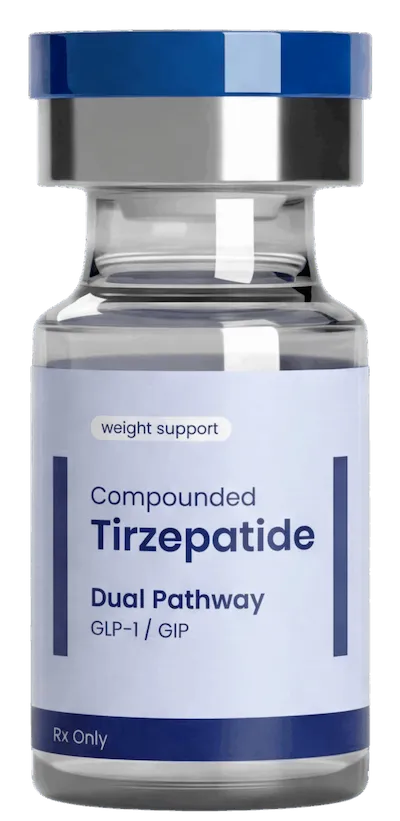
BMI MD GLP-1 Microdosing Plan
- Specialized microdosing options, including sublingual drops and low-dose injections
- Designed for people interested in maintaining weight or gradually adjusting treatment
- Bundled program structure without a separate monthly platform membership
- Online access makes the process convenient from home

DirectMeds Weight Loss Solutions
- Online weight-loss program with a straightforward patient experience
- Compounded medication options through state-licensed compounding pharmacies
- Includes clinical consultation as part of the process
- Provides shipping updates to help patients track their orders
MEDVi Flat-Rate Telehealth
- Flat-rate telehealth approach designed for easier budgeting
- No dosage-based pricing increases within the advertised program structure
- Offers injectable and oral thin-film delivery options
- Includes medical screening and asynchronous provider consultations
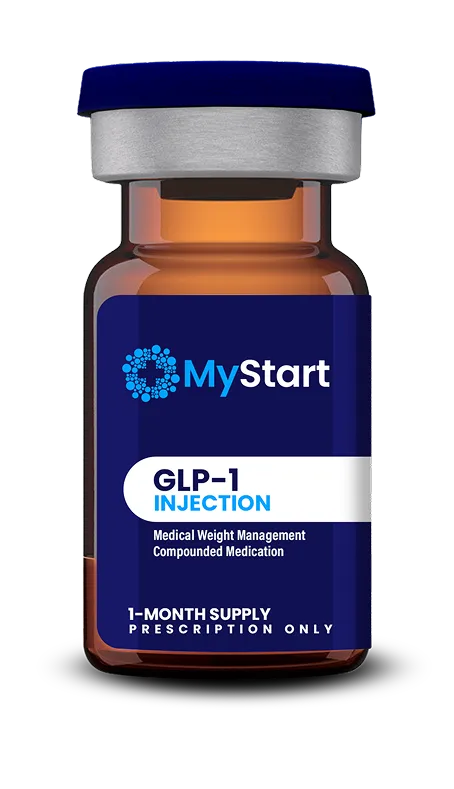
Gala GLP-1 Care Program
- Text-based access to state-licensed clinicians
- Cold-chain medication shipping included in the program
- Month-to-month program structure
- Designed for people who value convenient ongoing support
Measured GLP-1 Metabolic Health
- Comprehensive metabolic health screening and intake analysis
- Designed around longer-term metabolic health management
- Responsive dashboard with integrated health tracking tools
- Useful option for patients who value a more data-focused experience
Refills GLP-1 (TryRefills Plan)
- Clinical guidance designed to help patients manage common treatment concerns
- Includes foundational nutritional strategies alongside medication
- Designed around predictable ongoing treatment
- No hidden startup or processing fees according to the program information provided
AltRx GLP-1 Transactional Reorders
- Transactional reorder model without recurring auto-billing
- Designed for patients who already understand their treatment routine
- Fast text-to-order process for convenient reorders
- Offers injectable and fast-dissolving tablet variations
Key Takeaways
- NAD+ is a coenzyme made of two linked nucleotides, not a peptide, which is a short chain of amino acids.
- The “NAD+ peptide” label comes from how it’s sold and injected, not from its actual chemistry.
- Human evidence for NAD+ injections is still limited; most dramatic claims come from animal or cell studies.
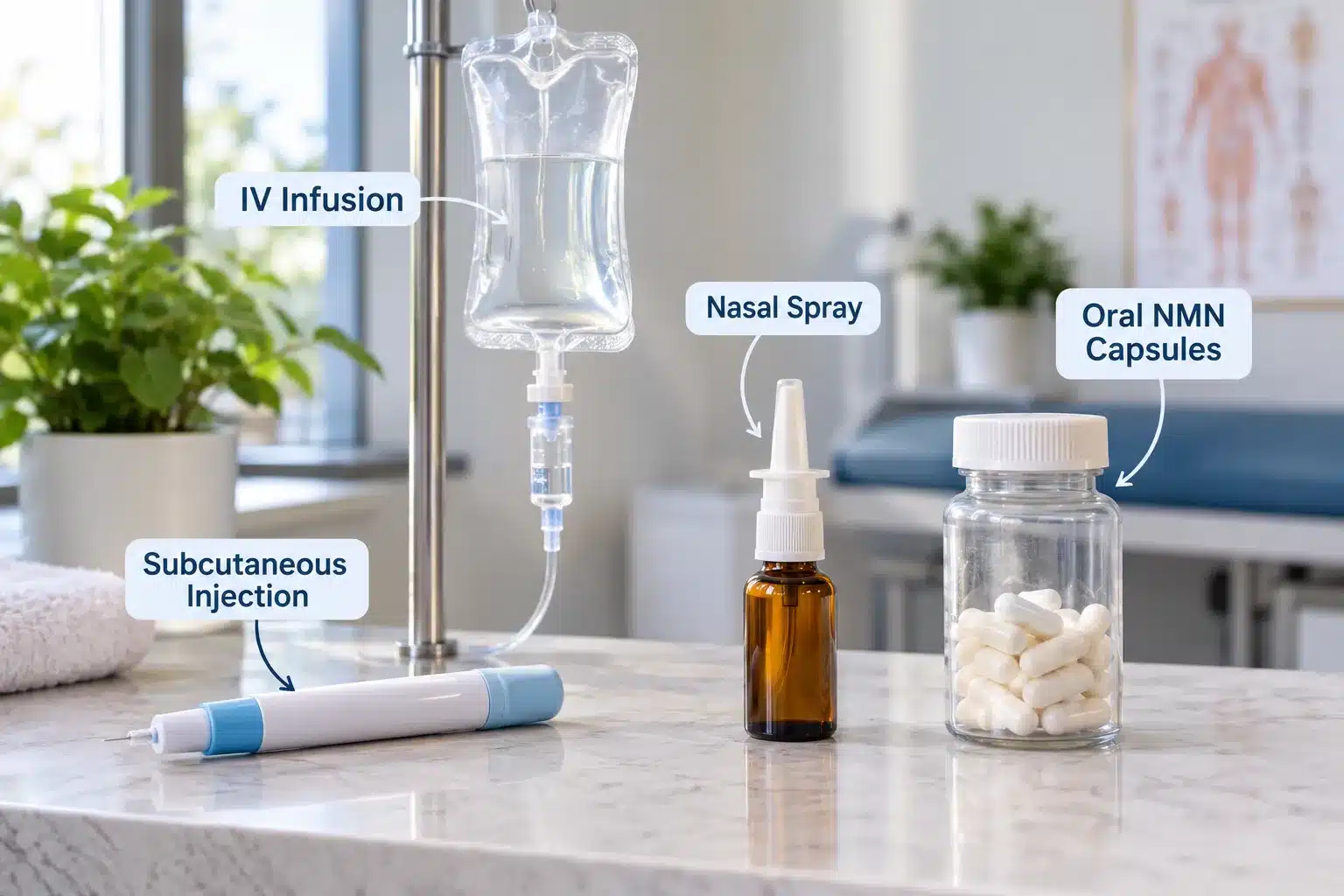
- NAD+ comes in several forms, including subcutaneous injection, IV therapy, nasal spray and oral precursors like NMN and NR.
- NAD+ is not FDA-approved to treat any disease, and quality varies a lot between licensed pharmacies and online sellers.
- Typical NAD+ IV sessions cost $150 to $400, while injection kits and supplements are usually cheaper per dose.
- A doctor’s input matters most for anyone pregnant, breastfeeding, or with a history of cancer, before starting NAD+ therapy.
What Is NAD+?
NAD+ is a coenzyme your cells use to convert food into usable energy and to repair damaged DNA. It exists in two connected forms, NAD+ and NADH, that shuttle electrons during metabolism inside the mitochondria.
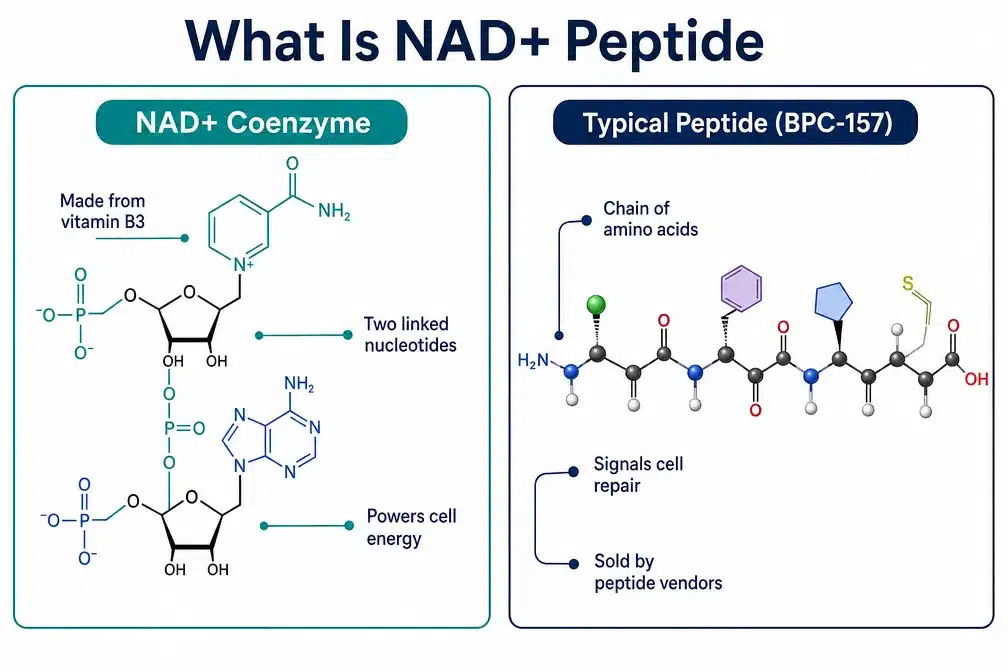
Every cell in your body relies on this electron transfer to make ATP, the molecule that powers muscle contraction, brain activity and basic repair work. NAD+ also feeds a group of proteins called sirtuins and PARP enzymes, both involved in DNA repair and cell signaling [1].
NAD+ levels decline with age. Research summarized by clinical reviewers shows NAD+ concentrations can drop by roughly 50% between early adulthood and older age, a pattern linked to slower cellular repair and reduced energy metabolism in tissue studies [1]. This decline is the main reason NAD+ boosting products have become popular, even though a falling number alone doesn’t prove that raising it back up reverses any specific health problem.
Is NAD+ a Peptide, or Is That Something Different?
NAD+ is not a peptide. A peptide is a short chain of amino acids linked together, while NAD+ is a dinucleotide built from vitamin B3 (niacin) and ribose sugars, with no amino acid chain at all.
The confusion exists because NAD+ is sold through the same channels as real peptides, like BPC-157 or semaglutide-adjacent compounds, often at the same compounding pharmacies or peptide clinics. Customers see it listed next to actual peptides on a menu, get it by injection the same way, and start calling it a peptide out of habit.
That difference matters beyond semantics. Peptides and coenzymes are regulated differently, made differently and act on the body through completely different pathways. Mislabeling NAD+ can lead buyers to assume it works like other injectable peptides, which it doesn’t.
If you want the fuller breakdown of how NAD+ compares to tirzepatide peptide therapies or is Ozempic a peptide discussions, those articles cover true peptide mechanics in more depth.
What Does NAD+ Actually Do for Your Body?
NAD+ supports energy production inside mitochondria and helps activate DNA repair enzymes, but it does not reverse aging or cure disease in humans based on current evidence. Most of the dramatic claims circulating online come from cell or animal research, not clinical trials in people.
In human terms, NAD+’s confirmed roles include:
- Helping convert carbohydrates and fats into usable cellular energy
- Supporting sirtuin proteins linked to cellular stress response
- Assisting PARP enzymes that repair DNA strand breaks
A small clinical trial recently registered to study NAD+ related compounds is tracking safety and biomarker changes in adults, which reflects how early formal human research still is on this topic [2]. Preprint data from 2026 examining NAD+ precursor dosing also notes that researchers are still working out optimal human dosing and long-term safety signals [3][4].
Why People Use NAD+ Injections
People seek NAD+ injections for energy, mental clarity, workout recovery and general healthy-aging support. Some of these claims have limited human backing, while others rely mostly on lab or animal data.
Claims with some human support: small studies and clinical observations suggest NAD+ IV therapy may ease fatigue symptoms in certain patient groups, though sample sizes remain small and results vary between clinics [1][5]. Addiction recovery programs have also used NAD+ IV protocols for withdrawal symptom support, though rigorous trial data is thin.
Claims based mainly on animal or cell studies: improved mitochondrial function, slowed cellular aging markers and enhanced DNA repair capacity show up consistently in mouse and tissue studies, but haven’t been confirmed at the same scale in people [5]. Marketing language that promises reversed aging or disease prevention outpaces what the current data shows.
[INTERNAL LINK: NAD+ benefits article]
If fatigue or brain fog is your main concern, it’s worth comparing NAD+ against better-studied options discussed in guides like what is microdosing before committing to an injection protocol.
How Do You Use NAD+ Peptide: Injection or Pill?
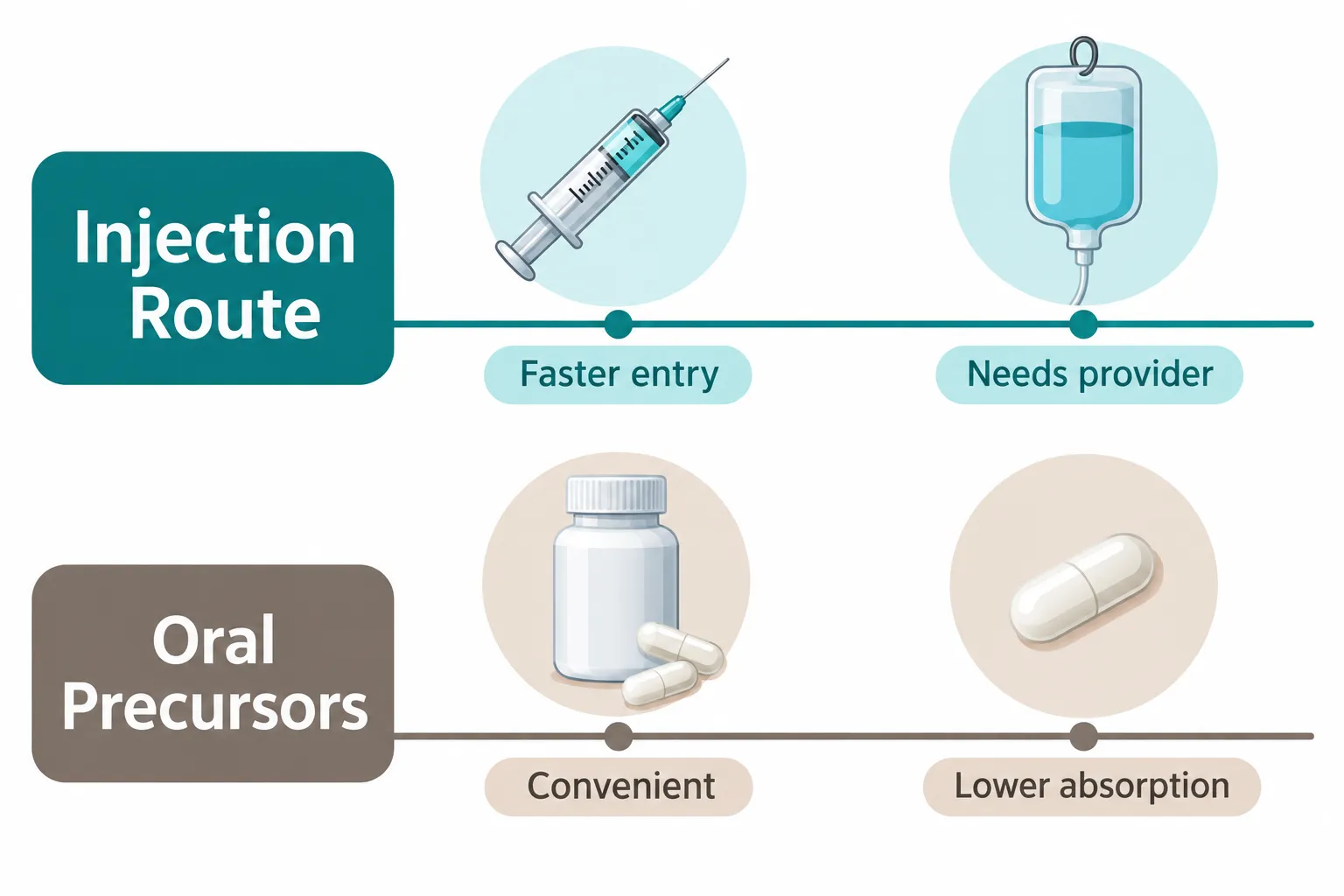
NAD+ is taken as a subcutaneous injection, IV infusion, intramuscular shot, nasal spray or oral precursor supplement, and the right form depends on your goals, budget and tolerance for needles. Injections and IV drips raise blood levels faster than oral products, but oral precursors are easier to use at home.
NAD+ Injection Dosage
Published and clinic-reported NAD+ injection doses generally fall in the 50 to 100 mg range for subcutaneous shots, with IV protocols using much higher total amounts over a longer infusion window. These figures describe what’s been used in studies or clinical settings, not a recommendation for self-dosing.
Clinics commonly report starting subcutaneous doses around 25 to 50 mg and increasing gradually based on tolerance. IV sessions often deliver 250 mg to 1,000 mg total per infusion, spread across one to four hours to limit nausea and cramping [1]. No universal dosing standard exists because NAD+ injections aren’t FDA-approved for a specific condition, so protocols differ by provider.
Is NAD+ Peptide Safe? Side Effects and Risks
NAD+ injections and IV therapy are generally tolerated but can cause injection-site reactions, flushing, nausea, fatigue and headache, with IV-specific risks like chest tightness or cramping if infused too quickly. Data on long-term safety in large human populations is still limited.
Reported side effects include:
- Redness, swelling or mild pain at the injection site
- Flushing or warmth spreading through the face and chest
- Nausea, especially with fast IV infusion rates
- Headache or temporary fatigue after a session
- Chest tightness or abdominal cramping during rapid IV delivery
Who should avoid NAD+ injections or talk to a doctor first:
- Pregnant or breastfeeding individuals
- Anyone with a personal or family history of cancer, since NAD+ pathways intersect with cell growth signaling
- People on blood thinners or other prescription medications that could interact
- Anyone with kidney or liver conditions
Clinicians interviewed by health journalists have raised concerns about unregulated peptide and NAD+ products sold outside licensed pharmacy channels, pointing to contamination risk and inconsistent dosing as real safety gaps [6][7]. Talk to a licensed medical provider before starting any NAD+ protocol, especially if you take other medications.
Who Should Take NAD+ Peptide, and Who Shouldn’t
NAD+ injections are most reasonable for adults under medical supervision who want to address diagnosed fatigue or are enrolled in a monitored clinical protocol. They aren’t appropriate for anyone self-treating a serious medical condition or buying unregulated product online.
Choose a supervised NAD+ protocol if you have a documented fatigue issue and a licensed provider willing to monitor you. Skip it if you’re pregnant, have an active cancer diagnosis, or you’re considering an unregulated “research use only” vial with no prescription oversight.
Is NAD+ Peptide Legal and Regulated?
NAD+ is not FDA-approved to treat any specific disease, and regulatory oversight depends heavily on where you get it. Products from licensed compounding pharmacies operate under pharmacy board rules, while “research use only” vials sold online have no such oversight.
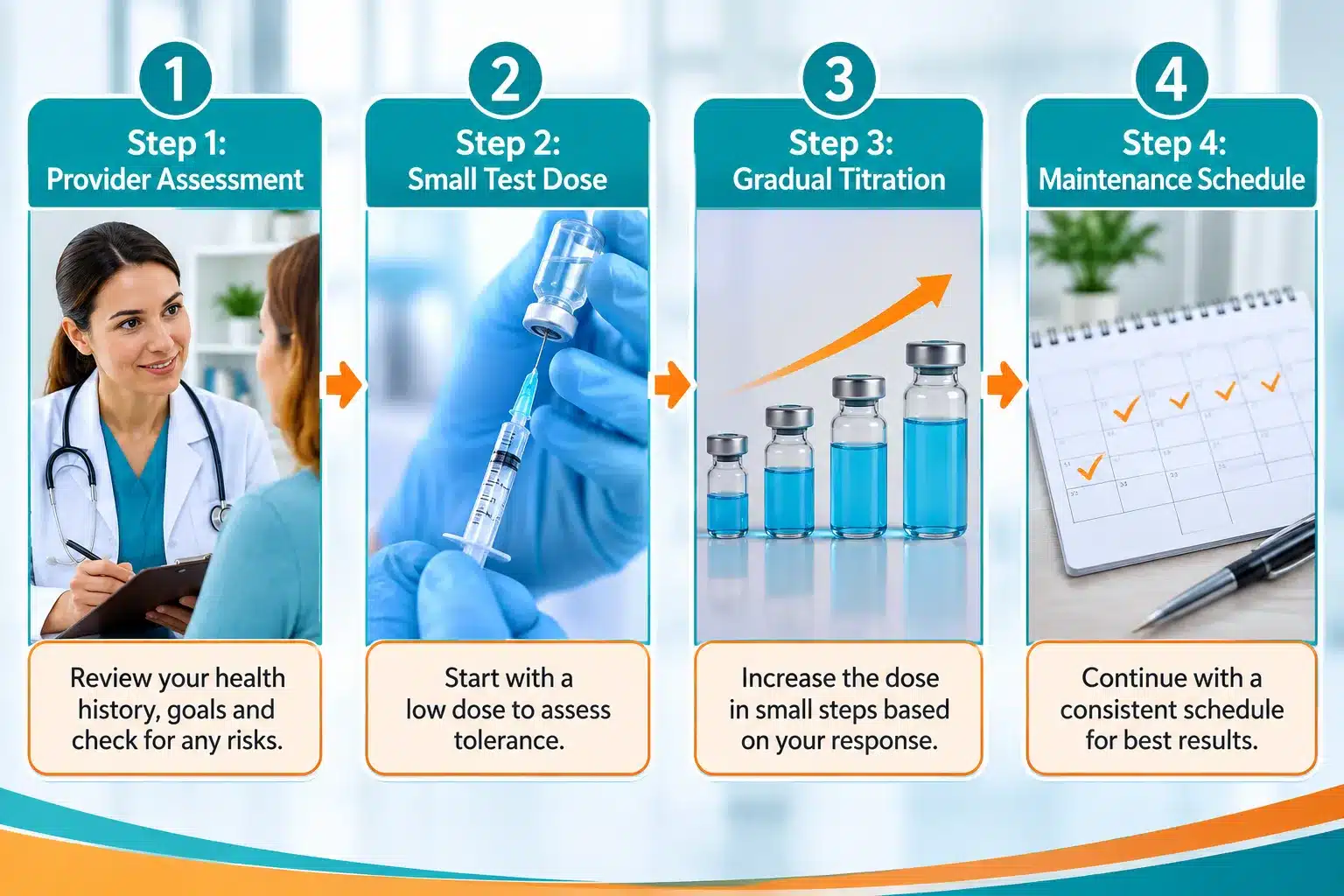
Licensed providers prescribe NAD+ through compounding pharmacies that follow sterility and potency testing standards. Products labeled “not for human consumption” and sold directly to consumers skip that oversight entirely, raising real risks of contamination, incorrect concentration or mislabeled ingredients [6][7]. The FDA’s rules around compounded injectable products, including NAD+, have been shifting, so it’s worth checking directly with a licensed provider about current status rather than relying on a seller’s marketing page. Commercial telehealth and wellness brands have recently expanded “peptide plus NAD+” program offerings, a trend industry coverage flagged as moving faster than the underlying safety data [8].
Can You Get NAD+ Benefits Just From Diet Changes?
Dietary intake of niacin (vitamin B3) and related nutrients supports your body’s natural NAD+ production, and this is a lower-risk starting point than injections for most healthy adults. Foods like poultry, fish, peanuts and fortified grains all contribute niacin, a direct NAD+ precursor.
Exercise, adequate sleep and limiting excess alcohol also support healthier NAD+ metabolism indirectly, according to the same biological pathways researchers study with injectable forms [5]. None of these lifestyle steps raise NAD+ as dramatically or quickly as an IV infusion, but they carry far less risk and cost nothing extra beyond groceries you’d likely buy anyway.
Difference Between NAD+ Boosters and NAD+ Peptides
“NAD+ booster” usually refers to oral precursor supplements like NMN or NR that your body converts into NAD+ over time. “NAD+ peptide” is a marketing label applied to injectable NAD+ itself, even though neither form is a true peptide.
Boosters work gradually through digestion and liver metabolism. Injectable NAD+ delivers the coenzyme more directly into the bloodstream or tissue, bypassing digestion. Neither term is chemically precise, but understanding what’s inside the vial or capsule matters more than the label on the clinic menu.
Do NAD+ Peptides Actually Work, or Is It Overhyped?
Some reported benefits, like short-term energy or mood lift after an IV session, have anecdotal and small-study support, but larger controlled human trials on meaningful long-term outcomes are still missing. Industry hype has outpaced the published evidence base.
A 2026 preprint examining NAD+ related compound safety in a trial population found researchers are still establishing baseline safety data before drawing conclusions about efficacy claims commonly made by wellness marketers [9][10]. Health journalists covering the broader “longevity treatment” trend have specifically warned that confident anti-aging claims attached to NAD+ and peptide therapies aren’t supported by current peer-reviewed research [6][7].
What Mistakes Do People Make Starting NAD+ Peptide
The most common mistake is buying unregulated “research use only” NAD+ online and self-injecting without medical guidance. A close second is expecting dramatic, fast results based on marketing claims rather than the modest effects shown in available human data.
Other frequent errors include skipping a conversation with a doctor about existing medications, infusing IV NAD+ too quickly and triggering nausea or chest tightness, and assuming all “NAD+ peptide” products from different sellers contain the same concentration or purity.
Can You Mix NAD+ Peptide With Other Supplements Safely
Combining NAD+ with common supplements like vitamin B complex or basic multivitamins is generally considered low risk, but combining it with prescription medications or other injectable peptides should only happen under medical supervision. Interaction data specific to NAD+ remains limited.
If you’re already using other peptides or GLP-1 medications, ask your provider directly before adding NAD+ to the mix, since clinical interaction studies covering these combinations are sparse.
How Long Before You See Results From NAD+ Peptide
Clinic reports suggest some people notice subjective energy changes within a few sessions, sometimes within hours of an IV infusion, while oral precursors may take several weeks of consistent use before any change is noticeable. These timelines come from patient reports and small studies, not large controlled trials.
Responses vary widely between individuals, and a lack of perceived effect doesn’t necessarily mean the product failed, it may simply reflect the limited and inconsistent evidence base behind these timelines.
How Much Do NAD+ Injections Cost?
NAD+ IV sessions typically run $150 to $400 per visit, while at-home subcutaneous injection kits and oral supplements cost less per use but add up with regular dosing. Prices vary significantly by provider, region and session length.
Rough typical ranges reported by clinics and telehealth services:
- IV therapy sessions: $150,$400 per session, often recommended weekly or monthly
- At-home subcutaneous injection kits: $150,$400 per kit, covering multiple doses
- Oral NAD+ precursor supplements (NMN, NR): $30,$90 per month
These are general ranges, not quotes, and your actual cost will depend on the specific clinic or pharmacy you choose.
NAD+ vs NMN vs NR
Injectable NAD+ raises blood levels faster but costs more and carries injection-related risks, while oral precursors like NMN and NR are cheaper, easier to use daily, and backed by somewhat more published human research. Neither approach has definitive long-term outcome data yet.
NMN and NR get converted into NAD+ inside your cells after being absorbed through digestion. This indirect route means lower peak increases compared to direct injection, but also fewer injection-site risks and no need for a provider visit. If you’re comparing options for the first time, starting with an oral precursor under a doctor’s guidance is often the lower-risk entry point before considering injections or IV therapy.
Is NAD+ Peptide FDA Approved or Regulated?
NAD+ is not FDA-approved for any medical condition, including anti-aging or wellness indications, and oversight depends on whether it comes from a licensed compounding pharmacy or an unregulated online seller. The regulatory landscape for compounded injectables continues to shift.
Because approval status can change and enforcement varies by state, always confirm current rules with a licensed provider rather than trusting a seller’s product page.
Is NAD+ Peptide Worth It?
For curious adults who just saw NAD+ at a med spa, it’s reasonable to understand the science first and consider cheaper, lower-risk oral options before paying for IV sessions. For people seriously considering injections, working only with a licensed provider and asking about sourcing matters more than the marketing pitch.
Biohacking enthusiasts who already use real peptides should treat NAD+ injections as a separate category with thinner human evidence, not an extension of their existing peptide stack. People dealing with fatigue or brain fog should talk to a doctor about underlying causes first, since NAD+ addresses a narrow biological pathway, not every possible cause of tiredness. Cautious buyers checking legality should stick to compounding pharmacies and licensed clinics, avoiding “research use only” vials entirely.
Note: if you’re comparing other injectable wellness treatments and research behind them, our coverage of Ozempic reviews and long-term side effects of Ozempic walks through how regulators and clinicians evaluate similar injectable products over time.
A brief technical note for readers encountering a browser check while researching providers online: some clinic and telehealth sites use a Google Validation step before loading content. If you see a message about validation votre demande vous, it simply means the site is confirming your browser isn’t automated. After that, vous pourrez continuer dans quelques secondes. If the page doesn’t load, actualisez pas cette page too many times, instead wait a moment and let the Continuer button finish loading normally.
FAQ
Is NAD+ a peptide or a vitamin?
NAD+ is neither a peptide nor a vitamin itself, though it’s made from a vitamin B3 derivative. Chemically, it’s a dinucleotide coenzyme built from two nucleotides, while peptides are amino acid chains and vitamins are separate nutrient compounds entirely.
What does NAD+ peptide do?
NAD+ supports cellular energy production and helps activate enzymes involved in DNA repair. People use it hoping for improved energy, focus and recovery, though strong human clinical evidence for these specific outcomes remains limited compared to the claims made by sellers [1][5].
How often should you take NAD+ injections?
Clinic protocols vary widely, with some offering weekly subcutaneous shots and others scheduling IV sessions monthly. There’s no established standard frequency backed by large clinical trials, so any schedule should come from a licensed provider evaluating your specific situation.
Are NAD+ injections safe?
NAD+ injections are generally well tolerated in small studies and clinical reports, with side effects usually limited to injection-site reactions, flushing or mild nausea. Long-term safety data in large populations is still limited, so medical supervision and sourcing from licensed pharmacies matter [1][6].
How long does it take for NAD+ injections to work?
Some people report feeling effects within hours of an IV session, while others notice gradual changes over several sessions. These timelines come mostly from clinical reports rather than controlled trials, so individual results vary considerably.
Is NAD+ better as an injection or a pill?
Injections raise NAD+ levels faster but cost more and carry injection-related risks. Oral precursors like NMN or NR are cheaper and easier but take longer to raise levels. Neither route has definitive proof of superior long-term outcomes yet.
Do you need a prescription for NAD+ injections?
Legitimate NAD+ injections from licensed compounding pharmacies typically require a prescription and provider oversight. Products sold online as “research use only” skip this step entirely, which raises safety and quality concerns regulators have flagged repeatedly [6][7].
What does NAD+ do for weight loss?
NAD+ isn’t an approved or proven weight loss treatment. Any weight-related claims come mostly from animal studies on metabolism, not confirmed human trials. People looking specifically for weight management should discuss evidence-based options like GLP-1 medications with a doctor instead.
7 Best GLP-1 Providers Ranked: Accreditation, Flexibility & Support Compared (2026 Update)
32,000+ Patients Can't All Be Wrong: See the Top-Rated GLP-1 Providers: Compared on accreditation, plan flexibility, and patient support — updated for 2026.
BMI MD GLP-1 Microdosing Plan
- Specialized microdosing options (sublingual drops or low-dose injections)
- Ideal for maintaining weight or tapering off higher doses safely
- Fully bundled plan with no hidden monthly platform memberships
DirectMeds Weight Loss Solutions
- Sourced from accredited, state-licensed 503A compounding pharmacies
- No-frills high-volume savings passed directly to the patient
- Includes clinical consultation and cold-chain shipping updates
MEDVi Flat-Rate Telehealth
- Flat monthly rate holds steady even at maximum maintenance doses
- No dosage upcharges or graduation fee penalties
- Offers both injectable and advanced oral thin-film delivery options
Gala GLP-1 Care Program
- All-inclusive plan with no standalone membership costs
- Continuous text-based messaging access with state-licensed clinicians
- Temperature-controlled, cold-chain medication shipping included
Measured GLP-1 Metabolic Health
- Comprehensive metabolic health screening and expert intake analysis
- Predictable long-term budgeting with stable plan pricing
- High-end responsive dashboard with integrated diagnostic support
Refills GLP-1 (TryRefills Plan)
- Flat rate holds steady as titration scales up
- Includes clinical guides for active side-effect management
- Bundles in foundational nutritional strategies alongside medication
AltRx GLP-1 Transactional Reorders
- Zero recurring auto-billing — pay entirely on a transactional basis
- Rapid text-to-order format saves time for experienced patients
- Provides both injectable forms and fast-dissolving tablet variations
Conclusion
NAD+ plays a real role in cellular energy and DNA repair, but calling it a “peptide” is a marketing habit, not a chemistry fact. The gap between what’s proven in humans and what’s claimed on clinic menus is still wide, and that gap is exactly where buyers get misled.
If you’re considering NAD+ injections or IV therapy, start by talking to a licensed doctor about your specific goals and health history. Choose providers who source from licensed compounding pharmacies, not unregulated online sellers. Consider whether diet, sleep and oral precursors like NMN could address your goals with less cost and risk before moving to injections.
This content is for informational purposes only and is not medical advice. Talk to a licensed healthcare provider before starting any new supplement, injection or IV therapy.
References
- Is Nad Therapy Right for You Science and Safety. janahealthcare.com.
- Nct07251608. trialstoday.org.
- 2026.10.12.26365345v1. medrxiv.org.
- 2026.04.28.26352007v1. medrxiv.org.
- Pmc12907335. pmc.ncbi.nlm.nih.gov.
- Tempted to Try a Wellness or Longevity Treatment Heres What Experts Say. ajc.com.
- Peptides Red Light Nad Wellness Therapies Claims. abc.net.au.
- Hims Hers Peptides Plus Treatments. cnbc.com.
- 2026.10.13.26365470v1. medrxiv.org.
- 2026.10.12.26365345. preprints.epiforecasts.io.

With over 13 years of experience in holistic health blogging, I aim to help you navigate your wellness journey with honest insights, expert-backed advice, and a sprinkle of real-world practicality.
Certified Wellness Writer | Herbal Nutrition Advocate | Wellness Research Enthusiast