
Ozempic Weight Loss Coworker Discussions: What’s Appropriate and What’s Not

Last updated: November 19, 2026
Quick Answer
Ozempic weight loss coworker discussions have become a routine (and often uncomfortable) part of office life as more people notice sudden, dramatic weight changes in colleagues. Experts say you should never ask a coworker directly if they’re on a GLP-1 medication, and HR guidance increasingly treats this as a medical privacy issue, not casual chat. If you’re on the receiving end of these questions, you’re never obligated to explain your medication choices.
Key Takeaways
- Asking a coworker if they’re taking Ozempic puts unwanted attention on their body and invites questions about private health history [1].
- HIPAA does not stop coworkers from gossiping about weight loss, but employers can still be held responsible for a hostile work environment [2].
- GLP-1 drugs like Ozempic produce an average 15-20% body weight loss, which is why changes are so visible to colleagues [3].
- 69% of GLP-1 users in one 2026 survey felt others viewed the drugs as a “cheat code”.
- Neutral scripts like “I’m working on my health with my doctor” work well when coworkers ask about weight loss [4].
- Employment lawyers warn supervisors against discussing suspected Ozempic use in emails, texts, or meetings [5].
- Most workplaces still lack formal policies on GLP-1 talk, though that is expected to change.
Why Is Everyone Suddenly Using Ozempic for Weight Loss?
Ozempic weight loss coworker discussions have exploded because GLP-1 medications now produce weight loss results that are hard to miss. The visible, rapid change in a colleague’s appearance naturally invites comment, speculation, and sometimes gossip.
7 Best GLP-1 Providers Ranked: Accreditation, Flexibility & Support Compared (2026 Update)
32,000+ Patients Can't All Be Wrong: See the Top-Rated GLP-1 Providers. We compared the leading online GLP-1 providers based on program features, clinical support, convenience, and overall value.
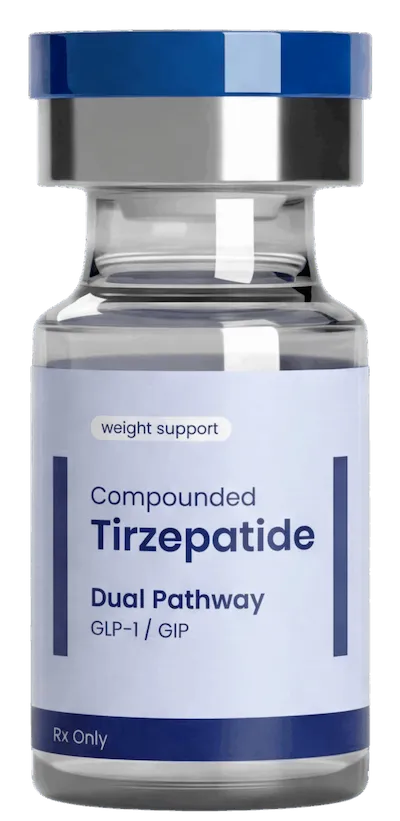
BMI MD GLP-1 Microdosing Plan
- Specialized microdosing options, including sublingual drops and low-dose injections
- Designed for people interested in maintaining weight or gradually adjusting treatment
- Bundled program structure without a separate monthly platform membership
- Online access makes the process convenient from home

DirectMeds Weight Loss Solutions
- Online weight-loss program with a straightforward patient experience
- Compounded medication options through state-licensed compounding pharmacies
- Includes clinical consultation as part of the process
- Provides shipping updates to help patients track their orders
MEDVi Flat-Rate Telehealth
- Flat-rate telehealth approach designed for easier budgeting
- No dosage-based pricing increases within the advertised program structure
- Offers injectable and oral thin-film delivery options
- Includes medical screening and asynchronous provider consultations
Gala GLP-1 Care Program
- Text-based access to state-licensed clinicians
- Cold-chain medication shipping included in the program
- Month-to-month program structure
- Designed for people who value convenient ongoing support
Measured GLP-1 Metabolic Health
- Comprehensive metabolic health screening and intake analysis
- Designed around longer-term metabolic health management
- Responsive dashboard with integrated health tracking tools
- Useful option for patients who value a more data-focused experience
Refills GLP-1 (TryRefills Plan)
- Clinical guidance designed to help patients manage common treatment concerns
- Includes foundational nutritional strategies alongside medication
- Designed around predictable ongoing treatment
- No hidden startup or processing fees according to the program information provided
AltRx GLP-1 Transactional Reorders
- Transactional reorder model without recurring auto-billing
- Designed for patients who already understand their treatment routine
- Fast text-to-order process for convenient reorders
- Offers injectable and fast-dissolving tablet variations

GLP-1 agonists like Ozempic, Wegovy, Mounjaro, and Zepbound typically produce around 15-20% body weight loss on average, according to a 2025 Oklahoma Medical Research Foundation column [3]. That kind of change is noticeable within weeks, and it’s one reason coworkers so quickly connect dramatic transformations to medication rather than diet or exercise alone [3][6][7]. Even physicians aren’t immune: a 2025 report described doctors at conference dinners jokingly recognizing colleagues on GLP-1s because everyone pushed their plates away at the same point in the meal, full at once [8].
Common mistake: Assuming visible weight loss always means medication use. Some people lose weight through surgery, illness, or lifestyle changes, and guessing wrong can be just as hurtful as guessing right.
What Is Ozempic Actually Used For Besides Diabetes?
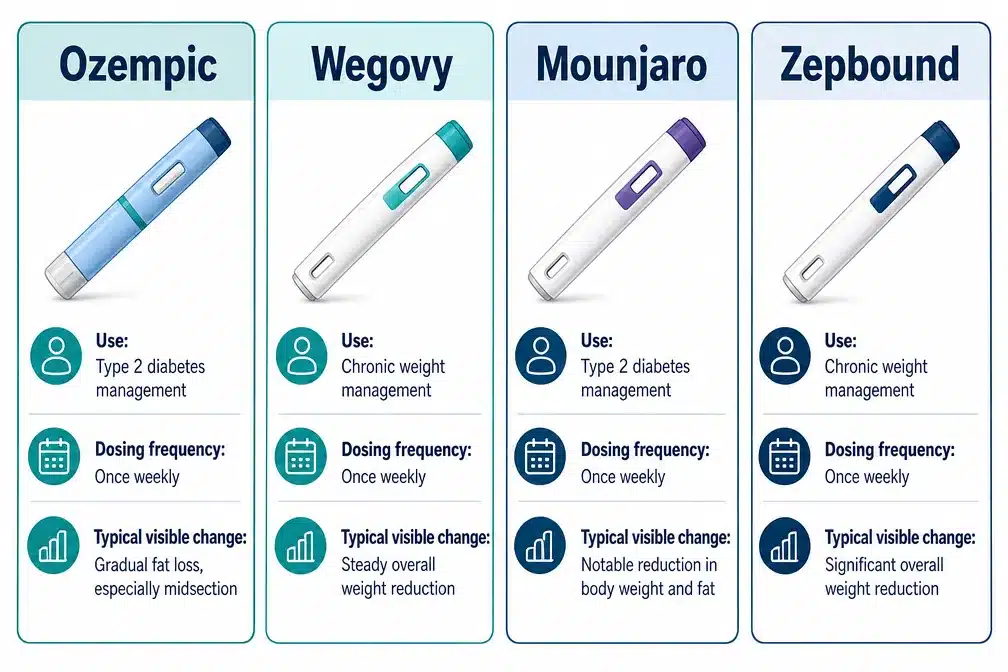
Ozempic is FDA-approved for type 2 diabetes management, not weight loss on its own. Its sister drug, Wegovy, contains the same active ingredient (semaglutide) but is approved specifically for chronic weight management.
Many people using Ozempic for weight loss are taking it “off-label,” meaning a doctor prescribes it outside its official diabetes indication. This is legal and common, but it means the person’s reason for taking it may be different from what coworkers assume. For a deeper breakdown of the two drugs, see our comparison of Wegovy and Ozempic doses, uses, and cost.
Is It Safe to Use Ozempic Just for Weight Loss?
Using Ozempic for weight loss alone can be safe for many adults, but it requires medical supervision since the drug wasn’t originally designed for that purpose. A doctor needs to review your health history, current medications, and risk factors before prescribing it off-label.
Semaglutide carries real risks that matter regardless of why someone is taking it, including gastrointestinal side effects and rare but serious complications. If you’re exploring GLP-1 options outside a diabetes diagnosis, our guide to GLP-1 for weight loss if you’re not diabetic covers eligibility requirements in detail.
Decision rule: Choose Ozempic for weight loss only if a licensed provider has reviewed your labs and confirmed you have no contraindications like a personal or family history of medullary thyroid cancer.
How Much Weight Can You Lose on Ozempic?
Most people lose between 10% and 20% of their starting body weight on Ozempic over 12 to 18 months, though individual results vary widely based on dose, diet, and consistency. This range matches the broader GLP-1 category average cited by researchers [3].
For a week-by-week breakdown of what to expect, check our 6-week Ozempic results and expectations guide. Results this visible are exactly what fuels office speculation and coworker comments in the first place.
What Are the Real Side Effects of Ozempic?
The most common Ozempic side effects are nausea, vomiting, diarrhea, constipation, and fatigue, especially during the first few months of dose increases. Most of these fade as the body adjusts, but some people experience them throughout treatment.
Less common but more serious risks include gallbladder problems, pancreatitis, and in rare cases, kidney issues. Some users also notice changes to their skin or hair. If you’re concerned about hair thinning, our article on why Ozempic can cause hair loss and how to fix it explains the mechanism. Digestive issues are also common enough that we’ve covered relief tips for Ozempic diarrhea and constipation separately.
How Much Does Ozempic Cost Without Insurance?
Ozempic typically costs between $900 and $1,300 per month without insurance coverage, depending on the pharmacy and dose. Prices vary by location and whether manufacturer savings programs apply.
For a full pharmacy-by-pharmacy price breakdown, see our 2026 price guide by dose and pharmacy and our roundup of cheapest ways to pay for Ozempic without insurance. Cost pressures like these sometimes feed into coworker conversations, too, as some employees mistakenly blame rising insurance premiums on colleagues’ GLP-1 prescriptions.
Does Ozempic Work Without Diet and Exercise?
Ozempic can produce weight loss without major lifestyle changes because it reduces appetite and slows digestion directly. However, results are generally better and more sustainable when combined with a modest calorie reduction and regular movement.
People who skip dietary changes entirely sometimes see slower progress or plateau earlier. Our guide on foods to avoid and what to eat instead on Ozempic offers practical, non-restrictive suggestions that support the medication’s effects.
What Happens When You Stop Taking Ozempic?
Most people regain a significant portion of lost weight within a year of stopping Ozempic, since the drug’s appetite-suppressing effects fade once it clears the body. This is one of the most researched and consistently reported patterns in GLP-1 treatment.
Our detailed article on what happens when you stop taking Ozempic and how to prevent weight regain walks through strategies for tapering and maintenance. Some patients transition to a lower maintenance dose instead of stopping completely; see our tirzepatide maintenance dose guide for a similar approach used with Mounjaro and Zepbound.
Is Ozempic Better Than Other Weight Loss Drugs?
Ozempic is effective, but newer drugs like Zepbound and Mounjaro often produce greater average weight loss in clinical trials. The “best” option depends on your health profile, tolerance for side effects, and cost.
Choose Ozempic if: you want a well-established track record and your insurance covers it for diabetes-adjacent reasons.
Choose Zepbound or Mounjaro if: you want potentially greater results and your doctor confirms you’re a good candidate.
See our head-to-head breakdown in Zepbound vs Ozempic: which works better for weight loss and our broader comparison of which GLP-1 is best for weight loss in 2026.
Who Shouldn’t Take Ozempic?
People with a personal or family history of medullary thyroid carcinoma, those with Multiple Endocrine Neoplasia syndrome type 2, and pregnant or breastfeeding individuals should not take Ozempic. People with a history of pancreatitis should discuss risks carefully with their doctor first.
This is also why coworker speculation about someone’s Ozempic use can be medically inappropriate as well as socially awkward: you can’t know someone’s full health history just by looking at them.
Can You Get Ozempic Prescribed Just for Weight Loss?
Technically, Ozempic is not FDA-approved specifically for weight loss, but many doctors prescribe it off-label for this purpose. Wegovy, which contains the same drug, is the version actually approved for chronic weight management.
Telehealth providers have made this process more accessible. If you’re comparing options, our reviews of Hims weight loss and Ro weight loss programs outline what online prescribing typically involves.
What’s the Difference Between Ozempic and Wegovy?
Ozempic and Wegovy both contain semaglutide, but Ozempic is approved for type 2 diabetes while Wegovy is approved specifically for weight management at a higher maximum dose. Many insurance plans only cover one or the other depending on your diagnosis.
Our full comparison, Wegovy vs Ozempic: doses, uses, and cost compared, breaks down exactly how the dosing schedules and pricing differ.
How Long Does It Take to See Results on Ozempic?
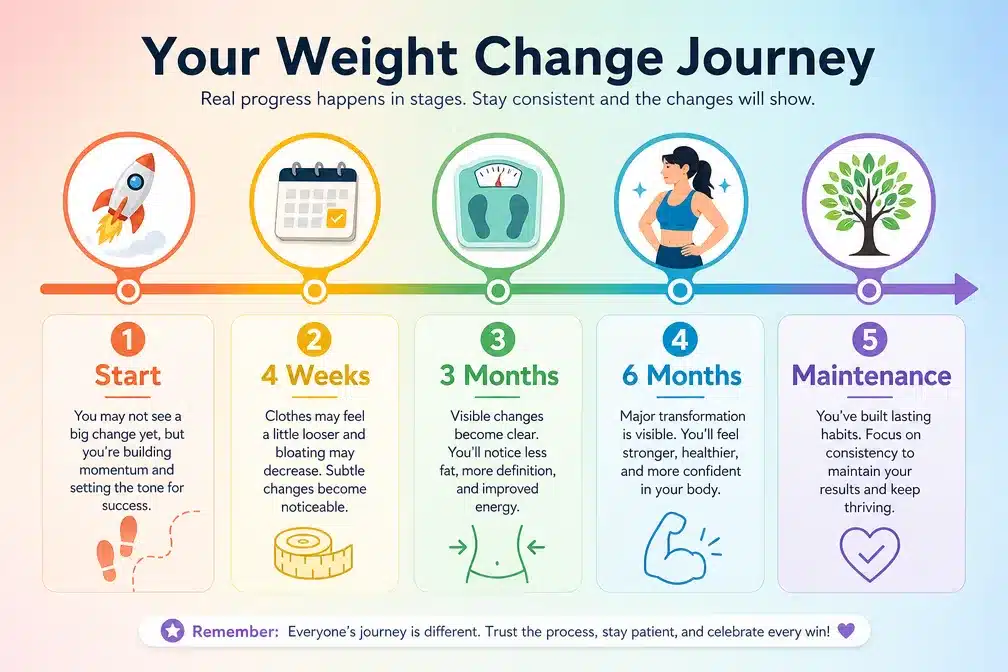
Most people notice initial appetite changes within the first two weeks, with visible weight loss typically appearing around the one-month mark. Significant, noticeable changes usually take three to six months.

This timeline matters for coworker dynamics too, since gradual changes over several months often spark more comments than sudden ones. See our week-by-week timeline of how long Ozempic takes to work for specifics.
What Are Common Mistakes People Make With Ozempic?
The most common mistakes include skipping doses, increasing the dose too quickly, not adjusting diet at all, and stopping cold turkey without a tapering plan. Each of these can reduce effectiveness or increase side effects.
Another frequent error is not understanding the dosing schedule. Our Ozempic dosage chart with every dose and titration schedule helps clarify the standard progression most doctors follow.
How to Handle Ozempic Weight Loss Coworker Discussions at Work
Handling Ozempic weight loss coworker discussions well starts with deciding in advance how much you want to share, then using consistent, simple language when questions come up. You are never required to disclose a medical treatment to anyone at work.
A 2026 guide on talking about Ozempic at work suggests responding to “How did you lose so much weight?” with something neutral like “I’m working on my health with my doctor” [4]. If you’d rather share more, you might say, “I’m being treated for obesity, and it’s going well,” while keeping specifics like dose or source out of the conversation [4]. For body-focused jokes, redirecting with “It’s a medical treatment; obesity is a chronic disease” tends to shut things down respectfully [2][4].
A Stanford psychiatrist quoted in a 2025 piece explains that asking someone directly if they’re on a GLP-1 puts unwanted attention on their body and pressures them to reveal private information [1]. That’s why experts across HR and etiquette resources agree: don’t ask, and don’t speculate out loud [1][2].
It’s worth noting that HIPAA protects your records with doctors and insurers, but it doesn’t stop coworkers from gossiping [2]. That gap is exactly why workplace culture, not just law, determines whether these conversations stay respectful.
Pull quote: “You are never obligated to explain your medical treatment to a coworker, no matter how curious they are.”What HR and Employers Are Doing About GLP-1 Talk
Employers are increasingly treating Ozempic conversations as a medical privacy and discrimination issue rather than harmless office chatter. Formal policies are still rare, but legal experts expect that to change soon.
A 2026 employer guide states that companies generally shouldn’t ask employees about medical conditions or prescriptions unless there’s a legitimate, job-related reason permitted by law. EEOC guidance cited in another 2026 resource confirms employers can only ask about medication use when it’s tied to business necessity, such as safety-critical positions. An employment lawyer’s “tip of the day” bluntly warns supervisors against discussing suspected Ozempic use with the employee or with others, noting that such comments could later surface as evidence in a legal dispute [5].
An August 2026 analysis described workplaces as being in a “Wild West” phase regarding GLP-1 talk: HR departments report new friction around body- and drug-focused conversations, but most organizations still lack clear policies. Employment-law experts quoted in that piece say employers may need to step in when repeated Ozempic talk becomes disruptive or creates a hostile environment, treating it like any other sensitive workplace topic.
Stigma, Gossip, and the Emotional Toll on Coworkers
Coworker gossip about GLP-1 use carries a real emotional cost for the people being discussed, even when the comments aren’t meant maliciously. Survey data shows this stigma is widespread and affects how openly people talk about their own treatment.
A 2026 feature on GLP-1 stigma reported that 69% of users believe others see these drugs as a “cheat code,” 23% say other people’s reactions are hard to handle, and 43% avoid discussing their GLP-1 use out of fear of judgment. Another 2026 essay described GLP-1 users feeling like they’re “living behind enemy lines,” overhearing coworkers mock weight-loss injections without realizing someone in the room is actually using them [9].
Real accounts back this up. In a 2025 advice column, one employee on Mounjaro worried about being gossiped about after overhearing coworkers say it was “obvious” another colleague was on Ozempic and that people should be more open about it [6]. Online threads from 2025 describe coworkers mocking celebrities for using Ozempic, then asking if others noticed “how heavy they must have been before,” treating the medication almost like an illicit substance [10].
Edge case: Sometimes the person speculating is on a GLP-1 themselves and simply doesn’t know a colleague is too. This mutual unawareness is common enough that experts recommend never assuming you know who is or isn’t taking these medications [3][8].
Frequently Asked Questions
How to talk to a loved one about losing weight?
Choose a private moment, lead with concern rather than judgment, and ask open-ended questions like “How are you feeling about your health?” Avoid commenting on appearance directly. Let them guide how much they want to share, and offer support without pressuring them toward any specific treatment or timeline.
How to get off Ozempic safely?
Work with your prescribing doctor to taper gradually rather than stopping abruptly. A slow reduction helps manage appetite rebound and blood sugar shifts. Pair the transition with a sustainable eating plan and movement routine to reduce the chance of rapid weight regain after stopping.
What are the side effects of stopping Ozempic in females?
Women who stop Ozempic may experience increased appetite, gradual weight regain, and in some cases shifts in menstrual regularity if weight changes are significant. Blood sugar levels can also fluctuate. These effects vary by individual, so medical follow-up after stopping is recommended.
How to help someone lose weight when they don’t want to?
Respect their autonomy and avoid pushing diets, medications, or comments about their body. Offer support only if asked, focus on shared healthy activities rather than weight itself, and consider gently suggesting a doctor’s visit if you’re genuinely worried about their health, not their appearance.
7 Best GLP-1 Providers Ranked: Accreditation, Flexibility & Support Compared (2026 Update)
32,000+ Patients Can't All Be Wrong: See the Top-Rated GLP-1 Providers: Compared on accreditation, plan flexibility, and patient support — updated for 2026.
BMI MD GLP-1 Microdosing Plan
- Specialized microdosing options (sublingual drops or low-dose injections)
- Ideal for maintaining weight or tapering off higher doses safely
- Fully bundled plan with no hidden monthly platform memberships
DirectMeds Weight Loss Solutions
- Sourced from accredited, state-licensed 503A compounding pharmacies
- No-frills high-volume savings passed directly to the patient
- Includes clinical consultation and cold-chain shipping updates
MEDVi Flat-Rate Telehealth
- Flat monthly rate holds steady even at maximum maintenance doses
- No dosage upcharges or graduation fee penalties
- Offers both injectable and advanced oral thin-film delivery options
Gala GLP-1 Care Program
- All-inclusive plan with no standalone membership costs
- Continuous text-based messaging access with state-licensed clinicians
- Temperature-controlled, cold-chain medication shipping included
Measured GLP-1 Metabolic Health
- Comprehensive metabolic health screening and expert intake analysis
- Predictable long-term budgeting with stable plan pricing
- High-end responsive dashboard with integrated diagnostic support
Refills GLP-1 (TryRefills Plan)
- Flat rate holds steady as titration scales up
- Includes clinical guides for active side-effect management
- Bundles in foundational nutritional strategies alongside medication
AltRx GLP-1 Transactional Reorders
- Zero recurring auto-billing — pay entirely on a transactional basis
- Rapid text-to-order format saves time for experienced patients
- Provides both injectable forms and fast-dissolving tablet variations
Conclusion
Ozempic weight loss coworker discussions sit at an uncomfortable intersection of visible body change, medical privacy, and workplace culture that hasn’t fully caught up. The research is consistent: don’t ask coworkers if they’re on a GLP-1, don’t speculate out loud, and don’t let body-focused jokes go unchallenged. If you’re the one facing questions, you’re allowed to keep your treatment private using simple, neutral language. And if conversations at your workplace cross into harassment or repeated unwanted comments, HR involvement is appropriate and increasingly expected as companies catch up with formal policy.
If you’re researching GLP-1 medications for yourself, start with a conversation with a licensed provider rather than office rumors. For cost comparisons, side effect details, and alternative options, explore our related guides linked throughout this article, and always confirm current pricing and eligibility directly with a provider before making any decision.
References
- Can You Ask If Someone Is Taking a Glp 1. self.com.
- Weight Loss Medication. salt.nu.
- Ozempic. omrf.org.
- Telling People You Take Ozempic. saciedad.com.
- Wulffson All the Subtle Signs Your Co Workers Are. linkedin.com.
- Mounjaro Lost Weight Quickly Should I Tell Colleagues. inews.co.uk.
- Why Coworkers Suddenly Talking Bodies. yahoo.com.
- Doctors Taking Ozempic Glp 1s. futurism.com.
- Silence Around Ozempic Never Louder. yahoo.com.
- Should This Be a Private Topic. reddit.com.

With over 13 years of experience in holistic health blogging, I aim to help you navigate your wellness journey with honest insights, expert-backed advice, and a sprinkle of real-world practicality.
Certified Wellness Writer | Herbal Nutrition Advocate | Wellness Research Enthusiast