
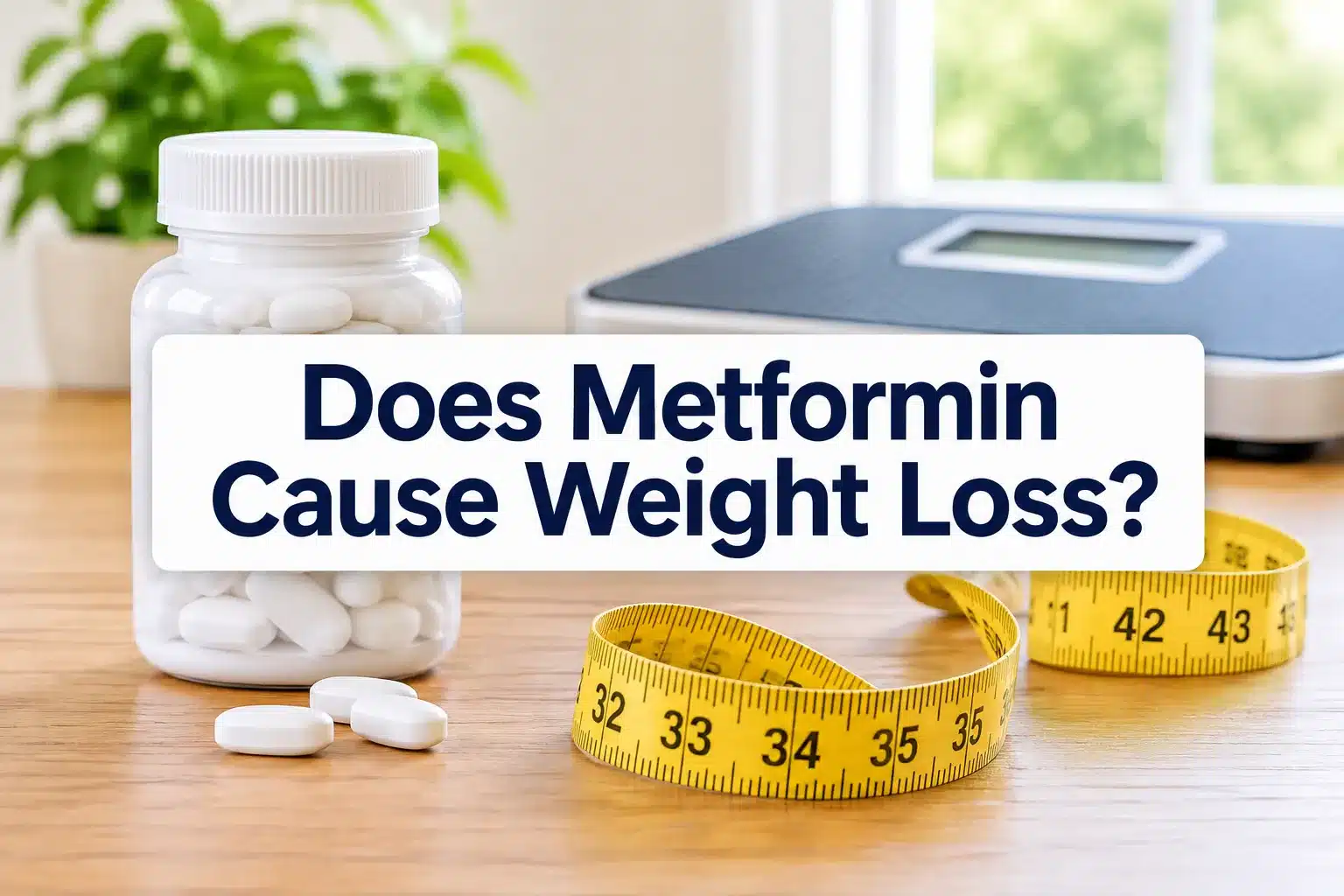
Does Metformin Cause Weight Loss? Expected Results, Benefits, and Limitations

Last updated: November 18, 2026
Quick Answer
Metformin can cause modest weight loss, but it is not a weight-loss drug. Research shows average reductions of roughly 1 to 4 kg (2 to 9 lbs), with larger effects in people who have strong insulin resistance or PCOS [1][2]. It is not FDA-approved for obesity, and weight regain is common if you stop taking it [3][4].
Key Takeaways
- Metformin’s weight effect is modest, often a few kilograms, not the dramatic loss seen with GLP-1 drugs like semaglutide [2][4].
- People with strong insulin resistance tend to see bigger results than people with normal insulin sensitivity [1].
- Metformin is FDA-approved for type 2 diabetes and PCOS-related issues, not as a stand-alone obesity treatment [2][5].
- Weight loss builds slowly over weeks to months and is not guaranteed [4].
- Combining metformin with diet changes and activity produces noticeably better results than the drug alone [6].
- Common side effects include nausea, diarrhea, and reduced vitamin B12 absorption [3][4].
- Stopping metformin usually leads to weight regain over time [3][4].
- For non-diabetics seeking significant weight loss, GLP-1 medications generally produce larger average results [4].
Does Metformin Cause Weight Loss As A Side Effect?
Metformin was built to lower blood sugar, and any weight loss it produces is a side benefit, not the main action. Clinical reviews describe it as a mild appetite suppressant and metabolic regulator rather than a true fat-burning agent [2].
7 Best GLP-1 Providers Ranked: Accreditation, Flexibility & Support Compared (2026 Update)
32,000+ Patients Can't All Be Wrong: See the Top-Rated GLP-1 Providers. We compared the leading online GLP-1 providers based on program features, clinical support, convenience, and overall value.
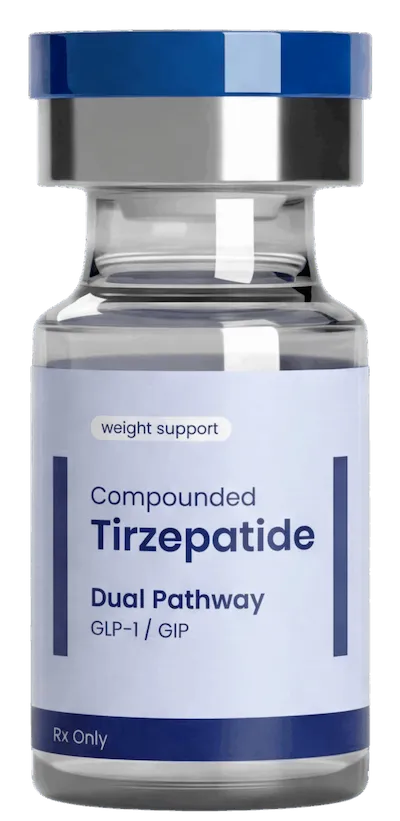
BMI MD GLP-1 Microdosing Plan
- Specialized microdosing options, including sublingual drops and low-dose injections
- Designed for people interested in maintaining weight or gradually adjusting treatment
- Bundled program structure without a separate monthly platform membership
- Online access makes the process convenient from home

DirectMeds Weight Loss Solutions
- Online weight-loss program with a straightforward patient experience
- Compounded medication options through state-licensed compounding pharmacies
- Includes clinical consultation as part of the process
- Provides shipping updates to help patients track their orders
MEDVi Flat-Rate Telehealth
- Flat-rate telehealth approach designed for easier budgeting
- No dosage-based pricing increases within the advertised program structure
- Offers injectable and oral thin-film delivery options
- Includes medical screening and asynchronous provider consultations
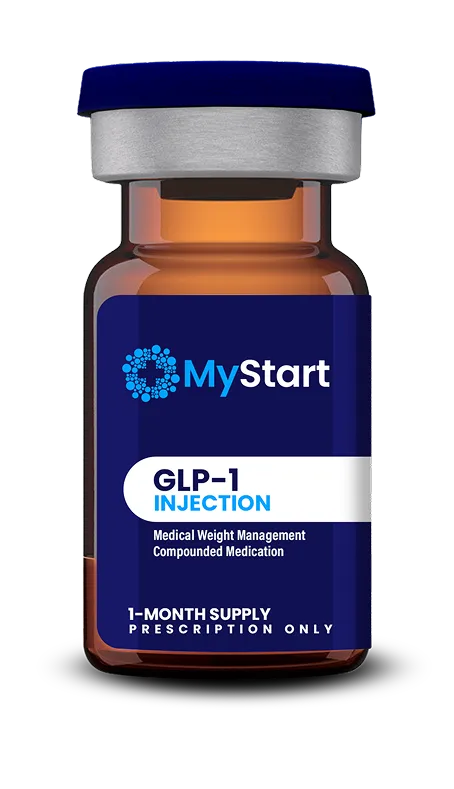
Gala GLP-1 Care Program
- Text-based access to state-licensed clinicians
- Cold-chain medication shipping included in the program
- Month-to-month program structure
- Designed for people who value convenient ongoing support
Measured GLP-1 Metabolic Health
- Comprehensive metabolic health screening and intake analysis
- Designed around longer-term metabolic health management
- Responsive dashboard with integrated health tracking tools
- Useful option for patients who value a more data-focused experience
Refills GLP-1 (TryRefills Plan)
- Clinical guidance designed to help patients manage common treatment concerns
- Includes foundational nutritional strategies alongside medication
- Designed around predictable ongoing treatment
- No hidden startup or processing fees according to the program information provided
AltRx GLP-1 Transactional Reorders
- Transactional reorder model without recurring auto-billing
- Designed for patients who already understand their treatment routine
- Fast text-to-order process for convenient reorders
- Offers injectable and fast-dissolving tablet variations
The drug appears to reduce hunger slightly and improve how the body uses insulin, which can translate into small reductions in body fat over time. A 2024 meta-analysis of nondiabetic adults with obesity found a mean BMI drop of about 0.56 kg/m², with an average decrease near 2.5% at a dose of 1,700 mg per day [2]. That’s a real but modest effect, nowhere close to what people often expect from a “weight-loss pill.”
Decision rule: If you’re looking for dramatic results in a short time, metformin alone is unlikely to deliver them. If you want gradual, metabolism-focused improvement alongside better blood sugar control, it may make sense as part of a broader plan discussed with your doctor.
How Much Weight Can You Actually Lose On Metformin?
Most people lose somewhere between 1 and 4 kg (about 2 to 9 lbs) over several months, though individual results vary widely based on insulin resistance and lifestyle habits [1][2].
Here’s what different studies have found:
| Study population | Weight/BMI change vs. placebo | Source |
|---|---|---|
| Nondiabetic adults with obesity | BMI down ~0.56 kg/m² | [2] |
| Obese, insulin-resistant adults | 4.35 kg more loss than placebo | [1] |
| Overweight midlife women | BMI down 1.00 kg/m² | [7] |
| Obese women + low-calorie diet | BMI down 4.5% vs. 2.6% with diet alone | [6] |
| Adolescents (48 weeks, extended-release) | BMI down 0.9 kg/m² vs. +0.2 kg/m² increase | [8] |
A 2026 summary of clinical opinion noted that many patients lose at least 5% of their starting body weight within the first year, roughly 8 lbs for someone starting at 160 lbs, with considerable variation between individuals [4].
Example: A person weighing 200 lbs with marked insulin resistance might lose closer to 9-10 lbs over several months, while someone with normal insulin sensitivity might see almost no change on the scale, even while insulin markers improve [1].
Actually, let me correct the image placeholder format per instructions, using 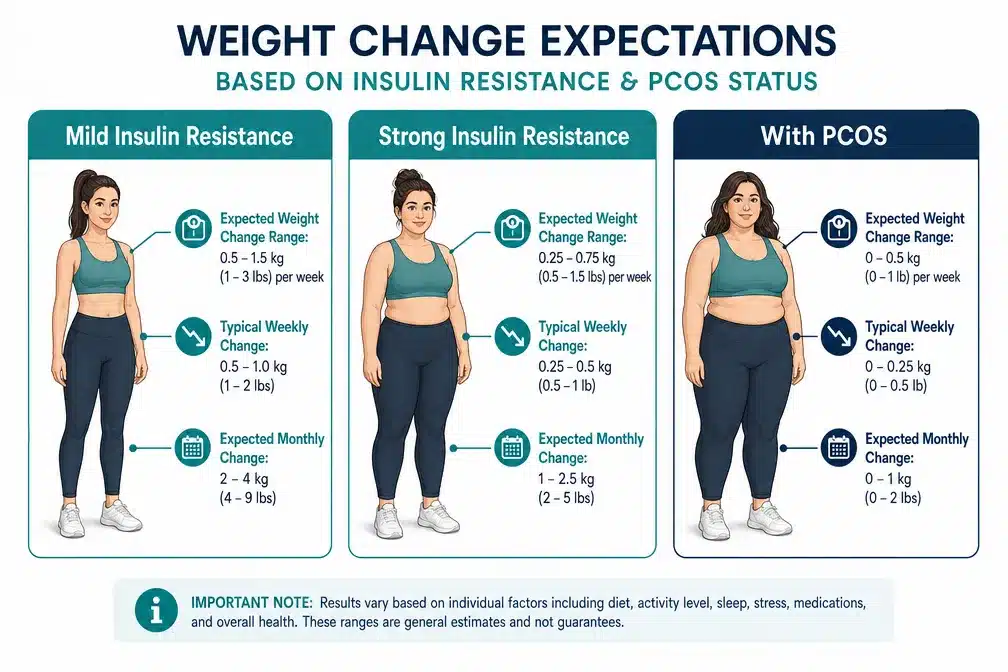 .
Does Metformin Help You Lose Weight Or Just Prevent Gaining It?
For many people, metformin’s main job is weight stabilization rather than active weight loss. It seems to blunt further weight gain, especially in people prone to insulin-driven fat storage, while only modestly reducing existing weight [2][5].
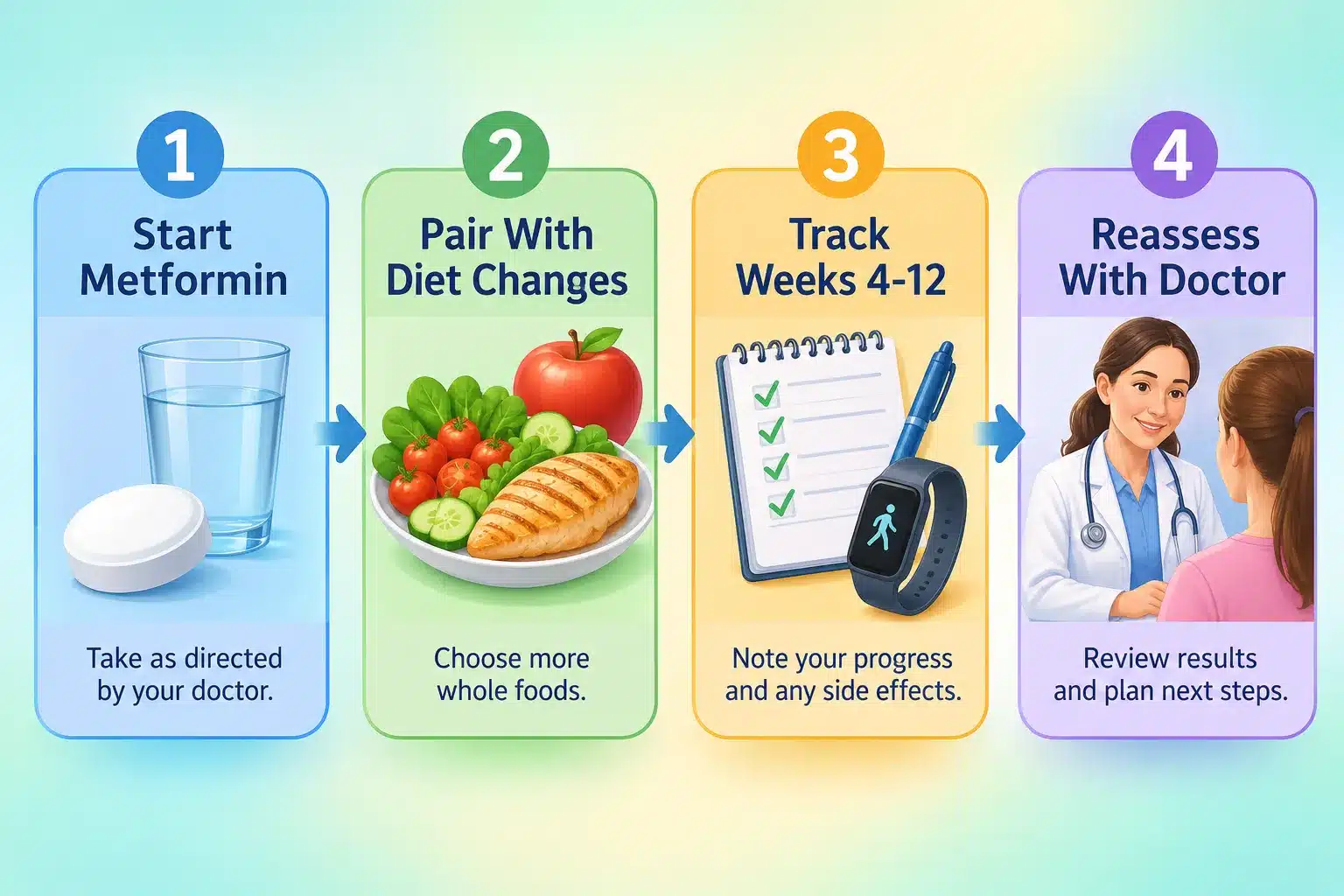
This distinction matters for expectations. In a study of older adults doing an intensive lifestyle program, adding metformin didn’t produce extra improvement beyond diet and exercise alone, suggesting that in people already making strong lifestyle changes, the drug’s added weight benefit may be limited [9]. In practice, metformin tends to work best as a stabilizer and metabolic support tool, not a primary weight-loss driver.
Why Am I Not Losing Weight On Metformin?
If you aren’t losing weight on metformin, it’s likely because your insulin resistance is mild, your diet and activity haven’t changed, or your body simply responds less strongly to the drug, this is common and expected, not a sign something is wrong [2][5].
Common reasons include:
- Low baseline insulin resistance: People with near-normal insulin sensitivity see smaller effects [1].
- No dietary changes: Metformin paired with a reduced-calorie diet performs notably better than metformin alone [6].
- Too short a timeline: Many people judge results after just a few weeks, which isn’t long enough.
- Dose too low: Effects were clearer at higher studied doses like 1,700 mg/day [2].
- Underlying condition untreated: Conditions like undiagnosed thyroid issues can mask results.
Common mistake: Expecting metformin to behave like a GLP-1 drug. It works through a different, gentler mechanism, and comparing it directly to semaglutide results sets up disappointment.
How Long Does It Take To See Weight Loss Results From Metformin?
Most people who respond to metformin start noticing changes within 8 to 12 weeks, though meaningful BMI shifts documented in trials often unfold over months [7][8].
Adolescent studies tracked results across 48 weeks, with differences still measurable up to 24 weeks after stopping the drug [8]. Adult studies in midlife women showed BMI changes over similarly extended windows [7]. This is a slow-and-steady medication, not a fast-acting one.
Edge case: If you see zero movement after three to four months, it’s a reasonable time to revisit your approach with your doctor, since you may be a lower responder or need dosage or lifestyle adjustments.
Metformin Vs Ozempic: Which One Is Better For Weight Loss?
For weight loss specifically, GLP-1 medications like semaglutide (Ozempic, Wegovy) consistently outperform metformin by a wide margin, according to comparative commentary from health outlets [4]. Metformin is better understood as a metabolic support medication with a modest weight effect.
| Factor | Metformin | Semaglutide (Ozempic/Wegovy) |
|---|---|---|
| Typical weight loss | 2-9 lbs over months [1][2] | Substantially greater, per comparative reviews [4] |
| FDA approval for weight loss | No [5] | Yes (Wegovy, for weight management) |
| Administration | Oral tablet | Weekly injection |
| Cost | Generally low | Higher, especially without insurance |
| Primary use | Type 2 diabetes, PCOS | Diabetes and weight management |
If you want to understand how GLP-1 drugs produce their larger effects, see our explanation of how Ozempic helps you lose weight, or compare specific timelines in our Ozempic weight loss results guide.
Decision rule: Choose metformin if you have diabetes risk factors, PCOS, or mild obesity and want a low-cost, lower-intensity option. Choose a GLP-1 medication if your main goal is substantial weight loss and you’re a good candidate after medical evaluation.
Can You Take Metformin For Weight Loss If You Don’t Have Diabetes?
Some doctors prescribe metformin off-label for nondiabetic patients, usually for PCOS or significant insulin resistance, but a major evidence review found insufficient support for using it purely as a weight-loss drug in adults without diabetes or PCOS [5].
This doesn’t mean it’s never appropriate, it means the evidence for using it specifically to lose weight in otherwise healthy, non-diabetic adults is weaker than for its approved uses. If you’re exploring non-diabetic weight-loss medication options broadly, our guide to GLP-1 treatment for non-diabetics covers alternatives with stronger weight-loss evidence.
What Are The Side Effects Of Metformin When Used For Weight Loss?
Metformin’s side effects are the same whether it’s prescribed for diabetes or off-label for weight support, and they’re usually mild to moderate: nausea, diarrhea, stomach upset, and reduced vitamin B12 absorption over long-term use [3][4].
Key safety points:
- GI symptoms are most common in the first few weeks and often fade.
- Extended-release versions tend to cause fewer digestive issues.
- Long-term use requires periodic B12 level checks.
- Rare but serious: lactic acidosis, more likely in people with kidney problems.
Common mistake: Stopping metformin abruptly due to early nausea instead of discussing dose timing or formulation changes with a doctor.
Does Metformin Work For Weight Loss With PCOS?
Metformin is one of the more established off-label options for women with PCOS, where insulin resistance is often a central driver of weight gain, and studies show measurable (if modest) BMI improvements in this group [1][7].
Because PCOS is strongly tied to insulin resistance, this population tends to see results closer to the higher end of metformin’s documented range, similar to what researchers observed in insulin-resistant adults overall [1]. It’s also why some providers combine metformin with other medications; see our overview of metformin, naltrexone, and topiramate combination capsules for metabolic and appetite support for how combination approaches are sometimes used.
Does Metformin Work Better When Combined With Diet And Exercise?
Yes. Every major study showing meaningful weight change paired metformin with some form of lifestyle intervention, and results were consistently stronger than metformin used in isolation [6].
In one trial, obese women following a low-calorie diet plus metformin lost 4.5% of body weight versus 2.6% with diet and a placebo, showing the drug amplifies, rather than replaces, lifestyle effort [6]. This pattern holds across the literature: metformin seems to work best as an assist, not a solo act.
Quick example: Two people take the same metformin dose. One changes nothing else; the other cuts refined carbs and walks daily. The second person is far more likely to see the BMI improvements documented in trials like [6].
Is Metformin Safe For Non-Diabetics Who Want To Lose Weight?
Metformin is generally considered safe for many non-diabetic adults under medical supervision, but it still requires a prescription, kidney function monitoring, and realistic expectations about modest results [3][5].
It is not a casual, self-directed supplement. A doctor needs to confirm there’s no kidney impairment, review other medications, and set expectations that any weight loss will likely be gradual and modest rather than dramatic [4][5].
How Much Does Metformin Cost And Does Insurance Cover It For Weight Loss?
Generic metformin is one of the least expensive prescription medications available, often costing just a few dollars per month, but insurance coverage specifically for weight loss (rather than diabetes or PCOS) can vary and is not guaranteed [3].
Because metformin isn’t FDA-approved as a weight-loss drug, insurers typically only cover it when prescribed for an approved diagnosis like type 2 diabetes or PCOS. If your goal is weight loss and you don’t have one of those diagnoses, you may pay out of pocket, though the cost remains low compared to brand-name GLP-1 injections. For comparison, see our breakdown of GLP-1 weight-loss medication costs.
Best Alternatives To Metformin For Losing Weight
If your main goal is significant weight loss rather than metabolic support, several alternatives have stronger evidence for larger results, according to comparative health reporting [4].
- GLP-1 medications (semaglutide, tirzepatide): Larger average weight loss, FDA-approved for weight management in some forms. See our semaglutide weight-loss medication guide.
- Combination oral therapies: Some providers use metformin alongside other agents; our Foundayo GLP-1 review covers one pill-based option.
- Structured lifestyle programs: Medically supervised programs combining coaching with medication, such as those reviewed in our Found weight loss review.
- Online GLP-1 providers: For people exploring injectable options, our comparison of top GLP-1 providers breaks down choices by cost and eligibility.
Decision rule: Choose metformin-based approaches if cost and mild intervention matter most. Choose GLP-1-based approaches if you need larger, faster results and can access them affordably.
Metformin For Weight Loss: Common Mistakes People Make
The biggest mistake is treating metformin like a fast-acting diet pill instead of a slow, metabolism-focused medication that works best alongside lifestyle changes [2][6].
Other frequent mistakes:
- Expecting GLP-1-level results from an oral diabetes medication.
- Stopping the medication at the first sign of mild nausea instead of adjusting timing or formulation.
- Ignoring diet and exercise, then blaming the drug for “not working.”
- Not monitoring B12 levels during long-term use.
- Assuming weight loss will be permanent after stopping, it often isn’t, since studies show weight tends to drift back toward baseline once metformin is discontinued [3][4].
7 Best GLP-1 Providers Ranked: Accreditation, Flexibility & Support Compared (2026 Update)
32,000+ Patients Can't All Be Wrong: See the Top-Rated GLP-1 Providers: Compared on accreditation, plan flexibility, and patient support — updated for 2026.
BMI MD GLP-1 Microdosing Plan
- Specialized microdosing options (sublingual drops or low-dose injections)
- Ideal for maintaining weight or tapering off higher doses safely
- Fully bundled plan with no hidden monthly platform memberships
DirectMeds Weight Loss Solutions
- Sourced from accredited, state-licensed 503A compounding pharmacies
- No-frills high-volume savings passed directly to the patient
- Includes clinical consultation and cold-chain shipping updates
MEDVi Flat-Rate Telehealth
- Flat monthly rate holds steady even at maximum maintenance doses
- No dosage upcharges or graduation fee penalties
- Offers both injectable and advanced oral thin-film delivery options
Gala GLP-1 Care Program
- All-inclusive plan with no standalone membership costs
- Continuous text-based messaging access with state-licensed clinicians
- Temperature-controlled, cold-chain medication shipping included
Measured GLP-1 Metabolic Health
- Comprehensive metabolic health screening and expert intake analysis
- Predictable long-term budgeting with stable plan pricing
- High-end responsive dashboard with integrated diagnostic support
Refills GLP-1 (TryRefills Plan)
- Flat rate holds steady as titration scales up
- Includes clinical guides for active side-effect management
- Bundles in foundational nutritional strategies alongside medication
AltRx GLP-1 Transactional Reorders
- Zero recurring auto-billing — pay entirely on a transactional basis
- Rapid text-to-order format saves time for experienced patients
- Provides both injectable forms and fast-dissolving tablet variations
Conclusion
Does metformin cause weight loss? Yes, modestly, and mainly in people with meaningful insulin resistance, PCOS, or a willingness to pair it with diet and exercise changes [1][2][6][7]. It is not an obesity drug, it won’t match the results of GLP-1 medications, and any benefit tends to fade if you stop taking it [3][4][5].
If you’re considering metformin for weight management, talk with a doctor about your insulin resistance status, kidney function, and realistic goals before starting. If your priority is larger, faster weight loss, it’s worth discussing GLP-1 options or structured programs as alternatives. Either way, the right next step is an honest conversation with a healthcare provider about what outcome you actually need, not just what a medication might casually promise.
FAQ
Does metformin cause significant weight loss on its own? No. Most studies show modest results, typically a few kilograms, not dramatic weight loss [2]. It works better as metabolic support than as a primary weight-loss tool.
Can non-diabetics take metformin for weight loss? Some doctors prescribe it off-label for PCOS or insulin resistance, but evidence for using it purely for weight loss in healthy non-diabetics is limited [5].
How long before I see results on metformin? Most responders notice changes within 8 to 12 weeks, with fuller effects often appearing over several months [7][8].
Is metformin better than Ozempic for weight loss? No. Comparative data shows GLP-1 drugs like semaglutide produce substantially greater average weight loss than metformin [4].
Will I regain weight if I stop metformin? Likely yes. Weight tends to trend back toward baseline after stopping, similar to patterns seen with other weight-support medications [3][4].
Does metformin help with PCOS-related weight gain? Yes, modestly. Because PCOS is linked to insulin resistance, metformin can produce measurable, if limited, BMI improvements in this group [1][7].
What’s the biggest mistake people make using metformin for weight loss? Expecting fast, dramatic results and skipping diet and exercise changes, which research shows significantly boosts metformin’s effectiveness [6].
References
- pubmed.ncbi.nlm.nih.gov.
- pubmed.ncbi.nlm.nih.gov.
- Metformin Weight Loss. healthline.com.
- Metformin for Weight Loss. forbes.com.
- Pmc1466911. pmc.ncbi.nlm.nih.gov.
- Metformin for Obesity in Children and Adolescents. diabetesjournals.org.
- Metformin for Overweight Women at Midlife a Double Blind Randomiz. research.monash.edu.
- Pmc3499098. pmc.ncbi.nlm.nih.gov.
- pubmed.ncbi.nlm.nih.gov.
metformin weight loss, metformin for PCOS, insulin resistance, GLP-1 medications, semaglutide comparison, off-label weight loss drugs, metformin side effects, non-diabetic weight loss, obesity treatment options, weight loss medication guide, metformin cost, diabetes medication