
Tirzepatide Review: Pros, Cons & Real User Experiences

Last updated: May 28, 2026
Quick Answer: Tirzepatide is a dual GLP-1/GIP receptor agonist that has produced some of the most significant weight loss results ever recorded in clinical trials, with some participants losing over 20% of their body weight. This tirzepatide review covers how it works, what it actually costs, who qualifies, and how it compares to semaglutide-based options like Ozempic and Wegovy, so you can make a genuinely informed decision before starting treatment.
Key Takeaways
- Tirzepatide targets two gut hormones (GLP-1 and GIP), which may explain its stronger weight loss results compared to GLP-1-only drugs like semaglutide.
- In clinical trials (SURMOUNT program), participants lost an average of 15–22% of body weight over 72 weeks, depending on dose.
- Brand-name Zepbound can cost $500–$1,000+ per month without insurance; compounded and telehealth options can reduce this significantly.
- Common side effects include nausea, vomiting, constipation, and diarrhea, especially during dose escalation.
- People with a personal or family history of medullary thyroid carcinoma or MEN2 syndrome should not use tirzepatide.
- Most people qualify if they have a BMI of 30+ or 27+ with a weight-related condition.
- Weight typically returns if you stop taking tirzepatide without lifestyle changes in place.
- DirectMeds GLP1 Semaglutide is currently one of the most affordable GLP-1 options available through telehealth in 2026.

What Exactly Is Tirzepatide and How Does It Work?
Tirzepatide is a once-weekly injectable medication that activates two hormone receptors simultaneously: GLP-1 (glucagon-like peptide-1) and GIP (glucose-dependent insulinotropic polypeptide). This dual-action mechanism sets it apart from older GLP-1-only drugs.
7 Best GLP-1 Providers Ranked: Accreditation, Flexibility & Support Compared (2026 Update)
32,000+ Patients Can't All Be Wrong: See the Top-Rated GLP-1 Providers. We compared the leading online GLP-1 providers based on program features, clinical support, convenience, and overall value.
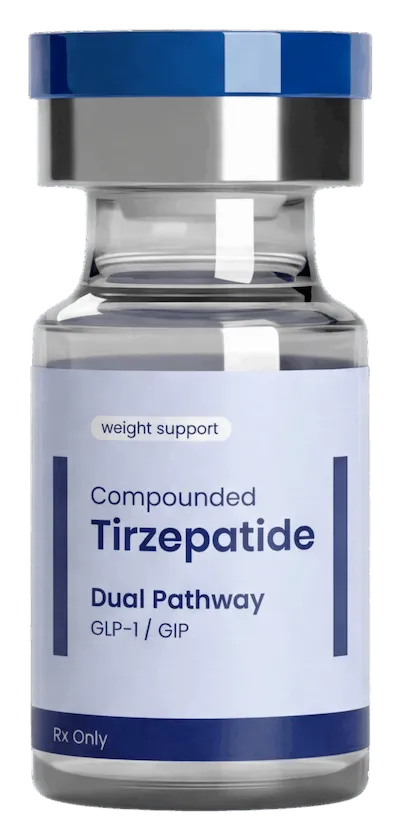
BMI MD GLP-1 Microdosing Plan
- Specialized microdosing options, including sublingual drops and low-dose injections
- Designed for people interested in maintaining weight or gradually adjusting treatment
- Bundled program structure without a separate monthly platform membership
- Online access makes the process convenient from home

DirectMeds Weight Loss Solutions
- Online weight-loss program with a straightforward patient experience
- Compounded medication options through state-licensed compounding pharmacies
- Includes clinical consultation as part of the process
- Provides shipping updates to help patients track their orders
MEDVi Flat-Rate Telehealth
- Flat-rate telehealth approach designed for easier budgeting
- No dosage-based pricing increases within the advertised program structure
- Offers injectable and oral thin-film delivery options
- Includes medical screening and asynchronous provider consultations
Gala GLP-1 Care Program
- Text-based access to state-licensed clinicians
- Cold-chain medication shipping included in the program
- Month-to-month program structure
- Designed for people who value convenient ongoing support
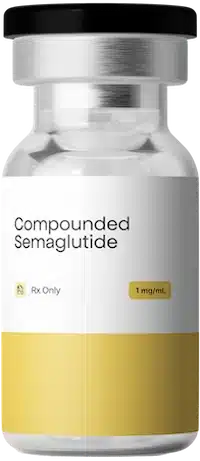
Measured GLP-1 Metabolic Health
- Comprehensive metabolic health screening and intake analysis
- Designed around longer-term metabolic health management
- Responsive dashboard with integrated health tracking tools
- Useful option for patients who value a more data-focused experience
Refills GLP-1 (TryRefills Plan)
- Clinical guidance designed to help patients manage common treatment concerns
- Includes foundational nutritional strategies alongside medication
- Designed around predictable ongoing treatment
- No hidden startup or processing fees according to the program information provided
AltRx GLP-1 Transactional Reorders
- Transactional reorder model without recurring auto-billing
- Designed for patients who already understand their treatment routine
- Fast text-to-order process for convenient reorders
- Offers injectable and fast-dissolving tablet variations
Here’s what that means in plain terms:
- GLP-1 activation slows stomach emptying, reduces appetite, and helps regulate blood sugar.
- GIP activation works alongside GLP-1 to further reduce calorie intake and improve insulin sensitivity.
- Together, these two signals create a stronger appetite-suppressing effect than either hormone alone.
Tirzepatide is sold under the brand name Mounjaro (approved for type 2 diabetes) and Zepbound (approved for chronic weight management). It’s administered as a subcutaneous injection once per week, with doses typically starting at 2.5 mg and increasing up to 15 mg over several months.
“The dual receptor mechanism is what makes tirzepatide uniquely effective — it’s not just doing more of what semaglutide does, it’s doing something structurally different.”
How Much Weight Can I Really Lose With Tirzepatide?
Based on the SURMOUNT-1 clinical trial, adults taking the highest dose of tirzepatide (15 mg) lost an average of about 22.5% of their body weight over 72 weeks. That’s roughly 50+ pounds for a 230-pound person.
Results vary by dose and individual:
| Tirzepatide Dose | Average Weight Loss (% body weight) |
|---|---|
| 5 mg | ~15% |
| 10 mg | ~19.5% |
| 15 mg | ~22.5% |
| Placebo | ~2.5% |
Source: SURMOUNT-1 trial data, published in the New England Journal of Medicine.
These results are significantly higher than what most people achieve with diet and exercise alone, or with older weight-loss medications. That said, results depend on consistent use, dose escalation, and lifestyle factors like diet quality and physical activity.
Common mistake: Many people expect dramatic results in the first month. Most users see modest changes (2–5 lbs) in weeks 1–4 while still on the starting dose. The bigger losses come after reaching a therapeutic dose, typically months 3–6.
Tirzepatide Review: Is It Better Than Ozempic or Wegovy?
Tirzepatide generally produces greater weight loss than semaglutide (the active ingredient in Ozempic and Wegovy), though both are effective. Head-to-head trial data (SURMOUNT-5, 2025) showed tirzepatide users lost significantly more weight than those on semaglutide 2.4 mg over 72 weeks.
Key differences:
- Mechanism: Tirzepatide = GLP-1 + GIP. Semaglutide = GLP-1 only.
- Average weight loss: Tirzepatide tends to outperform semaglutide by 5–8 percentage points in clinical comparisons.
- Side effect profile: Similar nausea and GI symptoms; tirzepatide may have slightly more GI complaints at higher doses for some users.
- Cost: Both are expensive without insurance. Semaglutide compounded options (like DirectMeds GLP1 Semaglutide) can be more accessible price-wise.
Choose tirzepatide if you want maximum weight loss potential and can tolerate the cost. Choose semaglutide if you’re looking for a more affordable entry point or have had good results with GLP-1-only therapy before.
For a deeper comparison of telehealth GLP-1 programs, see our Ro Body Review for GLP-1 costs and alternatives.
How Much Does Tirzepatide Cost Without Insurance?
Without insurance, brand-name Zepbound costs approximately $550–$1,000 per month in 2026, depending on dose and pharmacy. Mounjaro (the diabetes-labeled version) is similarly priced.
More affordable options exist:
- Compounded tirzepatide through telehealth providers: often $200–$400/month
- Manufacturer savings cards (for eligible commercially insured patients): can reduce cost significantly
- GLP-1 telehealth platforms like DirectMeds offer semaglutide-based programs at lower price points
For a full breakdown, see our guide on tirzepatide monthly cost and what you’ll actually pay and our comparison of tirzepatide cost across Zepbound and telehealth options.
If budget is your top concern, DirectMeds GLP1 Semaglutide is worth a close look as one of the most affordable GLP-1 programs currently available through telehealth.
👉 Check DirectMeds GLP1 Pricing Now

What Are the Side Effects of Tirzepatide?
The most common side effects of tirzepatide are gastrointestinal, and they’re most intense during the dose escalation phase. They usually improve as your body adjusts.
Most common side effects:
- Nausea (reported in up to 30–40% of users)
- Diarrhea
- Vomiting
- Constipation
- Decreased appetite (often intentional)
- Stomach pain or bloating
Less common but serious risks:
- Pancreatitis (rare; seek immediate care if you have severe abdominal pain)
- Gallbladder disease (gallstones)
- Low blood sugar (especially if combined with insulin or sulfonylureas)
- Increased heart rate
- Kidney injury (usually related to dehydration from vomiting/diarrhea)
Tip to reduce nausea: Eat smaller meals, avoid high-fat foods right after injecting, and stay well hydrated. Most GI side effects peak in the first 4–8 weeks.
Who Should Not Take Tirzepatide?
Tirzepatide is not appropriate for everyone. You should not take it if you have:
- A personal or family history of medullary thyroid carcinoma (MTC)
- Multiple Endocrine Neoplasia syndrome type 2 (MEN2)
- A known allergy to tirzepatide or any ingredient in the formulation
- Severe gastrointestinal disease (e.g., gastroparesis)
- Pancreatitis history (use with caution; discuss with your doctor)
Also use with caution if you:
- Are pregnant or planning to become pregnant (discontinue at least 2 months before conception)
- Have severe kidney or liver disease
- Take insulin or other blood sugar-lowering medications
How Do I Know If I Qualify for Tirzepatide?
Most adults qualify for tirzepatide for weight management if they meet at least one of these criteria:
- BMI of 30 or higher (classified as obesity)
- BMI of 27 or higher with at least one weight-related condition such as type 2 diabetes, high blood pressure, high cholesterol, or sleep apnea
A licensed healthcare provider, including telehealth providers, will review your medical history before prescribing. The process typically involves an online consultation, basic health screening, and sometimes lab work.
Edge case: If you have a BMI just under 27 but significant metabolic risk factors, some providers may still consider you eligible. Always discuss your full health picture with a clinician.
For a look at how telehealth platforms handle this process, our Mochi Health Review and Hims Weight Loss Review cover the qualification steps in detail.
👉 See If You Qualify Through DirectMeds GLP1
Can People With Type 2 Diabetes Use Tirzepatide?
Yes, tirzepatide was originally approved for type 2 diabetes management under the brand name Mounjaro before Zepbound received approval for weight loss. It’s one of the few medications that effectively addresses both conditions simultaneously.
For people with type 2 diabetes, tirzepatide:
- Lowers HbA1c significantly (clinical trials showed reductions of 1.8–2.4% from baseline)
- Reduces body weight, which itself improves insulin sensitivity
- May reduce the need for additional diabetes medications over time
Important: If you’re on insulin or a sulfonylurea, tirzepatide can increase the risk of hypoglycemia. Your provider will likely adjust your other medications when starting tirzepatide.
Tirzepatide Review: What Happens If I Stop Taking It?
Most people regain a significant portion of lost weight within 12 months of stopping tirzepatide. This is consistent across GLP-1 and GIP/GLP-1 medications and reflects the chronic nature of obesity as a condition.
The SURMOUNT-4 trial showed that participants who stopped tirzepatide after 36 weeks regained about two-thirds of their lost weight over the following year, while those who continued maintained their results.
What this means practically:
- Tirzepatide is most effective as a long-term treatment, not a short-term fix.
- Building sustainable diet and exercise habits during treatment improves outcomes after stopping.
- Some people transition to a lower maintenance dose rather than stopping completely.
Are There Any Long-Term Risks With Tirzepatide?
Tirzepatide’s long-term safety profile is still being studied, as it’s a relatively new medication. Based on current data and ongoing trials, the main areas of monitoring include:
- Thyroid tumors: Animal studies showed thyroid C-cell tumors at high doses; this has not been confirmed in humans, but it’s why the drug carries a black box warning.
- Cardiovascular effects: Early data from the SURMOUNT-MMO trial suggests tirzepatide may reduce major cardiovascular events, which is a positive long-term signal.
- Muscle mass loss: Rapid weight loss from any cause can reduce lean muscle. Resistance training and adequate protein intake help preserve muscle during treatment.
- Bone density: Under investigation; rapid weight loss may affect bone health in some populations.
For context on GLP-1 costs over the long term, see our GLP-1 price per month breakdown for 2026.
How Quickly Will I See Results With Tirzepatide?
Most people notice reduced appetite within the first 1–2 weeks of starting tirzepatide, even at the lowest starting dose of 2.5 mg. Visible weight loss typically begins in weeks 4–8, and more significant changes appear after reaching a higher therapeutic dose.
Realistic timeline:
- Weeks 1–4: Appetite suppression, modest weight loss (2–5 lbs)
- Months 2–3: Dose increases; weight loss accelerates (1–2 lbs/week possible)
- Months 4–6: Most users reach a mid-range dose; cumulative loss of 10–15% body weight is common
- Months 6–12+: Continued loss or maintenance at maximum tolerated dose
Common mistake: Stopping early because results feel slow. The dose escalation schedule exists to minimize side effects, not to delay results. Patience through the titration phase pays off.
If you’re comparing affordable starting options, DirectMeds GLP1 Semaglutide offers a lower-cost GLP-1 entry point that many users start with before transitioning to tirzepatide.
👉 Start Your GLP-1 Journey With DirectMeds Today
What Are Common Mistakes People Make When Starting Tirzepatide?
Starting tirzepatide without a plan is one of the most common ways people undermine their results. Here are the mistakes worth avoiding:
- Skipping meals entirely because appetite is suppressed. This can cause muscle loss and nutrient deficiencies.
- Not adjusting diet quality. Tirzepatide reduces how much you eat, but it doesn’t filter what you eat. Prioritize protein and vegetables.
- Stopping too early due to initial nausea. Most GI side effects resolve within 4–8 weeks.
- Ignoring hydration. Nausea and reduced eating can lead to dehydration, which worsens side effects.
- Not telling your doctor about other medications. Drug interactions, especially with insulin, can be dangerous.
- Expecting results without lifestyle changes. Tirzepatide is a tool, not a replacement for behavioral change.
For those exploring GLP-1 options on a budget, our guide to the most affordable GLP-1 options without insurance is a practical starting point.
7 Best GLP-1 Providers Ranked: Accreditation, Flexibility & Support Compared (2026 Update)
32,000+ Patients Can't All Be Wrong: See the Top-Rated GLP-1 Providers: Compared on accreditation, plan flexibility, and patient support — updated for 2026.
BMI MD GLP-1 Microdosing Plan
- Specialized microdosing options (sublingual drops or low-dose injections)
- Ideal for maintaining weight or tapering off higher doses safely
- Fully bundled plan with no hidden monthly platform memberships
DirectMeds Weight Loss Solutions
- Sourced from accredited, state-licensed 503A compounding pharmacies
- No-frills high-volume savings passed directly to the patient
- Includes clinical consultation and cold-chain shipping updates
MEDVi Flat-Rate Telehealth
- Flat monthly rate holds steady even at maximum maintenance doses
- No dosage upcharges or graduation fee penalties
- Offers both injectable and advanced oral thin-film delivery options
Gala GLP-1 Care Program
- All-inclusive plan with no standalone membership costs
- Continuous text-based messaging access with state-licensed clinicians
- Temperature-controlled, cold-chain medication shipping included
Measured GLP-1 Metabolic Health
- Comprehensive metabolic health screening and expert intake analysis
- Predictable long-term budgeting with stable plan pricing
- High-end responsive dashboard with integrated diagnostic support
Refills GLP-1 (TryRefills Plan)
- Flat rate holds steady as titration scales up
- Includes clinical guides for active side-effect management
- Bundles in foundational nutritional strategies alongside medication
AltRx GLP-1 Transactional Reorders
- Zero recurring auto-billing — pay entirely on a transactional basis
- Rapid text-to-order format saves time for experienced patients
- Provides both injectable forms and fast-dissolving tablet variations
Conclusion: Is Tirzepatide Worth It in 2026?
This tirzepatide review comes down to one clear conclusion: tirzepatide is one of the most effective weight-loss medications available in 2026, with clinical trial results that outperform most alternatives. For people with obesity or type 2 diabetes who have struggled with traditional approaches, it represents a genuine medical option, not a shortcut.
That said, cost is a real barrier. Brand-name Zepbound remains expensive without insurance, which is why exploring telehealth alternatives matters. If you’re not yet ready for tirzepatide or want to start at a lower price point, DirectMeds GLP1 Semaglutide is the most affordable GLP-1 program we’ve found in 2026, with licensed providers, transparent pricing, and a straightforward enrollment process.
Your next steps:
- Check your BMI and any qualifying health conditions.
- Consult a licensed provider (telehealth is fine) to review your medical history.
- Compare costs using our tirzepatide cost guide before committing.
- If cost is a concern, start with DirectMeds GLP1 Semaglutide as an accessible, medically supervised option.
👉 Get Started With DirectMeds GLP1 — Most Affordable Option in 2026
Frequently Asked Questions
Is tirzepatide FDA-approved for weight loss?
Yes. Tirzepatide is FDA-approved for chronic weight management under the brand name Zepbound (approved in 2023) for adults with a BMI of 30+ or 27+ with a weight-related condition. It is also approved as Mounjaro for type 2 diabetes.
How is tirzepatide different from semaglutide?
Tirzepatide activates both GLP-1 and GIP receptors, while semaglutide only activates GLP-1. This dual mechanism generally produces greater weight loss. In head-to-head trials, tirzepatide users lost more body weight on average than semaglutide users.
Can I get tirzepatide through a telehealth provider?
Yes. Many telehealth platforms prescribe tirzepatide or compounded tirzepatide after an online medical consultation. Compounded versions are often significantly cheaper than brand-name Zepbound. Always verify the pharmacy is PCAB-accredited or state-licensed.
How long do I need to stay on tirzepatide?
Most clinical guidance treats obesity as a chronic condition, meaning long-term use is often recommended. Studies show that stopping tirzepatide leads to significant weight regain within 12 months for most people.
Does tirzepatide cause hair loss?
Some users report temporary hair shedding (telogen effluvium) during rapid weight loss phases. This is not a direct drug side effect but a response to caloric restriction and rapid body weight change. It typically resolves on its own.
Is tirzepatide safe for older adults?
Tirzepatide has been used in adults across age groups in clinical trials. Older adults may need closer monitoring for dehydration, muscle loss, and drug interactions. A provider should review all current medications before prescribing.
What’s the starting dose of tirzepatide?
The standard starting dose is 2.5 mg once weekly for the first 4 weeks, then increased to 5 mg. Further increases (to 7.5, 10, 12.5, or 15 mg) happen in 4-week intervals based on tolerability and response.
Can tirzepatide be used with other weight-loss medications?
Generally, tirzepatide is not combined with other GLP-1 medications or weight-loss drugs without specific medical guidance. Combining it with insulin requires careful dose adjustment to avoid low blood sugar.
Is compounded tirzepatide as effective as brand-name Zepbound?
Compounded tirzepatide contains the same active ingredient at the same doses. However, compounded versions are not FDA-reviewed for safety and efficacy in the same way brand-name drugs are. Quality depends heavily on the compounding pharmacy.
What is the best affordable alternative to tirzepatide?
For those who find tirzepatide too expensive, DirectMeds GLP1 Semaglutide is a strong alternative, offering medically supervised semaglutide at one of the lowest price points available through telehealth in 2026.
👉 Try DirectMeds GLP1 — Affordable GLP-1 Without Breaking the Bank
Medical References
The SURMOUNT-1 clinical trial results for tirzepatide published in the New England Journal of Medicine provide the foundational weight loss efficacy data cited throughout this article.
The FDA prescribing information for Zepbound (tirzepatide) from the U.S. Food and Drug Administration outlines approved indications, contraindications, and safety data.
The American Diabetes Association Standards of Care include guidance on GLP-1 and GIP receptor agonists for type 2 diabetes and obesity management
Research on GLP-1 receptor agonists and cardiovascular outcomes published in The Lancet provides context on long-term cardiovascular safety signals for this drug class.
The SURMOUNT-4 trial on weight regain after stopping tirzepatide published in JAMA is the primary source for data on what happens when tirzepatide is discontinued.

With over 13 years of experience in holistic health blogging, I aim to help you navigate your wellness journey with honest insights, expert-backed advice, and a sprinkle of real-world practicality.
Certified Wellness Writer | Herbal Nutrition Advocate | Wellness Research Enthusiast


