Which GLP1 Is Best for Weight Loss? Comparing Popular Treatments and Their Differences

Last updated: November 18, 2026
Quick Answer
There is no single GLP-1 drug that works best for everyone. Clinical trial data and real-world studies suggest tirzepatide (Zepbound, Mounjaro) tends to produce greater average weight loss than semaglutide (Wegovy, Ozempic), but semaglutide has a longer track record and may suit people who tolerate it better or who have specific heart or kidney conditions [1][2]. The right choice depends on your health history, budget, and how your body responds.
Key Takeaways
- Tirzepatide shows slightly higher average weight loss than semaglutide in head-to-head research, but both are effective [1][2].
- The World Health Organization’s December 2025 global guideline recommends GLP-1 medicines for obesity treatment when combined with diet and lifestyle support [3][4].
- Monthly out-of-pocket costs for brand-name GLP-1 drugs commonly run several hundred to over a thousand dollars without insurance.
- Nausea, vomiting, constipation, and diarrhea are the most common side effects across all GLP-1 drugs.
- Most people regain a meaningful portion of lost weight within a year of stopping treatment, so long-term planning matters.
- Non-diabetics can legally use GLP-1 drugs for weight loss when prescribed off-label or through FDA-approved weight-loss formulations like Wegovy or Zepbound.
- WHO guidance sets a minimum efficacy threshold for recommending these drugs rather than naming one “best” product [5][6].
What Is a GLP-1 Drug and How Does It Actually Work for Weight Loss
A GLP-1 drug mimics a natural gut hormone called glucagon-like peptide-1 that slows digestion, reduces appetite, and helps regulate blood sugar. This hormone signals the brain that you’re full, which is why people on these medications naturally eat less.
7 Best GLP-1 Providers Ranked: Accreditation, Flexibility & Support Compared (2026 Update)
32,000+ Patients Can't All Be Wrong: See the Top-Rated GLP-1 Providers. We compared the leading online GLP-1 providers based on program features, clinical support, convenience, and overall value.

BMI MD GLP-1 Microdosing Plan
- Specialized microdosing options, including sublingual drops and low-dose injections
- Designed for people interested in maintaining weight or gradually adjusting treatment
- Bundled program structure without a separate monthly platform membership
- Online access makes the process convenient from home

DirectMeds Weight Loss Solutions
- Online weight-loss program with a straightforward patient experience
- Compounded medication options through state-licensed compounding pharmacies
- Includes clinical consultation as part of the process
- Provides shipping updates to help patients track their orders

MEDVi Flat-Rate Telehealth
- Flat-rate telehealth approach designed for easier budgeting
- No dosage-based pricing increases within the advertised program structure
- Offers injectable and oral thin-film delivery options
- Includes medical screening and asynchronous provider consultations

Gala GLP-1 Care Program
- Text-based access to state-licensed clinicians
- Cold-chain medication shipping included in the program
- Month-to-month program structure
- Designed for people who value convenient ongoing support

Measured GLP-1 Metabolic Health
- Comprehensive metabolic health screening and intake analysis
- Designed around longer-term metabolic health management
- Responsive dashboard with integrated health tracking tools
- Useful option for patients who value a more data-focused experience

Refills GLP-1 (TryRefills Plan)
- Clinical guidance designed to help patients manage common treatment concerns
- Includes foundational nutritional strategies alongside medication
- Designed around predictable ongoing treatment
- No hidden startup or processing fees according to the program information provided

AltRx GLP-1 Transactional Reorders
- Transactional reorder model without recurring auto-billing
- Designed for patients who already understand their treatment routine
- Fast text-to-order process for convenient reorders
- Offers injectable and fast-dissolving tablet variations
GLP-1 receptor agonists were originally developed for type 2 diabetes. Researchers noticed that patients lost significant weight, which led to dedicated obesity formulations. The drugs work on three fronts:
- Slowing stomach emptying so food stays in the digestive tract longer
- Reducing hunger signals sent to the brain’s appetite center
- Improving insulin sensitivity and blood sugar control
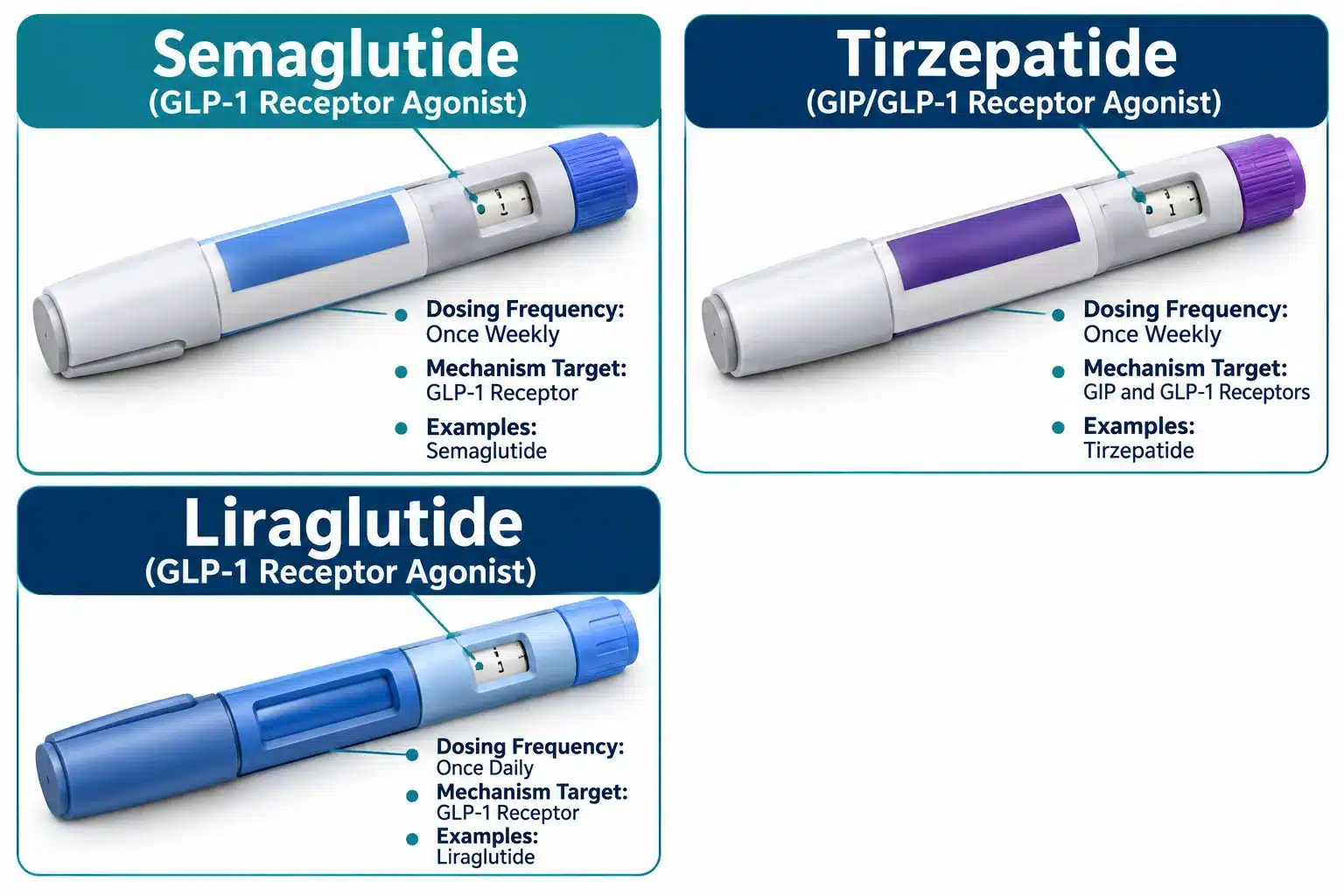
Newer drugs like tirzepatide also activate a second hormone receptor, GIP, which appears to add to the appetite-suppressing effect [7]. For a broader breakdown of mechanisms, see our guide on how Ozempic helps you lose weight.
Ozempic vs Wegovy vs Saxenda: Which One Is Best for Losing Weight
Among semaglutide and liraglutide products, Wegovy is generally the most effective for weight loss because it’s FDA-approved specifically for obesity at a higher dose than Ozempic. Saxenda (liraglutide) tends to produce the smallest average weight loss of the three, based on comparative research [7].

Here’s how they differ:
| Drug | Active ingredient | FDA approval | Dosing | Typical use |
|---|---|---|---|---|
| Ozempic | Semaglutide | Type 2 diabetes | Weekly injection | Often used off-label for weight loss |
| Wegovy | Semaglutide | Chronic weight management | Weekly injection, higher max dose | Approved specifically for obesity |
| Saxenda | Liraglutide | Chronic weight management | Daily injection | Older option, generally less weight loss |
A University of Georgia pharmacy analysis found semaglutide outperforms liraglutide in most comparative data, though individual response varies [7]. If you’re deciding between brand options, our detailed comparison of Wegovy vs Mounjaro covers more specifics.
Choose Wegovy if you want the FDA-approved obesity-specific version of semaglutide. Choose Saxenda if you need a daily injection option or don’t tolerate weekly dosing well.
Tirzepatide vs Semaglutide: Which GLP1 Is More Effective
Tirzepatide generally produces more weight loss than semaglutide in direct comparison studies. A 2025 head-to-head trial published in the New England Journal of Medicine found tirzepatide led to greater average weight reduction than semaglutide 2.4 mg [2].
Supporting evidence includes:
- A JAMA Internal Medicine analysis of routine clinical care found tirzepatide patients lost more weight on average than semaglutide patients [1].
- A 2025 real-world cohort study comparing semaglutide 2.4 mg to tirzepatide found a similar pattern favoring tirzepatide.
- A University of Georgia review ranking tirzepatide, semaglutide, and liraglutide by relative efficacy placed tirzepatide first [7].
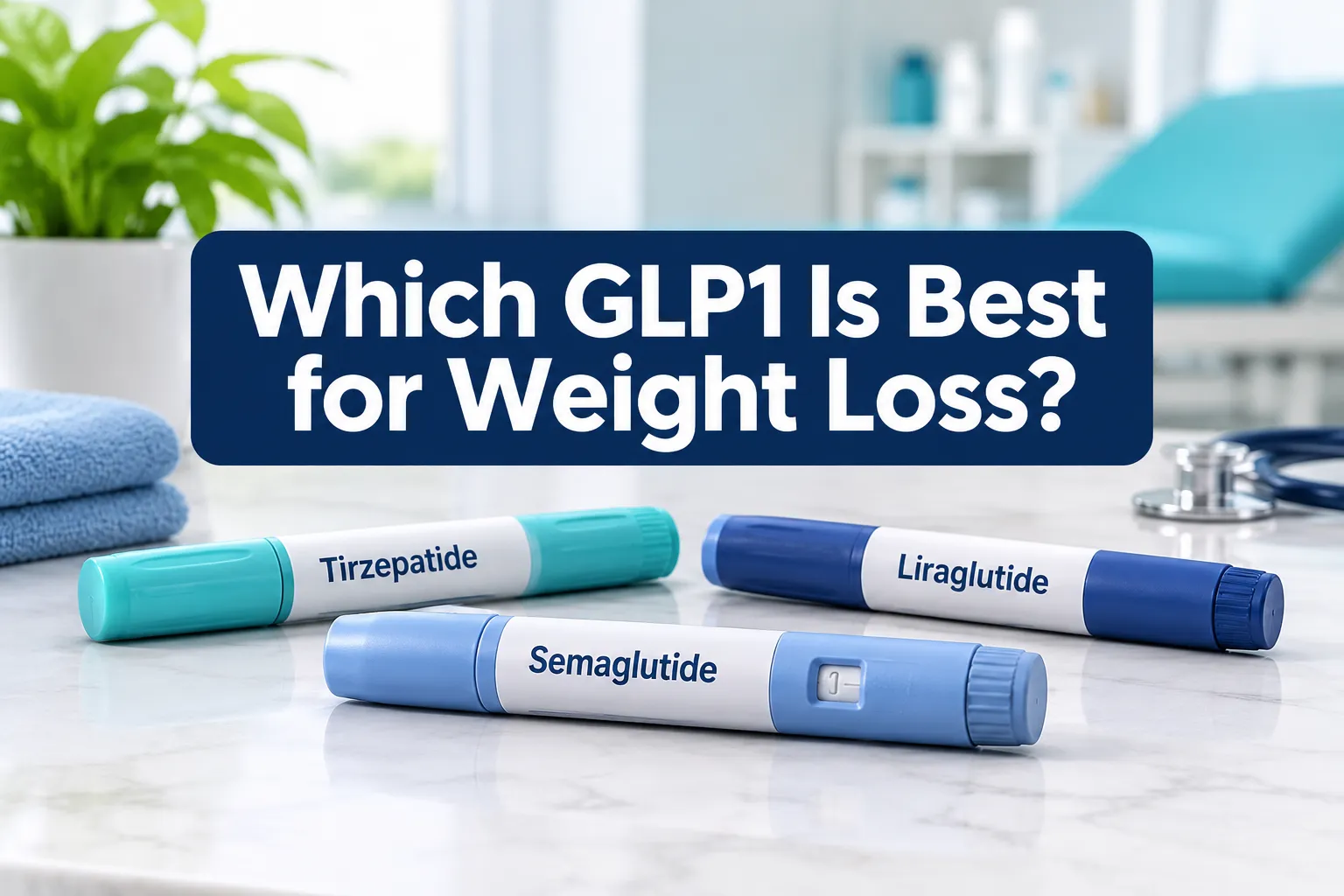
Common mistake: assuming “more effective” means “better for you.” Some people tolerate semaglutide’s side effect profile better, and insurance coverage can differ by drug. For a side-by-side product breakdown, see Zepbound vs Ozempic and our list of GLP-1 options compared for 2026.
How Much Does GLP-1 Medication Cost Per Month Without Insurance
Brand-name GLP-1 drugs like Wegovy, Zepbound, and Ozempic typically cost several hundred to over a thousand dollars monthly without insurance coverage. Prices vary by pharmacy, dose, and whether you use a manufacturer savings program or telehealth provider.
Cost factors to consider:
- Starting dose vs. maintenance dose (higher doses often cost the same per pen but require more frequent refills as you titrate up)
- Telehealth subscription fees layered on top of medication costs
- Compounded versions, which are typically cheaper but are not FDA-approved and carry different quality and safety oversight
- Manufacturer coupons or patient assistance programs that may lower costs for eligible patients
For current provider-by-provider pricing breakdowns, our guides on GLP-1 weight loss cost and TrumpRx weight loss prices walk through real numbers. Edge case: if you’re paying cash, ask your pharmacy about manufacturer discount cards before assuming the list price is final.
What Are the Main Side Effects of GLP-1 Drugs and How Bad Are They
The most common GLP-1 side effects are gastrointestinal: nausea, vomiting, diarrhea, and constipation. These effects are usually worst during dose increases and tend to ease as your body adjusts.
Other reported effects include:
- Fatigue and headache, especially early in treatment
- Gallbladder problems in a small percentage of users
- Injection site reactions
- Rare but serious risks including pancreatitis, which requires immediate medical attention
Most side effects are manageable with slower dose titration, dietary adjustments, and staying hydrated. If symptoms are severe or you notice signs of pancreatitis (severe abdominal pain), contact your prescriber right away. See our guide on tirzepatide maintenance dosing for how dosing schedules affect tolerability over time.
Can You Take GLP-1 If You Don’t Have Diabetes Just for Weight Loss
Yes, GLP-1 drugs can be prescribed for weight loss alone if you don’t have diabetes. Wegovy, Zepbound, and Saxenda are FDA-approved specifically for chronic weight management in people who meet body mass index criteria, independent of diabetes status.
Eligibility typically requires one of the following:
- A BMI of 30 or higher (obesity)
- A BMI of 27 or higher with at least one weight-related health condition, such as high blood pressure or sleep apnea
Doctors can also prescribe diabetes-specific versions like Ozempic off-label, though insurance is less likely to cover that use. For a deeper eligibility breakdown, read our guide on GLP-1 for weight loss if you’re not diabetic.
How Much Weight Will You Realistically Lose on GLP-1
Realistic weight loss expectations depend on the specific drug, dose, and individual response, but clinical trials generally show double-digit percentage reductions in body weight over about a year of treatment. Tirzepatide trials have shown somewhat higher average percentage losses than semaglutide trials [1][2].
Factors that influence your results:
- Starting weight and metabolic health
- How consistently you follow the prescribed titration schedule
- Diet and activity changes made alongside medication
- Whether you experience side effects that limit dose increases
Example: two patients starting at the same weight and dose can have very different outcomes depending on diet adherence and how well they tolerate higher doses. Individual results are never guaranteed. Our Ozempic weight loss results guide breaks down a realistic early timeline.
How Long Do You Need to Stay on GLP-1 for Weight Loss
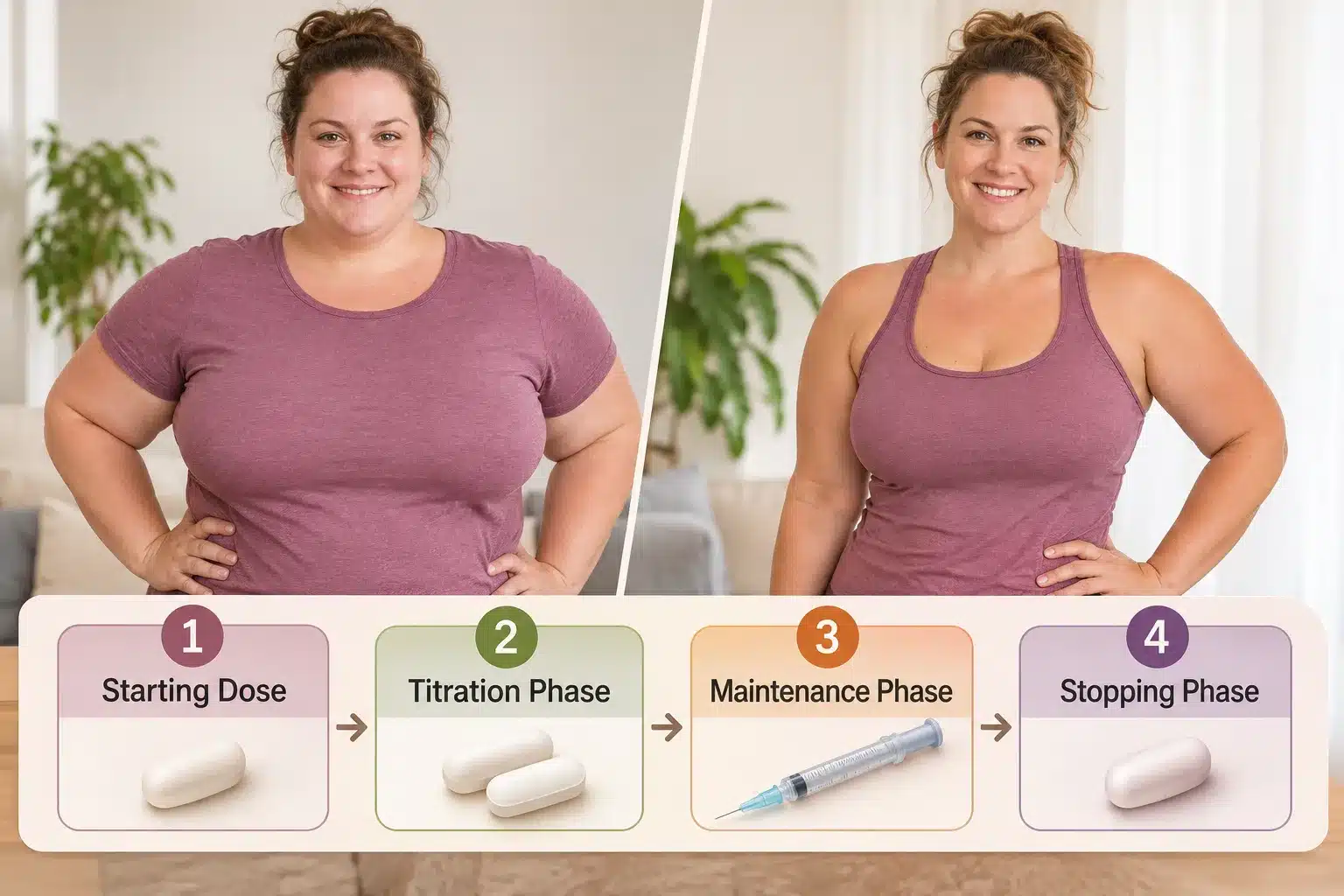
Most obesity specialists and current guidance treat GLP-1 therapy as a long-term, potentially indefinite treatment, similar to medications for high blood pressure or cholesterol. Short-term use is associated with significant weight regain after stopping.
Key considerations:
- Weight loss typically plateaus around 12-18 months of consistent treatment
- Maintenance dosing is usually required to sustain results after reaching a goal weight
- Stopping without a transition plan often leads to appetite rebound
The WHO’s December 2025 guideline frames GLP-1 treatment as part of a sustained, multi-year obesity management strategy rather than a short course [3].
What Happens to Your Weight When You Stop Taking GLP-1 (Do You Gain It Back)
Most people regain a meaningful portion of lost weight within months of stopping GLP-1 treatment because the appetite-suppressing effect fades once the drug clears your system. This is consistent with how these medications work: they manage a biological process, not a one-time fix.
Steps that can reduce regain:
- Taper under medical supervision rather than stopping abruptly
- Maintain the dietary and activity habits built during treatment
- Discuss a lower maintenance dose with your prescriber instead of full discontinuation
- Monitor weight trends closely in the first three to six months after stopping
For a full breakdown of what to expect, see our article on what happens when you stop taking Ozempic.
Weight Loss Medications Besides GLP-1 That Actually Work
GLP-1 drugs aren’t the only evidence-based option for weight loss. Other FDA-approved medications work through different mechanisms and may suit people who can’t tolerate GLP-1 side effects or who need a different approach.
Alternatives include:
- Phentermine-topiramate, an appetite suppressant combination used for short-term weight management
- Naltrexone-bupropion, targets brain reward pathways tied to food cravings
- Orlistat, reduces fat absorption in the digestive tract
These medications generally produce less weight loss than GLP-1 drugs in clinical comparisons, but they can be reasonable options for people with specific contraindications. Our guide to prescription weight loss medications covers these in more detail.
Who Shouldn’t Take GLP-1 Drugs and What Are the Contraindications
People with a personal or family history of medullary thyroid cancer or Multiple Endocrine Neoplasia syndrome type 2 should not take GLP-1 drugs, based on warnings in official prescribing information. Pregnant or breastfeeding individuals should also avoid these medications.
Additional caution is warranted for people with:
- A history of pancreatitis
- Severe gastrointestinal disease, including gastroparesis
- Diabetic retinopathy complications (specific to semaglutide)
- Known hypersensitivity to any ingredient in the medication
Always disclose your full medical history to a licensed prescriber before starting treatment. This article does not replace individualized medical advice.
Why Is GLP-1 So Expensive and Can Insurance Cover It for Weight Loss
GLP-1 drugs are expensive largely because they’re patent-protected brand-name biologics with high manufacturing and development costs, and demand currently outpaces competition from generics. Insurance coverage for weight-loss use specifically (as opposed to diabetes use) is inconsistent and depends heavily on your plan and employer.
What affects coverage:
- Many insurers require documented diagnosis of obesity or a related condition before approving weight-loss indications
- Medicare historically has not covered weight-loss-only GLP-1 prescriptions, though policy discussions continue
- Employer-sponsored plans vary widely in whether they include a weight-management drug benefit
Check with your insurer directly, and ask your prescriber’s office about prior authorization requirements. Our review of whether Kaiser covers GLP-1 for weight loss is a useful example of how one major insurer approaches this question.
Common Mistakes People Make When Using GLP-1 for Weight Loss
The most common mistake is skipping the recommended titration schedule, which increases side effects without improving results. Other frequent errors undermine both safety and effectiveness.
Watch out for:
- Increasing doses faster than prescribed to “speed up” results
- Not eating enough protein or fiber, which can worsen nausea and muscle loss
- Stopping treatment abruptly without a tapering plan
- Buying from unverified online sources offering compounded versions without proper medical oversight
- Expecting the medication to work without any dietary or activity changes
Decision rule: if you’re experiencing side effects severe enough to consider quitting, talk to your prescriber about a slower titration before stopping altogether.
7 Best GLP-1 Providers Ranked: Accreditation, Flexibility & Support Compared (2026 Update)
32,000+ Patients Can't All Be Wrong: See the Top-Rated GLP-1 Providers: Compared on accreditation, plan flexibility, and patient support — updated for 2026.
BMI MD GLP-1 Microdosing Plan
- Specialized microdosing options (sublingual drops or low-dose injections)
- Ideal for maintaining weight or tapering off higher doses safely
- Fully bundled plan with no hidden monthly platform memberships
DirectMeds Weight Loss Solutions
- Sourced from accredited, state-licensed 503A compounding pharmacies
- No-frills high-volume savings passed directly to the patient
- Includes clinical consultation and cold-chain shipping updates
MEDVi Flat-Rate Telehealth
- Flat monthly rate holds steady even at maximum maintenance doses
- No dosage upcharges or graduation fee penalties
- Offers both injectable and advanced oral thin-film delivery options
Gala GLP-1 Care Program
- All-inclusive plan with no standalone membership costs
- Continuous text-based messaging access with state-licensed clinicians
- Temperature-controlled, cold-chain medication shipping included
Measured GLP-1 Metabolic Health
- Comprehensive metabolic health screening and expert intake analysis
- Predictable long-term budgeting with stable plan pricing
- High-end responsive dashboard with integrated diagnostic support
Refills GLP-1 (TryRefills Plan)
- Flat rate holds steady as titration scales up
- Includes clinical guides for active side-effect management
- Bundles in foundational nutritional strategies alongside medication
AltRx GLP-1 Transactional Reorders
- Zero recurring auto-billing — pay entirely on a transactional basis
- Rapid text-to-order format saves time for experienced patients
- Provides both injectable forms and fast-dissolving tablet variations
Conclusion: So Which GLP-1 Is Best for Weight Loss?
There’s no universal winner when comparing GLP-1 treatments. Evidence consistently points to tirzepatide producing somewhat greater average weight loss than semaglutide, and semaglutide outperforming liraglutide [1][2][7]. But “best” depends on your side effect tolerance, budget, insurance coverage, and other health conditions.
Before starting any GLP-1 medication, talk with a licensed healthcare provider who can review your full medical history. If cost is a barrier, compare multiple providers and ask about manufacturer savings programs. For a complete side-by-side look at specific services, check our comparison of the best places to get GLP-1s online.
Frequently Asked Questions
Is tirzepatide always better than semaglutide?
Tirzepatide shows greater average weight loss in trials, but individual response, side effects, and cost may make semaglutide a better fit for some people [1][2].
Can I switch between GLP-1 drugs if one doesn’t work?
Yes, many people switch under medical supervision if side effects are intolerable or weight loss plateaus. Your prescriber should guide the transition and dosing.
Do GLP-1 drugs work without diet changes?
They reduce appetite and slow digestion, but combining them with better nutrition and activity generally produces better, more sustainable results.
Are compounded GLP-1 drugs the same as brand-name versions?
No. Compounded versions are not FDA-approved and may vary in quality, purity, and dosing accuracy compared to approved products.
How fast do GLP-1 drugs start working?
Appetite suppression often begins within the first week or two, though significant weight loss builds gradually over months of consistent treatment.
Does WHO recommend a specific GLP-1 brand?
No. The WHO’s December 2025 global guideline sets an efficacy threshold for recommending GLP-1 medicines broadly rather than naming one specific best drug [3][5][6].
Will my weight stay off permanently after stopping GLP-1?
Most research indicates partial weight regain is common after stopping, which is why many clinicians treat obesity as a long-term condition requiring ongoing management.
References
- Fullarticle. jamanetwork.com.
- Nejmoa2416394. nejm.org.
- 01 12 2025 Who Issues Global Guideline on the Use of Glp 1 Medicines in Treating Obesity. who.int.
- Who Guideline Use Glucagon Peptide 1 Glp 1 Therapies Treatment Obesity Adults. paho.org.
- Glp 1 Ra Guidelines Obesity Who 2026a10006ux. reference.medscape.com.
- Obesity Glp 1 Therapies. who.int.
- Which Glp 1 Medication Is Most Effective for Weight Loss. rx.uga.edu.

With over 13 years of experience in holistic health blogging, I aim to help you navigate your wellness journey with honest insights, expert-backed advice, and a sprinkle of real-world practicality.
Certified Wellness Writer | Herbal Nutrition Advocate | Wellness Research Enthusiast