Zepbound Vials: Price, Doses & How to Inject With a Syringe

Last updated: November 11, 2026
Quick Answer
Zepbound vials contain tirzepatide, the same active ingredient as the Zepbound auto-injector pen, but they require a separate syringe and needle to draw up and inject the dose. Vial list prices for a one-month supply vary by dose and pharmacy channel, with lower-cost options available through the Lilly savings program for eligible patients [1]. Dosing starts at 2.5 mg weekly and titrates upward every four weeks based on tolerability and weight-loss response [2].
Key Takeaways
- Zepbound vials hold a concentrated solution of tirzepatide that you draw up yourself with a syringe, unlike the prefilled auto-injector pen [3][4].
- Starting dose is 2.5 mg once weekly for four weeks, then increases in steps up to a maximum of 15 mg depending on your plan [2].
- Vials are injected into the abdomen, thigh, or upper arm, rotating sites each week [3].
- A single-dose vial is meant for one injection only; do not reuse or save leftover solution [5].
- Needles and syringes should never be reused between injections, even with the same vial [3].
- The Lilly savings program can lower out-of-pocket costs for eligible patients using vials purchased through LillyDirect [1].
- Insurance coverage for vials varies widely and some plans cover the pen but not the vial, or vice versa.
- Missing a dose by less than four days means you should inject as soon as you remember; beyond that, skip and resume your normal schedule [4].
What Is Zepbound and How Does It Work
Zepbound is the brand name for tirzepatide, an injectable prescription medicine approved for chronic weight management and, more recently, for obstructive sleep apnea in adults with obesity [2][6]. It works by activating GIP and GLP-1 receptors, which slow stomach emptying, reduce appetite, and help regulate blood sugar.
7 Best GLP-1 Providers Ranked: Accreditation, Flexibility & Support Compared (2026 Update)
32,000+ Patients Can't All Be Wrong: See the Top-Rated GLP-1 Providers. We compared the leading online GLP-1 providers based on program features, clinical support, convenience, and overall value.

BMI MD GLP-1 Microdosing Plan
- Specialized microdosing options, including sublingual drops and low-dose injections
- Designed for people interested in maintaining weight or gradually adjusting treatment
- Bundled program structure without a separate monthly platform membership
- Online access makes the process convenient from home

DirectMeds Weight Loss Solutions
- Online weight-loss program with a straightforward patient experience
- Compounded medication options through state-licensed compounding pharmacies
- Includes clinical consultation as part of the process
- Provides shipping updates to help patients track their orders

MEDVi Flat-Rate Telehealth
- Flat-rate telehealth approach designed for easier budgeting
- No dosage-based pricing increases within the advertised program structure
- Offers injectable and oral thin-film delivery options
- Includes medical screening and asynchronous provider consultations

Gala GLP-1 Care Program
- Text-based access to state-licensed clinicians
- Cold-chain medication shipping included in the program
- Month-to-month program structure
- Designed for people who value convenient ongoing support

Measured GLP-1 Metabolic Health
- Comprehensive metabolic health screening and intake analysis
- Designed around longer-term metabolic health management
- Responsive dashboard with integrated health tracking tools
- Useful option for patients who value a more data-focused experience

Refills GLP-1 (TryRefills Plan)
- Clinical guidance designed to help patients manage common treatment concerns
- Includes foundational nutritional strategies alongside medication
- Designed around predictable ongoing treatment
- No hidden startup or processing fees according to the program information provided

AltRx GLP-1 Transactional Reorders
- Transactional reorder model without recurring auto-billing
- Designed for patients who already understand their treatment routine
- Fast text-to-order process for convenient reorders
- Offers injectable and fast-dissolving tablet variations
Tirzepatide comes in two delivery formats: the single-dose auto-injector pen and the multi-dose or single-dose vial. Both contain the same drug, but the vial route requires manual drawing with a syringe rather than a push-button pen [3][4]. I’ve talked with patients who switched from the pen to vials purely for cost reasons, and the biggest adjustment isn’t the drug itself, it’s learning the mechanics of measuring an exact dose by hand. For background on how the pen version works, see this guide to the Zepbound weekly injection pen.
How Much Do Zepbound Vials Cost
Zepbound vial pricing depends on the dose strength, pharmacy, and whether you qualify for manufacturer savings. As of late 2026, list prices for a one-month vial supply generally fall in a range that is lower than the pen’s list price, with further discounts available through Lilly’s direct savings program for cash-paying patients [1].
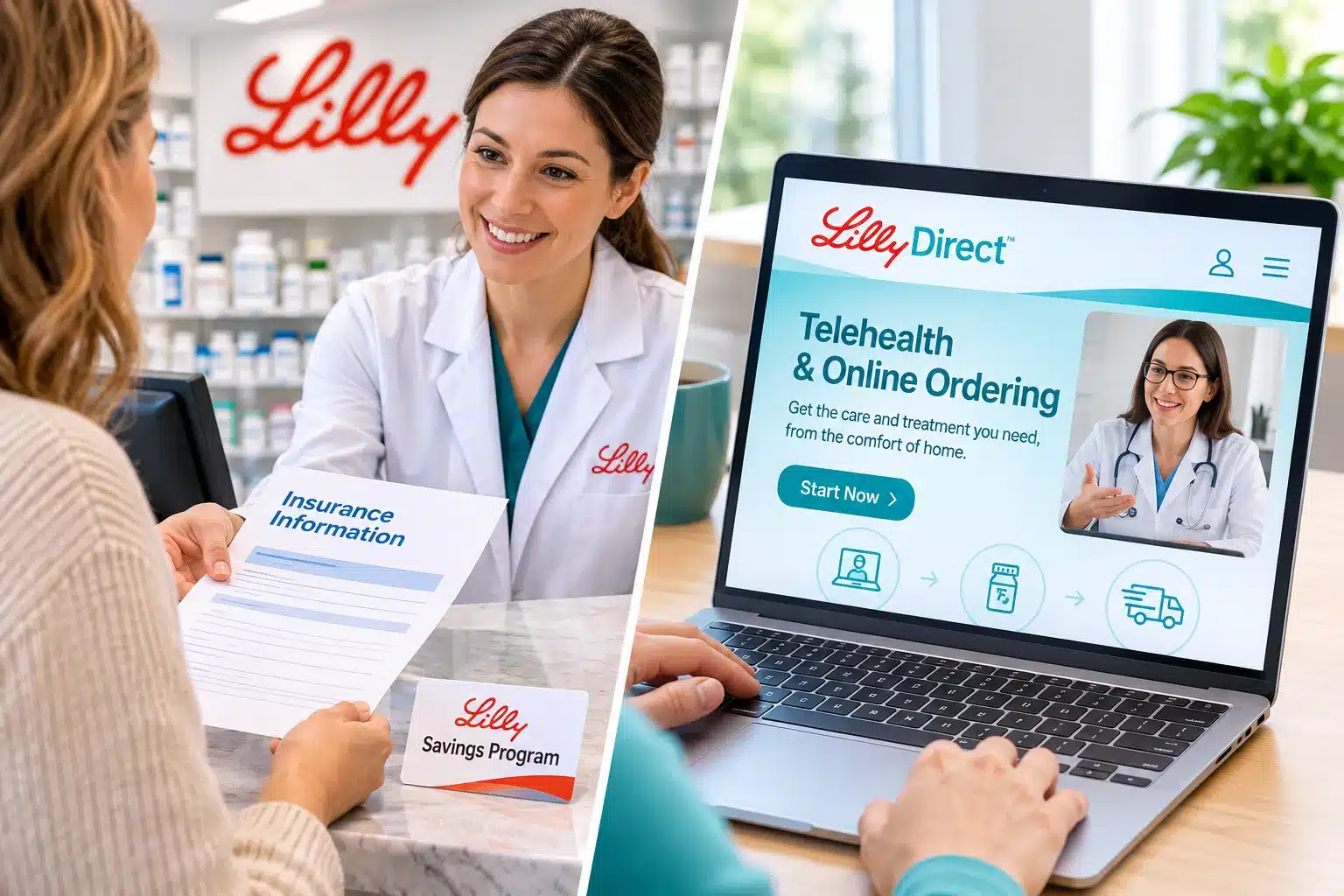
Lilly’s savings card program, updated in October 2026, offers month-to-month pricing for vials ordered through LillyDirect, Lilly’s direct-to-patient platform [1]. Earlier healthcare-provider list-price benchmarks for higher-dose formulations showed a clear price step-up as doses increase, which still holds true today [7][8]. A few points worth knowing:
- Lower starting doses (2.5 mg and 5 mg) typically cost less per fill than higher maintenance doses.
- Vial pricing through LillyDirect may differ from what a local retail pharmacy charges without insurance.
- Prices shift periodically, so check the official Lilly savings page before assuming a number is current.
Choose the vial-and-savings-card route if you’re paying cash and want the lowest documented price. Choose insurance-covered pen prescriptions if your plan covers the pen but excludes vials. For a broader look at pricing shortcuts across GLP-1 drugs, see this GLP-1 prices guide and this breakdown of affordable GLP-1 options without insurance.
What Dose of Zepbound Should I Start With
Every adult patient starts Zepbound at 2.5 mg once weekly for the first four weeks, regardless of vial or pen format [2]. This starting dose is not meant for weight loss itself; it allows your body to adjust and reduces the chance of nausea or GI side effects.
After the initial four weeks, your prescriber may increase the dose in defined steps, commonly:
| Titration Step | Dose | Typical Duration |
|---|---|---|
| Step 1 | 2.5 mg | Weeks 1-4 |
| Step 2 | 5 mg | Weeks 5-8 |
| Step 3 | 7.5 mg | Weeks 9-12 |
| Step 4 | 10 mg | Weeks 13-16 |
| Step 5 | 12.5 mg | If needed |
| Step 6 | 15 mg | Maximum dose |
Your actual titration schedule depends on tolerability and your prescriber’s plan [2]. Don’t jump doses on your own, even if you feel ready, because faster increases raise the risk of side effects without necessarily speeding up results.
How to Inject Zepbound With a Syringe Step by Step
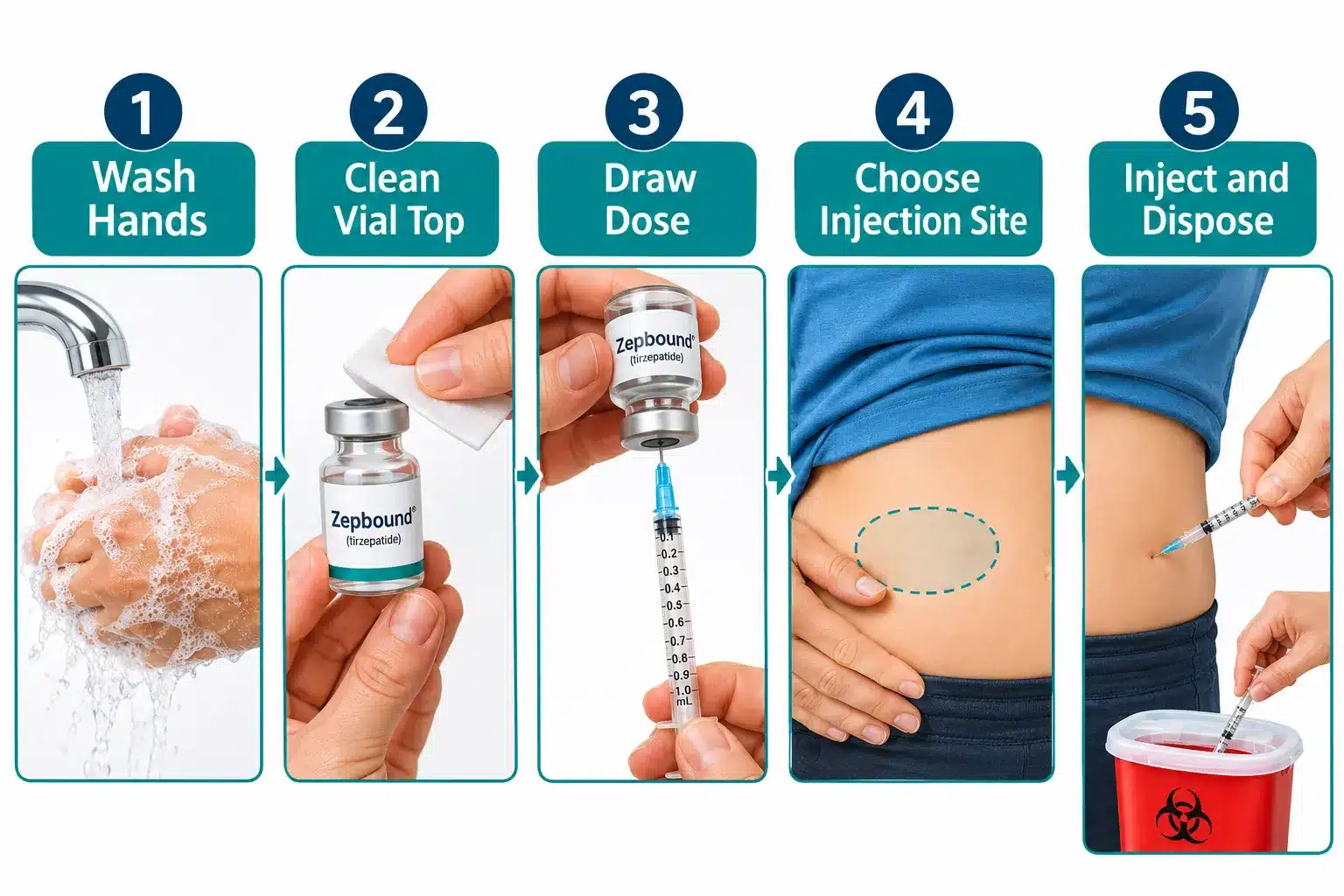
Injecting Zepbound from a vial requires drawing the exact prescribed dose into a syringe before injecting it under the skin. This differs from the pen, which is prefilled and requires no measuring [3][4].
Here is the general process based on manufacturer instructions for use [3][9]:
- Wash your hands with soap and water.
- Inspect the vial. The solution should be clear and colorless. Do not use it if it looks cloudy or discolored [5].
- Clean the rubber top of the vial with an alcohol wipe.
- Draw air into the syringe equal to your prescribed dose, then inject that air into the vial to make withdrawing the liquid easier.
- Draw up your exact dose, checking the syringe markings at eye level.
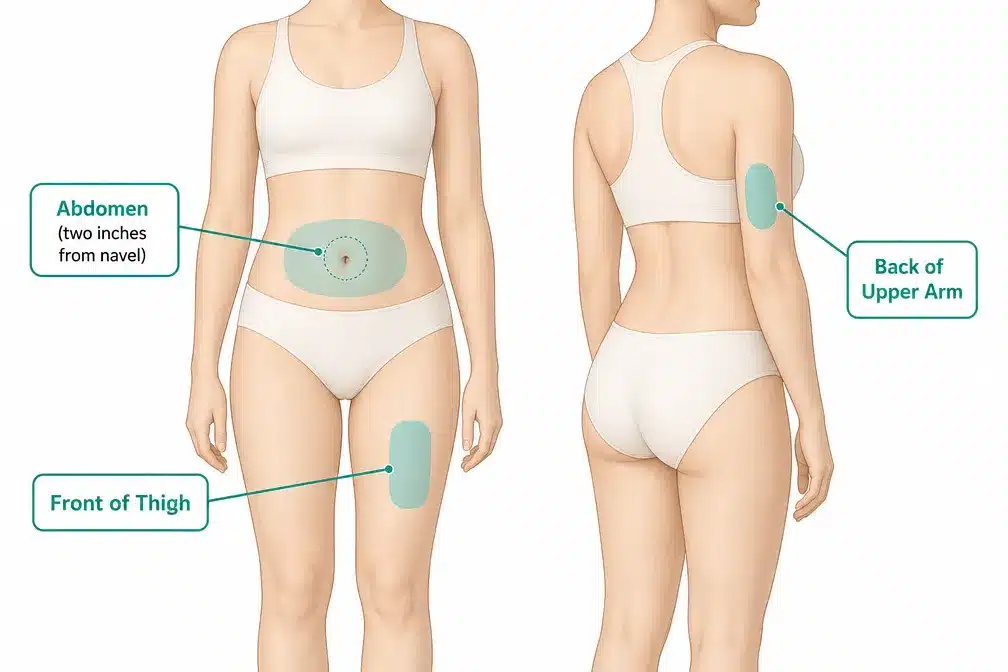
- Choose an injection site: abdomen (at least two inches from the navel), front of the thigh, or back of the upper arm [3].
- Pinch the skin gently and insert the needle at the angle recommended by your prescriber, usually 90 degrees for average body fat.
- Push the plunger slowly until the full dose is delivered.
- Withdraw the needle and dispose of it immediately in an FDA-cleared sharps container [3][5].
A quick example: if your dose is 5 mg and your vial concentration requires a 0.5 mL draw, you’d fill the syringe to the 0.5 mL mark exactly, not round up or down. Getting this measurement wrong is the single most common error with vial dosing, so double-check against your pharmacist’s written instructions every time.
Is Zepbound the Same as Wegovy
No, Zepbound and Wegovy are different medications with different active ingredients. Zepbound contains tirzepatide, while Wegovy contains semaglutide [2]. Both are injectable weekly treatments for weight management, but they act on slightly different receptor pathways and are not interchangeable without a prescriber’s guidance.
Some patients switch between the two based on insurance formularies, side-effect tolerance, or cost. If you’re comparing the two classes, this overview of the Wegovy weekly injection pen and this guide on compounded semaglutide injections can help clarify the differences. Choose Zepbound if your prescriber recommends dual GIP/GLP-1 action; choose Wegovy if semaglutide has a better track record for your specific health profile or insurance coverage.
Can You Reuse Needles for Zepbound Injections
No, needles and syringes used for Zepbound vials should never be reused, even for the same person or the same vial. Reusing a needle increases infection risk and can dull the needle tip, making injections more painful [3].
Common mistakes around this rule include:
- Assuming a “quick second use” is fine because the needle looks clean.
- Trying to save money by stretching a box of needles across more injections than prescribed.
- Forgetting that even multi-dose vials require a brand-new needle and syringe for every single draw [5].
Dispose of every used needle in a sharps container immediately after each injection, following your local disposal guidelines.
What Are Alternatives to Zepbound for Weight Loss
Alternatives to Zepbound include other GLP-1 or GIP/GLP-1 medications such as semaglutide-based products, compounded tirzepatide, and oral options in some cases. The right alternative depends on cost, insurance coverage, and how your body responds to each drug class.
Options people commonly compare against vial-based Zepbound:
- Compounded tirzepatide through licensed pharmacies, often discussed in this compounded tirzepatide injections guide.
- Semaglutide injections, including branded and compounded versions, covered in this semaglutide weight loss injections guide.
- Oral semaglutide tablets, compared to injections in this oral tablets vs injections cost breakdown.
Choose a compounded option only through a verified, licensed pharmacy, and discuss any switch with your prescriber first, since dosing equivalence between drugs is not one-to-one.
Who Shouldn’t Take Zepbound
Zepbound is not recommended for people with a personal or family history of medullary thyroid carcinoma, those with Multiple Endocrine Neoplasia syndrome type 2, or anyone with a known serious allergy to tirzepatide or any vial ingredient [2][6]. Pregnant or breastfeeding individuals should also avoid it unless specifically advised otherwise by a physician.
Additional caution is warranted for people with a history of pancreatitis, severe gastrointestinal disease, or diabetic retinopathy, since tirzepatide can affect digestion and may interact with other glucose-lowering medications [2]. If you have any of these conditions, talk with your prescriber about whether Zepbound, in pen or vial form, is appropriate before starting.
Common Mistakes People Make When Injecting Zepbound
The most common mistakes with Zepbound vials involve dosing errors, needle reuse, and injecting into the same spot repeatedly. Each of these increases discomfort or reduces the medication’s effectiveness.
Watch for these specific issues:
- Measuring the wrong volume. Vial concentration means the mL amount you draw must match your prescribed mg dose exactly, not an estimate [5].
- Injecting into scar tissue or bruised skin, which can affect absorption.
- Skipping site rotation, leading to irritation or lumps under the skin.
- Storing the vial incorrectly, such as leaving it out of the fridge too long or freezing it, which can degrade the medication [5].
- Rushing the injection, causing leakage before the full dose is delivered.
A simple decision rule: if you’re unsure about your draw volume, call your pharmacist before injecting rather than guessing. One missed decimal point in your syringe measurement can mean a meaningfully different dose.
How Long Does a Zepbound Vial Last
A Zepbound vial’s usable life depends on whether it is single-dose or multi-dose, and on proper refrigerated storage. Single-dose vials are intended for one injection and must be discarded after use, even if liquid remains [5].
Multi-dose vials, when stored correctly in the refrigerator and not exposed to room temperature for extended periods, are generally usable for a defined number of weeks as specified on the product labeling [5]. Always check the exact “discard after” date printed on your specific vial’s packaging and never estimate this based on a different product’s instructions.
What Happens if You Inject Zepbound in the Wrong Spot
Injecting Zepbound into the wrong spot, such as too close to the navel, into a vein, or into scar tissue, can cause bruising, irritation, or inconsistent drug absorption. It’s not typically dangerous, but it can affect how well the medication works.
Approved injection sites are the abdomen (staying at least two inches from the navel), the front of the thigh, and the back of the upper arm [3]. If you accidentally inject into a slightly incorrect area within these general zones, monitor for unusual swelling, redness, or pain, and contact your prescriber if symptoms persist beyond a day or two. Rotating sites weekly, rather than using the exact same spot, is the easiest way to avoid this issue altogether.
Does Insurance Cover Zepbound Vials
Insurance coverage for Zepbound vials varies by plan, and some insurers cover the auto-injector pen but exclude vials, or require prior authorization for either format. Coverage decisions typically depend on your diagnosis code, BMI criteria, and whether your plan’s formulary lists Zepbound as a covered weight-management drug.
If your plan denies vial coverage, ask your prescriber about appeal documentation or consider the Lilly savings program for cash pricing instead [1]. For patients without insurance at all, this guide to GLP-1 medications without insurance walks through practical cost-reduction strategies.
Where to Buy Zepbound Vials
Zepbound vials can be purchased through LillyDirect, Lilly’s official direct-to-patient ordering platform, or through a licensed pharmacy with a valid prescription [1]. Buying through unverified online sellers carries real risk of counterfeit or mishandled product.
Steps for a safe purchase:
- Get a valid prescription from a licensed provider.
- Order through LillyDirect or a verified retail/specialty pharmacy.
- Confirm the vial’s lot number and expiration date on arrival.
- Store immediately per the package instructions.
For more on ordering Zepbound online safely, see this Zepbound online guide and related patient reviews in this Zepbound reviews roundup.
What Do I Do if I Miss a Zepbound Injection
If you miss a scheduled Zepbound dose and it has been less than four days since your usual injection day, inject as soon as you remember and continue your regular weekly schedule from that original day [4]. If more than four days have passed, skip the missed dose entirely and wait for your next scheduled injection day.
Never double up on doses to “catch up.” Doing so increases the risk of nausea and other side effects without providing extra benefit. If you miss doses frequently, talk with your prescriber about adjusting your reminder system or switching delivery formats.
7 Best GLP-1 Providers Ranked: Accreditation, Flexibility & Support Compared (2026 Update)
32,000+ Patients Can't All Be Wrong: See the Top-Rated GLP-1 Providers: Compared on accreditation, plan flexibility, and patient support — updated for 2026.
BMI MD GLP-1 Microdosing Plan
- Specialized microdosing options (sublingual drops or low-dose injections)
- Ideal for maintaining weight or tapering off higher doses safely
- Fully bundled plan with no hidden monthly platform memberships
DirectMeds Weight Loss Solutions
- Sourced from accredited, state-licensed 503A compounding pharmacies
- No-frills high-volume savings passed directly to the patient
- Includes clinical consultation and cold-chain shipping updates
MEDVi Flat-Rate Telehealth
- Flat monthly rate holds steady even at maximum maintenance doses
- No dosage upcharges or graduation fee penalties
- Offers both injectable and advanced oral thin-film delivery options
Gala GLP-1 Care Program
- All-inclusive plan with no standalone membership costs
- Continuous text-based messaging access with state-licensed clinicians
- Temperature-controlled, cold-chain medication shipping included
Measured GLP-1 Metabolic Health
- Comprehensive metabolic health screening and expert intake analysis
- Predictable long-term budgeting with stable plan pricing
- High-end responsive dashboard with integrated diagnostic support
Refills GLP-1 (TryRefills Plan)
- Flat rate holds steady as titration scales up
- Includes clinical guides for active side-effect management
- Bundles in foundational nutritional strategies alongside medication
AltRx GLP-1 Transactional Reorders
- Zero recurring auto-billing — pay entirely on a transactional basis
- Rapid text-to-order format saves time for experienced patients
- Provides both injectable forms and fast-dissolving tablet variations
Conclusion
Zepbound vials offer a lower-cost path to the same active medication found in the auto-injector pen, but they demand more hands-on care: precise measuring, careful site rotation, and strict needle hygiene. If you’re weighing vials against the pen, start by confirming your insurance coverage, checking current pricing through Lilly’s savings program, and talking with your prescriber about the right titration schedule for your body. Getting the technique right from week one, measuring accurately, rotating injection sites, and disposing of needles properly, makes the difference between a smooth experience and unnecessary setbacks. If cost remains the biggest barrier, explore the alternative GLP-1 options and savings programs linked throughout this guide before giving up on treatment altogether.
References
- Savings. zepbound.lilly.com.
- 217806s042lbl. accessdata.fda.gov.
- How to Use. zepbound.lilly.com.
- How to Use. zepbound.lilly.com.
- Getfile. dailymed.nlm.nih.gov.
- 217806orig1s050lbl. accessdata.fda.gov.
- 217806orig1s020lbl. accessdata.fda.gov.
- 217806s002lbl. accessdata.fda.gov.
- How to Use. zepbound.lilly.com.