
Can Metformin Cause Weight Loss? What Research Says About Its Effects

Last updated: November 18, 2026
Quick Answer
Yes, metformin can cause modest weight loss, but it is not a weight-loss drug by design. Most people lose somewhere between 2 and 3 percent of their body weight over several months to a couple of years, with some losing more and others seeing no change at all [1][2]. It works far better when combined with diet changes, exercise, or newer medications like GLP-1 drugs.
Key Takeaways
- Average weight loss on metformin alone is modest: about 2 to 3 kg, or roughly 2 to 3 percent of body weight, over months to years [1].
- Some non-diabetic patients in earlier studies lost 6 to 7 percent of body weight over 6 to 12 months, though this is not typical for everyone [2].
- Metformin is FDA-approved for type 2 diabetes, not for weight loss, so any weight-loss effect is a secondary benefit.
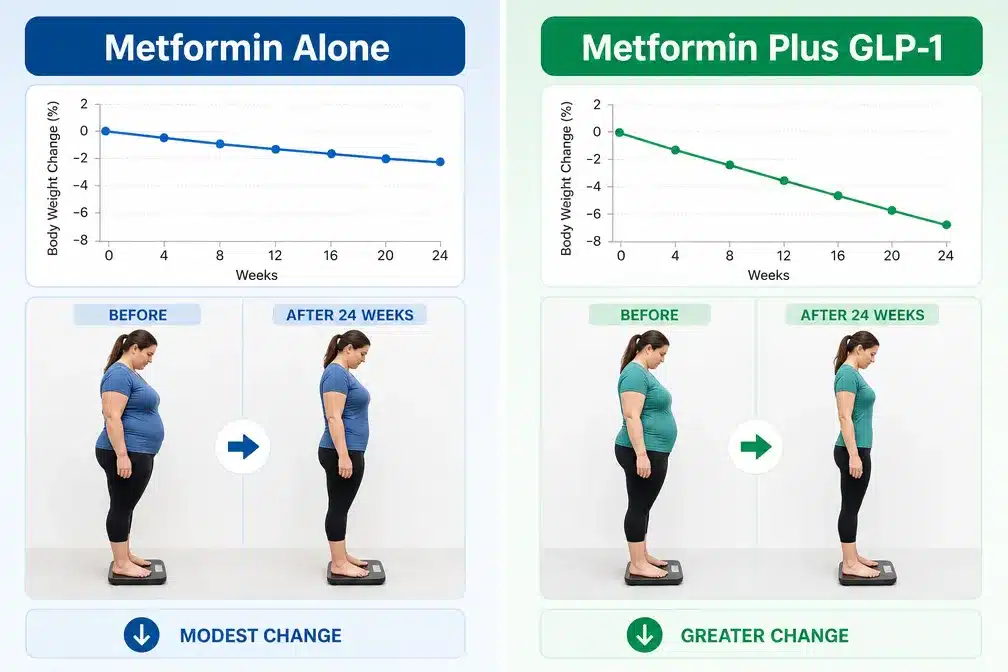
- Combining metformin with semaglutide produces significantly greater weight loss than metformin alone [3][4].
- Individual response varies widely; researchers now use machine learning to try to predict who will lose weight on metformin [1][5].
- People with PCOS, prediabetes, or those on certain antipsychotic medications often see small but measurable weight benefits from metformin [4][6][7].
- Metformin is not a substitute for diet and exercise, and most clinicians view it as a supportive therapy, not a primary weight-loss treatment.
- Readers considering weight loss without diabetes should talk to a doctor about whether metformin, GLP-1 medications, or lifestyle changes fit their situation best.
What is metformin and how does it actually work
Metformin is an oral medication approved by the FDA to treat type 2 diabetes by lowering blood sugar. It has been used safely for decades and is often the first medication doctors prescribe for newly diagnosed type 2 diabetes.
7 Best GLP-1 Providers Ranked: Accreditation, Flexibility & Support Compared (2026 Update)
32,000+ Patients Can't All Be Wrong: See the Top-Rated GLP-1 Providers. We compared the leading online GLP-1 providers based on program features, clinical support, convenience, and overall value.
BMI MD GLP-1 Microdosing Plan
- Specialized microdosing options, including sublingual drops and low-dose injections
- Designed for people interested in maintaining weight or gradually adjusting treatment
- Bundled program structure without a separate monthly platform membership
- Online access makes the process convenient from home

DirectMeds Weight Loss Solutions
- Online weight-loss program with a straightforward patient experience
- Compounded medication options through state-licensed compounding pharmacies
- Includes clinical consultation as part of the process
- Provides shipping updates to help patients track their orders
MEDVi Flat-Rate Telehealth
- Flat-rate telehealth approach designed for easier budgeting
- No dosage-based pricing increases within the advertised program structure
- Offers injectable and oral thin-film delivery options
- Includes medical screening and asynchronous provider consultations
Gala GLP-1 Care Program
- Text-based access to state-licensed clinicians
- Cold-chain medication shipping included in the program
- Month-to-month program structure
- Designed for people who value convenient ongoing support
Measured GLP-1 Metabolic Health
- Comprehensive metabolic health screening and intake analysis
- Designed around longer-term metabolic health management
- Responsive dashboard with integrated health tracking tools
- Useful option for patients who value a more data-focused experience
Refills GLP-1 (TryRefills Plan)
- Clinical guidance designed to help patients manage common treatment concerns
- Includes foundational nutritional strategies alongside medication
- Designed around predictable ongoing treatment
- No hidden startup or processing fees according to the program information provided
AltRx GLP-1 Transactional Reorders
- Transactional reorder model without recurring auto-billing
- Designed for patients who already understand their treatment routine
- Fast text-to-order process for convenient reorders
- Offers injectable and fast-dissolving tablet variations
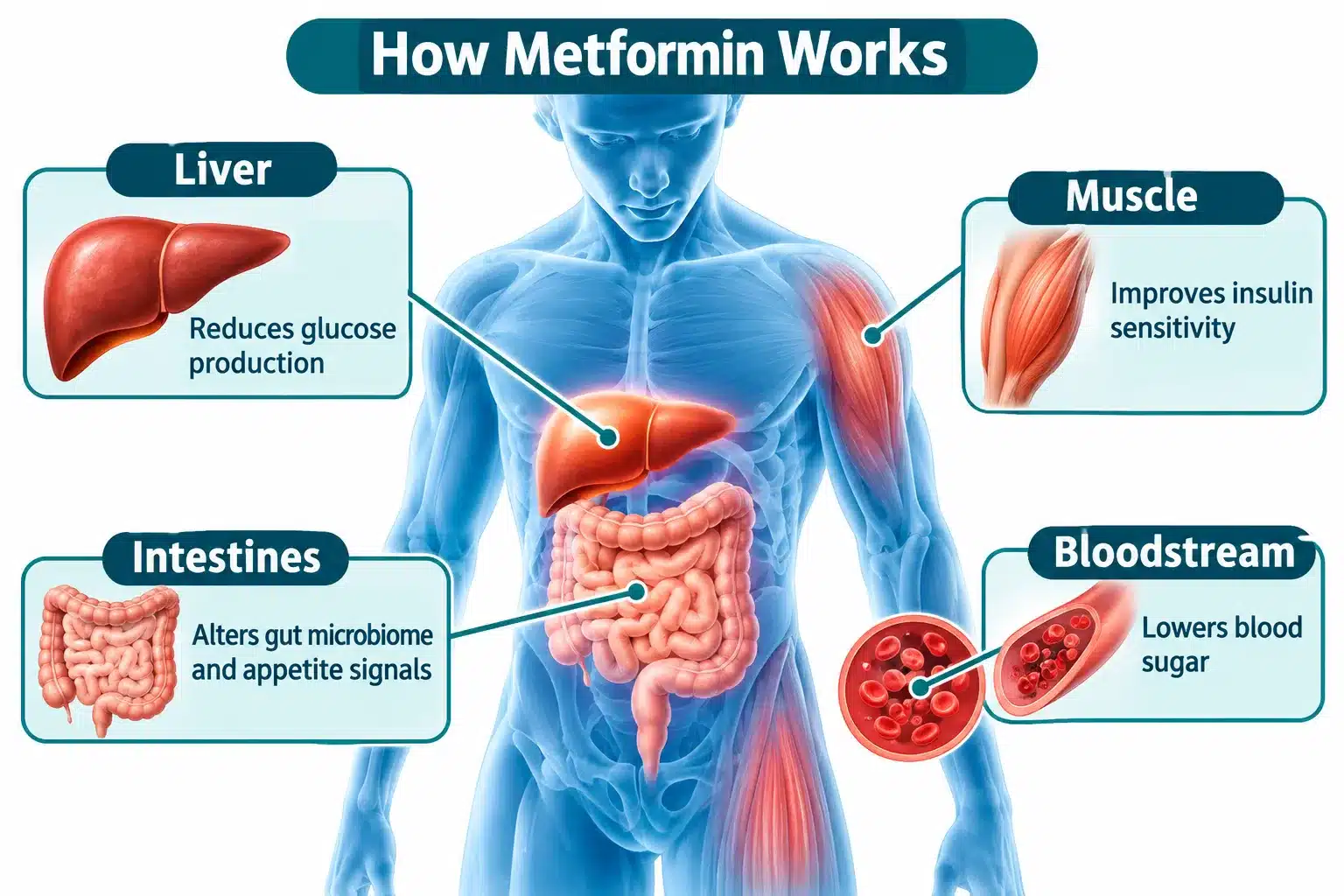
Metformin works mainly by reducing how much glucose the liver releases into the bloodstream. It also improves how the body’s muscle cells respond to insulin, which helps blood sugar enter cells more efficiently instead of building up in the blood. Some research suggests metformin also changes gut bacteria and may affect appetite signals in the intestines, which could partly explain why some people lose weight while taking it [1].
- Lowers liver glucose production
- Improves insulin sensitivity in muscle tissue
- May alter gut microbiome composition
- Does not directly target fat cells or appetite hormones the way GLP-1 drugs do
Choose metformin if you have type 2 diabetes or prediabetes and your doctor recommends it for blood sugar control. It is not designed as a standalone weight-loss drug, even though weight changes can happen alongside its primary effects.
Does metformin really cause weight loss, or is that a myth
Metformin can cause weight loss, but it is not a myth or a guarantee. The effect is real but generally small compared to purpose-built weight-loss medications.
Clinical data from diabetes prevention research shows metformin produces durable but moderate metabolic benefits, including modest weight reduction that tends to hold up over years rather than disappearing quickly [1]. This is different from dramatic weight-loss claims sometimes seen in online forums. A common mistake is assuming metformin will produce results similar to semaglutide or tirzepatide. It typically does not. If you are looking for substantial weight loss, metformin alone is unlikely to deliver it, and you may want to review options like semaglutide weight loss medication or which GLP-1 is best for weight loss.
How much weight can you lose on metformin
Most people lose a modest amount of weight on metformin, typically 2 to 3 percent of their starting body weight, though results vary a lot from person to person.
For a 200-pound person, that works out to roughly 4 to 6 pounds over several months to a couple of years. Some earlier studies on non-diabetic patients found weight loss as high as 6 to 7 percent over 6 to 12 months, but this is not the typical experience for most users [2]. Long-term follow-up from the Diabetes Prevention Program confirms metformin’s metabolic benefits are durable, but the weight-loss component remains moderate rather than dramatic [1].
| Outcome | Typical Range |
|---|---|
| Average weight loss on metformin alone | 2 to 3 percent of body weight |
| Higher-end results in some studies | 6 to 7 percent over 6 to 12 months |
| Weight loss with metformin plus semaglutide | Substantially greater than metformin alone [3] |
How long does it take to see weight loss from metformin
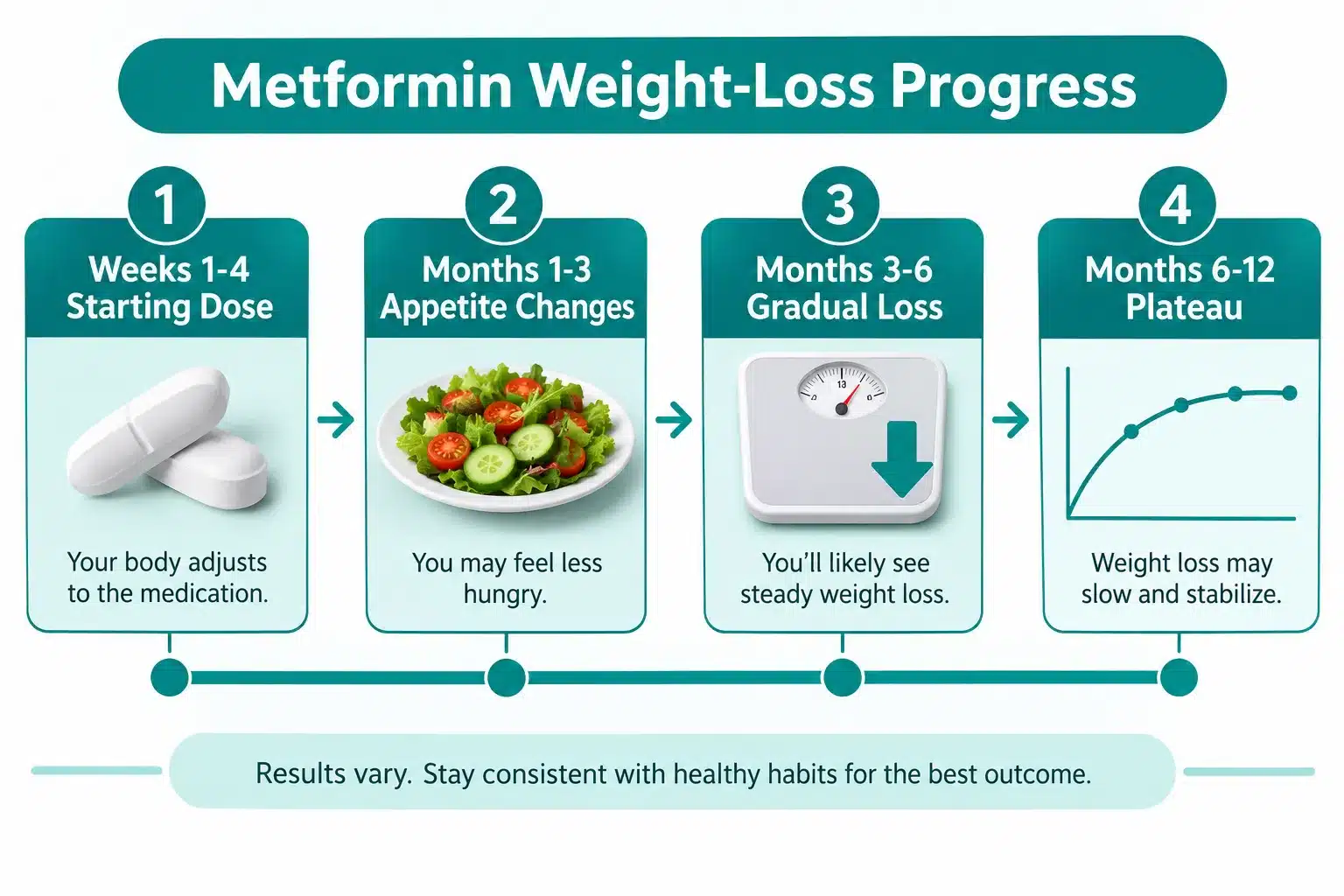
Weight loss from metformin, if it happens, usually appears gradually over the first few months and may continue slowly for a year or longer. It is not a fast-acting treatment.
Most clinical observations show changes becoming noticeable around the three-month mark, with further loss continuing through six to twelve months before leveling off. Patience matters here. A common mistake people make is expecting rapid results similar to injectable weight-loss drugs, then stopping metformin early out of frustration. If you have been on metformin for less than three months, it is too early to judge its weight effect.
Why am I not losing weight on metformin
Many people on metformin do not lose weight at all, and that is a normal and well-documented outcome, not a sign that something is wrong.
Response to metformin varies widely between individuals. Researchers have used machine learning models to try to predict who will respond with weight loss and who won’t, which underscores just how unpredictable the effect can be [1][5]. Reasons you might not see weight change include:
- Your body may simply not respond to metformin’s metabolic effects in a way that reduces appetite or fat storage.
- Diet and activity levels may be offsetting any metabolic benefit.
- You may be taking a dose too low to produce a noticeable effect.
- Other medications, such as certain antipsychotics, can work against weight loss even while taking metformin [8].
Edge case: in clozapine-treated psychiatric patients, metformin has been shown to produce small but real reductions in weight and waist circumference, even when other factors make weight loss difficult [8]. This shows metformin can still help in challenging situations, even if the effect is limited.
Can you take metformin for weight loss if you don’t have diabetes
Metformin is sometimes prescribed off-label for weight-related concerns in people without diabetes, most often those with prediabetes, insulin resistance, or polycystic ovary syndrome (PCOS). This is a decision that should be made with a doctor, not a self-directed choice.
In women with obesity, prediabetes, and PCOS, metformin combined with semaglutide has been shown to improve both weight and fertility-related outcomes, suggesting metformin’s non-diabetic uses typically work best as part of a broader treatment plan rather than alone [4]. If you don’t have diabetes and are exploring prescription options, it’s worth comparing GLP-1 for weight loss if you’re not diabetic with metformin-based approaches to see which fits your health profile.
Metformin vs Ozempic: which is better for weight loss
Ozempic (semaglutide) produces significantly more weight loss than metformin in virtually every comparison available. Metformin causes modest, gradual weight loss as a side effect of its diabetes mechanism, while Ozempic is designed specifically to reduce appetite and slow digestion for weight management.
| Factor | Metformin | Ozempic (semaglutide) |
|---|---|---|
| FDA-approved use | Type 2 diabetes | Type 2 diabetes (Wegovy approved for weight loss) |
| Typical weight loss | 2 to 3 percent of body weight | Substantially higher in clinical trials |
| Administration | Oral tablet | Weekly injection |
| Common side effects | GI upset, diarrhea, nausea | Nausea, GI upset, injection site reactions |
| Cost | Generally low-cost generic | Higher cost, see GLP-1 weight loss cost guide |
Choose metformin if you have diabetes or prediabetes and want an affordable, well-tolerated option with modest secondary weight benefits. Choose a GLP-1 medication if weight loss is your primary goal and you can access it through a provider; see our Ozempic weight loss results guide for what to expect. Many patients now use both together, since combination therapy with semaglutide and metformin produces meaningfully better outcomes than metformin alone [3][4].
Metformin side effects: weight gain or weight loss
Metformin is far more likely to cause weight loss or no change than weight gain. Unlike many diabetes medications (such as some insulin regimens or sulfonylureas), metformin is considered weight-neutral to weight-reducing.
Common side effects include:
- Nausea and stomach upset, especially when starting treatment
- Diarrhea, which sometimes improves with extended-release formulations
- A metallic taste in the mouth
- Rare vitamin B12 deficiency with long-term use
A common mistake is attributing unrelated weight gain to metformin when another factor, like a different medication or reduced activity, is the real cause. If you gain weight while on metformin, review all your medications and lifestyle factors with your doctor rather than assuming metformin caused it.
What do studies actually show about metformin and weight loss
Studies consistently show metformin produces real but modest weight loss, with high variability between individuals and much stronger results when combined with other treatments.
Here is a summary of what the current research actually demonstrates:
- Long-term Diabetes Prevention Program follow-up confirms durable metabolic benefits with only moderate weight effects over years [1].
- Machine learning models can help predict who responds to metformin with weight loss, highlighting how variable individual results are [1][5].
- Metformin plus semaglutide produces substantially greater weight loss than metformin alone [3].
- In women with obesity, prediabetes, and PCOS, semaglutide plus metformin improves weight and fertility outcomes together [4].
- Among diabetes patients on antipsychotic medications, combination semaglutide-metformin therapy helps more patients reach 5 percent or greater weight loss than metformin alone [7][9].
- Topiramate added to metformin produces significantly more weight loss than metformin alone in overweight or obese women with PCOS and metabolic risk factors [6].
- Metformin has even shown modest weight benefits in rare metabolic conditions like classic maple syrup urine disease, when used under careful medical supervision [10].
- Real-world health record data suggest that GLP-1 and SGLT2 medications now drive most meaningful long-term weight loss, with metformin serving more as a background or supportive therapy [1].
Metformin vs diet and exercise for weight loss
Diet and exercise generally produce more reliable and substantial weight loss than metformin alone, and metformin works best as an add-on to lifestyle changes rather than a replacement for them.
Lifestyle intervention trials, including the original Diabetes Prevention Program, found that structured diet and exercise programs outperformed metformin for weight loss, though metformin still provided meaningful metabolic protection [1]. The practical takeaway: if you can commit to consistent dietary changes and physical activity, that approach will likely outperform metformin alone for weight loss specifically, even though metformin may still help your blood sugar and long-term diabetes risk.
Are there better alternatives to metformin for weight loss
Yes, several medications are more effective than metformin specifically for weight loss, particularly GLP-1 receptor agonists like semaglutide and tirzepatide.
If weight loss is your main goal rather than blood sugar control, consider:
- GLP-1 medications such as semaglutide or tirzepatide, which produce considerably more weight loss in clinical trials than metformin; compare options in our Zepbound vs Ozempic breakdown
- Combination therapy, pairing metformin with a GLP-1 drug, which research shows outperforms either option alone [3][4]
- Topiramate combinations for specific populations, such as women with PCOS, which outperformed metformin alone in trials [6]
- Structured lifestyle programs, including the kind of coaching offered by platforms discussed in our Noom Med review
Choose a GLP-1-based approach if you need substantial weight loss and can access it affordably; choose metformin if cost, tolerability, or diabetes management is your top priority.
Who should and shouldn’t take metformin for weight loss
Metformin for weight loss is generally appropriate for people with insulin resistance, prediabetes, PCOS, or type 2 diabetes, but it is not appropriate for everyone, and it should never be self-prescribed.
Metformin may not be suitable for people with:
- Severe kidney disease or reduced kidney function
- A history of lactic acidosis
- Significant liver disease
- Heavy alcohol use
- Certain acute illnesses that affect hydration or kidney function
A doctor should evaluate kidney function and overall health before prescribing metformin, especially for off-label weight-related use. This is a decision that requires medical supervision, not an online purchase without evaluation.
Does metformin work for weight loss on its own
Metformin can produce weight loss on its own, but the effect is usually modest and inconsistent compared to combination approaches.
As the research summarized earlier shows, metformin alone tends to produce 2 to 3 percent body weight loss on average, while pairing it with another therapy, whether that is a GLP-1 drug, topiramate, or structured lifestyle changes, consistently produces better results [3][4][6]. If you’ve been on metformin alone for six months or more with no noticeable change, that is a reasonable point to discuss alternative or combination strategies with your doctor.
What’s the right dosage of metformin for weight loss
There is no dosage of metformin specifically approved or established for weight loss; dosing should always follow your doctor’s guidance based on your diabetes or metabolic treatment plan.
Metformin dosing for diabetes typically starts low and increases gradually to reduce gastrointestinal side effects, under a doctor’s supervision. Because metformin is not FDA-approved for weight loss, there is no official weight-loss dosing chart, and adjusting your dose on your own to chase weight-loss results is not recommended. Always follow your prescriber’s instructions and report side effects promptly.
Frequently Asked Questions
Can metformin cause weight loss without diabetes? Yes, metformin can cause modest weight loss in people without diabetes, particularly those with prediabetes, insulin resistance, or PCOS, but it should only be used under medical supervision since it is not FDA-approved specifically for weight loss.
How much weight will I realistically lose on metformin? Most people lose around 2 to 3 percent of their body weight over several months to years. Some people lose more, up to 6 to 7 percent in certain studies, while others see no change at all.
Is metformin safer than GLP-1 drugs for weight loss? Metformin generally has a longer safety track record and lower cost, but GLP-1 drugs produce more weight loss. Safety depends on individual health factors, so this should be discussed with a doctor rather than assumed.
Why do some people lose more weight on metformin than others? Individual response to metformin varies widely due to genetics, gut microbiome differences, diet, and other medications. Researchers are studying predictive models to better understand this variability.
Can I combine metformin with semaglutide for better weight loss? Yes, studies show metformin combined with semaglutide produces significantly greater weight loss than metformin alone, particularly in people with PCOS, obesity, or prediabetes. This combination requires a doctor’s prescription and supervision.
Does metformin cause weight gain in some people? Metformin is considered weight-neutral to weight-reducing for most people and is not typically associated with weight gain, unlike some other diabetes medications.
How long should I try metformin before judging if it’s working for weight loss? Most research suggests waiting at least three to six months before evaluating metformin’s weight effect, since changes tend to happen gradually rather than quickly.
7 Best GLP-1 Providers Ranked: Accreditation, Flexibility & Support Compared (2026 Update)
32,000+ Patients Can't All Be Wrong: See the Top-Rated GLP-1 Providers: Compared on accreditation, plan flexibility, and patient support — updated for 2026.
BMI MD GLP-1 Microdosing Plan
- Specialized microdosing options (sublingual drops or low-dose injections)
- Ideal for maintaining weight or tapering off higher doses safely
- Fully bundled plan with no hidden monthly platform memberships
DirectMeds Weight Loss Solutions
- Sourced from accredited, state-licensed 503A compounding pharmacies
- No-frills high-volume savings passed directly to the patient
- Includes clinical consultation and cold-chain shipping updates
MEDVi Flat-Rate Telehealth
- Flat monthly rate holds steady even at maximum maintenance doses
- No dosage upcharges or graduation fee penalties
- Offers both injectable and advanced oral thin-film delivery options
Gala GLP-1 Care Program
- All-inclusive plan with no standalone membership costs
- Continuous text-based messaging access with state-licensed clinicians
- Temperature-controlled, cold-chain medication shipping included
Measured GLP-1 Metabolic Health
- Comprehensive metabolic health screening and expert intake analysis
- Predictable long-term budgeting with stable plan pricing
- High-end responsive dashboard with integrated diagnostic support
Refills GLP-1 (TryRefills Plan)
- Flat rate holds steady as titration scales up
- Includes clinical guides for active side-effect management
- Bundles in foundational nutritional strategies alongside medication
AltRx GLP-1 Transactional Reorders
- Zero recurring auto-billing — pay entirely on a transactional basis
- Rapid text-to-order format saves time for experienced patients
- Provides both injectable forms and fast-dissolving tablet variations
Conclusion
Metformin can cause weight loss, but the honest answer to “can metformin cause weight loss” is that the effect is real, modest, and highly individual rather than dramatic or guaranteed. Research consistently shows average losses in the 2 to 3 percent range, with some people losing more and plenty of others seeing little to no change [1][2]. Metformin works best as a supportive therapy, especially when combined with lifestyle changes or GLP-1 medications like semaglutide, rather than as a standalone weight-loss solution [3][4].
If you’re managing diabetes or prediabetes and notice some weight loss on metformin, that’s a reasonable secondary benefit. If weight loss is your main goal, talk to your doctor about whether combination therapy or a dedicated weight-loss medication makes more sense for your situation. For a deeper look at prescription options and costs, explore our guides on RX weight loss medications and semaglutide weight loss injections before making a decision with your healthcare provider.
References
- S41598 025 09393 1. link.springer.com.
- Pmc1466911. pmc.ncbi.nlm.nih.gov.
- pubmed.ncbi.nlm.nih.gov.
- E3163. academic.oup.com.
- S41598 025 09393 1. link.springer.com.
- pubmed.ncbi.nlm.nih.gov.
- pubmed.ncbi.nlm.nih.gov.
- pubmed.ncbi.nlm.nih.gov.
- pubmed.ncbi.nlm.nih.gov.
- pubmed.ncbi.nlm.nih.gov.

With over 13 years of experience in holistic health blogging, I aim to help you navigate your wellness journey with honest insights, expert-backed advice, and a sprinkle of real-world practicality.
Certified Wellness Writer | Herbal Nutrition Advocate | Wellness Research Enthusiast