Which GLP-1 Is Best for Weight Loss? Comparing Effectiveness, Costs, and Side Effects

Last updated: November 18, 2026
Quick Answer
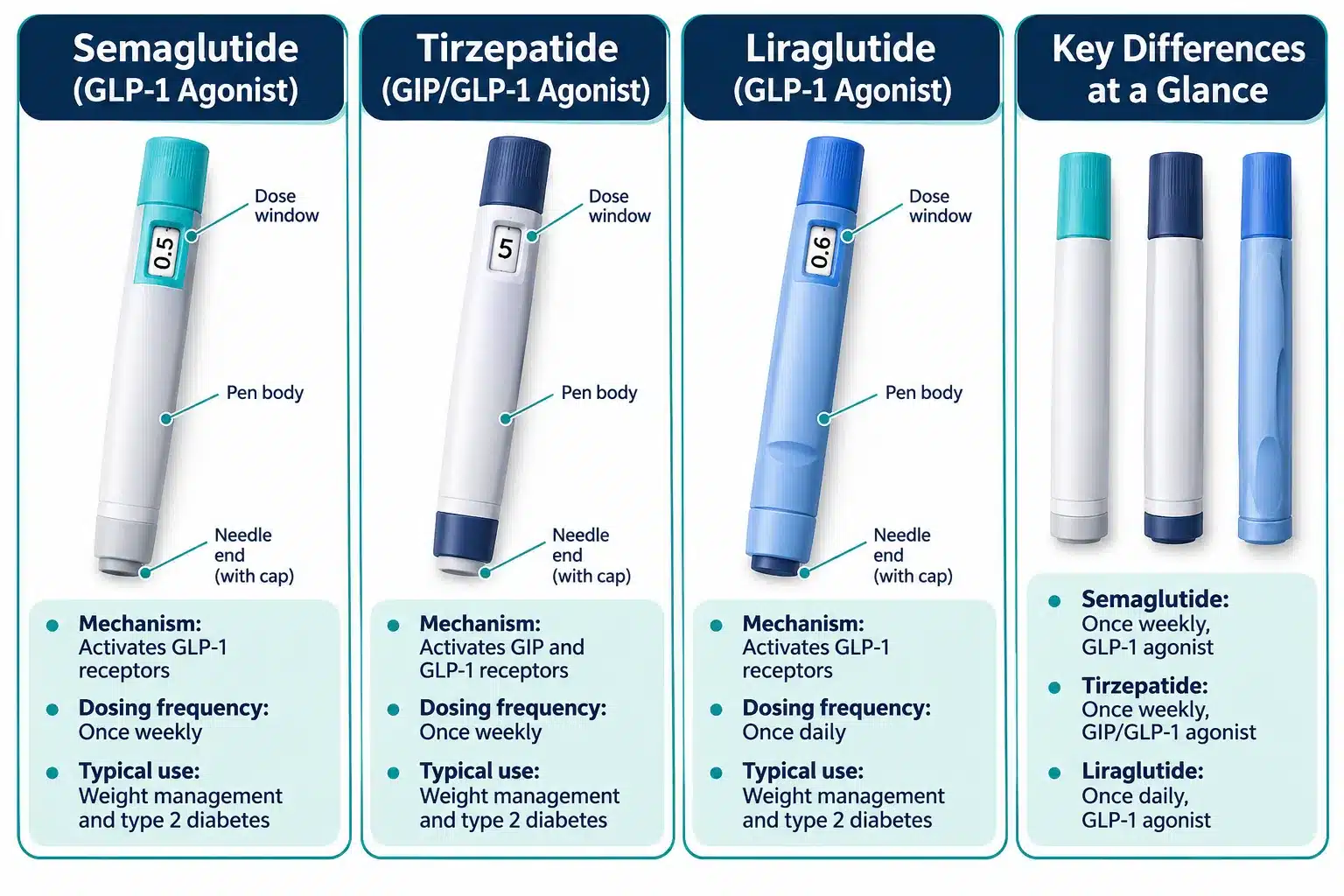
Head-to-head trial data now show tirzepatide (Zepbound) produces greater average weight loss than semaglutide (Wegovy) in adults without diabetes, but “best” still depends on your side-effect tolerance, budget, and health history [1][2]. Semaglutide has a longer safety track record and broader insurance coverage, while tirzepatide tends to deliver more weight loss for a similar cost and side-effect pattern. Neither drug works well once you stop taking it unless you keep up lifestyle changes.
Key Takeaways
- Tirzepatide outperformed semaglutide for weight loss in a 2025 head-to-head trial, with larger average body weight reduction over 72 weeks [1][2].
- Both drugs cause similar gastrointestinal side effects: nausea, diarrhea, constipation, and vomiting, especially during dose increases.
- Without insurance, GLP-1 drugs typically cost several hundred to over a thousand dollars a month, though newer direct-pricing programs have narrowed that gap.
- Weight regain is common after stopping GLP-1 medication unless diet and activity habits change permanently.
- People with a personal or family history of medullary thyroid cancer or MEN 2 syndrome should not take these drugs.
- Lean mass loss alongside fat loss is a growing concern raised in 2026 research, making strength training and protein intake important during treatment [3].
- Compounded GLP-1 products are not FDA-approved versions of the brand drugs and carry different oversight and quality risks.
What Is a GLP-1 Drug and How Does It Actually Work for Weight Loss
A GLP-1 drug is a medication that mimics a natural gut hormone called glucagon-like peptide-1, which slows digestion, reduces appetite, and helps regulate blood sugar. For weight loss, this translates into eating less without constant hunger.
7 Best GLP-1 Providers Ranked: Accreditation, Flexibility & Support Compared (2026 Update)
32,000+ Patients Can't All Be Wrong: See the Top-Rated GLP-1 Providers. We compared the leading online GLP-1 providers based on program features, clinical support, convenience, and overall value.

BMI MD GLP-1 Microdosing Plan
- Specialized microdosing options, including sublingual drops and low-dose injections
- Designed for people interested in maintaining weight or gradually adjusting treatment
- Bundled program structure without a separate monthly platform membership
- Online access makes the process convenient from home

DirectMeds Weight Loss Solutions
- Online weight-loss program with a straightforward patient experience
- Compounded medication options through state-licensed compounding pharmacies
- Includes clinical consultation as part of the process
- Provides shipping updates to help patients track their orders

MEDVi Flat-Rate Telehealth
- Flat-rate telehealth approach designed for easier budgeting
- No dosage-based pricing increases within the advertised program structure
- Offers injectable and oral thin-film delivery options
- Includes medical screening and asynchronous provider consultations

Gala GLP-1 Care Program
- Text-based access to state-licensed clinicians
- Cold-chain medication shipping included in the program
- Month-to-month program structure
- Designed for people who value convenient ongoing support

Measured GLP-1 Metabolic Health
- Comprehensive metabolic health screening and intake analysis
- Designed around longer-term metabolic health management
- Responsive dashboard with integrated health tracking tools
- Useful option for patients who value a more data-focused experience

Refills GLP-1 (TryRefills Plan)
- Clinical guidance designed to help patients manage common treatment concerns
- Includes foundational nutritional strategies alongside medication
- Designed around predictable ongoing treatment
- No hidden startup or processing fees according to the program information provided

AltRx GLP-1 Transactional Reorders
- Transactional reorder model without recurring auto-billing
- Designed for patients who already understand their treatment routine
- Fast text-to-order process for convenient reorders
- Offers injectable and fast-dissolving tablet variations
These drugs were first developed for type 2 diabetes. Scientists later found that at higher doses, they also produced significant weight loss by acting on brain pathways that control hunger and fullness. Tirzepatide goes a step further by also activating a second hormone receptor, GIP, which appears to add extra metabolic benefit [4]. This dual-action mechanism is part of why tirzepatide has shown stronger results in trials.
If you’re new to these medications and want a broader rundown of options, our guide on which GLP-1 is best for weight loss, with seven options compared breaks down each drug individually.
Ozempic vs Wegovy vs Mounjaro: Which One Is Best
Wegovy and Mounjaro are generally considered more effective for weight loss than Ozempic, because Ozempic is FDA-approved for diabetes and dosed differently, while Wegovy and Zepbound (tirzepatide’s weight-loss brand) are approved specifically for obesity treatment. Mounjaro is the diabetes version of tirzepatide, the same drug sold as Zepbound for weight loss.
- Choose Wegovy if: you want an FDA-approved semaglutide product with years of real-world weight-loss data and no diabetes diagnosis is required.
- Choose Mounjaro/Zepbound if: you want the drug shown to produce greater average weight loss in direct comparison trials [1][2][5].
- Choose Ozempic if: your doctor is treating diabetes and weight loss is a secondary benefit, not your main goal.
A common mistake is assuming Ozempic and Wegovy are interchangeable for weight-loss purposes. They contain the same active ingredient, semaglutide, but are approved and dosed for different conditions. For a direct comparison of tirzepatide-based and semaglutide-based brands, see our breakdown of Zepbound vs Ozempic for weight loss and Wegovy vs Mounjaro.
How Much Weight Can You Realistically Lose on GLP-1
In the SURMOUNT-5 head-to-head trial comparing tirzepatide and semaglutide in adults with obesity but no diabetes, tirzepatide produced a significantly greater percentage of body weight loss than semaglutide over the study period [1][2]. Individual results vary widely based on starting weight, dose, diet, and activity level.
A 2025 NEJM editorial accompanying the trial noted that the difference between the two drugs was clinically meaningful, not just statistically significant, reinforcing that drug choice can materially change outcomes for patients [5]. Keep in mind that trial averages describe groups, not guarantees for any one person.
Edge case: some people lose much less than trial averages, often due to inconsistent dosing, not reaching the target maintenance dose, or not addressing diet quality alongside medication.
What Are the Most Common Side Effects of GLP-1 Drugs
The most common side effects across GLP-1 and dual-agonist drugs are gastrointestinal: nausea, vomiting, diarrhea, constipation, and reduced appetite. These symptoms are usually worst during dose increases and tend to ease over several weeks.
Comparative reviews from 2025 and 2026 report broadly similar gastrointestinal tolerability profiles between tirzepatide and semaglutide, though discontinuation rates due to side effects vary slightly by study and dose [6][7]. Less common but more serious risks include gallbladder problems, pancreatitis, and injection-site reactions.
For a deeper look at managing side effects on a specific drug, read about Ozempic side effects and how to manage them or how long Mounjaro side effects typically last.
Which GLP-1 Has the Least Side Effects
No GLP-1 drug is free of side effects, but lower starting doses and slower titration schedules generally reduce how severe symptoms feel, regardless of which drug you choose. Liraglutide, an older daily injection, sometimes causes milder GI symptoms than newer weekly drugs, but it also produces less weight loss overall.
A practical decision rule: choose the drug and dosing schedule your prescriber recommends based on your personal tolerance history, not marketing claims. If you’ve had severe nausea on one drug, switching within the class (for example from semaglutide to tirzepatide, or vice versa) sometimes helps, but this should be discussed with a healthcare provider, not decided on your own.
Do You Gain Weight Back After Stopping GLP-1
Yes, most people regain a significant portion of lost weight after stopping GLP-1 medication unless they’ve built lasting changes to diet, activity, and behavior. The drugs suppress appetite while active; once that effect fades, old eating patterns often return.
This is why many clinicians frame GLP-1 treatment as long-term, similar to managing high blood pressure. Our article on what happens when you stop taking Ozempic and how to prevent weight regain walks through strategies for maintaining results, and our guide to tirzepatide maintenance dosing after reaching a weight goal explains how some patients taper rather than stop abruptly.
Who Should Not Take GLP-1 Drugs
People with a personal or family history of medullary thyroid carcinoma or Multiple Endocrine Neoplasia syndrome type 2 should not take GLP-1 or dual-agonist drugs, based on warnings in official prescribing information. Pregnant or breastfeeding individuals and those with a known allergy to the medication’s ingredients should also avoid these drugs.
Other situations that call for caution rather than outright avoidance include a history of pancreatitis, severe gastrointestinal disease, and diabetic retinopathy. A prescriber needs your full medical history before recommending any GLP-1 medication, which is why legitimate telehealth and in-person providers always require a consultation first.
Can You Take GLP-1 if You Have Diabetes or Heart Problems
Many GLP-1 drugs were originally approved for type 2 diabetes and are commonly prescribed for patients who have both diabetes and excess weight, often under close medical supervision. Several GLP-1 drugs have also shown cardiovascular benefits in people with existing heart disease, according to data referenced in FDA labeling and clinical research summarized in comparative reviews [6][8].
That said, heart problems and diabetes both require individualized dosing and monitoring. A cardiologist or endocrinologist may need to weigh in before you start treatment, particularly if you’re on other medications that affect blood sugar or heart rhythm. Readers managing both diabetes and weight concerns may also find it useful to review GLP-1 options for weight loss in people without diabetes for contrast on how eligibility differs.
What Are the Alternatives to GLP-1 for Weight Loss
Alternatives to GLP-1 drugs include older prescription weight-loss medications, structured lifestyle and behavioral programs, and in some cases bariatric surgery for people with more severe obesity. None of these alternatives currently match the average weight loss seen with tirzepatide or semaglutide in clinical trials, but they may suit people who can’t or don’t want to use injectable medication.
- Prescription pills: options covered in our guide to prescription weight-loss medications.
- Structured coaching programs: services that combine nutrition coaching with medical oversight, such as those reviewed in our Calibrate weight loss program review and Found weight loss program review.
- Older injectable GLP-1 drugs: such as the ones covered in our Byetta review and Bydureon review.
Choose an alternative if: you have a contraindication to GLP-1 drugs, cannot tolerate injections, or your weight-loss goal is modest enough that lifestyle-based programs are a reasonable first step.
How Long Does It Take to See Weight Loss Results on GLP-1
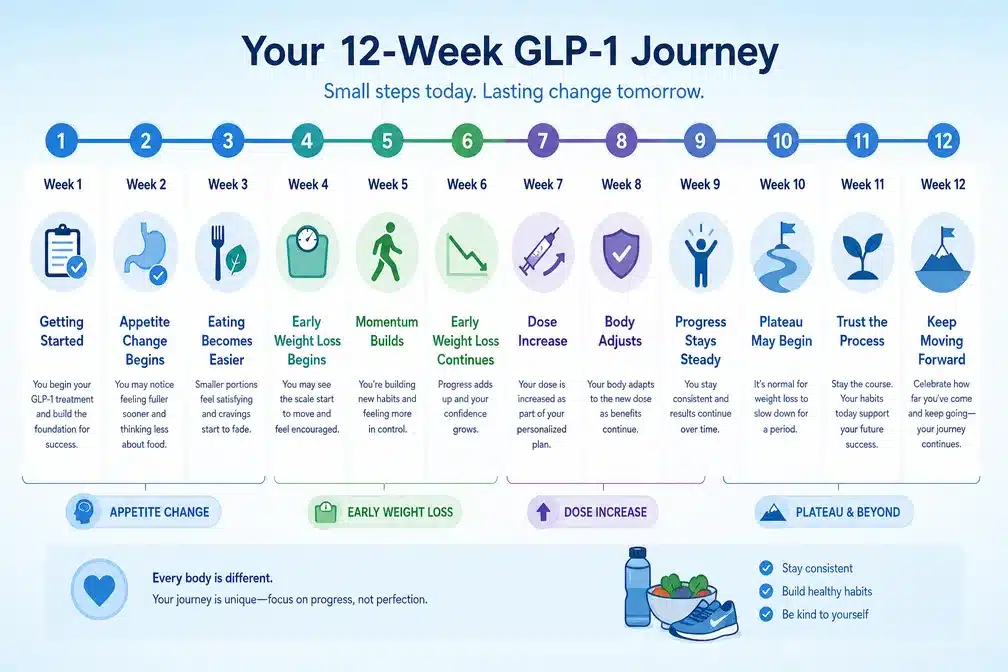
Most people notice reduced appetite within the first one to two weeks, with measurable weight loss typically appearing by four to eight weeks, and more substantial results building over three to six months as the dose increases. Full effects from the highest maintenance dose are usually assessed closer to the nine- to twelve-month mark in clinical trials.
Our breakdown of Ozempic weight loss results over a six-week plan gives a closer look at what early weeks can look like, and readers focused on smaller goals may want our article on using GLP-1 for a 10-pound weight loss target.
Is GLP-1 Safe to Take Long Term
Current evidence supports GLP-1 drugs as reasonably safe for long-term use in appropriate patients, though researchers continue to study effects beyond a few years, including impacts on lean muscle mass. A 2026 report in Nature raised attention to lean-mass loss alongside fat loss during GLP-1 treatment, suggesting strength training and adequate protein intake matter for preserving muscle during extended use [3].
Long-term monitoring typically includes periodic check-ins on kidney function, gallbladder health, and nutritional status. For a detailed look at years of accumulated data on one widely used drug, see our article on long-term side effects of Ozempic and Mounjaro’s long-term side effect research.
What’s the Difference Between GLP-1 for Weight Loss vs for Diabetes
The core difference is the FDA-approved indication and dosing: diabetes versions (Ozempic, Mounjaro) are approved to manage blood sugar, while weight-loss versions (Wegovy, Zepbound) are approved specifically for chronic weight management, sometimes at higher maximum doses. The active drug compounds can be identical, but the approved use, insurance coverage pathway, and dosing schedule differ.
This distinction matters for cost and coverage. Insurance plans are more likely to cover a diabetes-indicated drug for a diabetic patient than a weight-loss-indicated drug for someone without diabetes, even though both may produce similar appetite-suppressing effects.
Why Is GLP-1 So Expensive and Are There Cheaper Options
GLP-1 drugs are expensive largely because they’re patented, in high demand, and require ongoing weekly dosing rather than a one-time treatment, which keeps manufacturer pricing power high. Without insurance, these drugs have historically run from several hundred to over a thousand dollars per month, though manufacturer savings programs and newer direct-to-consumer pricing options have brought some costs down in 2026 [4].
Ways to reduce cost include:
- Manufacturer savings cards for commercially insured patients.
- Direct-purchase programs some drugmakers now offer.
- Comparing telehealth providers, since consultation and membership fees vary.
For current pricing breakdowns, see our guides on GLP-1 weight loss medication costs and Measured’s GLP-1 program costs. If you’re exploring online prescribers, our comparison of the best places to get GLP-1 medications online and reviews of providers like Hims weight loss, Ro, and Mochi Health can help with side-by-side comparison.
Comparison Table: Which GLP-1 Is Best for Weight Loss by Category
| Factor | Semaglutide (Wegovy/Ozempic) | Tirzepatide (Zepbound/Mounjaro) |
|---|---|---|
| Average weight loss in trials | Lower than tirzepatide in head-to-head data [1][2] | Higher average loss in head-to-head trial [1][2] |
| Dosing schedule | Weekly injection | Weekly injection |
| Approval history | Longer market history | Newer, fewer years of long-term data [4] |
| Common side effects | Nausea, diarrhea, constipation | Similar GI profile [6][7] |
| Best suited for | Patients wanting longer-established safety data | Patients prioritizing maximum average weight loss |
FAQ
Is tirzepatide always better than semaglutide for weight loss?
On average, tirzepatide produced greater weight loss in head-to-head trial data, but individual response varies, and some people tolerate semaglutide better or have insurance that only covers one drug [1][2].
Can I switch between GLP-1 drugs if one isn’t working?
Switching is sometimes done under medical supervision if side effects are intolerable or weight loss stalls, but this decision should involve your prescriber, not a self-directed change.
Do GLP-1 drugs work without diet changes?
They reduce appetite and can produce weight loss on their own, but combining them with balanced nutrition and activity generally improves results and helps preserve muscle mass [3].
Are compounded GLP-1 drugs the same as brand-name versions?
No. Compounded versions are not FDA-approved copies of Wegovy, Zepbound, Ozempic, or Mounjaro, and their quality, dosing accuracy, and oversight can differ significantly from approved products.
What happens if I miss a dose?
Missed-dose guidance differs by drug and how much time has passed. Always follow the specific instructions in your prescribed product’s official labeling or ask your prescriber.
Does insurance cover GLP-1 drugs for weight loss?
Coverage varies widely by insurer, employer plan, and whether you have a qualifying diagnosis like diabetes. Some plans, including certain Kaiser plans, have specific rules, which our article on Kaiser coverage for GLP-1 weight loss drugs explains in more detail.
Can GLP-1 drugs cause hair loss?
Hair thinning has been reported during rapid weight loss on GLP-1 drugs, often linked to the stress of fast weight change rather than the drug itself. Our article on why Ozempic may cause hair loss and how to address it covers this in depth.
7 Best GLP-1 Providers Ranked: Accreditation, Flexibility & Support Compared (2026 Update)
32,000+ Patients Can't All Be Wrong: See the Top-Rated GLP-1 Providers: Compared on accreditation, plan flexibility, and patient support — updated for 2026.
BMI MD GLP-1 Microdosing Plan
- Specialized microdosing options (sublingual drops or low-dose injections)
- Ideal for maintaining weight or tapering off higher doses safely
- Fully bundled plan with no hidden monthly platform memberships
DirectMeds Weight Loss Solutions
- Sourced from accredited, state-licensed 503A compounding pharmacies
- No-frills high-volume savings passed directly to the patient
- Includes clinical consultation and cold-chain shipping updates
MEDVi Flat-Rate Telehealth
- Flat monthly rate holds steady even at maximum maintenance doses
- No dosage upcharges or graduation fee penalties
- Offers both injectable and advanced oral thin-film delivery options
Gala GLP-1 Care Program
- All-inclusive plan with no standalone membership costs
- Continuous text-based messaging access with state-licensed clinicians
- Temperature-controlled, cold-chain medication shipping included
Measured GLP-1 Metabolic Health
- Comprehensive metabolic health screening and expert intake analysis
- Predictable long-term budgeting with stable plan pricing
- High-end responsive dashboard with integrated diagnostic support
Refills GLP-1 (TryRefills Plan)
- Flat rate holds steady as titration scales up
- Includes clinical guides for active side-effect management
- Bundles in foundational nutritional strategies alongside medication
AltRx GLP-1 Transactional Reorders
- Zero recurring auto-billing — pay entirely on a transactional basis
- Rapid text-to-order format saves time for experienced patients
- Provides both injectable forms and fast-dissolving tablet variations
Conclusion
So, which GLP-1 is best for weight loss? Current head-to-head trial evidence points to tirzepatide as the stronger option for average weight loss, but semaglutide remains a well-established, effective choice with a longer safety record [1][2][5]. The right answer for you depends on your tolerance for side effects, your budget, whether you have diabetes or heart conditions, and what your insurance will actually cover.
Before starting any GLP-1 medication, talk with a licensed healthcare provider who can review your full medical history, confirm you’re a good candidate, and set realistic expectations for both results and risks. Comparing effectiveness, costs, and side effects is a smart first step, but it works best as part of a conversation with a professional, not a replacement for one.
semaglutide, tirzepatide, GLP-1 drugs, Wegovy, Zepbound, Ozempic, Mounjaro, weight loss medication, GLP-1 side effects, prescription weight loss, obesity treatment, telehealth weight loss
References
- Head to Head Trial Compares Weight Loss Drugs. news.weill.cornell.edu.
- Nejmoa2416394. nejm.org.
- S44437 026 00025 Y. nature.com.
- Pdf. investor.lilly.com.
- Nejme2507452. nejm.org.
- Edm2.70045. agupubs.onlinelibrary.wiley.com.
- Oby.70169. onlinelibrary.wiley.com.
- Fullarticle. jamanetwork.com.